
How to Prep Your Home for a Multi-Day Power Outage


You know the drill with a short outage. Power blinks off, you dig out a flashlight, you complain a little, and an hour later the fridge hums back to life like nothing happened. A multi-day outage is a whole different animal. Food starts turning. Water pressure drops. Phones go dark one by one. And that’s before anyone mentions the medication that needs to stay cold.
Here’s the part nobody wants to admit: most of us figure this out around hour 18. Right when the emergency is in full swing and the store shelves are already bare. I’d love to tell you I’ve never been that person. I have absolutely been that person, standing in a dark kitchen holding a phone at 3% battery, wondering where I put the good flashlight.
The fix isn’t complicated or expensive. One weekend, one bin, a specific list of stuff, and a multi-day outage goes from crisis to inconvenience. Here’s what actually matters, in the order you’ll need it.
Outages lasting more than a day aren’t the fluke they used to be, and the numbers back that up. The Census Bureau found that roughly 1 in 4 American households lost power completely at least once last year, and 70% of those outages stretched past six hours. Homeowners got hit harder than renters, and if you’re in a rural area, your odds jump to better than 1 in 3. Old infrastructure, wild weather, more demand on hot summer days… it all adds up. Worth getting ahead of it.
Priority 1: Light
Thirty minutes in, you’ll want light. Your phone flashlight works fine, until you remember that phone is also your only way to check on family, and now it’s at 40% with no outlet in sight.
Here’s your list:
- A flashlight for every family member (basic LED, standard batteries)
- A battery lantern for each room you’ll actually use (kitchen, living room, bathroom)
- A headlamp for every adult. Hands-free is a gift when you’re cooking or digging through a first aid kit in the dark
- Spare batteries, AA and AAA, in one labeled container so you’re not hunting
- If you want to get fancy: solar pathway lights from the yard work great brought inside at night
Skip the candles. They’re pretty right up until they’re a fire hazard. Battery-powered flameless candles give you the ambiance without the risk, and they last longer than you’d think.
Priority 2: Staying Connected
Your phone becomes your lifeline fast: weather updates, checking on your people, finding out if the outage is neighborhood-wide or something worse. Keeping it alive matters as much as having light.
- A portable battery bank, 20,000 mAh minimum. That’ll charge a phone four to six times before it needs a recharge itself
- Charging cables for every device in the house, because of course everyone has a different one
- A car charger. Your car turns into a charging station once the house power’s gone
- A hand-crank or battery emergency radio with NOAA weather-band. This is the item people skip and then wish they hadn’t
- A written list of important numbers. Doctors, family, insurance. Your contacts app is useless on a dead phone
Charge every battery bank fully now, then top them off once a month. A dead battery bank in an emergency is just an expensive paperweight. Ask me how I know.
Priority 3: Water
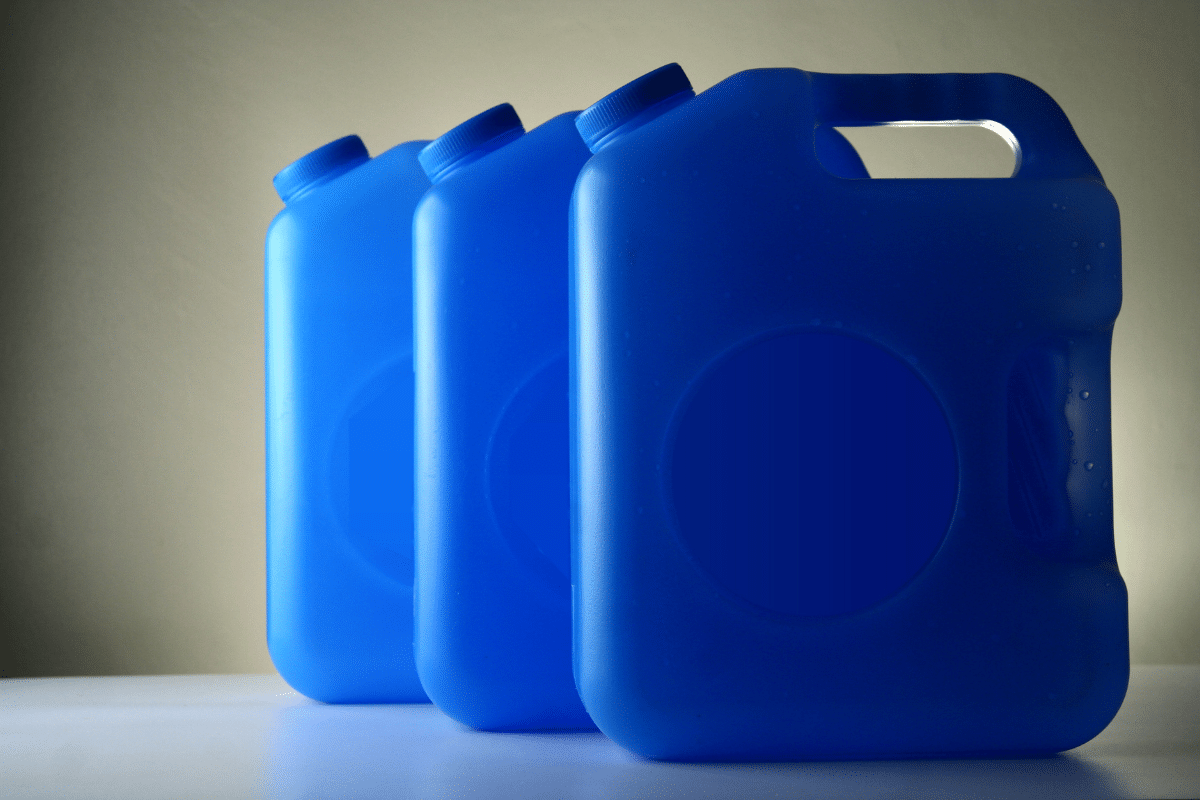
This is the one that matters most. FEMA says a gallon per person per day, covering drinking, cooking, and basic hygiene. For a family of four over 72 hours, that’s 12 gallons. Non-negotiable.
Store it now:
- Five-gallon jugs of bottled water are the most space-efficient way to stock up
- Rinsed 2-liter bottles or empty milk jugs filled with tap water work too. A drop of bleach keeps it stable for long-term storage
- If a storm’s coming and you have warning, fill the bathtub. A WaterBOB liner runs about $30 and safely holds 100 gallons of clean drinking water
If you run out:
- Your water heater is holding 30 to 50 gallons of drinkable water. Drain it from the bottom valve
- Toilet tank water (not the bowl) is safe in a pinch
- A cheap filter like a Sawyer Mini turns questionable water into safe water
Want to go deeper than 12 gallons? I’ve got a full breakdown of storage, purification, and where to actually put it all when your house doesn’t have a garage the size of a bunker: How to Build a Practical Emergency Water Storage Plan (No Bunker Required).
Priority 4: Keeping Food Safe
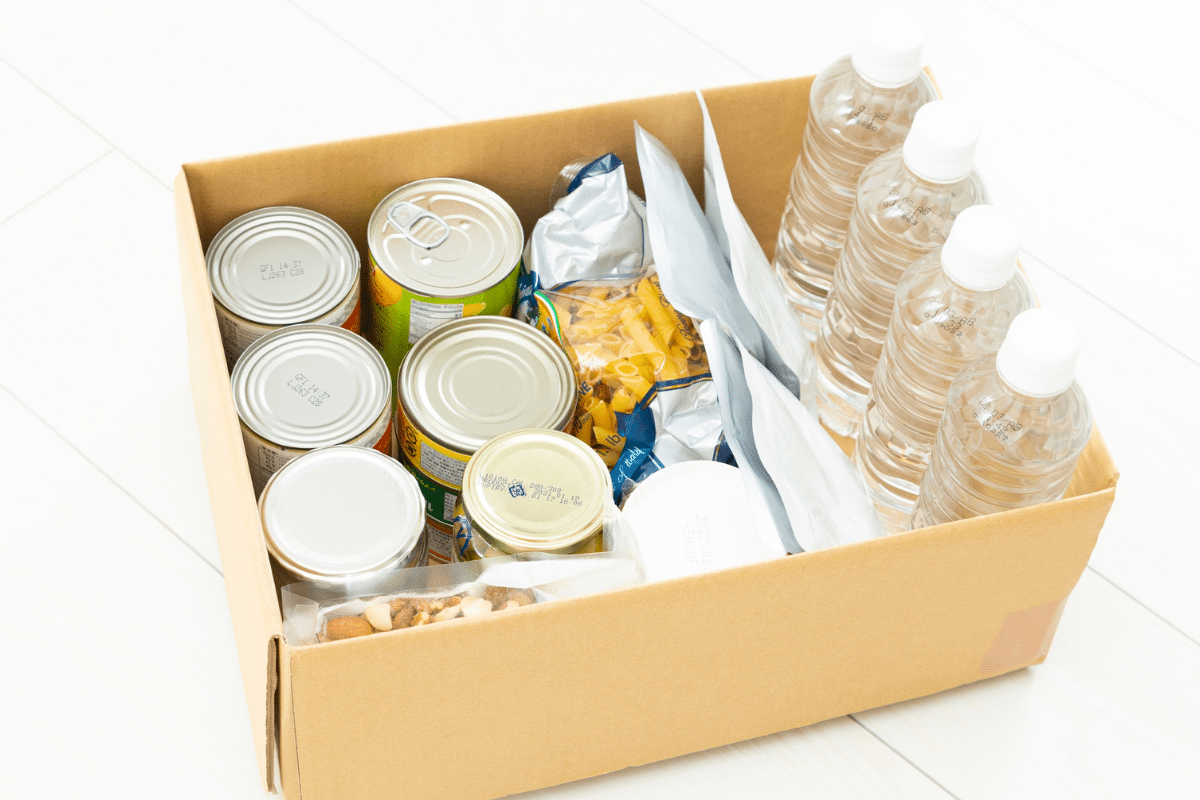
Nearly 1 in 7 households that lose power end up throwing out spoiled food. It doesn’t take long, either: a closed fridge keeps food safe for about four hours after the power goes. A full freezer buys you 24 to 48 hours.
If you get any warning at all, turn everything to its coldest setting, and fill empty freezer space with water bottles. Frozen water acts like extra insulation. Group foods close together. Density is your friend here.
Once the power’s out, eat the most perishable stuff first: dairy, meat, anything that won’t survive a day. Keep those doors closed as much as humanly possible, and once the fridge starts warming up, move what’s left into a cooler with ice. Anything sitting above 40°F for more than two hours goes in the trash. I know it feels wasteful. Food poisoning feels worse.
Stock your no-cook shelf:
- Peanut butter, jelly, bread
- Canned soup, chili, beans, tuna, chicken
- Crackers, granola bars, trail mix, nuts
- Dried fruit
- Bottled juice and sports drinks
- A manual can opener. This is the single item people forget every single time, myself included on more than one occasion
Want to build out that no-cook shelf properly? I’ve got a full list of what actually holds up long-term, plus where to stash it if your garage isn’t the size of a bunker: How to Build a Practical Emergency Food Stockpile.
Priority 5: Cooking, If It Drags On
Past 24 hours, some way to make hot food starts mattering for morale as much as anything else.
Your options: a camping stove with butane or propane, a charcoal or gas grill, a solar oven if you’ve got sunny days, or a fireplace or wood stove if that’s already part of your setup.
One rule that isn’t optional: never run outdoor cooking equipment indoors. Carbon monoxide doesn’t announce itself, and it kills people every single year during outages just like this one. Outside, or a well-ventilated space, always.
Priority 6: Managing the Temperature
Cold outside, cold inside. Hot outside, hot inside. Either one can turn dangerous fast if you’re not ready.
If it’s cold:
- Extra blankets and sleeping bags
- Warm layers, including hats (you lose a surprising amount of heat through your head)
- Battery-powered heaters made for indoor use. Never propane or kerosene inside, full stop
- Everyone camps out in one room to share body heat
- Shut the doors on rooms you’re not using so the warmth stays concentrated
If it’s hot:
- Battery or hand fans
- Cool wet cloths on the neck and wrists
- Move to the coolest spot in the house, usually the basement or lowest floor
- Wet sheets hung near windows create a little evaporative cooling
- Drink water, skip the yard work
Priority 7: Medications and Medical Equipment
Insulin, biologics, anything that needs to stay cold… this is where an outage stops being an inconvenience and starts being genuinely urgent. Same goes for anyone relying on a CPAP, oxygen concentrator, or dialysis equipment.
Keep a small insulated cooler set aside just for medications, with ice packs stored in the freezer specifically for this job. If you or someone in your house depends on powered medical equipment, call your supplier now and ask about battery backup…. not during the outage, now. Keep a written list of medications, dosages, and pharmacy contacts in your emergency binder, and know which nearby hospitals run on generators. Most do, but some are easier to reach than others.
One more thing worth ten minutes of your time: register with your utility company’s medical priority list if anyone in your home has critical needs. They’ll move your address up the list when the lights come back on.
Priority 8: Sanitation
Nobody wants to think about this until they have to. If water pressure drops or the sewer backs up, you’ll be glad you did.
- Baby wipes, for washing up without running water
- Hand sanitizer
- Extra toilet paper
- Heavy-duty trash bags
- A bucket with a tight lid. Lined with a trash bag, it becomes emergency plumbing if the toilets stop cooperating
Priority 9: Cash
ATMs don’t work without power. Neither do card readers at whatever store nearby happens to still be open. Cash turns into king faster than you’d expect.
Keep at least $200 in small bills (twenties, tens, fives) somewhere in the house you can actually get to. Enough to cover a few days of essentials if it comes to that.
The Full 72-Hour Kit
- Flashlights, lanterns, headlamps, batteries
- Portable phone chargers, fully charged
- Emergency radio
- 12 gallons of water for a family of four
- Three days of shelf-stable food
- Manual can opener
- Camping stove and fuel, for outdoor use only
- Coolers and reusable ice packs
- Blankets and warm layers, or fans and cooling gear, depending on the season
- First aid kit
- A few extra days of prescription medication
- Baby wipes, hand sanitizer, extra toilet paper
- Cash in small bills
- A battery-powered clock, so your phone isn’t doing double duty
- A deck of cards and a book or two. Seventy-two hours is longer than you think
Run a Test Before You Need To
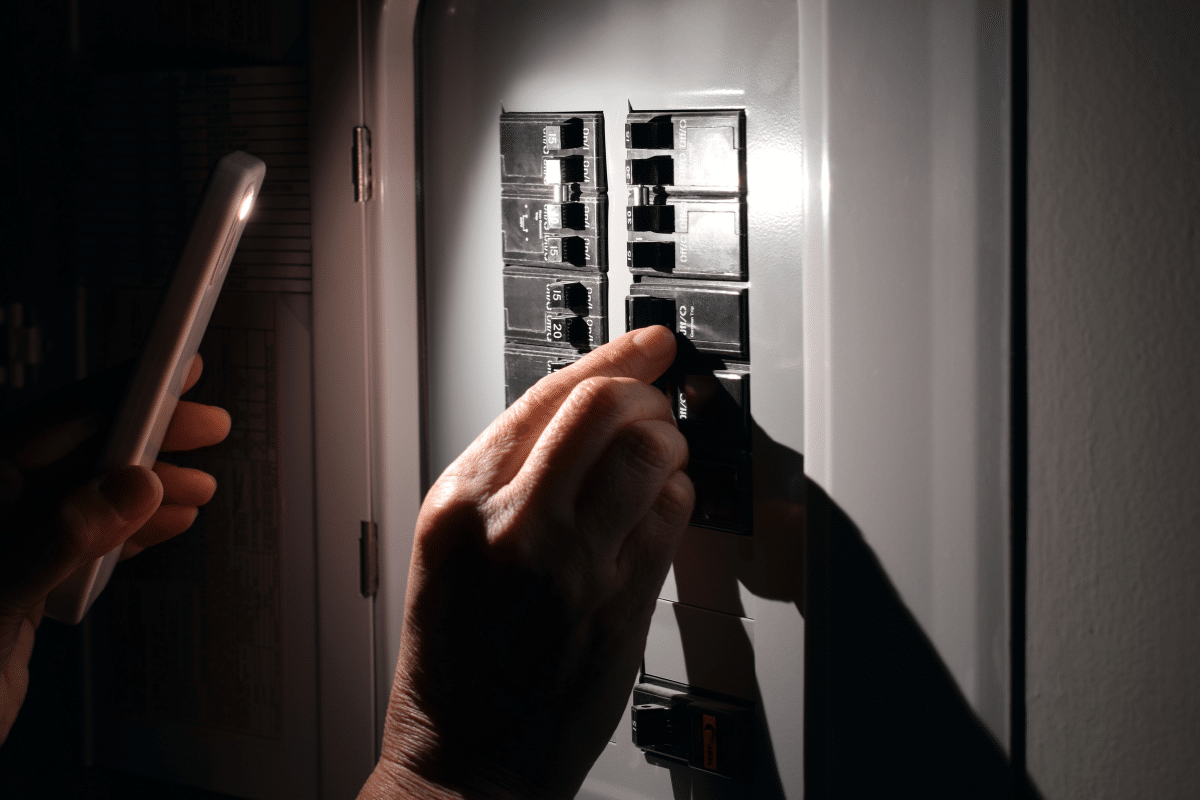
Once you’ve got the kit together, actually use it. Pick a Saturday night, flip the main breaker, and live like the power’s out for a few hours. You’ll find the gaps immediately. Better to find that out on a random Saturday than in the middle of an actual storm.
Where to Keep It All
One clear 30-gallon plastic bin holds almost everything on this list. Keep it in a closet you can actually get to… not the basement, where flooding is a risk, and not the garage, where temperature swings will wreck your batteries and medications. Rotate the batteries, food, and water every six to twelve months so nothing in there is expired when you finally need it.
Getting ready for a multi-day outage isn’t paranoid. It’s just realistic. Most people who put this list together never need to use it. The ones who do are always glad they did.
My Picks, For What It’s Worth
(Disclosure: This post includes an Amazon Creator Connections product. I may earn a small commission if you purchase through the link, at no additional cost to you.)

This is the one that lives in my bag, not just my emergency bin. Three 100W ports mean I can keep my laptop running through an outage and still have juice left for my phone, which matters to me, because how else am I going to keep writing to you? It's carry-on friendly too, so it doesn't just sit in a closet waiting for a disaster. It travels.
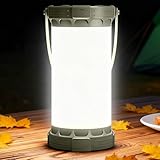
I like this one because it actually lights a whole room, not just the six inches around it. Five brightness levels and the fact that it doubles as a phone charger is the kind of detail that makes a $30 gadget feel like it was designed by someone who's actually sat through an outage.

Hands-free light sounds like a small thing until you're trying to change a fuse or check on a kid in the dark with a flashlight clenched in your teeth. I keep two of these on hand because someone always borrows the first one and doesn't put it back. You know who you are.

Batteries die. Solar panels have bad days. What sold me on this one is the crank. Three minutes of turning it and you've got enough power to catch the next NOAA alert, no outlet, no sunshine required. That's the kind of backup I actually trust.
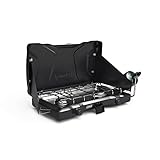
Cold sandwiches get old fast, and there's something about a hot meal that makes a bad situation feel manageable again. Two burners means I can heat soup and keep coffee going at the same time, and yes, coffee counts as an emergency supply in my house.

This one's tiny enough to forget you packed it, which is exactly why I like it. It's the backup to your backup. If you ever end up filtering water from a source you wouldn't normally trust, this is what makes it safe to drink.
Question: Your turn… what’s the longest outage you’ve ridden out, and what’s the one thing you wish you’d had on hand? Tell me in the comments. Real stories help everyone else prep smarter.
EverydayCheapskate™ is reader-supported. We participate in the Amazon Services LLC Associates Program and other affiliate advertising programs, designed to provide a means for us to earn from qualifying purchases, at no cost to you.

More from Everyday Cheapskate
 https://www.everydaycheapskate.com/wp-content/uploads/20261006-prime-big-deal-days-have-landed.png
800
1200
Mary Hunt
https://www.everydaycheapskate.com/wp-content/uploads/EC-Logo-by-Mary-Hunt-Tagline-Trimmed.png
Mary Hunt2026-10-05 11:01:432026-10-07 09:02:53EC’s Top Picks from Amazon Prime Big Deal Days 2026
https://www.everydaycheapskate.com/wp-content/uploads/20261006-prime-big-deal-days-have-landed.png
800
1200
Mary Hunt
https://www.everydaycheapskate.com/wp-content/uploads/EC-Logo-by-Mary-Hunt-Tagline-Trimmed.png
Mary Hunt2026-10-05 11:01:432026-10-07 09:02:53EC’s Top Picks from Amazon Prime Big Deal Days 2026 https://www.everydaycheapskate.com/wp-content/uploads/20261004-reduce-healthcare-costs-with-three-habits-healthy-couple-walking-in-autumn-leaves.png
800
1200
Mary Hunt
https://www.everydaycheapskate.com/wp-content/uploads/EC-Logo-by-Mary-Hunt-Tagline-Trimmed.png
Mary Hunt2026-10-04 23:08:572026-10-04 23:09:47How to Reduce Healthcare Costs With 3 Free Daily Habits
https://www.everydaycheapskate.com/wp-content/uploads/20261004-reduce-healthcare-costs-with-three-habits-healthy-couple-walking-in-autumn-leaves.png
800
1200
Mary Hunt
https://www.everydaycheapskate.com/wp-content/uploads/EC-Logo-by-Mary-Hunt-Tagline-Trimmed.png
Mary Hunt2026-10-04 23:08:572026-10-04 23:09:47How to Reduce Healthcare Costs With 3 Free Daily Habits https://www.everydaycheapskate.com/wp-content/uploads/20241004-news-you-can-use-october-everyday-cheapskate-top-news-articles.png
800
1200
Mary Hunt
https://www.everydaycheapskate.com/wp-content/uploads/EC-Logo-by-Mary-Hunt-Tagline-Trimmed.png
Mary Hunt2026-10-04 01:04:052026-10-04 22:10:11News You Can Use • October 2026
https://www.everydaycheapskate.com/wp-content/uploads/20241004-news-you-can-use-october-everyday-cheapskate-top-news-articles.png
800
1200
Mary Hunt
https://www.everydaycheapskate.com/wp-content/uploads/EC-Logo-by-Mary-Hunt-Tagline-Trimmed.png
Mary Hunt2026-10-04 01:04:052026-10-04 22:10:11News You Can Use • October 2026 https://www.everydaycheapskate.com/wp-content/uploads/20261003-woman-hugging-elderly-mother-sandwich-generation-caring-for-aging-parents.png
800
1200
Mary Hunt
https://www.everydaycheapskate.com/wp-content/uploads/EC-Logo-by-Mary-Hunt-Tagline-Trimmed.png
Mary Hunt2026-10-03 10:47:222026-10-03 10:47:25Sandwiched Between Aging Parents and Adult Children
https://www.everydaycheapskate.com/wp-content/uploads/20261003-woman-hugging-elderly-mother-sandwich-generation-caring-for-aging-parents.png
800
1200
Mary Hunt
https://www.everydaycheapskate.com/wp-content/uploads/EC-Logo-by-Mary-Hunt-Tagline-Trimmed.png
Mary Hunt2026-10-03 10:47:222026-10-03 10:47:25Sandwiched Between Aging Parents and Adult Children https://www.everydaycheapskate.com/wp-content/uploads/20260927-impossible-lasagna-pie-recipe-with-wooden-serving-spoon-in-white-casserole-dish.png
800
1200
Mary Hunt
https://www.everydaycheapskate.com/wp-content/uploads/EC-Logo-by-Mary-Hunt-Tagline-Trimmed.png
Mary Hunt2026-09-28 09:38:592026-09-28 22:48:34Impossible Lasagna Pie: All the Flavor, None of the Noodles
https://www.everydaycheapskate.com/wp-content/uploads/20260927-impossible-lasagna-pie-recipe-with-wooden-serving-spoon-in-white-casserole-dish.png
800
1200
Mary Hunt
https://www.everydaycheapskate.com/wp-content/uploads/EC-Logo-by-Mary-Hunt-Tagline-Trimmed.png
Mary Hunt2026-09-28 09:38:592026-09-28 22:48:34Impossible Lasagna Pie: All the Flavor, None of the Noodles https://www.everydaycheapskate.com/wp-content/uploads/20260926-pov-from-an-aisle-seat-on-an-airplane.png
800
1200
Mary Hunt
https://www.everydaycheapskate.com/wp-content/uploads/EC-Logo-by-Mary-Hunt-Tagline-Trimmed.png
Mary Hunt2026-09-27 19:14:552026-09-27 19:16:27Confessions of a Woman Who Preflights Her Own Escape
https://www.everydaycheapskate.com/wp-content/uploads/20260926-pov-from-an-aisle-seat-on-an-airplane.png
800
1200
Mary Hunt
https://www.everydaycheapskate.com/wp-content/uploads/EC-Logo-by-Mary-Hunt-Tagline-Trimmed.png
Mary Hunt2026-09-27 19:14:552026-09-27 19:16:27Confessions of a Woman Who Preflights Her Own Escape https://www.everydaycheapskate.com/wp-content/uploads/20260925-best-inexpensive-coffee-grinders-burr-manual-and-electric.png
800
1200
Mary Hunt
https://www.everydaycheapskate.com/wp-content/uploads/EC-Logo-by-Mary-Hunt-Tagline-Trimmed.png
Mary Hunt2026-09-25 11:06:342026-09-28 22:48:36The Coffee Grinder Upgrade That’s Actually Worth It
https://www.everydaycheapskate.com/wp-content/uploads/20260925-best-inexpensive-coffee-grinders-burr-manual-and-electric.png
800
1200
Mary Hunt
https://www.everydaycheapskate.com/wp-content/uploads/EC-Logo-by-Mary-Hunt-Tagline-Trimmed.png
Mary Hunt2026-09-25 11:06:342026-09-28 22:48:36The Coffee Grinder Upgrade That’s Actually Worth It https://www.everydaycheapskate.com/wp-content/uploads/20260918-man-and-woman-signing-an-extended-warranty-in-a-car-dealership.png
800
1200
Mary Hunt
https://www.everydaycheapskate.com/wp-content/uploads/EC-Logo-by-Mary-Hunt-Tagline-Trimmed.png
Mary Hunt2026-09-18 15:23:432026-09-18 15:25:43Is an Extended Warranty Ever Worth It? The Truth for 2026
https://www.everydaycheapskate.com/wp-content/uploads/20260918-man-and-woman-signing-an-extended-warranty-in-a-car-dealership.png
800
1200
Mary Hunt
https://www.everydaycheapskate.com/wp-content/uploads/EC-Logo-by-Mary-Hunt-Tagline-Trimmed.png
Mary Hunt2026-09-18 15:23:432026-09-18 15:25:43Is an Extended Warranty Ever Worth It? The Truth for 2026 https://www.everydaycheapskate.com/wp-content/uploads/20260917-fall-cleaning-checklist.png
800
1200
Mary Hunt
https://www.everydaycheapskate.com/wp-content/uploads/EC-Logo-by-Mary-Hunt-Tagline-Trimmed.png
Mary Hunt2026-09-17 17:11:012026-09-28 22:48:45Fall Cleaning Checklist: 15 Overlooked Spots to Clean
https://www.everydaycheapskate.com/wp-content/uploads/20260917-fall-cleaning-checklist.png
800
1200
Mary Hunt
https://www.everydaycheapskate.com/wp-content/uploads/EC-Logo-by-Mary-Hunt-Tagline-Trimmed.png
Mary Hunt2026-09-17 17:11:012026-09-28 22:48:45Fall Cleaning Checklist: 15 Overlooked Spots to CleanPlease keep your comments positive, encouraging, helpful, brief,
and on-topic in keeping with EC Commenting Guidelines
Last update on 2026-10-08 / Affiliate links / Images from Amazon Product Advertising API


I thank God every time we have an outage that my late husband insisted on having a whole house generator installed. He didn’t want me to go through another possible 3 day power outage on my own. We had one the winter he was sick and it was a nightmare.
If it’s cold outside, set up tent or make a blanket fort in your room. Keeps the heat in.
Learn how the manual release works on your garage door. You might need leverage to be able to release it to be able to open garage door. But limit driving to conserve gas and keep out of way of first responders and repair crews.
We once lost power for 3 days and the most important thing for me was our gas stove. I will never have electric as it cannot be lit with a match. I remember toasting English muffins in a cast iron skillet.
Reading the newspaper on the floor with the sunlight streaming through the glass doors.
Two weeks due to a heavy ice storm in April. Small town/ rural area, tough for linemen to get into some areas to repair the power lines so we stay out of power longer.
8 days, hurricane sandy. ironically it wasn’t the hurricane, it was a drunk driver who took out the pole but utility companies were so busy with sandy blackouts, we just were put on the list like everyone else. we lived in a community where we could get all the water we wanted, but any thing that got flushed or went down a drain had to go through a grinder pump. that was electric. an empty kitty litter jug [clearly marked ‘waste’] was used for urine, being the only female, i used an empty coffee can and poured it into the jug. for anything else, we garbage picked an invalid’s potty chair. i don’t know why, it just seemed like a good idea at the time. it came in handy for anything that couldn’t go in the jug. lined the bucket with a bag and some kitty litter. fortunately they brought in a dumpster that was not dependent on the compactor, so we could dump our garbage anytime. i have 2 igloo 60 gallon ice chests and we just lived out of them. propane camp lantern, kitchen stove was propane. we got around the electronic ignition by using matches. we just couldn’t light the oven. i really missed the oven. we have since moved. now, letting water etc go down the drain or getting flushed is no problem. but our water is now on an electric pump. no power, no water. those empty kitty litter jugs come in handy. i have about 80 gallons stored that way and a case of bottled water for drinking. this year, july 4-7 we had a black out. it was a bit of a problem getting enough ice–no one had power. now, if i hear thunder, i immediately raid the fridge and freezer for frozen water bottles essentials and pack one of the coolers. the other vital necessity is the french press. my family runs on coffee. wrapped in a towel, it stays hot for quite a while. my ‘new’ stove is very old. it’s propane and has pilot lights, even the oven. i will never part with that stove. ever. i don’t mind blackouts in the winter. i can always dress warmer, but in the summer i get very witchy without air conditioning.
We use portable solar generators . Our electricity does not go out much, but north of us near Lake Erie, it goes out on a regular basis, sometimes for days. We bought a solar portable frig from Goal Zero, and it was a godsend when our refrigerator quit and we could not get a new one delivered for days.
We went 17 days without power due to a freak snowstorm in 2018. We have a gas generator that my husband had an electrician wire into our electrical panel. We also have a small wood stove. We were able to run the microwave, hot water heater, and lights for showers and cooking. Also we could charge my lap top and phones. We could not run it all day but we could heat up soup etc, keep clean, hand wash dishes.
We live in a rural area. Total electric home. My handy husband got a small propane tank and a ventless heater. If power goes out in the winter, at least we have an emergency heat source.