

How to Build a Practical Emergency Water Storage Plan (No Bunker Required)

Water is one of those everyday essentials we don’t think twice about—until it’s suddenly gone. Whether it’s a natural disaster, power outage, or plumbing issue, losing access to water turns life upside down fast. That’s why having an emergency water storage plan isn’t just a good idea—it’s essential. But you don’t need a doomsday bunker or a mountain of bottled water to be prepared—just a smart, practical plan that works for your space and your family.

Water is life—literally. It’s also one of those everyday essentials we barely think about… until suddenly we have to. One minute you’re sipping from your favorite tumbler like it’s no big deal, and the next, a broken water main or fast-moving wildfire has you eyeing your ice cubes like liquid gold. Whether it’s a natural disaster, a power outage, or a plumbing emergency that hits at the worst possible time (is there ever a good one?), losing access to water throws everything off balance—fast.
Why You Need an Emergency Water Storage Plan
Most of us assume that clean, running water will always be there when we need it—until the day it isn’t. And unfortunately, water disruptions don’t send a courtesy text. They just show up: a surprise boil notice, a busted main, a hurricane headed your way, or even a cyberattack that knocks out utility systems. Suddenly, the simplest things—making coffee, flushing the toilet, washing your hands—become impossible.
That’s where a solid emergency water plan comes in. It’s not about fear. It’s about freedom. Knowing you have enough safe, drinkable water on hand to take care of your family, pets, and basic needs? That’s peace of mind you can’t buy at the last minute when the store shelves are already bare.
You don’t need to be a survivalist or sacrifice your linen closet to make it happen. A few smart choices now can keep you comfortably hydrated later.
How Much Water Should You Store?
FEMA and the CDC both recommend storing at least one gallon of water per person per day, which sounds reasonable… until you do the math.
Let’s say you’ve got a family of four. That’s 28 gallons for one week, 56 for two—and that doesn’t even include your pets (because good luck explaining rationing to a parched golden retriever). Now, if you actually want to cook, wash your hands, brush your teeth, or—gasp—shower, you’ll probably want to bump that up to 1.5 or even 2 gallons per person per day. Suddenly, your “just-in-case” water stash starts to look like a small swimming pool.
Where Do You Store All This Water?
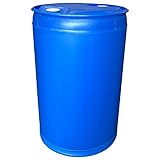
If you’re blessed with a spacious home, the obvious choices include 55-gallon barrels in the garage, a basement stockpile of large water storage tanks, or a fortress of stackable 3.5-gallon water bricks. But let’s be real—not everyone has a garage the size of a three-car showroom or a secret underground bunker. For the rest of us, it’s time to channel our inner Tetris champion.
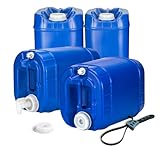
Under the bed? Perfect. Behind the couch? Why not. That awkward empty space at the back of your closet? Water storage goldmine. Flat, stackable containers can disappear under furniture without anyone noticing. Those slim 5-gallon jugs? Tuck them behind a bookshelf or slide them along the wall like you meant for them to be part of your emergency-chic aesthetic.
Even your kitchen and bathroom cabinets can hold a few gallons. And if you live in an apartment, don’t forget the balcony. Just make sure you use weatherproof bins, unless you want your water supply doubling as a mosquito Airbnb.
The trick is to think modular, mix sizes, and use what space you have. You’re not just storing water—you’re building peace of mind, one gallon at a time.

Emergency Water Storage Solutions for Small Spaces
If you’re working with limited square footage, don’t worry—you can still be brilliantly prepared. It just takes a little creative thinking and a shift in strategy. Start by tapping into the water you already have: your home’s water heater holds 30 to 50 gallons of usable water (just be sure to turn off the power and let it cool before accessing).
Next, consider your bathtub. A product like the WaterBOB can line your tub and store up to 100 gallons of clean water—just fill it at the first sign of an emergency.
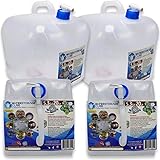
And if physical storage just isn’t in the cards, focus on water purification instead. A reliable water filter—like a gravity-fed system or high-quality portable filter—can turn questionable water into safe drinking water. Keep a couple of collapsible water containers tucked away for emergencies. They take up almost no space when not in use but can be filled quickly when needed.


How to Safely Fill and Rotate Your Water Supply
Don’t worry—you don’t need to single-handedly drain the city reservoir to build a solid emergency stash. One of the simplest ways to get started is by filling up sanitized containers with good old tap water. To sanitize: rinse each jug with a solution of one teaspoon of unscented household bleach per gallon of water, let it sit for 30 minutes, then rinse thoroughly. Fill with fresh tap water, seal tightly, label with the date, and you’re good to go. Just remember to rotate your supply every six months to keep things fresh.
If you’re more of a set-it-and-forget-it type, commercially bottled water works just fine. It’s a bit pricier and takes up more space, but the convenience factor can’t be beat. Just keep an eye on the “best by” date and store it somewhere cool and dark—away from gasoline, paint, or anything with strong fumes (nobody wants eau de WD-40 in their drinking water).
If local laws give the green light, rainwater collection is a great way to supplement your supply for non-potable uses like flushing toilets or washing up. Just make sure to filter and purify it thoroughly before considering it safe to drink.
And for those ready to go all-in, a larger storage solution—like a 160-gallon tank—can be a smart long-term investment. Some tanks come BPA-free and UV-resistant, making them ideal for garage or outdoor storage.
How to Purify Water When Your Supply Runs Out
If your emergency stash dries up, don’t panic—just shift into purification mode. The gold standard is boiling: bring water to a rolling boil for at least one minute (make it three if you’re at a high altitude) to kill bacteria, viruses, and other nasties.
But what if you can’t boil water—no stove, no power, no campfire in sight? Unscented household bleach to the rescue. Add 8 drops per gallon of clear water (16 if it’s cloudy), stir, and let it sit for 30 minutes. If you don’t notice a slight chlorine smell afterward, repeat the process and give it another 15 minutes. Not glamorous, but effective.
Water purification tablets are another solid backup—compact, easy to stash in a go-bag, and generally effective within 30 minutes. Just follow the instructions on the package, as timing and dosage can vary.
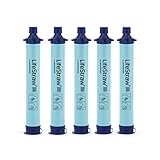
For longer-term situations, having a solid water filter on hand is a must-have. LifeStraws are great for individual use and ultra-portable. The Sawyer Mini can filter up to 100,000 gallons—yep, you read that right—and fits in the palm of your hand. For families, a countertop gravity filter like a Berkey offers serious peace of mind with high-capacity, no-electricity filtering.
And when all else fails? Let the sun do the work. The SODIS method (solar water disinfection) might sound like survival science fiction, but it’s the real deal: fill a clear plastic bottle with water, lay it in direct sunlight for at least six hours, and let UV rays work their purifying magic. It’s not fast, but it’s free—and effective in a pinch.


Water Conservation Tips When Every Drop Counts
In a water emergency, it’s not just about what you’ve stored—it’s about how long you can make it last. When every drop counts, a few smart swaps can stretch your supply way further than you’d think.
Start by ditching dish duty altogether: use disposable plates, cups, and utensils when possible (paper over plastic if you can recycle or burn them later). When it comes to hygiene, swap the faucet for a spray bottle—it’s surprisingly effective for washing hands, doing a quick dish rinse, or even a mini “shower” if needed.
Toilet use? Get strategic. If it’s yellow, let it mellow. If it’s brown… well, you know the rest. Reuse gray water (like what’s left from handwashing or rinsing veggies) for flushing or cleaning floors. And embrace the humble washcloth—sponging off with a little warmed water goes a long way when showers are off the table.
It’s not glamorous, but neither is running out of water. These small habits can buy you time, lower stress, and make your emergency stash last longer without sacrificing too much comfort.
Final Emergency Water Checklist (Don’t Skip This!)
Water storage isn’t optional—it’s a lifeline. A little planning now means you and your crew stay hydrated, clean, and mostly sane if things go sideways. Store what you can, purify when needed, and use every drop wisely.
Whether you’re weathering a storm or riding out a blackout, this checklist will keep you and your household hydrated, clean, and calm.
- Storage Containers: Enough to cover at least two weeks per person (that’s about 14 gallons each—more if you’ve got pets)
- Filling Plan: Tap water in sanitized containers, bottled water, rain collection systems, or large-capacity tanks
- Purification Supplies: At least two methods—boiling, bleach, water filter, and/or purification tablets
- Conservation Plan: Use sparingly, reuse gray water, skip the dishwasher, and limit flushes
- Backup Plan: Identify local water sources (like rivers, lakes, or public spigots) and know how to make that water safe to drink
Question: If you had to store 100 gallons of water today, where would you put it? No cheating with the neighbor’s pool! What’s the most unexpected place you’ve ever stored emergency water? Share in the comments below.
EverydayCheapskate™ is reader-supported. We participate in the Amazon Services LLC Associates Program and other affiliate advertising programs, designed to provide a means for us to earn from qualifying purchases, at no cost to you.

More from Everyday Cheapskate
 https://www.everydaycheapskate.com/wp-content/uploads/20261012-Woman-using-smartphone-while-checking-monthly-cellular-data-usage-on-laptop.png
800
1200
Mary Hunt
https://www.everydaycheapskate.com/wp-content/uploads/EC-Logo-by-Mary-Hunt-Tagline-Trimmed.png
Mary Hunt2026-10-12 10:51:112026-10-12 10:51:11Do You Really Need Unlimited Data? Check Before You Pay
https://www.everydaycheapskate.com/wp-content/uploads/20261012-Woman-using-smartphone-while-checking-monthly-cellular-data-usage-on-laptop.png
800
1200
Mary Hunt
https://www.everydaycheapskate.com/wp-content/uploads/EC-Logo-by-Mary-Hunt-Tagline-Trimmed.png
Mary Hunt2026-10-12 10:51:112026-10-12 10:51:11Do You Really Need Unlimited Data? Check Before You Pay https://www.everydaycheapskate.com/wp-content/uploads/20261011-Woman-Adjusting-Smart-Home-Device-on-the-Wall-how-to-lower-your-electric-bill.png
800
1200
Mary Hunt
https://www.everydaycheapskate.com/wp-content/uploads/EC-Logo-by-Mary-Hunt-Tagline-Trimmed.png
Mary Hunt2026-10-11 23:01:562026-10-11 23:01:56Stop Chasing Pennies on Your Electric Bill. Do This
https://www.everydaycheapskate.com/wp-content/uploads/20261011-Woman-Adjusting-Smart-Home-Device-on-the-Wall-how-to-lower-your-electric-bill.png
800
1200
Mary Hunt
https://www.everydaycheapskate.com/wp-content/uploads/EC-Logo-by-Mary-Hunt-Tagline-Trimmed.png
Mary Hunt2026-10-11 23:01:562026-10-11 23:01:56Stop Chasing Pennies on Your Electric Bill. Do This https://www.everydaycheapskate.com/wp-content/uploads/20261007-red-present-sitting-in-autumn-leaves-Amazon-Prime-Big-Deal-Days-gifts.png
800
1200
Mary Hunt
https://www.everydaycheapskate.com/wp-content/uploads/EC-Logo-by-Mary-Hunt-Tagline-Trimmed.png
Mary Hunt2026-10-06 23:09:432026-10-06 23:09:43Christmas Shopping in October? These Prime Day Gifts Make Sense
https://www.everydaycheapskate.com/wp-content/uploads/20261007-red-present-sitting-in-autumn-leaves-Amazon-Prime-Big-Deal-Days-gifts.png
800
1200
Mary Hunt
https://www.everydaycheapskate.com/wp-content/uploads/EC-Logo-by-Mary-Hunt-Tagline-Trimmed.png
Mary Hunt2026-10-06 23:09:432026-10-06 23:09:43Christmas Shopping in October? These Prime Day Gifts Make Sense https://www.everydaycheapskate.com/wp-content/uploads/20261006-prime-big-deal-days-have-landed.png
800
1200
Mary Hunt
https://www.everydaycheapskate.com/wp-content/uploads/EC-Logo-by-Mary-Hunt-Tagline-Trimmed.png
Mary Hunt2026-10-05 11:01:432026-10-07 09:02:53EC’s Top Picks from Amazon Prime Big Deal Days 2026
https://www.everydaycheapskate.com/wp-content/uploads/20261006-prime-big-deal-days-have-landed.png
800
1200
Mary Hunt
https://www.everydaycheapskate.com/wp-content/uploads/EC-Logo-by-Mary-Hunt-Tagline-Trimmed.png
Mary Hunt2026-10-05 11:01:432026-10-07 09:02:53EC’s Top Picks from Amazon Prime Big Deal Days 2026 https://www.everydaycheapskate.com/wp-content/uploads/20261004-reduce-healthcare-costs-with-three-habits-healthy-couple-walking-in-autumn-leaves.png
800
1200
Mary Hunt
https://www.everydaycheapskate.com/wp-content/uploads/EC-Logo-by-Mary-Hunt-Tagline-Trimmed.png
Mary Hunt2026-10-04 23:08:572026-10-04 23:09:47How to Reduce Healthcare Costs With 3 Free Daily Habits
https://www.everydaycheapskate.com/wp-content/uploads/20261004-reduce-healthcare-costs-with-three-habits-healthy-couple-walking-in-autumn-leaves.png
800
1200
Mary Hunt
https://www.everydaycheapskate.com/wp-content/uploads/EC-Logo-by-Mary-Hunt-Tagline-Trimmed.png
Mary Hunt2026-10-04 23:08:572026-10-04 23:09:47How to Reduce Healthcare Costs With 3 Free Daily Habits https://www.everydaycheapskate.com/wp-content/uploads/20241004-news-you-can-use-october-everyday-cheapskate-top-news-articles.png
800
1200
Mary Hunt
https://www.everydaycheapskate.com/wp-content/uploads/EC-Logo-by-Mary-Hunt-Tagline-Trimmed.png
Mary Hunt2026-10-04 01:04:052026-10-19 09:46:10News You Can Use • October 2026
https://www.everydaycheapskate.com/wp-content/uploads/20241004-news-you-can-use-october-everyday-cheapskate-top-news-articles.png
800
1200
Mary Hunt
https://www.everydaycheapskate.com/wp-content/uploads/EC-Logo-by-Mary-Hunt-Tagline-Trimmed.png
Mary Hunt2026-10-04 01:04:052026-10-19 09:46:10News You Can Use • October 2026 https://www.everydaycheapskate.com/wp-content/uploads/20261003-woman-hugging-elderly-mother-sandwich-generation-caring-for-aging-parents.png
800
1200
Mary Hunt
https://www.everydaycheapskate.com/wp-content/uploads/EC-Logo-by-Mary-Hunt-Tagline-Trimmed.png
Mary Hunt2026-10-03 10:47:222026-10-03 10:47:25Sandwiched Between Aging Parents and Adult Children
https://www.everydaycheapskate.com/wp-content/uploads/20261003-woman-hugging-elderly-mother-sandwich-generation-caring-for-aging-parents.png
800
1200
Mary Hunt
https://www.everydaycheapskate.com/wp-content/uploads/EC-Logo-by-Mary-Hunt-Tagline-Trimmed.png
Mary Hunt2026-10-03 10:47:222026-10-03 10:47:25Sandwiched Between Aging Parents and Adult Children https://www.everydaycheapskate.com/wp-content/uploads/20260927-impossible-lasagna-pie-recipe-with-wooden-serving-spoon-in-white-casserole-dish.png
800
1200
Mary Hunt
https://www.everydaycheapskate.com/wp-content/uploads/EC-Logo-by-Mary-Hunt-Tagline-Trimmed.png
Mary Hunt2026-09-28 09:38:592026-09-28 22:48:34Impossible Lasagna Pie: All the Flavor, None of the Noodles
https://www.everydaycheapskate.com/wp-content/uploads/20260927-impossible-lasagna-pie-recipe-with-wooden-serving-spoon-in-white-casserole-dish.png
800
1200
Mary Hunt
https://www.everydaycheapskate.com/wp-content/uploads/EC-Logo-by-Mary-Hunt-Tagline-Trimmed.png
Mary Hunt2026-09-28 09:38:592026-09-28 22:48:34Impossible Lasagna Pie: All the Flavor, None of the Noodles https://www.everydaycheapskate.com/wp-content/uploads/20260926-pov-from-an-aisle-seat-on-an-airplane.png
800
1200
Mary Hunt
https://www.everydaycheapskate.com/wp-content/uploads/EC-Logo-by-Mary-Hunt-Tagline-Trimmed.png
Mary Hunt2026-09-27 19:14:552026-09-27 19:16:27Confessions of a Woman Who Preflights Her Own Escape
https://www.everydaycheapskate.com/wp-content/uploads/20260926-pov-from-an-aisle-seat-on-an-airplane.png
800
1200
Mary Hunt
https://www.everydaycheapskate.com/wp-content/uploads/EC-Logo-by-Mary-Hunt-Tagline-Trimmed.png
Mary Hunt2026-09-27 19:14:552026-09-27 19:16:27Confessions of a Woman Who Preflights Her Own EscapePlease keep your comments positive, encouraging, helpful, brief,
and on-topic in keeping with EC Commenting Guidelines
Last update on 2026-10-20 / Affiliate links / Images from Amazon Product Advertising API


don’t forget that you have clean, drinkable water in your water heater – in my case, there’s 60 gallons there. there’s a tap on the bottom to drain the tank. use that to access water.
i must use distilled water for my CPAP. i buy it in gallon plastic jugs. when each jug is empty, i refill it with clean tap water and store it in my basement, away from any source of light or heat. it will be safe to drink for years. water in the tank of the toilet is safe for some things. i wouldn’t drink it without boiling it.
Pasta/Mason jars are another good storage solution. Most people tend keep/store these empty. But, put that empty storage space to use, fill with water. To keep fresh, I use one jar for my morning coffee, re-fill and place in back of line which insures rotation. Stored in a cool place and no issues.
those of us with cats have the advantage. we buy our kitty litter in two-gallon jugs. once it’s empty, i catch the water in the shower while i wait for it to get warm enough. when the jug is full, i use it to flush. once i’ve done that, i look inside to make sure it’s been thoroughly rinsed–no clay residue. then i fill it again, the same way. then i peel the label off. that’s how i know it’s clean. i’ve stored full jugs behind the futons, behind books on my book case, in the laundry room, closet floor and behind the plant table. i’ve had as much as 100 gallons. i can’t store it outside in the winter because it may freeze and split the jug. my community recently had a water issue where we had to boil our water for a week. my family of three people and two cats lived out of our jugs. never had to boil a drop
It is necessary to consider that water containers can leak, even the ones sold for this very purpose. We had some gallons of water in a closet that gradually leaked and ruined some paper documents that were on the shelf below. So, stashing (essentially hiding) storage containers of water where you can’t easily see them may be a recipe for disaster. What I do is to use gallon jugs that are sturdy (in my case, had vinegar in them) to hold water for sanitary purposes, and I keep them stored in the garage until they are needed. I have several gallons of store-bought water on hand, and have a larger container that I won’t fill until I think I’ll need it, which I can do using water trapped in the pipes. I know this would not work for a long term solution for a family, but for two adults and no pets we at least have a start.