
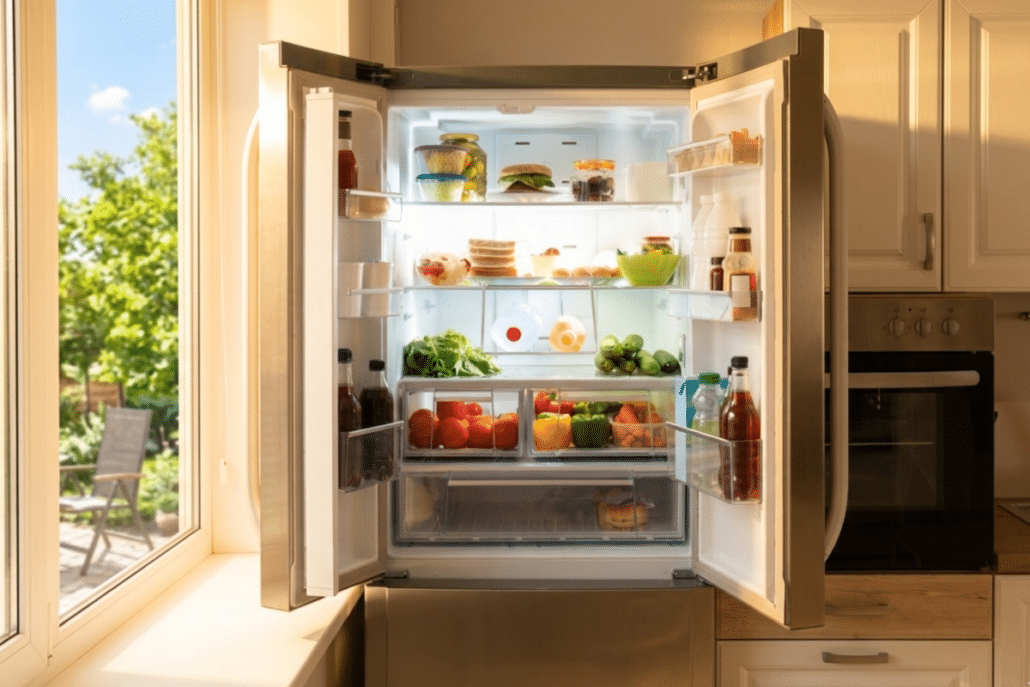
The Fridge Habit That Cuts Summer Food Waste

Summer grocery waste has a sneaky personality. Produce turns faster, leftovers get forgotten, and somehow there’s always one cucumber liquefying quietly in the back drawer. You know the one. Warm weather makes food management harder because schedules get looser and meals become less predictable. But one small habit can dramatically cut waste, reduce grocery runs, and save money without requiring color-coded containers or a spreadsheet. And no, you do not need to become one of those people who alphabetizes their refrigerator.
Let’s talk numbers for a second, because I think they’re worth hearing. The average American household throws away somewhere between $1,500 and $1,800 worth of food every year. That’s not a typo. That’s real money leaving your wallet in the form of rotting produce and forgotten leftovers.
Cut that in half, which is genuinely achievable with something as simple as the habit I’m about to share, and you’re looking at $700 to $900 back in your budget annually. Without buying anything, joining anything, or changing where you shop.
So why does summer make this so much worse? Glad you asked.
Why Food Spoils Faster in Summer
Here’s something I didn’t fully appreciate until I started paying attention to my grocery budget: summer is basically a food spoilage accelerator, and it’s not just the heat outside.
It’s us. Our schedules go sideways. The kids are home. Dinner plans evaporate by 4 p.m. We stop at a drive-through and suddenly that beautiful bunch of kale is on borrowed time.
Add to that the fact that summer produce is more delicate (berries, peaches, fresh herbs, zucchini) and you’ve got a refrigerator that’s working against you if you’re not working with it. These things don’t wait around. They have opinions and a deadline.
The good news? A little awareness goes a long way. You don’t need a system overhaul. You need one habit.
The “Use It First” Fridge Rule
The habit is this: every time you open your refrigerator, you look for what needs to be used first. That’s it.
Not a full inventory. Not a deep dive. Just a quick scan with the question, What’s closest to done? Then you build whatever you’re eating next around that answer instead of starting from scratch.
I know, I know. It sounds almost too simple. But here’s why it works when willpower and good intentions don’t: it changes the decision you’re making. Instead of “what do I feel like eating?” you’re asking “what do I have that needs to go?” That tiny reframe is the whole game.
Professional kitchens have operated on this principle for decades. It’s called FIFO (First In, First Out) and it’s one of the main reasons restaurants don’t hemorrhage money on food waste the way home kitchens do. New stock goes behind the old. The oldest always gets used first. We’re just borrowing that idea and scaling it down to a family fridge.
The other thing this habit does is break the duplicate-buying cycle. You stop coming home with a second bag of spinach because you forgot you already had one. You stop finding two open jars of the same salsa in the back. Because you’re actually looking at what you have, regularly, briefly, on purpose.
The Shelf That Changes Everything
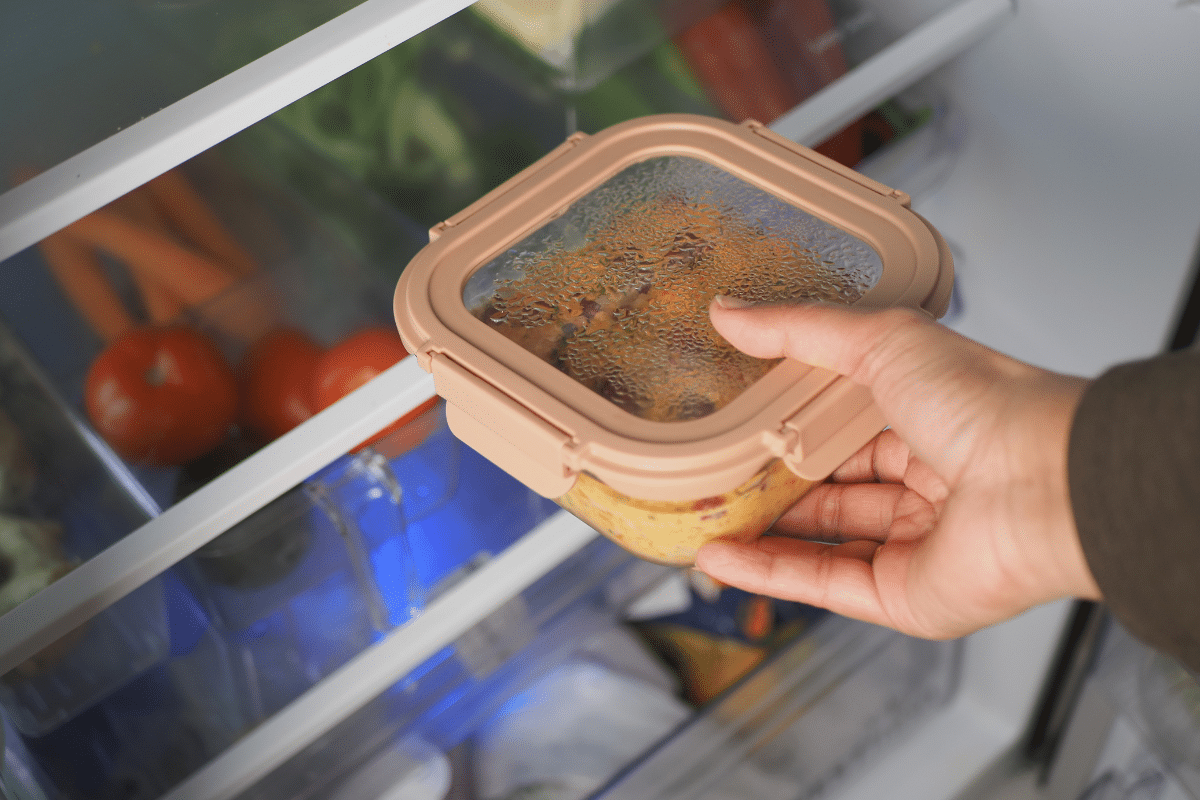
If you want the “Use It First” rule to actually work, you need a dedicated spot in your refrigerator for things that are about to turn. I call it the “Eat Me First” shelf, and it has genuinely changed how I shop and cook.
Pick one shelf, ideally at eye level, because out of sight really does mean out of mind, and make it the home for anything that needs to be used in the next one to three days. Leftover grilled chicken. Half an onion. That lone ear of corn. A container of soup. The peaches that are just on the edge of perfect.
When you open the fridge, you see the shelf. When you see the shelf, you remember what needs attention. When you remember, you use it. Simple chain reaction.
A few things that make this shelf actually function:
- Use clear containers. This matters more than you’d think. An opaque container of mystery leftovers gets ignored. A clear one gets eaten. If you can see it, you’ll use it.
- Keep it to one shelf and resist the urge to pile. The moment things start stacking, visibility drops and the shelf stops doing its job. If something doesn’t fit, that’s your signal to cook, not to cram.
- Do a quick reset every few days. Sunday evenings work well for a lot of people, or whatever day you typically grocery shop. See what’s still there, and plan at least one meal around it before you add anything new.
How to Stop Losing Produce in Drawers
Ah, the crisper drawer. Where vegetables go to become unrecognizable.
The problem with drawers isn’t that they’re bad. It’s that they’re invisible. They’re down low, they close, and they take things away from your sight line. Which means they take things away from your awareness.
Here’s what I do: I treat the drawers as storage, not a final destination. When I bring produce home, I sort by how long it’ll last and where I’ll actually see it. The sturdier stuff (carrots, cabbage, celery, beets) those are genuinely happy in the drawer for a week or more. But berries, fresh herbs, cut fruit, anything tender? They go up top on the Eat Me First shelf where I’ll see them and use them before they turn.
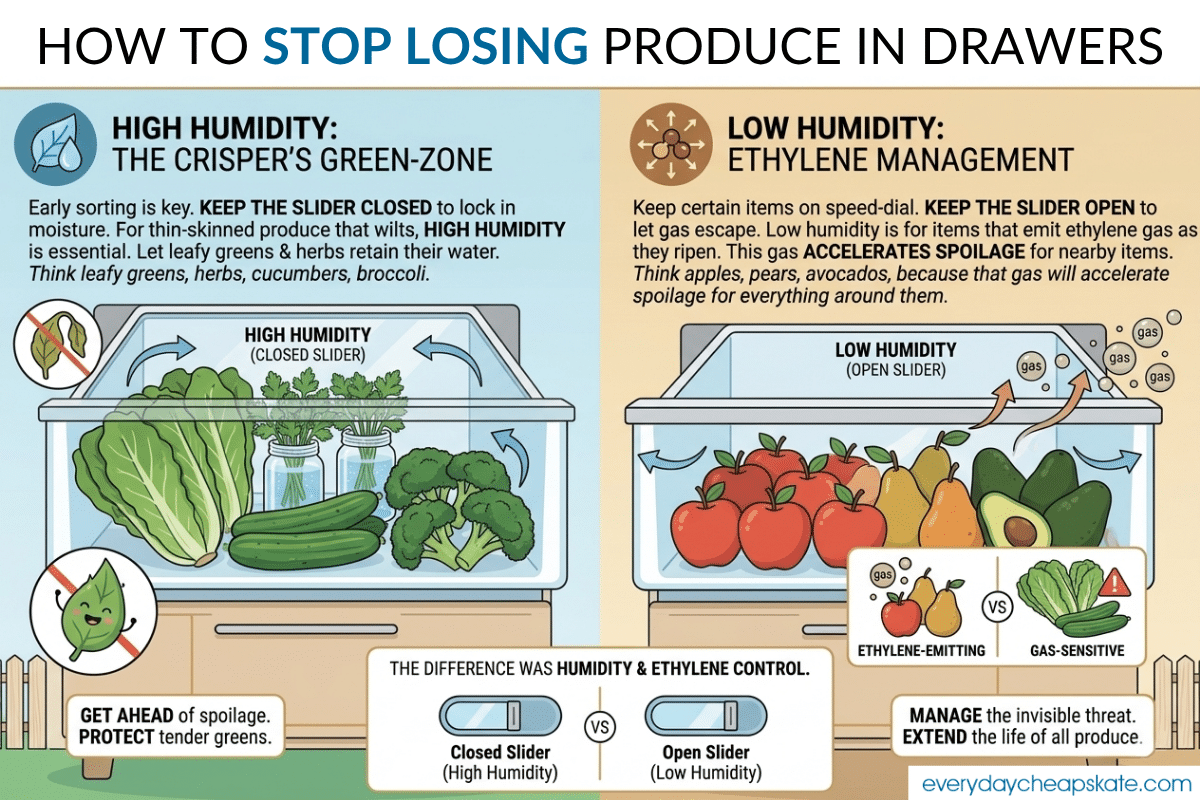
One thing worth knowing: most crisper drawers have humidity controls, and most people ignore them:
- High humidity is for thin-skinned produce that wilts. Think leafy greens, herbs, cucumbers, broccoli.
- Low humidity is for things that emit ethylene gas as they ripen. Think apples, pears, avocados, because that gas will accelerate spoilage for everything around them.
Two seconds to adjust the slider, and your produce genuinely lasts longer.
For fresh herbs, I trim the stems and stand them upright in a small jar with an inch of water, then loosely cover with a produce bag and keep them on the shelf. Treated like a tiny bunch of flowers, they last one to two weeks instead of days. Cilantro, parsley, mint… all of them respond well to this.
Because here’s the truth: if you can see it, you’ll eat it. If you can’t, you won’t.
Easy Meals That Use Up Random Ingredients

This is where the “Use It First” habit really pays off, because now you’re looking at three random ingredients and asking, what can I make with this? instead of what am I going to buy for dinner? The answer is almost always: more than you think. A few reliable formulas for whatever’s on the brink:
- The Scramble: Eggs will accept almost any vegetable, cheese, or leftover protein you throw at them. Onion, pepper, last night’s potatoes… done. Breakfast, lunch, or dinner.
- The Grain Bowl: Cooked rice or any grain + whatever roasted or raw vegetables you have + a sauce you can make in thirty seconds (olive oil, lemon, salt, garlic or just soy sauce and sesame oil if we’re being honest). This is my most-used move.
- The Big Soup: You know those odds and ends that don’t quite make a meal on their own? They make a magnificent soup together. Simmer everything in broth with garlic and whatever spices sound right. Add beans if you have them. Eat well for two days.
- The Sheet Pan: Toss anything vegetable-adjacent with olive oil, salt, and pepper, roast at 400°F until caramelized, and eat it over whatever starch you have on hand. It will be better than it sounds.
None of these require a recipe. Just the willingness to look at what you have and make something of it. That’s a skill worth building, and summer is a great time to practice.
What This Habit Saves Over Time
Remember those numbers from the top? The $1,500 to $1,800 the average household throws away every year? Summer is where a big chunk of that happens and it’s also where this habit pays off fastest.
You’ll notice the difference in your produce drawer within a week. You’ll notice it in your grocery total within a month.
And here’s the thing I love most about this habit: it gets easier. Once you start seeing your fridge as a rotation system instead of a storage unit, you stop losing things in it. You stop buying duplicates because you forgot you already had something. You stop that sinking feeling when you open the produce drawer and find something sad and soft that used to be a bell pepper.
Start this week. Pick your shelf, move the most vulnerable things to eye level, and just look before you reach. That’s the whole habit. Low-tech, zero cost, and it works every single time.
Your future self and your grocery budget will thank you.
Question: What’s the saddest thing you’ve ever found in the back of your crisper drawer? Don’t be shy… share in the comments below.

More from Everyday Cheapskate
 https://www.everydaycheapskate.com/wp-content/uploads/20261006-prime-big-deal-days-have-landed.png
800
1200
Mary Hunt
https://www.everydaycheapskate.com/wp-content/uploads/EC-Logo-by-Mary-Hunt-Tagline-Trimmed.png
Mary Hunt2026-10-05 11:01:432026-10-07 09:02:53EC’s Top Picks from Amazon Prime Big Deal Days 2026
https://www.everydaycheapskate.com/wp-content/uploads/20261006-prime-big-deal-days-have-landed.png
800
1200
Mary Hunt
https://www.everydaycheapskate.com/wp-content/uploads/EC-Logo-by-Mary-Hunt-Tagline-Trimmed.png
Mary Hunt2026-10-05 11:01:432026-10-07 09:02:53EC’s Top Picks from Amazon Prime Big Deal Days 2026 https://www.everydaycheapskate.com/wp-content/uploads/20261004-reduce-healthcare-costs-with-three-habits-healthy-couple-walking-in-autumn-leaves.png
800
1200
Mary Hunt
https://www.everydaycheapskate.com/wp-content/uploads/EC-Logo-by-Mary-Hunt-Tagline-Trimmed.png
Mary Hunt2026-10-04 23:08:572026-10-04 23:09:47How to Reduce Healthcare Costs With 3 Free Daily Habits
https://www.everydaycheapskate.com/wp-content/uploads/20261004-reduce-healthcare-costs-with-three-habits-healthy-couple-walking-in-autumn-leaves.png
800
1200
Mary Hunt
https://www.everydaycheapskate.com/wp-content/uploads/EC-Logo-by-Mary-Hunt-Tagline-Trimmed.png
Mary Hunt2026-10-04 23:08:572026-10-04 23:09:47How to Reduce Healthcare Costs With 3 Free Daily Habits https://www.everydaycheapskate.com/wp-content/uploads/20241004-news-you-can-use-october-everyday-cheapskate-top-news-articles.png
800
1200
Mary Hunt
https://www.everydaycheapskate.com/wp-content/uploads/EC-Logo-by-Mary-Hunt-Tagline-Trimmed.png
Mary Hunt2026-10-04 01:04:052026-10-11 14:34:17News You Can Use • October 2026
https://www.everydaycheapskate.com/wp-content/uploads/20241004-news-you-can-use-october-everyday-cheapskate-top-news-articles.png
800
1200
Mary Hunt
https://www.everydaycheapskate.com/wp-content/uploads/EC-Logo-by-Mary-Hunt-Tagline-Trimmed.png
Mary Hunt2026-10-04 01:04:052026-10-11 14:34:17News You Can Use • October 2026 https://www.everydaycheapskate.com/wp-content/uploads/20261003-woman-hugging-elderly-mother-sandwich-generation-caring-for-aging-parents.png
800
1200
Mary Hunt
https://www.everydaycheapskate.com/wp-content/uploads/EC-Logo-by-Mary-Hunt-Tagline-Trimmed.png
Mary Hunt2026-10-03 10:47:222026-10-03 10:47:25Sandwiched Between Aging Parents and Adult Children
https://www.everydaycheapskate.com/wp-content/uploads/20261003-woman-hugging-elderly-mother-sandwich-generation-caring-for-aging-parents.png
800
1200
Mary Hunt
https://www.everydaycheapskate.com/wp-content/uploads/EC-Logo-by-Mary-Hunt-Tagline-Trimmed.png
Mary Hunt2026-10-03 10:47:222026-10-03 10:47:25Sandwiched Between Aging Parents and Adult Children https://www.everydaycheapskate.com/wp-content/uploads/20261002-cake-mix-chocolate-chip-cookies.png
800
1200
Mary Hunt
https://www.everydaycheapskate.com/wp-content/uploads/EC-Logo-by-Mary-Hunt-Tagline-Trimmed.png
Mary Hunt2026-10-02 19:44:302026-10-02 19:44:30Cake Mix Chocolate Chip Cookies That Taste Homemade
https://www.everydaycheapskate.com/wp-content/uploads/20261002-cake-mix-chocolate-chip-cookies.png
800
1200
Mary Hunt
https://www.everydaycheapskate.com/wp-content/uploads/EC-Logo-by-Mary-Hunt-Tagline-Trimmed.png
Mary Hunt2026-10-02 19:44:302026-10-02 19:44:30Cake Mix Chocolate Chip Cookies That Taste Homemade https://www.everydaycheapskate.com/wp-content/uploads/20260930-cheap-Halloween-party-snacks-for-kids-punch-bowl-mummy-dogs-ghost-bananas.png
800
1200
Mary Hunt
https://www.everydaycheapskate.com/wp-content/uploads/EC-Logo-by-Mary-Hunt-Tagline-Trimmed.png
Mary Hunt2026-10-01 11:08:582026-10-01 11:08:59These Cheap Halloween Snacks Are Almost Too Easy to Make
https://www.everydaycheapskate.com/wp-content/uploads/20260930-cheap-Halloween-party-snacks-for-kids-punch-bowl-mummy-dogs-ghost-bananas.png
800
1200
Mary Hunt
https://www.everydaycheapskate.com/wp-content/uploads/EC-Logo-by-Mary-Hunt-Tagline-Trimmed.png
Mary Hunt2026-10-01 11:08:582026-10-01 11:08:59These Cheap Halloween Snacks Are Almost Too Easy to Make https://www.everydaycheapskate.com/wp-content/uploads/20260927-impossible-lasagna-pie-recipe-with-wooden-serving-spoon-in-white-casserole-dish.png
800
1200
Mary Hunt
https://www.everydaycheapskate.com/wp-content/uploads/EC-Logo-by-Mary-Hunt-Tagline-Trimmed.png
Mary Hunt2026-09-28 09:38:592026-09-28 22:48:34Impossible Lasagna Pie: All the Flavor, None of the Noodles
https://www.everydaycheapskate.com/wp-content/uploads/20260927-impossible-lasagna-pie-recipe-with-wooden-serving-spoon-in-white-casserole-dish.png
800
1200
Mary Hunt
https://www.everydaycheapskate.com/wp-content/uploads/EC-Logo-by-Mary-Hunt-Tagline-Trimmed.png
Mary Hunt2026-09-28 09:38:592026-09-28 22:48:34Impossible Lasagna Pie: All the Flavor, None of the Noodles https://www.everydaycheapskate.com/wp-content/uploads/20260925-best-inexpensive-coffee-grinders-burr-manual-and-electric.png
800
1200
Mary Hunt
https://www.everydaycheapskate.com/wp-content/uploads/EC-Logo-by-Mary-Hunt-Tagline-Trimmed.png
Mary Hunt2026-09-25 11:06:342026-10-10 15:49:09The Best Coffee Grinder Upgrade That’s Actually Worth It
https://www.everydaycheapskate.com/wp-content/uploads/20260925-best-inexpensive-coffee-grinders-burr-manual-and-electric.png
800
1200
Mary Hunt
https://www.everydaycheapskate.com/wp-content/uploads/EC-Logo-by-Mary-Hunt-Tagline-Trimmed.png
Mary Hunt2026-09-25 11:06:342026-10-10 15:49:09The Best Coffee Grinder Upgrade That’s Actually Worth It https://www.everydaycheapskate.com/wp-content/uploads/20260922-chinese-chicken-in-slow-cooker-with-white-rice-recipe-with-sesame-seeds-and-scallions.png
800
1200
Mary Hunt
https://www.everydaycheapskate.com/wp-content/uploads/EC-Logo-by-Mary-Hunt-Tagline-Trimmed.png
Mary Hunt2026-09-22 10:13:562026-09-28 22:48:39Slow Cooker Chinese Chicken That Beats Takeout
https://www.everydaycheapskate.com/wp-content/uploads/20260922-chinese-chicken-in-slow-cooker-with-white-rice-recipe-with-sesame-seeds-and-scallions.png
800
1200
Mary Hunt
https://www.everydaycheapskate.com/wp-content/uploads/EC-Logo-by-Mary-Hunt-Tagline-Trimmed.png
Mary Hunt2026-09-22 10:13:562026-09-28 22:48:39Slow Cooker Chinese Chicken That Beats Takeout

Celery!
It lasts a long time.
I really ignored it!
I like the idea for one shelf…
Thanks Mary. ❤️
my fridge may be rather haphazard, but i rarely lose anything in it. my biggest wasted item is in the freezer. a box with one lone veggie burger that is two years old. due to wasps on the deck [now solved, thank you mary for the hint] we didn’t grill at all last year, so that poor burger just sat there, freezing.
you put apples, peaches and pears in the fridge? mine just sit on the table in a bowl. it’s hard to forget them when they are right out in front of you like that.
Hi Linda, now that the wasps are gone, fire up the grill! It’s time. And you make a good point about the fruit bowl… out in the open really does work!
I still don’t know!