
How to Keep White Clothes Actually White (Yes, It’s Possible)

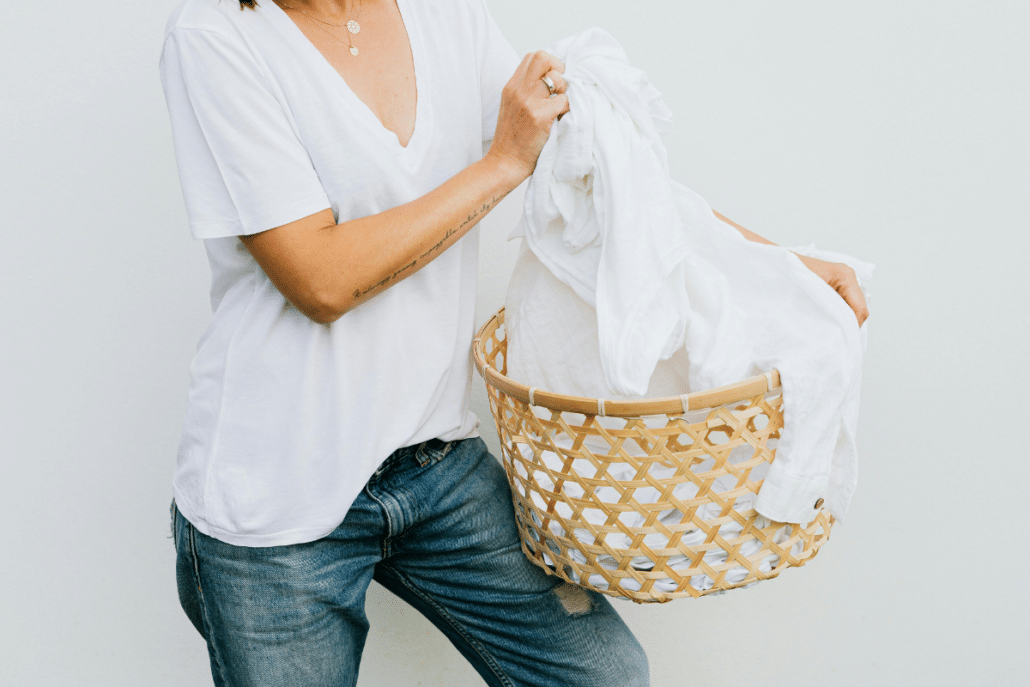
White clothes are optimistic, aren’t they? You buy them crisp and bright, and somewhere between the first wearing and the third washing, they start looking like they gave up. Dingy. Gray. Sad. Been there. Done that. Ruined the T-shirt. But here’s the thing… keeping whites white isn’t complicated. It just requires knowing a few rules and actually following them. Let’s do this.
Just as there are rules for driving a car, cooking a meal, or managing your money, there are simple guidelines for how to wash white clothes to keep them pristine. And if your whites become dull, gray, or yellowed, don’t worry… there are effective methods to restore their brightness and keep them looking fresh and clean.
Sort First. No Exceptions.
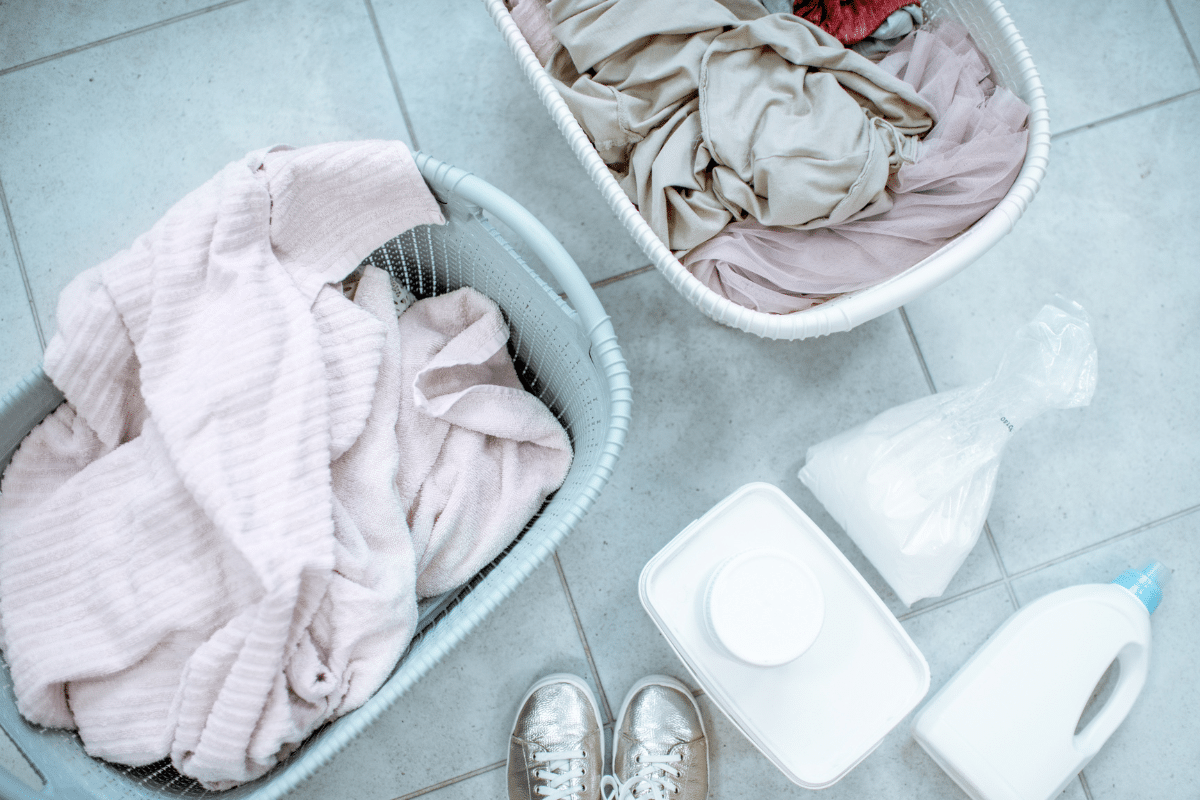
I know. Sorting laundry feels like homework. But tossing that pale pink pillowcase in with your whites “just this once” is how you end up with a drawer full of blush-toned undershirts.
Even the tiniest bit of dye can bleed, and once it does, it’s working against you every single wash. Keep whites with whites, always. It’s a two-second decision that pays off for years.

Pre-Treat Stains Before They Move In for Good
Once a stain hits the dryer, you’ve basically invited it to stay forever. Heat sets stains. That’s not a threat. It’s chemistry.
So before anything goes into the wash, check for spots and pre-treat them. My go-to? Blue Dawn Ultra dish soap straight from the bottle. Keep a squeeze bottle of it in the laundry room. Dab it on the stain, let it sit a few minutes, then launder as usual. It works on most stains (whites or colors) and it costs almost nothing.
Borax Is Your New Best Friend

20 Mule Team Borax Laundry Booster
If you’re not adding borax to your white loads, you’re leaving brightness on the table. Half a cup per load, right into the drum before the clothes go in. That’s it.
It boosts your detergent’s cleaning power and over time, visibly lifts the dinginess that sneaks up on whites. Add an extra rinse cycle to flush everything out completely. A few months of this and you’ll wonder what took you so long.

Don’t Stuff the Machine
White laundry needs room to move. When your washer is packed tight, the water can’t circulate properly and that circulation is what actually flushes the dirt and detergent residue away.
What’s left behind? Exactly what you don’t want. Residue trapped in fibers turns whites gray over time and makes fabrics feel rough. Load lighter. Wash more often if you need to. Less is genuinely more here.
You’re Probably Using Too Much Detergent

Go check your detergent cap. I’ll wait.
Those fill lines? Marketing. Most machines need a fraction of what the label suggests. We’re talking tablespoons, not cups. Extra detergent doesn’t make things cleaner. It leaves residue that dulls your whites and makes towels feel scratchy.
Dial it back, measure carefully, and let the machine do its job.
Hot Wash, Cold Rinse
For most white items, hot water in the wash cycle is your friend. It breaks down body oils and grime that cool water just pushes around. Then switch to cold for the rinse. It flushes detergent out completely without leaving anything behind.
Hot wash, cold rinse. Simple. Effective.
Bonus tip from the head of laundry at London Hilton: boil stubborn whites on the stovetop with 3 tablespoons each of laundry soap and baking soda for at least 30 minutes, then rinse and spin in the machine. Old-school? Yes. Does it work? Absolutely.
Skip the Fabric Softener… Use This Instead
Commercial fabric softeners leave a waxy coating on fabric that builds up over time, dulls your whites, and can irritate skin. What works better and costs less?
One cup of plain distilled white vinegar in the rinse cycle. It strips detergent residue, softens fabric naturally, and eliminates odors. And before you ask, no, your laundry won’t smell like a salad. The scent rinses away completely.
Check for Stains Before You Dry
After the wash cycle, take 30 seconds to look your whites over before they go into the dryer. Still see a stain? Re-treat and rewash. Don’t risk it.
The dryer is not your friend when it comes to stains. Heat locks them in and then they’re yours forever.
While you’re at it: clean your washing machine every three months. Buildup inside the drum transfers right to your laundry.
Sun Is Free Bleach
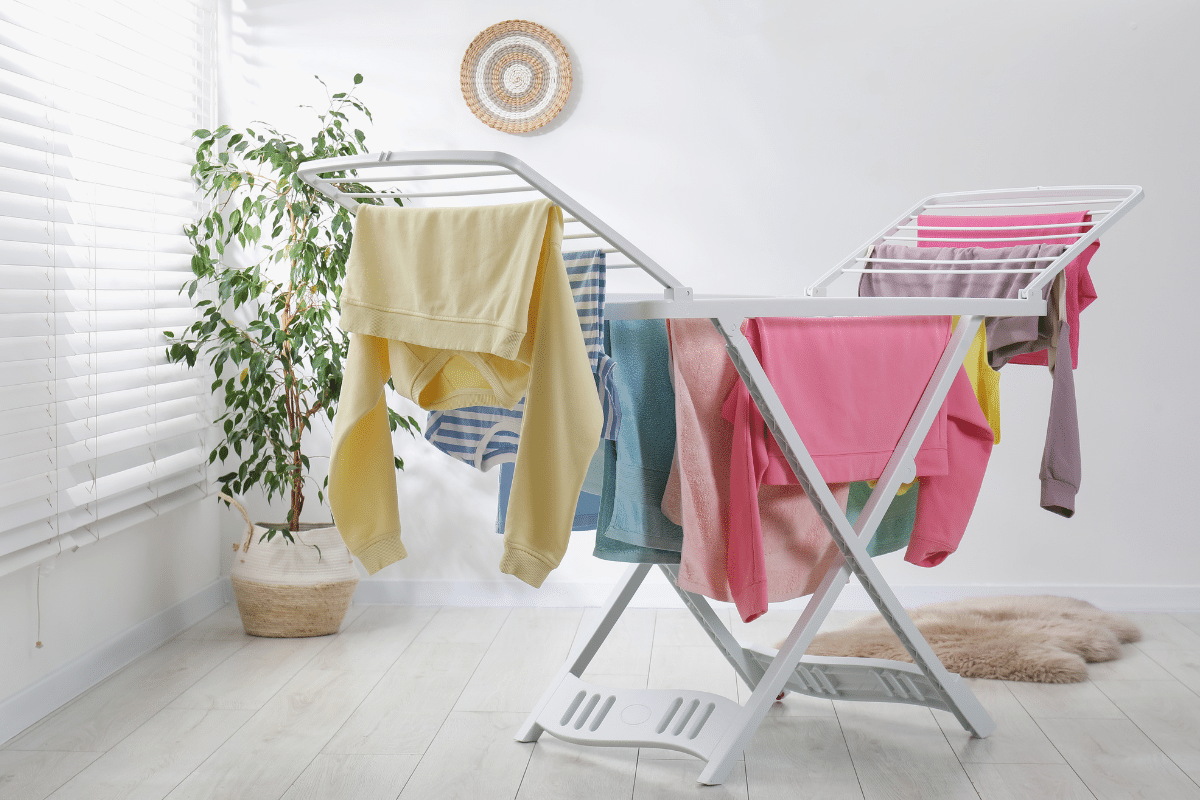
When the weather cooperates, hang your whites outside. Sunlight is a natural whitener, sanitizer, and freshener and it costs nothing.
No sunshine or outdoor space? Dry on low heat in the dryer instead. Low and slow preserves fabric, prevents shrinkage, and makes it easier to tackle any remaining dinginess. Just don’t over-dry. That’s how hidden stains turn yellow and set in permanently.

When Whites Have Already Gone Gray
Sometimes a load of whites just needs a fresh start. That’s where laundry stripping comes in. Fill a large tub with hot water, add enzyme detergent, washing soda, and borax, and let your whites soak for several hours or overnight.
The water that comes out… let’s just say it’s a humbling experience. But your whites will come back looking like themselves again. Do it once or twice a year for towels and bedding especially. It makes a remarkable difference.
White clothes are worth the small effort it takes to keep them bright. A little sorting, a little borax, a little less detergent — and suddenly your whites look the way they did when you brought them home.
Question: What’s your best trick for keeping whites bright? Share it below because around here, we’re all learning from each other.
EverydayCheapskate™ is reader-supported. We participate in the Amazon Services LLC Associates Program and other affiliate advertising programs, designed to provide a means for us to earn from qualifying purchases, at no cost to you.

More from Everyday Cheapskate
 https://www.everydaycheapskate.com/wp-content/uploads/20261006-prime-big-deal-days-have-landed.png
800
1200
Mary Hunt
https://www.everydaycheapskate.com/wp-content/uploads/EC-Logo-by-Mary-Hunt-Tagline-Trimmed.png
Mary Hunt2026-10-05 11:01:432026-10-07 09:02:53EC’s Top Picks from Amazon Prime Big Deal Days 2026
https://www.everydaycheapskate.com/wp-content/uploads/20261006-prime-big-deal-days-have-landed.png
800
1200
Mary Hunt
https://www.everydaycheapskate.com/wp-content/uploads/EC-Logo-by-Mary-Hunt-Tagline-Trimmed.png
Mary Hunt2026-10-05 11:01:432026-10-07 09:02:53EC’s Top Picks from Amazon Prime Big Deal Days 2026 https://www.everydaycheapskate.com/wp-content/uploads/20261004-reduce-healthcare-costs-with-three-habits-healthy-couple-walking-in-autumn-leaves.png
800
1200
Mary Hunt
https://www.everydaycheapskate.com/wp-content/uploads/EC-Logo-by-Mary-Hunt-Tagline-Trimmed.png
Mary Hunt2026-10-04 23:08:572026-10-04 23:09:47How to Reduce Healthcare Costs With 3 Free Daily Habits
https://www.everydaycheapskate.com/wp-content/uploads/20261004-reduce-healthcare-costs-with-three-habits-healthy-couple-walking-in-autumn-leaves.png
800
1200
Mary Hunt
https://www.everydaycheapskate.com/wp-content/uploads/EC-Logo-by-Mary-Hunt-Tagline-Trimmed.png
Mary Hunt2026-10-04 23:08:572026-10-04 23:09:47How to Reduce Healthcare Costs With 3 Free Daily Habits https://www.everydaycheapskate.com/wp-content/uploads/20241004-news-you-can-use-october-everyday-cheapskate-top-news-articles.png
800
1200
Mary Hunt
https://www.everydaycheapskate.com/wp-content/uploads/EC-Logo-by-Mary-Hunt-Tagline-Trimmed.png
Mary Hunt2026-10-04 01:04:052026-10-11 14:34:17News You Can Use • October 2026
https://www.everydaycheapskate.com/wp-content/uploads/20241004-news-you-can-use-october-everyday-cheapskate-top-news-articles.png
800
1200
Mary Hunt
https://www.everydaycheapskate.com/wp-content/uploads/EC-Logo-by-Mary-Hunt-Tagline-Trimmed.png
Mary Hunt2026-10-04 01:04:052026-10-11 14:34:17News You Can Use • October 2026 https://www.everydaycheapskate.com/wp-content/uploads/20261003-woman-hugging-elderly-mother-sandwich-generation-caring-for-aging-parents.png
800
1200
Mary Hunt
https://www.everydaycheapskate.com/wp-content/uploads/EC-Logo-by-Mary-Hunt-Tagline-Trimmed.png
Mary Hunt2026-10-03 10:47:222026-10-03 10:47:25Sandwiched Between Aging Parents and Adult Children
https://www.everydaycheapskate.com/wp-content/uploads/20261003-woman-hugging-elderly-mother-sandwich-generation-caring-for-aging-parents.png
800
1200
Mary Hunt
https://www.everydaycheapskate.com/wp-content/uploads/EC-Logo-by-Mary-Hunt-Tagline-Trimmed.png
Mary Hunt2026-10-03 10:47:222026-10-03 10:47:25Sandwiched Between Aging Parents and Adult Children https://www.everydaycheapskate.com/wp-content/uploads/20260927-impossible-lasagna-pie-recipe-with-wooden-serving-spoon-in-white-casserole-dish.png
800
1200
Mary Hunt
https://www.everydaycheapskate.com/wp-content/uploads/EC-Logo-by-Mary-Hunt-Tagline-Trimmed.png
Mary Hunt2026-09-28 09:38:592026-09-28 22:48:34Impossible Lasagna Pie: All the Flavor, None of the Noodles
https://www.everydaycheapskate.com/wp-content/uploads/20260927-impossible-lasagna-pie-recipe-with-wooden-serving-spoon-in-white-casserole-dish.png
800
1200
Mary Hunt
https://www.everydaycheapskate.com/wp-content/uploads/EC-Logo-by-Mary-Hunt-Tagline-Trimmed.png
Mary Hunt2026-09-28 09:38:592026-09-28 22:48:34Impossible Lasagna Pie: All the Flavor, None of the Noodles https://www.everydaycheapskate.com/wp-content/uploads/20260925-best-inexpensive-coffee-grinders-burr-manual-and-electric.png
800
1200
Mary Hunt
https://www.everydaycheapskate.com/wp-content/uploads/EC-Logo-by-Mary-Hunt-Tagline-Trimmed.png
Mary Hunt2026-09-25 11:06:342026-10-10 15:49:09The Best Coffee Grinder Upgrade That’s Actually Worth It
https://www.everydaycheapskate.com/wp-content/uploads/20260925-best-inexpensive-coffee-grinders-burr-manual-and-electric.png
800
1200
Mary Hunt
https://www.everydaycheapskate.com/wp-content/uploads/EC-Logo-by-Mary-Hunt-Tagline-Trimmed.png
Mary Hunt2026-09-25 11:06:342026-10-10 15:49:09The Best Coffee Grinder Upgrade That’s Actually Worth It https://www.everydaycheapskate.com/wp-content/uploads/20260918-man-and-woman-signing-an-extended-warranty-in-a-car-dealership.png
800
1200
Mary Hunt
https://www.everydaycheapskate.com/wp-content/uploads/EC-Logo-by-Mary-Hunt-Tagline-Trimmed.png
Mary Hunt2026-09-18 15:23:432026-09-18 15:25:43Is an Extended Warranty Ever Worth It? The Truth for 2026
https://www.everydaycheapskate.com/wp-content/uploads/20260918-man-and-woman-signing-an-extended-warranty-in-a-car-dealership.png
800
1200
Mary Hunt
https://www.everydaycheapskate.com/wp-content/uploads/EC-Logo-by-Mary-Hunt-Tagline-Trimmed.png
Mary Hunt2026-09-18 15:23:432026-09-18 15:25:43Is an Extended Warranty Ever Worth It? The Truth for 2026 https://www.everydaycheapskate.com/wp-content/uploads/20260917-fall-cleaning-checklist.png
800
1200
Mary Hunt
https://www.everydaycheapskate.com/wp-content/uploads/EC-Logo-by-Mary-Hunt-Tagline-Trimmed.png
Mary Hunt2026-09-17 17:11:012026-09-28 22:48:45Fall Cleaning Checklist: 15 Overlooked Spots to Clean
https://www.everydaycheapskate.com/wp-content/uploads/20260917-fall-cleaning-checklist.png
800
1200
Mary Hunt
https://www.everydaycheapskate.com/wp-content/uploads/EC-Logo-by-Mary-Hunt-Tagline-Trimmed.png
Mary Hunt2026-09-17 17:11:012026-09-28 22:48:45Fall Cleaning Checklist: 15 Overlooked Spots to Clean https://www.everydaycheapskate.com/wp-content/uploads/20260913-how-to-winterize-your-home-snowy-driveway-suburban-home.png
800
1200
Mary Hunt
https://www.everydaycheapskate.com/wp-content/uploads/EC-Logo-by-Mary-Hunt-Tagline-Trimmed.png
Mary Hunt2026-09-13 15:32:142026-09-28 22:48:55The Complete Guide to Winterizing Your Home This Fall
https://www.everydaycheapskate.com/wp-content/uploads/20260913-how-to-winterize-your-home-snowy-driveway-suburban-home.png
800
1200
Mary Hunt
https://www.everydaycheapskate.com/wp-content/uploads/EC-Logo-by-Mary-Hunt-Tagline-Trimmed.png
Mary Hunt2026-09-13 15:32:142026-09-28 22:48:55The Complete Guide to Winterizing Your Home This FallPlease keep your comments positive, encouraging, helpful, brief,
and on-topic in keeping with EC Commenting Guidelines
Last update on 2026-10-11 / Affiliate links / Images from Amazon Product Advertising API


I was wondering about that hot/cold suggestion you made. I haven’t seen any settings like that and I am not likely to hang around the laundry room waiting to catch the switch-over time, so I guess it would work only for hand washing.
This is a staple on all washers provided they have a hot water inlet. You might need to slightly customize a standard setting to alter the wash and/or rinse cycle of your particular model. Just search for your washer’s instruction manual and I’m sure they will have directions.
Have white baseball pants can’t remember what I used with cascade to get all the stains out. Can you help me. Thank you
This post: Surprising Other Uses for Automatic Dishwasher Detergent
Hi Mary- love your tips! Are we still using bleach if we add the borax?
Thank you
I haven’t used liquid chlorine bleach in my laundry process for months—maybe a year by now! Once I performed “laundry stripping” on all of our white clothes and linens—AND religiously add 1/2 cup borax to every wash load (whites and colors) since, that jug of bleach has remained unopened. Honestly, I only now thought this through in response to your comment! Wow. It is amazing.
I have no problem with whites or getting stains out. My problem is really unusual. Married for 54 years, I have washed a lot of clothes. However, in our current (and hopefully final) retirement area, in Tennessee, I have had a problem with my blue clothes. We have some items that are decades old, and seem to look the same. I started to notice however, that my navy blue tunic top was actually turning purple. Only the threads are still blue. We have towels that were such a bright aqua that I was afraid to buy them, and now they are a light green. I had robin egg blue towels that are now yellow. The last set of towels were from Costco – a medium dusky blue set of their Charisma line – and they became blotchy where the color was washing out looking kind of like a grey or purplish color.
I went to the Utility District and they came out and tested all the water. We do not use a softener or treatment system. They claim all our numbers from testing came out fine. My husband has noticed some of his cotton underwear has changed also – again, blue into purple, and red into kind of a brick color.
I do not even use color safe bleach. I do use borax on occasion, but not even a half cup when I think it is needed. We have never noticed the problem on blue jeans.
Has anyone else had this issue? As I said, I have things that belonged to my mom, that have never changed colors. We also have a few pieces of clothing we don’t wear regularly any more, but are over 20 years old, and they have never changed color. We were originally from the Chicago area and have lived in the Nashville area 7 years.
I am currently doing a “Columbo test” with 2 neighbors. I purchased 4 towels, all the same. One will be left as the new towel. The others are all being washed once or twice a week to see how they will compare after about 3 months. Some other people have noticed some of their clothing has changed colors too. I believe that it is more noticeable on towels because they are used and rotated more frequently than a top you might wear for a few hours and then wear another time or two before washing.
Any thoughts?? Thank you.
Do you hang your clothes outdoors to dry? Sounds like sun fading to me. If not my second guess is that your municipal water has a higher than usual level of chlorine.
Dear Mary, you are a natural born writer and teacher. Problem; what to do with a down/feather bed that goes on top of mattress. I get pricked all over when it was used. Putting a sheet over it made no difference. Those feather quills are all popping out. Too many to pick out. So it just sits in laundry room. What could I use it for? My comforter was like that, too, but I spent the time to remove those pricky bits. Comforter is quite flat now but it works for me as long as it’s in a cover and I use a top sheet. Yeah, I’m the princess who couldn’t sleep when a pea was hidden under a dozen mattresses. lol! So, alternate uses for the prickly feather bed? Thanks.
It sounds to me like a problem with feathers as opposed to down. In the future, stay away from feather filled comforter or mattress topper, or even one that is a combination of feathers and down. As for repurposing it, I don’t have a suggestion to offer. Trying to remove the feathers to fill say throw pillows is going to create a problem the likes of which you cannot even imagine!
I would love to wash on hot and rinse in cold but I go to the laundromat to wash clothes. The option to separate wash and rinse temperatures is nonexistent. Any laundromat tips?
In that I am not familiar with your laundromat, I don’t have any ideas how you could override or create settings that are not readily available. Let’s invite readers who might have an option to weigh in. Anyone?