

Are You Ready for an Emergency? Most Homes Aren’t

Most of us don’t think about disasters until the lights go out, the weather turns ugly, or the news hits a little too close to home. Disaster preparedness isn’t about stockpiling or panic. It’s about removing stress from already stressful moments. A few smart choices now can save money, time, and fear later. Think of this as practical insurance for everyday life, not a doomsday checklist.

Preparedness isn’t about where you live or how dramatic the emergency might be. It’s about knowing that when something unexpected happens, and it will, you won’t be scrambling, guessing, or relying on luck. The goal is simple: fewer decisions in the moment, less stress on your plate, and more control when control feels scarce.
That might mean having a basic plan everyone in your household understands, a small stash of essentials that actually make sense for your life, or knowing how to get reliable information when the power or internet goes down. It’s not about preparing for every possible scenario. It’s about covering the most likely ones in a way that fits your budget, your space, and your values.
I’ve pulled together practical, no-nonsense steps you can take without overhauling your life or spending a fortune. Some of this you may already be doing without realizing it. The rest is about closing a few easy gaps so you can move through disruptions with confidence instead of chaos. B
The Importance of Disaster Preparedness
When something goes wrong, the biggest advantage you can have isn’t luck. It’s readiness. Being prepared doesn’t mean expecting the worst. It means giving yourself options when plans fall apart. Good disaster preparedness starts with simple, realistic actions you can maintain over time.
Research consistently shows that every dollar spent ahead of time saves many more in cleanup, repairs, lost work, and emergency purchases later. At home, that can mean avoiding last-minute hotel stays during evacuations, preventing a refrigerator full of spoiled food during an outage, or skipping panic-priced supplies when shelves are bare. Investing in disaster preparedness now is one of the smartest financial choices you can make.
A modest investment made calmly almost always costs less than scrambling after the fact. Preparedness is one of those rare situations where the sensible choice also happens to be the cheaper one.
A simple emergency plan helps you move faster and think clearer when it matters most. You already know your home, your routines, and the people you care about. Disaster preparedness just connects those dots ahead of time so you’re not making big decisions under pressure. And when you know what to do and where to turn, fear tends to lose its grip.
The Emergencies Most Likely to Affect Everyday Homes
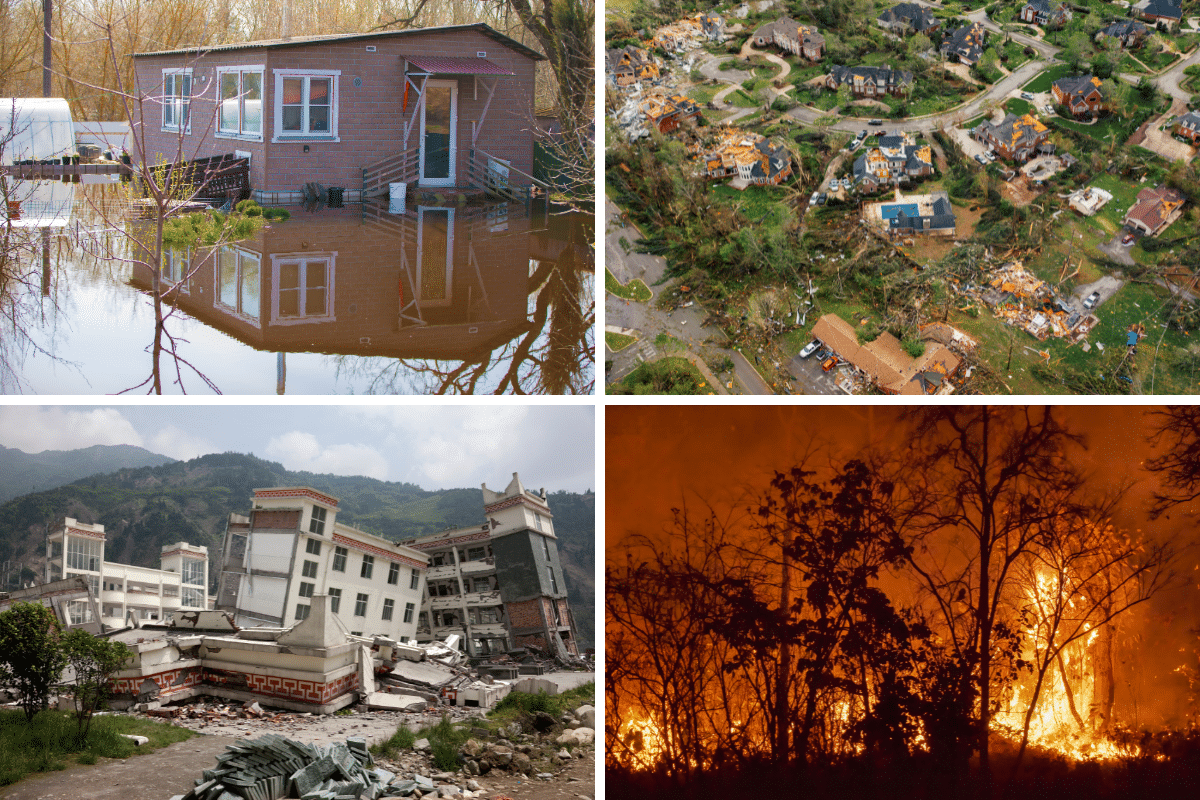
Before putting a plan on paper, it helps to know what you’re actually planning for. Most emergencies aren’t dramatic, once-in-a-lifetime events. They’re the everyday disruptions that knock out power, limit access to food or fuel, or force you to stay put longer than expected. Think severe weather, extended outages, flooding, fires, or even a local situation that makes travel unsafe for a day or two.
Different situations call for different preparations. A major storm may mean securing your home and having enough water and food on hand. A power outage shifts the focus to lighting, charging devices, and keeping food cold. The point isn’t to prepare for everything. It’s to prepare for the things most likely to happen where you live.
A quick look at your local risks can go a long way toward keeping your plan realistic and affordable. Tools like FEMA’s National Risk Index, state hazard maps, and Ready.gov can help you identify common threats in your area and prioritize accordingly. Use them as guides, not gospel. The goal is to stay informed without getting overwhelmed and to build a plan that fits your life, not someone else’s checklist.
How to Create a Simple Emergency Plan You’ll Actually Use
An emergency plan doesn’t need to be fancy or laminated to be effective. It just needs to be clear, shared, and realistic. Think of it as a short list of “what we’ll do if things go sideways,” not a binder you’ll never open again.
- Decide where to go and where to meet: Identify the safest place in your home for different situations, and choose one simple meeting spot in case you’re separated. This could be a neighbor’s house, a nearby landmark, or even the car parked out front.
- Make sure everyone knows their role: Who grabs the emergency kit? Who checks on pets? Who makes the call if cell service is spotty? Assigning a few basic responsibilities ahead of time keeps small problems from turning into big ones.
- Know how to shut things off: Take five minutes to locate and label your gas, water, and electrical shutoffs. In many emergencies, this one step can prevent costly damage or worse.
- Set up a simple communication plan: Write down key phone numbers and choose an out-of-area contact everyone can check in with if local lines are jammed. Digital is fine, but a paper copy matters when batteries don’t cooperate.
- Walk through it once (or twice): You don’t need a full drill. Just talk it through. A quick run-through makes the plan familiar and familiarity is what cuts panic when stress is high.
An emergency plan should fit your household, not the other way around. Keep it simple, revisit it once a year, and adjust as life changes. The best plan is the one you remember without having to look it up.
Disaster Preparedness Essentials Every Household Needs
A well-stocked emergency kit should be designed to carry you through at least 72 hours without outside help. Here’s a simple, no-nonsense checklist to get you there. Keeping this kit is a key part of disaster preparedness.
- Water (non-negotiable): Plan for one gallon per person, per day for drinking and basic sanitation. If space is tight, store what you can and know where you’ll get more. Dehydration makes everything harder fast.
- Food that doesn’t require a plan: Stick with foods that don’t need cooking or much thought: canned goods, protein bars, nut butter, crackers. If it needs a recipe or special equipment, it doesn’t belong here.
- A real first-aid kit: Beyond bandages, include antiseptic, pain relievers, and any prescription meds your household relies on. This is one area where “good enough” isn’t good enough.
- Light you can count on: Have more than one flashlight and extra batteries. Headlamps are especially handy when your hands are busy or cold.
- A radio that doesn’t rely on Wi-Fi: A battery-powered or hand-crank radio keeps you informed when phones don’t. Updates matter, especially when instructions change.
- Warmth and protection: Pack weather-appropriate clothing, sturdy shoes, and blankets. Even mild conditions feel harsher when power is out and stress is high.
- Basic hygiene supplies: Toilet paper, hand sanitizer, wet wipes, feminine hygiene products. Small things that make a big difference when routines disappear.
- Cash and critical paperwork: Keep some cash on hand and copies of important documents (i.e., ID, insurance, medical info) in a waterproof container. When systems are down, paper still works.
Set a reminder once or twice a year to review your kit. Replace expired items, update medications, and adjust as your household changes. Babies grow. Pets age. Needs shift.
How to Make Your Home Safer Without Major Renovations
You don’t need a remodel or a contractor on speed dial to make your home safer. A few thoughtful fixes can lower risk, limit damage, and give you one less thing to worry about when an emergency hits.
Here’s where to focus, starting with the biggest payoff for the least effort.
- Strengthen doors and windows: High winds and flying debris do most of their damage through openings. Storm shutters are great, but even well-cut plywood stored in the garage is better than nothing. The goal is simple: slow things down and keep the outside where it belongs.
- Anchor heavy furniture: Bookcases, cabinets, and tall dressers tip more easily than you think. A few wall anchors can prevent injuries and costly damage especially in earthquakes or high winds. This is a quiet fix you’ll never notice… until it saves you.
- Keep trees and branches in check: Dead or overhanging branches are trouble waiting to happen. Regular trimming reduces the chance of damage to your roof, windows, or power lines and it’s far cheaper than emergency cleanup.
- Test smoke and carbon monoxide detectors: Detectors should be on every level of your home and near sleeping areas. Test them regularly and replace batteries as needed. This is one of the simplest safety steps with the biggest life-saving potential.
- Know how to shut off utilities: In a real emergency, seconds count. Make sure you and at least one other person know how to turn off gas, water, and electricity. A quick label or printed instruction nearby can help when stress takes over.
Do a slow walk-through of your home once a year and look at it with fresh eyes. What could fall, leak, spark, or block an exit? Small fixes done ahead of time beat big problems later.
These steps protect your home, yes, but more importantly, they protect the people inside it.
Staying Connected When Power and Internet Go Down
When systems fail, communication becomes just as important as food and water. Being able to check in, get reliable information, or ask for help can reduce panic and prevent small problems from turning into big ones.
Here’s how to make sure you’re not cut off when it matters most.
- Pick one go-to contact outside your area: Choose a friend or family member who lives elsewhere and make them your check-in point. If local networks are overloaded, it’s often easier to reach someone outside the affected zone. Make sure everyone knows who that person is and how to reach them.
- Text first, call second: Texts use less bandwidth and often go through even when calls won’t. A quick “I’m safe” or “Need help” can be more reliable than a ringing phone that never connects.
- Use tech when it’s available, but don’t rely on it completely: Emergency apps and social media feeds from local agencies can provide fast, accurate updates. Set these up ahead of time, turn on alerts, and know where to look. Just remember: if the battery dies or the signal drops, you’ll need a backup.
- Keep a battery-powered or hand-crank radio: This is old-school for a reason… it works. A radio can deliver official instructions, weather updates, and evacuation information when phones and internet are useless.
- Don’t overlook the people next door: A simple neighborhood check-in plan goes a long way. Knowing who’s home, who might need help, and who has extra supplies creates a small safety net that technology can’t replace.
Charge devices whenever you can and keep backup power on hand. Portable chargers, car chargers, or even an old phone kept powered off until needed. A little planning here buys a lot of peace of mind.
Staying connected isn’t about being plugged in 24/7. It’s about having options when the usual ones disappear.
Evacuation Procedures and Routes
Sometimes, staying put isn’t the safest option. Knowing when and how to evacuate can make all the difference for you and your family. A clear plan helps you act quickly, avoid chaos, and reduce risk.
- Stay alert and informed: Sign up for local alerts and monitor news sources. Emergency notifications, weather apps, and community channels can give you a head start before an evacuation becomes urgent.
- Know your routes… more than one: Familiarize yourself with all available evacuation routes, not just the main road. Keep printed maps and GPS devices handy in case traffic or outages block your usual path. Consider alternative exits from your neighborhood or town.
- Pack your essentials: Grab your emergency kit, medications, important documents, and any supplies you’ll need for a few days. Don’t forget chargers, cash, pet supplies, and items that make the journey manageable. Comfort can help reduce stress.
- Follow instructions, but stay aware. Listen to local authorities and first responders. Evacuate when told, and stay calm. Look out for neighbors who may need help, but don’t put yourself at unnecessary risk.
- Arrange transportation in advance: Not everyone has a car ready to go. Plan ahead with friends, neighbors, or community resources so you won’t be stuck scrambling if public transportation is limited.
Pro tip: Leave early rather than waiting. Roads can clog quickly, fuel may run low, and delays can turn a short drive into a long, stressful ordeal. Once authorities say it’s safe, don’t rush back. Give the area time to stabilize.
Evacuations are never fun, but preparation makes them smoother, safer, and less overwhelming. A little planning now can prevent a lot of stress later.
Emergency Planning for Pets (Because They’re Family)
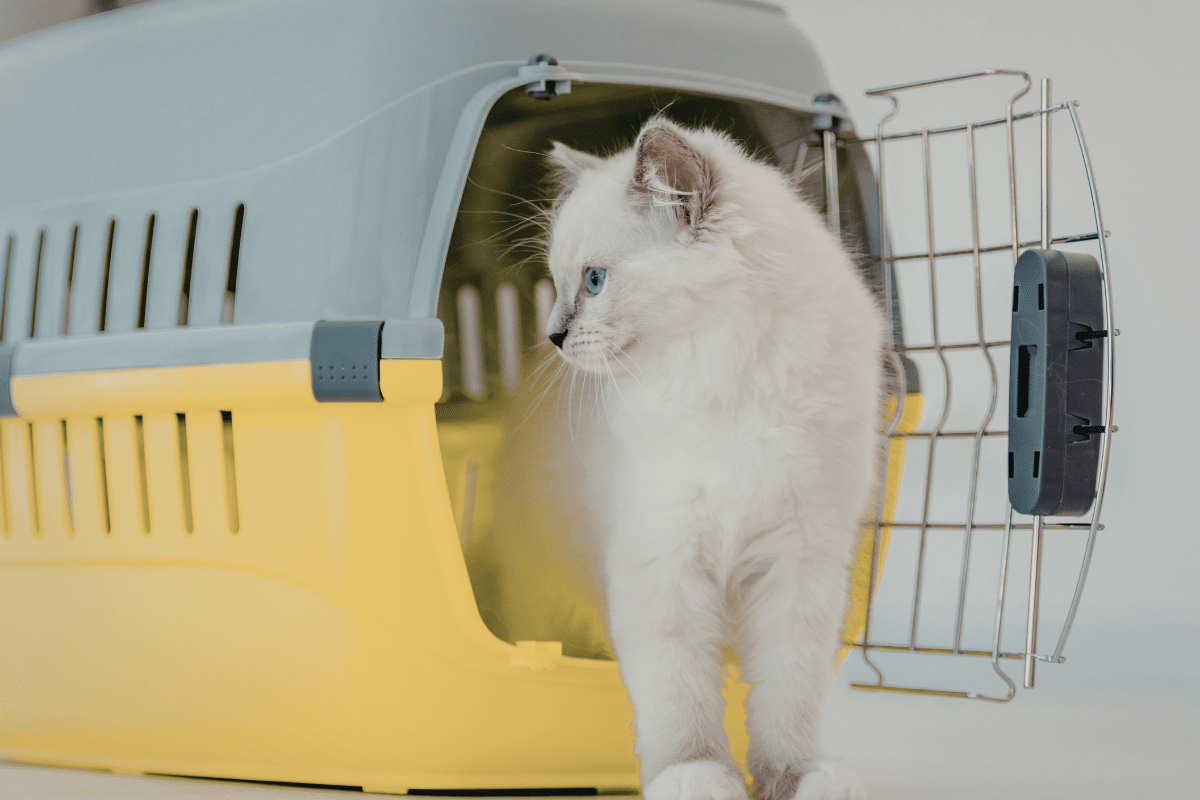
Your pets are part of the family, so they need a plan too. Emergencies can be stressful for them and for you if you’re unprepared. A few thoughtful steps can make a big difference.
- Make sure they’re identifiable: Collars with up-to-date tags are a must. Microchipping adds another layer of security in case your pet gets lost during an emergency.
- Pack a pet emergency kit: Include at least three days of food and water, medications, and any special supplies your pet needs. Familiar items like toys, blankets, or a favorite bed can help keep them calm during a crisis.
- Plan for shelter options: Not all emergency shelters allow pets. Identify pet-friendly shelters, hotels, or trusted friends and family who can care for your animals if evacuation is necessary.
- Keep carriers and leashes ready: Make sure carriers, crates, and leashes are easily accessible. Even a calm pet can panic during an evacuation, and a secure way to transport them is essential.
- Practice makes calm: Run through a few practice drills with your pets. Familiarity with the process (i.e., carriers, leashes, or even getting into a vehicle) can reduce stress for everyone when a real emergency hits.
Pro tip: Keep a small supply of pet essentials in your car or go-bag. Emergencies are unpredictable, and having immediate access can save time and reduce panic.
Pets can’t plan for disasters themselves. With a little preparation, you can keep them safe, comfortable, and calm when it matters most.
Skills That Can Matter More Than Supplies in a Crisis

Having a well-stocked kit is important, but in many emergencies, the right skills can make an even bigger difference. Building knowledge and practical abilities ensures you can respond quickly and confidently. Here’s where to focus your efforts:
- First aid and CPR: Knowing how to stop bleeding, treat burns, or perform CPR can save lives before professional help arrives. Local hospitals, fire departments, or community centers often offer affordable courses.
- Community emergency response teams (CERT): Many towns have CERT programs that train volunteers in disaster response, basic firefighting, search and rescue, and emergency management. Joining one helps you help your neighbors and gives you hands-on practice you can’t get from a book.
- Disaster preparedness workshops: Organizations like the Red Cross, local emergency management agencies, and community centers frequently host workshops. These classes often cover practical scenarios from flood safety to wildfire evacuation and provide step-by-step strategies.
- Online resources and interactive courses: Websites, webinars, and video tutorials can supplement hands-on training. Look for interactive simulations or apps that teach emergency decision-making, first aid techniques, and preparedness planning.
Pro tip: Practice makes perfect. Skills like first aid, navigation, or emergency communication aren’t just learned once. They improve with repetition. Try running through drills or scenarios with your family so everyone feels confident in their role.
Investing in these skills doesn’t just make your household safer; it strengthens your entire community. When you know what to do, you’re not just surviving. You’re helping others survive too.
Taking Action to Protect Yourself and Your Loved Ones
Being prepared for emergencies isn’t just about having supplies. It’s about taking practical steps to protect yourself, your family, and even your pets. The strategies in this guide from building an emergency kit and securing your home to establishing communication plans and knowing evacuation routes are all part of comprehensive disaster preparedness.
Make a plan, practice it regularly, and make sure everyone in your household knows their role. Keep essential supplies on hand, update them as needed, and invest in skills like first aid and disaster response. Don’t forget the four-legged members of your family. They rely on you too.
Preparedness is also about staying informed. Sign up for local alerts, follow trusted sources, and keep backup power or communication options ready. Even small steps like anchoring a bookcase, trimming a tree branch, or updating a pet’s ID add up to real safety.
The best time to act is now. Start implementing these measures today and enjoy the peace of mind that comes from knowing you’re ready. Emergencies are unpredictable, but your disaster preparedness doesn’t have to be. Stay safe, stay ready, and stay resilient.
Question: What’s one emergency item you already have or wish you had at home right now? Share in the comments below.
EverydayCheapskate™ is reader-supported. We participate in the Amazon Services LLC Associates Program and other affiliate advertising programs, designed to provide a means for us to earn from qualifying purchases, at no cost to you.

More from Everyday Cheapskate
 https://www.everydaycheapskate.com/wp-content/uploads/20261011-Woman-Adjusting-Smart-Home-Device-on-the-Wall-how-to-lower-your-electric-bill.png
800
1200
Mary Hunt
https://www.everydaycheapskate.com/wp-content/uploads/EC-Logo-by-Mary-Hunt-Tagline-Trimmed.png
Mary Hunt2026-10-11 23:01:562026-10-11 23:01:56Stop Chasing Pennies on Your Electric Bill. Do This
https://www.everydaycheapskate.com/wp-content/uploads/20261011-Woman-Adjusting-Smart-Home-Device-on-the-Wall-how-to-lower-your-electric-bill.png
800
1200
Mary Hunt
https://www.everydaycheapskate.com/wp-content/uploads/EC-Logo-by-Mary-Hunt-Tagline-Trimmed.png
Mary Hunt2026-10-11 23:01:562026-10-11 23:01:56Stop Chasing Pennies on Your Electric Bill. Do This https://www.everydaycheapskate.com/wp-content/uploads/20261007-red-present-sitting-in-autumn-leaves-Amazon-Prime-Big-Deal-Days-gifts.png
800
1200
Mary Hunt
https://www.everydaycheapskate.com/wp-content/uploads/EC-Logo-by-Mary-Hunt-Tagline-Trimmed.png
Mary Hunt2026-10-06 23:09:432026-10-06 23:09:43Christmas Shopping in October? These Prime Day Gifts Make Sense
https://www.everydaycheapskate.com/wp-content/uploads/20261007-red-present-sitting-in-autumn-leaves-Amazon-Prime-Big-Deal-Days-gifts.png
800
1200
Mary Hunt
https://www.everydaycheapskate.com/wp-content/uploads/EC-Logo-by-Mary-Hunt-Tagline-Trimmed.png
Mary Hunt2026-10-06 23:09:432026-10-06 23:09:43Christmas Shopping in October? These Prime Day Gifts Make Sense https://www.everydaycheapskate.com/wp-content/uploads/20261006-prime-big-deal-days-have-landed.png
800
1200
Mary Hunt
https://www.everydaycheapskate.com/wp-content/uploads/EC-Logo-by-Mary-Hunt-Tagline-Trimmed.png
Mary Hunt2026-10-05 11:01:432026-10-07 09:02:53EC’s Top Picks from Amazon Prime Big Deal Days 2026
https://www.everydaycheapskate.com/wp-content/uploads/20261006-prime-big-deal-days-have-landed.png
800
1200
Mary Hunt
https://www.everydaycheapskate.com/wp-content/uploads/EC-Logo-by-Mary-Hunt-Tagline-Trimmed.png
Mary Hunt2026-10-05 11:01:432026-10-07 09:02:53EC’s Top Picks from Amazon Prime Big Deal Days 2026 https://www.everydaycheapskate.com/wp-content/uploads/20261004-reduce-healthcare-costs-with-three-habits-healthy-couple-walking-in-autumn-leaves.png
800
1200
Mary Hunt
https://www.everydaycheapskate.com/wp-content/uploads/EC-Logo-by-Mary-Hunt-Tagline-Trimmed.png
Mary Hunt2026-10-04 23:08:572026-10-04 23:09:47How to Reduce Healthcare Costs With 3 Free Daily Habits
https://www.everydaycheapskate.com/wp-content/uploads/20261004-reduce-healthcare-costs-with-three-habits-healthy-couple-walking-in-autumn-leaves.png
800
1200
Mary Hunt
https://www.everydaycheapskate.com/wp-content/uploads/EC-Logo-by-Mary-Hunt-Tagline-Trimmed.png
Mary Hunt2026-10-04 23:08:572026-10-04 23:09:47How to Reduce Healthcare Costs With 3 Free Daily Habits https://www.everydaycheapskate.com/wp-content/uploads/20261004-woman-dreaming-about-her-financial-and-life-goals.png
800
1200
Mary Hunt
https://www.everydaycheapskate.com/wp-content/uploads/EC-Logo-by-Mary-Hunt-Tagline-Trimmed.png
Mary Hunt2026-10-04 12:50:422026-10-04 12:50:42She Lived in a Basement for $100 a Month. Here’s Why.
https://www.everydaycheapskate.com/wp-content/uploads/20261004-woman-dreaming-about-her-financial-and-life-goals.png
800
1200
Mary Hunt
https://www.everydaycheapskate.com/wp-content/uploads/EC-Logo-by-Mary-Hunt-Tagline-Trimmed.png
Mary Hunt2026-10-04 12:50:422026-10-04 12:50:42She Lived in a Basement for $100 a Month. Here’s Why. https://www.everydaycheapskate.com/wp-content/uploads/20241004-news-you-can-use-october-everyday-cheapskate-top-news-articles.png
800
1200
Mary Hunt
https://www.everydaycheapskate.com/wp-content/uploads/EC-Logo-by-Mary-Hunt-Tagline-Trimmed.png
Mary Hunt2026-10-04 01:04:052026-10-11 14:34:17News You Can Use • October 2026
https://www.everydaycheapskate.com/wp-content/uploads/20241004-news-you-can-use-october-everyday-cheapskate-top-news-articles.png
800
1200
Mary Hunt
https://www.everydaycheapskate.com/wp-content/uploads/EC-Logo-by-Mary-Hunt-Tagline-Trimmed.png
Mary Hunt2026-10-04 01:04:052026-10-11 14:34:17News You Can Use • October 2026 https://www.everydaycheapskate.com/wp-content/uploads/20261003-woman-hugging-elderly-mother-sandwich-generation-caring-for-aging-parents.png
800
1200
Mary Hunt
https://www.everydaycheapskate.com/wp-content/uploads/EC-Logo-by-Mary-Hunt-Tagline-Trimmed.png
Mary Hunt2026-10-03 10:47:222026-10-03 10:47:25Sandwiched Between Aging Parents and Adult Children
https://www.everydaycheapskate.com/wp-content/uploads/20261003-woman-hugging-elderly-mother-sandwich-generation-caring-for-aging-parents.png
800
1200
Mary Hunt
https://www.everydaycheapskate.com/wp-content/uploads/EC-Logo-by-Mary-Hunt-Tagline-Trimmed.png
Mary Hunt2026-10-03 10:47:222026-10-03 10:47:25Sandwiched Between Aging Parents and Adult Children https://www.everydaycheapskate.com/wp-content/uploads/20260927-impossible-lasagna-pie-recipe-with-wooden-serving-spoon-in-white-casserole-dish.png
800
1200
Mary Hunt
https://www.everydaycheapskate.com/wp-content/uploads/EC-Logo-by-Mary-Hunt-Tagline-Trimmed.png
Mary Hunt2026-09-28 09:38:592026-09-28 22:48:34Impossible Lasagna Pie: All the Flavor, None of the Noodles
https://www.everydaycheapskate.com/wp-content/uploads/20260927-impossible-lasagna-pie-recipe-with-wooden-serving-spoon-in-white-casserole-dish.png
800
1200
Mary Hunt
https://www.everydaycheapskate.com/wp-content/uploads/EC-Logo-by-Mary-Hunt-Tagline-Trimmed.png
Mary Hunt2026-09-28 09:38:592026-09-28 22:48:34Impossible Lasagna Pie: All the Flavor, None of the Noodles https://www.everydaycheapskate.com/wp-content/uploads/20260926-pov-from-an-aisle-seat-on-an-airplane.png
800
1200
Mary Hunt
https://www.everydaycheapskate.com/wp-content/uploads/EC-Logo-by-Mary-Hunt-Tagline-Trimmed.png
Mary Hunt2026-09-27 19:14:552026-09-27 19:16:27Confessions of a Woman Who Preflights Her Own Escape
https://www.everydaycheapskate.com/wp-content/uploads/20260926-pov-from-an-aisle-seat-on-an-airplane.png
800
1200
Mary Hunt
https://www.everydaycheapskate.com/wp-content/uploads/EC-Logo-by-Mary-Hunt-Tagline-Trimmed.png
Mary Hunt2026-09-27 19:14:552026-09-27 19:16:27Confessions of a Woman Who Preflights Her Own Escape

I live in an apartment with minimal space. What should be prioritized when I have very limited storage room? Ideas of where to store things where it’s still handy? Thanks.
If you have a car, a lot of these items can be stored in a small tote in the trunk or storage spaces. Things like water, first aid etc can live there while keeping the items that need more security like ID, passports etc can be stored in the apartment. And if you need to leave the home, they are already packed. If you’re like me, whereever you are, you are usually with your car so you might be able to think of it as another small closet.
We live off-grid in a remote area, so we are well prepared for staying put and being self-sufficient. However, this summer we had to deal with a wildfire evacuation that really shook us. We had to round up the feral cats, birds, hamster, and our dog for transport. Of course, we didn’t have enough cages for everyone, so we had to make an expensive stop at the pet store! We have an extensive pantry, but had to leave it all behind. We had each kid walk around with their phones, videotaping everything, including inside the freezer, in case we needed it for an insurance claim. Between the 5 of us, we figured that we captured most of our belongings. We had previously converted our photos and videos to a separate hard drive, which was stored at my sister’s house in case of an emergency. (We also have her hard drive in our safe). We took the irreplaceable things like a canvas my daughter painted and our birthday journals, but we left most things behind. Luckily, we had a place to shelter for the 2 weeks it took for them to remove the evacuation order, but it would have been quite a hefty hotel/boarding bill if we didn’t. Thankfully, our home was spared!
Wow. That sounds scary but seems like you were pretty well prepared. It’s those kind of preparations that can help aleave some of the stress when the unexpected happens. Happy that everything worked out for you!
I was hoping you’d write a post about preparedness. I’d rather receive instruction from you — calmly and realistically — than from the sensationalists on social media who are selling their bugging out stuff like we’re on a Survival show. Thank you, dear Mary, for reading my mind!
i use empty kitty litter jugs to catch the water that runs until the right temperature is reached. as of now, i have a supply of water [three gallons per person per day] for about a week for my family of three. i also have a year’s supply of toilet paper, having bought one extra package per week over the years rather than panic buy at the first sign of a shortage. during the covid tp shortage, i often gave a friend or a neighbor a package of four to six. i also have a case of water bottles for drinking water. sadly, this week we are using that because the community well is having issues and we were told to boil water before using it. [add to week’s grocery list, new case]. the biggest problem we would have if we needed to evacuate is how to stuff two angry cats [tagged and chipped] in their carriers when they think it means a vet visit. i keep a large rubbermaid tub in the shed with extra clothing, yarn and knitting needles to grab in a hurry if there is a fire. i have a week’s supply of prescriptions in a pill minder on bathroom sink. both cars have phone chargers. happily, one thing we won’t have to worry about is flooding. we live on top of a hill. as long as we don’t try to drive anywhere, we are safe from flooding. thank you for the reminder–i need to add a first aid kit to both cars. son has a crank radio. we have kerosene lamps and many candles and a few flashlights. we also have two large coolers. we don’t need to worry about cooking during a power failure because the propane stove has pilot lights on the burners and the oven. we don’t need electricity to cook.
have i forgotten anything?