
Confessions of a Woman Who Preflights Her Own Escape

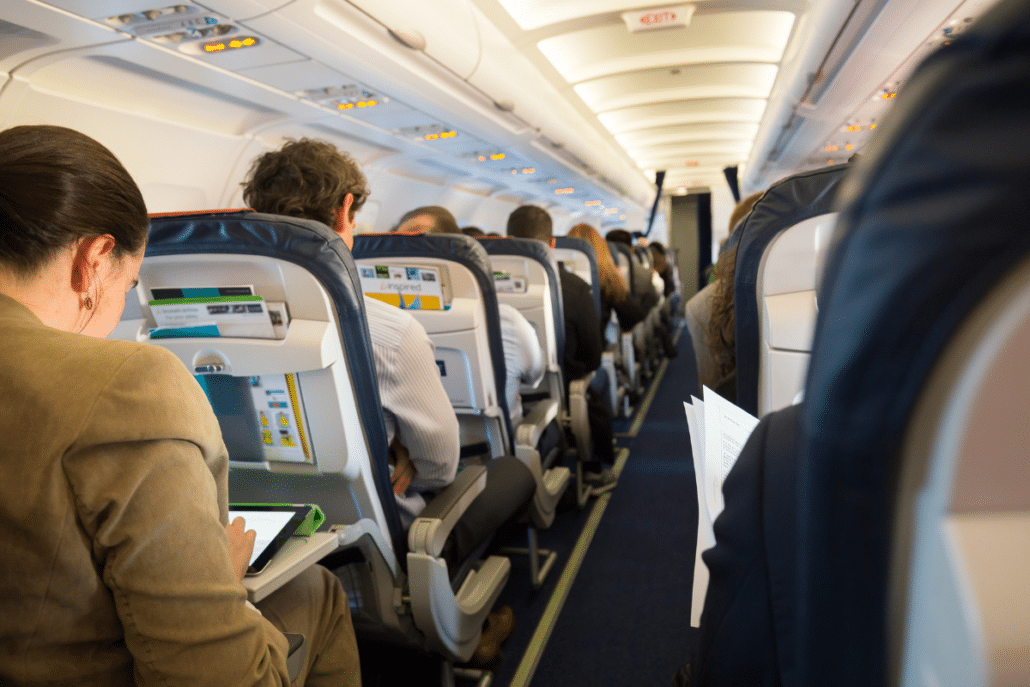
You know I fly a lot, and what you probably don’t know is that I have a strict little routine I follow every single time I board. It started after I heard flight attendants describe what really happens in an inflight emergency, and it changed how I dress, where I sit, and how I think about every flight. Here are my airplane safety tips, quirks and all.
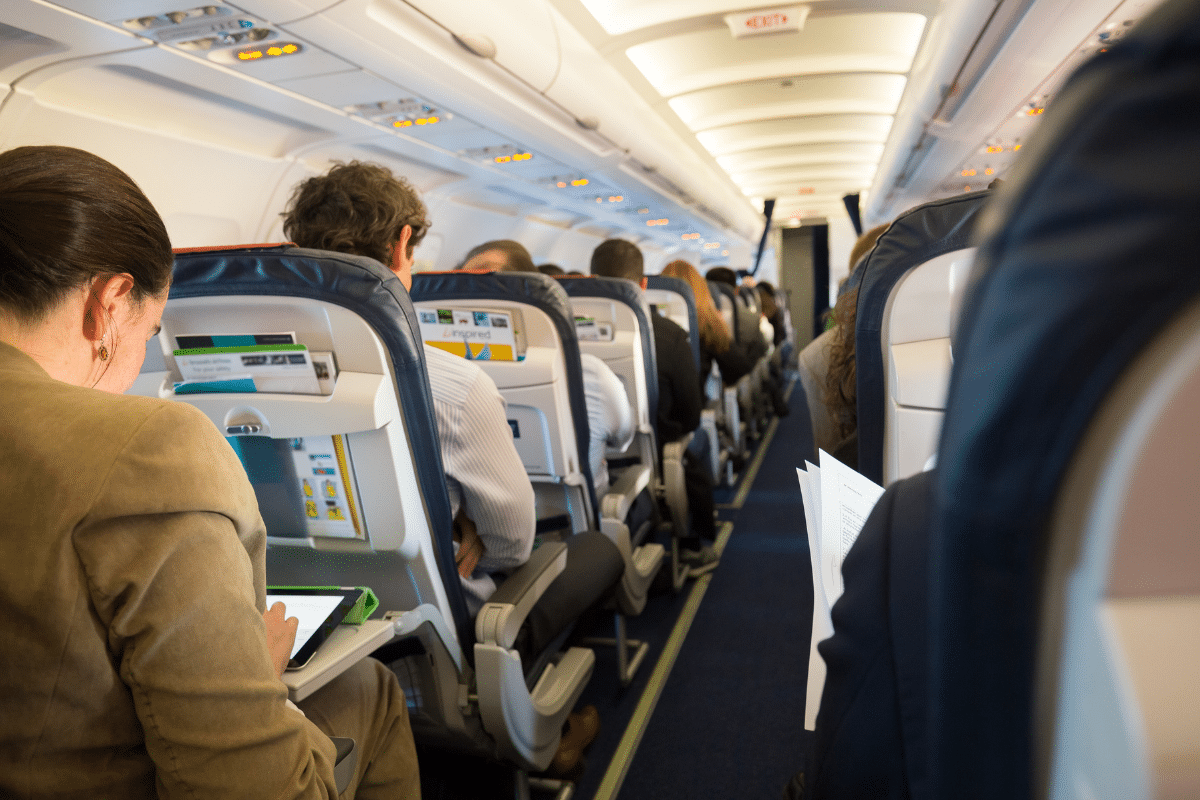
You know I fly a lot. What you probably don’t know, because I’ve told maybe three people, ever, is that I have a routine. A strict one. And unless I told you, you’d never spot it, even sitting right next to me.
It started after I watched a TV interview with flight attendants talking about what actually happens in an inflight emergency. Turns out my “weird” habits weren’t so weird after all. Here’s what I do, and why.
Cotton, linen, wool. That’s it.
The European Transport Safety Council’s own research on “survivable” crashes, meaning ones people could have walked away from, found that nearly half of the deaths that follow come down to fire, smoke, and getting stuck, not the impact itself. So I fly assuming I might meet fire and smoke before I meet my destination, and I dress accordingly.
Polyester, rayon, nylon? They don’t burn. They melt. At a fairly low temperature, too, which is exactly the problem. I have zero interest in synthetic fabric fusing to my skin. Cotton, linen, and wool resist catching fire long enough to matter. That’s the whole pitch.
Cover your skin
Exposed skin is a liability in a fire. Seconds count, and burned skin slows you down right when you can’t afford it. So: long cotton pants, long sleeves, real shoes, cotton socks. Every flight, no exceptions. If the jacket has a hood, that’s a bonus.
Call it armor. I do.
Aisle seat, every time
You saw this one coming. I want out, fast, and planes are packed tighter than ever. So I book an aisle seat near an exit, period. I’m not interested in being wedged against the window with a stranger’s knees between me and freedom. Options matter more than the view.
Being short finally pays off
I’m short. Most days that’s a disadvantage. In a crash, I think it’s an asset.
I actually tested this once, boarding early with nobody watching: the tops of aisle seatbacks make surprisingly good stepping stones. I’m short enough to crouch-walk across them, and I’d bet money it’s faster than fighting through a jammed aisle. If I can move quickly and I’m not on fire, I can actually help other people get out. That’s my logic, anyway, and I’m sticking with it.
I know my plane better than my seatmates know their own phone
I actually pay attention during the safety briefing. I mostly fly Southwest, so I know their planes well.
I clock my seat. I memorize the exits the second I sit down. I run the evacuation in my head before we’ve even pushed back from the gate. I watch those little floor lights, mostly white until they turn red near an exit, and wonder how many bulbs are burned out.
When I land an exit row, I read the door instructions on the wall, confusing as they are, and I mentally rehearse how I’ll talk the guy at the window through it, because I assume he hasn’t read a word of it.
No! PULL the latch… PULLLLLL! Now throw it out! NO — THROW THE DOOR OUT!
Honestly, imagining that conversation is half the fun of the flight.
Build your own version
You don’t have to copy my exact routine. Please don’t crouch-walk across seatbacks; mine is a very specific kind of bold. But you can steal the bones of it:
- Wear natural fibers when you can (cotton, linen, wool)
- Book an aisle seat close to an exit, every time.
- Count the rows between you and your nearest exit.
- Pick your exit, and walk through it in your head before you even take off.
That’s four things and about thirty seconds of thought. It’s the difference between hoping for the best and actually having a plan.
None of this is about being scared
Here’s the thing. I don’t do any of this because I’m anxious about flying. I do it because I like having a plan more than I like feeling helpless. I can’t control turbulence, or weather, or what happens if something goes wrong at 30,000 feet. I can control what I’m wearing, where I’m sitting, and whether I know where the exits are.
So go ahead, call me the weird lady in cotton pants and closed-toe shoes. I’ll be the one who knows exactly where she’s headed if things go sideways. And honestly? I hope you never need any of this. But if you do, you’ll be glad you read it.
Question: Would you rather know exactly where the exits are, or just not think about it at all? Share in the comments below.

More from Everyday Cheapskate
 https://www.everydaycheapskate.com/wp-content/uploads/20261003-woman-hugging-elderly-mother-sandwich-generation-caring-for-aging-parents.png
800
1200
Mary Hunt
https://www.everydaycheapskate.com/wp-content/uploads/EC-Logo-by-Mary-Hunt-Tagline-Trimmed.png
Mary Hunt2026-10-03 10:47:222026-10-03 10:47:25Sandwiched Between Aging Parents and Adult Children
https://www.everydaycheapskate.com/wp-content/uploads/20261003-woman-hugging-elderly-mother-sandwich-generation-caring-for-aging-parents.png
800
1200
Mary Hunt
https://www.everydaycheapskate.com/wp-content/uploads/EC-Logo-by-Mary-Hunt-Tagline-Trimmed.png
Mary Hunt2026-10-03 10:47:222026-10-03 10:47:25Sandwiched Between Aging Parents and Adult Children https://www.everydaycheapskate.com/wp-content/uploads/20260926-pov-from-an-aisle-seat-on-an-airplane.png
800
1200
Mary Hunt
https://www.everydaycheapskate.com/wp-content/uploads/EC-Logo-by-Mary-Hunt-Tagline-Trimmed.png
Mary Hunt2026-09-27 19:14:552026-09-27 19:16:27Confessions of a Woman Who Preflights Her Own Escape
https://www.everydaycheapskate.com/wp-content/uploads/20260926-pov-from-an-aisle-seat-on-an-airplane.png
800
1200
Mary Hunt
https://www.everydaycheapskate.com/wp-content/uploads/EC-Logo-by-Mary-Hunt-Tagline-Trimmed.png
Mary Hunt2026-09-27 19:14:552026-09-27 19:16:27Confessions of a Woman Who Preflights Her Own Escape https://www.everydaycheapskate.com/wp-content/uploads/20260920-small-money-mistakes-woman-sitting-at-her-laptop-reviewing-bills.png
800
1200
Mary Hunt
https://www.everydaycheapskate.com/wp-content/uploads/EC-Logo-by-Mary-Hunt-Tagline-Trimmed.png
Mary Hunt2026-09-20 11:34:162026-09-28 22:48:40Small Money Mistakes: How to Fix Them Before They Grow
https://www.everydaycheapskate.com/wp-content/uploads/20260920-small-money-mistakes-woman-sitting-at-her-laptop-reviewing-bills.png
800
1200
Mary Hunt
https://www.everydaycheapskate.com/wp-content/uploads/EC-Logo-by-Mary-Hunt-Tagline-Trimmed.png
Mary Hunt2026-09-20 11:34:162026-09-28 22:48:40Small Money Mistakes: How to Fix Them Before They Grow https://www.everydaycheapskate.com/wp-content/uploads/20260915-overspending-habits-man-opening-empty-wallet.png
800
1200
Mary Hunt
https://www.everydaycheapskate.com/wp-content/uploads/EC-Logo-by-Mary-Hunt-Tagline-Trimmed.png
Mary Hunt2026-09-15 20:24:412026-09-28 22:48:50How to Stop Overspending Habits for Good, Starting Today
https://www.everydaycheapskate.com/wp-content/uploads/20260915-overspending-habits-man-opening-empty-wallet.png
800
1200
Mary Hunt
https://www.everydaycheapskate.com/wp-content/uploads/EC-Logo-by-Mary-Hunt-Tagline-Trimmed.png
Mary Hunt2026-09-15 20:24:412026-09-28 22:48:50How to Stop Overspending Habits for Good, Starting Today https://www.everydaycheapskate.com/wp-content/uploads/20260914-101010-rule-gold-numbers-on-teal-background.png
800
1200
Mary Hunt
https://www.everydaycheapskate.com/wp-content/uploads/EC-Logo-by-Mary-Hunt-Tagline-Trimmed.png
Mary Hunt2026-09-14 11:31:532026-09-28 22:48:53The 10/10/10 Rule Every Overthinker Needs to Try Today
https://www.everydaycheapskate.com/wp-content/uploads/20260914-101010-rule-gold-numbers-on-teal-background.png
800
1200
Mary Hunt
https://www.everydaycheapskate.com/wp-content/uploads/EC-Logo-by-Mary-Hunt-Tagline-Trimmed.png
Mary Hunt2026-09-14 11:31:532026-09-28 22:48:53The 10/10/10 Rule Every Overthinker Needs to Try Today https://www.everydaycheapskate.com/wp-content/uploads/20260909-annualize-your-spending.png
800
1200
Mary Hunt
https://www.everydaycheapskate.com/wp-content/uploads/EC-Logo-by-Mary-Hunt-Tagline-Trimmed.png
Mary Hunt2026-09-08 20:17:552026-09-28 22:49:02Annualize Your Spending: See What It Really Costs You
https://www.everydaycheapskate.com/wp-content/uploads/20260909-annualize-your-spending.png
800
1200
Mary Hunt
https://www.everydaycheapskate.com/wp-content/uploads/EC-Logo-by-Mary-Hunt-Tagline-Trimmed.png
Mary Hunt2026-09-08 20:17:552026-09-28 22:49:02Annualize Your Spending: See What It Really Costs You https://www.everydaycheapskate.com/wp-content/uploads/20260905-college-student-credit-card-debt-male.png
800
1200
Mary Hunt
https://www.everydaycheapskate.com/wp-content/uploads/EC-Logo-by-Mary-Hunt-Tagline-Trimmed.png
Mary Hunt2026-09-05 11:26:562026-09-05 11:36:10Should You Bail Your College Kid Out of Credit Card Debt?
https://www.everydaycheapskate.com/wp-content/uploads/20260905-college-student-credit-card-debt-male.png
800
1200
Mary Hunt
https://www.everydaycheapskate.com/wp-content/uploads/EC-Logo-by-Mary-Hunt-Tagline-Trimmed.png
Mary Hunt2026-09-05 11:26:562026-09-05 11:36:10Should You Bail Your College Kid Out of Credit Card Debt? https://www.everydaycheapskate.com/wp-content/uploads/20260828-choice-overload-man-resting-head-on-table.png
800
1200
Mary Hunt
https://www.everydaycheapskate.com/wp-content/uploads/EC-Logo-by-Mary-Hunt-Tagline-Trimmed.png
Mary Hunt2026-08-28 10:57:162026-09-28 22:49:22How to Escape the Tyranny of Too Many Choices
https://www.everydaycheapskate.com/wp-content/uploads/20260828-choice-overload-man-resting-head-on-table.png
800
1200
Mary Hunt
https://www.everydaycheapskate.com/wp-content/uploads/EC-Logo-by-Mary-Hunt-Tagline-Trimmed.png
Mary Hunt2026-08-28 10:57:162026-09-28 22:49:22How to Escape the Tyranny of Too Many Choices https://www.everydaycheapskate.com/wp-content/uploads/20260827-how-to-fly-cheaper-airplane-in-the-bright-blue-sky-above-the-clouds.png
800
1200
Mary Hunt
https://www.everydaycheapskate.com/wp-content/uploads/EC-Logo-by-Mary-Hunt-Tagline-Trimmed.png
Mary Hunt2026-08-27 11:35:132026-09-28 22:49:24How to Fly Cheaper: 8 Booking Tricks Airlines Won’t Teach You
https://www.everydaycheapskate.com/wp-content/uploads/20260827-how-to-fly-cheaper-airplane-in-the-bright-blue-sky-above-the-clouds.png
800
1200
Mary Hunt
https://www.everydaycheapskate.com/wp-content/uploads/EC-Logo-by-Mary-Hunt-Tagline-Trimmed.png
Mary Hunt2026-08-27 11:35:132026-09-28 22:49:24How to Fly Cheaper: 8 Booking Tricks Airlines Won’t Teach You

I do all the actions listed. I count the rows to the emergency exit, watch the safety presentation, etc. I like to know all the information I can get before taking off as I’m a nervous flyer. I also read that if something mechanical was going to happen after takeoff, it would most likely occur during the first 14 minutes of the flight, so I watch my watch as well. Then I can start to relax.
I didn’t know about better clothing choices in case of a fire or smoke. I’m flying this weekend, so this article was timely.
I just flew halfway across the country and back with connecting flights in between. I’m fairly certain that No one but me took time to read the safety instructions. I had aisle seats and I was near exits. I also noted who was in the exit seats and judged whether they looked up to the job…some did. Some didn’t. You’re not crazy. You’re prepared.
I’m flying tomorrow! It’s too late to choose my seat, but I’ll pay more attention to where I am! I always wear cotton!
even if i could afford to fly anywhere, i’d still drive or take the train. last time i flew was 2000. then 9-11 happened. i’m not afraid of terrorists, i’m afraid of being strip-searched in the airport. i’m a nervous flyer to begin with and that would be a red flag to tsa.
but yes, anytime i am anywhere i want to know where the exits are. whether i’m in a store, church, community center, library or someone’s house, i look for the exits. disaster can happen anywhere.
I always get an isle seat with my hubby across the isle from me. 🙂 Try to get as close to mid plain over the wind (exit) not having to pay for premium seating. unless I’m in business class. I never thought about clothing, but usually wear cotton or linen anyway, but flip flops, so now you’ve got me thinking on that one.
My father taught me in 1959, for my first flight, to wear wool because it doesn’t burn. He was a seasoned traveler and ALWAYS
Hmm…..I think, then, that we need to check our undergarments, too. All cotton, too, if possible.
I always have a coat, scarf, jacket, etc, with me on flights since I often get cold in planes–will check fibre content on them. Hadn’t thought about the leather soles, so that was great added info.
Finally, I think putting the drivers license in a pocket is a really smart idea, too; they don’t want you to take your purse when you’re evacuating. But if you have a pocket for it, would a phone be OK to take with you? We all know we have our whole lives on those things! But then, have it in a ziplock or something if you’re over water??? Feel like I’m overthinking this, but since you have some flight attendants paying attention, maybe they could help advise on these details. Thanks, Mary!
also note how the oxygen mask is to be used. in a news clip i noticed that people did not cover their mouth and nose with the mask. if you don”t cover mouth and nose you will not be getting any oxygen.
Would love to know more about what you are wearing specifically. Natural fiber items are not that easy to buy anymore. Thanks.
I’m a thrift store junkie. I only buy natural fibre clothing now, at a colossal discount. I have many reasons, ie, savings, diverting from landfills, relaxing shopping therapy, etc. Now I have one more justification.
Great information for the public Mary!! Yes, pay attention to the flight attendants when they are doing the briefing before the flight! Yes,count the seats to the nearest exit and look for all of your possible exits! I too was a flight attendant myself!
Informative info but I be concerned about the suggestion of Benadryl because it causes drowsiness. Earplugs or earphones makes sense though
I’d like to add some safety tips for people with hearing aids who fly. A few years ago, on a flight from Salt Lake City to Atlanta, I experienced a sharp pain in my head followed by total hearing loss upon descent. My hearing gradually returned over a three-day period, but never to where it was. A hearing test by my audiologist a month later showed another 15% of permanent hearing loss. She told me the problem is “airplane ear,” where the air pressure in the middle ear and the environmental air pressure become unbalanced. Sometimes it resolves on its own, other times it can result in temporary or permanent hearing loss. It can be avoided by removing your hearing aids and inserting ear plugs immediately when the pilot announces the plane is beginning to descend; do not put your hearing aids back in until the plane lands. If you are traveling with a companion, tell him or her that you are removing your hearing aids so they can alert you to any emergency announcements. If you are traveling alone, tell a flight attendant when boarding that you will not be able to hear any announcements during descent; they will need to come to your seat to tell you. Also, for some people, taking benadryl an hour before descent begins and/or chewing gum can be helpful. I hope these tips will help others with hearing aids avoid the pain and hearing loss that I experienced.
Mary, not a crazy routine at all. I started traveling a lot for work when my kids were in high school. My daughter worried a lot and did some research on flight safety. She asked me to do all of the things you mentioned, natural fibers close to exits, etc. her list also included shoes that tie since many times slip on shoes fly off and are lost and I would get out faster if my feet were protected. She also asked tgat I not use any hair spray when flying-alcohol based hair sprays will catch fire quickly! I have followed her requests since 1996 -thankfully I’ve never been in a flight accident! Probably thanks to My mother and husband who I always see sitting on the wing of the plane. I know They’re there at the Lords request to keep all souls on that plane safe!
Thanks so much! This column came as I am preparing for a trip from central Illinois to Phoenix. I fly very early tomorrow morning!! You couldn’t have planned this better.
Awesome, Judi. You’re already a smart traveler, just by planning ahead. And safe travels!
Mary, can you explain how you walk along the tops of the seats? Are you walking on one side only? And only the aisle seat? I would like more explanation of this. TIA.
Yes exactly as you stated, but on one side of the aisle only. One foot in front of the other. The seatbacks are quite close together (the space seats front to back as you know if you fly), so I could steady myself by holding onto the overhead bin area and with good-sized strides, move quite easily.
Another tip from my father who flew extensively: count the number of seats from where you’re sitting to the nearest exit. Depending on what type of crash, the floor lights may not work and smoke may completely cloud your vision. But you can always put a hand on each seat as you go and count them.
I wholeheartedly agree with your approach. It’s “Hope for the best, plan for the worst” as I see it. And planning for the worst, even though it’s highly unlikely, can make a huge difference if something happens. While I’ve never climbed over the seats, I’ve thought about doing exactly that in case of emergency especially if the person at the exit door isn’t getting it open.
That’s great info and I can’t imagine why anyone wouldn’t be appreciative. Sometimes people can’t see the forest through the trees.
Educate yourself and prepare yourself, and know God has plans for each of us. No harm done in helping out your future.
Thanks Mary!
I have worked in a burn unit and another tip in any fire is try not to breathe in as our lungs melt and or get severely burned.
This is for any type of fire you need to get out of. Also if your fire alarm goes off in your home touch the door and if it’s hot don’t open it because a large flame will be behind it and you will get burned by a large flame.
Get to a window
instead.
Knowledge is power. Many things in life are handled better with an understanding of how to deal with adversity.
Great article. I am a retired flight attendant (36 year career) and I wish that all passengers would pay as much attention to safety on board as you. Too many have attitude “it will never happen to me”. One more suggestion is shoes, NO heels and preferable flat shoes with leather soles. If you have to exit onto the wings, it could be hot. Thanks for such an excellent article on safety.
Great tip, Suzie. Adding sensible shoes to my list, however, I rarely travel in stilettos! [Goofy smile].
I do a lot of the same things you do, but I also put my auto lic. in one of my pockets just encase I’m unable to tell someone who I am.
I love how you gave very specific information about what we can control, and ended with WHO is in control. He gave us our brains, after all. 🙂
I see the love of Jesus in you! 🙂