

How to Reduce Healthcare Costs With 3 Free Daily Habits


Have you looked at your health insurance premium lately? Go ahead. I’ll wait. Between climbing deductibles, bigger co-pays and prescription prices that make my eyes water, healthcare costs can raise your blood pressure all by themselves. But there’s good news. You can’t fix the whole system, yet a few daily habits can help you reduce healthcare costs by keeping you out of the doctor’s office in the first place.

You’re not imagining it. In a KFF poll taken this summer, about 27 percent of adults said they’re very worried about affording health care for themselves and their families. That’s ahead of rent or mortgage (21 percent) and groceries (20 percent).
And the worry doesn’t stay in your head. About 28 percent of adults say they skipped or postponed care in the past year because of the cost. Another 22 percent had trouble paying a medical bill. Back in 2022, about half of adults told KFF they couldn’t pay a surprise $500 medical bill in full.
Then there are prescriptions. KFF found that 43 percent of adults didn’t take a medication as prescribed in the past year because of the price. Some never filled it. Others split pills or skipped doses. If that’s you, please talk to your doctor or pharmacist before you change anything. There may be a cheaper option nobody has mentioned.
I’m no doctor, and I’d never tell you to skip care you need. But the cheapest medical bill is the one you never get. That’s where these habits come in.
Is sitting really that bad for you?
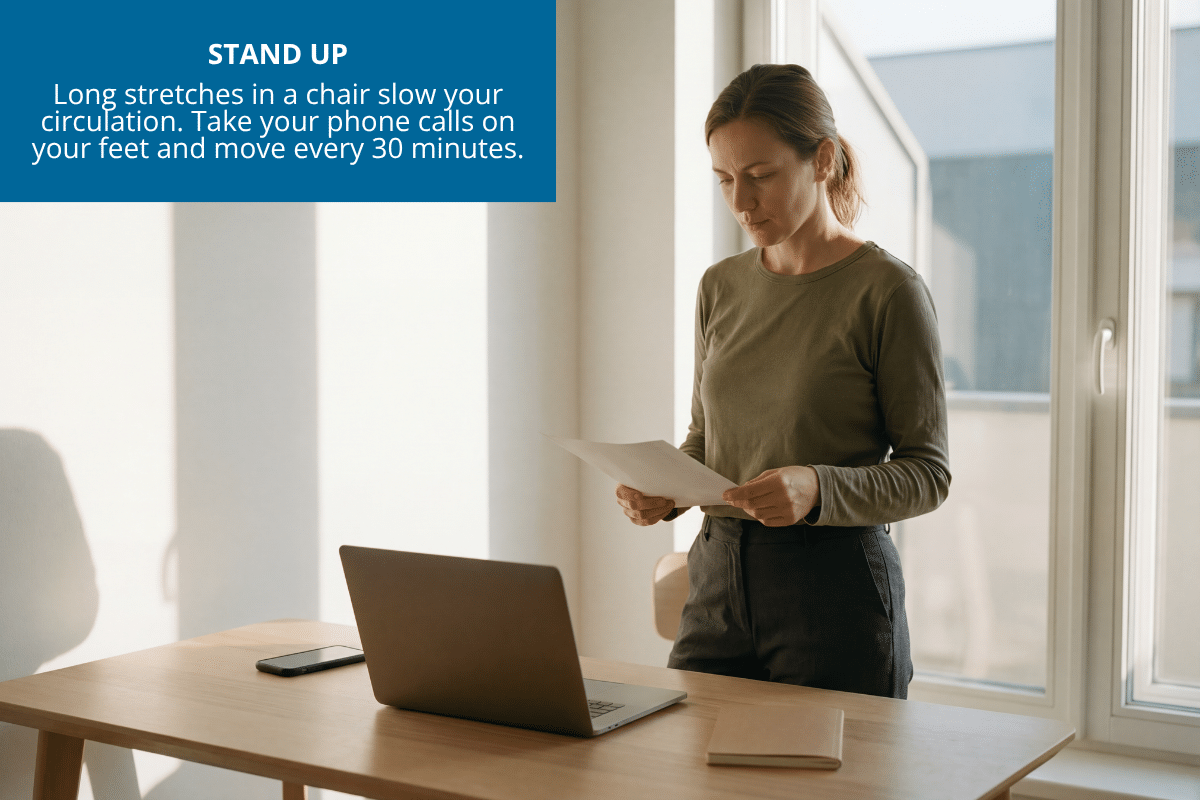
Stand up. Seriously.
We sit at work, at school, in the car, on the sofa in front of the TV. It adds up. Geisinger family medicine physician Joseph Hines, MD, says prolonged sitting is linked to heart disease, type 2 diabetes, obesity and even a shorter lifespan. Research suggests that more than 8 hours a day of inactivity carries risks similar to obesity and smoking.
Part of the problem is circulation. Long stretches in a chair slow the blood flow in your legs, which can lead to swelling and blood clots. Your muscles get lazy, and your metabolism slows down.
The fix doesn’t require a gym membership. Dr. Hines says short bursts of movement add up, and about 30 minutes a day makes a real difference.
Make it easy: pick one daily activity you’ll no longer do sitting down. Phone calls, texting, reading. I love to knit, so guess what? I now stand and knit. It’s not bad. In fact, I’m more alert and I make fewer mistakes. If you’re stuck at a desk, set a timer for every 30 minutes and spend a minute or two marching around the room.
Are you really drinking enough water?
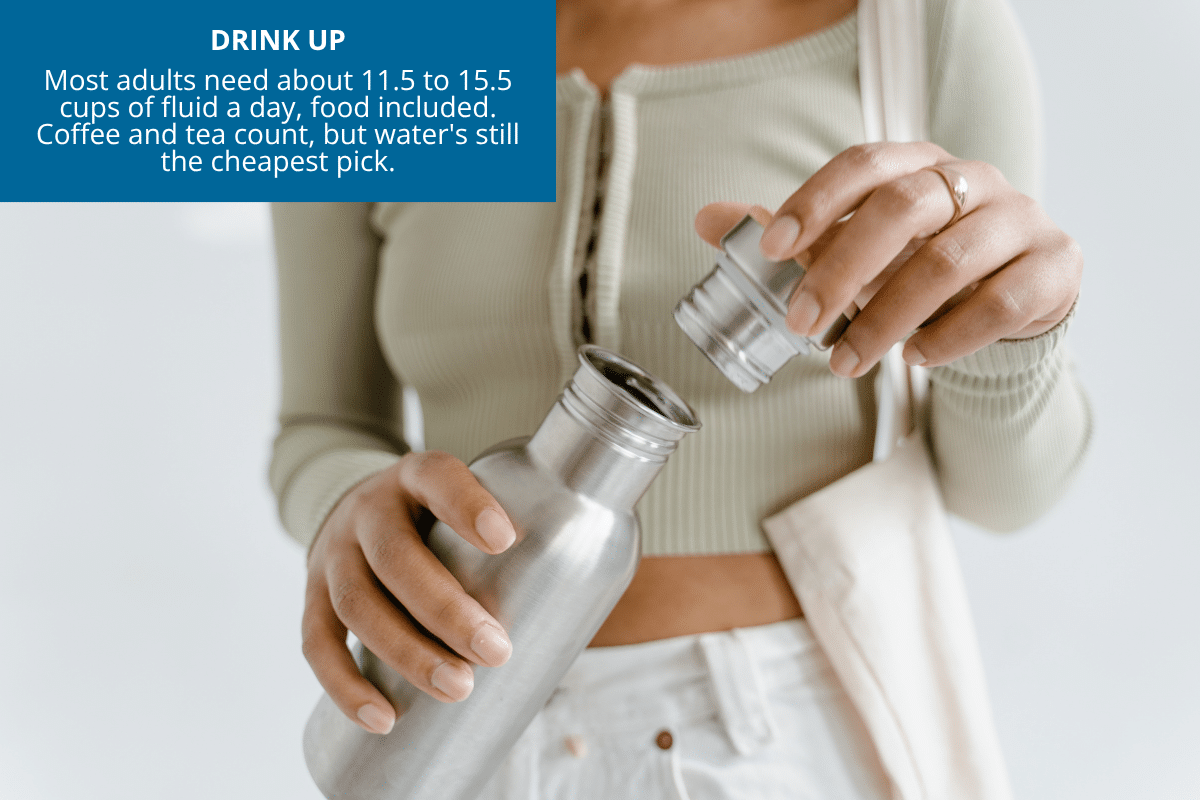
Yeah, yeah, yeah. Water. We’ve heard it a million times. But do you actually do it?
Mayo Clinic says the average healthy adult needs roughly 11.5 to 15.5 cups of total fluid a day. That includes everything you drink plus the water in your food, which supplies about 20 percent of it. And yes, coffee, tea and milk count.
Water is still the best choice, though. Sodas, sports drinks and juices come with sugar, salt and calories, and they hit your grocery bill, too. Swapping them for water may even help with weight loss. Tap water is practically free.
Your body uses water for just about everything. It regulates your temperature, flushes out waste, keeps digestion moving and helps your brain and muscles work. Plenty of water may also lower your risk of kidney stones and urinary tract infections. Even mild dehydration can leave you drained and foggy.
How do you know if you’re getting enough? Check your urine. Colorless or light yellow means you’re probably fine. Dark means drink up. Not glamorous. Very effective. (Needs vary with your health, how active you are and the weather, so ask your doctor what’s right for you.)
Make it easy: commit to water as your go-to beverage. Then get yourself a great water bottle. Mine is from Contingo. It’s easy to use, it helps me keep track of what I’ve had, and it’s just the right size that I don’t misplace it. It has made all the difference for me.
Is sleep really that important?
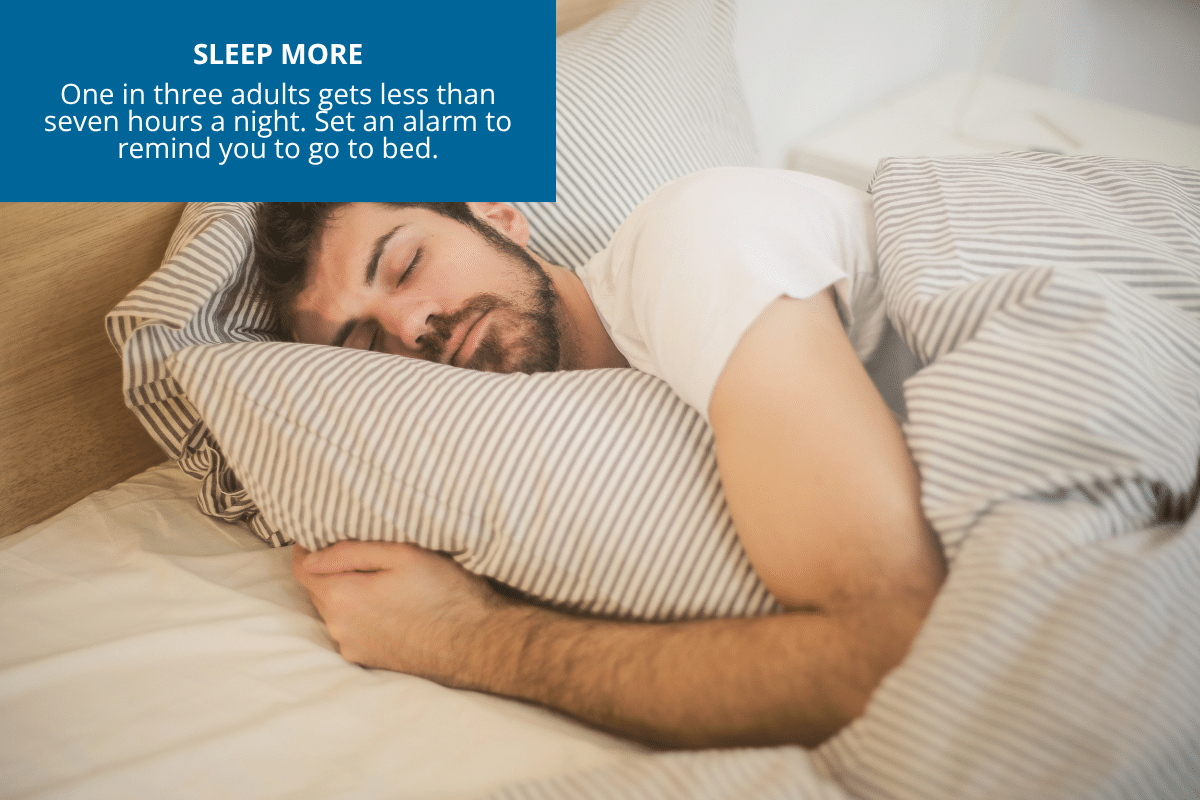
I know, I know. You’re busy. But sleep is when your body does its maintenance work.
University of Utah Health neurologist Kathleen Digre, MD, says sleep helps keep your body temperature, blood pressure and energy steady. It’s also when your brain clears out waste that builds up during the day. Skimp on it, and nearly any health condition gets harder to manage.
One in three U.S. adults gets less than seven hours a night. Most of us need at least seven. Imagine how much money goes toward health problems that a decent night’s sleep might help keep in check.
Make it easy: set your alarm to remind you to go to bed. Yes, really. Make seven hours non-negotiable. Dr. Digre also recommends the same bedtime and wake-up time every day (weekends included), a dark and quiet bedroom, and no TV, tablets or phones for an hour before bed. Go easy on alcohol and caffeine late in the day.
Start with one
You don’t have to overhaul your life. Stand up for one phone call. Fill one water bottle. Small changes compound, and so do the savings.
Question: Which one will you try first? I’d love to hear in the comments.
EverydayCheapskate™ is reader-supported. We participate in the Amazon Services LLC Associates Program and other affiliate advertising programs, designed to provide a means for us to earn from qualifying purchases, at no cost to you.

More from Everyday Cheapskate
 https://www.everydaycheapskate.com/wp-content/uploads/20261007-red-present-sitting-in-autumn-leaves-Amazon-Prime-Big-Deal-Days-gifts.png
800
1200
Mary Hunt
https://www.everydaycheapskate.com/wp-content/uploads/EC-Logo-by-Mary-Hunt-Tagline-Trimmed.png
Mary Hunt2026-10-06 23:09:432026-10-06 23:09:43Christmas Shopping in October? These Prime Day Gifts Make Sense
https://www.everydaycheapskate.com/wp-content/uploads/20261007-red-present-sitting-in-autumn-leaves-Amazon-Prime-Big-Deal-Days-gifts.png
800
1200
Mary Hunt
https://www.everydaycheapskate.com/wp-content/uploads/EC-Logo-by-Mary-Hunt-Tagline-Trimmed.png
Mary Hunt2026-10-06 23:09:432026-10-06 23:09:43Christmas Shopping in October? These Prime Day Gifts Make Sense https://www.everydaycheapskate.com/wp-content/uploads/20261006-prime-big-deal-days-have-landed.png
800
1200
Mary Hunt
https://www.everydaycheapskate.com/wp-content/uploads/EC-Logo-by-Mary-Hunt-Tagline-Trimmed.png
Mary Hunt2026-10-05 11:01:432026-10-07 09:02:53EC’s Top Picks from Amazon Prime Big Deal Days 2026
https://www.everydaycheapskate.com/wp-content/uploads/20261006-prime-big-deal-days-have-landed.png
800
1200
Mary Hunt
https://www.everydaycheapskate.com/wp-content/uploads/EC-Logo-by-Mary-Hunt-Tagline-Trimmed.png
Mary Hunt2026-10-05 11:01:432026-10-07 09:02:53EC’s Top Picks from Amazon Prime Big Deal Days 2026 https://www.everydaycheapskate.com/wp-content/uploads/20261004-reduce-healthcare-costs-with-three-habits-healthy-couple-walking-in-autumn-leaves.png
800
1200
Mary Hunt
https://www.everydaycheapskate.com/wp-content/uploads/EC-Logo-by-Mary-Hunt-Tagline-Trimmed.png
Mary Hunt2026-10-04 23:08:572026-10-04 23:09:47How to Reduce Healthcare Costs With 3 Free Daily Habits
https://www.everydaycheapskate.com/wp-content/uploads/20261004-reduce-healthcare-costs-with-three-habits-healthy-couple-walking-in-autumn-leaves.png
800
1200
Mary Hunt
https://www.everydaycheapskate.com/wp-content/uploads/EC-Logo-by-Mary-Hunt-Tagline-Trimmed.png
Mary Hunt2026-10-04 23:08:572026-10-04 23:09:47How to Reduce Healthcare Costs With 3 Free Daily Habits https://www.everydaycheapskate.com/wp-content/uploads/20261004-woman-dreaming-about-her-financial-and-life-goals.png
800
1200
Mary Hunt
https://www.everydaycheapskate.com/wp-content/uploads/EC-Logo-by-Mary-Hunt-Tagline-Trimmed.png
Mary Hunt2026-10-04 12:50:422026-10-04 12:50:42She Lived in a Basement for $100 a Month. Here’s Why.
https://www.everydaycheapskate.com/wp-content/uploads/20261004-woman-dreaming-about-her-financial-and-life-goals.png
800
1200
Mary Hunt
https://www.everydaycheapskate.com/wp-content/uploads/EC-Logo-by-Mary-Hunt-Tagline-Trimmed.png
Mary Hunt2026-10-04 12:50:422026-10-04 12:50:42She Lived in a Basement for $100 a Month. Here’s Why. https://www.everydaycheapskate.com/wp-content/uploads/20241004-news-you-can-use-october-everyday-cheapskate-top-news-articles.png
800
1200
Mary Hunt
https://www.everydaycheapskate.com/wp-content/uploads/EC-Logo-by-Mary-Hunt-Tagline-Trimmed.png
Mary Hunt2026-10-04 01:04:052026-10-11 14:34:17News You Can Use • October 2026
https://www.everydaycheapskate.com/wp-content/uploads/20241004-news-you-can-use-october-everyday-cheapskate-top-news-articles.png
800
1200
Mary Hunt
https://www.everydaycheapskate.com/wp-content/uploads/EC-Logo-by-Mary-Hunt-Tagline-Trimmed.png
Mary Hunt2026-10-04 01:04:052026-10-11 14:34:17News You Can Use • October 2026 https://www.everydaycheapskate.com/wp-content/uploads/20261003-woman-hugging-elderly-mother-sandwich-generation-caring-for-aging-parents.png
800
1200
Mary Hunt
https://www.everydaycheapskate.com/wp-content/uploads/EC-Logo-by-Mary-Hunt-Tagline-Trimmed.png
Mary Hunt2026-10-03 10:47:222026-10-03 10:47:25Sandwiched Between Aging Parents and Adult Children
https://www.everydaycheapskate.com/wp-content/uploads/20261003-woman-hugging-elderly-mother-sandwich-generation-caring-for-aging-parents.png
800
1200
Mary Hunt
https://www.everydaycheapskate.com/wp-content/uploads/EC-Logo-by-Mary-Hunt-Tagline-Trimmed.png
Mary Hunt2026-10-03 10:47:222026-10-03 10:47:25Sandwiched Between Aging Parents and Adult Children https://www.everydaycheapskate.com/wp-content/uploads/20260927-impossible-lasagna-pie-recipe-with-wooden-serving-spoon-in-white-casserole-dish.png
800
1200
Mary Hunt
https://www.everydaycheapskate.com/wp-content/uploads/EC-Logo-by-Mary-Hunt-Tagline-Trimmed.png
Mary Hunt2026-09-28 09:38:592026-09-28 22:48:34Impossible Lasagna Pie: All the Flavor, None of the Noodles
https://www.everydaycheapskate.com/wp-content/uploads/20260927-impossible-lasagna-pie-recipe-with-wooden-serving-spoon-in-white-casserole-dish.png
800
1200
Mary Hunt
https://www.everydaycheapskate.com/wp-content/uploads/EC-Logo-by-Mary-Hunt-Tagline-Trimmed.png
Mary Hunt2026-09-28 09:38:592026-09-28 22:48:34Impossible Lasagna Pie: All the Flavor, None of the Noodles https://www.everydaycheapskate.com/wp-content/uploads/20260925-best-inexpensive-coffee-grinders-burr-manual-and-electric.png
800
1200
Mary Hunt
https://www.everydaycheapskate.com/wp-content/uploads/EC-Logo-by-Mary-Hunt-Tagline-Trimmed.png
Mary Hunt2026-09-25 11:06:342026-10-10 15:49:09The Best Coffee Grinder Upgrade That’s Actually Worth It
https://www.everydaycheapskate.com/wp-content/uploads/20260925-best-inexpensive-coffee-grinders-burr-manual-and-electric.png
800
1200
Mary Hunt
https://www.everydaycheapskate.com/wp-content/uploads/EC-Logo-by-Mary-Hunt-Tagline-Trimmed.png
Mary Hunt2026-09-25 11:06:342026-10-10 15:49:09The Best Coffee Grinder Upgrade That’s Actually Worth It https://www.everydaycheapskate.com/wp-content/uploads/20260920-small-money-mistakes-woman-sitting-at-her-laptop-reviewing-bills.png
800
1200
Mary Hunt
https://www.everydaycheapskate.com/wp-content/uploads/EC-Logo-by-Mary-Hunt-Tagline-Trimmed.png
Mary Hunt2026-09-20 11:34:162026-09-28 22:48:40Small Money Mistakes: How to Fix Them Before They Grow
https://www.everydaycheapskate.com/wp-content/uploads/20260920-small-money-mistakes-woman-sitting-at-her-laptop-reviewing-bills.png
800
1200
Mary Hunt
https://www.everydaycheapskate.com/wp-content/uploads/EC-Logo-by-Mary-Hunt-Tagline-Trimmed.png
Mary Hunt2026-09-20 11:34:162026-09-28 22:48:40Small Money Mistakes: How to Fix Them Before They Grow

Leave a Reply
Want to join the discussion?Feel free to contribute!