

16 Costly Mistakes That Are Wrecking Your Household Appliances


Are you unknowingly damaging your household appliances? Without proper care, everyday habits can lead to costly repairs and a shorter lifespan for your essential devices. From dishwashers to refrigerators, many common mistakes can wreak havoc on your household appliances. In this guide, we’ll uncover the top 16 appliance abuses and share tips on how to avoid them, saving you money and keeping your home running smoothly.
Is it possible that without knowing it, you’re making damaging even dangerous mistakes with your household appliances? As I have been researching how to take care of our kitchen appliances so they will last longer, I’m learning about the most common appliance abuses that can lead to expensive repairs and even a shortened lifespan.
It’s true that these days household appliances just aren’t made to last for decades the way refrigerators, ranges, and other household appliances lasted back in our grandparents’ day. “Eight to ten years,” is what the salesman told us is what we could expect from our new refrigerator. He went on, “This machine is designed to stand up to years of use and ordinary wear and tear—assuming you don’t abuse it.”
Modern household appliances are not made to deal with abuse, misuse, and mishaps that can damage them and lead to costly repairs. Are you making these damaging and potentially dangerous mistakes? Here are the most common appliance abuses and why you can’t put liquid soap in your dishwasher, open zippers in your washer, or too much food in your fridge.
Jump to appliance:
- Dishwasher
- Washer & Dryer
- Refrigerator & Freezer
- Vacuum Cleaner
- Garbage Disposal
- Lamps & Lighting
- Toaster Oven
- Coffee Maker
How to Avoid Common Dishwasher Mistakes

1. Washing Items with Labels
It might seem like a good idea to toss jars and bottles with labels into the dishwasher to remove them, but this can cause major problems. The paper and glue from labels can clog the dishwasher’s filter and pump, leading to expensive repairs and reducing the lifespan of your appliance. Always remove labels before washing.
2. Neglecting the Filter
Your dishwasher’s filter catches food particles and debris, keeping them from redepositing onto your clean dishes. If your dishwasher doesn’t have a self-cleaning filter (check your manual!), it’s crucial to clean it at least once a month. Gel-type dishwasher detergents are known for creating a gooey buildup on filters, leading to all sorts of headaches. A quick monthly cleaning can save you a lot of trouble and extend your dishwasher’s life.
3. Using Dishwashing Liquid
Let’s be clear: automatic dishwasher detergent is not the same as dishwashing liquid. You might think, “Just this once,” but that could be a costly mistake. Dishwashers are not designed to handle suds, and using the wrong detergent can trigger a system failure. Many modern dishwashers have a kill switch that shuts down the machine if suds are detected, requiring an authorized repair to reset it. Trust me on this—stick to using only detergent specifically made for dishwashers.
Pro Tip
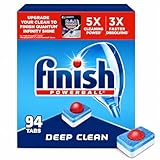
I’ve tested countless dishwasher detergents, and Finish Dishwasher Detergent Tablets are the best bang for your buck. They won’t clog your filter or cause errors. Try dropping the pod into the silverware basket instead of the detergent compartment—you’ll get better results without the risk of a half-dissolved pod.
Protect Your Washer and Dryer from Costly Damage

4. Open Zippers
It’s easy to overlook, but zipping up zippers before tossing items into the laundry is crucial. Open zippers in the wash or dryer act like tiny chainsaws, snagging on other clothes and causing thread pulls or even small holes in your favorite tees and linens. Always zip up zippers, and don’t forget to secure bras, lingerie, or anything with hooks before washing.
5. Coins and Other Objects
We’ve all heard the clatter, but coins and other objects left in pockets can do more than just make noise. They can wreak havoc on your washer and dryer, banging around inside the drum and potentially causing serious damage. Always check pockets before starting a load—your machines and your wallet will thank you!
6. Forgetting to Empty the Lint Trap
It’s easy to forget, but neglecting to empty the lint trap before every drying cycle can lead to more than just a longer drying time. A clogged lint trap restricts airflow, causing your dryer to work harder, which not only wastes energy but can also overheat the machine, leading to costly repairs or even a fire hazard. Make it a habit to clean the lint trap every time, and you’ll keep your dryer running efficiently and safely.
Refrigerator and Freezer Tips for Longer Lifespan

7. Overloading Your Fridge
Packing your fridge to the brim might seem efficient, but it’s a recipe for trouble. Without proper air circulation, your fridge struggles to maintain the right temperature, which can lead to food spoiling and even mold growth. Plus, an overstuffed fridge forces the motor to work overtime, leading to excessive wear and tear that could cause an untimely breakdown—probably right when you’re on vacation. Aim to keep your fridge about 3/4 full for the best performance and longevity.
8. Blocking Freezer Vents
A well-stocked freezer is energy-efficient, but overloading it or blocking the vents is a big no-no. Obstructing the vents forces the motor and condenser to work harder than they should, leading to burnout much sooner than expected. Keep your freezer full, but make sure nothing is blocking those crucial vents so it can run smoothly and efficiently.
9. Neglecting Condenser Coils
When was the last time you cleaned the condenser coils on your fridge or freezer? If you can’t remember, it’s been too long! Dirty coils force your appliance to work much harder, consuming more electricity and leading to an early demise. Make it a habit to clean the coils every six months to keep your fridge and freezer running like new.
The Right Way to Maintain Your Vacuum Cleaner

11. Overfilling the Dustbag
It’s tempting to keep vacuuming without stopping to empty the dustbag or debris cup, but letting it get too full can seriously damage your vacuum. When the bag or cup is overloaded, your vacuum has to work much harder to pick up debris, which forces dust and dirt into the moving parts that need to stay clean for optimal performance. This extra strain not only reduces suction power but also shortens the lifespan of your machine. To avoid unnecessary wear and tear, make it a habit to empty the bag or cup after every use and check its level regularly while vacuuming.
12. Ignoring Dirty Filters
Essential Garbage Disposal Do’s and Don’ts

13. The wrong stuff
Garbage disposals can handle a lot, but they’re not indestructible. Misuse can lead to expensive plumbing repairs and a shorter lifespan for your disposal. While we all know some items don’t belong in the disposal, getting clear guidelines can be tricky.
First and foremost, never put non-food items down your garbage disposal—no glass, metal, or paper. Always peel off stickers and labels from produce or kitchen gadgets and toss them in the trash, not the disposal. Avoid stringy, tough, or hard items like fruit pits, bones, raw meat, and nutshells, as they won’t break down properly. And never pour large amounts of grease or oil down the drain.
Even items that seem safe, like eggshells, can cause problems. While your disposal might grind them up, the sharp fragments don’t dissolve in water and can accumulate, leading to pipe clogs. The same goes for coffee grounds—they won’t harm the disposal, but they can build up in your pipes, eventually causing serious blockages.
Pro Tip
Avoid anything that absorbs water and swells, like rice, pasta, grains, potato peels, and flour. These items can expand in the drain and pipes, leading to clogs and potentially catastrophic damage to your disposal system.
How to Use Your Small Household Appliances Safely

14. Wrong Size Lightbulbs in Lamps and Lights
Need more light? It might seem like a good idea to use a higher-wattage bulb, but that’s a dangerous mistake. Every lamp or light socket has a wattage limit, and exceeding it can lead to overheating, even causing a fire. Always check the recommended wattage before screwing in a new bulb to ensure you’re operating safely.
15. Leaving the Toaster Plugged In
Your toaster may seem harmless, but leaving it plugged in when not in use is a risk. According to ConsumerAffairs, toasters have been known to catch fire unexpectedly. Never leave a toaster unattended while it’s on, and always unplug it when you’re done. The same rule applies to toaster ovens—unplug them as well when not in use to keep your kitchen safe.
16. Neglecting to Descale Your Coffee Maker
Limescale buildup is a common issue that can shorten the life of your coffee maker. This hard, white substance is made up of calcium carbonate from water deposits, and if left unchecked, it can cause your machine to fail. Regular descaling is essential. Most machines can be cleaned by running a pot of white vinegar through the brewing cycle, followed by several cycles of plain water to rinse. If you’re not a fan of the vinegar smell, try using Bar Keepers Friend Coffee Maker Cleaner—it’s excellent for removing residue, tannins, and stains.

Question: What’s the most surprising way you’ve accidentally damaged a household appliance? Share your story—we’ve all been there!
EverydayCheapskate™ is reader-supported. We participate in the Amazon Services LLC Associates Program and other affiliate advertising programs, designed to provide a means for us to earn from qualifying purchases, at no cost to you.

More from Everyday Cheapskate
 https://www.everydaycheapskate.com/wp-content/uploads/20261006-prime-big-deal-days-have-landed.png
800
1200
Mary Hunt
https://www.everydaycheapskate.com/wp-content/uploads/EC-Logo-by-Mary-Hunt-Tagline-Trimmed.png
Mary Hunt2026-10-05 11:01:432026-10-07 09:02:53EC’s Top Picks from Amazon Prime Big Deal Days 2026
https://www.everydaycheapskate.com/wp-content/uploads/20261006-prime-big-deal-days-have-landed.png
800
1200
Mary Hunt
https://www.everydaycheapskate.com/wp-content/uploads/EC-Logo-by-Mary-Hunt-Tagline-Trimmed.png
Mary Hunt2026-10-05 11:01:432026-10-07 09:02:53EC’s Top Picks from Amazon Prime Big Deal Days 2026 https://www.everydaycheapskate.com/wp-content/uploads/20261004-reduce-healthcare-costs-with-three-habits-healthy-couple-walking-in-autumn-leaves.png
800
1200
Mary Hunt
https://www.everydaycheapskate.com/wp-content/uploads/EC-Logo-by-Mary-Hunt-Tagline-Trimmed.png
Mary Hunt2026-10-04 23:08:572026-10-04 23:09:47How to Reduce Healthcare Costs With 3 Free Daily Habits
https://www.everydaycheapskate.com/wp-content/uploads/20261004-reduce-healthcare-costs-with-three-habits-healthy-couple-walking-in-autumn-leaves.png
800
1200
Mary Hunt
https://www.everydaycheapskate.com/wp-content/uploads/EC-Logo-by-Mary-Hunt-Tagline-Trimmed.png
Mary Hunt2026-10-04 23:08:572026-10-04 23:09:47How to Reduce Healthcare Costs With 3 Free Daily Habits https://www.everydaycheapskate.com/wp-content/uploads/20241004-news-you-can-use-october-everyday-cheapskate-top-news-articles.png
800
1200
Mary Hunt
https://www.everydaycheapskate.com/wp-content/uploads/EC-Logo-by-Mary-Hunt-Tagline-Trimmed.png
Mary Hunt2026-10-04 01:04:052026-10-11 14:34:17News You Can Use • October 2026
https://www.everydaycheapskate.com/wp-content/uploads/20241004-news-you-can-use-october-everyday-cheapskate-top-news-articles.png
800
1200
Mary Hunt
https://www.everydaycheapskate.com/wp-content/uploads/EC-Logo-by-Mary-Hunt-Tagline-Trimmed.png
Mary Hunt2026-10-04 01:04:052026-10-11 14:34:17News You Can Use • October 2026 https://www.everydaycheapskate.com/wp-content/uploads/20261003-woman-hugging-elderly-mother-sandwich-generation-caring-for-aging-parents.png
800
1200
Mary Hunt
https://www.everydaycheapskate.com/wp-content/uploads/EC-Logo-by-Mary-Hunt-Tagline-Trimmed.png
Mary Hunt2026-10-03 10:47:222026-10-03 10:47:25Sandwiched Between Aging Parents and Adult Children
https://www.everydaycheapskate.com/wp-content/uploads/20261003-woman-hugging-elderly-mother-sandwich-generation-caring-for-aging-parents.png
800
1200
Mary Hunt
https://www.everydaycheapskate.com/wp-content/uploads/EC-Logo-by-Mary-Hunt-Tagline-Trimmed.png
Mary Hunt2026-10-03 10:47:222026-10-03 10:47:25Sandwiched Between Aging Parents and Adult Children https://www.everydaycheapskate.com/wp-content/uploads/20260927-impossible-lasagna-pie-recipe-with-wooden-serving-spoon-in-white-casserole-dish.png
800
1200
Mary Hunt
https://www.everydaycheapskate.com/wp-content/uploads/EC-Logo-by-Mary-Hunt-Tagline-Trimmed.png
Mary Hunt2026-09-28 09:38:592026-09-28 22:48:34Impossible Lasagna Pie: All the Flavor, None of the Noodles
https://www.everydaycheapskate.com/wp-content/uploads/20260927-impossible-lasagna-pie-recipe-with-wooden-serving-spoon-in-white-casserole-dish.png
800
1200
Mary Hunt
https://www.everydaycheapskate.com/wp-content/uploads/EC-Logo-by-Mary-Hunt-Tagline-Trimmed.png
Mary Hunt2026-09-28 09:38:592026-09-28 22:48:34Impossible Lasagna Pie: All the Flavor, None of the Noodles https://www.everydaycheapskate.com/wp-content/uploads/20260925-best-inexpensive-coffee-grinders-burr-manual-and-electric.png
800
1200
Mary Hunt
https://www.everydaycheapskate.com/wp-content/uploads/EC-Logo-by-Mary-Hunt-Tagline-Trimmed.png
Mary Hunt2026-09-25 11:06:342026-10-10 15:49:09The Best Coffee Grinder Upgrade That’s Actually Worth It
https://www.everydaycheapskate.com/wp-content/uploads/20260925-best-inexpensive-coffee-grinders-burr-manual-and-electric.png
800
1200
Mary Hunt
https://www.everydaycheapskate.com/wp-content/uploads/EC-Logo-by-Mary-Hunt-Tagline-Trimmed.png
Mary Hunt2026-09-25 11:06:342026-10-10 15:49:09The Best Coffee Grinder Upgrade That’s Actually Worth It https://www.everydaycheapskate.com/wp-content/uploads/20260918-man-and-woman-signing-an-extended-warranty-in-a-car-dealership.png
800
1200
Mary Hunt
https://www.everydaycheapskate.com/wp-content/uploads/EC-Logo-by-Mary-Hunt-Tagline-Trimmed.png
Mary Hunt2026-09-18 15:23:432026-09-18 15:25:43Is an Extended Warranty Ever Worth It? The Truth for 2026
https://www.everydaycheapskate.com/wp-content/uploads/20260918-man-and-woman-signing-an-extended-warranty-in-a-car-dealership.png
800
1200
Mary Hunt
https://www.everydaycheapskate.com/wp-content/uploads/EC-Logo-by-Mary-Hunt-Tagline-Trimmed.png
Mary Hunt2026-09-18 15:23:432026-09-18 15:25:43Is an Extended Warranty Ever Worth It? The Truth for 2026 https://www.everydaycheapskate.com/wp-content/uploads/20260917-fall-cleaning-checklist.png
800
1200
Mary Hunt
https://www.everydaycheapskate.com/wp-content/uploads/EC-Logo-by-Mary-Hunt-Tagline-Trimmed.png
Mary Hunt2026-09-17 17:11:012026-09-28 22:48:45Fall Cleaning Checklist: 15 Overlooked Spots to Clean
https://www.everydaycheapskate.com/wp-content/uploads/20260917-fall-cleaning-checklist.png
800
1200
Mary Hunt
https://www.everydaycheapskate.com/wp-content/uploads/EC-Logo-by-Mary-Hunt-Tagline-Trimmed.png
Mary Hunt2026-09-17 17:11:012026-09-28 22:48:45Fall Cleaning Checklist: 15 Overlooked Spots to Clean https://www.everydaycheapskate.com/wp-content/uploads/20260913-how-to-winterize-your-home-snowy-driveway-suburban-home.png
800
1200
Mary Hunt
https://www.everydaycheapskate.com/wp-content/uploads/EC-Logo-by-Mary-Hunt-Tagline-Trimmed.png
Mary Hunt2026-09-13 15:32:142026-09-28 22:48:55The Complete Guide to Winterizing Your Home This Fall
https://www.everydaycheapskate.com/wp-content/uploads/20260913-how-to-winterize-your-home-snowy-driveway-suburban-home.png
800
1200
Mary Hunt
https://www.everydaycheapskate.com/wp-content/uploads/EC-Logo-by-Mary-Hunt-Tagline-Trimmed.png
Mary Hunt2026-09-13 15:32:142026-09-28 22:48:55The Complete Guide to Winterizing Your Home This FallPlease keep your comments positive, encouraging, helpful, brief,
and on-topic in keeping with EC Commenting Guidelines
Last update on 2026-10-11 / Affiliate links / Images from Amazon Product Advertising API


This blog is exactly what I was looking for. Very well-researched. Thank you for sharing!!
I handwash the smaller mesh filters on my vacuum and use the shop vac to vacuum all the dirt out of the cylinder filter when it gets full of dirt. Those cylinders are expensive and the cleaning makes them last longer.
Happy reboot Mary!! One summer we, as a family, decided to unplug for one month. No phones, we had a landline for emergencies, no tv, except for family movie night on one weekend night a week and no outside news sources such as newspapers. It was glorious. We read, took long walks, looked at the stars around our fire pit and had family game nights. Bottom line we reconnected with what is important in life. At the end of 30 days the whole family, us and 5 kids, voted for another 30 days. All in all we did 3 months without regret, only blessings. When we went back it was with boundaries and limits. So hunker down Mary and renew your spirit. See you later!
Your hint about putting the dishwasher detergent pod in the silverware basket instead of the machine’s receptacle has saved me more aggravation than you can imagine! I don’t know why I never thought of it myself, but it has saved so much annoyance. Thanks!
Hello Mary, thanks for another incredible post from Everyday Cheapskate! 🙂 I love your idea of the “RE boot” and I may join you in this adventure.
I love your blog and please keep writing!
I love your idea to reboot. I already do some of you ideas, but I feel like watching conservative news stations gives me a more fair and balanced report. In moderation. I appreciate all you do for us cheapskates!