

Seasonal Window Care: Tips for Winterizing, Cleaning, and Maintaining Your Windows

Windows often get overlooked in home maintenance, but they’re essential to keeping your home comfortable and energy-efficient. From sealing drafts during winter to ensuring a clear view in the spring, regular window care can save you money and hassle down the road. In this guide, you’ll learn how to winterize your windows, clean them effectively, and maintain their condition throughout the year.
When it comes to home maintenance, windows often get the short end of the stick. Sure, we give them a quick clean now and then, but let’s be honest—they’re the unsung heroes of our homes. They flood our rooms with light, keep the elements at bay, and provide a front-row seat to the world—or the neighbor’s questionable taste in lawn decor. After nearly keeling over from a complete window replacement estimate for our home, I figure it’s time to show these glass guardians some proper care to keep them strong.
Why Seasonal Window Maintenance Matters
Taking care of your windows seasonally isn’t just about keeping them clean—it’s about protecting your investment and enhancing your home’s energy efficiency. Windows play a crucial role in maintaining your home’s comfort and curb appeal. Regular seasonal maintenance helps prevent drafts, reduces energy costs, and extends the life of your windows. Plus, addressing minor issues like worn weatherstripping or small cracks early on can save you from costly repairs down the road. By giving your windows the care they need each season, you’ll ensure they remain in top condition, letting in light and keeping out the elements all year round.
How to Winterize Windows for Maximum Insulation

Ah, winter—the season of hot cocoa, cozy blankets, and, unfortunately, drafty windows. If you’ve ever felt a chill sneak through your home, your windows might be the culprit despite cranking up the heat. Here’s how to winterize those glass panes and keep Jack Frost at bay.
Weatherstripping
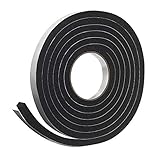
Weatherstripping is like a warm hug for your windows. It seals gaps and cracks where cold air loves to sneak in, and it’s one of the easiest, most cost-effective ways to winterize your windows. You can find weatherstripping at any hardware store, and it comes in various types—foam, V-strip, and even magnetic. Just measure the gaps around your windows, cut the weatherstripping to size, and stick it in place. Voilà! Instant warmth.
Plastic Wrap
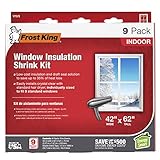
For an extra layer of insulation, consider applying a window insulation kit. These kits usually include a clear plastic film that you apply to the inside of your windows. Once it’s on, use a hairdryer to shrink the plastic until it’s tight and smooth. This invisible barrier helps trap heat inside, keeping your home cozy without the sky-high energy bills.
Caulk
Caulking isn’t just for pros—it’s a DIYer’s best friend. Over time, the caulk around your windows can crack and deteriorate, allowing cold air to creep in. Grab a tube of exterior-grade caulk and run a bead along any gaps between your window frame and the wall. Smooth it out with a caulk tool (or your finger, if you’re feeling brave), and let it dry. Trust me, your heating bill will thank you.
Upgrade to Storm Windows
Storm windows are a game-changer if you live in a particularly cold region. These additional panes fit over your existing windows, providing extra protection against the elements. While they might require an investment upfront, storm windows can significantly reduce heat loss and improve your home’s energy efficiency. Plus, they add an extra barrier against that relentless winter wind.

Spring Cleaning Strategies for Crystal Clear Windows

Once winter’s icy grip melts away, it’s time to breathe new life into your windows. Spring cleaning isn’t just about decluttering the closets and dusting those forgotten shelves; it’s also the perfect time to give your windows some much-needed attention.
Clean ‘Em Til They Sparkle
First things first: let’s get those windows squeaky clean. After a long winter, your windows probably have a layer of grime blocking the sunlight. Grab a microfiber cloth or squeegee, a fabulous DIY window cleaner and enjoy your crystal-clear view.
Meet Alvin Corn
Alvin Corn is a homemade multi-purpose cleaner that cleans glass, mirrors, and more. Its funky name refers to its somewhat surprising ingredients: alcohol, vinegar, and cornstarch.
You’ll need:
- 1/4 cup rubbing (isopropyl) alcohol
- 1/4 cup white vinegar
- 1 tablespoon cornstarch
- 2 cups warm water
- empty spray bottle
Pour the ingredients directly into a spray bottle or another container of choice. Apply the sprayer top or lid, and shake well.
Screens
Window screens are like the unsung heroes of the bug world—they keep the creepy crawlies out while letting the fresh air in. But after a season or two, they can get pretty grimy. Remove your screens and give them a gentle scrub with soapy water and a soft brush. Rinse them off, dry them completely, and then pop them back in place. Clean screens mean cleaner air in your home—who knew window maintenance could be so refreshing?
Inspect
Spring is the perfect time to inspect your windows for any damage that might have occurred during the winter. Look for cracked glass, loose frames, or damaged hardware. If you spot any issues, address them promptly. Small problems, like tiny cracks, can quickly escalate into bigger (and more expensive) ones if left unchecked.
Lubricate
There’s nothing more frustrating than a window that sticks when you try to open it. To keep your windows operating smoothly, apply a silicone-based lubricant to the tracks and hinges. This simple step can prevent wear and tear, making letting that sweet spring breeze flow through your home easier.
Year-Round Window Care Tips: Keep Your Windows in Top Shape

While seasonal maintenance is key, taking care of your windows year-round is just as important. A little routine care goes a long way in ensuring your windows last for years to come. Here are some easy tips to keep them in tip-top shape.
Regular Cleaning
You don’t have to wait for spring to clean your windows. Make it a habit to give them a quick wipe-down every few months. Dust, pollen, and bird droppings can build up over time, dulling the sparkle of your windows. A regular cleaning routine keeps them looking great and helps prevent long-term damage from buildup.
Monitor for Moisture
Condensation can be a sign of trouble. If you notice moisture between your window panes, it could mean that the seal is broken. Not only does this reduce the insulation value of your windows, but it can also lead to mold growth (and nobody wants that). Watch for condensation and address it as soon as you notice it. Sometimes, simply running a dehumidifier in the affected room can help. If the problem persists, you might need to reseal or replace the window.
Window Frames
Window frames are just as important as the glass itself. Whether your frames are wood, vinyl, or aluminum, regular inspections can prevent issues down the road. For wood frames, look out for signs of rot or peeling paint. Vinyl and aluminum frames can sometimes warp or become dented, so watch for any irregularities. A little maintenance now can save you from a full window replacement later.
Locks and Latches
Your windows’ locks and latches aren’t just there to keep your home secure—they also help create a tight seal that keeps out drafts. Over time, these mechanisms can wear out or become misaligned. Test your locks and latches regularly to ensure they’re working properly. If they’re loose or sticky, a little lubrication or tightening might be all they need. If broken, replace them promptly to maintain security and energy efficiency.
Extend the Life of Your Windows
Windows might not be the first on your home maintenance list, but it deserves a spot. With a little seasonal attention—whether it’s winterizing to keep the cold out, spring cleaning to let the sunshine in, or routine care to keep everything running smoothly—you can extend the life of your windows and keep them looking and functioning their best.
Question: What’s your go-to trick for keeping windows draft-free during winter? Share your best tip below.
EverydayCheapskate™ is reader-supported. We participate in the Amazon Services LLC Associates Program and other affiliate advertising programs, designed to provide a means for us to earn from qualifying purchases, at no cost to you.

More from Everyday Cheapskate
 https://www.everydaycheapskate.com/wp-content/uploads/20261012-Woman-using-smartphone-while-checking-monthly-cellular-data-usage-on-laptop.png
800
1200
Mary Hunt
https://www.everydaycheapskate.com/wp-content/uploads/EC-Logo-by-Mary-Hunt-Tagline-Trimmed.png
Mary Hunt2026-10-12 10:51:112026-10-12 10:51:11Do You Really Need Unlimited Data? Check Before You Pay
https://www.everydaycheapskate.com/wp-content/uploads/20261012-Woman-using-smartphone-while-checking-monthly-cellular-data-usage-on-laptop.png
800
1200
Mary Hunt
https://www.everydaycheapskate.com/wp-content/uploads/EC-Logo-by-Mary-Hunt-Tagline-Trimmed.png
Mary Hunt2026-10-12 10:51:112026-10-12 10:51:11Do You Really Need Unlimited Data? Check Before You Pay https://www.everydaycheapskate.com/wp-content/uploads/20261011-Woman-Adjusting-Smart-Home-Device-on-the-Wall-how-to-lower-your-electric-bill.png
800
1200
Mary Hunt
https://www.everydaycheapskate.com/wp-content/uploads/EC-Logo-by-Mary-Hunt-Tagline-Trimmed.png
Mary Hunt2026-10-11 23:01:562026-10-11 23:01:56Stop Chasing Pennies on Your Electric Bill. Do This
https://www.everydaycheapskate.com/wp-content/uploads/20261011-Woman-Adjusting-Smart-Home-Device-on-the-Wall-how-to-lower-your-electric-bill.png
800
1200
Mary Hunt
https://www.everydaycheapskate.com/wp-content/uploads/EC-Logo-by-Mary-Hunt-Tagline-Trimmed.png
Mary Hunt2026-10-11 23:01:562026-10-11 23:01:56Stop Chasing Pennies on Your Electric Bill. Do This https://www.everydaycheapskate.com/wp-content/uploads/20261007-red-present-sitting-in-autumn-leaves-Amazon-Prime-Big-Deal-Days-gifts.png
800
1200
Mary Hunt
https://www.everydaycheapskate.com/wp-content/uploads/EC-Logo-by-Mary-Hunt-Tagline-Trimmed.png
Mary Hunt2026-10-06 23:09:432026-10-06 23:09:43Christmas Shopping in October? These Prime Day Gifts Make Sense
https://www.everydaycheapskate.com/wp-content/uploads/20261007-red-present-sitting-in-autumn-leaves-Amazon-Prime-Big-Deal-Days-gifts.png
800
1200
Mary Hunt
https://www.everydaycheapskate.com/wp-content/uploads/EC-Logo-by-Mary-Hunt-Tagline-Trimmed.png
Mary Hunt2026-10-06 23:09:432026-10-06 23:09:43Christmas Shopping in October? These Prime Day Gifts Make Sense https://www.everydaycheapskate.com/wp-content/uploads/20261006-prime-big-deal-days-have-landed.png
800
1200
Mary Hunt
https://www.everydaycheapskate.com/wp-content/uploads/EC-Logo-by-Mary-Hunt-Tagline-Trimmed.png
Mary Hunt2026-10-05 11:01:432026-10-07 09:02:53EC’s Top Picks from Amazon Prime Big Deal Days 2026
https://www.everydaycheapskate.com/wp-content/uploads/20261006-prime-big-deal-days-have-landed.png
800
1200
Mary Hunt
https://www.everydaycheapskate.com/wp-content/uploads/EC-Logo-by-Mary-Hunt-Tagline-Trimmed.png
Mary Hunt2026-10-05 11:01:432026-10-07 09:02:53EC’s Top Picks from Amazon Prime Big Deal Days 2026 https://www.everydaycheapskate.com/wp-content/uploads/20261004-reduce-healthcare-costs-with-three-habits-healthy-couple-walking-in-autumn-leaves.png
800
1200
Mary Hunt
https://www.everydaycheapskate.com/wp-content/uploads/EC-Logo-by-Mary-Hunt-Tagline-Trimmed.png
Mary Hunt2026-10-04 23:08:572026-10-04 23:09:47How to Reduce Healthcare Costs With 3 Free Daily Habits
https://www.everydaycheapskate.com/wp-content/uploads/20261004-reduce-healthcare-costs-with-three-habits-healthy-couple-walking-in-autumn-leaves.png
800
1200
Mary Hunt
https://www.everydaycheapskate.com/wp-content/uploads/EC-Logo-by-Mary-Hunt-Tagline-Trimmed.png
Mary Hunt2026-10-04 23:08:572026-10-04 23:09:47How to Reduce Healthcare Costs With 3 Free Daily Habits https://www.everydaycheapskate.com/wp-content/uploads/20241004-news-you-can-use-october-everyday-cheapskate-top-news-articles.png
800
1200
Mary Hunt
https://www.everydaycheapskate.com/wp-content/uploads/EC-Logo-by-Mary-Hunt-Tagline-Trimmed.png
Mary Hunt2026-10-04 01:04:052026-10-19 09:46:10News You Can Use • October 2026
https://www.everydaycheapskate.com/wp-content/uploads/20241004-news-you-can-use-october-everyday-cheapskate-top-news-articles.png
800
1200
Mary Hunt
https://www.everydaycheapskate.com/wp-content/uploads/EC-Logo-by-Mary-Hunt-Tagline-Trimmed.png
Mary Hunt2026-10-04 01:04:052026-10-19 09:46:10News You Can Use • October 2026 https://www.everydaycheapskate.com/wp-content/uploads/20261003-woman-hugging-elderly-mother-sandwich-generation-caring-for-aging-parents.png
800
1200
Mary Hunt
https://www.everydaycheapskate.com/wp-content/uploads/EC-Logo-by-Mary-Hunt-Tagline-Trimmed.png
Mary Hunt2026-10-03 10:47:222026-10-03 10:47:25Sandwiched Between Aging Parents and Adult Children
https://www.everydaycheapskate.com/wp-content/uploads/20261003-woman-hugging-elderly-mother-sandwich-generation-caring-for-aging-parents.png
800
1200
Mary Hunt
https://www.everydaycheapskate.com/wp-content/uploads/EC-Logo-by-Mary-Hunt-Tagline-Trimmed.png
Mary Hunt2026-10-03 10:47:222026-10-03 10:47:25Sandwiched Between Aging Parents and Adult Children https://www.everydaycheapskate.com/wp-content/uploads/20260927-impossible-lasagna-pie-recipe-with-wooden-serving-spoon-in-white-casserole-dish.png
800
1200
Mary Hunt
https://www.everydaycheapskate.com/wp-content/uploads/EC-Logo-by-Mary-Hunt-Tagline-Trimmed.png
Mary Hunt2026-09-28 09:38:592026-09-28 22:48:34Impossible Lasagna Pie: All the Flavor, None of the Noodles
https://www.everydaycheapskate.com/wp-content/uploads/20260927-impossible-lasagna-pie-recipe-with-wooden-serving-spoon-in-white-casserole-dish.png
800
1200
Mary Hunt
https://www.everydaycheapskate.com/wp-content/uploads/EC-Logo-by-Mary-Hunt-Tagline-Trimmed.png
Mary Hunt2026-09-28 09:38:592026-09-28 22:48:34Impossible Lasagna Pie: All the Flavor, None of the Noodles https://www.everydaycheapskate.com/wp-content/uploads/20260925-best-inexpensive-coffee-grinders-burr-manual-and-electric.png
800
1200
Mary Hunt
https://www.everydaycheapskate.com/wp-content/uploads/EC-Logo-by-Mary-Hunt-Tagline-Trimmed.png
Mary Hunt2026-09-25 11:06:342026-10-10 15:49:09The Best Coffee Grinder Upgrade That’s Actually Worth It
https://www.everydaycheapskate.com/wp-content/uploads/20260925-best-inexpensive-coffee-grinders-burr-manual-and-electric.png
800
1200
Mary Hunt
https://www.everydaycheapskate.com/wp-content/uploads/EC-Logo-by-Mary-Hunt-Tagline-Trimmed.png
Mary Hunt2026-09-25 11:06:342026-10-10 15:49:09The Best Coffee Grinder Upgrade That’s Actually Worth ItPlease keep your comments positive, encouraging, helpful, brief,
and on-topic in keeping with EC Commenting Guidelines
Last update on 2026-10-20 / Affiliate links / Images from Amazon Product Advertising API


Great article! However, the recommended caulk will cause serious problems! It is 100% silicone, which is not paintable. Get the 45 year Dap window and sash.
Do you need to remove the old caulk first?
Yes, ideally, you would remove any old caulk as well as any dirt or debris getting the area as clean as possible. It will ensure good adhesion for the new caulk, and just look better!