

Alvin Corn: The DIY Glass Cleaner That Really Works

After a long winter, the sun finally starts streaming through the windows again… and suddenly every smudge, fingerprint, and mysterious streak becomes impossible to ignore. Spring cleaning has a way of doing that. Over the years I’ve tried plenty of homemade cleaners. Some were good, some quietly retired. But Alvin Corn homemade glass cleaner earned a permanent spot under my sink. It’s inexpensive, easy to make, and leaves glass so clean it squeaks.

Winter has a sneaky way of leaving its fingerprints behind. Indoor heat keeps dust circulating, pets treat the windows like their personal lookout posts, and cooking oils quietly float through the air before settling on nearby surfaces. It all happens so gradually you barely notice.
Then one bright spring morning the sun pours through the windows… and suddenly every streak, smudge, and mark is on full display.
If you’ve ever wiped down a window only to step back and see more streaks than when you started, you know exactly the frustration I’m talking about. The good news? There’s a simple little solution that tackles that cloudy film and leaves glass sparkling again. And it starts with a recipe that has one of the most memorable names you’ll ever hear.
Meet Alvin Corn
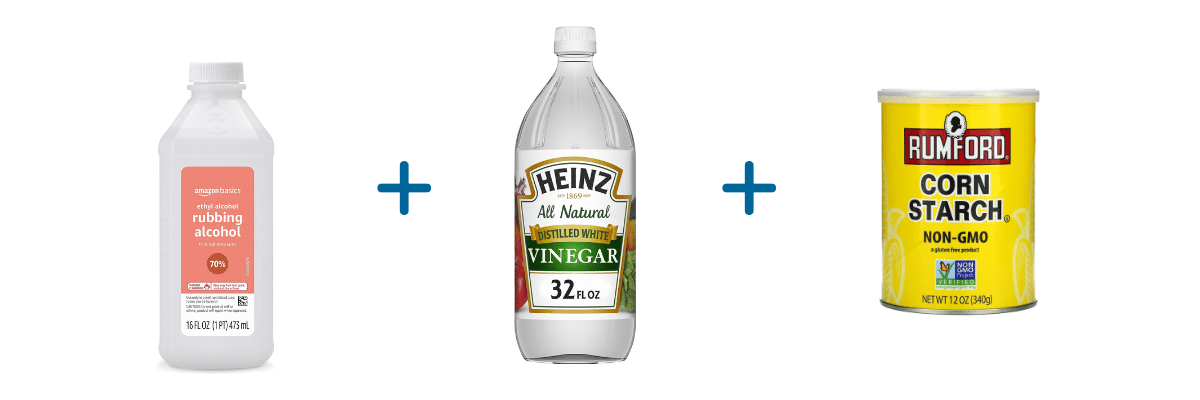
Alvin Corn is a homemade multi-purpose cleaner that works beautifully on glass, mirrors, and several other household surfaces. The quirky name comes from its ingredients:
- Alcohol
- Vinegar
- Cornstarch
As best I can trace, the recipe originated with the creative mind behind the blog Crunchy Betty, who combined the ingredients and cleverly created the acronym. The name alone makes me smile, but what really matters is how well the cleaner works.
Once you see the results, the funny name becomes part of the charm.
How does Alvin Corn work?
Each ingredient plays a specific role in making glass sparkle:
- Vinegar cuts through grease, dust, and everyday grime that builds up on mirrors and windows.
- Alcohol helps the solution evaporate quickly so the surface dries fast and streak-free.
- Cornstarch is the secret weapon. When paired with a microfiber cloth, it acts as a gentle polishing agent that lifts stubborn residue and buffs glass to a shine without scratching.
The result is crystal-clear glass with none of the haze some commercial cleaners leave behind.
How to Make Alvin Corn
Ingredients
- 1/4 cup rubbing (isopropyl) alcohol
- 1/4 cup white vinegar
- 1 tablespoon cornstarch
- 2 cups warm water
- 1 standard spray bottle
Instructions
Add the ingredients directly into a spray bottle or mixing container.
Attach the lid and shake well until the cornstarch is evenly distributed.
That’s it. With this simple mix, your Alvin Corn homemade glass cleaner is ready to tackle any smudges or streaks. The recipe yields about 20 ounces, which fills a standard spray bottle with a little extra for refills.
How to Use Alvin Corn
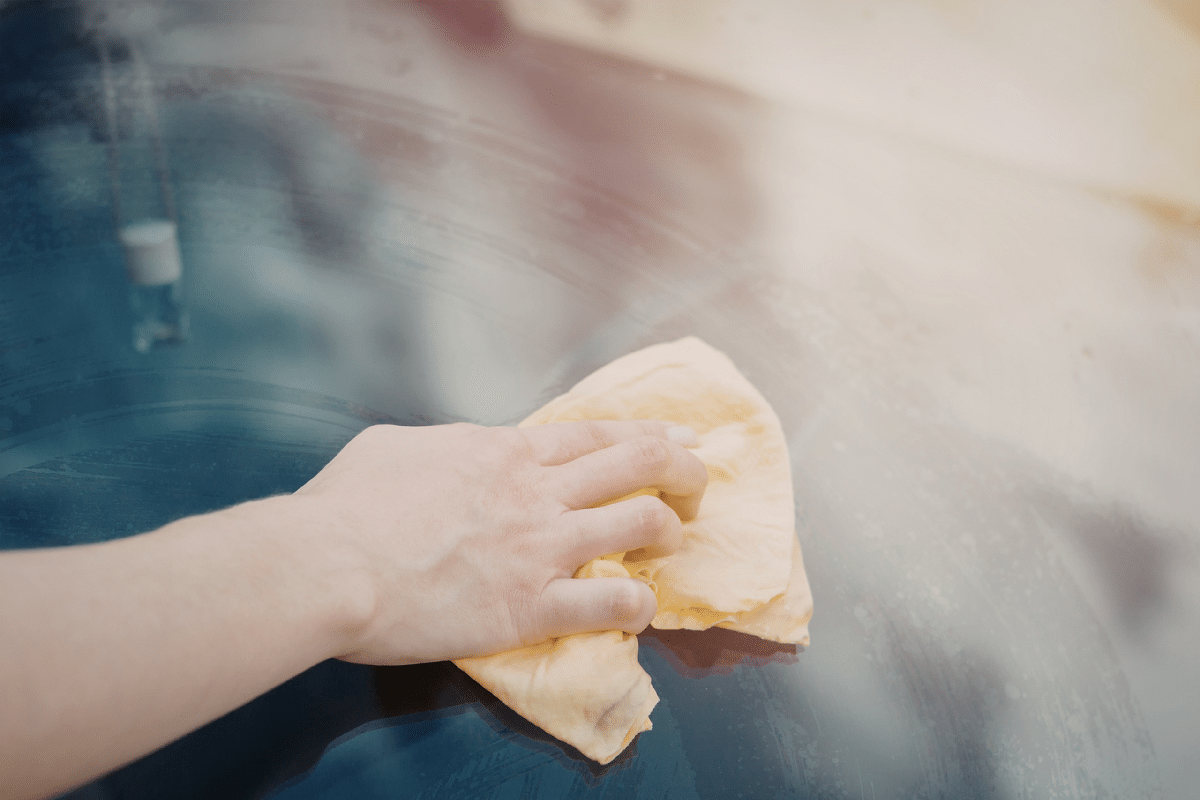
Before each use, shake the bottle well. The cornstarch naturally settles to the bottom, and shaking redistributes it. Lightly spray the surface. Wipe using a microfiber cloth, then buff dry with a clean section of the cloth.
You can also use coffee filters, newspaper, or soft cotton cloths. The key is to buff until the surface is completely dry. When it’s done right, you’ll hear that little squeak that means the glass is perfectly clean.
Surfaces Alvin Corn Cleans Surprisingly Well

Most people reach for this cleaner only when tackling mirrors or windows, but it’s more versatile than that. Try it on:
- Chrome bathroom fixtures
- Glass shower doors
- Refrigerator doors
- Stainless steel appliances
- Porcelain sinks
- Quartz countertops
Anywhere you want a streak-free shine, Alvin Corn homemade glass cleaner usually performs beautifully. Just avoid unfinished wood or porous natural stone like marble or granite, since vinegar can damage those surfaces.
Bonus Tips for Truly Streak-Free Windows
Ever clean a window only to step back and see streaks the moment the sunlight hits it? You’re definitely not alone. A few simple tweaks can make all the difference.
- Clean when the glass is cool. Direct sunlight can cause cleaner to dry too quickly, which often leads to streaks.
- Use two cloths. One cloth for cleaning and a second dry cloth for buffing helps create that crystal-clear finish.
- Work from top to bottom. Starting at the top prevents drips from landing on areas you’ve already cleaned.
- Use less spray than you think. Too much liquid is the most common cause of streaky windows. A light mist is usually plenty.
How to Store Alvin Corn
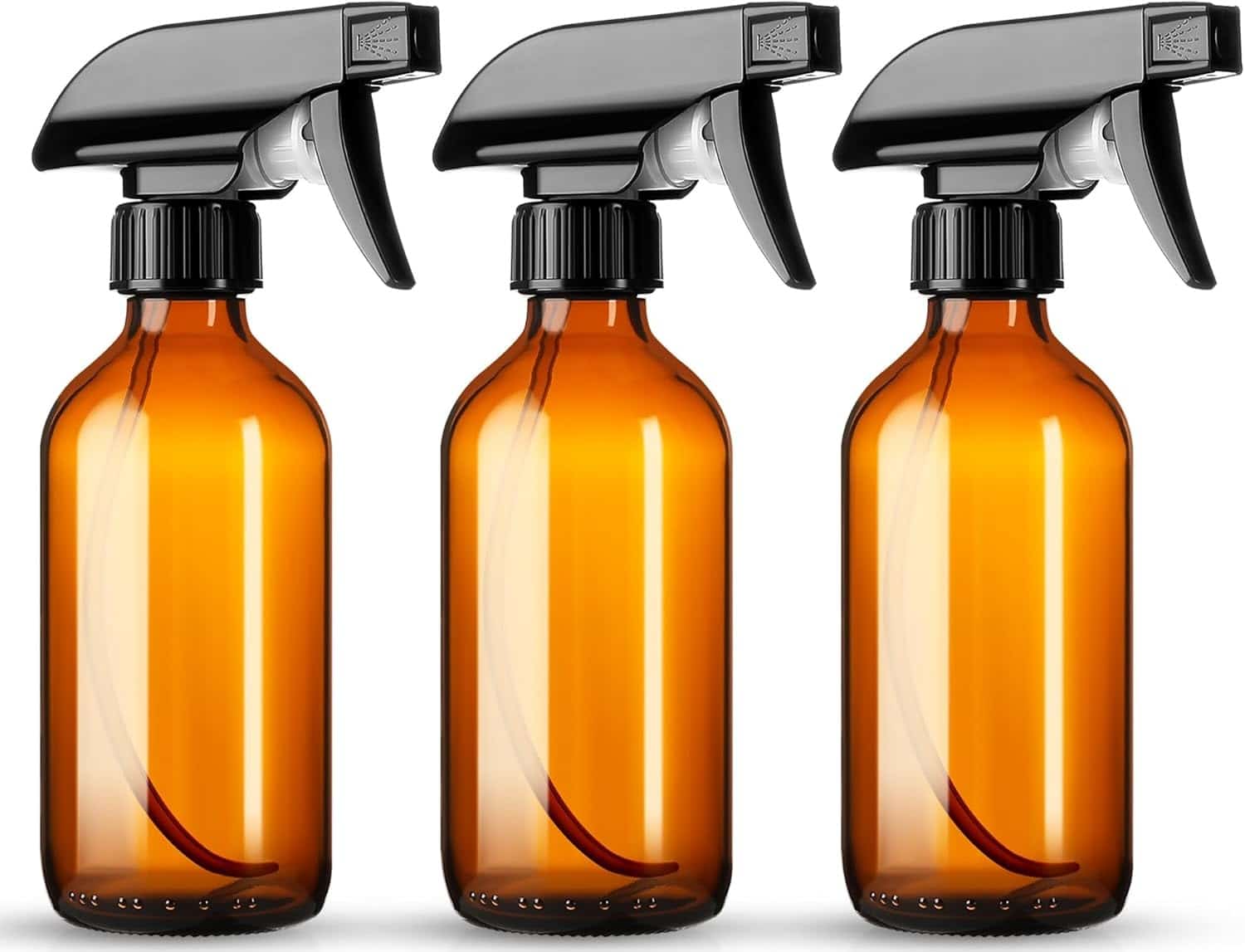
This mixture stores beautifully right in the spray bottle you mix it in. Because cornstarch is such a fine powder, it disperses easily when shaken and doesn’t clog the sprayer.
Over time, the cornstarch will naturally settle at the bottom. That’s perfectly normal. Just give the bottle a good shake before each use to redistribute everything.
For everyday convenience, I like using a small 8-ounce amber glass spray bottle like the ones pictured above. The darker glass helps protect homemade mixtures from light, and the size is just right for quick cleaning jobs without hauling out a full-size bottle.
I keep one filled with Alvin Corn in each bathroom and under the kitchen sink so it’s always within reach for mirrors, faucets, and quick glass touch-ups. Having a dedicated bottle nearby makes it much more likely I’ll wipe something down right away instead of adding it to the “I’ll do it later” list.

(Disclosure: This post includes an Amazon Creator Connections product. I may earn a small commission if you purchase through the link, at no additional cost to you.)
A Simple Cleaner That Still Gets the Job Done
More and more people are rediscovering something our grandmothers knew all along: simple household solutions often work just as well, sometimes better, than complicated store-bought products.
Homemade cleaners like Alvin Corn have a few clear advantages. They’re inexpensive to make, use ingredients most of us already recognize, and avoid the long list of additives that often come with commercial cleaners. Mixing your own also means reusing the same bottle again and again instead of tossing another empty plastic container in the recycling bin.
But the real reason Alvin Corn sticks around in my house is simple… it works.
When the sun starts pouring through the windows and every smudge suddenly becomes visible, a few quick sprays and a good wipe are usually all it takes to bring the sparkle back. No streaks, no haze, no fuss.
Question: What’s your go-to trick for streak-free windows or a favorite homemade cleaner you swear by? I’d love to hear your tips in the comments!
EverydayCheapskate™ is reader-supported. We participate in the Amazon Services LLC Associates Program and other affiliate advertising programs, designed to provide a means for us to earn from qualifying purchases, at no cost to you.

More from Everyday Cheapskate
 https://www.everydaycheapskate.com/wp-content/uploads/20261015-Sweet-pepper-and-onion-relish-in-a-white-bowl-with-crackers-and-fresh-red-bell-peppers.png
800
1200
Mary Hunt
https://www.everydaycheapskate.com/wp-content/uploads/EC-Logo-by-Mary-Hunt-Tagline-Trimmed.png
Mary Hunt2026-10-15 13:14:022026-10-15 13:14:02Sweet Pepper Onion Relish (Perfect Over Cream Cheese)
https://www.everydaycheapskate.com/wp-content/uploads/20261015-Sweet-pepper-and-onion-relish-in-a-white-bowl-with-crackers-and-fresh-red-bell-peppers.png
800
1200
Mary Hunt
https://www.everydaycheapskate.com/wp-content/uploads/EC-Logo-by-Mary-Hunt-Tagline-Trimmed.png
Mary Hunt2026-10-15 13:14:022026-10-15 13:14:02Sweet Pepper Onion Relish (Perfect Over Cream Cheese) https://www.everydaycheapskate.com/wp-content/uploads/20261012-Woman-using-smartphone-while-checking-monthly-cellular-data-usage-on-laptop.png
800
1200
Mary Hunt
https://www.everydaycheapskate.com/wp-content/uploads/EC-Logo-by-Mary-Hunt-Tagline-Trimmed.png
Mary Hunt2026-10-12 10:51:112026-10-12 10:51:11Do You Really Need Unlimited Data? Check Before You Pay
https://www.everydaycheapskate.com/wp-content/uploads/20261012-Woman-using-smartphone-while-checking-monthly-cellular-data-usage-on-laptop.png
800
1200
Mary Hunt
https://www.everydaycheapskate.com/wp-content/uploads/EC-Logo-by-Mary-Hunt-Tagline-Trimmed.png
Mary Hunt2026-10-12 10:51:112026-10-12 10:51:11Do You Really Need Unlimited Data? Check Before You Pay https://www.everydaycheapskate.com/wp-content/uploads/20261011-Woman-Adjusting-Smart-Home-Device-on-the-Wall-how-to-lower-your-electric-bill.png
800
1200
Mary Hunt
https://www.everydaycheapskate.com/wp-content/uploads/EC-Logo-by-Mary-Hunt-Tagline-Trimmed.png
Mary Hunt2026-10-11 23:01:562026-10-11 23:01:56Stop Chasing Pennies on Your Electric Bill. Do This
https://www.everydaycheapskate.com/wp-content/uploads/20261011-Woman-Adjusting-Smart-Home-Device-on-the-Wall-how-to-lower-your-electric-bill.png
800
1200
Mary Hunt
https://www.everydaycheapskate.com/wp-content/uploads/EC-Logo-by-Mary-Hunt-Tagline-Trimmed.png
Mary Hunt2026-10-11 23:01:562026-10-11 23:01:56Stop Chasing Pennies on Your Electric Bill. Do This https://www.everydaycheapskate.com/wp-content/uploads/20261007-red-present-sitting-in-autumn-leaves-Amazon-Prime-Big-Deal-Days-gifts.png
800
1200
Mary Hunt
https://www.everydaycheapskate.com/wp-content/uploads/EC-Logo-by-Mary-Hunt-Tagline-Trimmed.png
Mary Hunt2026-10-06 23:09:432026-10-06 23:09:43Christmas Shopping in October? These Prime Day Gifts Make Sense
https://www.everydaycheapskate.com/wp-content/uploads/20261007-red-present-sitting-in-autumn-leaves-Amazon-Prime-Big-Deal-Days-gifts.png
800
1200
Mary Hunt
https://www.everydaycheapskate.com/wp-content/uploads/EC-Logo-by-Mary-Hunt-Tagline-Trimmed.png
Mary Hunt2026-10-06 23:09:432026-10-06 23:09:43Christmas Shopping in October? These Prime Day Gifts Make Sense https://www.everydaycheapskate.com/wp-content/uploads/20261006-prime-big-deal-days-have-landed.png
800
1200
Mary Hunt
https://www.everydaycheapskate.com/wp-content/uploads/EC-Logo-by-Mary-Hunt-Tagline-Trimmed.png
Mary Hunt2026-10-05 11:01:432026-10-07 09:02:53EC’s Top Picks from Amazon Prime Big Deal Days 2026
https://www.everydaycheapskate.com/wp-content/uploads/20261006-prime-big-deal-days-have-landed.png
800
1200
Mary Hunt
https://www.everydaycheapskate.com/wp-content/uploads/EC-Logo-by-Mary-Hunt-Tagline-Trimmed.png
Mary Hunt2026-10-05 11:01:432026-10-07 09:02:53EC’s Top Picks from Amazon Prime Big Deal Days 2026 https://www.everydaycheapskate.com/wp-content/uploads/20261004-reduce-healthcare-costs-with-three-habits-healthy-couple-walking-in-autumn-leaves.png
800
1200
Mary Hunt
https://www.everydaycheapskate.com/wp-content/uploads/EC-Logo-by-Mary-Hunt-Tagline-Trimmed.png
Mary Hunt2026-10-04 23:08:572026-10-04 23:09:47How to Reduce Healthcare Costs With 3 Free Daily Habits
https://www.everydaycheapskate.com/wp-content/uploads/20261004-reduce-healthcare-costs-with-three-habits-healthy-couple-walking-in-autumn-leaves.png
800
1200
Mary Hunt
https://www.everydaycheapskate.com/wp-content/uploads/EC-Logo-by-Mary-Hunt-Tagline-Trimmed.png
Mary Hunt2026-10-04 23:08:572026-10-04 23:09:47How to Reduce Healthcare Costs With 3 Free Daily Habits https://www.everydaycheapskate.com/wp-content/uploads/20241004-news-you-can-use-october-everyday-cheapskate-top-news-articles.png
800
1200
Mary Hunt
https://www.everydaycheapskate.com/wp-content/uploads/EC-Logo-by-Mary-Hunt-Tagline-Trimmed.png
Mary Hunt2026-10-04 01:04:052026-10-16 16:24:53News You Can Use • October 2026
https://www.everydaycheapskate.com/wp-content/uploads/20241004-news-you-can-use-october-everyday-cheapskate-top-news-articles.png
800
1200
Mary Hunt
https://www.everydaycheapskate.com/wp-content/uploads/EC-Logo-by-Mary-Hunt-Tagline-Trimmed.png
Mary Hunt2026-10-04 01:04:052026-10-16 16:24:53News You Can Use • October 2026 https://www.everydaycheapskate.com/wp-content/uploads/20261003-woman-hugging-elderly-mother-sandwich-generation-caring-for-aging-parents.png
800
1200
Mary Hunt
https://www.everydaycheapskate.com/wp-content/uploads/EC-Logo-by-Mary-Hunt-Tagline-Trimmed.png
Mary Hunt2026-10-03 10:47:222026-10-03 10:47:25Sandwiched Between Aging Parents and Adult Children
https://www.everydaycheapskate.com/wp-content/uploads/20261003-woman-hugging-elderly-mother-sandwich-generation-caring-for-aging-parents.png
800
1200
Mary Hunt
https://www.everydaycheapskate.com/wp-content/uploads/EC-Logo-by-Mary-Hunt-Tagline-Trimmed.png
Mary Hunt2026-10-03 10:47:222026-10-03 10:47:25Sandwiched Between Aging Parents and Adult Children https://www.everydaycheapskate.com/wp-content/uploads/20260927-impossible-lasagna-pie-recipe-with-wooden-serving-spoon-in-white-casserole-dish.png
800
1200
Mary Hunt
https://www.everydaycheapskate.com/wp-content/uploads/EC-Logo-by-Mary-Hunt-Tagline-Trimmed.png
Mary Hunt2026-09-28 09:38:592026-09-28 22:48:34Impossible Lasagna Pie: All the Flavor, None of the Noodles
https://www.everydaycheapskate.com/wp-content/uploads/20260927-impossible-lasagna-pie-recipe-with-wooden-serving-spoon-in-white-casserole-dish.png
800
1200
Mary Hunt
https://www.everydaycheapskate.com/wp-content/uploads/EC-Logo-by-Mary-Hunt-Tagline-Trimmed.png
Mary Hunt2026-09-28 09:38:592026-09-28 22:48:34Impossible Lasagna Pie: All the Flavor, None of the NoodlesPlease keep your comments positive, encouraging, helpful, brief,
and on-topic in keeping with EC Commenting Guidelines
Last update on 2026-10-19 / Affiliate links / Images from Amazon Product Advertising API


hi mary,
marge here. just curious but is this useful for headlights? we have a really old toyota and the headlights keep getting filmy month after month. Thank you for all you help us with as we continue on our great discovery journey w/you after soooo many years. We love you!!!!
Yes, it should be fine on plastic headlights but check in a small corner first. Baking soda is a very mild abrasive and shouldn’t harm tough plastics. In fact you might add a bit more baking soda to make a past that can polish the UV damaged plastics.
Thank -you Mary!!
I will Make it.
Can I make it ahead?
Yes! I make a bottle at a time and make sure to shake it up before each use.
Hello, i would love to print up the ingredients and instructions for this wonderful solution to clean glass, but I dont’ want to copy and paste every single add and all the pictures in the article. Is there a “”print” button somewhere?
THANK YOU!
I have the old recipe for window cleaner, has a few drops of blue Dawn. Is this better, or just different? The other works like a charm in inside car windows and my home interior windows.
We have a number of different DIY window cleaners here at EC. If the one you’ve been using works this well, stick with it. Alvin Corn is another great option, should you want to try that in the future 🙂
Can it be used on car windows and windshields
Generally I would say yes … however if your windows are tinted, check with the manufacturer.
How long will it remain effective stored in the spray bottles? Does it’s efficacy lessen over time?
I can’t give you an exact number of years or months … but unlike hydrogen peroxide, rubbing alcohol does not degrade quickly, nor does vinegar. I don’t think I’d make it up by the gallon, but one regular size spray bottle at time will be great for many cleanings. You may find yourself using it more often than you can imagine.
Hi, I can’t wait to try the Alvin cleaner! Can I use it on granite???? Thank you!
Not on granite, marble or natural stone. The vinegar will dull and damage the sealant overtime. It’s a GREAT glass and mirror cleaner!