

How to Fix Brown Leaves on Houseplants and Keep Them Thriving

Houseplants are a great way to bring nature indoors, adding life and color to your space. But when you start noticing brown leaves on houseplants, it can be frustrating—and a little alarming. If you’re wondering why your once-thriving greenery is struggling, you’re not alone. Brown leaves on houseplants can be caused by anything from watering mistakes and light issues to pests and nutrient imbalances. Don’t worry, though—I’ve got practical tips to help you troubleshoot the problem and restore your plants to their full, healthy glory!

I recently heard from a reader who, after years of struggling with houseplants, finally found success—only to run into a new challenge.
Dear Mary: I just wanted to take a moment to thank you for your post, 10 Gorgeous, Low-Maintenance Houseplants That Are Really Hard to Kill. After years of trying (and failing) at keeping houseplants alive, I finally feel like I’ve cracked the code! My plants are thriving, and it’s such a relief to have a little green life in my home.
However, I’m now dealing with an issue that’s driving me crazy. My dracaena has some brown tips on the leaves, and I have no idea what’s going wrong. I’ve tried checking the watering and light, but no luck. Can you help me figure out how to fix it? I’d love to see my dracaena as healthy as my other plants!
Thanks so much for all the great tips—I’m finally starting to feel like a plant pro.
– Sarah P., EC Reader
It’s so rewarding to finally have thriving houseplants, but I hear you, Sarah—browning leaves can feel like a setback. It’s usually fixable once you pinpoint the cause. Leaf discoloration can happen for a variety of reasons, and understanding what’s behind it is the first step to getting your dracaena (and any other struggling plants) back in top shape.
Why Do Houseplant Leaves Turn Brown?
According to The Smart Garden Guide, there are several common culprits behind this issue, including:
- Watering woes: Too much or too little water can cause stress.
- Fertilizer overload or deficiency: Plants need the right balance of nutrients.
- Transplant shock: Moving plants to a new pot can be stressful for them.
- Environmental stress: Light, heat, drafts, and humidity can all play a role.
- Pests or disease: Unwelcome visitors can weaken your plant.
- Natural causes: Sometimes, older leaves simply age out and drop.
Before you can fix the problem, take a close look at where the browning is happening. Are the edges crisping up? Do the tips look dry? Or are there brown spots scattered across the leaves? Identifying the pattern will give you a big clue about what’s going wrong—and how to fix it!
How to Fix Brown Tips on Your Plants

If the tips of your plant’s leaves are dry, papery, and crumbly, you’re likely dealing with a watering or fertilizer issue. Here’s why:
Most houseplants draw water up from the bottom of the pot through their roots, delivering moisture and nutrients to the entire plant. But when water is scarce, the leaf tips—being the last in line—miss out and start to dry out and turn brown.
Solution: Find the Right Watering Balance
The key to fixing watering problems is understanding your plant’s specific needs and sticking to a consistent watering routine. Some plants prefer constantly moist soil, while others like to dry out a bit before their next drink.
- Underwatering: Stick your finger about an inch into the soil. If it feels dry, it’s time to water. When you do, water deeply until you see excess water draining from the bottom of the pot.
- Overwatering: While underwatering is the more common culprit, too much water can also cause brown tips. Overwatering drowns the roots, depriving the plant of oxygen. If the brown areas feel mushy rather than dry and brittle, you may need to cut back on watering and ensure your pot has proper drainage.
By tuning into what your plant needs, you’ll be well on your way to keeping those leaves lush and healthy.
Dealing with Brown Spots: Disease or Pests?

Brown spots on leaves can show up randomly or in noticeable patterns. If ignored, these patches can spread and eventually take over the entire leaf—and sometimes even the whole plant. More often than not, brown spots are a sign of disease or insect pests, so catching the problem early is key.
Solution: Identify and Treat the Cause
- Insect Pests: Regular plant check-ups are a must. Inspect both sides of the leaves and along the stems for tiny invaders like spider mites, scale, or fungus gnats. If you spot bugs, options range from gently removing them by hand to using insecticidal soap or neem oil. A quick shower under lukewarm water can also help rinse away small pests!
- Disease: If a fungal infection is the culprit, try a fungicide recommended by your local garden center. However, if the infection has spread significantly, replacing the plant might be the easiest and most cost-effective solution—especially if it’s a common, inexpensive variety.
Routine plant care and quick action at the first sign of trouble will keep your leafy friends happy and thriving.
When Your Plant’s Leaves Turn Completely Brown
If you’ve ever noticed a leaf turning yellow, then slowly browning, drying out, and falling off, don’t panic—it’s often just part of your plant’s natural life cycle. This tends to happen to the lower leaves first, but it can also occur in the middle or even at the top. And here’s the good news: it’s not necessarily a sign that you’re doing anything wrong!
Solution: Trim for a Healthier Plant
Think of this as your plant’s way of decluttering—shedding old leaves to focus its energy on new growth. Regular grooming helps speed up this process, just like deadheading spent flowers in your outdoor garden.
To remove dead leaves that haven’t fallen off on their own, use a sharp pair of scissors or pruning shears sterilized with rubbing alcohol. Clean cuts minimize stress on the plant, allowing it to heal quickly and focus on producing fresh, healthy foliage.
A little routine maintenance goes a long way in keeping your plant looking lush and vibrant/
How to Avoid Nutrient Imbalances in Your Plants
Just like us, plants need the right balance of nutrients to grow strong and healthy. Indoor plants rely on the nutrients in their soil, but over time, that soil can become depleted—meaning it’s up to us to step in with a little extra support. That’s where fertilizer comes in. But here’s the catch: too much or too little can both cause trouble.
- Under-fertilizing: If your plant isn’t getting enough nutrients, its leaves may start to brown and die from lack of nourishment.
- Over-fertilizing: Too much fertilizer is just as bad—it’s actually one of the top reasons houseplant leaves develop brown, crispy tips. This is called “fertilizer burn,” and it happens when excess salts build up in the soil, damaging the roots.
Solution: Finding the Right Balance
The key is to use fertilizer in moderation. Follow the package directions—more isn’t better. If you notice a white, crusty buildup on top of the soil, that’s excess salt, and it’s time for a reset.
To flush out the buildup:
- Place your plant in a sink or bathtub.
- Slowly water it with distilled water, allowing the excess to drain freely from the bottom of the pot.
- Repeat until you’ve thoroughly rinsed the soil, then let the plant drain completely before returning it to its usual spot.
A little mindful fertilizing keeps your plants happy, healthy, and thriving.
The Importance of Light for Healthy House Plants

Just like people, plants have specific light needs—some thrive in bright, direct sunlight, while others prefer a cozy, shaded corner. If your plant isn’t getting the right amount of light, you may start to see brown leaves, slow growth, or leggy, stretched-out stems as it struggles to adapt.
Solution: Finding the Right Light Balance
First, check the light requirements for your specific plant. If you don’t have the original tag or instructions, a quick online search or a chat with your local garden center can help you figure out whether your plant prefers full sun, indirect light, or shade.
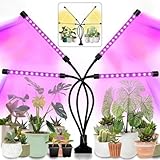
But what if your home doesn’t get much natural sunlight? No worries—you can still keep your houseplants happy with grow lights. These indoor lights mimic natural sunlight, helping plants photosynthesize and stay healthy, even in darker spaces. Look for an adjustable grow light with full-spectrum LED bulbs, a timer function, and dimmable settings to give your plants exactly what they need.
With the right light—natural or supplemented—your houseplants will thrive, keeping your home green and full of life.
Question: What’s your favorite indoor plant and how do you keep it thriving? Share your best plant care tips in the comments below.

More from Everyday Cheapskate
 https://www.everydaycheapskate.com/wp-content/uploads/20261012-Woman-using-smartphone-while-checking-monthly-cellular-data-usage-on-laptop.png
800
1200
Mary Hunt
https://www.everydaycheapskate.com/wp-content/uploads/EC-Logo-by-Mary-Hunt-Tagline-Trimmed.png
Mary Hunt2026-10-12 10:51:112026-10-12 10:51:11Do You Really Need Unlimited Data? Check Before You Pay
https://www.everydaycheapskate.com/wp-content/uploads/20261012-Woman-using-smartphone-while-checking-monthly-cellular-data-usage-on-laptop.png
800
1200
Mary Hunt
https://www.everydaycheapskate.com/wp-content/uploads/EC-Logo-by-Mary-Hunt-Tagline-Trimmed.png
Mary Hunt2026-10-12 10:51:112026-10-12 10:51:11Do You Really Need Unlimited Data? Check Before You Pay https://www.everydaycheapskate.com/wp-content/uploads/20261011-Woman-Adjusting-Smart-Home-Device-on-the-Wall-how-to-lower-your-electric-bill.png
800
1200
Mary Hunt
https://www.everydaycheapskate.com/wp-content/uploads/EC-Logo-by-Mary-Hunt-Tagline-Trimmed.png
Mary Hunt2026-10-11 23:01:562026-10-11 23:01:56Stop Chasing Pennies on Your Electric Bill. Do This
https://www.everydaycheapskate.com/wp-content/uploads/20261011-Woman-Adjusting-Smart-Home-Device-on-the-Wall-how-to-lower-your-electric-bill.png
800
1200
Mary Hunt
https://www.everydaycheapskate.com/wp-content/uploads/EC-Logo-by-Mary-Hunt-Tagline-Trimmed.png
Mary Hunt2026-10-11 23:01:562026-10-11 23:01:56Stop Chasing Pennies on Your Electric Bill. Do This https://www.everydaycheapskate.com/wp-content/uploads/20261007-red-present-sitting-in-autumn-leaves-Amazon-Prime-Big-Deal-Days-gifts.png
800
1200
Mary Hunt
https://www.everydaycheapskate.com/wp-content/uploads/EC-Logo-by-Mary-Hunt-Tagline-Trimmed.png
Mary Hunt2026-10-06 23:09:432026-10-06 23:09:43Christmas Shopping in October? These Prime Day Gifts Make Sense
https://www.everydaycheapskate.com/wp-content/uploads/20261007-red-present-sitting-in-autumn-leaves-Amazon-Prime-Big-Deal-Days-gifts.png
800
1200
Mary Hunt
https://www.everydaycheapskate.com/wp-content/uploads/EC-Logo-by-Mary-Hunt-Tagline-Trimmed.png
Mary Hunt2026-10-06 23:09:432026-10-06 23:09:43Christmas Shopping in October? These Prime Day Gifts Make Sense https://www.everydaycheapskate.com/wp-content/uploads/20261006-prime-big-deal-days-have-landed.png
800
1200
Mary Hunt
https://www.everydaycheapskate.com/wp-content/uploads/EC-Logo-by-Mary-Hunt-Tagline-Trimmed.png
Mary Hunt2026-10-05 11:01:432026-10-07 09:02:53EC’s Top Picks from Amazon Prime Big Deal Days 2026
https://www.everydaycheapskate.com/wp-content/uploads/20261006-prime-big-deal-days-have-landed.png
800
1200
Mary Hunt
https://www.everydaycheapskate.com/wp-content/uploads/EC-Logo-by-Mary-Hunt-Tagline-Trimmed.png
Mary Hunt2026-10-05 11:01:432026-10-07 09:02:53EC’s Top Picks from Amazon Prime Big Deal Days 2026 https://www.everydaycheapskate.com/wp-content/uploads/20261004-reduce-healthcare-costs-with-three-habits-healthy-couple-walking-in-autumn-leaves.png
800
1200
Mary Hunt
https://www.everydaycheapskate.com/wp-content/uploads/EC-Logo-by-Mary-Hunt-Tagline-Trimmed.png
Mary Hunt2026-10-04 23:08:572026-10-04 23:09:47How to Reduce Healthcare Costs With 3 Free Daily Habits
https://www.everydaycheapskate.com/wp-content/uploads/20261004-reduce-healthcare-costs-with-three-habits-healthy-couple-walking-in-autumn-leaves.png
800
1200
Mary Hunt
https://www.everydaycheapskate.com/wp-content/uploads/EC-Logo-by-Mary-Hunt-Tagline-Trimmed.png
Mary Hunt2026-10-04 23:08:572026-10-04 23:09:47How to Reduce Healthcare Costs With 3 Free Daily Habits https://www.everydaycheapskate.com/wp-content/uploads/20241004-news-you-can-use-october-everyday-cheapskate-top-news-articles.png
800
1200
Mary Hunt
https://www.everydaycheapskate.com/wp-content/uploads/EC-Logo-by-Mary-Hunt-Tagline-Trimmed.png
Mary Hunt2026-10-04 01:04:052026-10-19 09:46:10News You Can Use • October 2026
https://www.everydaycheapskate.com/wp-content/uploads/20241004-news-you-can-use-october-everyday-cheapskate-top-news-articles.png
800
1200
Mary Hunt
https://www.everydaycheapskate.com/wp-content/uploads/EC-Logo-by-Mary-Hunt-Tagline-Trimmed.png
Mary Hunt2026-10-04 01:04:052026-10-19 09:46:10News You Can Use • October 2026 https://www.everydaycheapskate.com/wp-content/uploads/20261003-woman-hugging-elderly-mother-sandwich-generation-caring-for-aging-parents.png
800
1200
Mary Hunt
https://www.everydaycheapskate.com/wp-content/uploads/EC-Logo-by-Mary-Hunt-Tagline-Trimmed.png
Mary Hunt2026-10-03 10:47:222026-10-03 10:47:25Sandwiched Between Aging Parents and Adult Children
https://www.everydaycheapskate.com/wp-content/uploads/20261003-woman-hugging-elderly-mother-sandwich-generation-caring-for-aging-parents.png
800
1200
Mary Hunt
https://www.everydaycheapskate.com/wp-content/uploads/EC-Logo-by-Mary-Hunt-Tagline-Trimmed.png
Mary Hunt2026-10-03 10:47:222026-10-03 10:47:25Sandwiched Between Aging Parents and Adult Children https://www.everydaycheapskate.com/wp-content/uploads/20260927-impossible-lasagna-pie-recipe-with-wooden-serving-spoon-in-white-casserole-dish.png
800
1200
Mary Hunt
https://www.everydaycheapskate.com/wp-content/uploads/EC-Logo-by-Mary-Hunt-Tagline-Trimmed.png
Mary Hunt2026-09-28 09:38:592026-09-28 22:48:34Impossible Lasagna Pie: All the Flavor, None of the Noodles
https://www.everydaycheapskate.com/wp-content/uploads/20260927-impossible-lasagna-pie-recipe-with-wooden-serving-spoon-in-white-casserole-dish.png
800
1200
Mary Hunt
https://www.everydaycheapskate.com/wp-content/uploads/EC-Logo-by-Mary-Hunt-Tagline-Trimmed.png
Mary Hunt2026-09-28 09:38:592026-09-28 22:48:34Impossible Lasagna Pie: All the Flavor, None of the Noodles https://www.everydaycheapskate.com/wp-content/uploads/20260925-best-inexpensive-coffee-grinders-burr-manual-and-electric.png
800
1200
Mary Hunt
https://www.everydaycheapskate.com/wp-content/uploads/EC-Logo-by-Mary-Hunt-Tagline-Trimmed.png
Mary Hunt2026-09-25 11:06:342026-10-10 15:49:09The Best Coffee Grinder Upgrade That’s Actually Worth It
https://www.everydaycheapskate.com/wp-content/uploads/20260925-best-inexpensive-coffee-grinders-burr-manual-and-electric.png
800
1200
Mary Hunt
https://www.everydaycheapskate.com/wp-content/uploads/EC-Logo-by-Mary-Hunt-Tagline-Trimmed.png
Mary Hunt2026-09-25 11:06:342026-10-10 15:49:09The Best Coffee Grinder Upgrade That’s Actually Worth ItPlease keep your comments positive, encouraging, helpful, brief,
and on-topic in keeping with EC Commenting Guidelines
Last update on 2026-10-20 / Affiliate links / Images from Amazon Product Advertising API


i was given a peace lily several years ago and it was not happy. a friend mentioned keeping hers out of direct sunlight. we are very limited in where i can put indoor plants. either by the slider out to the back porch–full sun or in the bathroom–indirect. i moved it from the shelf in front of the slider to the bathroom and in less than a week there are four new leaves starting and the beginnings of a flower. many thanks to my friend from lily.
My plant in in the morning sun so , it’s doing wonderful!
Another reason for brown tips on houseplants is due to the chlorine in tap water. If at all possible, you can boil the water first, or let it sit for several hours to allow the chlorine to dissipate before using it to water your plants.
For excess salts in the soil, you can remove some of the soil on the top before flushing the rest of the soil with water, then add some new soil to the pot. Salts will build up in potted plants over time, so it helps to repot the plant every couple of years, removing any old soil that is loose, and using fresh soil.
Thanks for sharing this info, Cathy!
Yes! I was having that problem too. My plants kept dying. Now I constantly keep a container of tap water on my counter for watering…the chemicals dissipate and now my plants do not turn brown and they are healthy and thriving.
Awesome Blog…Thanks for sharing…
Great article! This will surely help out people out there have a fighting chance with their plants.