

7 Pet Safe House Plants (and 12 to Avoid Completely)

If you’re a plant lover and a pet parent, your leafy decor could be sending mixed messages—especially if your furry friend’s idea of a snack includes your fiddle leaf fig. Some houseplants are completely safe for cats and dogs, while others? Not so much. Before you green up your home, check out this guide to pet safe house plants—plus the ones you’ll want to avoid like the (literal) plague.

I love house plants. They’re beautiful and bring so much life and charm to a room. But if you’ve got pets—especially the curious, nibble-on-everything kind—plants can turn from décor to danger pretty fast. Unfortunately, a lot of common houseplants are toxic to cats and dogs, and most pets don’t come equipped with a built-in warning system that says, “Hey, maybe don’t eat that.”
If you’re anything like me, once you find a few plants that check all the boxes (safe, pretty, low-maintenance), you stick with them. No need to go full jungle mode with a hundred different varieties. A handful of happy, pet-safe plants can make a big impact and keep everyone—human and otherwise—breathing easy.
Now, just a heads up: even non-toxic plants can cause a little digestive upset if your pet gets snacky. So, if possible, keep your greenery up and out of reach. (I know, I know… cats laugh in the face of “out of reach.” Do your best.)
The good news? The plants I’m about to show you are all considered non-toxic to pets, according to the ASPCA.* They’re lovely, easy to care for, and most importantly—safe for your little leaf munchers.
7 Gorgeous House Plants That Are Pet Friendly
1. African Violet

One of the most beloved indoor plants, African violets (Saintpaulia) are indoor superstars. They bloom happily in low light, love moderate temperatures, and thrive in the same cozy conditions we humans enjoy. Their velvety leaves and rich variety of bloom colors make them a charming, pet-safe addition to windowsills and tabletops. Bonus: they don’t take up much space, making them perfect for small homes and apartments.
2. Boston Fern

Boston ferns (Nephrolepis) are a classic for a reason. With their lush, shaggy fronds, they add a burst of greenery wherever you place them—whether it’s a guest room, bathroom, or even your RV on the go. They’re non-toxic to cats and dogs, which makes them a worry-free favorite. They do love humidity and bright, indirect light, so consider misting them occasionally or placing them near a shower window.
3. Polka Dot Plant

Talk about personality! The polka dot plant (Hypoestes phyllostachya) brings cheerful pops of pink, red, or white speckles to your indoor plant lineup. It’s not toxic to pets, which is great—but if your cat treats it like a salad bar, it may cause some mild tummy upset. Translation: maybe don’t let it live on the floor. This cutie thrives in bright, indirect light and appreciates regular watering to keep its colorful leaves vibrant.
4. Peperomia

Peperomia is one of those plants that doesn’t ask for much—my kind of houseguest. With thick, textured leaves that come in all sorts of shapes and colors, it’s practically a living decoration. It’s also super forgiving if you tend to forget your watering can for a few days (or more). Hang it, shelf it, or let it trail—it’s pet-safe and people-approved.
5. Mosaic Plant

While it goes by many names, I prefer Fittonia’s nickname “mosaic plant” over the slightly ominous “nerve plant.” Despite the name, there’s nothing scary here. This low-growing beauty features delicate veining in white or pink, and best of all—it’s non-toxic to pets. Mosaic plants love low light and moist soil, so they’re a great pick for a bathroom or shady corner where other plants might sulk.
6. Bromeliad

Bromeliads (Bromeliaceae) are bold, tropical, and surprisingly easy to care for. These statement plants bring a splash of exotic flair and curiosity—especially for pets who find the colorful rosettes hard to resist. Thankfully, they’re safe for cats and dogs. Give yours a sunny window and a little humidity, and it’ll reward you with showy blooms and happy vibes.
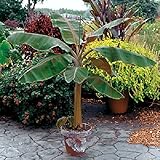
7. Banana Tree

If you want to make a statement with your indoor plant game, a banana tree (Musa) is a showstopper. Most large houseplants are off-limits for pet owners, but this one’s the exception. It’s completely pet safe. Just be ready for it to grow—fast! Give it a generous pot, bright light, and regular watering, and it’ll become the jungle centerpiece your living room didn’t know it needed.
12 Common Plants That Are Toxic to Pets
Not all of these are typical houseplants, but they’re common enough to pop up in yards, landscaping, or even in a bouquet from the grocery store. And while cats and dogs may not know what’s dangerous, their curious noses and mouths can get them into real trouble.
To keep your furry family members safe, steer clear of these plants in and around your home, and double-check unfamiliar plants before bringing them inside.
- Castor Bean (Ricinus communis)**
A striking plant often grown for its dramatic foliage—also one of the most toxic in the world. Every part of it is dangerous, especially the seeds. - Caladium (Caladium hortulanum)
Beautiful heart-shaped leaves in bright reds and greens—but toxic if chewed. Common in potted arrangements and shade gardens. - Lilies (Lilium or Hemerocallis)
Incredibly toxic to cats—even a nibble or a lick of the pollen can lead to kidney failure. Many common lilies fall into this category. - Dumbcane (Dieffenbachia)
Popular for its large, tropical leaves, but a bite can cause mouth irritation, swelling, and drooling in both cats and dogs. - Rosary Pea (Abrus precatorius)
Recognizable by its shiny red-and-black seeds, this plant is extremely toxic. It’s rarely grown indoors, but avoid it in landscaping. - Larkspur (Delphinium consolida)
These tall, spiky flowers are stunning in the garden but can be fatal to pets (and even livestock) if eaten. - Foxglove (Digitalis purpurea)
A beauty in the garden with tall bell-like flowers—and a heart-stopping toxin. Literally. It affects cardiac function. - Autumn Crocus (Colchicum autumnale)
Not the same as spring crocuses! This fall bloomer can cause vomiting, gastrointestinal bleeding, and organ damage if ingested. - Sago Palm (Cycas revoluta)
Often sold as a decorative indoor plant. Every part is toxic, but the seeds (aka “nuts”) are the most dangerous—and sadly, very tempting to pets. - Black Locust (Robinia pseudoacacia)
More of a landscaping tree, but worth noting if it’s in your yard. Its bark and seeds are harmful to both pets and livestock. - Yew (Taxus baccata)
These evergreens are common in hedges and holiday decor. All parts except the berry’s flesh are toxic—especially the seeds inside. - Oleander (Nerium oleander)
A warm-climate favorite with beautiful blooms—and dangerously toxic. Even a small amount can be fatal to pets (and humans, too).
Tips to Keep Plants and Pets Peacefully Coexisting
Having a home that’s full of life—both leafy and furry—is possible. With a few simple strategies, you can keep your plants thriving and your pets safe.
- Place plants strategically. Use plant stands, hanging baskets, or wall-mounted shelves to keep tempting leaves out of paws’ reach. High shelves are your best friend—unless your cat thinks she’s an acrobat.
- Use pet deterrents (gently!). A little citrus peel or a sprinkle of cinnamon around the base of a plant can act as a natural deterrent. Most pets dislike the smell, but it won’t harm them—or your plant.
- Train with consistency. If your pet keeps going for the same plant, a gentle redirection (or a firm “no” and a treat when they walk away) can work wonders over time. It takes patience, but it pays off.
- Avoid risky temptation. If a plant is toxic and your pet is too curious for comfort, it’s better to skip it altogether. No decor is worth an emergency vet visit.
- Stick with a few trusted plants. You don’t need a jungle to make a beautiful space. A handful of pet-safe favorites in cute pots can bring just as much charm without the stress.
When in doubt, always double-check a plant’s toxicity before bringing it home—and trust your instincts. If something doesn’t feel like a safe fit, there are always other options. With a little planning, your home can be both a pet paradise and a plant lover’s dream. And that’s the kind of peaceful coexistence we’re all rooting for.


*ASPCA’s exhaustive list of toxic and non-toxic plants for cats and dogs can be found here.
**The #1 most poisonous plant in the world according to 2007 Guinness World Records
Question: What’s the weirdest thing your pet has tried to eat? Share your stories in the comments below.
EverydayCheapskate™ is reader-supported. We participate in the Amazon Services LLC Associates Program and other affiliate advertising programs, designed to provide a means for us to earn from qualifying purchases, at no cost to you.

More from Everyday Cheapskate
 https://www.everydaycheapskate.com/wp-content/uploads/20261006-prime-big-deal-days-have-landed.png
800
1200
Mary Hunt
https://www.everydaycheapskate.com/wp-content/uploads/EC-Logo-by-Mary-Hunt-Tagline-Trimmed.png
Mary Hunt2026-10-05 11:01:432026-10-07 09:02:53EC’s Top Picks from Amazon Prime Big Deal Days 2026
https://www.everydaycheapskate.com/wp-content/uploads/20261006-prime-big-deal-days-have-landed.png
800
1200
Mary Hunt
https://www.everydaycheapskate.com/wp-content/uploads/EC-Logo-by-Mary-Hunt-Tagline-Trimmed.png
Mary Hunt2026-10-05 11:01:432026-10-07 09:02:53EC’s Top Picks from Amazon Prime Big Deal Days 2026 https://www.everydaycheapskate.com/wp-content/uploads/20261004-reduce-healthcare-costs-with-three-habits-healthy-couple-walking-in-autumn-leaves.png
800
1200
Mary Hunt
https://www.everydaycheapskate.com/wp-content/uploads/EC-Logo-by-Mary-Hunt-Tagline-Trimmed.png
Mary Hunt2026-10-04 23:08:572026-10-04 23:09:47How to Reduce Healthcare Costs With 3 Free Daily Habits
https://www.everydaycheapskate.com/wp-content/uploads/20261004-reduce-healthcare-costs-with-three-habits-healthy-couple-walking-in-autumn-leaves.png
800
1200
Mary Hunt
https://www.everydaycheapskate.com/wp-content/uploads/EC-Logo-by-Mary-Hunt-Tagline-Trimmed.png
Mary Hunt2026-10-04 23:08:572026-10-04 23:09:47How to Reduce Healthcare Costs With 3 Free Daily Habits https://www.everydaycheapskate.com/wp-content/uploads/20241004-news-you-can-use-october-everyday-cheapskate-top-news-articles.png
800
1200
Mary Hunt
https://www.everydaycheapskate.com/wp-content/uploads/EC-Logo-by-Mary-Hunt-Tagline-Trimmed.png
Mary Hunt2026-10-04 01:04:052026-10-11 14:34:17News You Can Use • October 2026
https://www.everydaycheapskate.com/wp-content/uploads/20241004-news-you-can-use-october-everyday-cheapskate-top-news-articles.png
800
1200
Mary Hunt
https://www.everydaycheapskate.com/wp-content/uploads/EC-Logo-by-Mary-Hunt-Tagline-Trimmed.png
Mary Hunt2026-10-04 01:04:052026-10-11 14:34:17News You Can Use • October 2026 https://www.everydaycheapskate.com/wp-content/uploads/20261003-woman-hugging-elderly-mother-sandwich-generation-caring-for-aging-parents.png
800
1200
Mary Hunt
https://www.everydaycheapskate.com/wp-content/uploads/EC-Logo-by-Mary-Hunt-Tagline-Trimmed.png
Mary Hunt2026-10-03 10:47:222026-10-03 10:47:25Sandwiched Between Aging Parents and Adult Children
https://www.everydaycheapskate.com/wp-content/uploads/20261003-woman-hugging-elderly-mother-sandwich-generation-caring-for-aging-parents.png
800
1200
Mary Hunt
https://www.everydaycheapskate.com/wp-content/uploads/EC-Logo-by-Mary-Hunt-Tagline-Trimmed.png
Mary Hunt2026-10-03 10:47:222026-10-03 10:47:25Sandwiched Between Aging Parents and Adult Children https://www.everydaycheapskate.com/wp-content/uploads/20260927-impossible-lasagna-pie-recipe-with-wooden-serving-spoon-in-white-casserole-dish.png
800
1200
Mary Hunt
https://www.everydaycheapskate.com/wp-content/uploads/EC-Logo-by-Mary-Hunt-Tagline-Trimmed.png
Mary Hunt2026-09-28 09:38:592026-09-28 22:48:34Impossible Lasagna Pie: All the Flavor, None of the Noodles
https://www.everydaycheapskate.com/wp-content/uploads/20260927-impossible-lasagna-pie-recipe-with-wooden-serving-spoon-in-white-casserole-dish.png
800
1200
Mary Hunt
https://www.everydaycheapskate.com/wp-content/uploads/EC-Logo-by-Mary-Hunt-Tagline-Trimmed.png
Mary Hunt2026-09-28 09:38:592026-09-28 22:48:34Impossible Lasagna Pie: All the Flavor, None of the Noodles https://www.everydaycheapskate.com/wp-content/uploads/20260925-best-inexpensive-coffee-grinders-burr-manual-and-electric.png
800
1200
Mary Hunt
https://www.everydaycheapskate.com/wp-content/uploads/EC-Logo-by-Mary-Hunt-Tagline-Trimmed.png
Mary Hunt2026-09-25 11:06:342026-10-10 15:49:09The Best Coffee Grinder Upgrade That’s Actually Worth It
https://www.everydaycheapskate.com/wp-content/uploads/20260925-best-inexpensive-coffee-grinders-burr-manual-and-electric.png
800
1200
Mary Hunt
https://www.everydaycheapskate.com/wp-content/uploads/EC-Logo-by-Mary-Hunt-Tagline-Trimmed.png
Mary Hunt2026-09-25 11:06:342026-10-10 15:49:09The Best Coffee Grinder Upgrade That’s Actually Worth It https://www.everydaycheapskate.com/wp-content/uploads/20260918-man-and-woman-signing-an-extended-warranty-in-a-car-dealership.png
800
1200
Mary Hunt
https://www.everydaycheapskate.com/wp-content/uploads/EC-Logo-by-Mary-Hunt-Tagline-Trimmed.png
Mary Hunt2026-09-18 15:23:432026-09-18 15:25:43Is an Extended Warranty Ever Worth It? The Truth for 2026
https://www.everydaycheapskate.com/wp-content/uploads/20260918-man-and-woman-signing-an-extended-warranty-in-a-car-dealership.png
800
1200
Mary Hunt
https://www.everydaycheapskate.com/wp-content/uploads/EC-Logo-by-Mary-Hunt-Tagline-Trimmed.png
Mary Hunt2026-09-18 15:23:432026-09-18 15:25:43Is an Extended Warranty Ever Worth It? The Truth for 2026 https://www.everydaycheapskate.com/wp-content/uploads/20260917-fall-cleaning-checklist.png
800
1200
Mary Hunt
https://www.everydaycheapskate.com/wp-content/uploads/EC-Logo-by-Mary-Hunt-Tagline-Trimmed.png
Mary Hunt2026-09-17 17:11:012026-09-28 22:48:45Fall Cleaning Checklist: 15 Overlooked Spots to Clean
https://www.everydaycheapskate.com/wp-content/uploads/20260917-fall-cleaning-checklist.png
800
1200
Mary Hunt
https://www.everydaycheapskate.com/wp-content/uploads/EC-Logo-by-Mary-Hunt-Tagline-Trimmed.png
Mary Hunt2026-09-17 17:11:012026-09-28 22:48:45Fall Cleaning Checklist: 15 Overlooked Spots to Clean https://www.everydaycheapskate.com/wp-content/uploads/20260913-how-to-winterize-your-home-snowy-driveway-suburban-home.png
800
1200
Mary Hunt
https://www.everydaycheapskate.com/wp-content/uploads/EC-Logo-by-Mary-Hunt-Tagline-Trimmed.png
Mary Hunt2026-09-13 15:32:142026-09-28 22:48:55The Complete Guide to Winterizing Your Home This Fall
https://www.everydaycheapskate.com/wp-content/uploads/20260913-how-to-winterize-your-home-snowy-driveway-suburban-home.png
800
1200
Mary Hunt
https://www.everydaycheapskate.com/wp-content/uploads/EC-Logo-by-Mary-Hunt-Tagline-Trimmed.png
Mary Hunt2026-09-13 15:32:142026-09-28 22:48:55The Complete Guide to Winterizing Your Home This FallPlease keep your comments positive, encouraging, helpful, brief,
and on-topic in keeping with EC Commenting Guidelines
Last update on 2026-10-11 / Affiliate links / Images from Amazon Product Advertising API


Our dalmatian would never let our gourds or watermelons get much bigger than a cantaloupe before she devoured them out of our garden. She was a “Show Dog” and her pocket treats were pecans. She adored them!
…and with the holidays shockingly not too far off don’t forget to keep your pets away from the poinesttias!
the top of my head when i am asleep. that’s why he’s not allowed in my room at night.