

The Ultimate Guide to Everything We Need to Know About Eggs

Eggs are more than just a breakfast staple—they’re a powerhouse of nutrition and a key ingredient in countless recipes. Whether you’re interested in their health benefits, curious about storage tips, or want to ensure you’re using fresh eggs, this guide covers everything you need to know. Let’s dive into the incredible world of eggs and unlock their secrets!
The Versatility and Popularity of Eggs
Eggs are making a well-deserved comeback among nutritionists, and it’s easy to see why. They’re not just little powerhouses of high-quality protein; they’re also packed with essential vitamins and minerals. Of course, like anything delicious, moderation is key—so keep an eye on how many you’re cracking open, especially if you have specific dietary needs.
Now, let’s talk about the fun stuff. Eggs are incredibly versatile! You can eat them, cook them, decorate them, or even hide them. They’ve been a staple in our spring traditions for ages, but let’s be real—eggs are fantastic all year round. Whether you’re whipping up a hearty breakfast, baking a cake, or crafting the perfect Easter egg, these little wonders are always up to the task.
Nutritional Benefits of Eggs
A few years ago, eggs got a bad rap for being high in cholesterol. Thankfully, we know better now, and it’s time to celebrate what these little nutritional powerhouses bring to the table.
A Nutritional Powerhouse
Eggs are one of the best sources of high-quality protein and essential vitamins and minerals. They’re loaded with nutrients like vitamin B12, vitamin D, and choline, making them a fantastic addition to a balanced diet. The key is moderation—enjoying eggs in a mindful way ensures you reap the benefits without overdoing it.
Eggs and Cholesterol
Worried about cholesterol? The Mayo Clinic has some reassuring news: “Most healthy people can eat up to seven eggs a week without affecting their heart health.” So, unless your doctor says otherwise, you can crack open those eggs with confidence, knowing they can be part of a heart-healthy diet.
Embrace the versatility of eggs, whether they’re scrambled for breakfast, baked into a cake, or poached to perfection. They’re not just nutritious; they’re essential kitchen staples that can help you whip up a delicious meal any time of the day.
Egg Consumption Trends
Elisa Maloberti from the American Egg Board shares that the average American consumes about 280 eggs a year, which includes everything from our morning omelets to the eggs baked into our favorite treats. That’s enough to keep 235 million chickens working full-time!

Eggs aren’t just about their nutritional perks; they’re also the unsung heroes in the kitchen. Think about it—without eggs, we’d have no angel food cake, no crème brûlée, no quiche, and no lemon meringue pie. Imagine the tragedy of a world without brownies and chocolate chip cookies! Sure, we might find substitutes, but let’s be honest—life just wouldn’t taste the same without the magic of eggs to bind and lift our recipes.
How to Tell If Eggs Are Fresh
Simple Freshness Tests

Wondering if those eggs in your fridge are still good? Here’s a quick and easy test: gently drop a raw egg in its shell into a bowl of cold water. If it sinks and lays flat, congratulations, it’s very fresh! If it sinks but stands upright or hovers in the middle, it’s about two weeks old—still good, but use it soon. If it floats to the top, it’s time to toss it out.
Understanding Egg White Appearance
Another sign of freshness is the appearance of the egg white. When you crack open a fresh egg, the white should look a bit cloudy. That cloudiness comes from carbon dioxide that hasn’t had time to escape yet, a clear sign that your egg is fresh. If the egg white is clear, it might be older, but it’s still safe to eat as long as it passes the smell test. Just remember, a fresh egg not only tastes better but also makes a big difference in recipes, especially when whipping up things like meringues or soufflés.
How to Store Eggs for Maximum Freshness
Refrigeration Tips
Keeping your eggs fresh starts with proper storage. Eggs will stay fresh in the refrigerator for about four to five weeks after they’re packed in the carton. However, to make things simpler, aim to use them within three weeks of purchasing. Always keep them in their original carton, and store them on the middle shelf of the fridge. The carton helps prevent moisture loss and keeps the eggs from absorbing other food odors and flavors.
It’s also important to store eggs with the large end up. This position keeps the air pocket at the top, helping the egg stay fresh longer. And remember, if you accidentally crack an egg, use it right away or freeze it—don’t leave it sitting around!
Handling and Freezing
If you find yourself with extra eggs that you can’t use up in time, freezing is a great option. For whole eggs, remove them from their shells and lightly blend the whites and yolks together. Pour the mixture into airtight containers, label with the number of eggs, and freeze.
Egg yolks alone can get gummy when frozen, but there’s a trick to prevent this. For every 1/4 cup of yolks, add either 1/8 teaspoon of salt or 1 1/2 teaspoons of sugar or corn syrup before freezing. Just make sure to label the container with the number of yolks and whether you added salt or sugar so you can adjust your recipe later.
Egg whites freeze well without any additives and are perfect for meringues or other baked goods. On the other hand, hard-cooked egg whites don’t freeze well—they tend to get tough and watery. If you have leftover hard-cooked eggs, it’s best to use the yolks only.
Measuring Eggs in Recipes
Egg Sizes and Equivalents

When it comes to baking or cooking, the size of your eggs can make a difference in the final result. Here’s a guide to help you measure eggs in recipes:
| Egg Size | # of Eggs Needed for 1 Cup |
|---|---|
| Jumbo eggs | 4 |
| Extra-large eggs | 4 |
| Large eggs | 5 |
| Medium eggs | 5 |
| Small eggs | 6 |
Most recipes assume you’re using large eggs unless otherwise specified. If you find yourself with eggs of a different size, just remember this guide to ensure your recipe turns out just right. And while it might seem like a small detail, using the correct egg size can help you achieve the perfect texture and consistency in your dishes. So, keep this cheat sheet handy in your kitchen, and you’ll be ready to tackle any recipe with confidence!
Understanding Egg Grades: What You Need to Know

Ever wonder what those grade labels on your egg carton mean? It’s all about the appearance and quality of the eggs, not their nutritional value. The grading system, known as candling, used to involve holding eggs up to a candle to inspect the yolk. These days, it’s done electronically, but the principle remains the same.
Here’s the lowdown:
- USDA Grade AA: The cream of the crop! These eggs have thick, firm whites and high, round yolks. They’re perfect for any recipe where appearance matters, like poaching or frying sunny-side up.
- USDA Grade A: Just a notch below AA, but still great quality. These eggs also have firm whites and decent yolk height, making them versatile for most cooking needs.
- USDA Grade B: These are usually used in commercial products rather than sold in stores. They have thinner whites and flatter yolks, so they’re better suited for baking and recipes where appearance isn’t as critical.
Remember, while the grades help you choose eggs based on appearance and freshness, they don’t impact the nutritional benefits.
Cooking with Eggs: Tips for Perfect Results
Separating Yolks and Whites

When a recipe calls for separated egg whites, it’s usually because they need to be whipped to fluffy perfection. But even the tiniest bit of yolk can throw a wrench in those plans, making it tough to achieve the right consistency.
To avoid this, separate each egg over a small bowl first, then transfer the whites to a larger bowl. This way, if a yolk accidentally breaks, you won’t ruin the entire batch.
According to Cook’s Illustrated, yolks are less likely to break when they’re cold, so separate them straight from the fridge, then let them come to room temperature before using them. For the cleanest separation, skip the traditional shell-bouncing method, which can transfer bacteria. Instead, use an egg separator or crack the egg into a small funnel. The whites will flow through, leaving the yolk safely behind.
How to Hard-Cook Eggs

Older eggs are actually easier to peel when hard-cooked. As they age, they dry out a bit, creating a little air pocket between the egg and the shell.
To hard-cook eggs perfectly, place them in a single layer in a pan and cover with water by about an inch. Add a tablespoon of white vinegar to help dyes adhere if you’re coloring them. Bring the water to a boil, then cover the pan with a lid and remove it from the heat.
Timing is key:
- Jumbo eggs: 21 minutes
- Extra-large eggs: 18 minutes
- Large eggs: 15 minutes
- Medium eggs: 12 minutes
Plunge the eggs into cold water immediately after cooking to cool them down quickly. Store them in the fridge and use them within a week.
If you ever mix up hard-cooked and raw eggs, give them a spin on the counter. Cooked eggs will wobble, while raw eggs spin smoothly.
A gray or greenish ring around a hard-cooked yolk is safe to eat and is just a result of a chemical reaction, or it might mean the egg was cooked a bit too long. Either way, it’s harmless.
Hiding Easter Eggs
When hiding Easter eggs, make sure they’re found within two hours so they can be refrigerated afterward. And avoid hiding them where they might come into contact with things like fertilizer or animal droppings.
Making Meringue

Achieving perfect meringue requires a bit of precision. Ensure your beaters and bowl are completely clean and grease-free—any tiny bit of grease or yolk can prevent your whites from whipping properly.
Beat the whites until they form soft peaks that gently fall over when you lift the whisk. If your recipe calls for stiff peaks, the peaks should stand up firmly. Room-temperature egg whites whip up fluffier than cold ones, so let them sit out for a bit before whipping.
When folding beaten egg whites into a batter, gently lift the batter with a slow, rolling motion rather than stirring. This technique, known as “lightening the batter,” helps keep the mixture light and airy.
How to Incorporate Raw Eggs into Hot Mixtures

When raw eggs are added to hot mixtures, they will curdle if not added correctly. To prevent curdling, beat the eggs lightly, blending a small amount of the hot mixture as you beat. Then add the blended eggs to the pan of hot ingredients, stirring constantly.
Safety Concerns
Navigating Salmonella Risk
While the chances of encountering a contaminated egg are quite rare—about one in every 20,000 commercial eggs—it’s still important to handle eggs with care. In practical terms, you might come across a contaminated egg roughly once every 84 years, but that doesn’t mean we should take risks with raw eggs. To be on the safe side, avoid eating raw cookie dough, licking egg beaters coated with batter, or using recipes that call for raw eggs, such as homemade ice cream or eggnog.
Opt for Pasteurized and Liquid Egg Alternatives
If you’re craving the taste of raw eggs but want to dodge the risk, pasteurized eggs are a great alternative. These eggs undergo a temperature-controlled water bath that effectively eliminates bacteria without cooking the egg. You can also use liquid egg products like Egg Beaters, which are a convenient and safe option for recipes requiring raw eggs.
Eggshell and Yolk Colors: What They Really Mean
Shell Color and Breed

The color of an egg’s shell is all about the breed of the hen that laid it. Chickens with red feathers and red earlobes, like Rhode Island Reds and New Hampshire Reds, usually lay brown eggs. Meanwhile, white hens with white earlobes, such as Leghorns, produce white-shelled eggs. But don’t let shell color fool you—egg flavor isn’t influenced by the color of the shell.
Brown eggs often come with a higher price tag, not because they’re superior, but because the hens that lay them are typically larger and need more feed, making production costs steeper.
Yolk Color and Diet

The vibrant color of an egg yolk comes from the hen’s diet. Hens that eat a diet rich in pigments, like marigold petals or red bell peppers, lay eggs with darker yolks. Conversely, a diet with less pigment will result in paler yolks.
Remember, eggshells are quite porous, so they can absorb flavors and odors from other foods if stored improperly. To avoid your eggs taking on unwanted flavors, keep them in a tightly sealed container away from strong-smelling foods like onions or vanilla beans.
In terms of flavor, the yolk holds the majority of the taste, which is only slightly influenced by the hen’s diet. So, while yolk color might offer a hint about the hen’s diet, it’s not a major factor in the egg’s overall flavor.
Free-Range and Organic Eggs: What’s the Difference?

Free-Range Eggs
When you see “free-range” on an egg carton, it means the hens had some outdoor access. However, it’s important to note that not all “free-range” eggs come from hens with significant time outdoors. Some commercial operations that claim to be free-range might still keep their hens indoors but provide minimal access to outdoor space. Nutritionally, free-range eggs don’t offer a significant advantage over conventional eggs; the nutrient content remains largely the same.
Organic Eggs
Organic eggs come from hens that are fed an organic diet, free from pesticides, fungicides, herbicides, and synthetic fertilizers. While these eggs come with the promise of a more natural feed for the hens, their nutritional profile is similar to that of eggs from hens fed conventional feed.
It’s worth noting that, according to the American Egg Board, commercial hens are not given hormones, regardless of whether their feed is organic or not. So, while organic eggs are produced under specific feed conditions, they don’t necessarily pack more nutritional punch compared to their conventionally raised counterparts.
In the end, whether you choose free-range or organic eggs often comes down to personal preference and values rather than a major difference in nutritional content.
Embracing Eggs in Your Diet

Eggs are truly a versatile ingredient that can elevate your meals, whether you’re starting your day or preparing a quick, nutritious dinner. They’re not just for breakfast—eggs can be the star of a variety of dishes that are both delicious and easy to prepare. Here are some of my favorite egg recipes that showcase just how versatile and tasty eggs can be:
- Make Ahead Breakfast Casserole Recipe: Sausage, Egg & Cheese: Perfect for busy mornings, this casserole combines savory sausage, eggs, and cheese into a hearty breakfast that you can prepare ahead of time.
- How to Cook Eggs: Fried, Poached, Scrambled, Boiled: Learn the techniques for cooking eggs to perfection, whether you prefer them fried, poached, scrambled, or boiled.
- 4 Ways to Boil Eggs So They Come Out Perfect Every Time: Discover foolproof methods for boiling eggs to get them just the way you like, every single time.
- What’s Better and Cheaper Than Eating Out? A Fabulous Frittata!: A delightful frittata is not only budget-friendly but also a delicious way to use up ingredients you have on hand.
- Delicious Instant Pot Eggs: Easy and Quick Breakfast Recipes: For those busy mornings, these Instant Pot recipes offer a quick and easy way to enjoy eggs with minimal fuss.
- Easy Instant Pot Cheesy Eggs with Bacon: Perfect Breakfast in 20 Minutes: Enjoy a cheesy, bacon-infused breakfast with this quick and easy Instant Pot recipe.
- Effortless Instant Pot Mini Frittatas: A Quick and Nutritious Breakfast: These mini frittatas are perfect for meal prep or a fast, nutritious breakfast option.
- Spice It Up with This Quick and Flavorful Instant Pot Mexican Breakfast Casserole: Add a kick to your morning with this Mexican-inspired breakfast casserole, made effortlessly in the Instant Pot.
- Delicious Crustless Quiche in Your Instant Pot: A Savory Breakfast Delight: This crustless quiche is a savory, satisfying breakfast that’s easy to make in your Instant Pot.
Incorporating eggs into your meals not only provides a boost of protein but also adds variety and flavor to your diet. Enjoy exploring these recipes and discover new favorites that fit perfectly into your everyday routine!
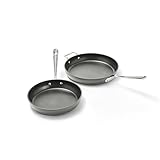
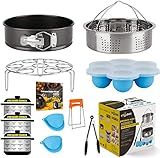
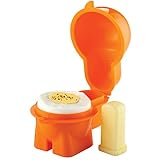
Essential Egg-Related Kitchen Gadgets: Team EC’s Top Picks
Eggs are incredibly versatile, and having the right kitchen gadgets can make cooking with them even easier and more enjoyable. From egg cookers to separators, these favorite tools from Team EC are designed to streamline your egg preparations and help you achieve perfect results every time.


Question: How do you like your eggs? Scrambled, poached, sunny-side-up, or something else entirely? Share your favorite way to enjoy eggs in the comments below.
EverydayCheapskate™ is reader-supported. We participate in the Amazon Services LLC Associates Program and other affiliate advertising programs, designed to provide a means for us to earn from qualifying purchases, at no cost to you.

More from Everyday Cheapskate
 https://www.everydaycheapskate.com/wp-content/uploads/20261016-Crispy-potato-cakes-made-with-leftover-mashed-potatoes.png
800
1200
Mary Hunt
https://www.everydaycheapskate.com/wp-content/uploads/EC-Logo-by-Mary-Hunt-Tagline-Trimmed.png
Mary Hunt2026-10-16 15:54:382026-10-16 15:54:38Got Leftover Mashed Potatoes? Try These 5 Smart Ideas
https://www.everydaycheapskate.com/wp-content/uploads/20261016-Crispy-potato-cakes-made-with-leftover-mashed-potatoes.png
800
1200
Mary Hunt
https://www.everydaycheapskate.com/wp-content/uploads/EC-Logo-by-Mary-Hunt-Tagline-Trimmed.png
Mary Hunt2026-10-16 15:54:382026-10-16 15:54:38Got Leftover Mashed Potatoes? Try These 5 Smart Ideas https://www.everydaycheapskate.com/wp-content/uploads/20261015-Sweet-pepper-and-onion-relish-in-a-white-bowl-with-crackers-and-fresh-red-bell-peppers.png
800
1200
Mary Hunt
https://www.everydaycheapskate.com/wp-content/uploads/EC-Logo-by-Mary-Hunt-Tagline-Trimmed.png
Mary Hunt2026-10-15 13:14:022026-10-15 13:14:02Sweet Pepper Onion Relish (Perfect Over Cream Cheese)
https://www.everydaycheapskate.com/wp-content/uploads/20261015-Sweet-pepper-and-onion-relish-in-a-white-bowl-with-crackers-and-fresh-red-bell-peppers.png
800
1200
Mary Hunt
https://www.everydaycheapskate.com/wp-content/uploads/EC-Logo-by-Mary-Hunt-Tagline-Trimmed.png
Mary Hunt2026-10-15 13:14:022026-10-15 13:14:02Sweet Pepper Onion Relish (Perfect Over Cream Cheese) https://www.everydaycheapskate.com/wp-content/uploads/20261012-Woman-using-smartphone-while-checking-monthly-cellular-data-usage-on-laptop.png
800
1200
Mary Hunt
https://www.everydaycheapskate.com/wp-content/uploads/EC-Logo-by-Mary-Hunt-Tagline-Trimmed.png
Mary Hunt2026-10-12 10:51:112026-10-12 10:51:11Do You Really Need Unlimited Data? Check Before You Pay
https://www.everydaycheapskate.com/wp-content/uploads/20261012-Woman-using-smartphone-while-checking-monthly-cellular-data-usage-on-laptop.png
800
1200
Mary Hunt
https://www.everydaycheapskate.com/wp-content/uploads/EC-Logo-by-Mary-Hunt-Tagline-Trimmed.png
Mary Hunt2026-10-12 10:51:112026-10-12 10:51:11Do You Really Need Unlimited Data? Check Before You Pay https://www.everydaycheapskate.com/wp-content/uploads/20261011-Woman-Adjusting-Smart-Home-Device-on-the-Wall-how-to-lower-your-electric-bill.png
800
1200
Mary Hunt
https://www.everydaycheapskate.com/wp-content/uploads/EC-Logo-by-Mary-Hunt-Tagline-Trimmed.png
Mary Hunt2026-10-11 23:01:562026-10-11 23:01:56Stop Chasing Pennies on Your Electric Bill. Do This
https://www.everydaycheapskate.com/wp-content/uploads/20261011-Woman-Adjusting-Smart-Home-Device-on-the-Wall-how-to-lower-your-electric-bill.png
800
1200
Mary Hunt
https://www.everydaycheapskate.com/wp-content/uploads/EC-Logo-by-Mary-Hunt-Tagline-Trimmed.png
Mary Hunt2026-10-11 23:01:562026-10-11 23:01:56Stop Chasing Pennies on Your Electric Bill. Do This https://www.everydaycheapskate.com/wp-content/uploads/20261007-red-present-sitting-in-autumn-leaves-Amazon-Prime-Big-Deal-Days-gifts.png
800
1200
Mary Hunt
https://www.everydaycheapskate.com/wp-content/uploads/EC-Logo-by-Mary-Hunt-Tagline-Trimmed.png
Mary Hunt2026-10-06 23:09:432026-10-06 23:09:43Christmas Shopping in October? These Prime Day Gifts Make Sense
https://www.everydaycheapskate.com/wp-content/uploads/20261007-red-present-sitting-in-autumn-leaves-Amazon-Prime-Big-Deal-Days-gifts.png
800
1200
Mary Hunt
https://www.everydaycheapskate.com/wp-content/uploads/EC-Logo-by-Mary-Hunt-Tagline-Trimmed.png
Mary Hunt2026-10-06 23:09:432026-10-06 23:09:43Christmas Shopping in October? These Prime Day Gifts Make Sense https://www.everydaycheapskate.com/wp-content/uploads/20261006-prime-big-deal-days-have-landed.png
800
1200
Mary Hunt
https://www.everydaycheapskate.com/wp-content/uploads/EC-Logo-by-Mary-Hunt-Tagline-Trimmed.png
Mary Hunt2026-10-05 11:01:432026-10-07 09:02:53EC’s Top Picks from Amazon Prime Big Deal Days 2026
https://www.everydaycheapskate.com/wp-content/uploads/20261006-prime-big-deal-days-have-landed.png
800
1200
Mary Hunt
https://www.everydaycheapskate.com/wp-content/uploads/EC-Logo-by-Mary-Hunt-Tagline-Trimmed.png
Mary Hunt2026-10-05 11:01:432026-10-07 09:02:53EC’s Top Picks from Amazon Prime Big Deal Days 2026 https://www.everydaycheapskate.com/wp-content/uploads/20261004-reduce-healthcare-costs-with-three-habits-healthy-couple-walking-in-autumn-leaves.png
800
1200
Mary Hunt
https://www.everydaycheapskate.com/wp-content/uploads/EC-Logo-by-Mary-Hunt-Tagline-Trimmed.png
Mary Hunt2026-10-04 23:08:572026-10-04 23:09:47How to Reduce Healthcare Costs With 3 Free Daily Habits
https://www.everydaycheapskate.com/wp-content/uploads/20261004-reduce-healthcare-costs-with-three-habits-healthy-couple-walking-in-autumn-leaves.png
800
1200
Mary Hunt
https://www.everydaycheapskate.com/wp-content/uploads/EC-Logo-by-Mary-Hunt-Tagline-Trimmed.png
Mary Hunt2026-10-04 23:08:572026-10-04 23:09:47How to Reduce Healthcare Costs With 3 Free Daily Habits https://www.everydaycheapskate.com/wp-content/uploads/20241004-news-you-can-use-october-everyday-cheapskate-top-news-articles.png
800
1200
Mary Hunt
https://www.everydaycheapskate.com/wp-content/uploads/EC-Logo-by-Mary-Hunt-Tagline-Trimmed.png
Mary Hunt2026-10-04 01:04:052026-10-19 09:46:10News You Can Use • October 2026
https://www.everydaycheapskate.com/wp-content/uploads/20241004-news-you-can-use-october-everyday-cheapskate-top-news-articles.png
800
1200
Mary Hunt
https://www.everydaycheapskate.com/wp-content/uploads/EC-Logo-by-Mary-Hunt-Tagline-Trimmed.png
Mary Hunt2026-10-04 01:04:052026-10-19 09:46:10News You Can Use • October 2026 https://www.everydaycheapskate.com/wp-content/uploads/20261003-woman-hugging-elderly-mother-sandwich-generation-caring-for-aging-parents.png
800
1200
Mary Hunt
https://www.everydaycheapskate.com/wp-content/uploads/EC-Logo-by-Mary-Hunt-Tagline-Trimmed.png
Mary Hunt2026-10-03 10:47:222026-10-03 10:47:25Sandwiched Between Aging Parents and Adult Children
https://www.everydaycheapskate.com/wp-content/uploads/20261003-woman-hugging-elderly-mother-sandwich-generation-caring-for-aging-parents.png
800
1200
Mary Hunt
https://www.everydaycheapskate.com/wp-content/uploads/EC-Logo-by-Mary-Hunt-Tagline-Trimmed.png
Mary Hunt2026-10-03 10:47:222026-10-03 10:47:25Sandwiched Between Aging Parents and Adult ChildrenPlease keep your comments positive, encouraging, helpful, brief,
and on-topic in keeping with EC Commenting Guidelines
Last update on 2026-10-20 / Affiliate links / Images from Amazon Product Advertising API


Raw eggs spin wobbly.
Cooked eggs spin faster.
You got them mixed up.
What about cage free?
We have our own chickens and fresh eggs. I ise the Instant Pot to boil eggs and plunge in ice water. They peel easily even though they are fresh. Its the ice water.
When we were stationed in Germany eggs were never refrigerated but milk wasn’t either. Sometimes we got it from the local farmer. He came around with his van and dropped off whatever my mother ordered. We had a fruit and veggie van and a butcher van. Our drinks were delivered by truck. My mother would call and tell them what she wanted and we would give them the old case with bottles and get the new case with bottles. Really miss those days.
Fresh farm eggs that have NOT been washed, will stay fresh and lovely siting on the counter (unrefrigerated) for a few weeks. I find it unfortunate that modern rules, regulations, USDA, and human fear (ignorance) now require eggs be washed before approved for retail use, which removes the natural protection (“bloom”) on eggs that protects them from bacteria, and gives them longer shelf life.
Before a hen lays an egg, it’s coated in what’s referred to as the bloom or cuticle. This is a thin coating that covers the entire egg protects the insides from bacteria. In essence, it seals the egg.
The bloom also prevents excess moisture from leaving the egg, which also speaks to one of the reasons the “egg float” test is an excellent way to tell the age of the egg. The more air in the egg, the older it is. Just becaause it doesn’t smell rotten does not mean it is fresh.
Eggs from the grocery store do not have this bloom in place because they have been washed, as required by federal law; thus, they must be refrigerated immediately and eaten much sooner than unwashed eggs.
And this concludes our science lesson for the day (and makes me once again wish I owned a flock of chickens but alas, well, HOA rules). Ok, carry on …