

Why Your Budget Feels Tighter (And What Helps Now)

If your grocery bill feels like it’s quietly creeping up while your cart looks suspiciously the same… you’re not imagining things. Between rising prices and shrinking packages, it’s getting harder to stretch a dollar. But you have more control than it feels like. Small shifts at home (the kind that take minutes, not hours) can add up to real savings and help you fight inflation at home. I pulled together some of my favorite practical, no-nonsense ways to fight back without clipping coupons until midnight or giving up the things you enjoy. Pick one or two to start, and you’ll feel the difference faster than you think.

You don’t need an economics degree to know something’s off. You can see it in your grocery cart, your utility bill, and that moment at checkout when the total feels… ambitious. And the numbers back you up.
Over the past year, overall inflation has risen about 2.4%. That doesn’t sound terrible… until you look closer. Food prices are up 3.1%, which might not sound like much, until your weekly grocery trip costs $12 more than last month for the same items. Some everyday grocery categories have climbed even faster, like beverages (up 5.6%) and pantry staples like cereals and baked goods (up 2.7%). In other words, the things you buy on repeat? They’re rising faster than the average.
And then there’s energy, which never seems to sit still long enough for anyone to catch their breath. Gas prices alone have jumped more than 36% in just the past month and are up nearly 39% compared to this time last year. That kind of swing doesn’t stay at the pump. It works its way into shipping, groceries, and just about everything else you bring home.
Here’s what makes this especially frustrating: prices don’t move in neat, predictable lines. Eggs can drop dramatically one month (down more than 40% over the past year), while most other categories keep inching up. So even when you hear “inflation is cooling,” it doesn’t always line up with what you’re experiencing at the store.
And with ongoing uncertainty in global energy markets, we’re likely to see more of this stop-and-go pricing… periods where costs settle down, followed by quick jumps that catch everyone off guard.
So no, it’s not just you. It’s a slow squeeze spread across groceries, gas, and everyday expenses. That’s why paying attention now, without panic, just awareness, puts you back in the driver’s seat.
1. The Sneaky Truth About Shrinkflation (And How to Catch It Fast)
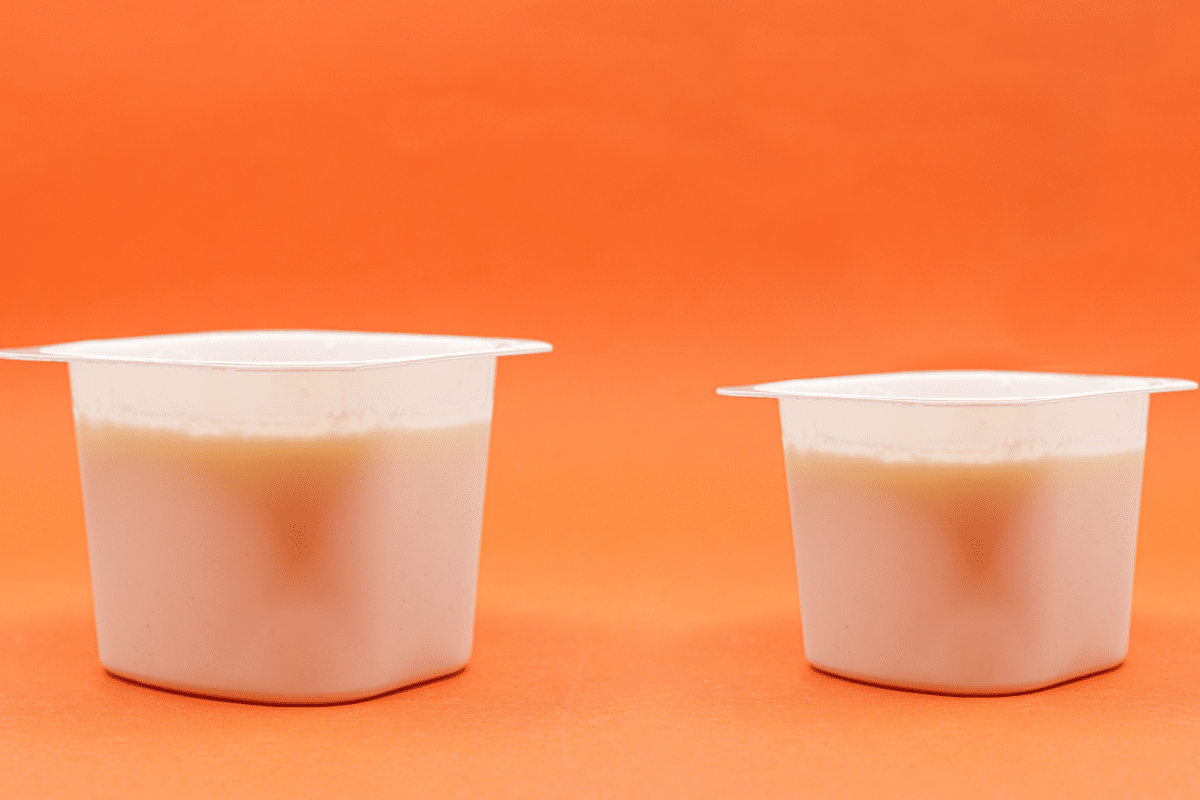
Inflation doesn’t always show up in the price of an item. It may appear that nothing has changed there. But check the product size. It’s sneaky and a very common way that retailers hide inflation. They shrink the size of the product but leave the price the same.
2. Buy in Bulk Without Wasting Money
3. Cut Coffee and Tea Costs the Smart Way

4. Grow Food Anywhere (Even Without a Yard)

5. Save Money on Groceries Without Sacrificing Quality

Here’s something most people never hear at the grocery store: a huge portion of perfectly good food never even makes it to the shelf. Not because it’s bad, but because it’s not pretty enough. Meanwhile, plenty of households are stretching every dollar just to keep food on the table. That disconnect? It’s where a smart opportunity lives.
We’ve been trained to expect flawless apples and picture-perfect carrots. But taste, nutrition, and freshness have nothing to do with symmetry. A crooked cucumber or a lumpy potato cooks exactly the same. And when you’re willing to look past appearances, you can save… often significantly.
Services like Misfits Market are built around this exact idea. They source high-quality produce (often organic) that grocery stores reject for cosmetic reasons and deliver it straight to your door. This means lower price (often 30–40% less than traditional grocery stores) and fewer grocery trips.
You don’t have to overhaul how you shop to make this work.
- Try a box occasionally to supplement your regular groceries
- Use it during busy weeks when planning meals feels like one task too many
- Or build meals around what arrives
This isn’t about settling for less. It’s about recognizing value where it’s been overlooked. You get fresh, nutritious food. You spend less. And you cut down on waste without adding extra effort to your day. That’s a pretty solid trade.
6. Lower Utility Bills Without Living in the Dark

Rising utility costs are a fact of life. Ignoring them won’t make them disappear. But small, practical steps can make a noticeable dent in your bills without making you feel like you’re living in a cave. Here are a few easy wins you can start today:
- Upgrade your lighting: Swapping old bulbs for LEDs is quick, cheap, and they last years.
- Tame phantom power: Devices plugged in but not in use still draw electricity. A smart power strip can do the work for you.
- Seal and insulate: Drafty doors, windows, and attic spaces leak heat (and money). Even basic weatherstripping pays for itself fast.
- Temperature tweaks: Lower your thermostat a couple of degrees in winter and raise it slightly in summer; a programmable thermostat can make this effortless.
- Efficient water habits: Shorter showers, low-flow showerheads, and fixing leaks add up to big savings.
For a deeper dive, my posts 15-Minute Projects to Lower Utility Bills Fast, Stop Chasing Pennies on Your Electric Bill. Do This, and 11 Money Savers That Will Pay for Themselves in a Year or Less give step-by-step guidance that makes savings nearly automatic.
Even just a few small changes can keep your bills manageable while you keep your lights on, your showers hot, and your comfort intact.
7. Simple DIY Habits That Save Real Money
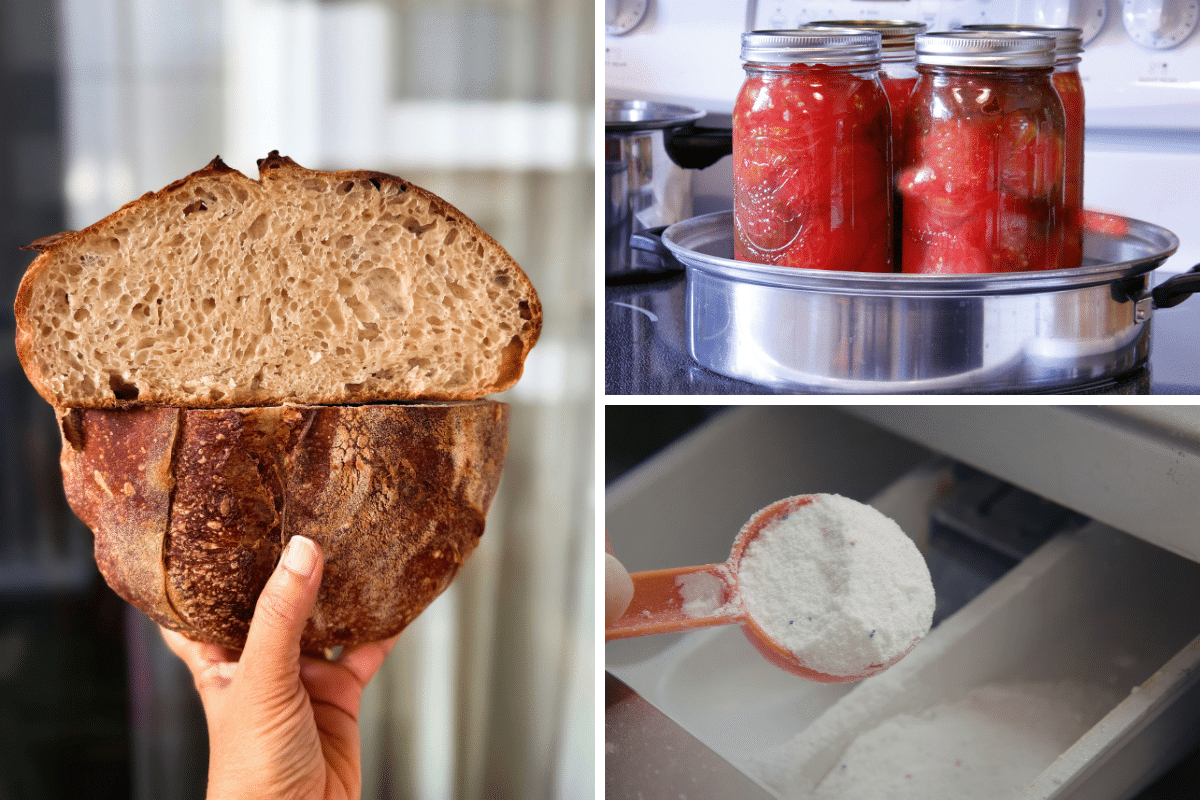
Let’s be honest: convenience comes at a cost. Many of us reach for the pre-made, pre-packaged, or pre-sanitized because it’s “easier” but ease often comes with a hidden price tag. A few small DIY habits can save hundreds each year, and often taste or perform better than the store-bought versions.
Here are some easy ways to take back both your budget and a bit of independence:
- Make your own laundry detergent: A few basic ingredients can create a detergent that’s cheaper, gentler, and surprisingly effective. Bonus: no harsh chemicals. Read more →
- Bake your own bread: Nothing beats the smell of fresh bread, and the cost per loaf is pennies compared to the grocery aisle. Plus, you can customize flavors and grains. Read more →
- Mix up cleaning supplies: Vinegar, baking soda, and a few essential oils go a long way. You’ll save money and avoid the mystery ingredients lurking in commercial products. Read more →
- Preserve summer’s bounty: Canning, freezing, or dehydrating seasonal fruits and veggies keeps produce fresh for months, stretching your grocery budget and flavoring your meals year-round. Read more →
- Homemade gifts: DIY gifts are thoughtful, memorable, and far cheaper than buying pre-packaged options, especially during holidays or birthdays. Read more →
Even just one of these habits a week adds up over time. The payoff isn’t just financial. It’s the satisfaction of knowing you did it yourself, better, and smarter.
Why Community Still Matters in Tough Times
When prices soar and uncertainty feels constant, having a community you can rely on isn’t just nice… it’s essential. That’s exactly what we’re building here at Everyday Cheapskate: a space to swap tips, share hacks, and cheer each other on as we stretch every dollar, tackle DIY projects, and get a little more self-sufficient.
Want a steady stream of actionable tips, hacks, and DIY wins? Sign up for my free daily or weekly newsletter… your shortcut to saving time, money, and stress, plus a free 35-page eBook as a thank-you.
Question: What’s one thing you’ve changed at home lately to save money and did it actually make a difference? Share in the comments below.
EverydayCheapskate™ is reader-supported. We participate in the Amazon Services LLC Associates Program and other affiliate advertising programs, designed to provide a means for us to earn from qualifying purchases, at no cost to you.

More from Everyday Cheapskate
 https://www.everydaycheapskate.com/wp-content/uploads/20261012-Woman-using-smartphone-while-checking-monthly-cellular-data-usage-on-laptop.png
800
1200
Mary Hunt
https://www.everydaycheapskate.com/wp-content/uploads/EC-Logo-by-Mary-Hunt-Tagline-Trimmed.png
Mary Hunt2026-10-12 10:51:112026-10-12 10:51:11Do You Really Need Unlimited Data? Check Before You Pay
https://www.everydaycheapskate.com/wp-content/uploads/20261012-Woman-using-smartphone-while-checking-monthly-cellular-data-usage-on-laptop.png
800
1200
Mary Hunt
https://www.everydaycheapskate.com/wp-content/uploads/EC-Logo-by-Mary-Hunt-Tagline-Trimmed.png
Mary Hunt2026-10-12 10:51:112026-10-12 10:51:11Do You Really Need Unlimited Data? Check Before You Pay https://www.everydaycheapskate.com/wp-content/uploads/20261011-Woman-Adjusting-Smart-Home-Device-on-the-Wall-how-to-lower-your-electric-bill.png
800
1200
Mary Hunt
https://www.everydaycheapskate.com/wp-content/uploads/EC-Logo-by-Mary-Hunt-Tagline-Trimmed.png
Mary Hunt2026-10-11 23:01:562026-10-11 23:01:56Stop Chasing Pennies on Your Electric Bill. Do This
https://www.everydaycheapskate.com/wp-content/uploads/20261011-Woman-Adjusting-Smart-Home-Device-on-the-Wall-how-to-lower-your-electric-bill.png
800
1200
Mary Hunt
https://www.everydaycheapskate.com/wp-content/uploads/EC-Logo-by-Mary-Hunt-Tagline-Trimmed.png
Mary Hunt2026-10-11 23:01:562026-10-11 23:01:56Stop Chasing Pennies on Your Electric Bill. Do This https://www.everydaycheapskate.com/wp-content/uploads/20261007-red-present-sitting-in-autumn-leaves-Amazon-Prime-Big-Deal-Days-gifts.png
800
1200
Mary Hunt
https://www.everydaycheapskate.com/wp-content/uploads/EC-Logo-by-Mary-Hunt-Tagline-Trimmed.png
Mary Hunt2026-10-06 23:09:432026-10-06 23:09:43Christmas Shopping in October? These Prime Day Gifts Make Sense
https://www.everydaycheapskate.com/wp-content/uploads/20261007-red-present-sitting-in-autumn-leaves-Amazon-Prime-Big-Deal-Days-gifts.png
800
1200
Mary Hunt
https://www.everydaycheapskate.com/wp-content/uploads/EC-Logo-by-Mary-Hunt-Tagline-Trimmed.png
Mary Hunt2026-10-06 23:09:432026-10-06 23:09:43Christmas Shopping in October? These Prime Day Gifts Make Sense https://www.everydaycheapskate.com/wp-content/uploads/20261006-prime-big-deal-days-have-landed.png
800
1200
Mary Hunt
https://www.everydaycheapskate.com/wp-content/uploads/EC-Logo-by-Mary-Hunt-Tagline-Trimmed.png
Mary Hunt2026-10-05 11:01:432026-10-07 09:02:53EC’s Top Picks from Amazon Prime Big Deal Days 2026
https://www.everydaycheapskate.com/wp-content/uploads/20261006-prime-big-deal-days-have-landed.png
800
1200
Mary Hunt
https://www.everydaycheapskate.com/wp-content/uploads/EC-Logo-by-Mary-Hunt-Tagline-Trimmed.png
Mary Hunt2026-10-05 11:01:432026-10-07 09:02:53EC’s Top Picks from Amazon Prime Big Deal Days 2026 https://www.everydaycheapskate.com/wp-content/uploads/20261004-reduce-healthcare-costs-with-three-habits-healthy-couple-walking-in-autumn-leaves.png
800
1200
Mary Hunt
https://www.everydaycheapskate.com/wp-content/uploads/EC-Logo-by-Mary-Hunt-Tagline-Trimmed.png
Mary Hunt2026-10-04 23:08:572026-10-04 23:09:47How to Reduce Healthcare Costs With 3 Free Daily Habits
https://www.everydaycheapskate.com/wp-content/uploads/20261004-reduce-healthcare-costs-with-three-habits-healthy-couple-walking-in-autumn-leaves.png
800
1200
Mary Hunt
https://www.everydaycheapskate.com/wp-content/uploads/EC-Logo-by-Mary-Hunt-Tagline-Trimmed.png
Mary Hunt2026-10-04 23:08:572026-10-04 23:09:47How to Reduce Healthcare Costs With 3 Free Daily Habits https://www.everydaycheapskate.com/wp-content/uploads/20261004-woman-dreaming-about-her-financial-and-life-goals.png
800
1200
Mary Hunt
https://www.everydaycheapskate.com/wp-content/uploads/EC-Logo-by-Mary-Hunt-Tagline-Trimmed.png
Mary Hunt2026-10-04 12:50:422026-10-04 12:50:42She Lived in a Basement for $100 a Month. Here’s Why.
https://www.everydaycheapskate.com/wp-content/uploads/20261004-woman-dreaming-about-her-financial-and-life-goals.png
800
1200
Mary Hunt
https://www.everydaycheapskate.com/wp-content/uploads/EC-Logo-by-Mary-Hunt-Tagline-Trimmed.png
Mary Hunt2026-10-04 12:50:422026-10-04 12:50:42She Lived in a Basement for $100 a Month. Here’s Why. https://www.everydaycheapskate.com/wp-content/uploads/20241004-news-you-can-use-october-everyday-cheapskate-top-news-articles.png
800
1200
Mary Hunt
https://www.everydaycheapskate.com/wp-content/uploads/EC-Logo-by-Mary-Hunt-Tagline-Trimmed.png
Mary Hunt2026-10-04 01:04:052026-10-16 16:24:53News You Can Use • October 2026
https://www.everydaycheapskate.com/wp-content/uploads/20241004-news-you-can-use-october-everyday-cheapskate-top-news-articles.png
800
1200
Mary Hunt
https://www.everydaycheapskate.com/wp-content/uploads/EC-Logo-by-Mary-Hunt-Tagline-Trimmed.png
Mary Hunt2026-10-04 01:04:052026-10-16 16:24:53News You Can Use • October 2026 https://www.everydaycheapskate.com/wp-content/uploads/20261003-woman-hugging-elderly-mother-sandwich-generation-caring-for-aging-parents.png
800
1200
Mary Hunt
https://www.everydaycheapskate.com/wp-content/uploads/EC-Logo-by-Mary-Hunt-Tagline-Trimmed.png
Mary Hunt2026-10-03 10:47:222026-10-03 10:47:25Sandwiched Between Aging Parents and Adult Children
https://www.everydaycheapskate.com/wp-content/uploads/20261003-woman-hugging-elderly-mother-sandwich-generation-caring-for-aging-parents.png
800
1200
Mary Hunt
https://www.everydaycheapskate.com/wp-content/uploads/EC-Logo-by-Mary-Hunt-Tagline-Trimmed.png
Mary Hunt2026-10-03 10:47:222026-10-03 10:47:25Sandwiched Between Aging Parents and Adult Children https://www.everydaycheapskate.com/wp-content/uploads/20260927-impossible-lasagna-pie-recipe-with-wooden-serving-spoon-in-white-casserole-dish.png
800
1200
Mary Hunt
https://www.everydaycheapskate.com/wp-content/uploads/EC-Logo-by-Mary-Hunt-Tagline-Trimmed.png
Mary Hunt2026-09-28 09:38:592026-09-28 22:48:34Impossible Lasagna Pie: All the Flavor, None of the Noodles
https://www.everydaycheapskate.com/wp-content/uploads/20260927-impossible-lasagna-pie-recipe-with-wooden-serving-spoon-in-white-casserole-dish.png
800
1200
Mary Hunt
https://www.everydaycheapskate.com/wp-content/uploads/EC-Logo-by-Mary-Hunt-Tagline-Trimmed.png
Mary Hunt2026-09-28 09:38:592026-09-28 22:48:34Impossible Lasagna Pie: All the Flavor, None of the Noodles

I had to laugh at your ‘bad’ groundhog information. My birthday is on ‘Groundhog Day’ and everyone thinks I should be an expert on the rodent. I’ve never been able to remember whether its see his shadow, more winter, or no shadow early spring – and frankly – I don’t care! I live in Illinois. We can range in temps from 100+ degrees to 25 degrees below zero. Just last month, we had a 53 degree day. Crazy! I get up in the morning and look out the window – that’s how I tell when its spring!! No rodent needed!
Mary, I tried Misfits Market for a few shipments before giving up. The produce is okay and the price is close to what the supermarkets are charging, but the shipping is poor. Everything was sent in a box way too big for the products, so the produce was tossed and knocked around and came to me in very battered condition. Some fruits and vegetables had to be thrown out, and that eliminated any savings. I think the concept is great, but it hasn’t been thought out to prevent damage.
Thank you for your emails! I read your advice and suggestions, and even if I don’t need it right now when I do, I know where to look it up! Just reading your articles motivates me to do better in all areas! Thanks for taking the time to do this.
While I agree that manufacturers are ripping us off I have tried Imperfect Foods and was not happy. I’m sure it’s a great deal in some places but I found the food to be either closely comparable in price to store items or even considerably more expensive than what I would pay in the store.
Regarding homemade bread: I love to make my own bread but truthfully when I can buy a loaf of split top wheat bread at Aldi for less than a dollar, home made is not cost effective.
I can make a loaf of sourdough bread for 86 cents currently. All that’s needed is water, flour (partly whole wheat, partly bread flour), and time. We avoid all those preservatives that are in the already-sliced stuff, and the flavor of homemade bread is hard to beat.
Here’s the recipe:
Homemade Artisan Bread—Amazingly Easy and So Delicious!
I watchout for markdowns on food, cake mix 30 cents and made many mini cakes with walnuts and froze them .Fruits marked down, cut up froze them, can defrost and still taste great, also great for smoothies.
What you call “shrinkflation”, my mother always referred to as “raising the price without raising the price”. Either way, you’re paying more without noticing which is sneaky sneaky.
it’s nothing new – shrinkage has been going on for years. i’m 75 so i know what i’m talking about
Another tip – grow your own herbs! It saves a ton – fresh and dried herbs can be pricey at the store – and it’s fun to do! I also grow some herbs for tea – my own loose-leaf for the cost of a small packet of seeds and a little bit of time!
I use coupons and ebate sites like ibotta, checkout51, kroger cash and kroger coupons, fetch, etc. I get a lot of free foods and products combining coupons and ebates like ibotta and fetch. I spend about $60 a week for 4 adults and sometimes 3 kids and get about 30-40 back every two weeks. Every dime helps. I do surveys (different survey sites) for amazon cash and that is where we get our TP and PT using survey cash. It helps when you only make 30,000 a year and have 4-7 people to feed at times. I love transferring money to my bank every week or so.
I switched to cloth napkins. I have only purchases 2 rolls of paper towels in last year.
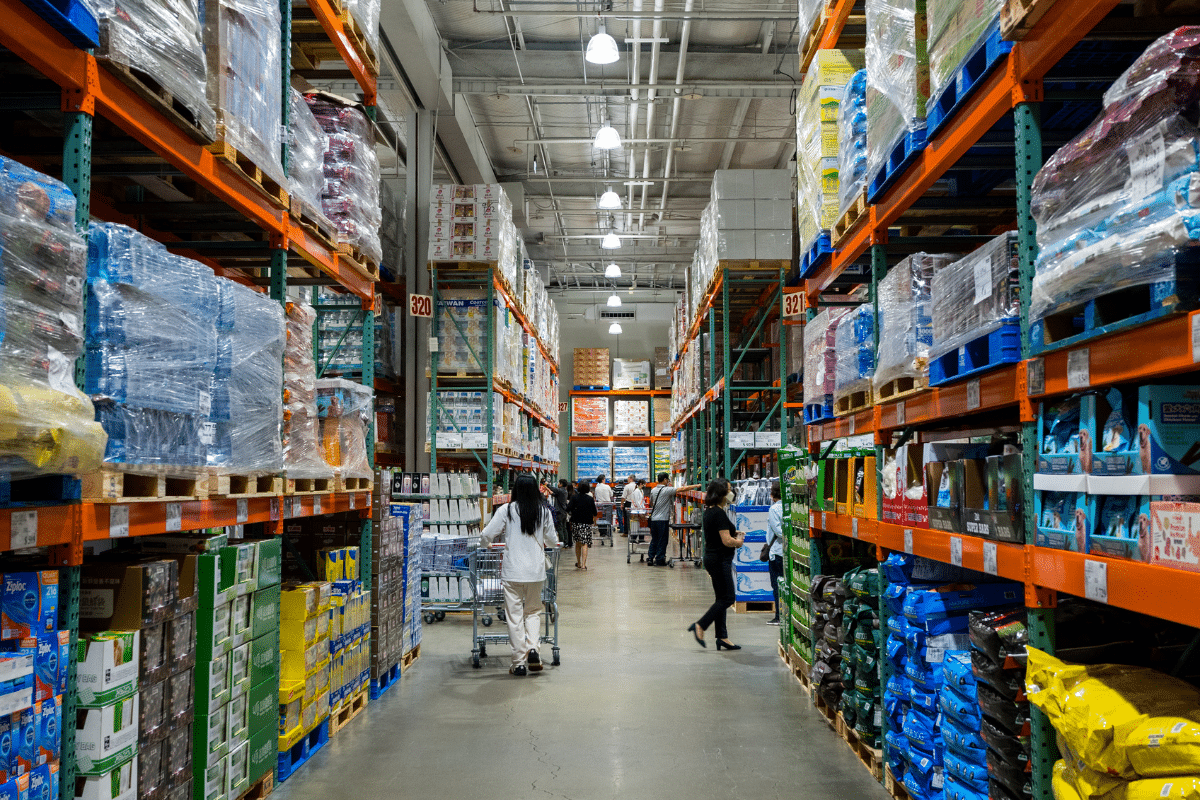
When I bought Kirkland paper towels a couple of weeks ago, I thought they were pulling something sneaky, but not so. I looked at the sign above paper towels, which gives an explanation. It said the amount of towels per roll has decreased, but the price per towel has remained the same; they did this to ensure more packages are available to members since the demand has skyrocketed and they don’t want to run out. We know what that’s like! So we are getting less, but also at a lower price.
Thanks for sharing that, Barbara! I didn’t see a sign, but that doesn’t mean it’s not there. Good for Costco!
i have switched to rags. less waste, saves money. i cut up old towels, use sox for dusting, etc. i put the used ones in a bucket to b laundered
when necessary.
Me, too, Peggy. I use paper towles for very specific purposes (draining bacon grease, for ex) and very rarely. I do a load of nasty rags every 2 or 3 months.
Mary!! Thank you for these great tips!!
A website called Mouseprint is eye-opening. Just like your paper towels mentioned in the article, month after month they highlight sneaky down-sizing of products (as well as other deceptive practices to trick the consumer). For example, does your peanut butter jar have an indentation in the bottom? It looks like it is the same size as you’ve always bought but they just took out an ounce or two by making that indent! Sneaky!
when i first arrived in my new home, the yogurt in the grocery store was 8 oz. it then went to 6 oz, now it is 4.5 oz. why not keep it the same size and charge more. there is no trust for the companies. what happened to the truth?