

How to Get Rid of Creeping Charlie and Reclaim Your Lawn


Creeping Charlie ground ivy might have seemed like a charming addition to your garden at first, but now it’s become a relentless invader in your lawn. Learn how to get rid of Creeping Charlie ground ivy and reclaim your turf by banishing this pesky weed for good. These effective solutions and expert advice will help with ground ivy removal and restore your lawn’s health and beauty.

When I was a newlywed, a friend and I actually shared Creeping Charlie cuttings. We planted them in pots to decorate our porches and felt like prolific gardeners because they grew so fast. And grow they did… just not where we wanted them.
Dear Mary: I have lived in my house for over 30 years and experienced many maintenance issues that could be solved. But this is a first… a horrible weed infestation called Creeping Charlie ground ivy has taken over the lawn.
I have tried weed killers, but nothing I’ve tried has worked to kill the entire weed down to the roots. I look at my neighbor’s lawn and see it growing there, too. Do you have a recommendation on how to get rid of Creeping Charlie ground ivy that won’t kill the grass? Thanks, Beth
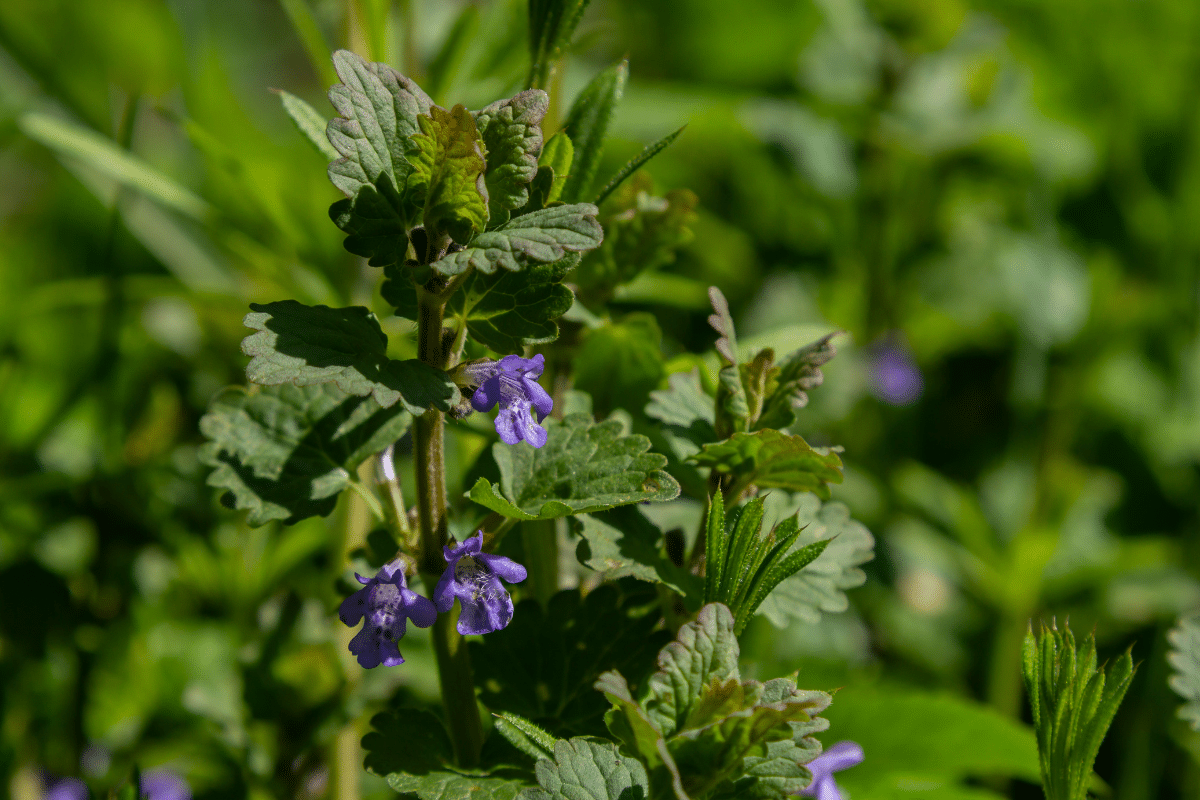
Dear Beth: You’re dealing with one of the most stubborn lawn invaders out there. Creeping Charlie (Glechoma hederacea) may look harmless with its pretty little purple flowers, but don’t let that fool you. It spreads easily and refuses to stay where it belongs. And yes… that’s exactly the problem. A plant becomes a weed the moment it refuses to stay in its lane.
Mention Creeping Charlie to anyone who works hard for a healthy yard, and you’ll likely hear a long, frustrated groan. It’s that kind of problem. But hang on… I’ve got some practical solutions that really do work when it comes to ground ivy removal.
What Makes Creeping Charlie So Hard to Kill?
Creeping Charlie, often called ground ivy, isn’t just another weed. It’s a determined little survivor.
It spreads through creeping stems that root wherever they touch the soil, which means one plant can quietly turn into a patch before you even notice. Those round, scalloped leaves and tiny purple flowers may look harmless, but underneath, it’s building a network (rhizomes) that’s tough to break.
It also happens to love the exact spots where grass struggles: shade, damp soil, and thin turf.
And here’s the kicker: it shrugs off many common weed killers. That’s where most people lose time and money. You follow directions. You spray. You wait. And Charlie just… smiles and keeps growing.
The Biggest Mistake Most People Make
Let’s save you some frustration right here. Most “all-purpose” weed killers don’t work on Creeping Charlie. They may burn the leaves and make it look like you’re winning, but that’s just surface damage. The real problem is below ground, where those creeping stems keep spreading and rooting.
In other words, you’re trimming the symptoms while the cause keeps growing. That’s why it seems to disappear for a week or two… and then quietly comes back like nothing happened.
If you’ve been spraying, waiting, and repeating with the same results, it’s not you… it’s the product. Ground ivy removal requires a more targeted approach, or you’ll just keep spending money for temporary relief.
What Actually Works (And Why)
If your infestation is small, you can try hand-pulling. But (and this is a big “but”) you must remove every bit of that root system. Miss even a tiny piece, and it will happily grow back like you never showed up.
That makes hand-pulling a decent option for early trouble… but a frustrating one for anything more established. For a larger invasion, it’s time to be practical.
I wish I had a simple homemade solution to offer here, but this is one of those situations where the stronger, targeted approach really does make the difference. A selective herbicide formulated for tough broadleaf weeds is your best bet in ground ivy removal.
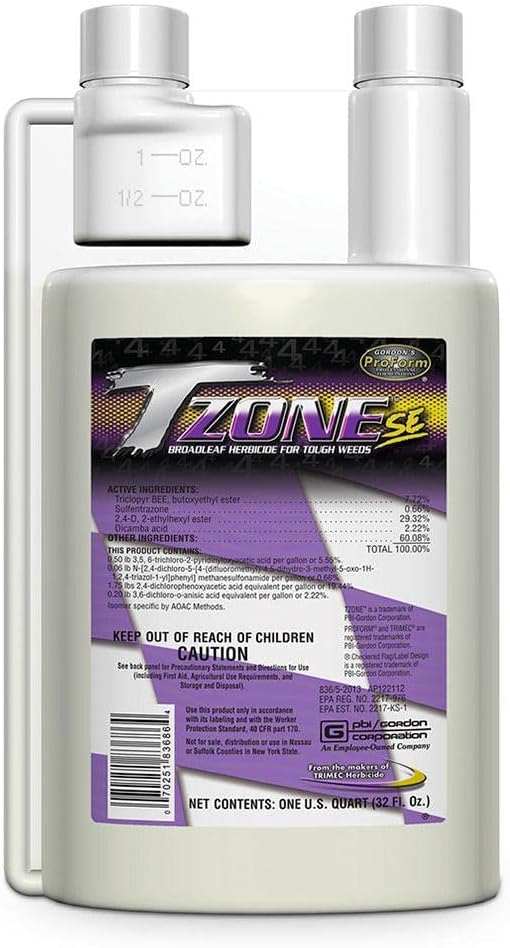
TZONE SE Broadleaf Herbicide for Tough Weeds, 1 Quart
One option that’s proven effective is T-Zone Turf Herbicide, specifically designed to take out weeds like Creeping Charlie without damaging your lawn when used as directed.
Simple application guideline:
- Mix about 1.2 oz per gallon of water
- Apply to actively growing weeds
- Plan for a second application if needed
This isn’t instant gratification, but it is how you win the long game without wasting time, energy, or money on methods that only half-work.
Timing Matters More Than You Think
If you want better results with less product, timing is everything. Creeping Charlie follows a predictable pattern, and once you understand it, you can work with it instead of against it.
- Your best window? Early fall. That’s when the plant is pulling nutrients down into its roots to prepare for winter which means it will also pull the broadleaf weed herbicide down where it can do the most damage.
- Second best option: mid to late spring. You’ll still see results, especially when the plant is actively growing, but it may take a bit more patience (and possibly a second application).
One thing to avoid: spraying during extreme heat or when the plant is stressed. When it’s struggling, ground ivy is not actively moving nutrients (or anything else) through its system. That means your efforts sit on the surface, and your money goes with it.
Smarter Spraying (Without Overdoing It)
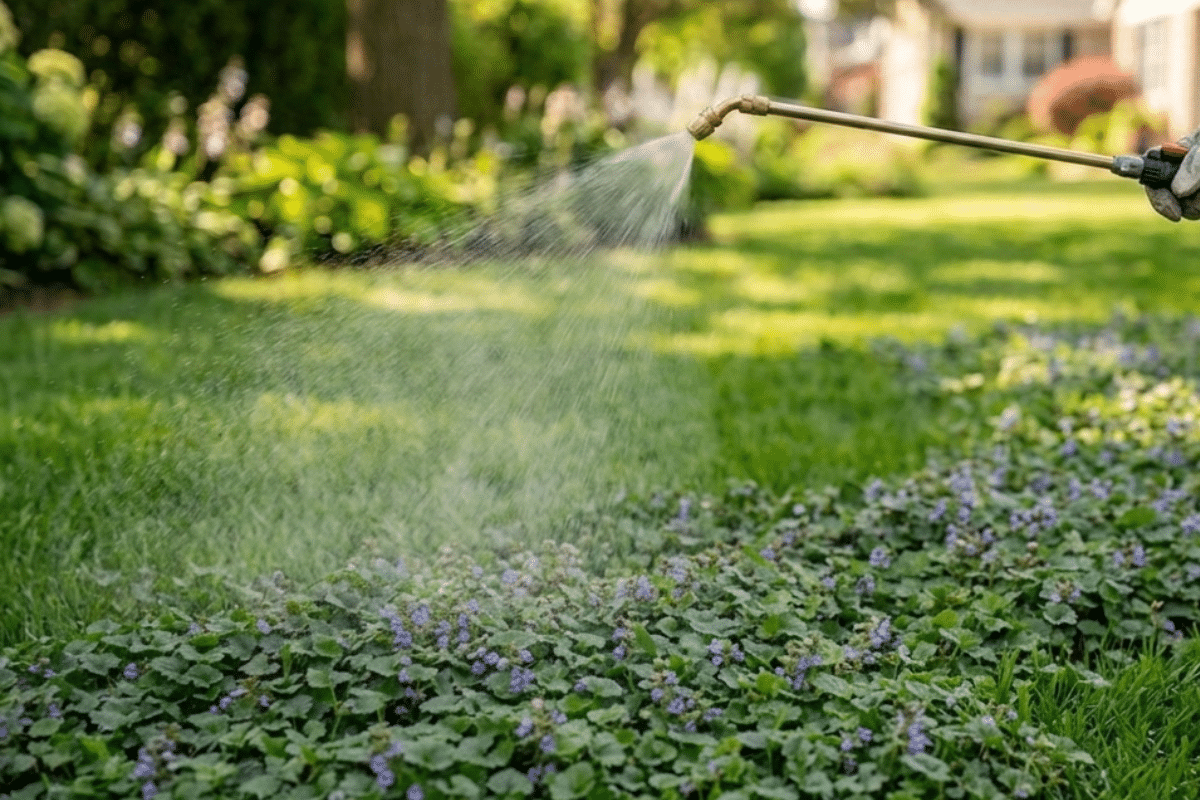
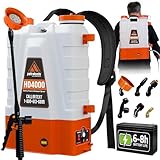
You don’t need fancy equipment, but using the right tool for the job makes this a whole lot easier. For small areas, a simple pump sprayer will do the trick. If you’re dealing with a larger lawn, a backpack sprayer is worth considering. It saves time, keeps your coverage even, and spares your back. A few simple tips that make a real difference:
- Spray on a calm day so it lands where you intend.
- Lightly coat the leaves. No need to drench the soil.
- Walk at a steady pace to avoid missed spots or over-application.
Think of it like painting, not power washing. Even coverage wins every time in ground ivy removal and uses a lot less product in the process.

Safety First
It’s crucial to prioritize safety when using T-Zone Turf Herbicide in your yard.
- Keep kids and pets off the treated area until it’s completely dry.
- Before you start spraying, take a minute to cover up: gloves, eye protection, and full-coverage clothing. The chemicals in T-Zone Turf Herbicide can be harmful if they come into contact with your skin or eyes.
- When you’re finished, wash your hands (and anything else that might have been exposed), even if you think you were careful.
Take the time to thoroughly read and understand the product warnings to ensure a safe application process.
A Lower-Chemical Option
If you’d rather keep herbicides to a minimum, there is another way, but it requires persistence. This isn’t a once-and-done project. Ground ivy removal requires a quiet, steady campaign.
- Hand-pull regularly: Start with regular hand-pulling weekly, not “whenever you think of it.” The goal is to stay ahead of it, not let it regroup. And yes, you’ll want to pull as much of the root as you can each time.
- Smother patches with cardboard + mulch: For thicker patches, try smothering the area with cardboard topped with mulch. It blocks light, weakens the plant, and gives you a cleaner slate to work from.
- Improve sunlight by trimming back shade where possible: If shade is part of the problem (and it often is), letting in a little more sunlight by trimming back nearby branches can make your lawn less inviting to Creeping Charlie in the first place.
This approach takes longer, no question. But for smaller areas, garden beds, or anyone who prefers a more hands-on method, it can absolutely get the job done.
How to Keep Creeping Charlie From Coming Back
Getting rid of Creeping Charlie is just the first step. The real win comes from keeping it gone. The trick? Make your lawn less inviting.
Ground ivy loves weak, thin lawns, soggy patches, and shady corners. By giving your grass the environment it needs to thrive, you naturally push the weed out. Here’s how to set yourself up for long-term success:
- Mow at the proper height: Scalping your lawn stresses the grass and gives weeds a foothold.
- Fertilize strategically: Thick, healthy turf crowds out invaders and recovers faster from any damage.
- Improve drainage: Soggy spots are a welcome mat for Creeping Charlie, so address low areas or compacted soil.
- Fill in thin spots: Overseed or patch bare areas so your lawn stays dense and competitive.
A thick, healthy lawn is your best long-term defense and it costs less than repeated treatments.
When to Call It Done
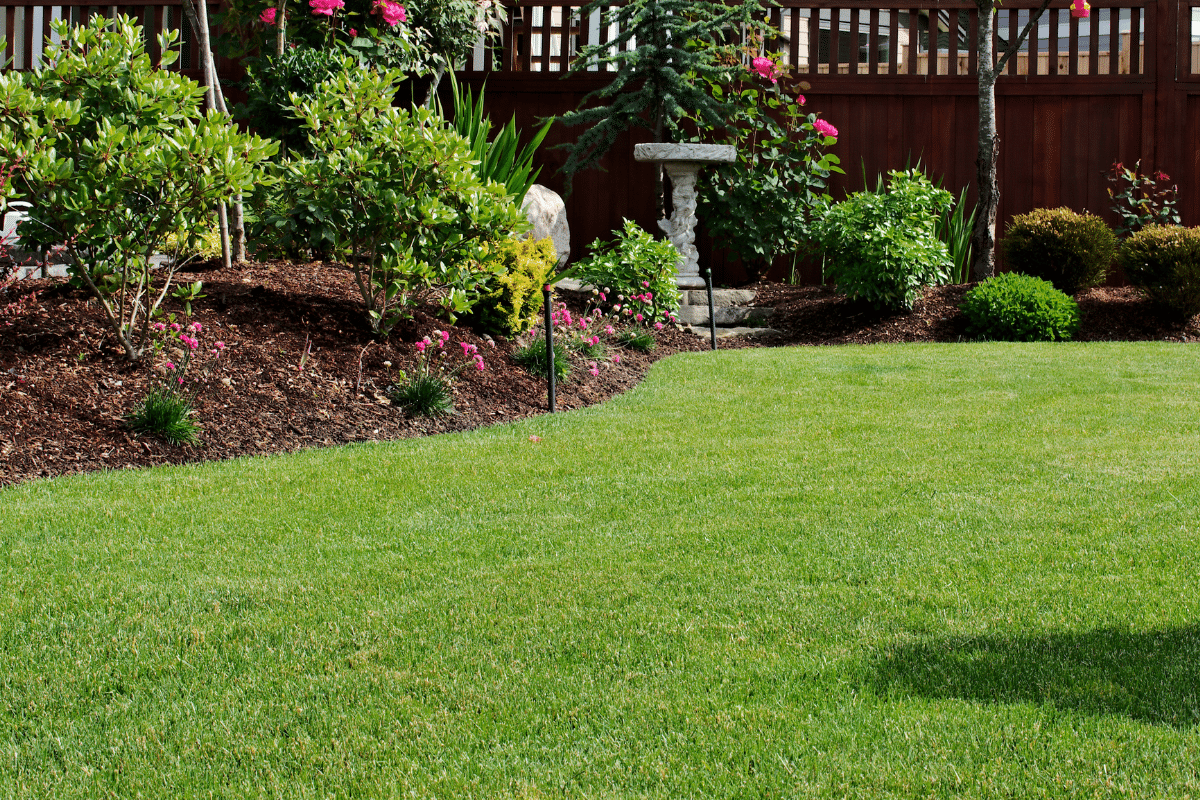
Here’s the honest truth: you may not eliminate every trace of Creeping Charlie in one season. And that’s okay. Progress looks like smaller patches, thinner growth, and grass starting to reclaim its territory.
Consistency is your friend here. Stick with the plan, and you’ll see results without wasting money on products that overpromise and underdeliver.
Before you throw in the towel, it helps to see the process in action. Lawn care expert Ryan Knorr has a clear, step-by-step video showing exactly how to tackle Creeping Charlie and ground ivy removal.
Wishing you success in reclaiming your lawn. And if Charlie ever feels like he’s winning… just remember, I once invited him over on purpose.
Creeping Charlie FAQ
Can I keep Creeping Charlie in my yard if I like it?
Absolutely! Some readers love how it looks in small patches or even use it to make tea. It’s a resilient ground cover with historical uses in herbal remedies and brewing. If it’s not bothering your grass, you can leave it and even enjoy a little garden charm.
Are herbicides safe for pets and kids?
Yes, but only if used carefully. Products like T-Zone Turf Herbicide are safe for pets when applied according to the label. Keep children and pets off treated areas until completely dry, and always wear gloves, eye protection, and long sleeves while spraying.
Can I use T-Zone or other herbicides around flower beds?
Be cautious. Broadleaf herbicides don’t distinguish between Creeping Charlie and other broadleaf plants like poppies, tulips, or iris. For flower beds, hand-pulling or smothering with mulch is a safer approach.
What’s the best timing to treat Creeping Charlie?
Early fall is ideal. Plants are moving nutrients into their roots, so herbicides are more effective. Mid to late spring is your second-best option. Avoid spraying during extreme heat or when plants are stressed; it won’t reach the roots effectively.
Are there eco-friendly ways to control Creeping Charlie?
Definitely! Some readers prefer minimal herbicides or none at all. You can hand-pull regularly, smother patches with cardboard and mulch, and improve sunlight and drainage to discourage growth. Over time, these methods can be very effective, especially for smaller infestations or garden beds.
How long before I see results after treatment?
Be patient. This isn’t an overnight fix. Look for smaller patches, thinner growth, and grass reclaiming space. Consistency and correct application are key. Many readers report visible improvement in one to two seasons depending on the method used.
Are there alternative herbicides besides T-Zone?
Yes, options like Spectracide or Crossbow (higher triclopyr ratio) can work well. Just remember each product has its own precautions, and using the right herbicide at the right rate matters for both effectiveness and safety.
How do I get rid of other tough weeds like Quack Grass or Field Bindweed?
These weeds are a step up in stubbornness from Creeping Charlie, but you can get them under control with persistence and strategy. Quack Grass: It spreads via underground rhizomes, so hand-pulling rarely works unless you remove every bit of root. Repeatedly mow or cut it down to weaken it over time, and consider a selective grass-safe herbicide formulated for grassy weeds. Improving soil health and thickening your lawn can also reduce its spread. Field Bindweed: This one’s relentless. Hand-pull or dig carefully, making sure to get the long, trailing roots. Mulching and covering patches with cardboard can help starve it over time. For larger infestations, targeted herbicides like triclopyr (used carefully) can be effective, but multiple applications over several growing seasons are often needed. Both weeds require persistence. Keep monitoring, removing, and reapplying treatments as needed, and gradually your lawn or garden can outcompete these invaders.
Question: What’s the sneakiest lawn weed you’ve battled and did you finally win? Share in the comments below.
EverydayCheapskate™ is reader-supported. We participate in the Amazon Services LLC Associates Program and other affiliate advertising programs, designed to provide a means for us to earn from qualifying purchases, at no cost to you.

More from Everyday Cheapskate
 https://www.everydaycheapskate.com/wp-content/uploads/20261006-prime-big-deal-days-have-landed.png
800
1200
Mary Hunt
https://www.everydaycheapskate.com/wp-content/uploads/EC-Logo-by-Mary-Hunt-Tagline-Trimmed.png
Mary Hunt2026-10-05 11:01:432026-10-07 09:02:53EC’s Top Picks from Amazon Prime Big Deal Days 2026
https://www.everydaycheapskate.com/wp-content/uploads/20261006-prime-big-deal-days-have-landed.png
800
1200
Mary Hunt
https://www.everydaycheapskate.com/wp-content/uploads/EC-Logo-by-Mary-Hunt-Tagline-Trimmed.png
Mary Hunt2026-10-05 11:01:432026-10-07 09:02:53EC’s Top Picks from Amazon Prime Big Deal Days 2026 https://www.everydaycheapskate.com/wp-content/uploads/20260902-pumpkin-spice-latte-recipe-homemade-diy.png
800
1200
Mary Hunt
https://www.everydaycheapskate.com/wp-content/uploads/EC-Logo-by-Mary-Hunt-Tagline-Trimmed.png
Mary Hunt2026-09-02 16:16:022026-09-02 16:18:35Homemade Pumpkin Spice Latte Recipe (Cheaper, Better, Faster)
https://www.everydaycheapskate.com/wp-content/uploads/20260902-pumpkin-spice-latte-recipe-homemade-diy.png
800
1200
Mary Hunt
https://www.everydaycheapskate.com/wp-content/uploads/EC-Logo-by-Mary-Hunt-Tagline-Trimmed.png
Mary Hunt2026-09-02 16:16:022026-09-02 16:18:35Homemade Pumpkin Spice Latte Recipe (Cheaper, Better, Faster) https://www.everydaycheapskate.com/wp-content/uploads/20260831-Portrait-of-a-Pitbull-on-a-yellow-background-homemade-dog-treat-recipes.png
800
1200
Mary Hunt
https://www.everydaycheapskate.com/wp-content/uploads/EC-Logo-by-Mary-Hunt-Tagline-Trimmed.png
Mary Hunt2026-08-31 13:06:072026-09-28 22:49:173 Homemade Dog Treats Recipes Your Dog Will Love Most
https://www.everydaycheapskate.com/wp-content/uploads/20260831-Portrait-of-a-Pitbull-on-a-yellow-background-homemade-dog-treat-recipes.png
800
1200
Mary Hunt
https://www.everydaycheapskate.com/wp-content/uploads/EC-Logo-by-Mary-Hunt-Tagline-Trimmed.png
Mary Hunt2026-08-31 13:06:072026-09-28 22:49:173 Homemade Dog Treats Recipes Your Dog Will Love Most https://www.everydaycheapskate.com/wp-content/uploads/20260829-fall-yard-projects-to-tackle-before-the-first-frost-foilage-front-yard-home.png
800
1200
Mary Hunt
https://www.everydaycheapskate.com/wp-content/uploads/EC-Logo-by-Mary-Hunt-Tagline-Trimmed.png
Mary Hunt2026-08-29 17:25:422026-09-28 22:49:2010 Fall Yard Tasks to Complete Before First Frost Hits
https://www.everydaycheapskate.com/wp-content/uploads/20260829-fall-yard-projects-to-tackle-before-the-first-frost-foilage-front-yard-home.png
800
1200
Mary Hunt
https://www.everydaycheapskate.com/wp-content/uploads/EC-Logo-by-Mary-Hunt-Tagline-Trimmed.png
Mary Hunt2026-08-29 17:25:422026-09-28 22:49:2010 Fall Yard Tasks to Complete Before First Frost Hits https://www.everydaycheapskate.com/wp-content/uploads/20260826-DIY-cat-litter-deodorizer-kitten-looking-up-at-camera-from-box.png
800
1200
Mary Hunt
https://www.everydaycheapskate.com/wp-content/uploads/EC-Logo-by-Mary-Hunt-Tagline-Trimmed.png
Mary Hunt2026-08-25 21:17:362026-09-28 22:49:26The One-Ingredient Litter Box Trick That Costs Pennies
https://www.everydaycheapskate.com/wp-content/uploads/20260826-DIY-cat-litter-deodorizer-kitten-looking-up-at-camera-from-box.png
800
1200
Mary Hunt
https://www.everydaycheapskate.com/wp-content/uploads/EC-Logo-by-Mary-Hunt-Tagline-Trimmed.png
Mary Hunt2026-08-25 21:17:362026-09-28 22:49:26The One-Ingredient Litter Box Trick That Costs Pennies https://www.everydaycheapskate.com/wp-content/uploads/20260822-central-AC-maintenance-air-condenser-outdoors.png
800
1200
Mary Hunt
https://www.everydaycheapskate.com/wp-content/uploads/EC-Logo-by-Mary-Hunt-Tagline-Trimmed.png
Mary Hunt2026-08-22 14:19:562026-09-28 22:49:43How to Extend the Life of Your Central AC (5 Late-Summer Tune-Up Tips)
https://www.everydaycheapskate.com/wp-content/uploads/20260822-central-AC-maintenance-air-condenser-outdoors.png
800
1200
Mary Hunt
https://www.everydaycheapskate.com/wp-content/uploads/EC-Logo-by-Mary-Hunt-Tagline-Trimmed.png
Mary Hunt2026-08-22 14:19:562026-09-28 22:49:43How to Extend the Life of Your Central AC (5 Late-Summer Tune-Up Tips) https://www.everydaycheapskate.com/wp-content/uploads/20260820-how-to-keep-ants-away-after-youve-killed-the-ant-hill.png
800
1200
Mary Hunt
https://www.everydaycheapskate.com/wp-content/uploads/EC-Logo-by-Mary-Hunt-Tagline-Trimmed.png
Mary Hunt2026-08-20 14:17:552026-09-28 22:49:46How to Keep Ants Away After You Treat the Ant Hill
https://www.everydaycheapskate.com/wp-content/uploads/20260820-how-to-keep-ants-away-after-youve-killed-the-ant-hill.png
800
1200
Mary Hunt
https://www.everydaycheapskate.com/wp-content/uploads/EC-Logo-by-Mary-Hunt-Tagline-Trimmed.png
Mary Hunt2026-08-20 14:17:552026-09-28 22:49:46How to Keep Ants Away After You Treat the Ant Hill https://www.everydaycheapskate.com/wp-content/uploads/20260815-how-to-water-your-lawn-without-wasting-money.png
800
1200
Mary Hunt
https://www.everydaycheapskate.com/wp-content/uploads/EC-Logo-by-Mary-Hunt-Tagline-Trimmed.png
Mary Hunt2026-08-15 12:45:022026-09-28 22:49:51How to Water Your Lawn Without Wasting Money This Summer
https://www.everydaycheapskate.com/wp-content/uploads/20260815-how-to-water-your-lawn-without-wasting-money.png
800
1200
Mary Hunt
https://www.everydaycheapskate.com/wp-content/uploads/EC-Logo-by-Mary-Hunt-Tagline-Trimmed.png
Mary Hunt2026-08-15 12:45:022026-09-28 22:49:51How to Water Your Lawn Without Wasting Money This Summer https://www.everydaycheapskate.com/wp-content/uploads/20260812-zucchini-overload-what-to-do-with-a-bunch-of-zucchini.png
800
1200
Mary Hunt
https://www.everydaycheapskate.com/wp-content/uploads/EC-Logo-by-Mary-Hunt-Tagline-Trimmed.png
Mary Hunt2026-08-12 17:48:312026-09-28 22:49:57Zucchini Overload? 10 Ways to Use Up Your Garden Surplus
https://www.everydaycheapskate.com/wp-content/uploads/20260812-zucchini-overload-what-to-do-with-a-bunch-of-zucchini.png
800
1200
Mary Hunt
https://www.everydaycheapskate.com/wp-content/uploads/EC-Logo-by-Mary-Hunt-Tagline-Trimmed.png
Mary Hunt2026-08-12 17:48:312026-09-28 22:49:57Zucchini Overload? 10 Ways to Use Up Your Garden SurplusPlease keep your comments positive, encouraging, helpful, brief,
and on-topic in keeping with EC Commenting Guidelines
Last update on 2026-10-19 / Affiliate links / Images from Amazon Product Advertising API


I know how to kill broadleaf weeds, but WHAT do you do to get rid of Quack grass????? Help…
It is taking over me and my neighbor’s lawn…
You’ve got me on this one. So inviting readers to weigh in on what has worked for them! Anyone ….?
I would LOVE to keep the creeping Charlie in my yard and permanently banish that dratted field bindweed! I’m sure it has a reason for existing, but it’s far worse than poor ol’ Charlie.
rachel-thank you! i think charlie is rather attractive, much nicer in appearence than the sparse grass that has to be pulled out as it’s only a clump here and a clump there. i wish charlie would take over my back yard. further down someone mentions making tea with it. sound like a great idea
Here in Minnesota, creeping charlie is particularly invasive. On Nextdoor, someone said to apply Fertilome Weedfree Zone AFTER the first freeze. This is when it is storing energy for the winter. I am going to try applying something after the first freeze here.
Try Atrazine. It has helped dollar weed which is ver similar to keeping Charlie
How long would you recommend I keep my pet away from the area I spray creeping charlie? I do not want to take any chances on harming our boy..
“TZone SE Herbicide is pet safe if used as instructed on the product label. Do not allow people or pets in the area while the product is being applied. Once the treated area has completely dried, it is then safe for pets and people to re-enter the area.”
I d rather use crossbow ag than t-zone. That way I can get a higher ratio of triclopyr and lower of 2-4d. T-zone is 2-4d with triclopyr added. Where crossbow use target clover and creeping Charlie and use less 2-4d. Triclopyr is nasty stuff and quite bad for the environment if used inappropriately. But it is the correct tool if 2-4d at nominal application rates alone isn’t working.
I had a massive invasion of creeping charlie. I used Spectricide (Home Depot or Walmart) and it was completely gone in 2 seasons.
I wonder if you have ever looked into the benefits of creeping charlie, that’s right I said benefits! There are some elder’s out there who would argue that it makes a great daily tea tonic loaded with vitamin A and C and much more, and at one time the number one ingredient in beer before hops replaced it’s popularity. It is considered an herbal mint, if you can’t beat it, you can make use of it.
Mary, thank you SO much for doing an article in reply to the email I sent you! I am going to investigate what you have suggested and will try to remember to let you know how it works. I do want to mention that I DO NOT have an increase of bees feeding on Creeping Charlie. I do have bees on the milkweed, lavender and other plants in my yard that bees love.
Yes, your message inspired this post, Beth!
I have been a longtime fan of your Everyday Cheapskate posts and have used countless suggestions and recipes from you. I have turned many students, family and friends into fans as well. Thank you!
My question is regarding the Creeping Charlie remedy in today’s column. Our infestation is limited to a flower bed where I have poppies, iris, tulips, and daffodils planted. Will the T-Zone turf herbicide hurt my flowers?
I’m not an expert on this subject, so consider this my personal opinion. The term “broadleaf” refers to a plant that is not a grass. The product label lists these grasses as being safe in the presence of T-Zone Turf Herbicide: Kentucky Bluegrass, Fescues, and Ryegrasses. I would not even consider using this product in your flower beds as I believe it would not distinguish between creeping charlie and say poppies, iris and tulips, all of which are broadleaf.
Please, please, please don’t recommend herbicides to your followers. Our planet is suffering from declining bee and butterfly populations that very well may end up being the end of us humans. First of all lawns don’t do anything to benefit our world, in fact they are taking up space that is needed for native plants to feed our dwindling native bees and caterpillars that feed baby birds and on up the food chain, where we are at the end of that chain. Professor Douglas Tallamay, of Delaware has Youtube videos, books and years of academic study that backs up these statements. We are in a world wide crisis called climate change and every follower you have has the ability to help alleviate the crisis by planting native plants and cutting back on their useless lawn spaces. Please help in this struggle to save humanity.
sharon, i agree with you on all counts. i consider grass to be a weed and fortunately, there is very little in my yard. grass, unless you have grazers as pets, or live on a golf course, has very little value to me. i wouldn’t mind if creeping charlie took over. it’s pretty. it’s resilient. it requires no effort on my part and at my age, that’s a blessing
Thank you for posting this, Sharon. Lawns are usually non-native plants and are not adapted for dry climates, with their shallow root systems, and require heavy watering, which is an unnecessary waste of water
We are looking to include more local wild flowers and plants. I hate the stuff that is sprayed on to kill weeds. I have trouble breathing around it.