

26 Easy Ways to Save $5 a Day Without Feeling Deprived

You don’t need a raise to save more money. Sometimes you just need to stop letting $5 slip away like loose change in the couch cushions. I’ve rounded up 26 everyday ways to save $5 a day. These are the small choices that quietly add up and actually stick, especially when life is busy and budgets feel tight. If you’ve ever looked at your bank balance and thought, “I make decent money. So where is it going?” this one’s for you.

Saving money doesn’t mean becoming a miser or draining the joy out of everyday life. This isn’t about cutting everything you like. It’s about noticing the small, repeat expenses that slip by unnoticed and choosing on purpose not to spend them. Just $5 a day, redirected instead of wasted, is enough to make a real difference. Especially when that money actually gets tucked away somewhere safe instead of quietly disappearing.
Here’s the part most people underestimate. Five dollars a day adds up to $1,825 in a year. That’s not spare change. That’s a weekend getaway, a solid emergency fund cushion, several months of groceries, a chunk off a credit card balance, or a nice buffer that lets you breathe a little easier when life throws a surprise. And if you take it one step further, parking that $1,825 in a high-yield savings account or investing it steadily, the impact grows without any extra effort from you.
The ideas below aren’t flashy. They’re practical, doable, and flexible enough to fit real schedules and real priorities. Pick a few that make sense for you. Skip the rest.
1. Brew Your Own Coffee
Your kitchen is a coffee shop waiting to happen. Put that machine on your countertop to work and skip the daily $5 latte. There’s a reason it’s called a coffeemaker. See how that works?
Here’s the part worth paying attention to: a basic coffee out usually runs $3 to $5, and specialty drinks can climb past that without breaking a sweat. Brew the same cup at home and you’re looking at pennies, often well under a dollar. Skip just one coffee-shop stop on workdays and you’ve saved about $25 a week. Do that all year and you’re keeping roughly $1,200 in your pocket. That’s real money for something you were going to drink anyway.
2. Pack Yesterday’s Dinner for Lunch
Fancy name: leftovers. Better name: free lunch. Bonus: you don’t have to fake a smile when your coworker asks to “try a bite.”
This one works because the money is already spent. Skipping lunch out just once can easily save $5–$10, and doing that a few times a week adds up fast. Even better, eating what you’ve already cooked keeps perfectly good food out of the trash, something we’re all paying for whether we notice it or not.
Leftovers don’t have to feel like punishment, either. Cold pizza is a classic for a reason. Leftover rice becomes fried rice in five minutes. That half a bag of Chinese takeout? Tomorrow’s lunch. Toss extra turkey into a sandwich or salad, turn wilting greens into soup, and suddenly yesterday’s dinner is today’s win.
3. Bring Your Own Snacks
That vending machine is just a shiny box of bad financial decisions. Toss some cheese and crackers or a banana in your bag and call it good.
Grabbing snacks on the fly usually means paying more for less… less nutrition, less satisfaction, and a quick energy crash that sends you right back for round two. Ultra-processed snacks are designed to keep you eating, not full, which is why a $2 bag of chips somehow leads to a $5 afternoon snack run.
Bringing your own flips the script. A snack with a little protein and fiber actually holds you until your next meal and it costs pennies. Think apple slices with peanut butter, yogurt and berries, a handful of nuts, hummus with veggies, or cheese and whole-grain crackers. Same convenience, better fuel, and you’re not feeding the vending machine every time your stomach growls.
4. Tap Water Is a Thing
We’re blessed to live in a country where water comes straight out of the faucet. Fill up a reusable bottle and pretend it’s artisanal.
Bottled water feels like a small, harmless expense until you realize you’re often paying more per gallon than milk for something that likely started as tap water anyway. In most U.S. homes, tap water is heavily regulated, tested constantly, and perfectly safe to drink. Bottled water? Less oversight, more plastic, higher price.
If taste or trust is the hang-up, a simple filter solves both for pennies a day. Keep a pitcher in the fridge or a bottle by the door, and suddenly that $1–$3 “just water” purchase disappears. Do that once a day and you’ve saved your $5 without trying very hard at all.
5. Avoid the Convenience Aisle
Those pre-chopped fruits and veggies? Same produce. Bigger price tag. Anything that’s sliced, diced, grated, or “ready to use” usually costs about 40% more. You’re paying for five minutes of someone else’s knife work.
Skip it. Buy the whole version and do it yourself. It counts as movement, and it keeps more money in your pocket. Make it easy, not heroic:
- Batch it once. Chop onions, peppers, carrots, or fruit on the weekend. Store in airtight containers so weekday cooking is grab-and-go.
- Freeze your own. If something’s about to turn, chop and freeze it. Future-you will be grateful.
- Use frozen on purpose. Frozen fruits and veggies are flash-frozen at peak ripeness and are just as nutritious, sometimes more so. Perfect for stir-fries, smoothies, soups, and omelets.
- Buy what’s in season. It’s cheaper, tastes better, and doesn’t need fancy packaging to sell itself.
Pro Tip: Bagged produce is weighed to meet federal standards, and stores often add a little extra to be safe. Pick up a few bags and choose the heaviest one.
6. Stay Home for Movie Night
Your couch doesn’t charge admission, the popcorn costs about a quarter per bowl, and yes… you get to wear pajamas.
A night at the movies now averages around $16 per ticket, and that’s before the previews roll. Add snacks and you’re easily looking at $30–$40 per person without even trying. Premium screens, motion seats, and evening showtimes only push it higher.
Make staying in feel intentional, not like you’re “missing out”:
- Rent or stream on purpose. One $6 rental can cover the whole household.
- Upgrade the snacks, not the venue. Popcorn kernels, a little real butter, maybe a candy you actually like. Still cheaper than one theater combo.
- Set a start time. Sounds small, but it turns “watching something” into movie night.
- Borrow instead of buy. Libraries often carry DVDs and Blu-rays, including new releases, for free.
If you still love the theater experience, save it for matinees or the occasional must-see film. But for everything else? Home wins on comfort, cost, and control of the pause button.
7. Use the Library
The library is like Amazon, but free. Quieter. And there’s zero guilt when your “to be read” pile gets wildly optimistic. Yes, books are the headline, but they’re just the beginning.
Most libraries now let you borrow instead of buy all kinds of useful, occasionally surprising things:
- E-books, audiobooks, movies, and music you can download instantly to your phone or tablet.
- Streaming services (think movies, documentaries, even music) at no cost.
- Museum passes, park passes, or local experiences perfect for a low-cost day out.
- Tools, kitchen gear, games, tech, or hobby equipment you only need once in a while.
- Free classes and learning platforms for everything from tech skills to languages.
- One-on-one help from an actual human who knows how to find answers.
Get a card (it’s usually free and takes minutes). Download the library’s apps so borrowing is as easy as tapping “buy” minus the charge. Search your library’s website to see what perks or resources they offer.
8. Stick to Free Apps & Services
That app upgrade promising “endless possibilities” is usually code for endless charges. Stick with the free version and call it good enough.
Most of us already spend close to $200 a year on apps, often without realizing it. And here’s the truth: for everyday tasks (i.e., notes, navigation, budgeting, photo storage, workouts, even streaming) the free version usually does the job just fine.
A smarter way to use apps without the drain:
- Start free. Always. If an app is useful after 30 days, then consider upgrading. Most never make it that far.
- Check your subscriptions twice a year. If you wouldn’t pay cash for it today, cancel it.
- Use built-in tools first. Your phone already handles scanning, reminders, password storage, and basic photo editing.
- Watch for “trial creep.” Free trials love to quietly turn into monthly charges. Set a calendar reminder the day you download.
Free is often plenty. And “plenty” keeps your money where it belongs.
9. Carpool or Combine Errands
A gallon of gas is basically a liquid $5 bill these days. A few smart moves can keep more of that money in your pocket:
- Plan your route. Map out all your stops before leaving home so you don’t zigzag across town unnecessarily.
- Combine errands. One trip beats three. Even saving a few miles a week adds up fast.
- Buddy up. Carpool with coworkers, neighbors, or friends. You share the ride, and you share the savings.
- Check prices strategically. Gas isn’t the same everywhere. Apps and websites can show you the cheapest stations near your route.
- Keep your car efficient. Proper tire inflation, light loads, and smooth driving can save you noticeably at the pump.
A little planning turns that expensive fuel into smart spending and fewer trips means more time for yourself, too.
10. Ditch the Toll Roads
Unless that toll road takes you straight to a tropical vacation, skip it. A few simple moves can save you money and make the drive more enjoyable:
- Plan an alternative route. Even a few extra miles on a scenic back road usually costs less than one toll.
- Use apps to check traffic and toll costs. Many GPS apps now calculate routes with and without tolls, letting you compare travel time vs. cost.
- Carpool on tolled routes if unavoidable. Splitting the fee makes the toll more reasonable.
A small detour can keep more cash in your wallet while giving you a chance to actually see the world around you, instead of just racing past it.
11. Pause Before You Purchase
Impulse buys are like stray cats. They seem harmless, but they’ll take over your house if you’re not careful. Here’s how to keep them in check:
- The 24-Hour Rule: For non-essential purchases over a set amount (I use $100), wait a day. Most impulse urges fade once the excitement cools.
- The “Already Own” Check: Open your closet, pantry, or digital library. You might already have the item or something close enough.
- Ask “Why Now?”: Is this a real need, a sale trap, or a reaction to a bad day? Naming the trigger breaks the spell.
- Shop Mindfully Online: Pause before clicking “Buy Now.” Notice the colors, pop-ups, and countdown timers. They’re designed to make you act fast, not think.
Remember, understanding why you buy is about reclaiming control. A little pause can save money, reduce clutter, and give your purchases more meaning.
12. Fix Instead of Replace
A little creativity (and maybe some duct tape) can save your favorite things from the landfill. Before tossing a torn shirt, wobbly chair, or scuffed shoe, ask: could a quick fix extend its life and save money? Often, the answer is yes.
- Compare costs. Repair if it’s cheaper than replacement and still durable.
- Buy time. Temporary fixes can stretch life while you save for a better upgrade.
- Keep essentials on hand. Glue, tape, stain markers, screwdrivers. Having them ready makes repairs easy.
A few smart fixes now can save you money, hassle, and trips to the store later, plus keep the things you actually love around a little longer.
13. Cancel the Unused Ones
Still paying for that yoga studio membership you quit six months ago? That money could be working harder for you elsewhere.
About 18% of U.S. gym memberships are completely unused, and Americans throw away roughly $1.3 billion every year on memberships that never get used. Even if your monthly fee is just $25–$50, it adds up and it’s money you could redirect toward workouts at home, fitness classes you actually enjoy, or experiences that bring you more joy. What to do:
- Audit your subscriptions. Check gyms, yoga studios, apps, or any recurring wellness payments.
- Be realistic. Keep only what you genuinely use and enjoy; everything else is money out the door.
- Get creative. Move workouts to home, take outdoor walks, or try free online classes. You’ll save money and still stay active.
Reclaim your time, energy, and freedom to invest in the activities that actually stick.
14. Turn Off the Lights
Your parents were right about this one. If you’re not in the room, the light doesn’t need to be on. But there’s more you can do than just flip a switch. This one saves about $5 a month per habit, but stack a few, and it adds up fast.
- Check your bulbs. Replace anything incandescent or halogen with LEDs. They use 80–90% less electricity and last far longer. Even dimming LED bulbs to 50% can cut their power use in half.
- Use smart controls. Motion sensors, timers, and smart switches ensure lights only run when needed. In bathrooms, closets, or garages, this simple step can shave a chunk off your bills.
- Work with natural light. Open blinds, position mirrors to reflect sunlight, and choose lighter paint colors to reduce artificial lighting needs during the day.
Take control of your home’s energy use, reducing waste, and creating a more efficient, comfortable space.
15. Adjust the Thermostat
It costs nothing to grab a cozy sweater. Cranking the heat or blasting the AC costs real money. A small temperature change is one of the fastest ways to lower your energy bill without changing how you live.
- Start with the basics. Set your thermostat a few degrees lower in winter or higher in summer. Even a 7–10° shift for 8 hours a day can cut energy costs by up to 10%. That’s a one-minute adjustment with a real payoff.
- Let tech help (if it makes sense). A smart thermostat can automate savings by adjusting when you’re asleep or away, often trimming 12–15% off heating and cooling costs. Timers or smart plugs for high-energy appliances can quietly shave more off your bill.
- Stop leaks before adding heat or air. Drafty doors, windows, and attic gaps waste energy fast. Weatherstripping or caulking, often under $10, can keep the money you’re already spending inside your house.
- Use what you already have. Open curtains on sunny winter days, close them during summer heat. Keep air filters clean. Use fans only when you’re home. They cool people, not rooms.
- Check for rebates. Utilities often offer incentives for efficiency upgrades, sometimes covering a big chunk of the cost.
Adjusting the thermostat is a small move with outsized impact and when you pair it with a few simple habits, the savings show up month after month without extra effort.
16. DIY Manicures
You don’t need to drop $30 at a salon for nails that look polished and professional. With a few key products and the right routine, you can get the same results at home and keep your nails healthy while you’re at it.
A full set of essential tools costs less than two salon visits. You save time, money, and control every detail, from polish shade to nail health. Plus, feeling put together even with small things like your nails can boost your confidence and your day.
17. Make Your Own Cleaners
Who knew vinegar, baking soda, and a little elbow grease could tackle almost every cleaning task in your home? Not only do homemade cleaners save money, they also avoid that chemical-laden “oops” smell that lingers longer than your motivation to clean.
Keep your stainless steel, glass, and copper gleaming without harsh sprays. From soap scum in showers to toilet bowl troubles, homemade solutions get the job done. Laminate, granite, tile grout, and wood cabinets all respond well to the right DIY mix. Yes, even your favorite leather chairs can get a gentle, effective cleaning without specialty products.
18. Host a Potluck
Your friends are tired of restaurant bills too and for good reason. Menu prices keep climbing while grocery costs have cooled, which makes eating together at home one of the easiest ways to save without feeling deprived. Have everyone bring one dish, you handle drinks or dessert, and skip the awkward check-splitting entirely. Bonus: leftovers beat doggy bags every time.
19. Say No to Scratch-Offs
The lottery isn’t a retirement plan. It’s an expensive daydream. The average American spends about $320 a year on tickets, usually for the thrill, not the win. Skip the scratch-offs and redirect that $5 to savings, debt, or something you’ll actually remember. Call it money not spent… and money you still control.
20. Avoid ATM Fees
ATM fees are at a record high averaging $4.86 every time you go out of network. That’s nearly $5 just to get your own money. Plan ahead: use your bank’s app to find fee-free ATMs, get cash back at the grocery store, or choose a bank that reimburses fees. Small habit, easy win.
21. Pay Bills On Time
A missed due date can cost $30 to $41 for absolutely nothing. That’s real money gone because a calendar wasn’t checked. Set autopay for the minimum, add a reminder a few days early, and move on with your life. Late fees don’t build credit, buy snacks, or improve your mood. Keeping them is the easiest win there is.
22. Stop Online Browsing Online Stores
Online window-shopping isn’t harmless. It’s engineered. Convenience lowers resistance, reviews create social pressure, and “limited-time” banners trigger urgency. That’s why nearly 7 in 10 shoppers admit they’ve made an unplanned purchase because of a sale or time pressure.
Close the tab before the nudge works. Log out of shopping apps, remove saved cards, and unsubscribe from “just for you” emails. If you truly need something, search with intention, buy it, and leave. Browsing invites temptation; purposeful shopping keeps you in control and your money where you want it.
23. Skip Brand Loyalty
Brands count on habit. Your wallet pays for it. Store brands often cost 20–40% less, and in many cases, they’re made on the same production lines as the name brands just in plainer packaging. For a typical household, switching even part of your grocery cart to store brands can save hundreds to thousands a year without changing what you actually eat.
Make this easy:
- Swap one item at a time. Pantry staples, paper goods, canned goods, cleaning supplies.
- Compare ingredients, not logos. If they match, the savings are yours.
- Keep what works. If a store brand disappoints, switch back—no loyalty required.
Brand names spend heavily to earn your allegiance. Store brands quietly earn it by costing less and doing the same job. Let results decide.
24. Eat Before You Shop
Never grocery shop hungry. Ever. Research shows hungry shoppers spend up to 60% more and not just on food. Hunger flips a mental switch from “I need groceries” to “I want stuff,” which is why snacks, gadgets, and random extras sneak into the cart. A five-minute snack at home can quietly prevent $20–$40 in impulse buys per trip.
Make it automatic:
- Eat something with protein before you leave (toast with peanut butter works).
- Keep a “car snack” for surprise stops.
- Shop with a list when you can. Hunger hates structure.
You don’t need more willpower. You just need a sandwich.
25. Buy Used First
Before buying new, check resale. Clothing, furniture, tools, sporting goods, even electronics, are often available 30–70% cheaper simply because someone changed their mind. In fact, resale shopping is up 13% compared to five years ago, and a lot of that inventory is barely broken in.
Think of it as practical reuse, not bargain hunting. (Though the thrill of finding a $200 item for $35 doesn’t hurt.)
Make it easy:
- Check resale before you open a retail site.
- Search local listings first for bulky items. Pickup beats shipping.
- Stick to brands you already trust so quality isn’t a gamble.
New is the backup plan, not the starting point.
26. Use What You Already Own
The cheapest item is the one you don’t buy. Before grabbing something new, pause and ask: Can I repurpose what’s already in the house?
- Glass jars? Perfect for pantry storage, office supplies, or even a vase.
- Scarves or fabric scraps? Wrap gifts or line baskets.
- That extra pan or casserole dish? Double-duty as a baking dish or serving tray.
A little creativity goes a long way. Saving money, clearing clutter, and making what you have feel new again. Next time you think, “I need X,” take 60 seconds to look around first. Often, the solution is already in your hands.
Turn “Not Spent” Into Real Savings
Saving $5 a day isn’t about cutting out fun. It’s about outsmarting the sneaky little expenses that quietly drain your wallet. The real magic happens when you take that money and actually tuck it somewhere safe, where it can grow or sit untouched. So grab those unspent $5 bills, hide them, stash them, or drop them into your savings account. Just make sure they’re working for you, not gone before you know it.
Question: What’s your easiest “I won’t spend $5 on that anymore” habit and why did you pick it? Share in the comments below.
EverydayCheapskate™ is reader-supported. We participate in the Amazon Services LLC Associates Program and other affiliate advertising programs, designed to provide a means for us to earn from qualifying purchases, at no cost to you.

More from Everyday Cheapskate
 https://www.everydaycheapskate.com/wp-content/uploads/20260918-man-and-woman-signing-an-extended-warranty-in-a-car-dealership.png
800
1200
Mary Hunt
https://www.everydaycheapskate.com/wp-content/uploads/EC-Logo-by-Mary-Hunt-Tagline-Trimmed.png
Mary Hunt2026-09-18 15:23:432026-09-18 15:25:43Is an Extended Warranty Ever Worth It? The Truth for 2026
https://www.everydaycheapskate.com/wp-content/uploads/20260918-man-and-woman-signing-an-extended-warranty-in-a-car-dealership.png
800
1200
Mary Hunt
https://www.everydaycheapskate.com/wp-content/uploads/EC-Logo-by-Mary-Hunt-Tagline-Trimmed.png
Mary Hunt2026-09-18 15:23:432026-09-18 15:25:43Is an Extended Warranty Ever Worth It? The Truth for 2026 https://www.everydaycheapskate.com/wp-content/uploads/20260917-fall-cleaning-checklist.png
800
1200
Mary Hunt
https://www.everydaycheapskate.com/wp-content/uploads/EC-Logo-by-Mary-Hunt-Tagline-Trimmed.png
Mary Hunt2026-09-17 17:11:012026-09-17 17:11:01Fall Cleaning Checklist: 15 Overlooked Spots to Clean
https://www.everydaycheapskate.com/wp-content/uploads/20260917-fall-cleaning-checklist.png
800
1200
Mary Hunt
https://www.everydaycheapskate.com/wp-content/uploads/EC-Logo-by-Mary-Hunt-Tagline-Trimmed.png
Mary Hunt2026-09-17 17:11:012026-09-17 17:11:01Fall Cleaning Checklist: 15 Overlooked Spots to Clean https://www.everydaycheapskate.com/wp-content/uploads/20260915-overspending-habits-man-opening-empty-wallet.png
800
1200
Mary Hunt
https://www.everydaycheapskate.com/wp-content/uploads/EC-Logo-by-Mary-Hunt-Tagline-Trimmed.png
Mary Hunt2026-09-15 20:24:412026-09-15 20:24:45How to Stop Overspending Habits for Good, Starting Today
https://www.everydaycheapskate.com/wp-content/uploads/20260915-overspending-habits-man-opening-empty-wallet.png
800
1200
Mary Hunt
https://www.everydaycheapskate.com/wp-content/uploads/EC-Logo-by-Mary-Hunt-Tagline-Trimmed.png
Mary Hunt2026-09-15 20:24:412026-09-15 20:24:45How to Stop Overspending Habits for Good, Starting Today https://www.everydaycheapskate.com/wp-content/uploads/20260914-101010-rule-gold-numbers-on-teal-background.png
800
1200
Mary Hunt
https://www.everydaycheapskate.com/wp-content/uploads/EC-Logo-by-Mary-Hunt-Tagline-Trimmed.png
Mary Hunt2026-09-14 11:31:532026-09-14 11:31:53The 10/10/10 Rule Every Overthinker Needs to Try Today
https://www.everydaycheapskate.com/wp-content/uploads/20260914-101010-rule-gold-numbers-on-teal-background.png
800
1200
Mary Hunt
https://www.everydaycheapskate.com/wp-content/uploads/EC-Logo-by-Mary-Hunt-Tagline-Trimmed.png
Mary Hunt2026-09-14 11:31:532026-09-14 11:31:53The 10/10/10 Rule Every Overthinker Needs to Try Today https://www.everydaycheapskate.com/wp-content/uploads/20260913-how-to-winterize-your-home-snowy-driveway-suburban-home.png
800
1200
Mary Hunt
https://www.everydaycheapskate.com/wp-content/uploads/EC-Logo-by-Mary-Hunt-Tagline-Trimmed.png
Mary Hunt2026-09-13 15:32:142026-09-13 15:32:14The Complete Guide to Winterizing Your Home This Fall
https://www.everydaycheapskate.com/wp-content/uploads/20260913-how-to-winterize-your-home-snowy-driveway-suburban-home.png
800
1200
Mary Hunt
https://www.everydaycheapskate.com/wp-content/uploads/EC-Logo-by-Mary-Hunt-Tagline-Trimmed.png
Mary Hunt2026-09-13 15:32:142026-09-13 15:32:14The Complete Guide to Winterizing Your Home This Fall https://www.everydaycheapskate.com/wp-content/uploads/20260830-best-sound-machine-for-better-sleep-woman-hiding-under-comforter.png
800
1200
Mary Hunt
https://www.everydaycheapskate.com/wp-content/uploads/EC-Logo-by-Mary-Hunt-Tagline-Trimmed.png
Mary Hunt2026-09-10 09:51:452026-09-10 09:51:45Best Sound Machine for Better Sleep: 3 Honest Picks
https://www.everydaycheapskate.com/wp-content/uploads/20260830-best-sound-machine-for-better-sleep-woman-hiding-under-comforter.png
800
1200
Mary Hunt
https://www.everydaycheapskate.com/wp-content/uploads/EC-Logo-by-Mary-Hunt-Tagline-Trimmed.png
Mary Hunt2026-09-10 09:51:452026-09-10 09:51:45Best Sound Machine for Better Sleep: 3 Honest Picks https://www.everydaycheapskate.com/wp-content/uploads/20260909-annualize-your-spending.png
800
1200
Mary Hunt
https://www.everydaycheapskate.com/wp-content/uploads/EC-Logo-by-Mary-Hunt-Tagline-Trimmed.png
Mary Hunt2026-09-08 20:17:552026-09-08 20:17:57Annualize Your Spending: See What It Really Costs You
https://www.everydaycheapskate.com/wp-content/uploads/20260909-annualize-your-spending.png
800
1200
Mary Hunt
https://www.everydaycheapskate.com/wp-content/uploads/EC-Logo-by-Mary-Hunt-Tagline-Trimmed.png
Mary Hunt2026-09-08 20:17:552026-09-08 20:17:57Annualize Your Spending: See What It Really Costs You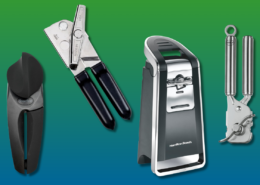 https://www.everydaycheapskate.com/wp-content/uploads/20260906-best-can-openers-manual-electric-luxury.png
800
1200
Mary Hunt
https://www.everydaycheapskate.com/wp-content/uploads/EC-Logo-by-Mary-Hunt-Tagline-Trimmed.png
Mary Hunt2026-09-06 18:07:432026-09-06 18:10:39The Best Can Openers That Actually Work (And Won’t Quit on You)
https://www.everydaycheapskate.com/wp-content/uploads/20260906-best-can-openers-manual-electric-luxury.png
800
1200
Mary Hunt
https://www.everydaycheapskate.com/wp-content/uploads/EC-Logo-by-Mary-Hunt-Tagline-Trimmed.png
Mary Hunt2026-09-06 18:07:432026-09-06 18:10:39The Best Can Openers That Actually Work (And Won’t Quit on You) https://www.everydaycheapskate.com/wp-content/uploads/20260905-college-student-credit-card-debt-male.png
800
1200
Mary Hunt
https://www.everydaycheapskate.com/wp-content/uploads/EC-Logo-by-Mary-Hunt-Tagline-Trimmed.png
Mary Hunt2026-09-05 11:26:562026-09-05 11:36:10Should You Bail Your College Kid Out of Credit Card Debt?
https://www.everydaycheapskate.com/wp-content/uploads/20260905-college-student-credit-card-debt-male.png
800
1200
Mary Hunt
https://www.everydaycheapskate.com/wp-content/uploads/EC-Logo-by-Mary-Hunt-Tagline-Trimmed.png
Mary Hunt2026-09-05 11:26:562026-09-05 11:36:10Should You Bail Your College Kid Out of Credit Card Debt?

like rachel, i’m already doing most of that. what i’m not doing is the stuff that i wouldn’t do the more expensive alternative either. example, movies. i’m just not interested in them.
i was going to go out today, but with only half a tank of gas and the price of gas is back up over $4, i may wait a week. sadly, there is nothing within walking distance, not even the mailbox.
Pause Before You Purchase resonated with me.
I started to use the 24-hour rule more often. And if I decide to return to buy the item I was looking at, the price may be reduced or I can get free shipping. It’s a small thing that can save money over time.
I save ALL of my change from grocery shopping, etc, in a glass jar. I save approximately $200.00 every 2-3 months. When my jar is full, the change is deposited into my savings account.
Good ideas, but I’m already DOING those! We’re cut to the bone, and there just isn’t ANY way to save $5 a day — a WEEK, perhaps.
We eat out maybe once every couple of years. I grow a big garden, and we can, freeze and dry much of our food. I work at a local farm in exchange for eggs, meat and orchard fruits. We use online payments through our bank for basic utilities, and have no TV (haven’t had for decades). We don’t have memberships, except for local libraries — all free. We don’t have cell phones, and I suppose if we got rid of the computer, that *might* save us a little bit.
Any other suggestions? We can’t be the only older folks out here living this way!
Thanks!
Sounds like you’ve really cut down on your expenses but some things are obvious necessities and computers have become that for our society. Short of spending less, you’ll need to earn more. Check out the article I wrote last year about earning a little bit from home. https://www.everydaycheapskate.com/22-legit-ways-make-money-at-home/