

13 Reasons to Use Vinegar in Laundry (and When Not To)

Vinegar isn’t just for pickles… it can make laundry cleaner, brighter, and softer. Distilled white vinegar is a low-cost, safe alternative to chemical-laden softeners and brighteners. From eliminating odors and protecting colors to taming lint and pet hair, vinegar can do it all… if you know the smart ways to use it and when to skip it. A small trick with a big payoff, because your clothes deserve better and so do you.

With a simple splash in the right place, vinegar can tackle odors, soften fabrics, and brighten colors without extra cost or extra effort.
For the best results, use plain white distilled vinegar at 5% acidity. It’s colorless, won’t stain fabrics, and works with almost anything in your laundry. If cider vinegar is all you have on hand, dilute it first to avoid leaving a tint behind.
Why Vinegar Works Wonders in Laundry
Vinegar in laundry isn’t just a throwback hack. It’s a smart, practical way to get clothes cleaner, brighter, and softer without relying on chemical-laden softeners or brighteners. Here’s why:
1. It is Cheap
Plain distilled white vinegar runs about 3–4 cents per ounce when bought by the gallon at a typical supermarket. Stock up at a warehouse club, home center, or even your local dollar store, and you can pay even less.
By comparison, name-brand liquid fabric softeners cost two to five times as much, often 8–18 cents per ounce, and dryer sheets aren’t much better, averaging about 7 cents per sheet while coating your clothes with synthetic fragrances. Vinegar does the job for pennies, without leaving a chemical residue behind.
2. It is Colorless
Distilled white vinegar is completely colorless, with no synthetic dyes or natural plant pigments that could leave stains. That means you can safely toss it in with whites, brights, or darks without worrying about unexpected color shifts.
3. It Softens
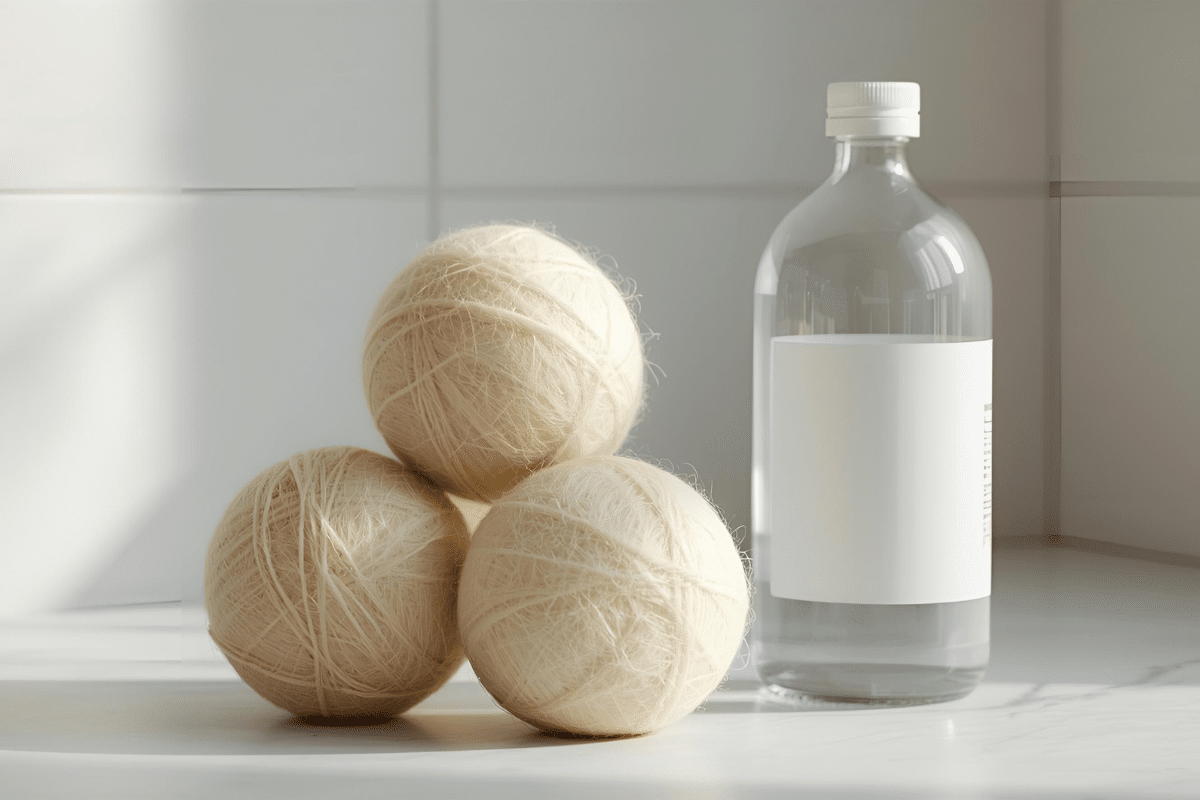
Plain white distilled vinegar naturally softens fabrics by breaking down leftover detergent and minerals clinging to fibers. This is different from commercial fabric softeners, which coat fabrics with chemicals and fragrances, sometimes leaving clothes less absorbent, grayish, or stiff over time.
Add about a half-cup to the final rinse (use the washer’s softener dispenser if it has one), and your clothes will feel naturally soft without any residue. For an extra boost, toss in a couple of wool dryer balls when drying. Vinegar in the rinse plus the gentle tumbling of the balls can speed drying, reduce static, and leave fabrics even fluffier.
A few drops of lavender or another essential oil can add a subtle scent, though once dry, your laundry won’t carry that unmistakable vinegar smell.
4. It is Safe to Use
Distilled white vinegar with 5% acidity is mild and safe for both standard and high-efficiency washers. It’s mostly water (about 95%) and, once added to a full load, is further diluted across gallons of rinse water.
Vinegar won’t harm fabrics, washing machines, or septic systems. In fact, it can help keep pipes clear and maintain septic health. It’s biodegradable, non-toxic, and free of synthetic fragrances or phosphates, so it’s gentle on sensitive skin and the environment. Unlike commercial softeners or dryer sheets, it also won’t affect the fire retardants in children’s sleepwear. Your laundry comes out soft, fresh, and worry-free… good for your clothes and your conscience.
5. It Whitens and Brightens
The acetic acid in distilled white vinegar is gentle enough to be safe on all washable fabrics, yet strong enough to break down the alkalis left behind by soap and detergent. Those leftover residues are what make whites look dingy, colors appear faded, and blacks lose their depth.
Adding just a half-cup of vinegar to the final rinse helps restore bright, clear colors and deeper, richer blacks without any harsh chemicals. For convenience, pour it into your washer’s fabric softener dispenser or add it manually at the start of the rinse cycle if your machine allows.
6. It Reduces Odor
Towels and laundry that sit too long can develop that unmistakable sour, moldy smell. Distilled white vinegar tackles it at the source. Its mild acid neutralizes odor-causing bacteria and breaks down any leftover soap or minerals that trap smells in the fabric.
For a quick refresh on a small load, just toss in half a cup of vinegar during the rinse cycle. For more stubborn odors or laundry that’s been sitting too long, try this: fill the washer with hot water, add two cups of vinegar, and run a full wash cycle without detergent.
Follow with a second cycle using your regular detergent. It’s a simple, chemical-free way to get laundry smelling fresh and clean again.
7. It Releases Lint and Pet Hair
Half a cup of distilled white vinegar in the rinse cycle works like a little magic for stubborn lint and pet hair. The vinegar helps fabric fibers relax, making it easier for hair and fuzz to release instead of clinging to clothes.
It also comes in handy if you ever mix a dark shirt with something lint-prone, like towels, by helping shake loose the extra fibers before they settle in. For best results, add the vinegar to the fabric softener dispenser or directly to the rinse cycle.
8. It Fights Underarm Odor
To tackle perspiration odor and prevent underarm stains, fill a spray bottle with undiluted white vinegar and keep it in your laundry area.
Spray the inside of the underarm area and let it sit for at least 10 minutes before tossing the garment in the wash. If the fabric feels stiff, gently work the vinegar in with a soft-bristle brush. The acid in vinegar breaks down leftover deodorant and helps stop yellowing, keeping shirts fresh and looking like new without harsh chemicals or extra scrubbing.
9. It Erases Hemlines
Those tiny perforations left behind after hemming or altering clothes don’t have to stick around. Dampen a white cloth with distilled white vinegar and place it under the fabric. Press with a warm iron using a separate pressing cloth on top of the garment to protect it until the marks fade.
The mild acidity in vinegar helps relax the fibers, making those stubborn holes less visible and giving your clothes a smooth, finished look without harsh chemicals or extra fuss. It’s a simple trick that’s especially handy for keeping favorite garments looking polished.
10. It Keeps Dark Clothing Dark
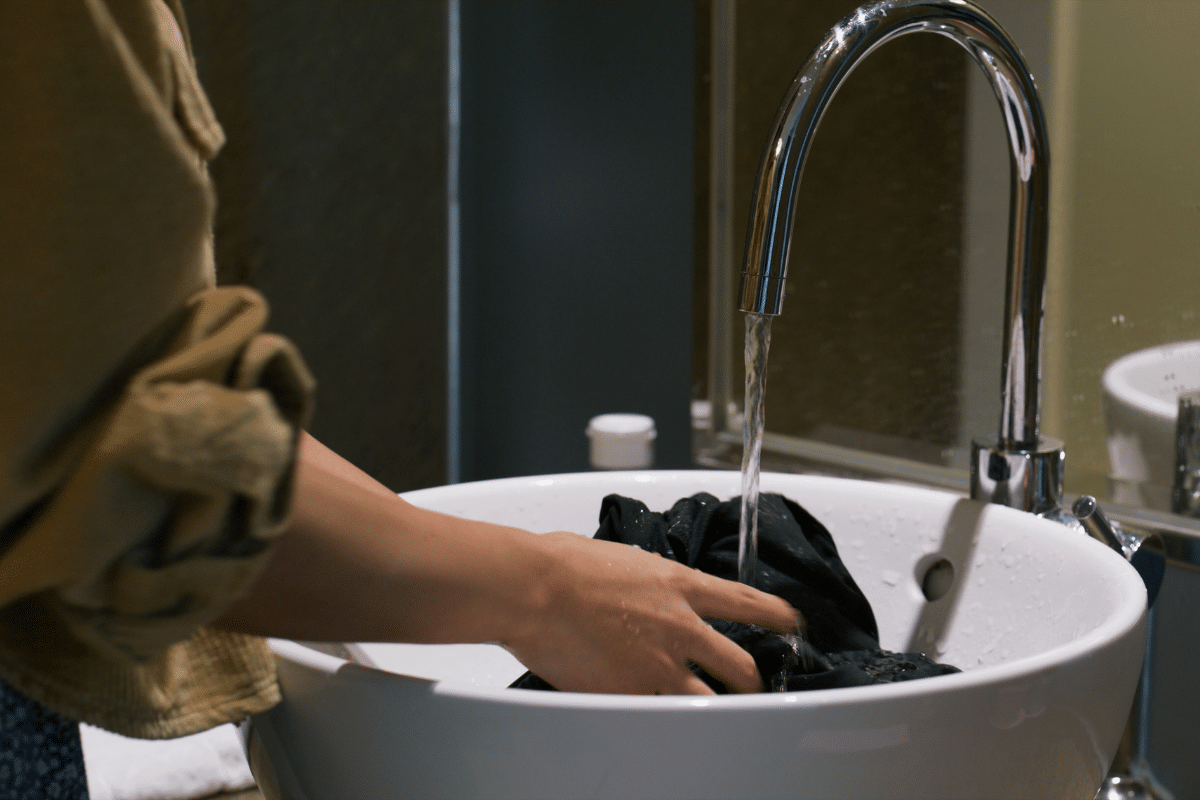
Nothing’s more frustrating than black jeans that turn gray after just a few washes. To keep your dark clothes looking rich and vibrant, pre-soak new dark items in a cold water bath with ½ cup of distilled white vinegar and a teaspoon of salt before their first wash. This simple step helps “set” the dye, reducing early fading.
Afterward, add ½ cup of distilled white vinegar to the final rinse cycle for ongoing color protection. The vinegar helps neutralize leftover detergent and prevents fibers from dulling, so blacks stay deep and other dark colors maintain their intensity, without harsh chemicals or extra effort.
11. It May Get Rid of Smoke Odors
Cigarette or cigar smoke can cling to clothes and fabrics in a way that regular washing sometimes can’t handle. Adding ½ cup of distilled white vinegar to the wash cycle can neutralize those stubborn odors in machine-washable items.
For non-washable fabrics or larger items like curtains and cushions, try a simple steam treatment: fill the bathtub with hot water and 1 cup of vinegar, suspend the fabric above the steamy water, close the door, and let the steam work its magic. The vinegar helps penetrate fibers, loosening smoke molecules and leaving fabrics fresher without harsh chemicals.
12. It Extends Garment Life
By gently breaking down leftover detergent and mineral buildup, vinegar keeps fabrics soft, colors vibrant, and fibers strong. That means your favorite jeans, shirts, and towels last longer without fading, stiffening, or losing their shape. Fewer replacements, less waste, and more time enjoying the clothes you love.
13. It Saves Time and Money
One half-cup in your rinse cycle can replace a bottle of fabric softener, a color booster, and even a mild odor remover. Not only does this simplify laundry day, but it also frees up space in your laundry cabinet and keeps your wallet a little heavier. Fewer products, fewer steps, less clutter, and the same (or better) results!
When to Avoid Vinegar in Laundry
With Chlorine Bleach
Never mix vinegar with chlorine bleach or any product that contains it. Combining the two triggers a chemical reaction that releases toxic chlorine gas, which can be extremely harmful or even fatal. Safety first: keep these two separate, always.
With Elastic
Vinegar is gentle on most fabrics, but repeated exposure can weaken elastic over time. Avoid using it excessively on gym gear, swimsuits, or any clothing with stretch, or you could shorten the life of your favorite activewear. A little goes a long way.
Front-Loader Safety Tip
If you have a front-loading washer, add vinegar only in the fabric softener dispenser. This ensures it’s diluted in the rinse cycle rather than sitting directly on the door seals or gasket.
Distilled White Vinegar (5% acidity, gallon size) – budget-friendly, multipurpose
Wool Dryer Balls – eco-friendly softening alternative
Spray Bottles – for pre-treating underarm stains or odors
Laundry Detergent Dispenser with Fabric Softener Compartment – convenient for adding vinegar
Question: Do you use vinegar in your laundry, or are you still loyal to store-bought softeners? Share your favorite hacks in the comments below.

More from Everyday Cheapskate
 https://www.everydaycheapskate.com/wp-content/uploads/20261006-prime-big-deal-days-have-landed.png
800
1200
Mary Hunt
https://www.everydaycheapskate.com/wp-content/uploads/EC-Logo-by-Mary-Hunt-Tagline-Trimmed.png
Mary Hunt2026-10-05 11:01:432026-10-07 09:02:53EC’s Top Picks from Amazon Prime Big Deal Days 2026
https://www.everydaycheapskate.com/wp-content/uploads/20261006-prime-big-deal-days-have-landed.png
800
1200
Mary Hunt
https://www.everydaycheapskate.com/wp-content/uploads/EC-Logo-by-Mary-Hunt-Tagline-Trimmed.png
Mary Hunt2026-10-05 11:01:432026-10-07 09:02:53EC’s Top Picks from Amazon Prime Big Deal Days 2026 https://www.everydaycheapskate.com/wp-content/uploads/20261004-reduce-healthcare-costs-with-three-habits-healthy-couple-walking-in-autumn-leaves.png
800
1200
Mary Hunt
https://www.everydaycheapskate.com/wp-content/uploads/EC-Logo-by-Mary-Hunt-Tagline-Trimmed.png
Mary Hunt2026-10-04 23:08:572026-10-04 23:09:47How to Reduce Healthcare Costs With 3 Free Daily Habits
https://www.everydaycheapskate.com/wp-content/uploads/20261004-reduce-healthcare-costs-with-three-habits-healthy-couple-walking-in-autumn-leaves.png
800
1200
Mary Hunt
https://www.everydaycheapskate.com/wp-content/uploads/EC-Logo-by-Mary-Hunt-Tagline-Trimmed.png
Mary Hunt2026-10-04 23:08:572026-10-04 23:09:47How to Reduce Healthcare Costs With 3 Free Daily Habits https://www.everydaycheapskate.com/wp-content/uploads/20241004-news-you-can-use-october-everyday-cheapskate-top-news-articles.png
800
1200
Mary Hunt
https://www.everydaycheapskate.com/wp-content/uploads/EC-Logo-by-Mary-Hunt-Tagline-Trimmed.png
Mary Hunt2026-10-04 01:04:052026-10-11 14:34:17News You Can Use • October 2026
https://www.everydaycheapskate.com/wp-content/uploads/20241004-news-you-can-use-october-everyday-cheapskate-top-news-articles.png
800
1200
Mary Hunt
https://www.everydaycheapskate.com/wp-content/uploads/EC-Logo-by-Mary-Hunt-Tagline-Trimmed.png
Mary Hunt2026-10-04 01:04:052026-10-11 14:34:17News You Can Use • October 2026 https://www.everydaycheapskate.com/wp-content/uploads/20261003-woman-hugging-elderly-mother-sandwich-generation-caring-for-aging-parents.png
800
1200
Mary Hunt
https://www.everydaycheapskate.com/wp-content/uploads/EC-Logo-by-Mary-Hunt-Tagline-Trimmed.png
Mary Hunt2026-10-03 10:47:222026-10-03 10:47:25Sandwiched Between Aging Parents and Adult Children
https://www.everydaycheapskate.com/wp-content/uploads/20261003-woman-hugging-elderly-mother-sandwich-generation-caring-for-aging-parents.png
800
1200
Mary Hunt
https://www.everydaycheapskate.com/wp-content/uploads/EC-Logo-by-Mary-Hunt-Tagline-Trimmed.png
Mary Hunt2026-10-03 10:47:222026-10-03 10:47:25Sandwiched Between Aging Parents and Adult Children https://www.everydaycheapskate.com/wp-content/uploads/20260927-impossible-lasagna-pie-recipe-with-wooden-serving-spoon-in-white-casserole-dish.png
800
1200
Mary Hunt
https://www.everydaycheapskate.com/wp-content/uploads/EC-Logo-by-Mary-Hunt-Tagline-Trimmed.png
Mary Hunt2026-09-28 09:38:592026-09-28 22:48:34Impossible Lasagna Pie: All the Flavor, None of the Noodles
https://www.everydaycheapskate.com/wp-content/uploads/20260927-impossible-lasagna-pie-recipe-with-wooden-serving-spoon-in-white-casserole-dish.png
800
1200
Mary Hunt
https://www.everydaycheapskate.com/wp-content/uploads/EC-Logo-by-Mary-Hunt-Tagline-Trimmed.png
Mary Hunt2026-09-28 09:38:592026-09-28 22:48:34Impossible Lasagna Pie: All the Flavor, None of the Noodles https://www.everydaycheapskate.com/wp-content/uploads/20260925-best-inexpensive-coffee-grinders-burr-manual-and-electric.png
800
1200
Mary Hunt
https://www.everydaycheapskate.com/wp-content/uploads/EC-Logo-by-Mary-Hunt-Tagline-Trimmed.png
Mary Hunt2026-09-25 11:06:342026-10-10 15:49:09The Best Coffee Grinder Upgrade That’s Actually Worth It
https://www.everydaycheapskate.com/wp-content/uploads/20260925-best-inexpensive-coffee-grinders-burr-manual-and-electric.png
800
1200
Mary Hunt
https://www.everydaycheapskate.com/wp-content/uploads/EC-Logo-by-Mary-Hunt-Tagline-Trimmed.png
Mary Hunt2026-09-25 11:06:342026-10-10 15:49:09The Best Coffee Grinder Upgrade That’s Actually Worth It https://www.everydaycheapskate.com/wp-content/uploads/20260918-man-and-woman-signing-an-extended-warranty-in-a-car-dealership.png
800
1200
Mary Hunt
https://www.everydaycheapskate.com/wp-content/uploads/EC-Logo-by-Mary-Hunt-Tagline-Trimmed.png
Mary Hunt2026-09-18 15:23:432026-09-18 15:25:43Is an Extended Warranty Ever Worth It? The Truth for 2026
https://www.everydaycheapskate.com/wp-content/uploads/20260918-man-and-woman-signing-an-extended-warranty-in-a-car-dealership.png
800
1200
Mary Hunt
https://www.everydaycheapskate.com/wp-content/uploads/EC-Logo-by-Mary-Hunt-Tagline-Trimmed.png
Mary Hunt2026-09-18 15:23:432026-09-18 15:25:43Is an Extended Warranty Ever Worth It? The Truth for 2026 https://www.everydaycheapskate.com/wp-content/uploads/20260917-fall-cleaning-checklist.png
800
1200
Mary Hunt
https://www.everydaycheapskate.com/wp-content/uploads/EC-Logo-by-Mary-Hunt-Tagline-Trimmed.png
Mary Hunt2026-09-17 17:11:012026-09-28 22:48:45Fall Cleaning Checklist: 15 Overlooked Spots to Clean
https://www.everydaycheapskate.com/wp-content/uploads/20260917-fall-cleaning-checklist.png
800
1200
Mary Hunt
https://www.everydaycheapskate.com/wp-content/uploads/EC-Logo-by-Mary-Hunt-Tagline-Trimmed.png
Mary Hunt2026-09-17 17:11:012026-09-28 22:48:45Fall Cleaning Checklist: 15 Overlooked Spots to Clean https://www.everydaycheapskate.com/wp-content/uploads/20260913-how-to-winterize-your-home-snowy-driveway-suburban-home.png
800
1200
Mary Hunt
https://www.everydaycheapskate.com/wp-content/uploads/EC-Logo-by-Mary-Hunt-Tagline-Trimmed.png
Mary Hunt2026-09-13 15:32:142026-09-28 22:48:55The Complete Guide to Winterizing Your Home This Fall
https://www.everydaycheapskate.com/wp-content/uploads/20260913-how-to-winterize-your-home-snowy-driveway-suburban-home.png
800
1200
Mary Hunt
https://www.everydaycheapskate.com/wp-content/uploads/EC-Logo-by-Mary-Hunt-Tagline-Trimmed.png
Mary Hunt2026-09-13 15:32:142026-09-28 22:48:55The Complete Guide to Winterizing Your Home This Fall

I use cleaning vinegar which is supposed to be about 6% acidity and is even cheaper than distilled white vinegar. It is not food grade (hence cleaning), so I keep it out of my kitchen. As you say it works great.
Using vinegar in the rinse also helps those of us who have allergies by removing traces of detergent caught in the fabric. By doing that it also keeps colors and blacks from fading as quickly so they last longer.
I’ve been using this hack for a few years after first reading about it in your newsletter.
I’ve had one problem with it, however. After a couple of years I noticed a lingering vinegar smell in my clothes which could have been off-putting to some. I then switched to using the cycle that has one rinse instead of two and added the vinegar to that rinse cycle. Then I do a second rinse with water only. That has pretty much solved the lingering vinegar smell problem. It means starting the second rinse manually after the first cycle is completed but the small inconvenience is worth it.
I started using vinegar in my washing machine when our son(turned 50 this year) was in college. I figured out pretty quickly that I didn’t have to add detergent. He had been using way too much! I then used vinegar in the softener place. I now use wool dryer balls.
Vinegar may damage parts in newer washing machine parts. Ask dealer.
Use in wash along with detergent also.
Is that a question? If so the answer is No.
RE: Mixing DWV with chlorine bleach…..are you saying that DWV can’t be used in the rinse cycle of towels that have been washed with bleach in the water? I can understand not using the vinegar in the wash water, but I just wanted to clarify things. Thanks so much for all you do!
No not saying that. By then it is very diluted. No worries.
Whew!!! What a relief!
How can I prevent color change when I have colored towels? My light brown towels have turned orange-red!
Once they turn or fade, not much you can do. In the future make sure you are buying “colorfast” washables. Some report that if you add salt to the water in the first laundering, it will “set” the dye to prevent colors from fading. I have never had success testing that, but it’s not an easy test to carry out.
The absolute surefire way to avoid this is to never buy color towels, sheets, or pillowcases—only and always white. That way, everything is the same. All pillowcases go with all sheets. All top sheets match all fitted sheets. All bath towels pair with all washcloths and hand towels. All of the aforementioned can be “laundry stripped,” if and when needed. All can be bleached, too. No colors to fade, change or go out of style It’s a no-brainer, really.
Since you wrote about the Distilled White Vinegar – I don’t waste my $$ on the commercial fabric softeners any more! The vinegar does such a good job and you can’t beat the price, 1 gallon is $2.99 up here in NJ and there is no tax because in is in the food section at Walmart. Thanks for all of these useful tips Mary!! xxoo
That is almost a price match with Costco and Sam’s Club here in Colorado! And thank you for being such a delightful reader, Barbara!
As indicated in another comment, I’ve also been advised that white vinegar in the washing machine can damage the seal on a front loader. Any comments on that? Someone referred me to a consumer report article. If true, so disappointed.
I 100% dispute that information, Nancy. Check with your owner’s manual. If its manufacturer warns against using 1/2 cup 5% vinegar in the rinse cycle, follow it. I’ve never seen one yet that does.
As per your recommendation, and after reviewing the use and care guide to my Whirlpool front-loading automatic washer, no where did it state not to use white vinegar in the fabric softener dispenser/ rinse. I am trying to wean off the liquid fabric softer, so many chemicals. In the dispenser compartment, I’ll place a teaspoon of the fabric softener (just using up what I already have on hand) and fill the rest with white vinegar. The clothes are soft and no trace of the vinegar scent. Thank you Mary, you truly are amazing at your household advice. I read and share your articles faithfully. I just tried the perfect cold brewed iced coffee, literally, it’s stepping now, for 8 hours. I’ll keep you posted on that one! God bless!
Thanks, Nancy for your kind words and for checking in. I want to encourage you to speed up that weaning-off process 🙂 And enjoy that iced coffee. What a treat!
I have been using white vinegar for years in the rinse cycle when washing towels and almost didn’t read the post above. I wear a lot of black pants and have a big black and white dog. My pants are always covered in white dog hair. OMG, rinsing my pants in white vinegar they were so soft. I couldn’t believe the difference in the feel and finish of the fabric. Still waiting to see the results of less dog hair on my pants. Excited to see the results.
Vinegar is amazing! Remember rinsing your hair in vinegar water to cut the shampoo? And we use it on sunburn to take out the sting. (And like your laundry, you will not wind up smelling like a salad!) Thanks, Mary. Love your newsletter!
Thanks, Linda. I do remember. Silky, shiny hair. Now I use apple cider vinegar.
My wonderful front-loading LG washer and dryer in one advises against using vinegar as it can damage the door seal.
I have been using Vinegar for a long time. I using put 1/2 cup in the rinse cycle to get the soap out. I am not trying the 1 cup. I just did laundry and I was hopping there will not be any smell of vinegar. BUT When I took them out of the wash (which I used you laundry soap for the 1st time and love it) they did not have a smell of vinegar. Amazing!
Oh and I have been using wool dryer ball since you talked about it a while back. Love them! No static!
Thank you so very much!!!
I started doing this after the last time you posted something similar. Every word of this is true! My clothes are very soft, whites look great and my wallet isn’t busted with EXPENSIVE fabric softeners. Thanks for the tip, Mary!
Because of you and EC, I began using DWV in my final rinse years ago; no commercial softeners for me! I’d like to add one more advantage to using DWV — it doesn’t gunk up your washing machine like the commercial liquids. Altho I don’t have proof – just personal experience – I’m convinced that DWV leads to fewer mechanical problems and keeps my front-loader from developing an odor (+ I leave the door ajar too).
Vinegar has been my go-to since you first wrote about it. I tell everyone I know!