

How to Properly Load a Dishwasher So It Operates Like Brand New

Raise your hand if you’ve ever played “dishwasher Tetris” and lost. Plates crammed in sideways, cups tipping, spoons spooning. It’s no wonder the poor machine can’t keep up. The good news? A few simple tweaks can make your dishwasher work like it’s brand new again. Learn how to properly load a dishwasher so your dishes come out spotless, your utility bills shrink, and your appliance lasts longer. Bonus: no more rewashing that one crusty fork.

If your dishwasher could talk, it wouldn’t just sigh.. it might mutter, “Really? Again?” Because while a few rule-followers dutifully study the manual, the rest of us are busy cramming in plates sideways, balancing bowls like Jenga pieces, and hoping for the best. Then, when dishes come out streaked, spotted, or still wearing last night’s spaghetti, we blame the machine instead of our technique.
Here’s the thing: dishwashers aren’t complicated or high-maintenance. They’re just designed to work in a very particular way. When you learn how to properly load a dishwasher, you unlock three big wins: sparkling clean dishes, longer appliance life, and lower utility bills. Plus, no more rewashing that one crusty fork (we’ve all been there).
And if you’ve ever argued with a partner or roommate about “handles up vs. handles down” in the silverware basket, you’re not alone. A Reddit thread has been debating this for over a decade, with people swearing by both sides like it’s a team sport. (Spoiler: both camps make some decent points, but knives should always go pointy-side down. Safety first.)
The bottom line? A dishwasher isn’t a storage unit for clean dishes or for your overflow Tupperware collection (yes, people actually do this). It’s a tool that, when used correctly, saves you time, money, and maybe even a little household tension. So let’s break it down, step by step, zone by zone, so your dishwasher works the way it was built to.
Rinse or Don’t Rinse? (The Million-Dollar Question)
Here’s the debate that’s divided kitchens for decades: should you pre-rinse dishes before loading? Appliance manufacturers say no. Today’s dishwashers are built to sense food particles and adjust their wash cycles. Rinse too thoroughly, and you can actually outsmart the machine. Detergent enzymes need a little grime to grab onto. Think of it like tossing freshly washed clothes back into the laundry… pointless and a waste of water.
Here’s the compromise: Scrape, don’t rinse. Use a fork, napkin, or rubber spatula to clear off the big stuff into the trash or disposal. If you know the load will sit for a day or two, a quick swish under the faucet is fine to prevent smells. But let your dishwasher do the actual cleaning. It’s what you bought it for, and it’s a whole lot more water-efficient than standing at the sink.
Dishwasher Zones: Top, Bottom, and Silverware Basket
Think of your dishwasher like prime real estate: every rack and prong has a job. Ignore the floor plan, and you risk broken wine glasses, bowls that double as birdbaths, and a load that needs to be rewashed (cue eye-roll).

Bottom Rack = Heavy-Duty Zone
Plates, serving bowls, pots, pans, and dishwasher-safe plastics live here. Place the big stuff along the sides and back so they don’t block the spray arm. And here’s the golden rule: always face the dirty side of plates toward the center.
Top Rack = Delicate & Small Zone
Glasses, mugs, small bowls, and lightweight plastic containers belong here. Angle cups so water runs off instead of pooling. Pro tip: stemware holders aren’t just a design flourish; they keep your wine glasses safe from wobbly neighbors.
Silverware Basket = Mixed Zone
Alternate utensils up and down (forks down, knives down, spoons up or down—dealer’s choice, as long as they’re mixed). The goal is to prevent “spooning,” where utensils nest together like honeymooners and come out grimy.
Third Rack (if you’re fancy)
Perfect for spatulas, flat utensils, reusable straws, and those oddball kitchen tools that never quite fit anywhere else.
The Right Way to Load Plates, Bowls, and Cups

Plates
Plates are the bread and butter of dishwashing… literally. Park them on the bottom rack, standing upright, facing the spray arm. Overlapping them like poker chips blocks water flow and leaves food behind. Remember: every plate deserves its own spray zone.
Think of it like a playground merry-go-round. If the spray arms can’t spin or water can’t reach, nobody’s getting clean.
Bowls
Bowls belong on the top rack, angled down so water drains instead of pooling. Nesting them? That’s a crime against clean dishes. Resist the urge.
Cups and Glasses
Cups and glasses also ride the top rack. Place them between prongs, not teetering on top, so they don’t tip, crack, or leave streaks. Plastic cups should say “dishwasher-safe” and are best kept on the top rack to avoid warping. Bonus: top rack placement extends the life of your reusable plastics.
Pots, Pans, and Baking Sheets: What’s Allowed

Yes, some pots and pans are dishwasher-safe, but always read the fine print. Cast iron? Never. It’ll rust and lose its seasoning. Nonstick? Usually not, unless the manufacturer gives the green light. Stainless steel? Most of the time, yes.
Big items like baking sheets should ride on the bottom rack, but tuck them along the sides or back so they don’t block the spray arms.
And here’s the truth your dishwasher won’t tell you… it can’t do everything. Stubborn, baked-on messes need a soak before loading. Save the machine for the rinse-and-repeat jobs; use a quick DIY scrub for the rest. Bonus: you’ll extend the life of your cookware and keep your dishwasher from working overtime.
Silverware Secrets

Here’s where most people get sloppy. Toss all the spoons in together and they’ll “spoon” leaving you with a clump of gunk. Instead, alternate utensils up and down so water can hit every surface. Mix in forks and knives for better circulation.
If your dishwasher has individual slots, use them! Yes, it feels a little tedious, but it prevents scratches, avoids “nesting,” and guarantees a cleaner result. Knives should always go blade-down, not just for safety but because it protects the edge, too. No one wants a tetanus shot just for unloading dishes.
Spray Arm Clearance: The Golden Rule

Nothing, and I mean nothing, should block the spray arm. That spinning wand is the whole reason your dishes get clean. Before you shut the door, give it a test spin with your hand. If it hits a pan handle, giant spoon, or rogue sippy cup, you’re setting yourself up for a half-washed mess.
Quick hack: load taller items (like cutting boards or baking sheets) along the sides, never the middle. That way, the spray arms can whirl like they’re at a roller rink and every dish gets a fair shot at coming out clean.
Detergent, Rinse Aid, and What to Avoid

Stick to dishwasher detergent (powder, pods, or gel) made for your machine. Hand dish soap? Big no. Unless you want your kitchen to look like a foam party, suds in a dishwasher can damage the electronics.
Rinse aid isn’t a “maybe.” It prevents water spots, speeds up drying, and keeps your glasses sparkling instead of looking like they survived a sandstorm. Consider it insurance for your wine glasses and favorite mugs. It’s cheap, easy, and totally worth it.
How to Prevent Overloading Your Dishwasher
Your dishwasher isn’t a clown car. If you overstuff it, water can’t circulate, leaving you with a cycle of rewashing instead of efficiency.
Run it when it’s full, but not bursting at the seams. That’s the sweet spot.
Monthly Dishwasher Maintenance Tips
Even the best loading job won’t save you if your dishwasher is neglected. Once a month, give it a little TLC:
- Remove and rinse the filter. A clogged filter = dirty dishes.
- Wipe down the door seal. Prevents gunk and funky smells.
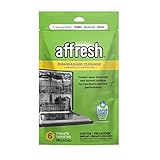
- Run an empty cycle with dishwasher cleaner or a cup of vinegar.
A clean dishwasher works smarter, lasts longer, and saves you from extra scrubbing. Happy dishwasher, happy you… and fewer arguments over who has to rewash the “clean” dishes.
Dishwasher Don’ts (Learn from My Mistakes)
- Wooden utensils. They’ll split, warp, and maybe even sulk. Hand wash only.
- Knives with wooden handles. Same trouble. Sharp edges and water don’t mix well with wood.
- Insulated travel mugs. The seal can fail, leaving you with leaks or a funky taste.
- Crystal or fine china. Only if labeled “dishwasher-safe.” Otherwise, hand wash for longevity.
- Stacked items. Overlapping plates and bowls block water flow. You’ll just end up rewashing.
Pro tip: When in doubt, hand wash fragile or oddly shaped items. Your dishwasher isn’t a magician, and neither are you.
Why Proper Loading Saves Time and Money
Doing dishes might not feel like a big deal, but your dishwasher represents a serious household investment. Treat it right, and you’ll:
- Save on energy and water. Fewer rewashes means lower bills.
- Extend its lifespan. Dishwasher replacements aren’t cheap ($700–$1,500).
- Protect your dishes and glassware. No more chips, cracks, or mystery scratches.
- Free up your time. Less scrubbing, more enjoying life.
It’s a small shift in habits with a big payoff. Scrape, load thoughtfully, don’t block the spray arms, and show a little TLC each month. Follow these simple steps, and your dishwasher will reward you with spotless dishes and years of reliable service.
And when you unload that top rack of gleaming glasses? Go ahead and smile. You and your dishwasher are finally on the same page.
Question: What’s the weirdest thing you’ve ever caught someone trying to put in the dishwasher? Share your stories in the comments below.
EverydayCheapskate™ is reader-supported. We participate in the Amazon Services LLC Associates Program and other affiliate advertising programs, designed to provide a means for us to earn from qualifying purchases, at no cost to you.

More from Everyday Cheapskate
 https://www.everydaycheapskate.com/wp-content/uploads/20261006-prime-big-deal-days-have-landed.png
800
1200
Mary Hunt
https://www.everydaycheapskate.com/wp-content/uploads/EC-Logo-by-Mary-Hunt-Tagline-Trimmed.png
Mary Hunt2026-10-05 11:01:432026-10-07 09:02:53EC’s Top Picks from Amazon Prime Big Deal Days 2026
https://www.everydaycheapskate.com/wp-content/uploads/20261006-prime-big-deal-days-have-landed.png
800
1200
Mary Hunt
https://www.everydaycheapskate.com/wp-content/uploads/EC-Logo-by-Mary-Hunt-Tagline-Trimmed.png
Mary Hunt2026-10-05 11:01:432026-10-07 09:02:53EC’s Top Picks from Amazon Prime Big Deal Days 2026 https://www.everydaycheapskate.com/wp-content/uploads/20261004-reduce-healthcare-costs-with-three-habits-healthy-couple-walking-in-autumn-leaves.png
800
1200
Mary Hunt
https://www.everydaycheapskate.com/wp-content/uploads/EC-Logo-by-Mary-Hunt-Tagline-Trimmed.png
Mary Hunt2026-10-04 23:08:572026-10-04 23:09:47How to Reduce Healthcare Costs With 3 Free Daily Habits
https://www.everydaycheapskate.com/wp-content/uploads/20261004-reduce-healthcare-costs-with-three-habits-healthy-couple-walking-in-autumn-leaves.png
800
1200
Mary Hunt
https://www.everydaycheapskate.com/wp-content/uploads/EC-Logo-by-Mary-Hunt-Tagline-Trimmed.png
Mary Hunt2026-10-04 23:08:572026-10-04 23:09:47How to Reduce Healthcare Costs With 3 Free Daily Habits https://www.everydaycheapskate.com/wp-content/uploads/20241004-news-you-can-use-october-everyday-cheapskate-top-news-articles.png
800
1200
Mary Hunt
https://www.everydaycheapskate.com/wp-content/uploads/EC-Logo-by-Mary-Hunt-Tagline-Trimmed.png
Mary Hunt2026-10-04 01:04:052026-10-11 14:34:17News You Can Use • October 2026
https://www.everydaycheapskate.com/wp-content/uploads/20241004-news-you-can-use-october-everyday-cheapskate-top-news-articles.png
800
1200
Mary Hunt
https://www.everydaycheapskate.com/wp-content/uploads/EC-Logo-by-Mary-Hunt-Tagline-Trimmed.png
Mary Hunt2026-10-04 01:04:052026-10-11 14:34:17News You Can Use • October 2026 https://www.everydaycheapskate.com/wp-content/uploads/20261003-woman-hugging-elderly-mother-sandwich-generation-caring-for-aging-parents.png
800
1200
Mary Hunt
https://www.everydaycheapskate.com/wp-content/uploads/EC-Logo-by-Mary-Hunt-Tagline-Trimmed.png
Mary Hunt2026-10-03 10:47:222026-10-03 10:47:25Sandwiched Between Aging Parents and Adult Children
https://www.everydaycheapskate.com/wp-content/uploads/20261003-woman-hugging-elderly-mother-sandwich-generation-caring-for-aging-parents.png
800
1200
Mary Hunt
https://www.everydaycheapskate.com/wp-content/uploads/EC-Logo-by-Mary-Hunt-Tagline-Trimmed.png
Mary Hunt2026-10-03 10:47:222026-10-03 10:47:25Sandwiched Between Aging Parents and Adult Children https://www.everydaycheapskate.com/wp-content/uploads/20260927-impossible-lasagna-pie-recipe-with-wooden-serving-spoon-in-white-casserole-dish.png
800
1200
Mary Hunt
https://www.everydaycheapskate.com/wp-content/uploads/EC-Logo-by-Mary-Hunt-Tagline-Trimmed.png
Mary Hunt2026-09-28 09:38:592026-09-28 22:48:34Impossible Lasagna Pie: All the Flavor, None of the Noodles
https://www.everydaycheapskate.com/wp-content/uploads/20260927-impossible-lasagna-pie-recipe-with-wooden-serving-spoon-in-white-casserole-dish.png
800
1200
Mary Hunt
https://www.everydaycheapskate.com/wp-content/uploads/EC-Logo-by-Mary-Hunt-Tagline-Trimmed.png
Mary Hunt2026-09-28 09:38:592026-09-28 22:48:34Impossible Lasagna Pie: All the Flavor, None of the Noodles https://www.everydaycheapskate.com/wp-content/uploads/20260925-best-inexpensive-coffee-grinders-burr-manual-and-electric.png
800
1200
Mary Hunt
https://www.everydaycheapskate.com/wp-content/uploads/EC-Logo-by-Mary-Hunt-Tagline-Trimmed.png
Mary Hunt2026-09-25 11:06:342026-10-10 15:49:09The Best Coffee Grinder Upgrade That’s Actually Worth It
https://www.everydaycheapskate.com/wp-content/uploads/20260925-best-inexpensive-coffee-grinders-burr-manual-and-electric.png
800
1200
Mary Hunt
https://www.everydaycheapskate.com/wp-content/uploads/EC-Logo-by-Mary-Hunt-Tagline-Trimmed.png
Mary Hunt2026-09-25 11:06:342026-10-10 15:49:09The Best Coffee Grinder Upgrade That’s Actually Worth It https://www.everydaycheapskate.com/wp-content/uploads/20260918-man-and-woman-signing-an-extended-warranty-in-a-car-dealership.png
800
1200
Mary Hunt
https://www.everydaycheapskate.com/wp-content/uploads/EC-Logo-by-Mary-Hunt-Tagline-Trimmed.png
Mary Hunt2026-09-18 15:23:432026-09-18 15:25:43Is an Extended Warranty Ever Worth It? The Truth for 2026
https://www.everydaycheapskate.com/wp-content/uploads/20260918-man-and-woman-signing-an-extended-warranty-in-a-car-dealership.png
800
1200
Mary Hunt
https://www.everydaycheapskate.com/wp-content/uploads/EC-Logo-by-Mary-Hunt-Tagline-Trimmed.png
Mary Hunt2026-09-18 15:23:432026-09-18 15:25:43Is an Extended Warranty Ever Worth It? The Truth for 2026 https://www.everydaycheapskate.com/wp-content/uploads/20260917-fall-cleaning-checklist.png
800
1200
Mary Hunt
https://www.everydaycheapskate.com/wp-content/uploads/EC-Logo-by-Mary-Hunt-Tagline-Trimmed.png
Mary Hunt2026-09-17 17:11:012026-09-28 22:48:45Fall Cleaning Checklist: 15 Overlooked Spots to Clean
https://www.everydaycheapskate.com/wp-content/uploads/20260917-fall-cleaning-checklist.png
800
1200
Mary Hunt
https://www.everydaycheapskate.com/wp-content/uploads/EC-Logo-by-Mary-Hunt-Tagline-Trimmed.png
Mary Hunt2026-09-17 17:11:012026-09-28 22:48:45Fall Cleaning Checklist: 15 Overlooked Spots to Clean https://www.everydaycheapskate.com/wp-content/uploads/20260913-how-to-winterize-your-home-snowy-driveway-suburban-home.png
800
1200
Mary Hunt
https://www.everydaycheapskate.com/wp-content/uploads/EC-Logo-by-Mary-Hunt-Tagline-Trimmed.png
Mary Hunt2026-09-13 15:32:142026-09-28 22:48:55The Complete Guide to Winterizing Your Home This Fall
https://www.everydaycheapskate.com/wp-content/uploads/20260913-how-to-winterize-your-home-snowy-driveway-suburban-home.png
800
1200
Mary Hunt
https://www.everydaycheapskate.com/wp-content/uploads/EC-Logo-by-Mary-Hunt-Tagline-Trimmed.png
Mary Hunt2026-09-13 15:32:142026-09-28 22:48:55The Complete Guide to Winterizing Your Home This FallPlease keep your comments positive, encouraging, helpful, brief,
and on-topic in keeping with EC Commenting Guidelines
Last update on 2026-10-11 / Affiliate links / Images from Amazon Product Advertising API


Thank you for the tips. I always handwashing my pans and metal bakeware regardless of whether they say dishwasher safe. Even the ones that say safe usually will add they will last longer if hand washed. I also never put antique glassware/dishes in the dishwasher. I always heard they could etch because they were never designed for a dishwasher.
Where do you place the vinegar if choosing that option to clean the dishwasher on empty?
Best idea: Place a bowl or other such container filled with white vinegar in the top rack. Now as the dishwasher goes thru its cycles the vessel will over flow, gradually adding that vinegar to the machine.
I read somewhere thst if you add a little vinegar to the dishwasher it will scrub longer because it senses acid. Is that true.
I have no knowledge of that.