
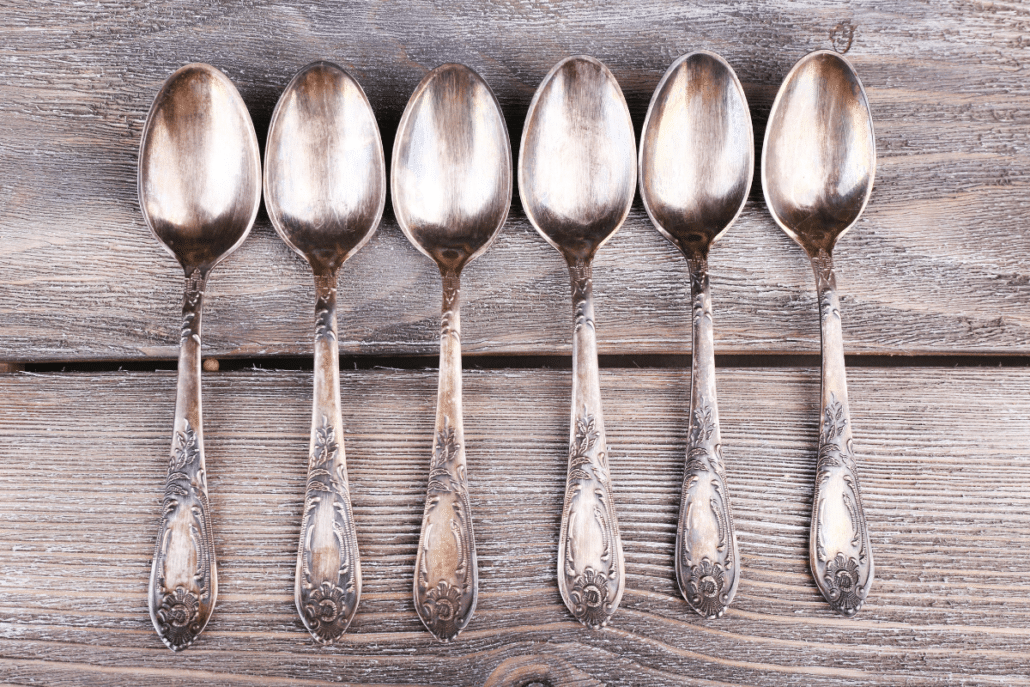
Yes! You Really Can Put Silver in the Dishwasher Safely


Contrary to popular belief, you can wash silver and silver-plate flatware in the dishwasher without ruining it. You just have to follow a few rules. Break them, and you’ll be polishing silverware at midnight before Thanksgiving dinner. Ask me how I know.
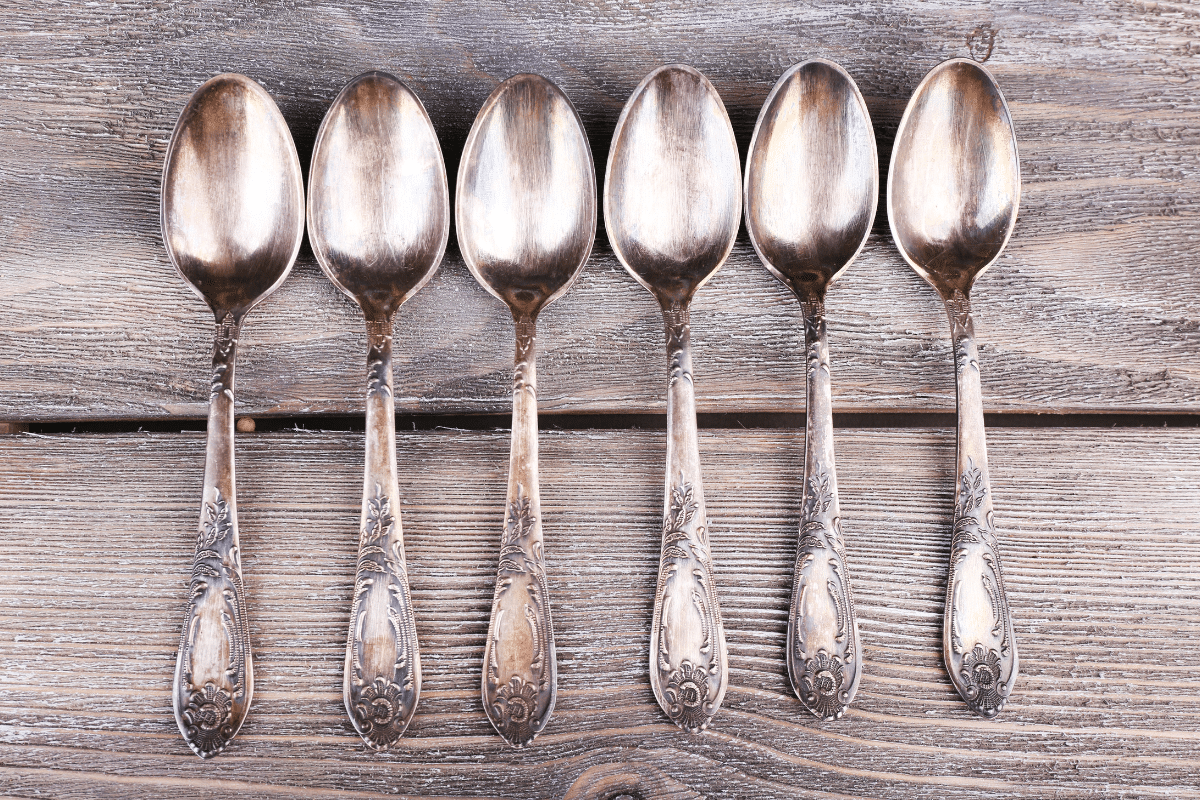
I grew up terrified of the oddest things. I wasn’t bold enough to ask why, so I just did as I was told. Here’s one that stuck with me for decades: never, ever put silver in the dishwasher. Ever.
I had no idea what would actually happen if I did it. My fear of finding out kept me obedient for years. Then I got my own china, my own silver, and a rebellious streak I didn’t know I had. Turns out you don’t go to jail for loading a fork wrong.
This whole topic came roaring back to me when a reader named Anne wrote in with a question I hear all the time:
Dear Mary: I have a set of silver flatware that I use daily and wash in the dishwasher. After a few times through a normal cycle, the pieces turn very tarnished. It’s not a fancy set, just a nice one for everyday use. Do you think the dishwasher detergent is tarnishing the silver?”
– Anne
Dear Anne: The detergent might be part of it, but I’d put my money on how you’re loading the machine.
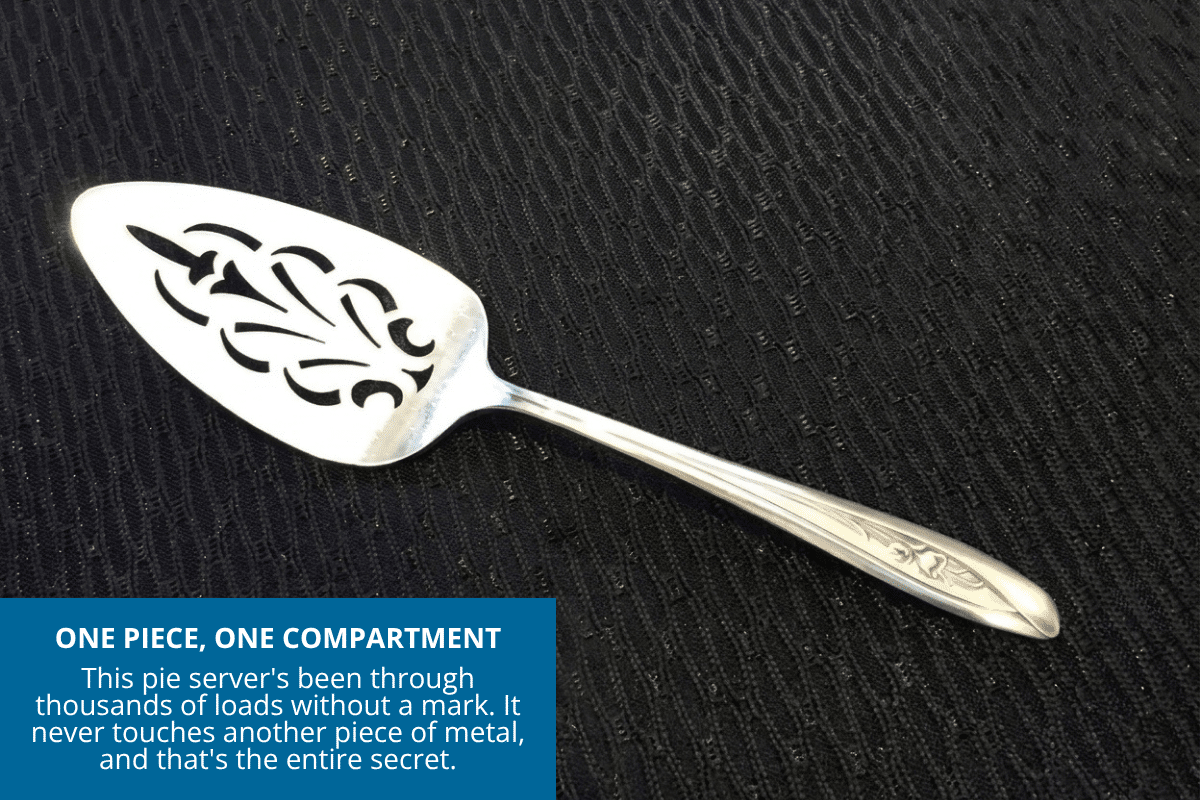
Case in point, my favorite little pie server. I love the size, I love how it feels in my hand, and I run it through the dishwasher almost every night. It sits alone in its own compartment, never touching another piece of metal. I inherited it years ago, and other than using it, cleaning it, and following the rules below, I haven’t done a thing to it. It still looks the way it did the day it landed in my kitchen drawer.
Tarnish and that dishwasher discoloring are two different problems
Tarnish happens when sulfur in the air reacts with silver over time. That’s not what you’re seeing after a run through the dishwasher, though. What shows up on your flatware is an electrolytic reaction, and it happens when silver touches another type of metal during the wash cycle.
If you’re loading stainless steel forks next to grandma’s sterling spoons, that’s your culprit. The good news: this one’s completely preventable, and it has nothing to do with your detergent.
If your pieces are already badly tarnished, clean them up with Flitz Multi Purpose Metal Polish. It’s the best metal polish I’ve ever used, and I’ve tried plenty. Once your silver is polished, regular use and proper cleaning will keep new tarnish from building back up.

(Disclosure: This post includes an Amazon Creator Connections product. I may earn a small commission if you purchase through the link, at no additional cost to you.)
Cleaning and polishing are not the same job
Here’s where a lot of people get tripped up. Polishing is occasional. Cleaning happens after every meal. The dishwasher handles the cleaning part beautifully, for both sterling silver and silver plate, so long as you’re not asking it to do the polishing part too.
How to actually clean silver in the dishwasher
Rule 1: Solid pieces only.
No pearl handles, no glued joints, no weighted or reinforced pieces. Hollow-handle knives are a hard no for the dishwasher. Those get washed by hand, every time.
Rule 2: Rinse right after use.
Don’t let food sit on silver. Leftover sauce or salt can cause corrosion or pitting, and that damage doesn’t buff out.
Rule 3: Keep silver away from other metal.
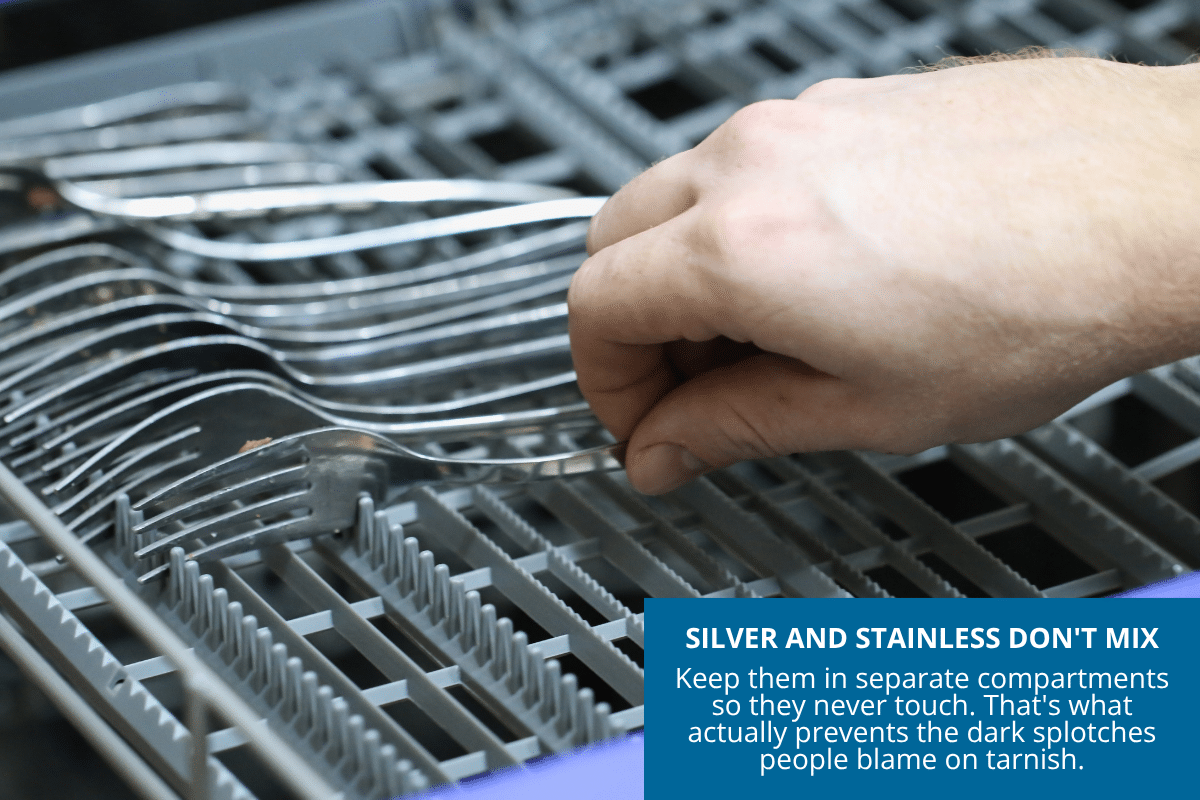
This includes stainless steel, which is the real reason behind most of that dark, splotchy discoloring people blame on tarnish. Marks like that are stubborn. You’ll need that polish I mentioned and a fair amount of elbow grease to get them out. Silver and stainless can absolutely ride in the same dishwasher load. Just keep them in separate compartments so they never touch.
Rule 4: Stick to normal or delicate.
Skip the heavy-duty cycle and skip the high-temp sanitizing setting. Silver doesn’t need either one, and both do more harm than good.
Rule 5: Watch your detergent.
Use an automatic dishwasher detergent without lemon, citrus, or phosphates. I use Cascade Complete. It’s phosphate-free, no citrus added, and it’s never once let me down.

Follow those five rules and your silver, sterling or plated, will come out of every load clean, shiny, and ready for the table. No hand-washing marathon required. No fear of the unknown either.
Now go pull out the good silver. Use it. That’s what it’s for.
Question: What’s the one kitchen “rule” you grew up believing, and never questioned until you were an adult? Share in the comments below.
EverydayCheapskate™ is reader-supported. We participate in the Amazon Services LLC Associates Program and other affiliate advertising programs, designed to provide a means for us to earn from qualifying purchases, at no cost to you.

More from Everyday Cheapskate
 https://www.everydaycheapskate.com/wp-content/uploads/20260826-DIY-cat-litter-deodorizer-kitten-looking-up-at-camera-from-box.png
800
1200
Mary Hunt
https://www.everydaycheapskate.com/wp-content/uploads/EC-Logo-by-Mary-Hunt-Tagline-Trimmed.png
Mary Hunt2026-08-25 21:17:362026-09-28 22:49:26The One-Ingredient Litter Box Trick That Costs Pennies
https://www.everydaycheapskate.com/wp-content/uploads/20260826-DIY-cat-litter-deodorizer-kitten-looking-up-at-camera-from-box.png
800
1200
Mary Hunt
https://www.everydaycheapskate.com/wp-content/uploads/EC-Logo-by-Mary-Hunt-Tagline-Trimmed.png
Mary Hunt2026-08-25 21:17:362026-09-28 22:49:26The One-Ingredient Litter Box Trick That Costs Pennies https://www.everydaycheapskate.com/wp-content/uploads/20260809-how-to-get-the-smell-out-of-towels-stack-of-towels-sitting-with-candle-in-bright-natural-light.png
800
1200
Mary Hunt
https://www.everydaycheapskate.com/wp-content/uploads/EC-Logo-by-Mary-Hunt-Tagline-Trimmed.png
Mary Hunt2026-08-08 16:48:552026-08-08 16:50:57How to Get Smell Out of Towels: The 2-Wash Fix That Works
https://www.everydaycheapskate.com/wp-content/uploads/20260809-how-to-get-the-smell-out-of-towels-stack-of-towels-sitting-with-candle-in-bright-natural-light.png
800
1200
Mary Hunt
https://www.everydaycheapskate.com/wp-content/uploads/EC-Logo-by-Mary-Hunt-Tagline-Trimmed.png
Mary Hunt2026-08-08 16:48:552026-08-08 16:50:57How to Get Smell Out of Towels: The 2-Wash Fix That Works https://www.everydaycheapskate.com/wp-content/uploads/20260729-the-problem-with-fabric-softener-sitting-on-a-washer.png
800
1200
Mary Hunt
https://www.everydaycheapskate.com/wp-content/uploads/EC-Logo-by-Mary-Hunt-Tagline-Trimmed.png
Mary Hunt2026-07-29 13:45:412026-07-29 13:47:50Fabric Softener Is Wrecking Your Laundry. Here’s What Actually Works.
https://www.everydaycheapskate.com/wp-content/uploads/20260729-the-problem-with-fabric-softener-sitting-on-a-washer.png
800
1200
Mary Hunt
https://www.everydaycheapskate.com/wp-content/uploads/EC-Logo-by-Mary-Hunt-Tagline-Trimmed.png
Mary Hunt2026-07-29 13:45:412026-07-29 13:47:50Fabric Softener Is Wrecking Your Laundry. Here’s What Actually Works. https://www.everydaycheapskate.com/wp-content/uploads/20260703-home-decor.png
800
1200
Mary Hunt
https://www.everydaycheapskate.com/wp-content/uploads/EC-Logo-by-Mary-Hunt-Tagline-Trimmed.png
Mary Hunt2026-07-03 20:46:552026-09-28 22:51:4110 Everyday Items You Never Think to Wash (But Should)
https://www.everydaycheapskate.com/wp-content/uploads/20260703-home-decor.png
800
1200
Mary Hunt
https://www.everydaycheapskate.com/wp-content/uploads/EC-Logo-by-Mary-Hunt-Tagline-Trimmed.png
Mary Hunt2026-07-03 20:46:552026-09-28 22:51:4110 Everyday Items You Never Think to Wash (But Should) https://www.everydaycheapskate.com/wp-content/uploads/20260626-homemade-stain-paste-sitting-on-wooden-countertop-in-laundry-room-with-washer-and-dryer.png
800
1200
Mary Hunt
https://www.everydaycheapskate.com/wp-content/uploads/EC-Logo-by-Mary-Hunt-Tagline-Trimmed.png
Mary Hunt2026-06-26 17:41:192026-09-28 22:52:13Homemade Laundry Stain Paste That Works for Pennies
https://www.everydaycheapskate.com/wp-content/uploads/20260626-homemade-stain-paste-sitting-on-wooden-countertop-in-laundry-room-with-washer-and-dryer.png
800
1200
Mary Hunt
https://www.everydaycheapskate.com/wp-content/uploads/EC-Logo-by-Mary-Hunt-Tagline-Trimmed.png
Mary Hunt2026-06-26 17:41:192026-09-28 22:52:13Homemade Laundry Stain Paste That Works for Pennies https://www.everydaycheapskate.com/wp-content/uploads/20260624-why-does-my-ice-taste-weird-soda-tea-lemonade-juice.png
800
1200
Mary Hunt
https://www.everydaycheapskate.com/wp-content/uploads/EC-Logo-by-Mary-Hunt-Tagline-Trimmed.png
Mary Hunt2026-06-24 17:10:532026-09-28 22:52:34Why Does My Ice Taste Weird? Here’s the Answer
https://www.everydaycheapskate.com/wp-content/uploads/20260624-why-does-my-ice-taste-weird-soda-tea-lemonade-juice.png
800
1200
Mary Hunt
https://www.everydaycheapskate.com/wp-content/uploads/EC-Logo-by-Mary-Hunt-Tagline-Trimmed.png
Mary Hunt2026-06-24 17:10:532026-09-28 22:52:34Why Does My Ice Taste Weird? Here’s the Answer https://www.everydaycheapskate.com/wp-content/uploads/20260618-retriever-labrador-on-white-rug-in-bright-contemporary-living-room-pet-stains-and-odors.png
800
1200
Mary Hunt
https://www.everydaycheapskate.com/wp-content/uploads/EC-Logo-by-Mary-Hunt-Tagline-Trimmed.png
Mary Hunt2026-06-18 23:08:332026-09-28 22:54:04Homemade Pet Stain Remover That Stops Repeat Accidents
https://www.everydaycheapskate.com/wp-content/uploads/20260618-retriever-labrador-on-white-rug-in-bright-contemporary-living-room-pet-stains-and-odors.png
800
1200
Mary Hunt
https://www.everydaycheapskate.com/wp-content/uploads/EC-Logo-by-Mary-Hunt-Tagline-Trimmed.png
Mary Hunt2026-06-18 23:08:332026-09-28 22:54:04Homemade Pet Stain Remover That Stops Repeat Accidents https://www.everydaycheapskate.com/wp-content/uploads/20260615-how-to-get-rid-of-the-smell-in-the-ice-cooler-chest.png
800
1200
Mary Hunt
https://www.everydaycheapskate.com/wp-content/uploads/EC-Logo-by-Mary-Hunt-Tagline-Trimmed.png
Mary Hunt2026-06-15 20:59:282026-09-28 22:54:09How to Clean and Deodorize Your Cooler So It Doesn’t Stink
https://www.everydaycheapskate.com/wp-content/uploads/20260615-how-to-get-rid-of-the-smell-in-the-ice-cooler-chest.png
800
1200
Mary Hunt
https://www.everydaycheapskate.com/wp-content/uploads/EC-Logo-by-Mary-Hunt-Tagline-Trimmed.png
Mary Hunt2026-06-15 20:59:282026-09-28 22:54:09How to Clean and Deodorize Your Cooler So It Doesn’t Stink https://www.everydaycheapskate.com/wp-content/uploads/20260612-laundry-stripping-stack-of-white-towels.png
800
1200
Mary Hunt
https://www.everydaycheapskate.com/wp-content/uploads/EC-Logo-by-Mary-Hunt-Tagline-Trimmed.png
Mary Hunt2026-06-12 16:57:242026-06-12 16:59:18Laundry Stripping: The Surprising Fix for Dingy Sheets, Gray Towels, and Sad-Looking Underwear
https://www.everydaycheapskate.com/wp-content/uploads/20260612-laundry-stripping-stack-of-white-towels.png
800
1200
Mary Hunt
https://www.everydaycheapskate.com/wp-content/uploads/EC-Logo-by-Mary-Hunt-Tagline-Trimmed.png
Mary Hunt2026-06-12 16:57:242026-06-12 16:59:18Laundry Stripping: The Surprising Fix for Dingy Sheets, Gray Towels, and Sad-Looking UnderwearPlease keep your comments positive, encouraging, helpful, brief,
and on-topic in keeping with EC Commenting Guidelines
Last update on 2026-10-11 / Affiliate links / Images from Amazon Product Advertising API


Thank you for this article! How do I know if I have hollowed out knives and why is it bad for them to go in the dishwasher? Thank you!
Hollow knives are manufactured in two parts, that are basically “glued” together. The heat in the dishwasher can destroy those bonds. You can tell by looking if the knife has been at one time two parts that were than “melded” together.
Where can I buy silverware safe dishwasher powder in New Zealand?
Have looked many places but can’t find any safe product.
Thanks
Hi Mary,
One Christmas a silver serving spoon was left in the container of lutefisk while we ate dinner.
The spoon didn’t look tarnished until it was removed from the lutefisk.
The submerged part of the spoon came out looking like it had been cleaned and polished.
Mom & I still consider lutefisk a Christmas treat but other family members disagree!
Thank you for your articles. I look forward to your daily email.
I’ve heard about lutefisk, never tried it. I understand it has a certain, well … um, fragrance! As for “cleaning” that spoon, I’m suspecting that the salt and lye used to make lutefisk may have something to do with it. Please don’t consider this a recommendation for cleaning silver, as I cannot guarantee that a salt and lye combo will not damage or even remove some of that utensil’s silver plating.
I have washed “everyday” (thrift find) silver plate in my dishwasher for a number of years with good results. I use cascade platinum, rather than cascade complete. Is that acceptable? I have a very good set of silver plate that I rarely use and have always washed it by hand. This is good information to have so I can feel comfortable putting it in the dishwasher.
Thanks for this! Do you have any recommendations for rinse aids without citric acid? Jet Dry and Cascade Platinum both contain it, and we’re trying to find an option that won’t tarnish our plated flatware.
I’d skip the rinse aide when washing silver in the dishwasher unless you can find one that does not have citric acid. A good alternative is fill your rinse aid reservoir with white vinegar instead of commercial rinse aid.
Just to be clear, the silver can touch other pieces of like silver, but not any different metals, right? Or must each piece be kept from touching anything else, even other silver?
Yes! Thanks for that question … I will amend the text to be sure that is clear! xo m
Thank you so so much for this article. You really saved me. I was always washing my silverware with Silver foil + Salt + Hot water. But other days coincidentally I washed it in the dishwasher with Cascade Complate.2X. I was shocked. It was a sparkling shine!! I’ve never thought of this result. Coz I had hardly believed all dishwasher detergent is very harmful to silverware. So I searched for the reason on the internet and found this article. Now I understood it! Thank you again!!
my wedding silver is tarnished , best way to remove tarnish or will putting it in the dishwaher with cascade take the tarnish off?
I have a new dishwasher where the flatware goes on rack on the top level of the dishwasher. I’m thinking that would be good to wash silver on because they are separate, and far from heat and detergent. I have pewter flatware also. What do you think about washing it in the dishwasher?
I am now using my mother’s silver every day. We was them in the dishwasher but keep any stainless away from it. We love it because it’s so beautiful and special!
I too have my mother and grandmother’s silverware.. Lady Hamilton , pattern.. You say not touching anything else.. what about the stainless dishwasher interior? is it different in someway?
My mother washed both her sterling silver and her silver-plate in the dishwasher for 50 years, using a whole range of dishwasher powders – whichever was the cheapest!
I’ve inherited her cutlery, and it still looks perfect…
Thank you so much for the advice!
I’d love to know what detergent you recommend. I’m having trouble finding one with no citrus, or phospates.
Plain Cascade Complete Powder meets all the criteria.
Hello Mary, I’m confused about the Cascade complete. I have a set of silver flatware and I just moved so I like to run everything through a wash. My Cascade Complete 2x (liquid) contains citric acid. Is it only the powder version that doesn’t contain citric acid? Thanks!
Make sure the detergent you use does not contain lemon, citrus, phosphates, or citric acid. Plain Cascade Complete powder (link above) is one option. P & G makes a number of versions of Cascade Complete and your 2x liquid is one. And I’m fairly certain there are other brands of dishwashing detergent powder out there that don’t have citric, citrus, phosphates. Just make sure you read the label. Hope that helps.
The powdered version does not contain the citric acid, etc. I would be hesitant to use the liquid version that does.
I was always told the same about washing sterling. For many years we didn’t even have a dishwasher so it wasn’t an issue. Now I have my mothers silver – that I polished many times over the years!-and it’s just so precious to me that it is a joy to hand wash & dry bringing back so many memories of family times around the table. It lives in it’s original lined case & seldom needs more that a quick buffing job. When it does, I use a product recommended to me by an antique dealer called “Never Dull”. It comes in a can & is a wadding material that will last for years. It will polish just about any kind of metal & works like a charm on sterling.
Annie56 I use Never Dull too & love it! Like you I have my mothers silver now in it’s original case. Wouldn’t dream of putting it at risk in the dishwasher. Too many memories.