

How to Remove Scratches from Stainless Steel Sinks and Appliances


Stainless steel sinks and appliances can instantly elevate any kitchen with their sleek, modern look, but they can also show wear over time. Scratches, whether they’re light scuffs or deeper marks, can dull that polished shine. Fortunately, with the right tools and techniques, you can bring your stainless steel back to its original glory. Follow this simple guide to say goodbye to scratches and hello to a sparkling surface!

Scratches aren’t just limited to your sink—they can appear on appliances, cabinet hardware, and even stainless steel countertops. The good news? If you’re careful and use the proper methods, you can often buff those scratches right out, restoring the surface to its smooth, scratch-free state. Here’s what you need to know before you dive in.
How to Identify Coated vs. Uncoated Stainless Steel
Before you get started, it’s essential to know if you’re working with coated or uncoated stainless steel. Some modern stainless steel products come with a protective synthetic clear coat that resists fingerprints and smudges—like Whirlpool’s line of fingerprint-resistant appliances.
Not sure whether your stainless steel is coated? Here’s a quick tip: the finish on coated stainless tends to be shinier and more uniform. However, if you’re still unsure, check your owner’s manual or reach out to the manufacturer. Getting this right is crucial because the techniques to remove scratches only work on uncoated stainless steel.
Caution: Know Your Stainless Before You Start
If your stainless steel is coated (often called smudge-proof or fingerprint-resistant), the scratch-removal techniques below won’t work. In fact, trying them could make things worse! For coated stainless, it’s best to leave the scratches alone, or you may end up with a bigger problem on your hands. The following methods are for uncoated stainless steel only.
Examine the Grain

Once you’ve confirmed your stainless steel is uncoated, it’s time to check for the grain. Brushed stainless steel has fine lines or brush marks that run in one direction. These marks, called the grain, are part of the manufacturing process, and it’s critical to work with the grain when removing scratches. Rubbing against the grain can leave you with a bigger mess than when you started. Always follow the grain for the best results.
Test in an Inconspicuous Area
Before tackling the scratches on a visible spot, it’s smart to do a test run in a hidden area. Try an out-of-sight spot—like behind the faucet, along a seam, or on the back of the appliance. This way, you can avoid any unexpected surprises if the method doesn’t work as expected. Always better safe than sorry!
How to Remove Fine Scratches from Stainless Steel Sinks

Got fine scratches on your stainless steel sink? With a little elbow grease and the right product, you can make those scratches disappear. Here’s a step-by-step guide to restoring that smooth, shiny finish.
- Mix the Perfect Paste
Start by pouring a small amount of Bar Keepers Friend powdered cleanser into a small bowl. Add a few drops of water at a time, stirring until the mixture reaches the consistency of toothpaste. This is your scratch-removing paste. - Apply the Paste
Take a clean, dry microfiber cloth and apply a small amount of the paste to it. Gently rub the cloth back and forth over the scratch in straight lines, always following the grain of the stainless steel. Avoid circular motions, as this can leave behind unsightly patterns. - Wipe and Inspect
Once you’ve gone over the scratched area, use a second damp microfiber cloth to gently wipe away the paste. Check the surface to see if the scratch is gone. Fine scratches should disappear after the first round. - Repeat if Necessary
If you still see the scratch, simply repeat the process as needed until you’re happy with the results. Finish by drying and polishing the surface with a third, dry microfiber cloth to bring back that gleaming shine.

How to Remove Deep Scratches from Stainless Steel
Dealing with deeper scratches on uncoated stainless steel? If the gentler method didn’t quite do the trick, don’t worry—there’s still hope. For tougher scratches, I recommend the ScratchPro Kit for Polishing and Repairing Stainless Steel Sinks, which is designed specifically for situations like this. But before you dive in, make sure you read the instructions carefully for the best results.
Here’s how to use it:
- Identify the Grain
Start by finding the direction of the grain on your stainless steel surface. This is crucial—buffing against the grain can cause more damage, so always work with it. - Step 1: Sandpaper for Scratch Removal
If you’re dealing with noticeable scratches, the sandpaper step is where you begin. Attach the sandpaper to the foam gripper and gently buff the scratched area, always going with the grain. Important tip: This step changes the factory finish, so avoid using it on large surfaces like refrigerator doors unless you’re prepared to refinish the whole area for an even look. If the scratch isn’t too deep, feel free to skip this step. - Step 2: Orange Buffing for Shine Restoration
Once the scratch is reduced or gone, swap the sandpaper for the Orange buffing pad. Apply a small strip of Orange compound #2 to the pad, then buff along the grain until the surface starts to shine again. Be thorough in cleaning off all residue before moving on—any leftover compound could scratch your surface in the next step. - Step 3: Black Pad for Polishing
Finish up with the Black polishing pad and Black compound #3. Buff in the direction of the grain until your stainless steel looks polished and blended. Clean the area well, removing all residue, and store the pads with their plastic protectors to keep them in good condition.

Avoiding Common Mistakes When Cleaning Stainless Steel
Green Scotch-Brite: NO!
When it comes to stainless steel, never use the dark green Scotch-Brite scrubbers. This includes the rough, scrubby green side of a yellow Scotch-Brite sponge or the full-on green cleaning pads. The heavy-duty green version will scratch and dull your stainless steel, stripping away its beautiful shine. While these work wonders for other tough cleaning jobs, they’re a disaster for your stainless surfaces. So, just don’t!
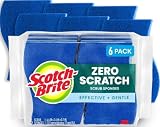
Blue Scotch-Brite: YES!
On the other hand, the non-scratch blue Scotch-Brite sponges and pads are safe for cleaning stainless steel. These blue versions are designed for delicate surfaces like non-stick cookware and work just as well on your stainless appliances without damaging them. So, if you need a scrubbing sponge for your stainless steel, make sure it’s blue!
A Little Extra Advice
For peace of mind, I’d recommend keeping the green Scotch-Brite scrubbers out of your home altogether—especially if you own stainless steel appliances. Trust me, even with the best intentions, family members, guests, or housekeepers will inevitably reach for the wrong one to clean up, and that green scrubber will do more harm than good.
Tips for Maintaining Your Stainless Steel Surfaces

Sprayway Oil-based Stainless Steel Cleaner and Polish
When it comes to keeping your stainless steel looking flawless—whether it’s appliances, sinks, or cookware—Sprayway Stainless Steel Cleaner is my go-to product. This oil-based cleaner works wonders on both coated and uncoated stainless steel, leaving no streaks, just a beautiful, streak-free shine that will have your kitchen gleaming. For best results, apply it with a very soft cloth to gently polish your surfaces.
Why Invest in a High-Quality Cleaner?
I know, a quality stainless steel cleaner like Sprayway isn’t the cheapest option out there, but it’s definitely worth it. Think about it: you invested in those gorgeous stainless steel appliances, sinks, and cookware—why skimp on the maintenance? Using a high-quality cleaner ensures that your stainless steel keeps its luster for years to come, without scratching or dulling its surface. In the long run, spending a little more on upkeep now can save you from costly repairs or replacements down the road.
Remember, maintaining your stainless steel properly not only keeps it looking great but also extends its lifespan. It’s a small price to pay for keeping your kitchen in top shape!

Natural Homemade Stainless Steel Cleaner
If you prefer a DIY option, this simple, natural solution can do the job well wiping away fingerprints, smudges, and grime without harsh chemicals. Best of all? You probably already have most of the ingredients on hand.
This recipe uses cleaning vinegar (with a higher acidity than regular vinegar) to cut through grease, paired with mineral oil for a shiny, streak-free finish. It’s safe to use on non-coated stainless steel and works well on sinks, appliances, and fixtures.
Pro tip: Be sure to check your appliance’s manual to make sure it doesn’t have an oleophobic (oil-repellent) coating, which could be damaged by vinegar.
Click here for the full recipe and step-by-step instructions →
Question: What’s the worst scratch you’ve had on your stainless steel appliances? Share your battle scars and your best tips for restoring that shine.
EverydayCheapskate™ is reader-supported. We participate in the Amazon Services LLC Associates Program and other affiliate advertising programs, designed to provide a means for us to earn from qualifying purchases, at no cost to you.

More from Everyday Cheapskate
 https://www.everydaycheapskate.com/wp-content/uploads/20261024-A-cup-of-coffee-notebook-and-pen-on-a-table.png
800
1200
Mary Hunt
https://www.everydaycheapskate.com/wp-content/uploads/EC-Logo-by-Mary-Hunt-Tagline-Trimmed.png
Mary Hunt2026-10-24 13:13:592026-10-24 13:13:59What Is Frugal Living? It’s Probably Not What You Think
https://www.everydaycheapskate.com/wp-content/uploads/20261024-A-cup-of-coffee-notebook-and-pen-on-a-table.png
800
1200
Mary Hunt
https://www.everydaycheapskate.com/wp-content/uploads/EC-Logo-by-Mary-Hunt-Tagline-Trimmed.png
Mary Hunt2026-10-24 13:13:592026-10-24 13:13:59What Is Frugal Living? It’s Probably Not What You Think https://www.everydaycheapskate.com/wp-content/uploads/20261023-Paper-calendar-and-digital-calendar-on-a-smartphone-side-by-side.png
800
1200
Mary Hunt
https://www.everydaycheapskate.com/wp-content/uploads/EC-Logo-by-Mary-Hunt-Tagline-Trimmed.png
Mary Hunt2026-10-23 11:55:302026-10-23 11:55:30Paper or Digital Calendar? Turns Out, You May Need Both
https://www.everydaycheapskate.com/wp-content/uploads/20261023-Paper-calendar-and-digital-calendar-on-a-smartphone-side-by-side.png
800
1200
Mary Hunt
https://www.everydaycheapskate.com/wp-content/uploads/EC-Logo-by-Mary-Hunt-Tagline-Trimmed.png
Mary Hunt2026-10-23 11:55:302026-10-23 11:55:30Paper or Digital Calendar? Turns Out, You May Need Both https://www.everydaycheapskate.com/wp-content/uploads/20261017-Woman-opening-refrigerator-stocked-with-fresh-food-and-condiments.png
800
1200
Mary Hunt
https://www.everydaycheapskate.com/wp-content/uploads/EC-Logo-by-Mary-Hunt-Tagline-Trimmed.png
Mary Hunt2026-10-17 12:16:242026-10-17 12:16:24What Temperature Should a Refrigerator and Freezer Be?
https://www.everydaycheapskate.com/wp-content/uploads/20261017-Woman-opening-refrigerator-stocked-with-fresh-food-and-condiments.png
800
1200
Mary Hunt
https://www.everydaycheapskate.com/wp-content/uploads/EC-Logo-by-Mary-Hunt-Tagline-Trimmed.png
Mary Hunt2026-10-17 12:16:242026-10-17 12:16:24What Temperature Should a Refrigerator and Freezer Be? https://www.everydaycheapskate.com/wp-content/uploads/20261012-Woman-using-smartphone-while-checking-monthly-cellular-data-usage-on-laptop.png
800
1200
Mary Hunt
https://www.everydaycheapskate.com/wp-content/uploads/EC-Logo-by-Mary-Hunt-Tagline-Trimmed.png
Mary Hunt2026-10-12 10:51:112026-10-12 10:51:11Do You Really Need Unlimited Data? Check Before You Pay
https://www.everydaycheapskate.com/wp-content/uploads/20261012-Woman-using-smartphone-while-checking-monthly-cellular-data-usage-on-laptop.png
800
1200
Mary Hunt
https://www.everydaycheapskate.com/wp-content/uploads/EC-Logo-by-Mary-Hunt-Tagline-Trimmed.png
Mary Hunt2026-10-12 10:51:112026-10-12 10:51:11Do You Really Need Unlimited Data? Check Before You Pay https://www.everydaycheapskate.com/wp-content/uploads/20261011-Woman-Adjusting-Smart-Home-Device-on-the-Wall-how-to-lower-your-electric-bill.png
800
1200
Mary Hunt
https://www.everydaycheapskate.com/wp-content/uploads/EC-Logo-by-Mary-Hunt-Tagline-Trimmed.png
Mary Hunt2026-10-11 23:01:562026-10-11 23:01:56Stop Chasing Pennies on Your Electric Bill. Do This
https://www.everydaycheapskate.com/wp-content/uploads/20261011-Woman-Adjusting-Smart-Home-Device-on-the-Wall-how-to-lower-your-electric-bill.png
800
1200
Mary Hunt
https://www.everydaycheapskate.com/wp-content/uploads/EC-Logo-by-Mary-Hunt-Tagline-Trimmed.png
Mary Hunt2026-10-11 23:01:562026-10-11 23:01:56Stop Chasing Pennies on Your Electric Bill. Do This https://www.everydaycheapskate.com/wp-content/uploads/20261007-red-present-sitting-in-autumn-leaves-Amazon-Prime-Big-Deal-Days-gifts.png
800
1200
Mary Hunt
https://www.everydaycheapskate.com/wp-content/uploads/EC-Logo-by-Mary-Hunt-Tagline-Trimmed.png
Mary Hunt2026-10-06 23:09:432026-10-06 23:09:43Christmas Shopping in October? These Prime Day Gifts Make Sense
https://www.everydaycheapskate.com/wp-content/uploads/20261007-red-present-sitting-in-autumn-leaves-Amazon-Prime-Big-Deal-Days-gifts.png
800
1200
Mary Hunt
https://www.everydaycheapskate.com/wp-content/uploads/EC-Logo-by-Mary-Hunt-Tagline-Trimmed.png
Mary Hunt2026-10-06 23:09:432026-10-06 23:09:43Christmas Shopping in October? These Prime Day Gifts Make Sense https://www.everydaycheapskate.com/wp-content/uploads/20261006-prime-big-deal-days-have-landed.png
800
1200
Mary Hunt
https://www.everydaycheapskate.com/wp-content/uploads/EC-Logo-by-Mary-Hunt-Tagline-Trimmed.png
Mary Hunt2026-10-05 11:01:432026-10-07 09:02:53EC’s Top Picks from Amazon Prime Big Deal Days 2026
https://www.everydaycheapskate.com/wp-content/uploads/20261006-prime-big-deal-days-have-landed.png
800
1200
Mary Hunt
https://www.everydaycheapskate.com/wp-content/uploads/EC-Logo-by-Mary-Hunt-Tagline-Trimmed.png
Mary Hunt2026-10-05 11:01:432026-10-07 09:02:53EC’s Top Picks from Amazon Prime Big Deal Days 2026 https://www.everydaycheapskate.com/wp-content/uploads/20261004-reduce-healthcare-costs-with-three-habits-healthy-couple-walking-in-autumn-leaves.png
800
1200
Mary Hunt
https://www.everydaycheapskate.com/wp-content/uploads/EC-Logo-by-Mary-Hunt-Tagline-Trimmed.png
Mary Hunt2026-10-04 23:08:572026-10-04 23:09:47How to Reduce Healthcare Costs With 3 Free Daily Habits
https://www.everydaycheapskate.com/wp-content/uploads/20261004-reduce-healthcare-costs-with-three-habits-healthy-couple-walking-in-autumn-leaves.png
800
1200
Mary Hunt
https://www.everydaycheapskate.com/wp-content/uploads/EC-Logo-by-Mary-Hunt-Tagline-Trimmed.png
Mary Hunt2026-10-04 23:08:572026-10-04 23:09:47How to Reduce Healthcare Costs With 3 Free Daily Habits https://www.everydaycheapskate.com/wp-content/uploads/20241004-news-you-can-use-october-everyday-cheapskate-top-news-articles.png
800
1200
Mary Hunt
https://www.everydaycheapskate.com/wp-content/uploads/EC-Logo-by-Mary-Hunt-Tagline-Trimmed.png
Mary Hunt2026-10-04 01:04:052026-10-23 09:46:06News You Can Use • October 2026
https://www.everydaycheapskate.com/wp-content/uploads/20241004-news-you-can-use-october-everyday-cheapskate-top-news-articles.png
800
1200
Mary Hunt
https://www.everydaycheapskate.com/wp-content/uploads/EC-Logo-by-Mary-Hunt-Tagline-Trimmed.png
Mary Hunt2026-10-04 01:04:052026-10-23 09:46:06News You Can Use • October 2026Please keep your comments positive, encouraging, helpful, brief,
and on-topic in keeping with EC Commenting Guidelines
Last update on 2026-10-26 / Affiliate links / Images from Amazon Product Advertising API


Today (11/22/23) the three pack of Sprayway Stainless steel Cleaner is not available on Amazon — in looking further, I discovered it is cheaper by the single unit! 21 cents cheaper per ounce!
Help!!!!
I cleaned my oven with oven cleaner ( inside )
Outside edge got a drip of oven cleaner that has “removed “ the stainless look .
What do I do ????
I looked through saved articles and I am stumped .
Exactly which oven cleaner?
I got rid of all my stainless steel appliances. I love it. My kitchen looked to institutional for my taste. Best thing I ever did. Love it.
Thanks for the article! I rent a home and they placed a brand new stainless steel (I’m sure it’s coated), Hisense refrigerator in it when I moved in. Today I had a senior moment and flipped over my sponge to try to get a stubborn stain off the front. Instant scratch. So dumb! Reading that nothing will help if it’s coated, it occurred to me maybe vaseline would at least mask it. It worked beautifully! I now barely notice the area. Thought you might want to update your info with that little tidbit. Rub a little in, let it sit…eventually rub any excess off gently and presto!
The flour cleaner is interesting, but what do you do when you are done to get the flour out of the sink?
I vacuum it away with my Black + Decker handheld cordless vac. Or you could mop it up with a wet paper towel and toss in the trash.
Any suggestions for removing a dent from a stainless steel refrigerator?
I’d call an auto dent removal company. They’re typically mobile and come to the dented car. I can’t see why they couldn’t undent your refrigerator, but honestly I’ve not looked into this. Let us know what you learn!
Kathy,
Try a small suction/plunger — just a thought!