
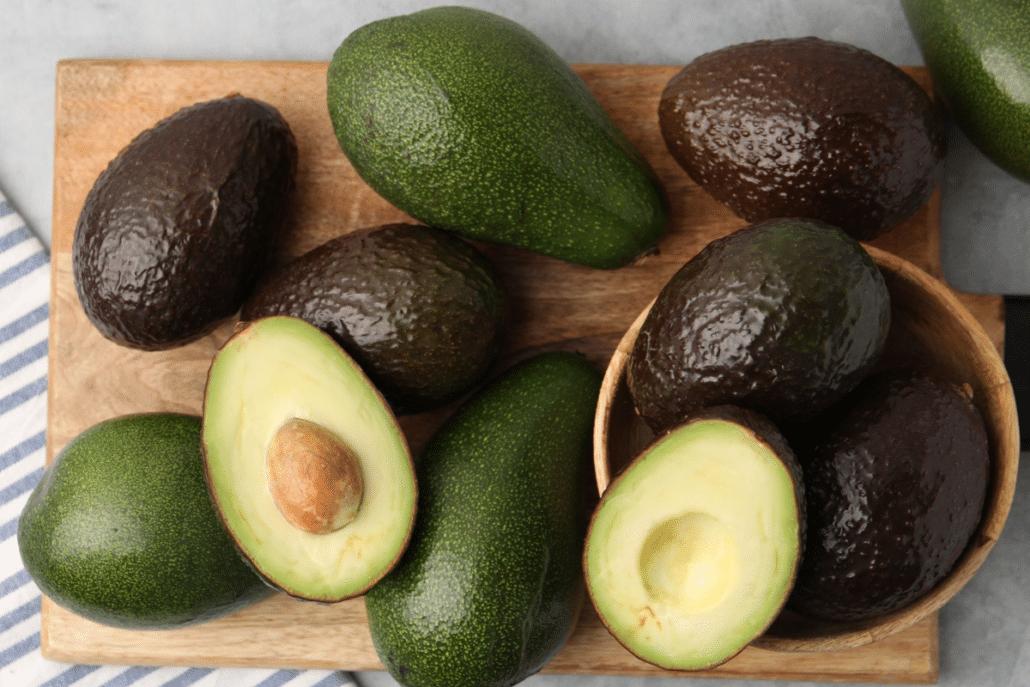
How to Store Avocados So They Last Longer


Knowing how to store avocados can mean the difference between cutting into creamy green perfection and discovering you waited one day too long. Here’s how to tell when an avocado is ripe, when to refrigerate it, how to keep a cut avocado from browning and the best way to freeze extras before they go bad.
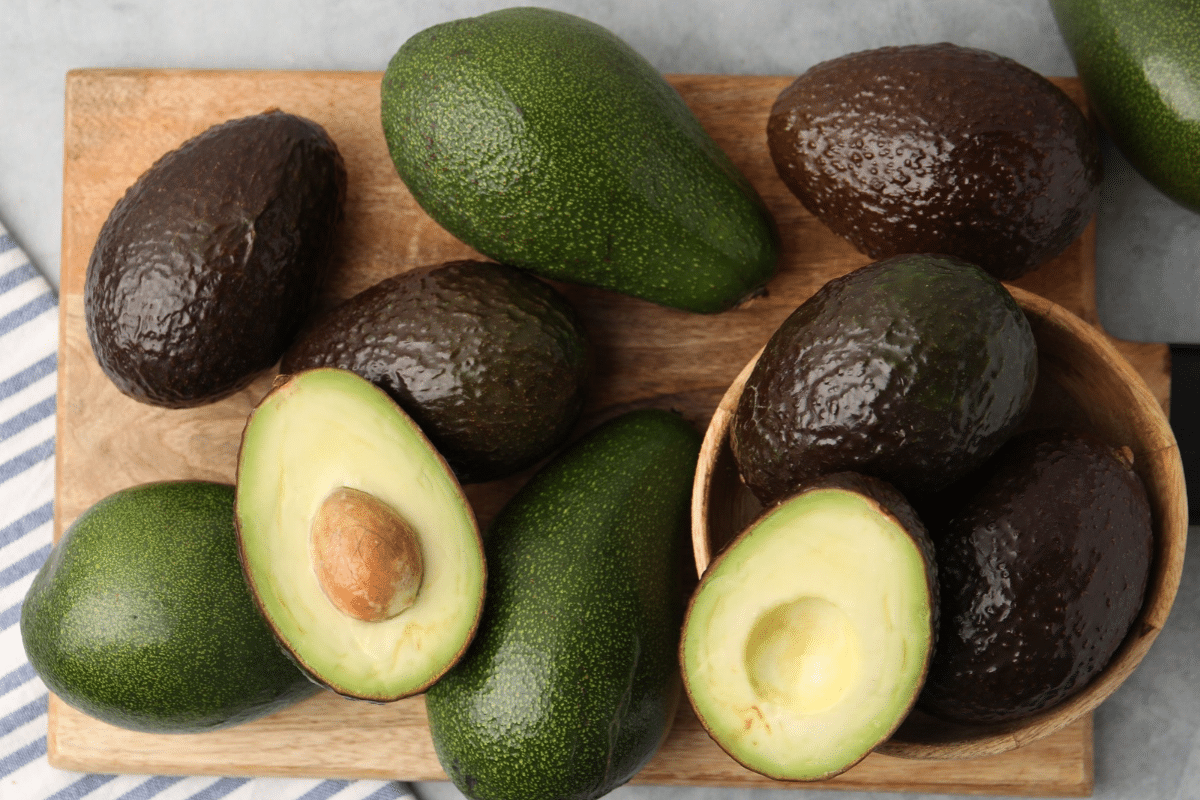
Avocados have an uncanny ability to test our timing. Too hard to eat on Monday. Perfect on Tuesday. By Wednesday? Well, let’s just say the compost bin may be getting an expensive little donation.
If you’ve ever cut into an avocado only to discover you missed its moment, I understand the frustration. Avocados aren’t exactly cheap, and throwing one away because it ripened faster than expected feels particularly wasteful.
Fortunately, you have more control over the situation than you might think.
Knowing how to store avocados at each stage of ripeness can buy you valuable time. Leave the hard ones on the counter, refrigerate the ripe ones, and freeze the extras before they get away from you.
Here’s how.
How to tell when an avocado is ripe
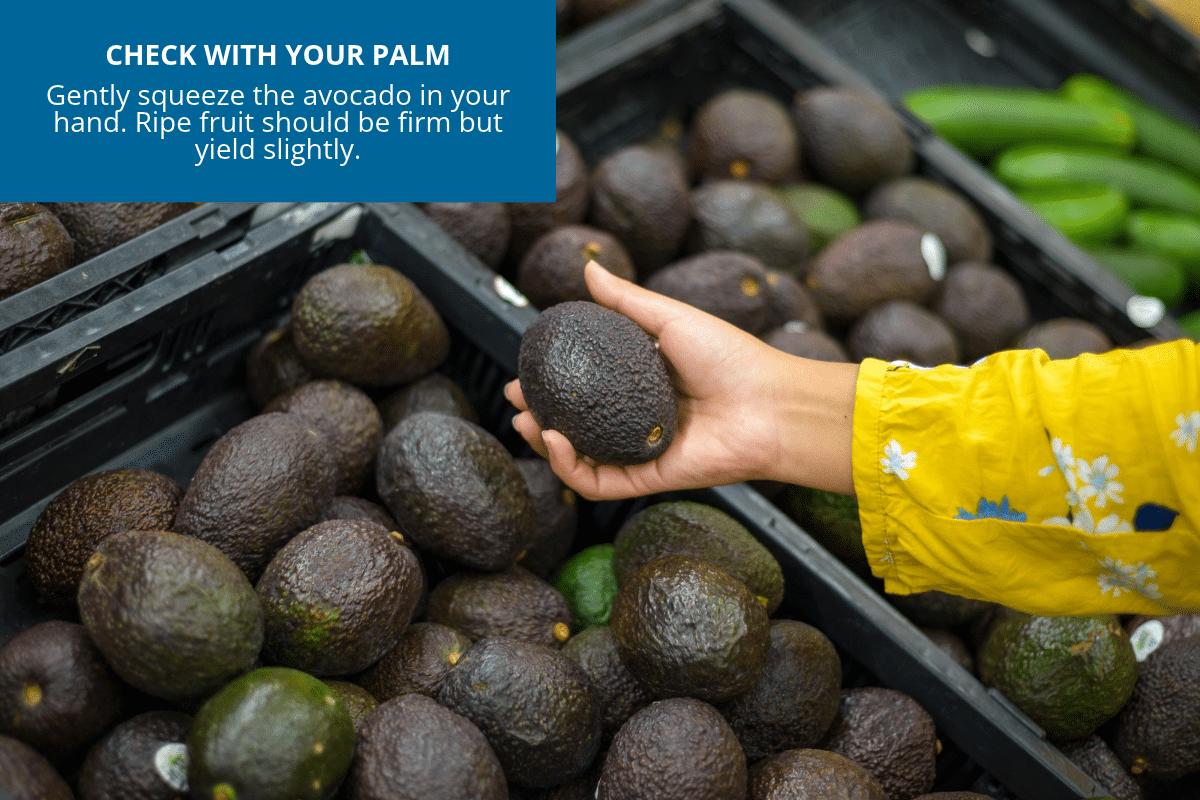
Forget squeezing an avocado with your thumb. Besides potentially bruising the fruit, that doesn’t tell you much more than a gentle squeeze with your whole hand.
Instead, hold the avocado in your palm and apply gentle pressure. A ripe avocado should feel firm but yield slightly. If it feels rock-hard, it needs more time. If it feels very soft or has noticeably mushy spots, it’s probably past its prime.
And don’t rely on color alone.
Hass avocados typically darken as they ripen, but not every variety does. Some stay green even when they’re perfectly ripe. Feel is the better test.
One more thing: Resist the temptation to pop off the little stem cap on every avocado in the produce department to inspect what’s underneath. It’s not necessary to determine ripeness, and removing it can damage fruit you may not end up buying. A gentle squeeze tells you what you need to know. Your fellow shoppers will thank you.
How to store unripe avocados
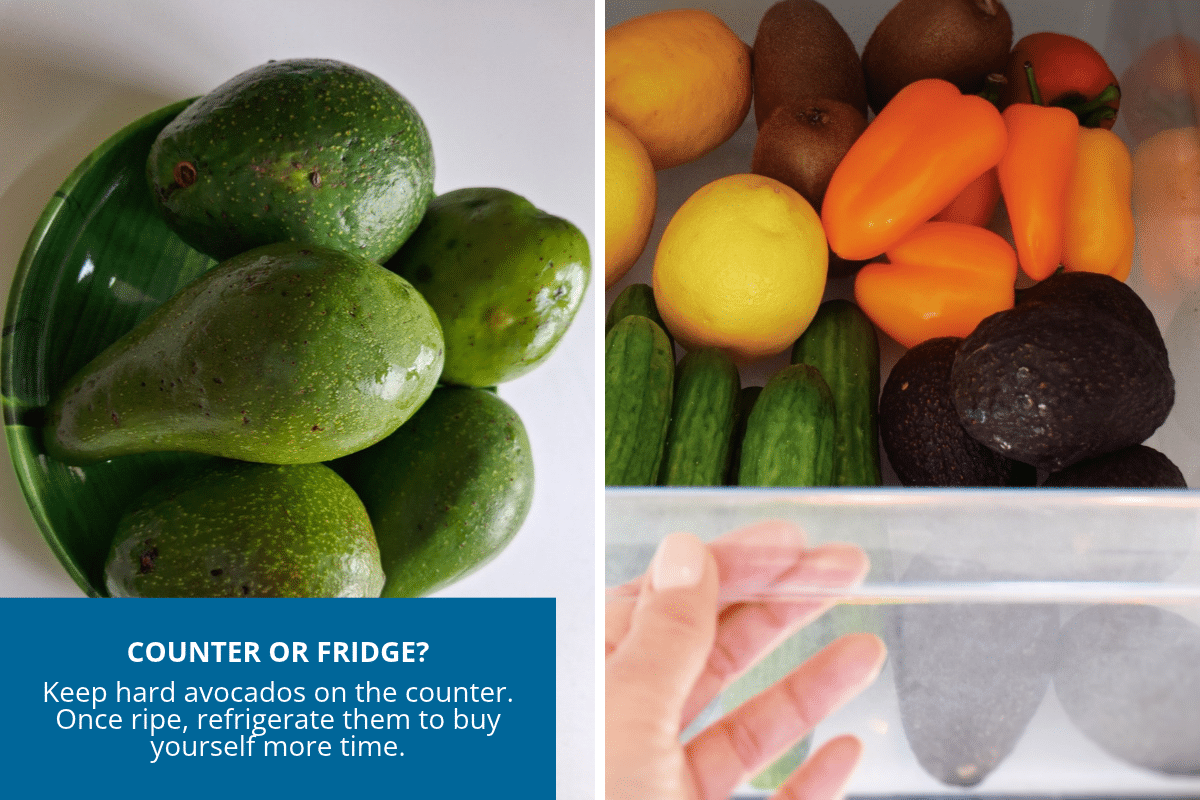
Got a hard avocado? The countertop is exactly where it belongs.
Leave whole, unripe avocados at room temperature and let nature do its thing. Depending on how firm they are when you buy them, they may need several days to ripen.
If you’re not in a hurry, keep them away from bananas, apples and other fruits that produce ethylene gas, which can speed up ripening.
Check your avocados every day or so. Once they begin yielding to gentle pressure, you’ve reached the point where you need to make a decision:
Eat them or refrigerate them.
This is where many of us go wrong. We wait for the avocado to become perfectly ripe and then leave it sitting on the counter as though it has agreed to remain that way until we’re ready.
It has not.
Should avocados be refrigerated?
Yes, but wait until they’re ripe.
Refrigeration slows the ripening process, which makes the refrigerator a very handy pause button once an avocado is ready to eat.
If an avocado is still hard, leave it at room temperature so it can continue ripening normally. Once it yields to gentle pressure, move it to the refrigerator if you’re not going to eat it right away.
And if you come home from the grocery store with an avocado that’s already ripe? Into the refrigerator it goes.
Simple.
How long do avocados last in the fridge?
A ripe whole avocado can often stay in good condition in the refrigerator for several more days.
But that’s a range, not a promise.
How ripe the avocado was when it went into the refrigerator matters. So do the variety, handling and condition of the fruit.
My rule? Refrigeration buys time; it doesn’t stop the clock.
Check ripe avocados regularly and use the softest ones first.
How to store half an avocado
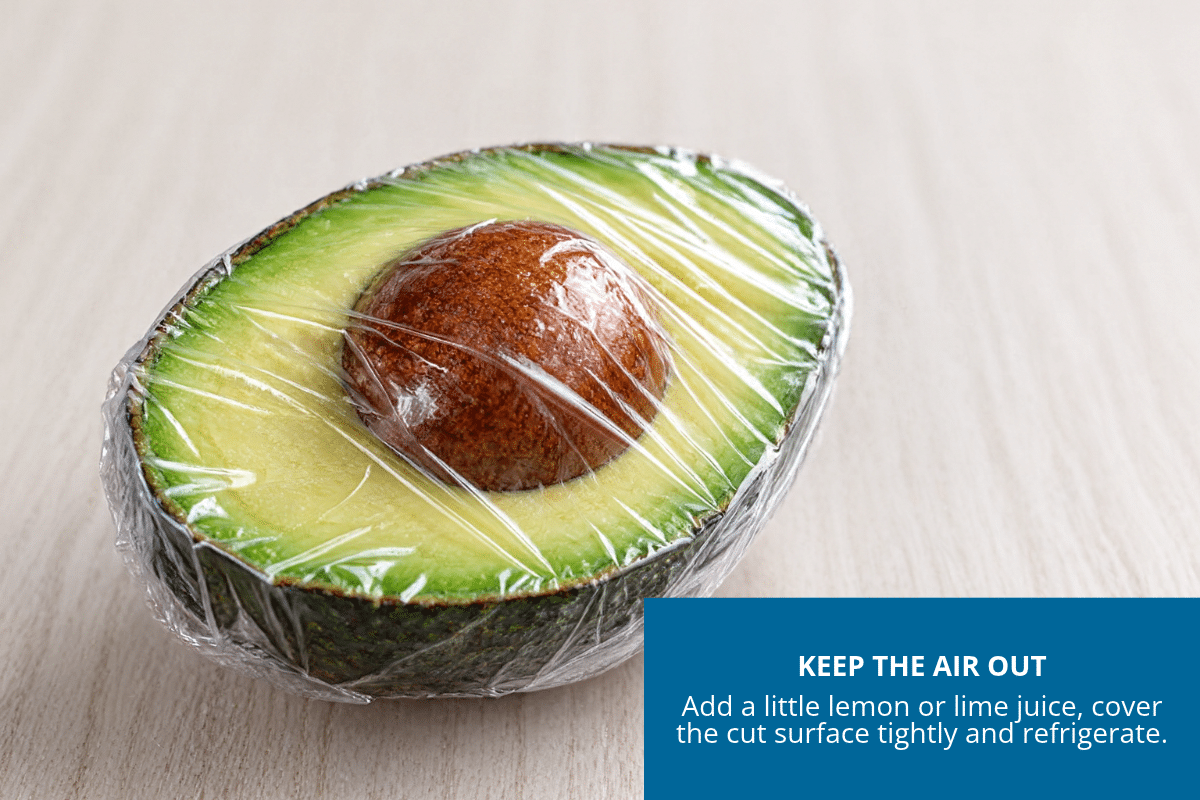
Sometimes half an avocado is all you need. Unfortunately, the moment you cut one open, oxygen gets involved, and oxygen is what causes that beautiful green flesh to turn brown.
The goal, then, is simple: limit its exposure to air.
Brush or sprinkle the exposed flesh with a little lemon or lime juice. Then press plastic wrap or reusable food wrap directly against the cut surface, getting out as much trapped air as possible, and refrigerate it.
You can also place the wrapped avocado in an airtight container for a little extra protection.
If there’s a small amount of browning when you’re ready to use the avocado, don’t automatically toss the whole thing. Browning caused by oxidation is largely a quality issue. You may be able to scrape away the discolored surface and find perfectly good green avocado underneath.
But if the avocado smells sour, rancid or otherwise unpleasant, or you see mold or significant spoilage, let it go.
No avocado is worth an argument with your stomach.
Does leaving the pit in keep an avocado fresh?
Not really.
The pit may protect the small area directly underneath it from air, but it doesn’t possess mysterious anti-browning powers. The exposed flesh can still oxidize.
If the pit happens to be in the half you’re saving, there’s no need to wrestle it out. Just don’t count on it to do the work of limiting air exposure.
If avocados aren’t the only produce giving you trouble, here’s my complete guide to storing fruits and vegetables so more of what you buy actually makes it to the table.
How to ripen an avocado faster
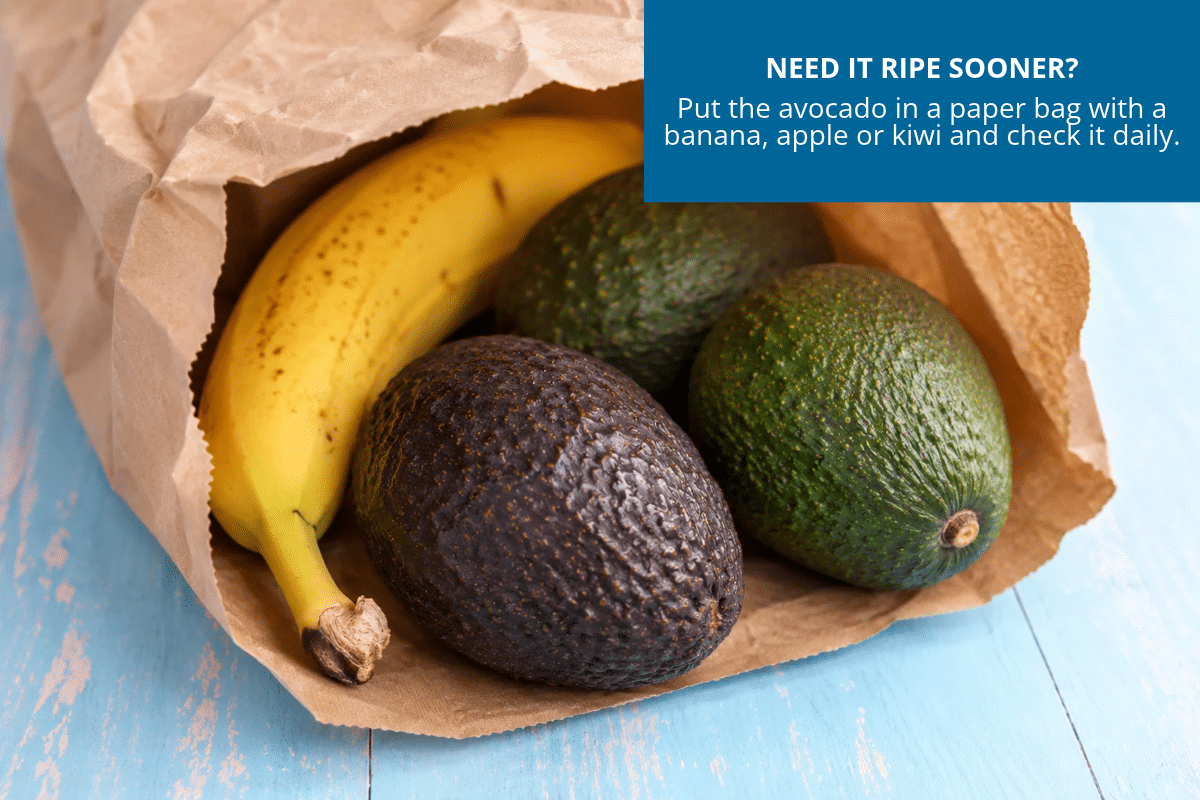
What if tonight is taco night and every avocado you own could double as a paperweight?
You can speed things along.
Put the avocado in a brown paper bag with an apple, banana or kiwi and loosely close the bag. These fruits release ethylene gas, a natural plant hormone involved in ripening. The bag traps more of that gas around the avocado and helps move the process along.
Check it daily. Depending on how hard your avocado was to begin with, it may still take a couple of days.
And despite what you may have seen online, don’t try to “ripen” an avocado in the microwave or oven. Heat may soften the flesh, but it doesn’t actually ripen the fruit. You’ll have a warm, softer unripe avocado.
Not exactly the guacamole of your dreams.
Can you freeze avocados?
Absolutely. And if you’ve got several perfectly ripe avocados staring you down at once, freezing is much better than watching them all go bad together.
There is one catch.
Freezing changes the texture.
Once thawed, avocado won’t have quite the same firm, creamy texture as fresh avocado. That means I wouldn’t freeze one with visions of beautiful slices on toast later.
But for mashed and blended uses? That’s another story.
Frozen avocado can be very useful in dips, dressings, spreads and other recipes where pristine texture isn’t the point.
The best way to freeze avocado
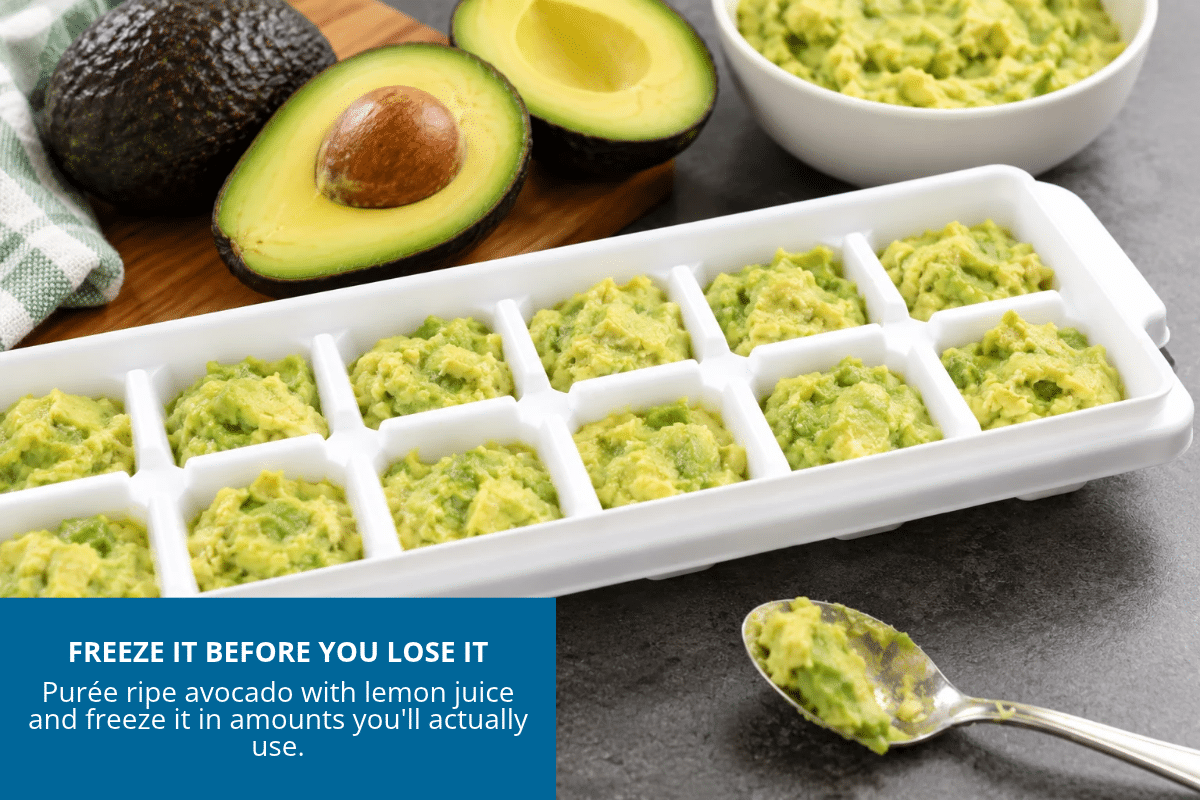
For the best quality, freeze ripe avocado as a purée.
Peel the avocado and remove the pit. Mash or purée the flesh, adding about 1 tablespoon of lemon juice for every two avocados. The lemon juice helps protect the color and quality.
Transfer the purée to a freezer-safe container or freezer bag, leaving a little room for expansion. If you’re using a bag, press out as much excess air as you reasonably can before sealing.
Label it with the date.
And here’s one of my favorite little freezer tricks: Freeze avocado in amounts you’re likely to use at one time. There’s no prize for freezing a giant avocado brick and then discovering you need three tablespoons.
Once you start rescuing food this way, you may be surprised by what else can go into the freezer. Here are some of the best foods to freeze for quick meals and easy savings.
What can you do with frozen avocado?
Think creamy rather than pretty.
Once thawed, frozen avocado is better suited to recipes where it will be mashed, blended or stirred into something else.
Try it in:
- Guacamole and avocado dips
- Creamy salad dressings
- Sandwich spreads
- Sauces
- Smoothies
For avocado toast with a fried egg or a salad where the avocado needs to hold its shape, buy fresh.
A simple avocado game plan
If all of this feels like more avocado management than you bargained for, here’s the short version:
- Hard avocado: Leave it on the counter.
- Need it to ripen faster: Put it in a paper bag with an apple, banana or kiwi.
- Ripe avocado: Eat it or move it to the refrigerator.
- Cut avocado: Add a little lemon or lime juice, limit air exposure and refrigerate.
- Too many ripe avocados: Purée and freeze the extras.
That’s it.
You don’t need a special avocado keeper, a countertop gadget or some elaborate produce-storage system. You just need to know when to leave an avocado alone, when to cool it down and when to admit you’re not going to eat four ripe avocados by tomorrow.
I’ve learned that last one the expensive way.
Use it before you lose it
Have one perfectly ripe avocado that needs attention today? That’s an opportunity, not an emergency.
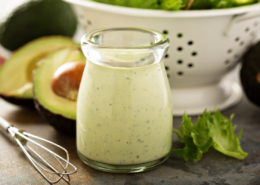
My creamy Avocado Dressing and Dip turns one ripe avocado into a quick homemade dressing that’s just as happy spooned over a salad as it is sitting next to a plate of fresh vegetables.
Because the cheapest avocado is the one you actually eat.
Question: What’s your favorite way to use an avocado that’s reached the “eat me today” stage? Share your best ideas in the comments.

More from Everyday Cheapskate
 https://www.everydaycheapskate.com/wp-content/uploads/20261030-Woven-basket-container-hidden-on-low-entry-shelf.png
800
1200
Mary Hunt
https://www.everydaycheapskate.com/wp-content/uploads/EC-Logo-by-Mary-Hunt-Tagline-Trimmed.png
Mary Hunt2026-10-30 19:04:092026-10-30 19:13:58Secret Storage Spots in Your Home You May Be Overlooking
 https://www.everydaycheapskate.com/wp-content/uploads/when-to-file-an-insurance-claim.png
800
1200
Mary Hunt
https://www.everydaycheapskate.com/wp-content/uploads/EC-Logo-by-Mary-Hunt-Tagline-Trimmed.png
Mary Hunt2026-10-29 12:47:092026-10-29 12:49:44Small Insurance Claim? 5 Questions to Ask Before You File
 https://www.everydaycheapskate.com/wp-content/uploads/20261026-Creamy-homemade-avocado-dressing-with-fresh-avocado-lemon-and-dill.png
800
1200
Mary Hunt
https://www.everydaycheapskate.com/wp-content/uploads/EC-Logo-by-Mary-Hunt-Tagline-Trimmed.png
Mary Hunt2026-10-26 11:49:442026-10-26 13:17:42Creamy Avocado Dressing and Dip Ready in 15 Minutes
 https://www.everydaycheapskate.com/wp-content/uploads/20261025-Simple-anti-aging-skincare-routine-with-cleanser-vitamin-C-moisturizer-and-sunscreen.png
800
1200
Mary Hunt
https://www.everydaycheapskate.com/wp-content/uploads/EC-Logo-by-Mary-Hunt-Tagline-Trimmed.png
Mary Hunt2026-10-25 17:06:382026-10-25 21:22:53A Simple Anti-Aging Skincare Routine That Makes Sense
 https://www.everydaycheapskate.com/wp-content/uploads/20261024-A-cup-of-coffee-notebook-and-pen-on-a-table.png
800
1200
Mary Hunt
https://www.everydaycheapskate.com/wp-content/uploads/EC-Logo-by-Mary-Hunt-Tagline-Trimmed.png
Mary Hunt2026-10-24 13:13:592026-10-24 13:13:59What Is Frugal Living? It’s Probably Not What You Think
 https://www.everydaycheapskate.com/wp-content/uploads/20261023-Paper-calendar-and-digital-calendar-on-a-smartphone-side-by-side.png
800
1200
Mary Hunt
https://www.everydaycheapskate.com/wp-content/uploads/EC-Logo-by-Mary-Hunt-Tagline-Trimmed.png
Mary Hunt2026-10-23 11:55:302026-10-23 11:55:30Paper or Digital Calendar? Turns Out, You May Need Both
 https://www.everydaycheapskate.com/wp-content/uploads/20261017-Woman-opening-refrigerator-stocked-with-fresh-food-and-condiments.png
800
1200
Mary Hunt
https://www.everydaycheapskate.com/wp-content/uploads/EC-Logo-by-Mary-Hunt-Tagline-Trimmed.png
Mary Hunt2026-10-17 12:16:242026-10-17 12:16:24What Temperature Should a Refrigerator and Freezer Be?
 https://www.everydaycheapskate.com/wp-content/uploads/20261016-Crispy-potato-cakes-made-with-leftover-mashed-potatoes.png
800
1200
Mary Hunt
https://www.everydaycheapskate.com/wp-content/uploads/EC-Logo-by-Mary-Hunt-Tagline-Trimmed.png
Mary Hunt2026-10-16 15:54:382026-10-16 15:54:38Got Leftover Mashed Potatoes? Try These 5 Smart Ideas
 https://www.everydaycheapskate.com/wp-content/uploads/20261015-Sweet-pepper-and-onion-relish-in-a-white-bowl-with-crackers-and-fresh-red-bell-peppers.png
800
1200
Mary Hunt
https://www.everydaycheapskate.com/wp-content/uploads/EC-Logo-by-Mary-Hunt-Tagline-Trimmed.png
Mary Hunt2026-10-15 13:14:022026-10-15 13:14:02Sweet Pepper Onion Relish (Perfect Over Cream Cheese)


Also I found best way to keep a half avocado? I vacuseal it
Almost all avocados now are coated against our will, with the APeel coating- it is hazardous to our health and cannot be washed off, so are cucumbers and many other foods. There is no requirement to label it and tell you. I believe it’s why avocados ripen differently now. Initially the coating just keeps up the appearance of produce so grocer can sell produce that appears fresh, in reality it never really ripens and starts to rot from within once you get it home
I did some digging to and found this information in regard to APeel (which I’d not heard of!). So readers … please do your own due diligence, but let this article give you a quick start: Meet Apeel, the New Additive Poisoning Our Produce
Great article on avocados! I have several avocado trees in my yard, so sometimes I just have to freeze them for later. We eat a LOT of guacamole! I discovered that Glad PRESS n Seal works better than plastic wrap to keep the air from the avocado halves and the guacamole. I just spread the cling and seal across the top of the guacamole and up the sides of the bowl pushing the air out. I’ve tried many of the storage suggestions you have listed and in the comments, but I thought I’d share my tip with y’all. When I freeze them, to make it easier to thaw them I mash each avocado and spread it out in a quart-sized freezer bag so it is thin and flat. Thaws out in minutes!
Great tip, Joanne. Thanks for sharing.
Do not buy avocados that do not have the stem at the top. If it is missing, it makes it easier for air to enter the interior of the avocado and you get dark black spots inside.
Is it harmful to eat avocado after it has turned
dark?
No, not at all.
Great info on avocados.
What size avocado has the best YIELD. As George Burns said ” God only made one mistake- the size of the avocado pit “
Best way too store an avocado is in a sealed container. Load your avocados in it.
Fill with water to cover all avocados. You must pull out the ones you want and let them sit out for 2 or 3 days to ripen. The water apparently keeps it green until you set it out. I have kept avocados in the container for up to 3 weeks so far. They probably will last longer.
Great tip, Steve! Thanks
I’ve been buying the mini avocados….just the right size for one serving and no worries about preserving the rest.
Your tips for preserving avocados, especially freezing to use later are very helpful. I will follow the suggestions.
You may want to add to your avocado comments:
Avocados have more Potassium than bananas (recommended to folks wanting to maintain potassium levels) but hyperkalemia(excess potassium) is possibly harmful to people with certain cardiac or kidney problems).
MY potassium levels shook up the physician reading a lab reporting showing excessive potassium who wanted to intervene. The potassium levels came from an avocado a day during the dreary winter and have resolved when I stopped gorging on avocados.
I had been stirring the left-over avocado into soups and stews to take advantage of the healthy fats as well as their high vitamin content after checking several cooking bloggers who recommend cooking with avocado.
Dear Mary, Got a new one for you. The BEST way to store a cut avocado is with a slice of red onion.
I eat lots of salads but a whole avocado is too much, and I like them to be perfect. As I like red onion, the fix is easy. The next day, I use the red onion slice covering the cut half in my salad and the perfect half avocado. I wrap them in plastic wrap and squeeze all the air out. You will be amazed.
Does the onion make the avocado taste like onion?
Just asking, I like onion and love avocados!
I usually eat 1/2 a day!
And I love guacamole! yum!