

The Gardening Method That Finally Worked for Me

If you’ve ever paid too much for a sad little bundle of herbs or watched grocery store tomatoes pretend to be ripe, you already know why growing your own food is so appealing. The problem? Traditional gardening can feel like a full-time job with weeds that never take a day off. That’s exactly why square foot gardening has such a loyal following. It strips away the guesswork, saves time, and makes growing your own food feel doable again. Whether you’ve got a backyard, a patio, or just a sunny corner, you can grow more than you think without the overwhelm.

For years I’d tried to grow a decent vegetable garden. The high cost of fresh basil ($3.49 for a few wilted leaves) plus underwhelming tomatoes and strawberries finally pushed me to try growing my own.
I started small: tomatoes, basil, and peppers (my hopeful salsa garden). Then I got ambitious… zucchini, cucumbers, even corn.
The results? Let’s just say my weeds were thriving.
I’ve grown some of the most impressive weeds you’ve ever seen. Season after season, they show up strong, confident, and ready to reseed themselves like they own the place.
Meanwhile, my vegetables… not so much.
And while I love the idea of a productive, beautiful garden, I could do without the backaches, frustration, and wondering if I just spent $75 to grow three tomatoes.
From Hobby to Something That Actually Pays Off
Lately, gardening feels less like a hobby and more like a smart move.
With grocery prices staying stubbornly high, especially produce, growing your own food starts to make real financial sense. But only if it actually works.
That’s where I had to get honest with myself. My past gardens weren’t saving money. They were costing it.
So instead of quitting, I decided to try a better system.
The Better Way: Square Foot Gardening
Mel Bartholomew, a civil engineer by profession and a frustrated gardener on weekends, changed the game for home gardeners by asking a simple question: why are we still planting in long rows just because “that’s how it’s always been done”?
His answer was square foot gardening: a method that breaks your garden into small, manageable sections instead of sprawling rows.
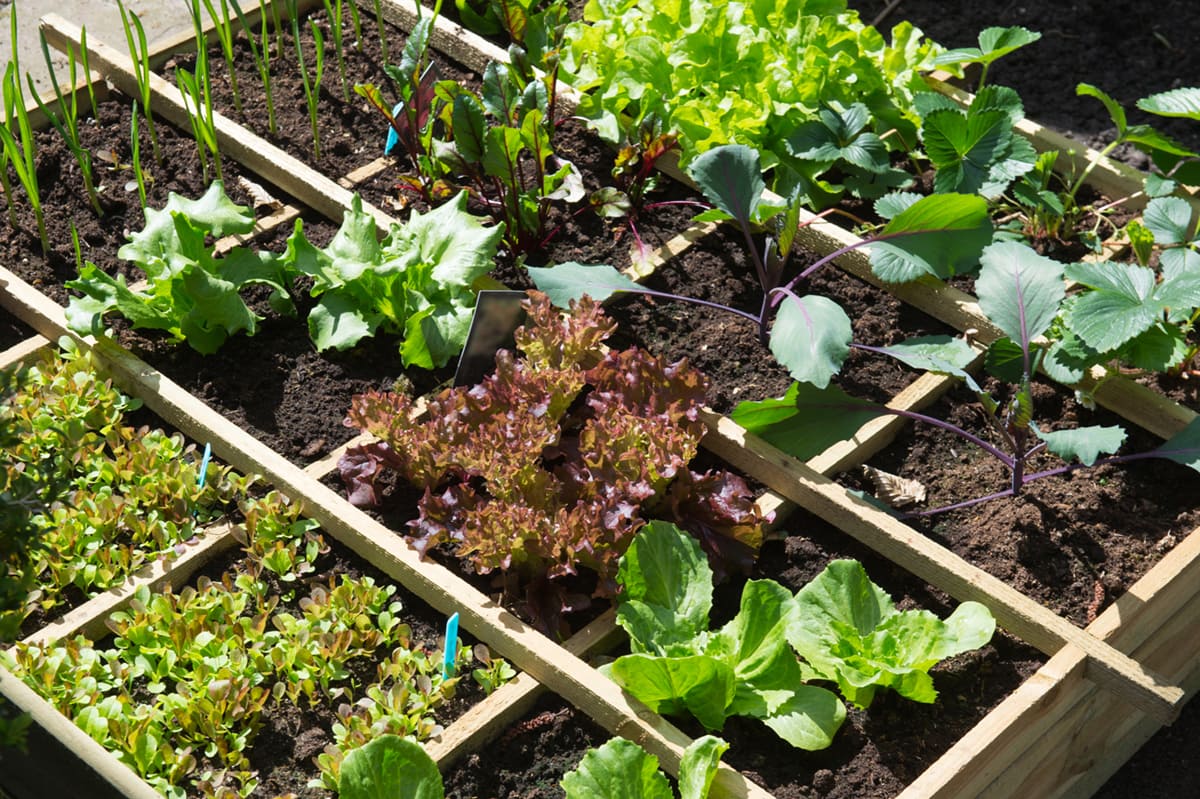
Instead of digging up your whole yard, you build a raised 4×4 box, divide it into 16 squares, and plant each one intentionally.
That’s it.
No wasted space. No guesswork. No marathon weeding sessions.
Why This Method Works (Especially Now)
Square foot gardening isn’t just easier. It’s smarter.
- Uses about 20% of the space
- Requires far less water
- Cuts down dramatically on weeds
- Produces surprisingly high yields for the size
- Keeps everything within easy reach (no kneeling marathons)
And because everything is contained, it works just as well on a patio as it does in a backyard.
Even better, it’s flexible. You can start small and expand later. No big commitment required.
Setting Up Your Square Foot Garden
Step 1: Pick the Right Spot
Look for a space with 6–8 hours of sunlight. Closer to the house is better. You’re more likely to keep up with it if it’s convenient.
Step 2: Build Your Box
Create a simple 4’x4′ frame using untreated wood or composite boards. Keep it about 6 inches deep.
Step 3: Fill It Right
Use a balanced growing mix (often called “Mel’s Mix”):
- 1/3 compost
- 1/3 peat moss or coconut coir
- 1/3 vermiculite
This is where the magic happens. Great soil means fewer problems later.
Step 4: Add a Grid
Divide your box into 16 equal squares. This keeps planting organized and prevents overcrowding.
What to Plant First (For Fast Wins)
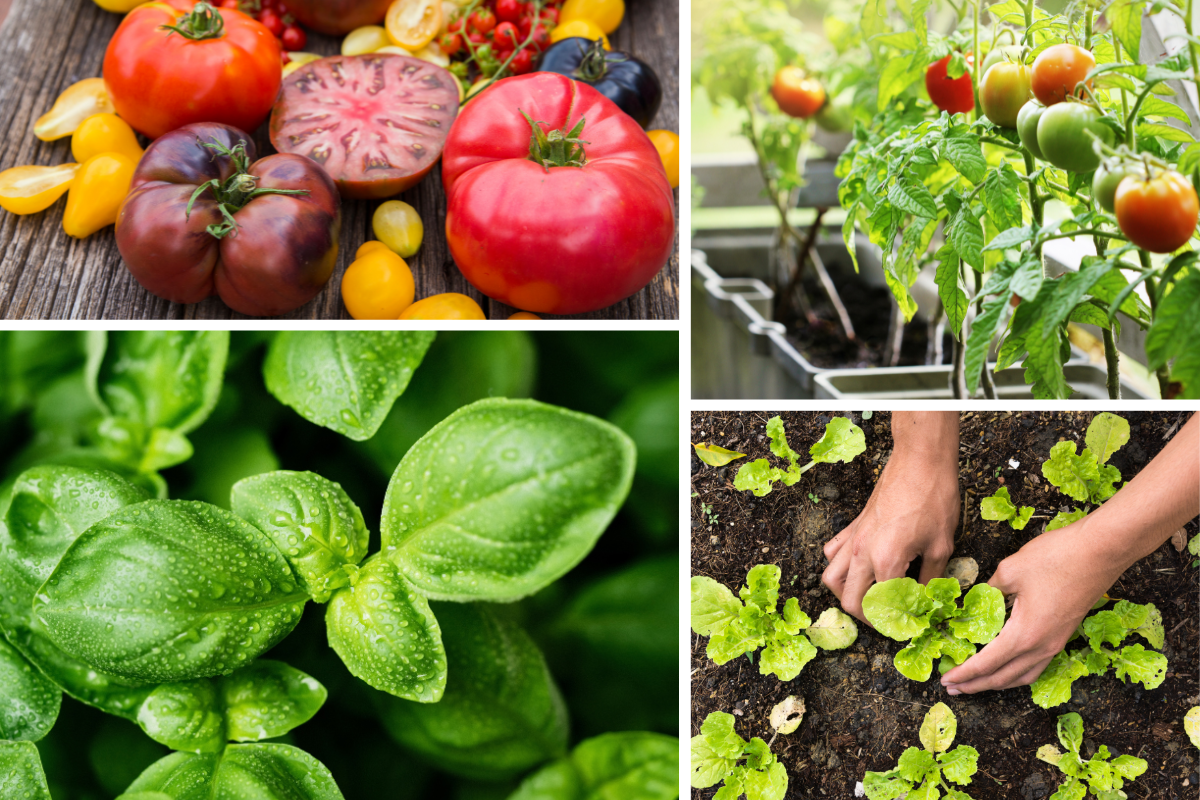
If you want early success (and who doesn’t?), start with reliable, high-reward crops:
- Leafy greens (lettuce, spinach)
- Herbs (basil, parsley)
- Radishes (fast and forgiving)
- Green onions
- Bush beans
These grow quickly, don’t demand much space, and give you that “Hey, this actually works!” moment.
A Resource Worth Having
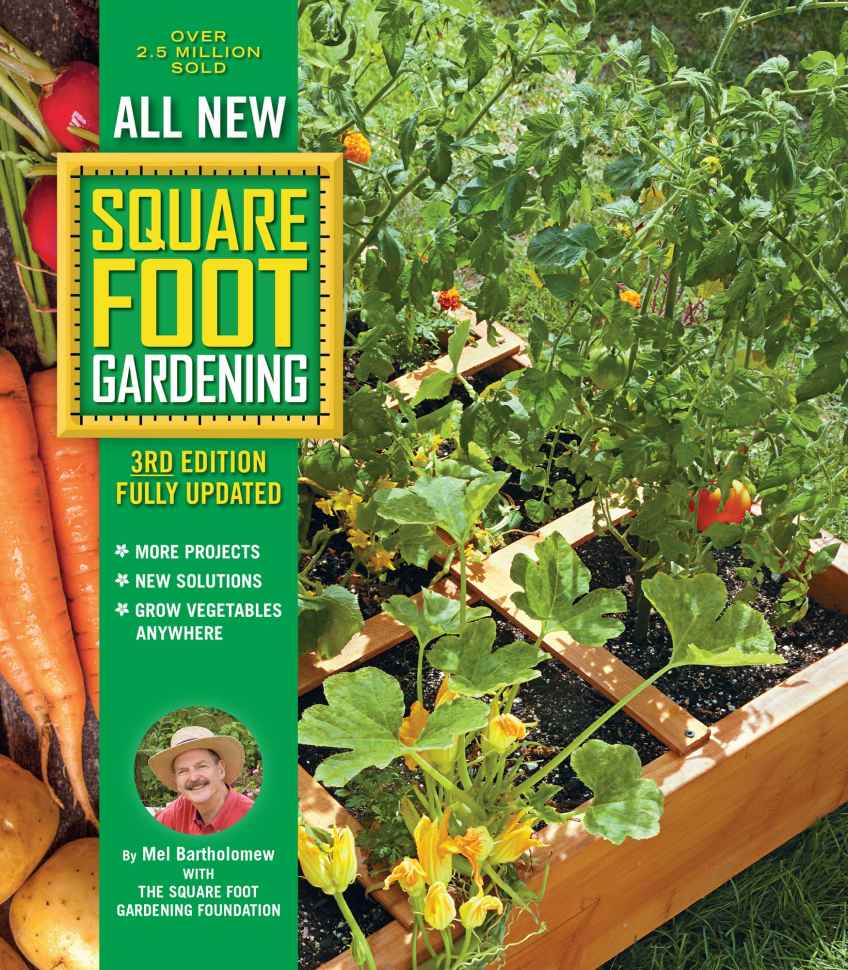
If you’re ready to give this a real shot, All New Square Foot Gardening is still one of the most practical guides out there.
It walks you through exactly what to plant, when, and how much, so you’re not guessing your way through the season.
Question: What’s one thing you’ve tried to grow that just didn’t cooperate… and would you try it again differently? Share in the comments below.
EverydayCheapskate™ is reader-supported. We participate in the Amazon Services LLC Associates Program and other affiliate advertising programs, designed to allow publishers to earn fees by linking to Amazon.com and other affiliated sites.

More from Everyday Cheapskate
 https://www.everydaycheapskate.com/wp-content/uploads/20260902-pumpkin-spice-latte-recipe-homemade-diy.png
800
1200
Mary Hunt
https://www.everydaycheapskate.com/wp-content/uploads/EC-Logo-by-Mary-Hunt-Tagline-Trimmed.png
Mary Hunt2026-09-02 16:16:022026-09-02 16:18:35Homemade Pumpkin Spice Latte Recipe (Cheaper, Better, Faster)
https://www.everydaycheapskate.com/wp-content/uploads/20260902-pumpkin-spice-latte-recipe-homemade-diy.png
800
1200
Mary Hunt
https://www.everydaycheapskate.com/wp-content/uploads/EC-Logo-by-Mary-Hunt-Tagline-Trimmed.png
Mary Hunt2026-09-02 16:16:022026-09-02 16:18:35Homemade Pumpkin Spice Latte Recipe (Cheaper, Better, Faster) https://www.everydaycheapskate.com/wp-content/uploads/20260831-Portrait-of-a-Pitbull-on-a-yellow-background-homemade-dog-treat-recipes.png
800
1200
Mary Hunt
https://www.everydaycheapskate.com/wp-content/uploads/EC-Logo-by-Mary-Hunt-Tagline-Trimmed.png
Mary Hunt2026-08-31 13:06:072026-09-28 22:49:173 Homemade Dog Treats Recipes Your Dog Will Love Most
https://www.everydaycheapskate.com/wp-content/uploads/20260831-Portrait-of-a-Pitbull-on-a-yellow-background-homemade-dog-treat-recipes.png
800
1200
Mary Hunt
https://www.everydaycheapskate.com/wp-content/uploads/EC-Logo-by-Mary-Hunt-Tagline-Trimmed.png
Mary Hunt2026-08-31 13:06:072026-09-28 22:49:173 Homemade Dog Treats Recipes Your Dog Will Love Most https://www.everydaycheapskate.com/wp-content/uploads/20260829-fall-yard-projects-to-tackle-before-the-first-frost-foilage-front-yard-home.png
800
1200
Mary Hunt
https://www.everydaycheapskate.com/wp-content/uploads/EC-Logo-by-Mary-Hunt-Tagline-Trimmed.png
Mary Hunt2026-08-29 17:25:422026-09-28 22:49:2010 Fall Yard Tasks to Complete Before First Frost Hits
https://www.everydaycheapskate.com/wp-content/uploads/20260829-fall-yard-projects-to-tackle-before-the-first-frost-foilage-front-yard-home.png
800
1200
Mary Hunt
https://www.everydaycheapskate.com/wp-content/uploads/EC-Logo-by-Mary-Hunt-Tagline-Trimmed.png
Mary Hunt2026-08-29 17:25:422026-09-28 22:49:2010 Fall Yard Tasks to Complete Before First Frost Hits https://www.everydaycheapskate.com/wp-content/uploads/20260826-DIY-cat-litter-deodorizer-kitten-looking-up-at-camera-from-box.png
800
1200
Mary Hunt
https://www.everydaycheapskate.com/wp-content/uploads/EC-Logo-by-Mary-Hunt-Tagline-Trimmed.png
Mary Hunt2026-08-25 21:17:362026-09-28 22:49:26The One-Ingredient Litter Box Trick That Costs Pennies
https://www.everydaycheapskate.com/wp-content/uploads/20260826-DIY-cat-litter-deodorizer-kitten-looking-up-at-camera-from-box.png
800
1200
Mary Hunt
https://www.everydaycheapskate.com/wp-content/uploads/EC-Logo-by-Mary-Hunt-Tagline-Trimmed.png
Mary Hunt2026-08-25 21:17:362026-09-28 22:49:26The One-Ingredient Litter Box Trick That Costs Pennies https://www.everydaycheapskate.com/wp-content/uploads/20260822-central-AC-maintenance-air-condenser-outdoors.png
800
1200
Mary Hunt
https://www.everydaycheapskate.com/wp-content/uploads/EC-Logo-by-Mary-Hunt-Tagline-Trimmed.png
Mary Hunt2026-08-22 14:19:562026-09-28 22:49:43How to Extend the Life of Your Central AC (5 Late-Summer Tune-Up Tips)
https://www.everydaycheapskate.com/wp-content/uploads/20260822-central-AC-maintenance-air-condenser-outdoors.png
800
1200
Mary Hunt
https://www.everydaycheapskate.com/wp-content/uploads/EC-Logo-by-Mary-Hunt-Tagline-Trimmed.png
Mary Hunt2026-08-22 14:19:562026-09-28 22:49:43How to Extend the Life of Your Central AC (5 Late-Summer Tune-Up Tips) https://www.everydaycheapskate.com/wp-content/uploads/20260820-how-to-keep-ants-away-after-youve-killed-the-ant-hill.png
800
1200
Mary Hunt
https://www.everydaycheapskate.com/wp-content/uploads/EC-Logo-by-Mary-Hunt-Tagline-Trimmed.png
Mary Hunt2026-08-20 14:17:552026-09-28 22:49:46How to Keep Ants Away After You Treat the Ant Hill
https://www.everydaycheapskate.com/wp-content/uploads/20260820-how-to-keep-ants-away-after-youve-killed-the-ant-hill.png
800
1200
Mary Hunt
https://www.everydaycheapskate.com/wp-content/uploads/EC-Logo-by-Mary-Hunt-Tagline-Trimmed.png
Mary Hunt2026-08-20 14:17:552026-09-28 22:49:46How to Keep Ants Away After You Treat the Ant Hill https://www.everydaycheapskate.com/wp-content/uploads/20260815-how-to-water-your-lawn-without-wasting-money.png
800
1200
Mary Hunt
https://www.everydaycheapskate.com/wp-content/uploads/EC-Logo-by-Mary-Hunt-Tagline-Trimmed.png
Mary Hunt2026-08-15 12:45:022026-09-28 22:49:51How to Water Your Lawn Without Wasting Money This Summer
https://www.everydaycheapskate.com/wp-content/uploads/20260815-how-to-water-your-lawn-without-wasting-money.png
800
1200
Mary Hunt
https://www.everydaycheapskate.com/wp-content/uploads/EC-Logo-by-Mary-Hunt-Tagline-Trimmed.png
Mary Hunt2026-08-15 12:45:022026-09-28 22:49:51How to Water Your Lawn Without Wasting Money This Summer https://www.everydaycheapskate.com/wp-content/uploads/20260812-zucchini-overload-what-to-do-with-a-bunch-of-zucchini.png
800
1200
Mary Hunt
https://www.everydaycheapskate.com/wp-content/uploads/EC-Logo-by-Mary-Hunt-Tagline-Trimmed.png
Mary Hunt2026-08-12 17:48:312026-09-28 22:49:57Zucchini Overload? 10 Ways to Use Up Your Garden Surplus
https://www.everydaycheapskate.com/wp-content/uploads/20260812-zucchini-overload-what-to-do-with-a-bunch-of-zucchini.png
800
1200
Mary Hunt
https://www.everydaycheapskate.com/wp-content/uploads/EC-Logo-by-Mary-Hunt-Tagline-Trimmed.png
Mary Hunt2026-08-12 17:48:312026-09-28 22:49:57Zucchini Overload? 10 Ways to Use Up Your Garden Surplus https://www.everydaycheapskate.com/wp-content/uploads/20260724-ratatouille-recipe-served-over-white-rice.png
800
1200
Mary Hunt
https://www.everydaycheapskate.com/wp-content/uploads/EC-Logo-by-Mary-Hunt-Tagline-Trimmed.png
Mary Hunt2026-07-25 12:24:422026-09-28 22:50:42End-of-Summer Ratatouille (Uses Everything From the Garden)
https://www.everydaycheapskate.com/wp-content/uploads/20260724-ratatouille-recipe-served-over-white-rice.png
800
1200
Mary Hunt
https://www.everydaycheapskate.com/wp-content/uploads/EC-Logo-by-Mary-Hunt-Tagline-Trimmed.png
Mary Hunt2026-07-25 12:24:422026-09-28 22:50:42End-of-Summer Ratatouille (Uses Everything From the Garden)Please keep your comments positive, encouraging, helpful, brief,
and on-topic in keeping with EC Commenting Guidelines
Last update on 2026-10-09 / Affiliate links / Images from Amazon Product Advertising API


so many people complain about too much zucchini. i can’t even grow one. i have a tiny porch so i am very limited in what i can grow. anything grown down in the yard becomes a deer salad. for the past few years i’ve been able to grow tomatoes in a plastic bin, and each year i’ve tried different varieties of tomatoes but they are all the same–thick plastic feeling skin. i give up.
Been doing a version of this method for many years!
i have clay/rocky soil zone 5 ish- i now have raised beds made from concrete/cinder blocks- they heat up earlier and retain warmth later in the growing season and don’t deteriorate like wood beds do. they are high enough for me to sit on- makes things way easier. i compost in the beds especially when building them up. my soil is wonderful with lots of worms. i do a more cube like gardening since soil is deeper than 1 foot. i have had success with nearly everything except eggplant and peppers – i think it is not quite warm enough here.
I garden at a community garden. My raised bed is 4′ X 8′ or 32 squares. I love Mel Bartholomew! He explains how to plant. So easy. I also recommend a book called Carrots Love Tomatoes. It’s about where to locate specific vegetables and herbs when planting. I plant from seed except for tomatoes and 1 or 2 other vegetables.
I didn’t know I would love vegetable gardening as much as I do. Being outdoors in the sun, planting, watching seeds and seedlings grow & harvesting. There is something eternal about it. It’s deeply peaceful.
It costs more than buying produce in a grocery store (I pay a fee every year for a bed) but it costs less than the produce sold at a farmer’s market. And, I have the satisfaction that I grew it myself.
I grew up with gardens, and loved them, but I live on a main thoroughfare, and public sidewalk, and surround mostly by renters and when I was growing black raspberry bushes (my FAVORITE JELLY EVER!!) I never got very many berries, the 2 footed pests got them, even before birds and deers did. Once guy actually brought his little boy to my house and said he’d like to have some of my berries, of course it looked like the little boy had already been into the berries. Sad part is that this was year two after planting and it finally had a few berries, (not enough to make jelly). He /his child had already eaten most of them, I think I got maybe 10-12 berries total. I gave up and mowed them down. Now I scrounge farmers markets for them.
After living in the northwest most of my life we n I w live in AZ where summer temps can average 100+. We’re getting better at raising bit of produce by planting earlier, but would love some insight from other hot climate gardeners. Thanks
We still have the original square foot gardening book. We now use a combination of methods. Just so you know you will have weeds – they may be more manageable for you with this method but the weed seeds will find their way to your soil – trust me. Gardening is still worth it! Wishing you lots of enjoyment in your garden!
As we are still under stay-at-home orders from the pandemic, we have started square foot gardening to not only help pass time but also in an attempt to make sure we have access to fresh food. The herb garden box is in, and the salsa garden, salad garden, vegetable garden, strawberry garden, and one box dedicated to watermelon are about to go in…maybe six 4′ x 4′ boxes is going a little overboard, but since we are new at this, we will see how the first year goes and consolidate or expand as needed. And the best part, growing from heirloom, non-GMO seeds, something that many of our local farms, sadly, are no longer doing.
Planted my first square foot garden this past weekend! It’s 6ft x 4ft, I built it to last and without toxic wood (mine is cedar) and no nails or screws (I used concrete planter blocks). The hard work was leveling the garden and shlepping all that soil, compost, etc. Planting was super quick within the grid marked by twine. Now I can sit back and watch the magic!
I tried square foot gardening years ago. Unless you use determinate tomatoes it will not work with them. The same goes for zucchini and squash which need room to spread and breathe. Living in Colorado, I use grow bags so that I can plant my warm plants (tomatoes and peppers) early without having to wait our cold soil to warm up. The initial layout is a little expensive, but you can reuse the bags and soil (with a compost booster) every year after that. My tomatoes grow 6 feet tall. I plant my cucumbers, zucchini, and squash in the ground in my warmest soil with lots of room. Start most everything from seed beginning April 1st to save $$. Happy Gardening!
For me the best part about having a garden are the fresh herbs. Making salad dressing or soup is a breeze when I can just walk to my herb patch with some scissors and have parsley, rosemary, basil at a fraction of the cost of the grocery store. And my herbs are always fresh, not rotting in a plastic bag in the fridge. This year, I did a 2 foot by 8 foot herb garden with 1 tomato, 1 cucumber and the rest are herbs and flowers.
When I was a kid, I always wondered why we never had a vegetable garden. My mother explained that she and Dad had grown up when if you wanted veggies you grew your own, you certainly didn’t buy them from a store. That required money! So she grew them as a child, as her father was a minister and his congregation couldn’t afford to pay him very much, she grew them during the Depression and during the war. And of course she canned and she canned and she canned! I think they finished the last beet tops around 1950. What particularly galled her in my childhood in the 50s, was that after all the she’d effort she’d put in, that by the time her vegetables were ripe, she could buy them at market (from real farmers) for as she said a nickel a pound. So she just sent Dad to market to buy the veggies. Much less work and supported local farmers. I am her daughter. I can’t wait for the farmer’s market to open! 2 months and counting.
There are costs associated with every worthwhile endeavor. Gardening can be expensive, but those expenses can be trimmed just as you’d trim costs for everything else. Soil health and quality is important but you don’t have to buy expensive amendments or fertilizers. We save all of our kitchen and yard waste all year round and make our own compost. It’s easy and anyone can do it. It’s also possible to simply bury your scraps in the garden. They still decompose and feed the soil and they also attract and feed earthworms (their castings contribute to soil and plant health). We collect our used coffee grounds and take free used grounds from anywhere we can get them. Then, in the Spring, we mix them directly into the soil to boost fertility. Are you going to the beach? Collect seaweed that’s washed up on the sand to take home. Just mix it into the soil for a rich source of minerals for your plants. Concerned about your water bill? Get a rain barrel and you can water your garden for free. Our community sells them at their cost. Maybe yours does too, or you can get one cheap or free from other sources. Concerned about insect pests? Plant marigolds between the rows. They repel many harmful insects. Did you know that gardening is useful in teaching your children mathematics, biology, meteorology, entomology, geology, time management, and money management? With a garden, a little imagination, a tent or two, and maybe a small wading pool, your kids will be happy to forgo summer camp and still get fresh air and exercise while saving money you would have spent on fees. Approach gardening as you would any other expense and you’ll not only enjoy delicious, healthful, fresh produce, but you’ll find many ways to do it economically.
I grow food because it feeds the spirit as well as the body. It is the ultimate connection with the cycle of life. It is an act of independence from Big Ag, as well. Anything you plant, even a single plant, is a start and a point to learn from. And it really is a skill that requires practice and patience and planning. We are used to easy and quick results, and many people give up when they find that just plopping a plant in the ground is not enough. But even if you save no money at all at first, by and by you will, when you get a routine of planning, starting your seed, thinking through how to use proximity planting to discourage pests, how to improve your soil, and then how to preserve and store your crop. Square foot gardening, mini farming and similar techniques save a lot of headaches.i have had good luck with growing things upside down in those fabric tube gizmos, helps avoid bug problems and marauding bunnies. FarmTec and Tractore Supply have people with expertise, as well as decently priced supplies. Check out Mother Earth News, Grit, your local agriculture extension for knowhow, tips and support. I hoe, i hoe, its off to farm i go……
Plus, a fresh, sun- ripened tomato picked from your own garden tastes better than anything bought from the store. When I gave my 7 year old granddaughter one to try, she said, “is this what tomatoes are supposed to taste like?”.
Mary is right about the square foot gardening book being the best book on gardening whether you consider that to be an advertisement or not. No need to buy zucchini plants; seeds are cheap! I have ever bearing strawberries planted in a large barrel planter that I bought a few years ago and we have strawberries all summer long. My grape tomatoes also get planted in a large planter pot. No need to spend a lot of money on supplies; good soli – yes!
You can also find Square Foot Gardening info online if you don’t want to buy the book (but the book is a good investment!) We’ve used this method for about 8 yrs. now, in 2 different climates. It works well, saves backs, and because it’s so easy, we find ourselves trying veggies we never tried with a ‘regular’ garden!
Disappointed. I expected some tips on how to do this, and got an advertisement to buy a book.
Look up Square Foot gardening on google or, if you want to be creative, search for ways to garden in small area. I grow some stuff in pots placed in a wagon and move the wagon to get the sunlight.
Ooo I like that moving the wagon! Fertilizer: bunny poo. Get it from neighbors or freecycle. Neighbor complained all her produce got eaten by deer, so I said, grow it up here (away from the forrest) Now it’s “Our garden” We dug it up with shovels and pics. in the area previously tilled. and tilled a new plot with a pic. A garden is a thing to have, a way to give back. More garden = less mowing. I disagree that it is not cost effective. I am Zone 7.Yes, red clay in some parts. Zuccini is so prolific, you have
to drop it on someone’s door step and run like H! Or, give to the poorer. Give to the poorer. They aren’t that hard to find. I believe that you learn over time. I can grow tomatillos. Always worth a try. I think Square Foot Gardening shows you a way to companion plant and choke out weeds. Meanwhile, I just dig.. Go grow food!
Yes, there are TONS of resources online. When I don’t want to dig my book out, I just google Square Foot Gardening and usually find what I need.
#4 is the most important in my opinion. Good soil is critical! It is also generally not cheap.
The thing I’ve found, though, and others might find differently, is that gardening costs a lot of money. Just a few days ago, I spent $3.50 per zucchini plant for two of them. The day before, I spent $1.29 at Aldis for 3 zucchini. Doing the math, you can see that each of my plants will have to produce 6 fruit before they turn a profit, and that’s without any ‘cost’ for my labor of planting them, fertilizing, giving compost, and watering. Will they manage 6 fruit each before the squash vine borers get them? Maybe. Maybe not.
Or there’s the purchase I made earlier this week of PVC pipe, rebar, and bird netting to protect my strawberries. Last year I lost nearly all my fruit to birds. This year, I resolved, it would be different. But I still went with a cheap design, which cost a little over $100 for my 3 raised beds. I could buy a lot of strawberries for $100.
Gardening isn’t going to save you money. You have to put a lot of value on the entertainment and aesthetics of it before it’s worthwhile. Personally, it’s worth it to me, but I try to caution people who think they can easily grow enough to supplement their food bill. If you garden, don’t do it for the money. Do it for the enjoyment.
There are ways to garden for less money. Zucchini is one of the easier plants to grow from seed. Also, the investments you make the first year in netting, etc., should last you more than 1 year, thus spreading the cost out over time. If you have decent soil, you can amend it with homemade compost for no/low cost. In fact, homemade compost is one of the best things you can do for your garden – veggies or flowers. Another low cost tip – mulch your garden with grass clippings you collect from your lawn. (If you spray pesticides on your grass, only use it for flower gardens.) The clippings will keep the weeds down and break down into the soil over a month or so, you just add more as needed. My Mom turned red clay into beautiful black dirt using this method.
Thank you, Ann! I even have some zucchini seeds, but I wanted the extra 2-3 weeks that buying started plants would give me. I have a compost tumbler on the back porch that I use all the time, along with three bins out next to the garden for brushier stuff. I’ve got you beat for the mulch – our city has a greenwaste program that includes free wood chip mulch to anyone who wants it. They’ll even load it in the back of a pickup with a front end loader! I think I’ve gotten 8 loads so far this year and plan to get 2-3 more. I mulch everything and I agree – I’m seeing a slow and steady improvement in the nasty clay soil.
I’m with you on the wood chips. last year we had a volunteer watermelon grow in a pathway I had laid using wood chips and as the summer grew hotter all my other plants suffered in the heat but the volunteer watermelon thrived and produced four medium sized watermelons. Value of the watermelons maybe $15. Cost of the wood chips $9. Well worth the investment
I totally agree with Ann. Growing from seed costs next to nothing. For things like tomatoes and bell peppers, I start them in my window a couple months before I can plant outside. I like to use the peat pots, which are pretty cheap, but you could use regular dirt, too. There’s almost no effort, just a little water every day, and it reminds me that spring IS coming!
I’ve decided that strawberries are not worth it to grow (for me; others may disagree). The birds end up eating most of them, and all I get is frustrated. The time and money don’t add up in that case; it’s much easier to pick up strawberries when they’re in season and cheap.
See if you can find a little mom-n-pop store to buy seedlings from. I’ve never paid $1.75 for a small plant before, especially not a zucchini (which are akin to weeds where I live because they’re so prolific!).
The initial cost IS a lot to get your beds set up, but once they’re in, you only have to add a little mulch occasionally. The cost has been more than worth not having to deal with weeds. But you’re right, if it’s not something you enjoy, you may be better off not doing it.
Also for the better quality vegies. You KNOW what you put on your plants but not the ones in the shop. Also, for your $100 you can use and reuse those planters if you take care of them – it’s not $100 for a one time effort. So I believe it was money well spent. When it comes to tomatoes and the like you can let them self-seed and they will then cost you nothing next time and I have read that with some plants when you cut the top off and replant, they will grow again and you get even more for the one price.
I talk people out of buying plants every day. And I work in a greenhouse! Direct sow those seeds for a fraction of the cost!
The only thing you will need to buy is tomatoes and peppers, and even those are seed startable with heat and light.