

When Driving a Lemon is Easier Than Getting Rid of It


There’s a moment most of us hit with an old car when every new noise feels like a negotiation. You’re listening, calculating, and wondering if this is the repair that finally tips the scale. Do you keep patching it together… or is it time to say goodbye and start figuring out what to do with a junk car? If you’ve ever driven a car held together by determination and a few creative fixes, you’re not alone. The good news? You’ve got more options than you think and a few smart strategies can save you money both now and when it’s time to move on.

Dear Mary: We have an aging car that is a lemon. We are keeping it going with bailing wire until we can afford a different car. When that time comes, besides our temptation to shove it over a cliff, what should we do with our lemon? In good conscience I cannot even donate it to a charity.
—Sue Ellen
Dear Sue Ellen: If your car truly isn’t drivable (or close to it) your most realistic option is to sell it for salvage. Start by calling a local auto dismantling yard. Depending on the make, model, and condition, they may “part it out,” meaning they’ll remove and resell usable components. In that case, the whole car might still have some value.
If it’s strictly scrap, you may be asked to remove key parts like the engine, tires, and radiator before selling the remaining metal. Not always convenient, but sometimes necessary.
Just set expectations low. This isn’t a profit play. It’s about closing the chapter with a little cash in hand. And yes… sometimes it really is easier to keep driving a lemon than figuring out how to get rid of one.
How to Squeeze the Last Value Out of a “Lemon”
Before you wave the white flag, it’s worth asking: Is there still a little life left in this old friend? Because sometimes, with a little attention (and a firm grip on your wallet), you can stretch things longer than you think.
I’ve been there… standing in a repair shop, nodding slowly while mentally doing math that never quite works out. That’s when a simple plan makes all the difference.
1. Stay on top of the basics.
Oil changes and fluid checks may not feel exciting, but they’re the quiet heroes that keep bigger, more expensive problems from showing up uninvited.
2. Fix what keeps you safe… and let the rest go.
Brakes? Yes. Tires? Absolutely. That mysterious rattle or peeling paint? It can wait. This is not the season for perfection.
3. Keep a running list of repairs.
Not everything needs to be handled right now. Writing it down helps you step back, prioritize, and avoid those “fix it all!” moments that drain your bank account.
4. Set a spending limit before the next breakdown.
Decide in advance how much more this car gets from you… and no more! That way, when the next repair pops up (and it will), you’re making a calm decision, not an emotional one in a waiting room.
Think of it this way: you’re not trying to make this car perfect. You’re simply getting every last mile of value out of something you already own.
A Smarter Way to Avoid Overbuying Your Next Car
While you’re waiting out your current car’s lifespan, here’s a strategy that flips the usual thinking:
Dear Mary: Recently, I observed my adult son do something that my husband and I had practiced when he was growing up: own your cheap, old car and rent when you need something more. Over the years, when trips or events required a larger, more comfortable vehicle, we rented a minivan. Our everyday cars were paid for in cash and maintained until they died. We even shared rental costs with another family, making it even more affordable. Compared to friends who owned a minivan full-time, our total costs were significantly lower including fuel, insurance, and fees. We still use this strategy today. My current car is almost 30 years old, and we’ve had the cash to replace it for years.
—Judy
Dear Judy: I love this approach. Owning a modest, paid-for car and renting only when necessary gives you flexibility without the long-term expense. You avoid higher insurance, registration, and depreciation costs, all for a vehicle you may only need occasionally.
It also forces a little planning, which tends to save money in more ways than one. And I have to say… a 30-year-old car still going strong? That’s something to be proud of.
When It’s Finally Time to Let Go
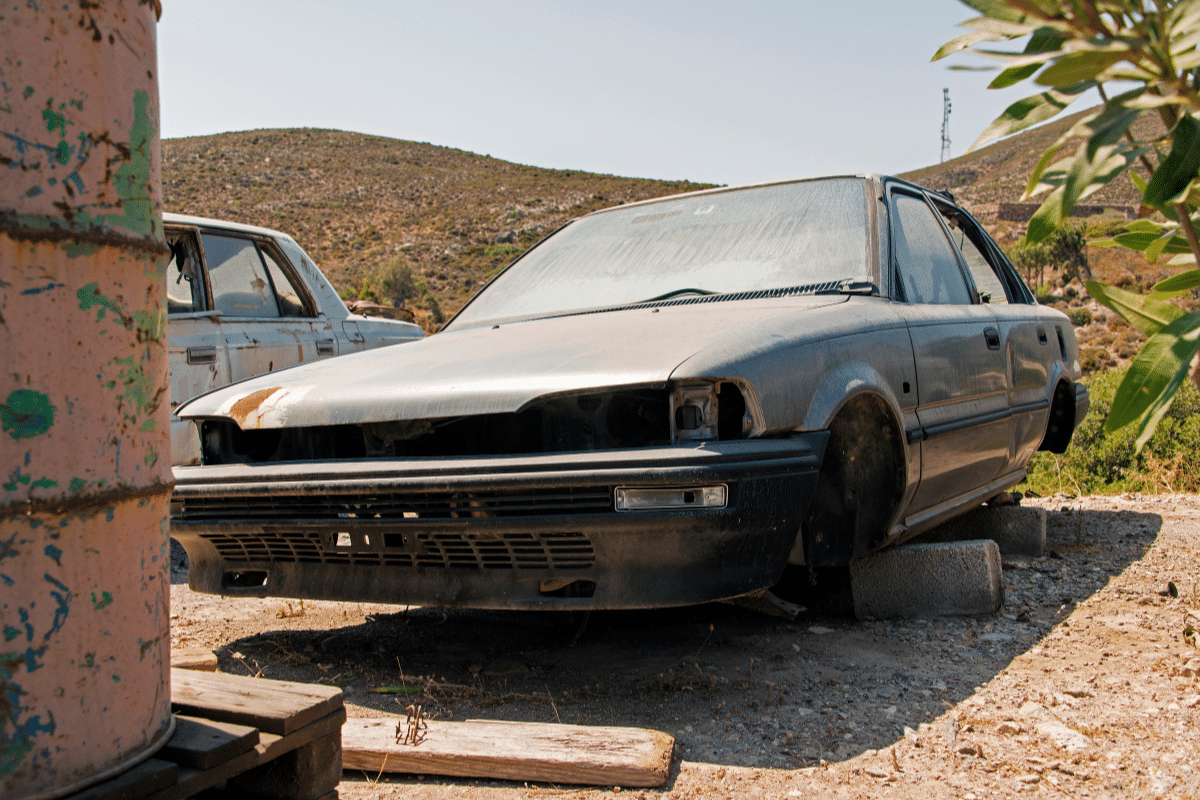
Letting go of a car isn’t just a financial decision. It’s a practical one… with a surprising dash of emotion. After all, this vehicle has gotten you to work, hauled groceries, and maybe even carried you through a season of life you’ll never forget.
But there comes a point when holding on starts costing more than letting go. Here are a few signs you’ve reached that point:
- The repairs are starting to outpace the car’s value. When every trip to the mechanic feels like you’re investing in something that isn’t coming back, it’s worth a pause.
- Breakdowns are becoming a pattern, not a surprise. Once in a while is one thing. Regularly rearranging your day (or calling for help) is another.
- Safety is starting to feel like a question mark. If you’re gripping the steering wheel a little tighter or avoiding certain drives, your instincts are trying to tell you something.
- You don’t trust it beyond your usual routine. If the idea of a longer trip makes you nervous, that’s a clear sign the relationship has changed.
At some point, the “cheap” car quietly becomes expensive in time, stress, and second-guessing. And there’s real value in turning the key and simply expecting your car to start and get you where you’re going. Peace of mind has value, too!
Low-Stress Ways to Get Rid of an Old Car
If the thought of listing your car, answering messages, and negotiating with strangers makes you tired before you even start, you’ve got easier options. The goal here isn’t squeezing out every last dollar. It’s getting this done with the least amount of hassle. Here are a few ways to move forward, depending on your time, energy, and patience level:
1. Junk Car Guyers (Fastest and easiest)
This is the “I just want it gone” option and there’s no shame in that. Companies like Peddle, Wheelzy, CarBrain, and Copart Direct will give you a quote online in minutes. If you accept, they typically tow it for free and pay you within a day or two.
Simple plan: Get 2–3 quotes, pick the best one, schedule pickup, and you’re done.
2. Scrap Yards (Straightforward and local)
If your car is truly at the end of the road, a local salvage or scrap yard is a no-fuss option. Some will pick up the vehicle; others may ask you to bring it in.
Simple plan: Search “scrap yard near me,” call ahead to confirm what they accept, and ask if towing is included.
3. Sell a Few Parts (If you don’t mind a little effort)
If you’ve got the time and a bit of patience, certain parts can bring in more money than selling the car whole. Think battery, tires, or newer components. Platforms like eBay Motors or Facebook Marketplace make this doable.
Simple plan: Start with 1–2 easy-to-remove parts, clean them up, take clear photos, and price them based on similar listings.
4. Donate It (For a feel-good finish)
If making a difference matters more than making a few extra dollars, donating can be a meaningful option. Organizations like Habitat for Humanity accept many vehicles and may offer free pickup. You could also receive a tax deduction.
Simple plan: Check if they accept your car’s condition, schedule pickup, and keep your receipt for tax time.
Before You Hand Over the Keys
A few quick steps now can save you a headache later:
- Have your paperwork ready. Title in hand makes everything smoother (and faster).
- Do one last “life sweep.” Check the glove box, trunk, seat pockets. Cars are magnets for forgotten odds and ends.
- Tie up the loose ends. Cancel your insurance and return plates if your state requires it.
- Get it in writing. Whether it’s pickup time or payment details, a quick confirmation keeps everyone on the same page.
It takes maybe 15 extra minutes, but it’s the difference between a clean break and a “wait… did I forget something?” moment later.
At the end of the day, you’re trading a little potential profit for time, simplicity, and peace of mind. And sometimes, that’s the smartest deal of all.
The Bigger Lesson: Use What You Have… Wisely
There’s something quietly powerful about driving a paid-for car a little longer than expected. It frees up cash. It lowers the pressure. And maybe best of all… it gives you options.
And when you pair that with smart choices, like renting when you need more instead of paying for it year-round, you start to see how much you can save without feeling like you’re missing out.
This isn’t about settling for less. It’s about getting the most out of what you already have.
And that’s where real confidence with money begins.
Question: What’s the oldest car you’ve ever driven and how did you finally decide it was time to let it go? Share in the comments below.

More from Everyday Cheapskate
 https://www.everydaycheapskate.com/wp-content/uploads/20260829-fall-yard-projects-to-tackle-before-the-first-frost-foilage-front-yard-home.png
800
1200
Mary Hunt
https://www.everydaycheapskate.com/wp-content/uploads/EC-Logo-by-Mary-Hunt-Tagline-Trimmed.png
Mary Hunt2026-08-29 17:25:422026-09-28 22:49:2010 Fall Yard Tasks to Complete Before First Frost Hits
https://www.everydaycheapskate.com/wp-content/uploads/20260829-fall-yard-projects-to-tackle-before-the-first-frost-foilage-front-yard-home.png
800
1200
Mary Hunt
https://www.everydaycheapskate.com/wp-content/uploads/EC-Logo-by-Mary-Hunt-Tagline-Trimmed.png
Mary Hunt2026-08-29 17:25:422026-09-28 22:49:2010 Fall Yard Tasks to Complete Before First Frost Hits https://www.everydaycheapskate.com/wp-content/uploads/20260822-central-AC-maintenance-air-condenser-outdoors.png
800
1200
Mary Hunt
https://www.everydaycheapskate.com/wp-content/uploads/EC-Logo-by-Mary-Hunt-Tagline-Trimmed.png
Mary Hunt2026-08-22 14:19:562026-09-28 22:49:43How to Extend the Life of Your Central AC (5 Late-Summer Tune-Up Tips)
https://www.everydaycheapskate.com/wp-content/uploads/20260822-central-AC-maintenance-air-condenser-outdoors.png
800
1200
Mary Hunt
https://www.everydaycheapskate.com/wp-content/uploads/EC-Logo-by-Mary-Hunt-Tagline-Trimmed.png
Mary Hunt2026-08-22 14:19:562026-09-28 22:49:43How to Extend the Life of Your Central AC (5 Late-Summer Tune-Up Tips) https://www.everydaycheapskate.com/wp-content/uploads/20260820-how-to-keep-ants-away-after-youve-killed-the-ant-hill.png
800
1200
Mary Hunt
https://www.everydaycheapskate.com/wp-content/uploads/EC-Logo-by-Mary-Hunt-Tagline-Trimmed.png
Mary Hunt2026-08-20 14:17:552026-09-28 22:49:46How to Keep Ants Away After You Treat the Ant Hill
https://www.everydaycheapskate.com/wp-content/uploads/20260820-how-to-keep-ants-away-after-youve-killed-the-ant-hill.png
800
1200
Mary Hunt
https://www.everydaycheapskate.com/wp-content/uploads/EC-Logo-by-Mary-Hunt-Tagline-Trimmed.png
Mary Hunt2026-08-20 14:17:552026-09-28 22:49:46How to Keep Ants Away After You Treat the Ant Hill https://www.everydaycheapskate.com/wp-content/uploads/20260813-real-hourly-wage-for-a-second-income.png
800
1200
Mary Hunt
https://www.everydaycheapskate.com/wp-content/uploads/EC-Logo-by-Mary-Hunt-Tagline-Trimmed.png
Mary Hunt2026-08-13 21:16:562026-08-13 21:18:10What’s the Real Hourly Wage of Your Second Income Job?
https://www.everydaycheapskate.com/wp-content/uploads/20260813-real-hourly-wage-for-a-second-income.png
800
1200
Mary Hunt
https://www.everydaycheapskate.com/wp-content/uploads/EC-Logo-by-Mary-Hunt-Tagline-Trimmed.png
Mary Hunt2026-08-13 21:16:562026-08-13 21:18:10What’s the Real Hourly Wage of Your Second Income Job? https://www.everydaycheapskate.com/wp-content/uploads/20260722-easy-home-repairs-slow-sink-drain-squeaky-hinges-sticky-drawer.png
800
1200
Mary Hunt
https://www.everydaycheapskate.com/wp-content/uploads/EC-Logo-by-Mary-Hunt-Tagline-Trimmed.png
Mary Hunt2026-07-22 13:04:022026-09-28 22:50:4910 Small Home Annoyances You Can Fix in Under 15 Minutes Each
https://www.everydaycheapskate.com/wp-content/uploads/20260722-easy-home-repairs-slow-sink-drain-squeaky-hinges-sticky-drawer.png
800
1200
Mary Hunt
https://www.everydaycheapskate.com/wp-content/uploads/EC-Logo-by-Mary-Hunt-Tagline-Trimmed.png
Mary Hunt2026-07-22 13:04:022026-09-28 22:50:4910 Small Home Annoyances You Can Fix in Under 15 Minutes Each https://www.everydaycheapskate.com/wp-content/uploads/20260717-how-to-read-your-water-bill-sprinklers-on-a-residential-lawn.png
800
1200
Mary Hunt
https://www.everydaycheapskate.com/wp-content/uploads/EC-Logo-by-Mary-Hunt-Tagline-Trimmed.png
Mary Hunt2026-07-18 10:46:312026-09-28 22:50:57How to Read Your Water Bill and Lower Your Monthly Costs Now
https://www.everydaycheapskate.com/wp-content/uploads/20260717-how-to-read-your-water-bill-sprinklers-on-a-residential-lawn.png
800
1200
Mary Hunt
https://www.everydaycheapskate.com/wp-content/uploads/EC-Logo-by-Mary-Hunt-Tagline-Trimmed.png
Mary Hunt2026-07-18 10:46:312026-09-28 22:50:57How to Read Your Water Bill and Lower Your Monthly Costs Now https://www.everydaycheapskate.com/wp-content/uploads/20260716-woman-on-phone-with-flat-tire-spare-roadside-car-emergency-kit.png
800
1200
Mary Hunt
https://www.everydaycheapskate.com/wp-content/uploads/EC-Logo-by-Mary-Hunt-Tagline-Trimmed.png
Mary Hunt2026-07-16 21:10:152026-09-28 22:50:59The 7-Item Emergency Car Kit Every Driver Needs (Cheaper Than One Tow)
https://www.everydaycheapskate.com/wp-content/uploads/20260716-woman-on-phone-with-flat-tire-spare-roadside-car-emergency-kit.png
800
1200
Mary Hunt
https://www.everydaycheapskate.com/wp-content/uploads/EC-Logo-by-Mary-Hunt-Tagline-Trimmed.png
Mary Hunt2026-07-16 21:10:152026-09-28 22:50:59The 7-Item Emergency Car Kit Every Driver Needs (Cheaper Than One Tow) https://www.everydaycheapskate.com/wp-content/uploads/20260714-car-dashboard-diy-car-interior-cleaning-wipes.png
800
1200
Mary Hunt
https://www.everydaycheapskate.com/wp-content/uploads/EC-Logo-by-Mary-Hunt-Tagline-Trimmed.png
Mary Hunt2026-07-14 13:45:172026-09-28 22:51:05DIY Car Interior Cleaning Wipes That Actually Work Well
https://www.everydaycheapskate.com/wp-content/uploads/20260714-car-dashboard-diy-car-interior-cleaning-wipes.png
800
1200
Mary Hunt
https://www.everydaycheapskate.com/wp-content/uploads/EC-Logo-by-Mary-Hunt-Tagline-Trimmed.png
Mary Hunt2026-07-14 13:45:172026-09-28 22:51:05DIY Car Interior Cleaning Wipes That Actually Work Well https://www.everydaycheapskate.com/wp-content/uploads/20260710-luxury-car-driving-down-mountain-highway-how-to-lower-car-insurance-premium-.png
800
1200
Mary Hunt
https://www.everydaycheapskate.com/wp-content/uploads/EC-Logo-by-Mary-Hunt-Tagline-Trimmed.png
Mary Hunt2026-07-10 17:46:132026-09-28 22:51:14How to Knock $200+ Off Your Car Insurance Bill (Without Switching Companies)
https://www.everydaycheapskate.com/wp-content/uploads/20260710-luxury-car-driving-down-mountain-highway-how-to-lower-car-insurance-premium-.png
800
1200
Mary Hunt
https://www.everydaycheapskate.com/wp-content/uploads/EC-Logo-by-Mary-Hunt-Tagline-Trimmed.png
Mary Hunt2026-07-10 17:46:132026-09-28 22:51:14How to Knock $200+ Off Your Car Insurance Bill (Without Switching Companies)

I’m still driving a ’98 Lincoln, even tho the AC doesn’t work properly (needs new unit) , had new tire put on, new battery, new belts. Got it used back in 2000. I do want a smaller car, but need to find a used one that I can get in and out of it easily.
i had a 2003 hyundai with over 200,000 miles on it that never failed to start – but had a few other issues. i had given it to my daughter years ago. she was gifted a different car by one of her brothers and asked if this car could go to a charity that was close to her heart (car still in my name). i agreed as it would allow a family in need to have a way for the breadwinner to get to and from a job. it ended up costing me some $$ out of pocket as i wanted the car to pass inspection and wanted to be sure it wouldn’t become a very expensive paperweight in a month or two. we had previously donated a car to charity (a non running sedan) that they auctioned for money to benefit the charity. another wreck we had we gave to a friend who rebuilds wrecks. all different ways to get them off your hands.
If you do decide to buy a new (or used) vehicle, transfer the plates to your new (or new to you) vehicle at the DMV, department of motor vehicles. In my state new plates are $151 for a passenger vehicle, but its only $25 to transfer plate to the new vehicle for the rest of the year.
We recently junked my 22-year-old Sienna minivan after the transmission blew. I swept it a couple times but forgot to check the visor for the garage door remote. Was able to get it though, thank goodness. Our repair guy gave me a great tip for buying used from a dealer advertising online: (Check the value 1st, then pay only the price, sales tax, and state fee for title (In FL that’s $80). It gave me the confidence I needed to negotiate. I got a great car (Highlander) for a great price. Funny story: Heading on a test drive from a Kia dealership, the sales guy told me: “Don’t tell my manager I said this, but I’m a Toyota man myself.”
ok, perhaps it isn’t fair that i’m answering this question but it reads ‘driven’ not ‘owned’. i used to work for a museum and among our exhibits were many antique cars, still in drivable condition. i’ve driven a 1907 one cylinder brush, a 1909 renault, a 1914 saxon, a maxwell truck. don’t remember the exact year but it was between the saxon and the 1918 us army ambulance manufactured by columbia [?] with gmc parts. somewhere in the mid teens was a large truck. i don’t remember the type of truck. we just called it by the name of the moving company written on the side.
My previous car finally bit the dust. It still ran, but barely. I had been saving money for quite awhile as I knew it was coming to the end of its lifespan. I was regularly scanning used car ads, and found a used EV (only 3 years old) that was turned in from a lease. I ended up negotiating with the dealer and bought it for $15k. I was able to pay cash. That was five years ago, and all the money I’ve saved on gas and maintenance has been amazing. Best thing I ever did! If you know you’re going to need to replace your car, plan ahead and start looking before you have no choice. I looked for over a year before finding my perfect vehicle.
I had an 8 year old minivan that was not salvageable after an accident. I donated it to the trade school section of my local high school for the automotive students to use for the body shop and for the mechanics to work on it if they wanted to.
My daughter just this weekend suggested that we donate the ‘projects’ (the cars the family members have not yet gotten around to selling–true lemons at this point) to the upcoming monster truck show. Win-win-win as a portion of the show’s proceeds go to a well deserving local charity, the vehicles are gone for good off of our property (yes!) and after the show the vehicles will be further crushed and the metal will be baled and eventually sold for scrap. I suppose the demolition derbies could use the cars for buffers, too.
As far as passwords are concerned, please remember that most password hacking programs (and hackers) will use algorithms to look for known words, so your idea of a sentence like debtkillsdreams even adding numbers or special symbols to the beginning or end will not make it unhackable! You should add those numbers and/or symbols to the interior of the phrase like d3b7ki!!$dr3am$ or something like that. Same idea, but less easily figured out!
I am 66 years old and drive a 10 year old car. I paid cash for it, replaced the transmission and have replaced tires, brakes, etc as well as routine maintenance. It gets 30 mpg and is pretty comfortable.I too have rented cars for special trips or longer distances…it’s a great idea!
Recently my older daughter’s seven year old car needed over $2000 of work-about the value of her car. She did not have the cash and was not willing to drive her car without A/C and save the money to pay for repairs. Within two hours of the mechanic giving her the news, she was driving a brand new 2014 car–which she financed for SIX years. I’m still getting my jaw off the sidewalk.
In the big city where we live there are lots of non-profit organizations that will take old cars for salvage in any condition. The non-profit gets the money that is earned. They make it easy for you in terms of the logistics of contacting the salvage company for you. One thing to keep in mind when deciding how long to keep a car is that all car parts have a lifespan. The older the car, the greater the likelihood something will break. You don’t want that to happen at high speeds, or in the middle of an intersection. Newer cars also have better safety features—except those lousy airbags!!!
Mary, maybe it isn’t this way in every town but in mine you do not have to remove engine, tires etc to “junk” your car. The salvage yard does it for you and depending on metal prices they weigh it and pay you out right there. They take off money for tire weight etc… On a side note we bought our 1995 Toyota 4 Runner new. We used it for work and personal use and had 300,000 miles on it when we passed it down to our Grandson. It has had very little in the realm of repairs, mainly timing belt change and things you do because of mileage. We serviced it every 3000 miles and except for a little wear on the drivers side upholstery it looks great still. We reserched and saved and bought out right another new vehicle we hope takes us through the next 20-30 years. Thanks for your great guidance Mary!
The strategy on using the ‘s old car until it dies is good unless you need a reliable car to get to work. My husband’s job requires that he absolutely must be there and if his car fails at 5:30 AM when he leaves for work, he must take my newer, reliable car. He is not anywhere near a bus line.
@crabbyoldlady:disqus I don’t think having and using an old car means that it isn’t reliable. As I said in my story bove our well mintained old car never let us down. The lady in the original question had a “lemon” which suggests it gave them problems from the get go! It’s a defect in the car not the fact tht it is old.
I drive a 1996 Mazda Miata. She has 115,500 miles on her. I EXPECT her to go for MINIMUM 300 K miles 🙂 Purchased from a friend. She had 21K miles in May 2001. Yes, I rarely drive 🙂 BUT, I MAINTAIN her with PERFECTION 🙂 She has had brakes, tires, a timing belt, etc at the listed intervals for maintenance. I am a TRUE BELIEVER in SYNTHETIC oil which gets you at LEAST 5,000 miles per oil change. That is just once a year for US… but you get my point. The GENERAL public tends to WEAR THE CRAP out of their BRAKES these days because they DON’T WATCH THE ROAD 🙁 ANYTIME you SLAM on your brakes, you are WEARING THEM DOWN 🙁 Stay OFF your freakin’ PHONE, don’t EAT, don’t apply make-up, etc etc etc=DRIVE…JUST DRIVE. That is what you should be doing when you are DRIVING YOUR VEHICLE……………….CHANGE YOUR Oil, top off your fluids. Treat your vehicle with the SAME respect as you treat your home….. well….give it a shot..:( CARS ARE EXPENSIVE!!!!!!!!!!!!!!!!!!!
The thing is, with an old car, you never know what could fall apart next. My husband had a Dodge that ran and ran and ran until the entire tailpipe fell off (when I was driving it!) on the way to the mechanic. Ya just never know….