
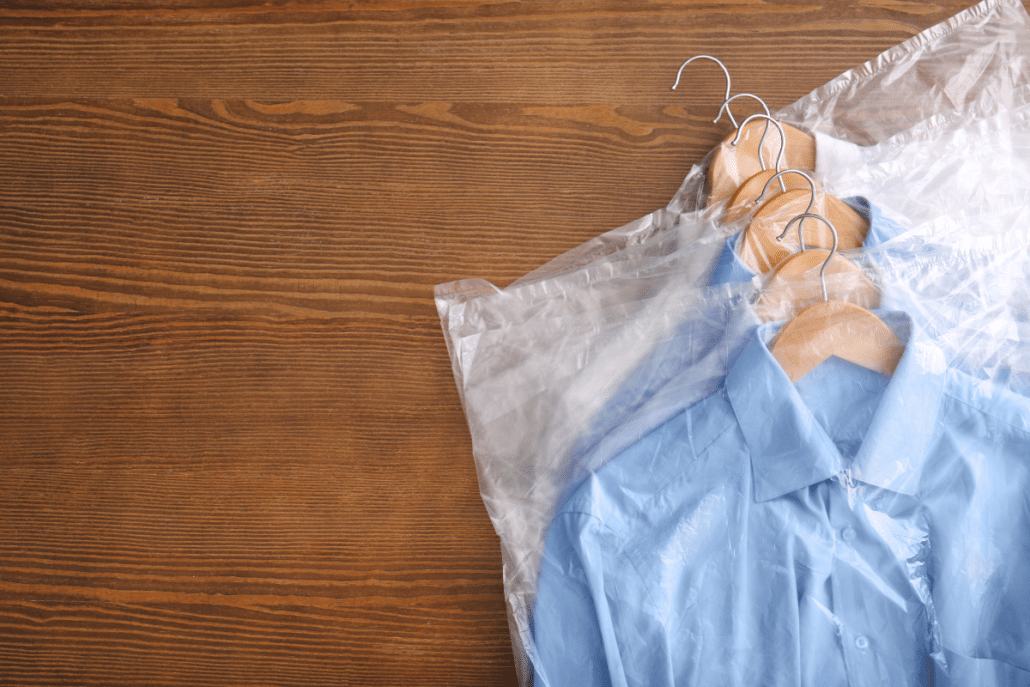
The Truth About “Dry Clean Only” (And When I Actually Listen to It)

Confession time: when I see “Dry Clean Only” on a tag, I don’t grab my car keys. I grab my sink. Not every garment that says it needs a cleaner actually does, and with prices climbing the way they have, that label is costing you more than it should. Here’s how I tell the difference, and how to hand-wash the ones that qualify without wrecking them.
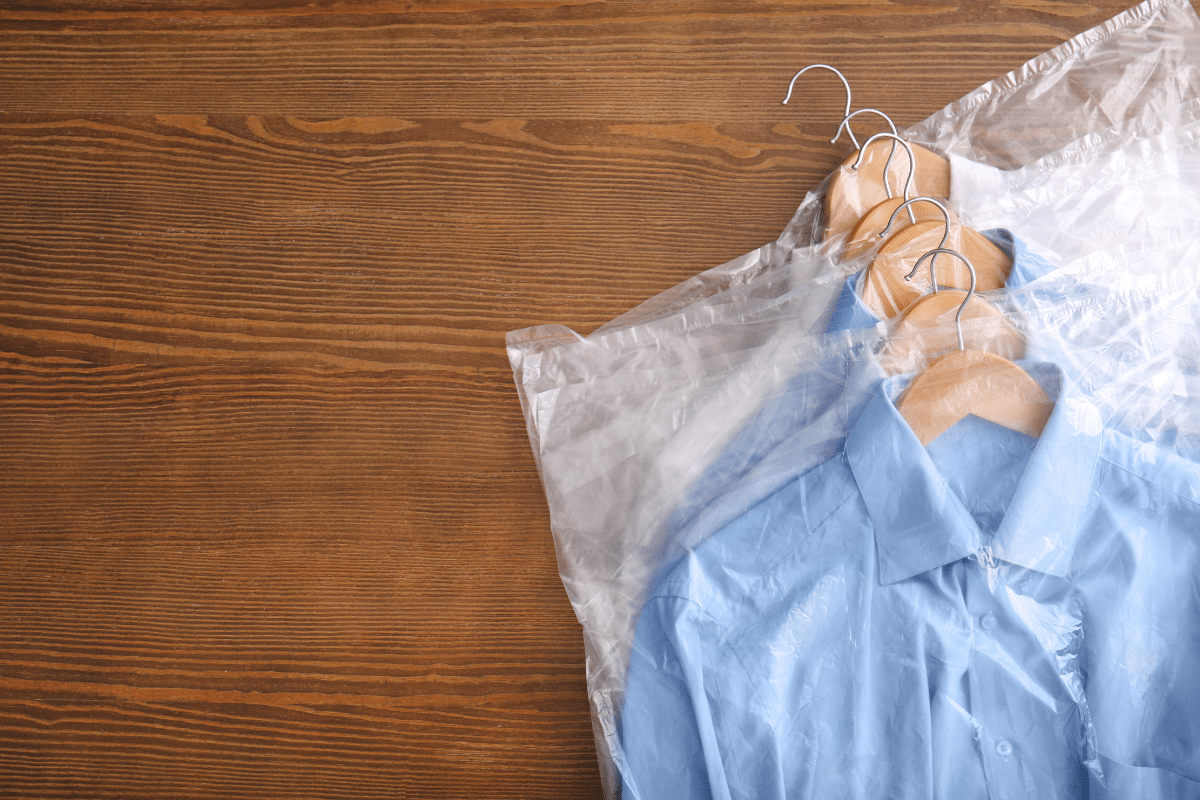
I have a confession to make.
When I see “Dry Clean Only” on a clothing label, I don’t automatically head for the car keys. I pause. Then I ask myself whether this garment is genuinely asking for professional care, or whether some manufacturer’s lawyer told them to cover their bases.
A tailored wool suit? Absolutely, that’s dry cleaner territory. A silk-lined formal gown? I’m not gambling. But a simple cotton blouse, a linen shirt, a lightweight sweater? I’ve hand-washed dozens of those over the years, label be hanged, and I can’t recall a single disaster.
That doesn’t mean every “Dry Clean Only” garment belongs in your sink. But it does mean a little common sense, and a little nerve, can save you real money. And after what dry cleaning costs in 2026, I think it’s worth having the nerve.
Have you priced a dry cleaner lately?
Go on, brace yourself. A laundered dress shirt runs $4 to $8 now. Slacks, $7 to $14. A two-piece suit, $15 to $30. A winter coat can hit $45. And prices went up again this year: 5.3% between last June and this one, according to the government’s own index for laundry and dry cleaning services. That’s outpacing regular inflation. Since 2021, the same index is up 36%. A $10 cleaning bill five years ago is closer to $13.60 today.
Why? Mostly labor. Pressing a garment right still takes a person, not a machine, and that hasn’t changed. Add in tighter rules on the chemicals cleaners use and the equipment upgrades that come with them, plus rent, electricity, and every hanger and poly bag along the way, and you get a bill that keeps climbing.
Add it up over a month and it’s not small change. A modest business-casual wardrobe, a handful of slacks and shirts and one blazer, can run you $75 to $110 a month at the cleaner. That’s up toward $1,200 a year, just to keep clothes you could largely handle yourself looking presentable.
I’m not saying skip the dry cleaner altogether. I’m saying stop assuming every tag is giving you an order instead of a suggestion.
So is the label lying to you?
Not lying, exactly. Covering itself. A garment manufacturer doesn’t know if you’ll follow instructions carefully or toss the thing in with your gym clothes on hot. “Dry Clean Only” is often the safest sentence a lawyer can write, not a verdict on how the fabric actually behaves in water.
Look past the tag and study the garment itself. What’s it made of? Does it have beading, sequins, leather trim, or serious tailored structure? Shoulder pads, boning, a fitted lining? Those details matter more than the words on the tag ever will.
Natural fibers like cotton, linen, cashmere, and most wools tend to tolerate a careful hand wash just fine. Rayon is trickier, it goes weak when wet and can lose its shape. Silk deserves extra caution because some dyes bleed. When you’re not sure, dampen a white cloth and press it against a hidden seam. If color transfers, that garment is telling you something. Listen to it, not the tag.
One more thing worth knowing, because it trips people up: a “laundered” dress shirt and a “dry cleaned” one aren’t the same service, and they’re not priced the same either. Cotton gets washed in water and machine pressed, which is why it’s the cheapest thing on the price list. Silk, or anything with a structured, fused collar, goes through solvent instead, and the price roughly doubles. That’s a fabric difference, not an accident.
How I actually do it
Fill a clean sink with cool water. Add a small amount of mild detergent made for delicates, or even a gentle shampoo if that’s what’s under your sink. Swish it around before the garment goes in. You want the soap dissolved, not sitting in a puddle waiting to be scrubbed into the fabric.
Then don’t scrub. Most clothing isn’t dirty the way we think it is. It just needs refreshing. Move the garment gently through the water for a few minutes, giving a little extra attention to collars and cuffs.
Drain the soapy water, refill with clean cool water, and rinse until nothing sudsy remains. You may need to do this twice.
Now, the part where most good intentions go sideways: never wring it out. Twisting wet fabric stretches the fibers and can permanently warp the shape. Instead, lift the garment with both hands, let it hold its own weight, and press out water gently.
A thick towel is your best friend here. Lay the garment flat, roll the whole thing up like a jelly roll, and press. The towel pulls the moisture out without putting any stress on the fabric.
Reshape while it’s still damp. Sweaters and knits dry flat, always, on a towel or a drying rack, or they’ll stretch out of shape hanging wet. Lightweight woven shirts and blouses can usually hang to dry. If wrinkles show up once everything’s dry, a garment steamer works beautifully. If you’re reaching for an iron, use the right setting for the fabric and slide a pressing cloth between the iron and the garment.
And here’s a savings tip nobody tells you: you don’t have to wash a garment every single time you wear it. Jackets, sweaters, dresses, and a lot of blouses just need a day or two hanging out to air before they go back in the closet. A tiny stain treated fast with a damp cloth can save you the whole wash. Every trip you skip is money that stays right where it belongs… in your pocket, not a dry cleaner’s till.
When I actually pay a professional
Some things genuinely earn the trip. Wedding gowns are the obvious one. Cleaning and preservation runs $200 to $400, and that’s for good reason. There’s real hand work in treating beadwork and boxing a gown properly for storage.
Vintage clothing, anything with sentimental weight, and garments built from more than one fabric that behave differently when wet all belong on that list too. A blazer with a fused lining, for instance, can shrink at a different rate than its outer shell, and once that happens there’s no fixing it. I’ve seen readers describe exactly that: a jacket that looked fine on the hanger afterward but sat wrong on the body forever. That’s not worth the gamble on a piece you actually love.
Heavily structured formalwear, anything boned or corseted, leather and suede: leave those to the people with the right equipment. This isn’t me being cautious for the sake of it. It’s me telling you where the real risk lives, so you can take chances everywhere else with confidence.
Don’t treat the tag like scripture
Every “Dry Clean Only” label isn’t a commandment carved in stone. Sometimes it’s just a suggestion written by someone who’s never met your sink, your patience, or your determination to keep a few more dollars where they belong.
Pick one item from your closet this week. Something plain, something you like, something you wouldn’t be devastated to lose. Test it. You might just find out your sink has been more capable than your dry cleaner’s counter this whole time.
Question: Be honest, do you actually check the fabric before you obey the tag, or does “Dry Clean Only” just send you straight to the car?
EverydayCheapskate™ is reader-supported. We participate in the Amazon Services LLC Associates Program and other affiliate advertising programs, designed to provide a means for us to earn from qualifying purchases, at no cost to you.

More from Everyday Cheapskate
 https://www.everydaycheapskate.com/wp-content/uploads/20260809-how-to-get-the-smell-out-of-towels-stack-of-towels-sitting-with-candle-in-bright-natural-light.png
800
1200
Mary Hunt
https://www.everydaycheapskate.com/wp-content/uploads/EC-Logo-by-Mary-Hunt-Tagline-Trimmed.png
Mary Hunt2026-08-08 16:48:552026-08-08 16:50:57How to Get Smell Out of Towels: The 2-Wash Fix That Works
https://www.everydaycheapskate.com/wp-content/uploads/20260809-how-to-get-the-smell-out-of-towels-stack-of-towels-sitting-with-candle-in-bright-natural-light.png
800
1200
Mary Hunt
https://www.everydaycheapskate.com/wp-content/uploads/EC-Logo-by-Mary-Hunt-Tagline-Trimmed.png
Mary Hunt2026-08-08 16:48:552026-08-08 16:50:57How to Get Smell Out of Towels: The 2-Wash Fix That Works https://www.everydaycheapskate.com/wp-content/uploads/20260729-the-problem-with-fabric-softener-sitting-on-a-washer.png
800
1200
Mary Hunt
https://www.everydaycheapskate.com/wp-content/uploads/EC-Logo-by-Mary-Hunt-Tagline-Trimmed.png
Mary Hunt2026-07-29 13:45:412026-07-29 13:47:50Fabric Softener Is Wrecking Your Laundry. Here’s What Actually Works.
https://www.everydaycheapskate.com/wp-content/uploads/20260729-the-problem-with-fabric-softener-sitting-on-a-washer.png
800
1200
Mary Hunt
https://www.everydaycheapskate.com/wp-content/uploads/EC-Logo-by-Mary-Hunt-Tagline-Trimmed.png
Mary Hunt2026-07-29 13:45:412026-07-29 13:47:50Fabric Softener Is Wrecking Your Laundry. Here’s What Actually Works. https://www.everydaycheapskate.com/wp-content/uploads/20260703-home-decor.png
800
1200
Mary Hunt
https://www.everydaycheapskate.com/wp-content/uploads/EC-Logo-by-Mary-Hunt-Tagline-Trimmed.png
Mary Hunt2026-07-03 20:46:552026-09-28 22:51:4110 Everyday Items You Never Think to Wash (But Should)
https://www.everydaycheapskate.com/wp-content/uploads/20260703-home-decor.png
800
1200
Mary Hunt
https://www.everydaycheapskate.com/wp-content/uploads/EC-Logo-by-Mary-Hunt-Tagline-Trimmed.png
Mary Hunt2026-07-03 20:46:552026-09-28 22:51:4110 Everyday Items You Never Think to Wash (But Should) https://www.everydaycheapskate.com/wp-content/uploads/20260626-homemade-stain-paste-sitting-on-wooden-countertop-in-laundry-room-with-washer-and-dryer.png
800
1200
Mary Hunt
https://www.everydaycheapskate.com/wp-content/uploads/EC-Logo-by-Mary-Hunt-Tagline-Trimmed.png
Mary Hunt2026-06-26 17:41:192026-09-28 22:52:13Homemade Laundry Stain Paste That Works for Pennies
https://www.everydaycheapskate.com/wp-content/uploads/20260626-homemade-stain-paste-sitting-on-wooden-countertop-in-laundry-room-with-washer-and-dryer.png
800
1200
Mary Hunt
https://www.everydaycheapskate.com/wp-content/uploads/EC-Logo-by-Mary-Hunt-Tagline-Trimmed.png
Mary Hunt2026-06-26 17:41:192026-09-28 22:52:13Homemade Laundry Stain Paste That Works for Pennies https://www.everydaycheapskate.com/wp-content/uploads/20260625-striped-two-piece-and-red-one-piece-bathing-suit-how-to-make-swimsuits-last-longer.png
800
1200
Mary Hunt
https://www.everydaycheapskate.com/wp-content/uploads/EC-Logo-by-Mary-Hunt-Tagline-Trimmed.png
Mary Hunt2026-06-25 22:28:472026-09-28 22:52:31How to Care for Swimsuits and Make Them Last Years
https://www.everydaycheapskate.com/wp-content/uploads/20260625-striped-two-piece-and-red-one-piece-bathing-suit-how-to-make-swimsuits-last-longer.png
800
1200
Mary Hunt
https://www.everydaycheapskate.com/wp-content/uploads/EC-Logo-by-Mary-Hunt-Tagline-Trimmed.png
Mary Hunt2026-06-25 22:28:472026-09-28 22:52:31How to Care for Swimsuits and Make Them Last Years https://www.everydaycheapskate.com/wp-content/uploads/20260612-laundry-stripping-stack-of-white-towels.png
800
1200
Mary Hunt
https://www.everydaycheapskate.com/wp-content/uploads/EC-Logo-by-Mary-Hunt-Tagline-Trimmed.png
Mary Hunt2026-06-12 16:57:242026-06-12 16:59:18Laundry Stripping: The Surprising Fix for Dingy Sheets, Gray Towels, and Sad-Looking Underwear
https://www.everydaycheapskate.com/wp-content/uploads/20260612-laundry-stripping-stack-of-white-towels.png
800
1200
Mary Hunt
https://www.everydaycheapskate.com/wp-content/uploads/EC-Logo-by-Mary-Hunt-Tagline-Trimmed.png
Mary Hunt2026-06-12 16:57:242026-06-12 16:59:18Laundry Stripping: The Surprising Fix for Dingy Sheets, Gray Towels, and Sad-Looking Underwear https://www.everydaycheapskate.com/wp-content/uploads/20260603-keeping-laundry-white.png
800
1200
Mary Hunt
https://www.everydaycheapskate.com/wp-content/uploads/EC-Logo-by-Mary-Hunt-Tagline-Trimmed.png
Mary Hunt2026-06-03 19:14:082026-06-03 19:16:53How to Keep White Clothes Actually White (Yes, It’s Possible)
https://www.everydaycheapskate.com/wp-content/uploads/20260603-keeping-laundry-white.png
800
1200
Mary Hunt
https://www.everydaycheapskate.com/wp-content/uploads/EC-Logo-by-Mary-Hunt-Tagline-Trimmed.png
Mary Hunt2026-06-03 19:14:082026-06-03 19:16:53How to Keep White Clothes Actually White (Yes, It’s Possible) https://www.everydaycheapskate.com/wp-content/uploads/20260527-seasonal-wardrobe-swap-sweaters.png
800
1200
Mary Hunt
https://www.everydaycheapskate.com/wp-content/uploads/EC-Logo-by-Mary-Hunt-Tagline-Trimmed.png
Mary Hunt2026-05-27 18:18:242026-09-28 22:54:50The 15-Minute Closet Swap That Saves Money on Summer Clothes
https://www.everydaycheapskate.com/wp-content/uploads/20260527-seasonal-wardrobe-swap-sweaters.png
800
1200
Mary Hunt
https://www.everydaycheapskate.com/wp-content/uploads/EC-Logo-by-Mary-Hunt-Tagline-Trimmed.png
Mary Hunt2026-05-27 18:18:242026-09-28 22:54:50The 15-Minute Closet Swap That Saves Money on Summer Clothes https://www.everydaycheapskate.com/wp-content/uploads/20260526-dress-shirt-on-gray-background-DIY-wrinkle-release-spray.png
800
1200
Mary Hunt
https://www.everydaycheapskate.com/wp-content/uploads/EC-Logo-by-Mary-Hunt-Tagline-Trimmed.png
Mary Hunt2026-05-26 10:01:262026-05-26 10:03:55DIY Wrinkle Release Spray That Beats Downy Cold
https://www.everydaycheapskate.com/wp-content/uploads/20260526-dress-shirt-on-gray-background-DIY-wrinkle-release-spray.png
800
1200
Mary Hunt
https://www.everydaycheapskate.com/wp-content/uploads/EC-Logo-by-Mary-Hunt-Tagline-Trimmed.png
Mary Hunt2026-05-26 10:01:262026-05-26 10:03:55DIY Wrinkle Release Spray That Beats Downy Cold

I’ve successfully washed “dry clean only” garments in a garment bag with cold water and the “delicate” cycle on my top loading He washer. One of them was a warm rayon blanket vest that sat dirty in my closet for many months before I had the courage to try washing it. It came out beautiful and looking brand new, even the blanket fringe it has. I didn’t dry it on a towel, but by spreading it out over a drying rack I use for everything I prefer to not toss in the dryer. I’ve also successfully used this method with woolen sweaters. Care and caution is needed, but not expensive dry cleaning bills. One of those sweaters, after having been successfully washed this way for more than a year, somehow ended up in the “heavy duty” load along with blue jeans and T shirts. Unfortunately it came out from that still looking nice but now suitably sized for an 8-year-old.
I never dry clean, except suit jackets. I do what you do. I’ve done this for over 30 years and have no regrets. Another thing I want to share is something I thought long and hard about. The Japanese silk kimonos are dry cleaned by special cleaners in Japan, but I thought and thought and realized that in the old days, there were no dry cleaners. Women washed them in the river, no soap, just clean cold water. So, when I purchased an old silk kimono to make a dress, I deconstructed it and just rinsed without soap in clean cold water over and over until I felt it was clean. No problems. The fabric feels nice and slightly stiff, but once you carefully iron, they will be fine.
unless it’s one of my two grey suits or my leather bomber jacket, it gets stuffed in a mesh bag and washed on the gentle cycle. haven’t had a problem yet