

Cheap Sunscreen, Priceless Skin: What Works and What Doesn’t

Trying to figure out what sunscreen is best shouldn’t feel like taking a final exam in dermatology. With so many options—and prices—all promising miracle-level protection, it’s easy to overspend or under-protect. But here’s some good news: you can get effective, dermatologist-approved sunscreen without breaking your summer budget. Let’s break down the best sunscreen options—especially for sensitive skin, your face, and your wallet.

Raise your hand if you’ve ever stood in the sunscreen aisle, squinting at labels and wondering if you’re choosing a skin protector or a salad dressing. “Broad spectrum,” “reef-safe,” “mineral-based,” “chemical,” “tinted,” “SPF 70,” “SPF 15,” “dermatologist-recommended,” “kid-safe,” “non-nano,” “matte finish,” “sport,” “baby”… and on it goes. It’s no wonder people end up sunburned and broke.
But here’s the deal: you don’t need a luxury formula to protect your skin. There’s plenty of cheap sunscreen that works—truly works—without draining your summer fun fund. And it’s not just a personal care choice anymore; it’s a booming market. The U.S. sun care industry brings in nearly $2 billion a year, and demand keeps rising as more people wise up to the health and cosmetic benefits of sun protection.
Why Sunscreen Matters Daily—Even If You Don’t Burn
Sunscreen isn’t just for beach days and ball games. It’s a daily essential if you care about your skin’s health (and yes, your appearance). Skin cancer is the most common cancer in the U.S., and much of it is preventable with consistent use of SPF 15 or higher.
And if avoiding skin cancer isn’t enough motivation, consider this: sunscreen is the cheapest anti-aging product you’ll ever buy. Wrinkles, dark spots, sagging—most of it traces back to sun exposure.
Every time you step outside, even for just a few minutes, those UV rays clock in. A trip to the mailbox, your daily commute, or walking the dog without protection? It all adds up. The good news? Applying sunscreen doesn’t take more than a minute—and your future self (and dermatologist) will thank you.
Price vs. Protection: Is Expensive Sunscreen Worth the Cost?
Let’s bust a myth right now: expensive doesn’t equal better. Sunscreen is regulated by the FDA in the U.S., which means any product that claims SPF 30 has to meet the same testing standards—whether it costs $5 or $50.
So, what are you actually paying for when you splurge?
- A smoother texture or more elegant finish
- Fragrance-free formulas or custom scents
- Sleek, influencer-approved packaging
- Added skincare ingredients like antioxidants
- A brand name with a strong marketing team
There’s nothing wrong with any of that. If those extras make you more likely to apply sunscreen every day, go for it. But if you’re simply looking to protect your skin from sunburn, wrinkles, or worse? Plenty of affordable options get the job done just as well.

What Sunscreen Should I Use for My Skin Type?

Different formulas work better for different skin types and situations. Here’s a breakdown to help you pick the right fit:
Chemical Sunscreen (Best for Normal, Oily, and Combination Skin)
Chemical sunscreens use active ingredients like avobenzone, oxybenzone, or octocrylene to absorb UV rays and convert them into heat, which your skin then releases. If you’ve ever used sunscreen that disappeared into your skin without a trace—no white film, no stickiness—it was likely a chemical formula.
Pros:
✔ Lightweight and invisible
✔ No white cast (great for deeper skin tones)
✔ Layers well under makeup
Cons:
✖ Can irritate sensitive or reactive skin
✖ Needs about 15 minutes to become effective after application
Best for:
- Daily wear under makeup
- Oily or acne-prone skin (many formulas are non-comedogenic)
- Anyone who wants a sheer finish
If your skin tolerates it well, chemical sunscreen is an excellent and affordable option, especially for everyday use.
Mineral Sunscreen (Best for Sensitive, Dry, or Reactive Skin)
Mineral sunscreens (also called physical sunscreens) use zinc oxide and/or titanium dioxide to physically block and reflect UV rays. They don’t absorb into the skin—they sit on top like a shield. That makes them ideal for people who react to chemical ingredients.
Pros:
✔ Gentle and less likely to cause irritation or breakouts
✔ Starts working the moment you apply it
✔ Better for babies, kids, and sensitive or eczema-prone skin
✔ Generally reef-safe and more environmentally friendly
Cons:
✖ Can leave a chalky or white cast, especially on deeper skin tones
✖ May feel thicker or more noticeable on the skin
Best for:
- Sensitive or allergy-prone skin
- Kids and toddlers
- People who prefer a more “natural” or environmentally conscious option
If you’re worried about the white cast, look for tinted or “sheer” mineral formulas—they’ve come a long way.
What to Look for on the Label (No Matter the Price)
No matter how much—or how little—you spend, a good sunscreen label should check a few non-negotiable boxes. These are your sunscreen green flags:
- SPF 30 or higher: This is the minimum level recommended by dermatologists. SPF 30 blocks about 97% of UVB rays—going higher offers only slightly more protection, but it can help if you’re fair-skinned or prone to burning.
- Broad Spectrum: This means it protects against both UVA (aging) and UVB (burning) rays. Think: fewer wrinkles and fewer sunburns.
- Water Resistant: If you’re sweating, swimming, or just chasing kids around outside, look for this. It doesn’t mean waterproof (that doesn’t exist), but it will hold up better in the real world.
- Clearly Listed Expiration Date: Sunscreen loses effectiveness over time, especially if it’s been sitting in a hot car or beach bag. If you can’t find an expiration date, treat it like forgotten yogurt—don’t risk it.
And a quick note for ocean lovers: If you’re swimming in the sea, skip sunscreens with oxybenzone or octinoxate—these ingredients damage coral reefs. Look for “reef-safe” on the label if you care about marine life (we should all care about marine life).
Best Inexpensive Sunscreens That Work
You don’t need to spend a fortune to protect your skin. These budget-friendly picks have passed independent lab tests, earned cult followings, or personally saved someone from becoming a crispy critter. Here’s how they stack up—based on skin type and situation.
The Best Sunscreen for Face: Budget-Friendly Favorite

Trader Joe’s Daily Facial Sunscreen SPF 40
About $9 | 1.7 oz | Chemical sunscreen (avobenzone, homosalate, octisalate, octocrylene)
A budget-friendly alternative to the $38 Supergoop Unseen Sunscreen—seriously, they’re almost twins. Lightweight, invisible, fragrance-free, and perfect under makeup. No white cast, no greasy feel—just smooth, reliable protection for daily wear.
Great for all skin types, even combo or oily skin.
Sunscreen for Sensitive Skin: Affordable and Gentle Picks

Up & Up Mineral Sunscreen SPF 50
About $13–$14 | Mineral (zinc oxide 19.2%)
Shockingly non-chalky for a mineral sunscreen, especially at this price. Free of fragrance and parabens. Good for sensitive or acne-prone skin that reacts to chemical SPFs.

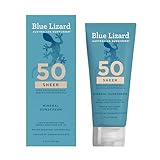
Blue Lizard Sensitive SPF 50
About $9–$15 | Mineral (zinc oxide + titanium dioxide)
Dermatologist-loved for a reason. No dyes, no fragrances, and ideal for eczema-prone or easily irritated skin. The bottle turns blue in UV light—a fun bonus and reminder to reapply.
Best for: Kids, rosacea, post-treatment skin, or anyone who breaks out in a rash just thinking about sunscreen.
What Sunscreen Is Best for Kids, Sport, and Everyday Use?

Equate Sport Broad Spectrum Sunscreen Lotion, SPF 50
About $5 | Chemical sunscreen
Water-resistant, sweat-proof, and tested to perform like brands four times the price. No-nonsense protection for beach days, hikes, or just working in the yard. Absorbs well, no greasy feel.

Coppertone SPORT Sunscreen SPF 50
About $8–$10 | Chemical sunscreen
A tried-and-true classic. Goes on smooth, won’t sting your eyes, and doesn’t feel like you’ve been slathered in butter. Stays put through sweat, sand, and backyard BBQs.
Common Sunscreen Myths (And What’s Actually True)
“My makeup has SPF, so I’m covered.”
Not quite. Unless you’re slathering on a full teaspoon of foundation (yes, really), you’re not getting the level of protection promised on the label. SPF makeup is a nice bonus—not your main defense.
“I don’t burn, so I don’t need it.”
Tanning is still sun damage. A deep tan might look summery, but it’s your skin crying for help. Melanin offers some natural protection, but it doesn’t block UVA or prevent skin cancer.
“I’m indoors all day.”
UVA rays sneak through windows—and they’re the ones linked to aging and long-term skin damage. If you work near a window or drive during daylight, sunscreen still matters.
“Higher SPF means I can stay out longer without reapplying.”
Not exactly. SPF 50 does block more UVB than SPF 30, but it doesn’t last longer. Reapplication rules don’t change—every two hours or after water/sweat.
“Sunscreen is only for sunny days.”
Clouds don’t block UV rays. Up to 80% can still reach your skin on overcast days, so that cool breeze doesn’t mean you’re in the clear.
Sunscreens That Might Not Be Worth It
Not all sunscreens earn a gold star—and some can leave you sunburned, frustrated, or both. Here’s what to watch out for:
- Overly scented or greasy formulas: Example: Banana Boat Light As Air SPF 50. This one promises a lightweight feel, but many users report a strong scent and greasy residue that sticks around longer than your beach day. Some even question whether the protection lives up to the label.
- Unverified or obscure brands: If a sunscreen doesn’t list a clear expiration date or manufacturer info—common in some dollar store or online-only brands—skip it. You don’t want to trust your skin (or your kids’) to mystery lotion.
- Outdated or expired products: Sunscreen breaks down over time. The SPF number doesn’t mean a thing if the formula’s lost its oomph. Expired sunscreen still makes a great body moisturizer. Don’t toss it—just don’t trust it on your next hike.
Bottom line: Stick with brands that disclose ingredients, expiration dates, and manufacturer info. And don’t confuse a higher price—or a fancy bottle—for better protection.
Sunscreen Application Tips You Might Be Getting Wrong
Even the best sunscreen can’t help you if it’s applied like an afterthought. Here’s how to actually get your money’s worth from that bottle:
- Use more than you think. Think shot glass for your body (about an ounce), and a nickel-sized dollop for your face. Most people use less than half of what’s needed.
- Reapply often. Every two hours is the rule, but sooner if you’re swimming, sweating, or toweling off. Yes, even if it says “water resistant.”
- Don’t count on your makeup with SPF. SPF in foundation or tinted moisturizer is nice, but you’d need to cake it on like frosting to hit the protection level on the label.
- Build it into your routine. Leave a bottle next to your toothbrush, coffee pot, or car keys—whatever it takes to make it a no-brainer every morning. Daily use is what makes the biggest difference in both skin health and appearance.
How to Save on Sunscreen Without Sacrificing Protection
Sunscreen doesn’t have to be pricey to be powerful. Here’s how to get the best sun protection without getting burned at the register:
- Buy clearance with confidence: Sunscreen has a shelf life of about three years—sometimes longer if unopened and stored in a cool, dry place. That bottle marked down at the end of summer? It’s probably just fine for next season (as long as it didn’t spend last July in a glove box).
- Check the unit price: Bigger bottles often give you more SPF-for-your-buck. Just make sure you’ll use it up before the expiration date.
- Skip sprays for kids: Spray sunscreens might seem easier, but they’re tricky to apply evenly—and even trickier to apply safely. If you use one, spray it into your hands first, then rub it on. And always avoid inhaling (kids and grown-ups alike).
- Read expiration dates—really: Sunscreen can lose effectiveness over time, especially if it’s been exposed to heat or sunlight. That forgotten bottle from your beach bag may no longer be doing its job.
Bottom line: sunscreen doesn’t need bells, whistles, or influencer endorsements. It needs to be broad spectrum, SPF 30 or higher, and something you’ll actually use. There’s plenty of cheap sunscreen that works—just read the label, stay consistent, and pat yourself on the back for protecting the only skin you’ve got.
Your future self—and your dermatologist—will thank you.
Question: What sunscreen do you swear by—face, body, or both? Do you go for SPF 30, 50, or higher… or just reach for whatever’s in the beach bag? Let’s chat SPF in the comments below.
EverydayCheapskate™ is reader-supported. We participate in the Amazon Services LLC Associates Program and other affiliate advertising programs, designed to provide a means for us to earn from qualifying purchases, at no cost to you.

More from Everyday Cheapskate
 https://www.everydaycheapskate.com/wp-content/uploads/20261011-Woman-Adjusting-Smart-Home-Device-on-the-Wall-how-to-lower-your-electric-bill.png
800
1200
Mary Hunt
https://www.everydaycheapskate.com/wp-content/uploads/EC-Logo-by-Mary-Hunt-Tagline-Trimmed.png
Mary Hunt2026-10-11 23:01:562026-10-11 23:01:56Stop Chasing Pennies on Your Electric Bill. Do This
https://www.everydaycheapskate.com/wp-content/uploads/20261011-Woman-Adjusting-Smart-Home-Device-on-the-Wall-how-to-lower-your-electric-bill.png
800
1200
Mary Hunt
https://www.everydaycheapskate.com/wp-content/uploads/EC-Logo-by-Mary-Hunt-Tagline-Trimmed.png
Mary Hunt2026-10-11 23:01:562026-10-11 23:01:56Stop Chasing Pennies on Your Electric Bill. Do This https://www.everydaycheapskate.com/wp-content/uploads/20261007-red-present-sitting-in-autumn-leaves-Amazon-Prime-Big-Deal-Days-gifts.png
800
1200
Mary Hunt
https://www.everydaycheapskate.com/wp-content/uploads/EC-Logo-by-Mary-Hunt-Tagline-Trimmed.png
Mary Hunt2026-10-06 23:09:432026-10-06 23:09:43Christmas Shopping in October? These Prime Day Gifts Make Sense
https://www.everydaycheapskate.com/wp-content/uploads/20261007-red-present-sitting-in-autumn-leaves-Amazon-Prime-Big-Deal-Days-gifts.png
800
1200
Mary Hunt
https://www.everydaycheapskate.com/wp-content/uploads/EC-Logo-by-Mary-Hunt-Tagline-Trimmed.png
Mary Hunt2026-10-06 23:09:432026-10-06 23:09:43Christmas Shopping in October? These Prime Day Gifts Make Sense https://www.everydaycheapskate.com/wp-content/uploads/20261006-prime-big-deal-days-have-landed.png
800
1200
Mary Hunt
https://www.everydaycheapskate.com/wp-content/uploads/EC-Logo-by-Mary-Hunt-Tagline-Trimmed.png
Mary Hunt2026-10-05 11:01:432026-10-07 09:02:53EC’s Top Picks from Amazon Prime Big Deal Days 2026
https://www.everydaycheapskate.com/wp-content/uploads/20261006-prime-big-deal-days-have-landed.png
800
1200
Mary Hunt
https://www.everydaycheapskate.com/wp-content/uploads/EC-Logo-by-Mary-Hunt-Tagline-Trimmed.png
Mary Hunt2026-10-05 11:01:432026-10-07 09:02:53EC’s Top Picks from Amazon Prime Big Deal Days 2026 https://www.everydaycheapskate.com/wp-content/uploads/20261004-reduce-healthcare-costs-with-three-habits-healthy-couple-walking-in-autumn-leaves.png
800
1200
Mary Hunt
https://www.everydaycheapskate.com/wp-content/uploads/EC-Logo-by-Mary-Hunt-Tagline-Trimmed.png
Mary Hunt2026-10-04 23:08:572026-10-04 23:09:47How to Reduce Healthcare Costs With 3 Free Daily Habits
https://www.everydaycheapskate.com/wp-content/uploads/20261004-reduce-healthcare-costs-with-three-habits-healthy-couple-walking-in-autumn-leaves.png
800
1200
Mary Hunt
https://www.everydaycheapskate.com/wp-content/uploads/EC-Logo-by-Mary-Hunt-Tagline-Trimmed.png
Mary Hunt2026-10-04 23:08:572026-10-04 23:09:47How to Reduce Healthcare Costs With 3 Free Daily Habits https://www.everydaycheapskate.com/wp-content/uploads/20241004-news-you-can-use-october-everyday-cheapskate-top-news-articles.png
800
1200
Mary Hunt
https://www.everydaycheapskate.com/wp-content/uploads/EC-Logo-by-Mary-Hunt-Tagline-Trimmed.png
Mary Hunt2026-10-04 01:04:052026-10-11 14:34:17News You Can Use • October 2026
https://www.everydaycheapskate.com/wp-content/uploads/20241004-news-you-can-use-october-everyday-cheapskate-top-news-articles.png
800
1200
Mary Hunt
https://www.everydaycheapskate.com/wp-content/uploads/EC-Logo-by-Mary-Hunt-Tagline-Trimmed.png
Mary Hunt2026-10-04 01:04:052026-10-11 14:34:17News You Can Use • October 2026 https://www.everydaycheapskate.com/wp-content/uploads/20261003-woman-hugging-elderly-mother-sandwich-generation-caring-for-aging-parents.png
800
1200
Mary Hunt
https://www.everydaycheapskate.com/wp-content/uploads/EC-Logo-by-Mary-Hunt-Tagline-Trimmed.png
Mary Hunt2026-10-03 10:47:222026-10-03 10:47:25Sandwiched Between Aging Parents and Adult Children
https://www.everydaycheapskate.com/wp-content/uploads/20261003-woman-hugging-elderly-mother-sandwich-generation-caring-for-aging-parents.png
800
1200
Mary Hunt
https://www.everydaycheapskate.com/wp-content/uploads/EC-Logo-by-Mary-Hunt-Tagline-Trimmed.png
Mary Hunt2026-10-03 10:47:222026-10-03 10:47:25Sandwiched Between Aging Parents and Adult Children https://www.everydaycheapskate.com/wp-content/uploads/20260927-impossible-lasagna-pie-recipe-with-wooden-serving-spoon-in-white-casserole-dish.png
800
1200
Mary Hunt
https://www.everydaycheapskate.com/wp-content/uploads/EC-Logo-by-Mary-Hunt-Tagline-Trimmed.png
Mary Hunt2026-09-28 09:38:592026-09-28 22:48:34Impossible Lasagna Pie: All the Flavor, None of the Noodles
https://www.everydaycheapskate.com/wp-content/uploads/20260927-impossible-lasagna-pie-recipe-with-wooden-serving-spoon-in-white-casserole-dish.png
800
1200
Mary Hunt
https://www.everydaycheapskate.com/wp-content/uploads/EC-Logo-by-Mary-Hunt-Tagline-Trimmed.png
Mary Hunt2026-09-28 09:38:592026-09-28 22:48:34Impossible Lasagna Pie: All the Flavor, None of the Noodles https://www.everydaycheapskate.com/wp-content/uploads/20260925-best-inexpensive-coffee-grinders-burr-manual-and-electric.png
800
1200
Mary Hunt
https://www.everydaycheapskate.com/wp-content/uploads/EC-Logo-by-Mary-Hunt-Tagline-Trimmed.png
Mary Hunt2026-09-25 11:06:342026-10-10 15:49:09The Best Coffee Grinder Upgrade That’s Actually Worth It
https://www.everydaycheapskate.com/wp-content/uploads/20260925-best-inexpensive-coffee-grinders-burr-manual-and-electric.png
800
1200
Mary Hunt
https://www.everydaycheapskate.com/wp-content/uploads/EC-Logo-by-Mary-Hunt-Tagline-Trimmed.png
Mary Hunt2026-09-25 11:06:342026-10-10 15:49:09The Best Coffee Grinder Upgrade That’s Actually Worth It https://www.everydaycheapskate.com/wp-content/uploads/20260919-air-purifier-in-living-room-1.png
800
1200
Mary Hunt
https://www.everydaycheapskate.com/wp-content/uploads/EC-Logo-by-Mary-Hunt-Tagline-Trimmed.png
Mary Hunt2026-09-19 11:36:552026-09-28 22:48:42The Best Inexpensive Air Purifiers for Small Homes
https://www.everydaycheapskate.com/wp-content/uploads/20260919-air-purifier-in-living-room-1.png
800
1200
Mary Hunt
https://www.everydaycheapskate.com/wp-content/uploads/EC-Logo-by-Mary-Hunt-Tagline-Trimmed.png
Mary Hunt2026-09-19 11:36:552026-09-28 22:48:42The Best Inexpensive Air Purifiers for Small HomesPlease keep your comments positive, encouraging, helpful, brief,
and on-topic in keeping with EC Commenting Guidelines
Last update on 2026-10-13 / Affiliate links / Images from Amazon Product Advertising API


Sign at my dermatologist office“The best sunscreen is the one you use every day”. We use Neutrogena ultra sheer spf 70.
I have used mineral sunscreen for years, due to sensitive skin. It’s a life-saver! Thank you for this informative column, Mary. I now have some additional products to try. I currently Bliss (available on Amazon) under my make-up most days. It can be a bit pricey, so I wait for it to be on sale for about $13 for a 1.4 ounce tube. It has a very light tint and blends beautifully. On days when I am outdoors a lot, I wear Cera Ve mineral or Trader Joe’s mineral sunscreen. Both blend in well, especially if I wait about five minutes before putting on the rest of my make-up. Thanks again for this valuable information, Mary.
Are any of these “Reef Safe?”
Target’s Up & Up Mineral SPF 50: Budget mineral sunscreen at around $6. Gentle on skin, fragrance-free, and reef-safe.
Thank you for this column on sunscreen. I have lupus and breakout when exposed to too much sun. I did not know about chemical vs. mineral sunscreens, so I will buy the mineral for sensitive skin.