

Money Lessons Made Easy: 11 Books for Kids and Teens

Ever wonder why schools don’t teach kids how to manage money? You’re not alone. It’s a common question I hear all the time, and trust me, I get it! But here’s the good news—financial literacy isn’t something that has to wait until adulthood. In fact, it’s never too early to start teaching your kids the basics of earning, saving, and managing money.

Many adults share the same regret: “Why didn’t anyone teach me how to manage money when I was younger?” If I had a dollar for every time I’ve heard that, I’d be sitting on a small fortune—enough to cover a few college tuition bills, at least! The truth is, teaching kids about money is one of the most powerful gifts you can give them. And yet, it’s often left out of the classroom.
Why Teaching Kids About Money is Essential
Whether your child is 3 or 17, it’s not just about teaching them to save or spend wisely—it’s about helping them build a mindset that empowers smart, confident financial decisions for life. From distinguishing between wants and needs to learning how to budget (without tears), early financial education sets the stage for long-term success and helps them avoid those “Oops!” moments later on.
So, let’s not wait for a school curriculum to catch up. These 11 money-smart books are the perfect starting point to spark important conversations with your kids. They’re fun, engaging, and will help your children develop solid financial habits.
The Best Money Books for Young Kids (Ages 3-11)
Those Shoes by Maribeth Boelts
(Ages 3-8)

Jeremy desperately wants a pair of shoes that everyone at school is wearing—those shoes. But when his old shoes fall apart, his grandma gently reminds him that they don’t have room for “wants,” only “needs.”
Determined to fit in, Jeremy tries to make do with a thrift-store pair, even though they’re much too small. But soon enough, the discomfort of his too-tight shoes teaches him an important lesson: it’s not about keeping up with everyone else—it’s about appreciating what you already have. With the help of his loving grandma and the warmth of family, Jeremy discovers that the things he truly values—like a roof over his head, warm boots, and a friend in need—are far more important than a pair of trendy shoes.
Perfect for young readers, this heartwarming story teaches the valuable lesson of distinguishing between wants and needs, all while emphasizing the importance of generosity and appreciating life’s simple blessings.

Fancy Nancy and the Fabulous Fashion Boutique by Jane O’Connor
(Ages 3-7)

When Nancy opens her very own fashion boutique, it’s filled with stylish, nearly-new outfits and sparkling accessories—even a necklace with real rhinestones.
But when a rainstorm threatens to ruin her little sister’s birthday party, Nancy doesn’t let it dampen her spirit. With a little creativity and her signature flair, she finds a way to save the day—and her boutique. This story highlights how Nancy turns challenges into opportunities, proving that sometimes the best ideas come when you think on your feet.
In addition to being a fun adventure, this book is a playful way to introduce kids to the idea of working hard, earning money, and using their creativity to solve problems.

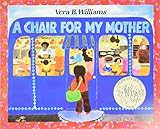
A Chair for My Mother by Vera B Williams
(Ages 3-12)

After a devastating fire destroys their home, a young girl and her hardworking mother set out to save coins for a new chair. Each day, they add to their jar—coins from their own savings and from Grandma’s market bargains—dreaming of the perfect chair to make their apartment feel like home again. When the jar is finally full, they set out together, trying chairs in different stores until they find the one that’s just right.
This heartwarming story of love, sacrifice, and family shows the power of working together to achieve a shared goal. With its touching narrative and vibrant folk art illustrations, this book celebrates the joy of simple, yet meaningful, family moments.
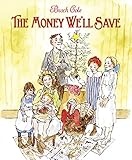
The Money We’ll Save by Brock Cole
(Ages 4-8)

When Pa decides to raise a turkey for their Christmas dinner, he promises Ma it will be easy—and think of all the money they’ll save. But raising a turkey in their cramped New York City apartment turns out to be a lot more complicated than Pa expected. From finding space in their tiny kitchen to figuring out how to feed the turkey with just table scraps, the family soon learns that saving money is never as simple as it sounds.
In this lighthearted and humorous story, the family’s creative problem-solving and teamwork shine through as they work together to make the holiday dinner happen. Perfect for teaching kids that sometimes, the best plans come with a few unexpected challenges—and lots of laughs along the way!
Lemonade in Winter: A Book About Two Kids Counting Money by Emily Jenkins
(Ages 3-7)

On a snowy winter day, siblings Pauline and John-John decide to open a lemonade stand—despite the freezing cold. Armed with their quarters, they buy the ingredients for lemonade, limeade, and lemon-limeade, ready to brave the empty streets. As the snow falls around them, only a few customers stop by, but the experience teaches them important lessons about entrepreneurship, perseverance, and the joy of working together.
This charming story not only introduces kids to the basics of earning and counting money, but also celebrates the bond between siblings and the sweet rewards of hard work—whether or not the profits are what they expected. A perfect read for young readers who are ready to learn about business, kindness, and persistence.

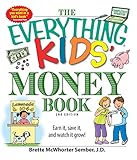
The Everything Kids’ Money Book by Brette Sember
(Ages 7-11)

This comprehensive guide is the perfect introduction to the world of money for kids. Whether they’re saving for a new bike, learning to budget their allowance, or starting to explore investing, this book offers a fun and practical way to understand how money works. Kids will discover how coins and bills are made, what they can buy with their money, and even how credit cards and savings accounts work.
Packed with real-world examples and simple explanations, this non-fiction book teaches everything from saving and spending to the basics of investing and growing wealth.
National Geographic Kids Everything Money by Kathy Furgang
(Ages 8-12)

Money is everywhere, but do your kids truly understand how it works? In this engaging and visually stunning book, kids dive into the fascinating world of money—from its history to how it’s used around the globe. With vibrant photos, fun facts, and “Explorer’s Corners” featuring expert insights, this book takes a deep yet accessible look at all things money.
It’s a perfect mix of education and adventure that helps kids grasp a complex topic in a fun, relatable way, all while fueling their curiosity about the world.

A Smart Girl’s Guide: Money by Nancy Holyoke
(Ages 8-11)

Does the young girl in your life know her “money style”? Whether she’s a saver, spender, or somewhere in between, this fun and practical guide will help her build smart money habits early on. Beyond just learning how to spend, girls will discover ways to earn their own cash and set themselves up for financial success—all while having fun along the way. Perfect for building confidence and independence, this guide turns money management into an empowering life skill.

Financial Literacy for Teens: 3 Must-Read Books
The Motley Fool Investment Guide for Teens by David Gardner
(Ages 12+)

Forget boring investment advice—this guide is all about helping teens take control of their financial future. With The Motley Fool’s signature humor, this book shows how to build a portfolio of stocks you actually care about, avoid common money mistakes, and use time as your biggest ally in growing wealth.
This isn’t your typical money guide—The Motley Fool Investment Guide for Teens helps young people take their first steps toward financial independence with practical, easy-to-understand advice.

The Money Class: A Course in Basic Money Management for Teens and Young Adults by Mr. Michael James Minyard
(Ages 12+)

Money management is a skill many young adults lack, leaving them with debt and financial uncertainty. This practical guide teaches teens and young adults the basics of financial literacy—from budgeting to saving and investing. It’s a hands-on workbook designed for students, teachers, and parents, offering tools to help young people make smart financial decisions and set themselves up for future financial independence.
By empowering teens with the knowledge of how to handle money, this book gives them the confidence to build a stable, debt-free future.

How to Money by Jean Chatzky, Kathryn Tuggle & the Hermoney Team
(Ages 12+)

This colorful, easy-to-understand guide helps teens master essential money skills—from budgeting to investing and managing credit. Inside, teens will learn how to create and stick to a budget, what to expect from their first paycheck, how to navigate college loans without falling into debt, why credit matters and how to use it wisely, and the basics of investing and growing wealth
Packed with expert tips and real-world advice, this book equips teens with the tools to take control of their finances, avoid common pitfalls, and build a future of financial confidence.

How to Introduce Financial Concepts to Your Children
Teaching kids about money doesn’t have to be complicated—it can be woven into everyday life with small, meaningful lessons. The books in this post are an excellent way to spark conversations and bring financial literacy to life in an engaging, age-appropriate way. Pair reading with real-world practice, and you’ll equip your kids with the tools they need to grow into confident, financially savvy adults.
It’s never too early—or too late—to start teaching kids about money. Start small, make it fun, and watch them develop skills that will serve them for a lifetime.
Question: What’s the first money lesson you remember learning as a kid? Share your story in the comments section below.
EverydayCheapskate™ is reader-supported. We participate in the Amazon Services LLC Associates Program and other affiliate advertising programs, designed to provide a means for us to earn from qualifying purchases, at no cost to you.

More from Everyday Cheapskate
 https://www.everydaycheapskate.com/wp-content/uploads/20261006-prime-big-deal-days-have-landed.png
800
1200
Mary Hunt
https://www.everydaycheapskate.com/wp-content/uploads/EC-Logo-by-Mary-Hunt-Tagline-Trimmed.png
Mary Hunt2026-10-05 11:01:432026-10-07 09:02:53EC’s Top Picks from Amazon Prime Big Deal Days 2026
https://www.everydaycheapskate.com/wp-content/uploads/20261006-prime-big-deal-days-have-landed.png
800
1200
Mary Hunt
https://www.everydaycheapskate.com/wp-content/uploads/EC-Logo-by-Mary-Hunt-Tagline-Trimmed.png
Mary Hunt2026-10-05 11:01:432026-10-07 09:02:53EC’s Top Picks from Amazon Prime Big Deal Days 2026 https://www.everydaycheapskate.com/wp-content/uploads/20261004-reduce-healthcare-costs-with-three-habits-healthy-couple-walking-in-autumn-leaves.png
800
1200
Mary Hunt
https://www.everydaycheapskate.com/wp-content/uploads/EC-Logo-by-Mary-Hunt-Tagline-Trimmed.png
Mary Hunt2026-10-04 23:08:572026-10-04 23:09:47How to Reduce Healthcare Costs With 3 Free Daily Habits
https://www.everydaycheapskate.com/wp-content/uploads/20261004-reduce-healthcare-costs-with-three-habits-healthy-couple-walking-in-autumn-leaves.png
800
1200
Mary Hunt
https://www.everydaycheapskate.com/wp-content/uploads/EC-Logo-by-Mary-Hunt-Tagline-Trimmed.png
Mary Hunt2026-10-04 23:08:572026-10-04 23:09:47How to Reduce Healthcare Costs With 3 Free Daily Habits https://www.everydaycheapskate.com/wp-content/uploads/20261004-woman-dreaming-about-her-financial-and-life-goals.png
800
1200
Mary Hunt
https://www.everydaycheapskate.com/wp-content/uploads/EC-Logo-by-Mary-Hunt-Tagline-Trimmed.png
Mary Hunt2026-10-04 12:50:422026-10-04 12:50:42She Lived in a Basement for $100 a Month. Here’s Why.
https://www.everydaycheapskate.com/wp-content/uploads/20261004-woman-dreaming-about-her-financial-and-life-goals.png
800
1200
Mary Hunt
https://www.everydaycheapskate.com/wp-content/uploads/EC-Logo-by-Mary-Hunt-Tagline-Trimmed.png
Mary Hunt2026-10-04 12:50:422026-10-04 12:50:42She Lived in a Basement for $100 a Month. Here’s Why. https://www.everydaycheapskate.com/wp-content/uploads/20241004-news-you-can-use-october-everyday-cheapskate-top-news-articles.png
800
1200
Mary Hunt
https://www.everydaycheapskate.com/wp-content/uploads/EC-Logo-by-Mary-Hunt-Tagline-Trimmed.png
Mary Hunt2026-10-04 01:04:052026-10-11 14:34:17News You Can Use • October 2026
https://www.everydaycheapskate.com/wp-content/uploads/20241004-news-you-can-use-october-everyday-cheapskate-top-news-articles.png
800
1200
Mary Hunt
https://www.everydaycheapskate.com/wp-content/uploads/EC-Logo-by-Mary-Hunt-Tagline-Trimmed.png
Mary Hunt2026-10-04 01:04:052026-10-11 14:34:17News You Can Use • October 2026 https://www.everydaycheapskate.com/wp-content/uploads/20261003-woman-hugging-elderly-mother-sandwich-generation-caring-for-aging-parents.png
800
1200
Mary Hunt
https://www.everydaycheapskate.com/wp-content/uploads/EC-Logo-by-Mary-Hunt-Tagline-Trimmed.png
Mary Hunt2026-10-03 10:47:222026-10-03 10:47:25Sandwiched Between Aging Parents and Adult Children
https://www.everydaycheapskate.com/wp-content/uploads/20261003-woman-hugging-elderly-mother-sandwich-generation-caring-for-aging-parents.png
800
1200
Mary Hunt
https://www.everydaycheapskate.com/wp-content/uploads/EC-Logo-by-Mary-Hunt-Tagline-Trimmed.png
Mary Hunt2026-10-03 10:47:222026-10-03 10:47:25Sandwiched Between Aging Parents and Adult Children https://www.everydaycheapskate.com/wp-content/uploads/20260930-cheap-Halloween-party-snacks-for-kids-punch-bowl-mummy-dogs-ghost-bananas.png
800
1200
Mary Hunt
https://www.everydaycheapskate.com/wp-content/uploads/EC-Logo-by-Mary-Hunt-Tagline-Trimmed.png
Mary Hunt2026-10-01 11:08:582026-10-01 11:08:59These Cheap Halloween Snacks Are Almost Too Easy to Make
https://www.everydaycheapskate.com/wp-content/uploads/20260930-cheap-Halloween-party-snacks-for-kids-punch-bowl-mummy-dogs-ghost-bananas.png
800
1200
Mary Hunt
https://www.everydaycheapskate.com/wp-content/uploads/EC-Logo-by-Mary-Hunt-Tagline-Trimmed.png
Mary Hunt2026-10-01 11:08:582026-10-01 11:08:59These Cheap Halloween Snacks Are Almost Too Easy to Make https://www.everydaycheapskate.com/wp-content/uploads/20260927-impossible-lasagna-pie-recipe-with-wooden-serving-spoon-in-white-casserole-dish.png
800
1200
Mary Hunt
https://www.everydaycheapskate.com/wp-content/uploads/EC-Logo-by-Mary-Hunt-Tagline-Trimmed.png
Mary Hunt2026-09-28 09:38:592026-09-28 22:48:34Impossible Lasagna Pie: All the Flavor, None of the Noodles
https://www.everydaycheapskate.com/wp-content/uploads/20260927-impossible-lasagna-pie-recipe-with-wooden-serving-spoon-in-white-casserole-dish.png
800
1200
Mary Hunt
https://www.everydaycheapskate.com/wp-content/uploads/EC-Logo-by-Mary-Hunt-Tagline-Trimmed.png
Mary Hunt2026-09-28 09:38:592026-09-28 22:48:34Impossible Lasagna Pie: All the Flavor, None of the Noodles https://www.everydaycheapskate.com/wp-content/uploads/20260925-best-inexpensive-coffee-grinders-burr-manual-and-electric.png
800
1200
Mary Hunt
https://www.everydaycheapskate.com/wp-content/uploads/EC-Logo-by-Mary-Hunt-Tagline-Trimmed.png
Mary Hunt2026-09-25 11:06:342026-10-10 15:49:09The Best Coffee Grinder Upgrade That’s Actually Worth It
https://www.everydaycheapskate.com/wp-content/uploads/20260925-best-inexpensive-coffee-grinders-burr-manual-and-electric.png
800
1200
Mary Hunt
https://www.everydaycheapskate.com/wp-content/uploads/EC-Logo-by-Mary-Hunt-Tagline-Trimmed.png
Mary Hunt2026-09-25 11:06:342026-10-10 15:49:09The Best Coffee Grinder Upgrade That’s Actually Worth It https://www.everydaycheapskate.com/wp-content/uploads/20260920-small-money-mistakes-woman-sitting-at-her-laptop-reviewing-bills.png
800
1200
Mary Hunt
https://www.everydaycheapskate.com/wp-content/uploads/EC-Logo-by-Mary-Hunt-Tagline-Trimmed.png
Mary Hunt2026-09-20 11:34:162026-09-28 22:48:40Small Money Mistakes: How to Fix Them Before They Grow
https://www.everydaycheapskate.com/wp-content/uploads/20260920-small-money-mistakes-woman-sitting-at-her-laptop-reviewing-bills.png
800
1200
Mary Hunt
https://www.everydaycheapskate.com/wp-content/uploads/EC-Logo-by-Mary-Hunt-Tagline-Trimmed.png
Mary Hunt2026-09-20 11:34:162026-09-28 22:48:40Small Money Mistakes: How to Fix Them Before They GrowPlease keep your comments positive, encouraging, helpful, brief,
and on-topic in keeping with EC Commenting Guidelines
Last update on 2026-10-11 / Affiliate links / Images from Amazon Product Advertising API


When I was a kid we had to submit a “bill” to my dad for anything we did around the house to get “paid”. We did not get allowance, only what we submitted for payment. We had to write the date and the chore and the amount it was worth (all chores had a specific pay that we all knew, mowing the lawn was $5 – I loved when that had to be done!). This was a great way for my brother and I to understand how to get money. Learning how to manage it was just learned by watching my parents, they were great mentors in that way.
I got an allowance—just for being a kid in our family (though chores were certainly expected). My first allowance was 25 cents a week, from which I was taught to tithe (I put my nickel in the offering plate every other week) and save. When I asked my dad what good a nickel was to give at church, he thought for a moment, then smiled: “A brick costs about a nickel, and with enough nickels, you can build a church!” What fabulous parents I was blessed with!