
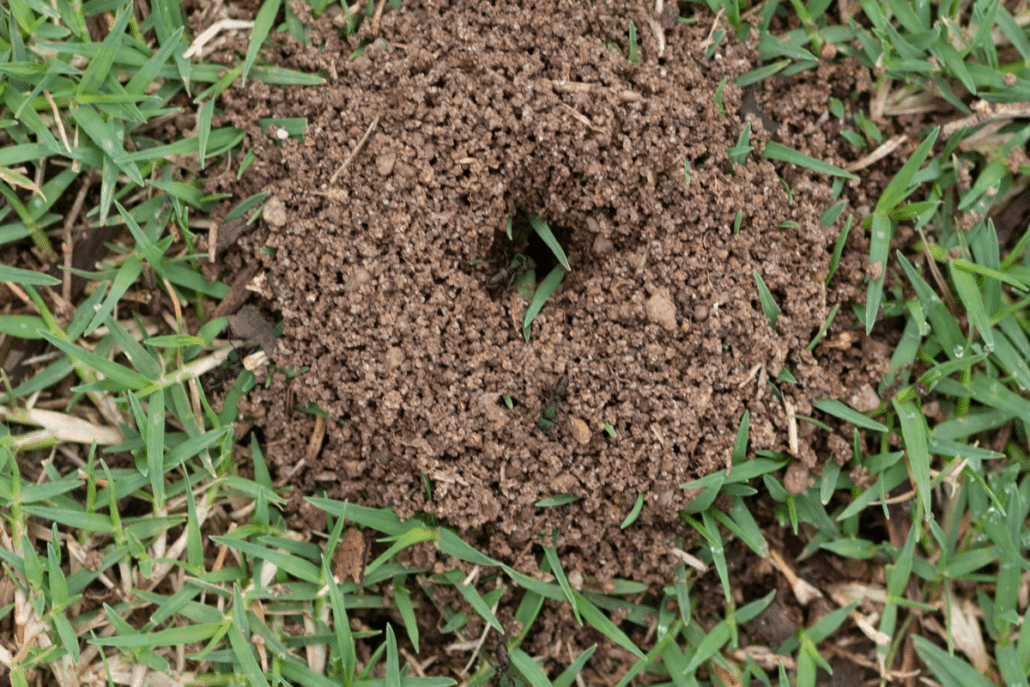
How to Keep Ants Away After You Treat the Ant Hill

You found the ant hill, you treated it, and for a few good days the yard was yours again. Then they came back. Turns out killing the colony is the easy part. Keeping the next one from moving in is the real job. Here’s how to keep ants away for good, plus my honest take on whether a pest control contract is worth paying for.
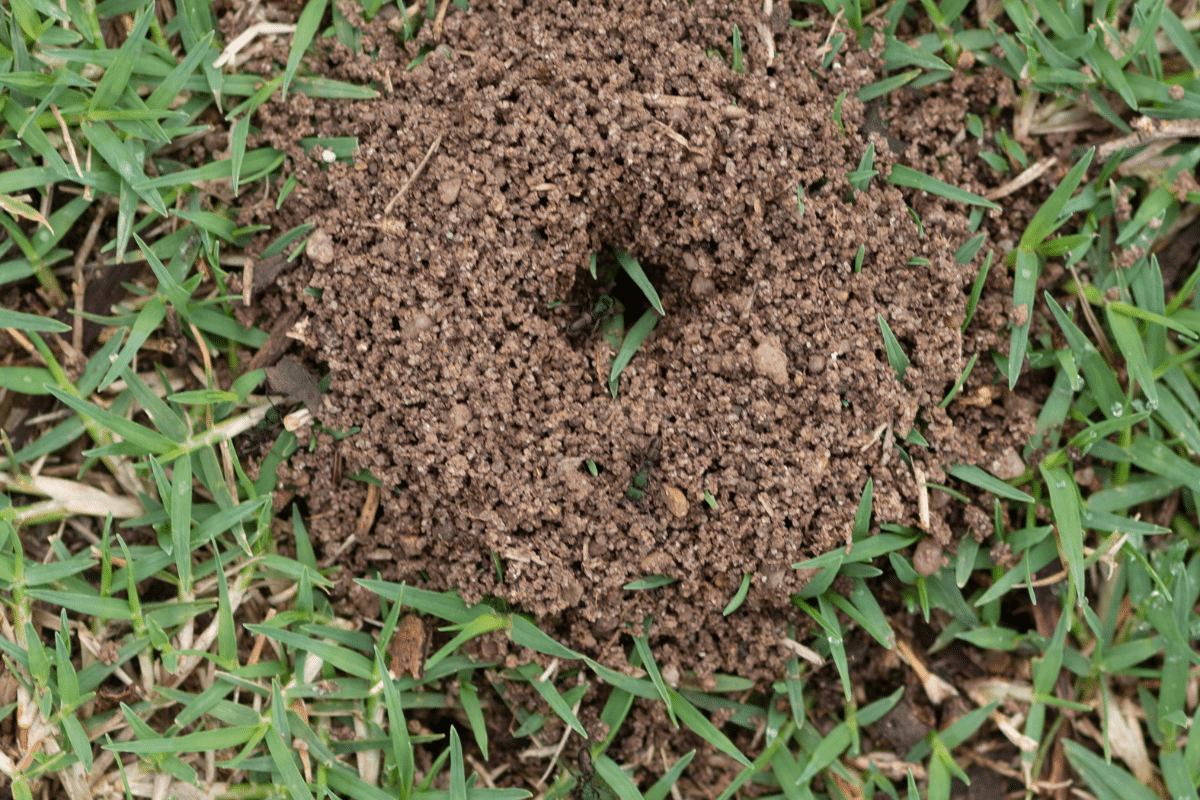
You did it. You found the hill, you treated it, and for a few glorious days the patio was yours again.
Then they came back.
Maybe not in the exact same spot. Close enough that you start wondering if ants hold a scheduling meeting while you’re asleep.
Here’s the part nobody mentions when you’re standing in the garden aisle with a can of ant killer: killing the colony you can see is the easy half. Keeping the next one from moving in is where the real work happens. And before we get into that work, let’s answer the question you’re probably actually asking. Do you need to hire someone for this, or can you handle it yourself?
Do you actually need a pest control contract?
I looked into the pricing on this, because that’s the kind of thing I do instead of watching TV. A one-time professional ant treatment runs somewhere between $150 and $300. That stings a little for spraying dirt, I know. A quarterly maintenance plan works out to roughly $40 to $70 a month once you average it over the year, and monthly plans run higher still, often 20 to 30 percent more annually than quarterly service for the same coverage.
So is any of it worth it?
Here’s my honest answer, and nobody’s paying me to say this. For ordinary household ants, the little pavement ants and black ones marching across your patio, you almost never need a contract. What you need is fewer reasons for them to show up. Spend twenty minutes fixing a leaky hose bib and wiping up crumbs, and you’ve done more good than most $55-a-month plans will ever do for you.
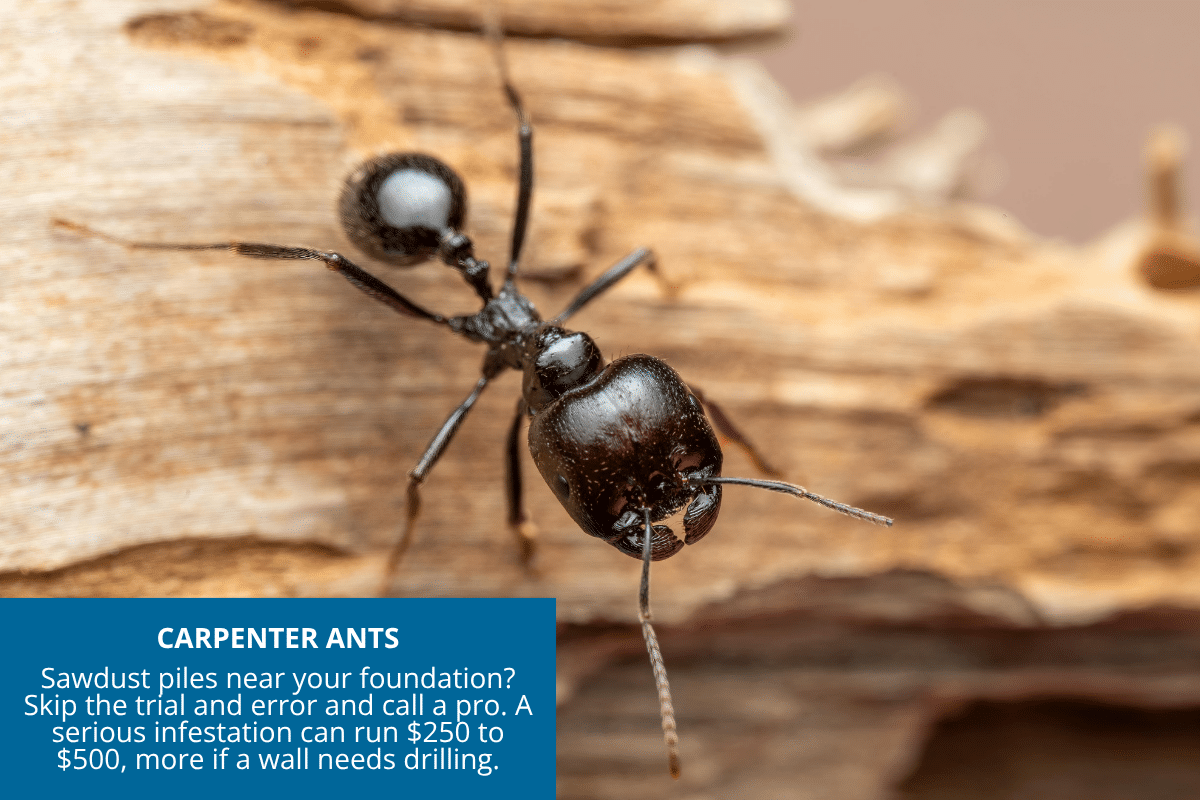
Carpenter ants are a different animal, and I mean that literally. They tunnel into wood framing, and a serious infestation can run $250 to $500 or more. If they’ve been at it long enough that a wall needs drilling, that number can climb past $1,500. If you’re finding little piles of what looks like sawdust near your foundation, or spotting ants that are noticeably larger with a pinched waist, stop DIYing and make the call. Everything else, you can handle yourself with a Saturday morning and a little follow-through.
Make your yard boring to an ant
Ants are only ever looking for three things: water, food, and somewhere safe to hide. Take away any one of those, and your yard stops looking like prime real estate.
Water first.
A dripping faucet, a sprinkler head that overshoots, an irrigation line with a slow leak nobody’s noticed. Ants find these spots faster than you do. I once spent three days blaming a new ant trail on “just bad luck” before I finally traced it back to a drip line fitting that had loosened under the mulch. Fixed the fitting, the trail dried up within a week. Walk your yard slowly sometime and look for ground that’s damp when it has no business being damp.
Then the landscaping.
Overgrown shrubs, a pile of leaves you keep meaning to bag, firewood stacked against the house. All of it reads as free real estate to a colony looking for cover. You don’t need a yard that looks like it’s ready for inspection. Just pull the mulch back a few inches from your foundation, keep the firewood up on a rack and away from the house, and clear out the debris pile before it becomes a subdivision.
Food is the big one.
If you’ve ever hosted a cookout, you’ve watched ants show up before the burgers came off the grill. Wipe up spills right away, keep the lids on your garbage cans, and don’t forget the pet food bowl you leave out overnight. Birdseed under a feeder counts too. To a colony, that’s an all-you-can-eat buffet with your name on the reservation.
Same goes for fruit trees. Fallen fruit rotting on the ground is basically a dinner bell. Pick it up before it turns into compost, or accept that you’re feeding the neighborhood.
Barriers can help, in moderation
Diatomaceous earth spread in the spots where ants keep returning works, as long as it stays dry, which around here is a bigger ask than it sounds. I’ve tried the peppermint oil trick too. It smells nice for about a day and then you’re refilling the spray bottle again. Treat these as a supporting player, not the whole plan.

Check in, don’t inspect
Once a week, take a slow lap around your yard. You’re not running a drill. You’re just noticing. A small mound of fresh soil, a new trail crossing the walkway, a few scouts where there weren’t any last week. Catch it at this stage and you’re dealing with a handful of ants. Miss it for a month and you’re dealing with a colony that’s already unpacked and hung curtains.
Not every ant deserves an eviction notice
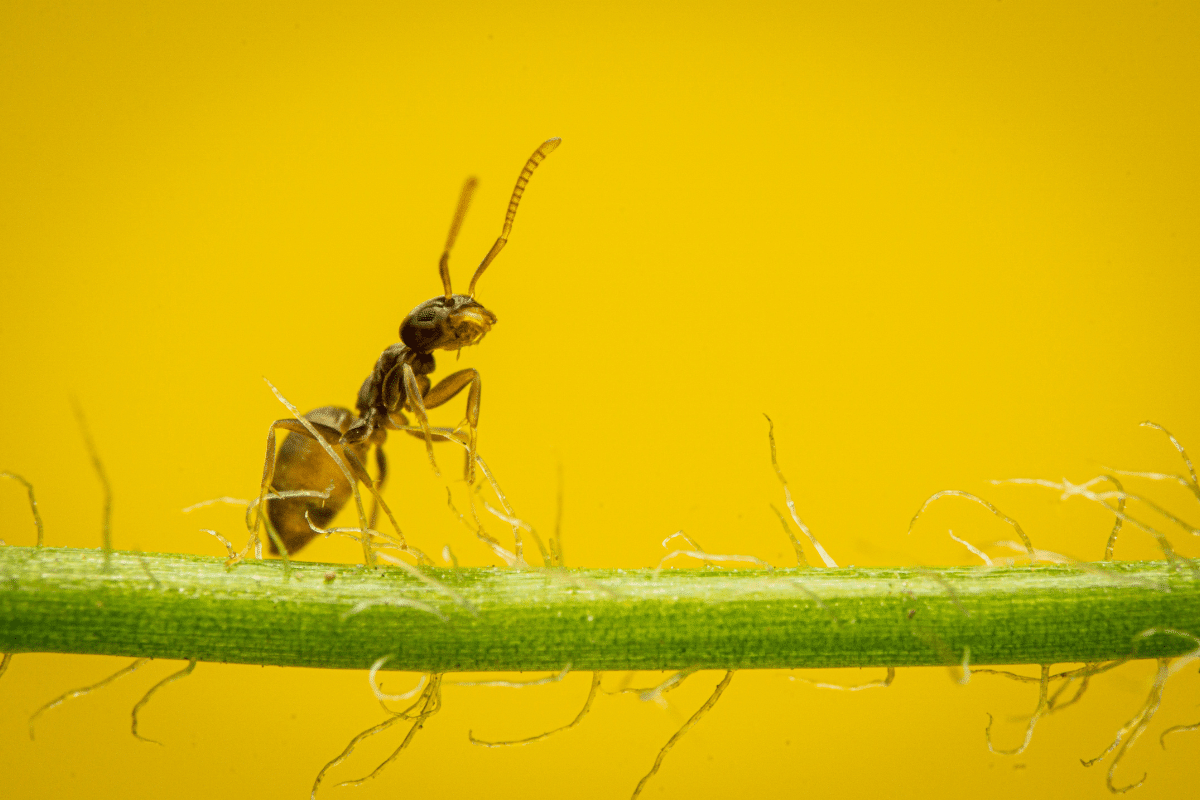
This one surprises people. Most ants in your yard are actually doing you a favor. They break down organic matter, aerate the soil, and eat other bugs you’d rather not have around either. Unless they’re tearing up the lawn, coming inside, or setting up shop where the kids or the dog play, you can let them be.
Nature isn’t tidy, and it isn’t supposed to be. The goal was never zero ants. The goal is balance, and a yard where the odds are stacked against a colony ever getting comfortable in the first place.
A little housekeeping, sensible watering habits, and a weekly walk-through will do more for you long term than reaching for another can of spray every time you see three ants on the sidewalk. Save the spray, and the money, for the times you actually need it.
Ants are excellent house hunters. Your job is just to make sure the listing next door looks better than yours.
Question: What’s the one spot in your yard the ants always find first no matter what you do? Share in the comments below.
EverydayCheapskate™ is reader-supported. We participate in the Amazon Services LLC Associates Program and other affiliate advertising programs, designed to provide a means for us to earn from qualifying purchases, at no cost to you.

More from Everyday Cheapskate
 https://www.everydaycheapskate.com/wp-content/uploads/20260913-how-to-winterize-your-home-snowy-driveway-suburban-home.png
800
1200
Mary Hunt
https://www.everydaycheapskate.com/wp-content/uploads/EC-Logo-by-Mary-Hunt-Tagline-Trimmed.png
Mary Hunt2026-09-13 15:32:142026-09-28 22:48:55The Complete Guide to Winterizing Your Home This Fall
https://www.everydaycheapskate.com/wp-content/uploads/20260913-how-to-winterize-your-home-snowy-driveway-suburban-home.png
800
1200
Mary Hunt
https://www.everydaycheapskate.com/wp-content/uploads/EC-Logo-by-Mary-Hunt-Tagline-Trimmed.png
Mary Hunt2026-09-13 15:32:142026-09-28 22:48:55The Complete Guide to Winterizing Your Home This Fall https://www.everydaycheapskate.com/wp-content/uploads/20260829-fall-yard-projects-to-tackle-before-the-first-frost-foilage-front-yard-home.png
800
1200
Mary Hunt
https://www.everydaycheapskate.com/wp-content/uploads/EC-Logo-by-Mary-Hunt-Tagline-Trimmed.png
Mary Hunt2026-08-29 17:25:422026-09-28 22:49:2010 Fall Yard Tasks to Complete Before First Frost Hits
https://www.everydaycheapskate.com/wp-content/uploads/20260829-fall-yard-projects-to-tackle-before-the-first-frost-foilage-front-yard-home.png
800
1200
Mary Hunt
https://www.everydaycheapskate.com/wp-content/uploads/EC-Logo-by-Mary-Hunt-Tagline-Trimmed.png
Mary Hunt2026-08-29 17:25:422026-09-28 22:49:2010 Fall Yard Tasks to Complete Before First Frost Hits https://www.everydaycheapskate.com/wp-content/uploads/20260822-central-AC-maintenance-air-condenser-outdoors.png
800
1200
Mary Hunt
https://www.everydaycheapskate.com/wp-content/uploads/EC-Logo-by-Mary-Hunt-Tagline-Trimmed.png
Mary Hunt2026-08-22 14:19:562026-09-28 22:49:43How to Extend the Life of Your Central AC (5 Late-Summer Tune-Up Tips)
https://www.everydaycheapskate.com/wp-content/uploads/20260822-central-AC-maintenance-air-condenser-outdoors.png
800
1200
Mary Hunt
https://www.everydaycheapskate.com/wp-content/uploads/EC-Logo-by-Mary-Hunt-Tagline-Trimmed.png
Mary Hunt2026-08-22 14:19:562026-09-28 22:49:43How to Extend the Life of Your Central AC (5 Late-Summer Tune-Up Tips)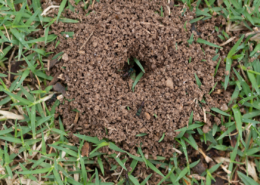 https://www.everydaycheapskate.com/wp-content/uploads/20260820-how-to-keep-ants-away-after-youve-killed-the-ant-hill.png
800
1200
Mary Hunt
https://www.everydaycheapskate.com/wp-content/uploads/EC-Logo-by-Mary-Hunt-Tagline-Trimmed.png
Mary Hunt2026-08-20 14:17:552026-09-28 22:49:46How to Keep Ants Away After You Treat the Ant Hill
https://www.everydaycheapskate.com/wp-content/uploads/20260820-how-to-keep-ants-away-after-youve-killed-the-ant-hill.png
800
1200
Mary Hunt
https://www.everydaycheapskate.com/wp-content/uploads/EC-Logo-by-Mary-Hunt-Tagline-Trimmed.png
Mary Hunt2026-08-20 14:17:552026-09-28 22:49:46How to Keep Ants Away After You Treat the Ant Hill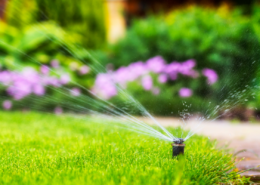 https://www.everydaycheapskate.com/wp-content/uploads/20260815-how-to-water-your-lawn-without-wasting-money.png
800
1200
Mary Hunt
https://www.everydaycheapskate.com/wp-content/uploads/EC-Logo-by-Mary-Hunt-Tagline-Trimmed.png
Mary Hunt2026-08-15 12:45:022026-09-28 22:49:51How to Water Your Lawn Without Wasting Money This Summer
https://www.everydaycheapskate.com/wp-content/uploads/20260815-how-to-water-your-lawn-without-wasting-money.png
800
1200
Mary Hunt
https://www.everydaycheapskate.com/wp-content/uploads/EC-Logo-by-Mary-Hunt-Tagline-Trimmed.png
Mary Hunt2026-08-15 12:45:022026-09-28 22:49:51How to Water Your Lawn Without Wasting Money This Summer https://www.everydaycheapskate.com/wp-content/uploads/20260812-zucchini-overload-what-to-do-with-a-bunch-of-zucchini.png
800
1200
Mary Hunt
https://www.everydaycheapskate.com/wp-content/uploads/EC-Logo-by-Mary-Hunt-Tagline-Trimmed.png
Mary Hunt2026-08-12 17:48:312026-09-28 22:49:57Zucchini Overload? 10 Ways to Use Up Your Garden Surplus
https://www.everydaycheapskate.com/wp-content/uploads/20260812-zucchini-overload-what-to-do-with-a-bunch-of-zucchini.png
800
1200
Mary Hunt
https://www.everydaycheapskate.com/wp-content/uploads/EC-Logo-by-Mary-Hunt-Tagline-Trimmed.png
Mary Hunt2026-08-12 17:48:312026-09-28 22:49:57Zucchini Overload? 10 Ways to Use Up Your Garden Surplus https://www.everydaycheapskate.com/wp-content/uploads/20260724-ratatouille-recipe-served-over-white-rice.png
800
1200
Mary Hunt
https://www.everydaycheapskate.com/wp-content/uploads/EC-Logo-by-Mary-Hunt-Tagline-Trimmed.png
Mary Hunt2026-07-25 12:24:422026-09-28 22:50:42End-of-Summer Ratatouille (Uses Everything From the Garden)
https://www.everydaycheapskate.com/wp-content/uploads/20260724-ratatouille-recipe-served-over-white-rice.png
800
1200
Mary Hunt
https://www.everydaycheapskate.com/wp-content/uploads/EC-Logo-by-Mary-Hunt-Tagline-Trimmed.png
Mary Hunt2026-07-25 12:24:422026-09-28 22:50:42End-of-Summer Ratatouille (Uses Everything From the Garden) https://www.everydaycheapskate.com/wp-content/uploads/20260722-easy-home-repairs-slow-sink-drain-squeaky-hinges-sticky-drawer.png
800
1200
Mary Hunt
https://www.everydaycheapskate.com/wp-content/uploads/EC-Logo-by-Mary-Hunt-Tagline-Trimmed.png
Mary Hunt2026-07-22 13:04:022026-09-28 22:50:4910 Small Home Annoyances You Can Fix in Under 15 Minutes Each
https://www.everydaycheapskate.com/wp-content/uploads/20260722-easy-home-repairs-slow-sink-drain-squeaky-hinges-sticky-drawer.png
800
1200
Mary Hunt
https://www.everydaycheapskate.com/wp-content/uploads/EC-Logo-by-Mary-Hunt-Tagline-Trimmed.png
Mary Hunt2026-07-22 13:04:022026-09-28 22:50:4910 Small Home Annoyances You Can Fix in Under 15 Minutes Each https://www.everydaycheapskate.com/wp-content/uploads/20260721-frozen-bags-of-produce-strawberries-raspberries-peas-peppers.png
800
1200
Mary Hunt
https://www.everydaycheapskate.com/wp-content/uploads/EC-Logo-by-Mary-Hunt-Tagline-Trimmed.png
Mary Hunt2026-07-21 12:14:122026-09-28 22:50:51Freeze Summer Produce Now to Taste It All Winter Long
https://www.everydaycheapskate.com/wp-content/uploads/20260721-frozen-bags-of-produce-strawberries-raspberries-peas-peppers.png
800
1200
Mary Hunt
https://www.everydaycheapskate.com/wp-content/uploads/EC-Logo-by-Mary-Hunt-Tagline-Trimmed.png
Mary Hunt2026-07-21 12:14:122026-09-28 22:50:51Freeze Summer Produce Now to Taste It All Winter LongPlease keep your comments positive, encouraging, helpful, brief,
and on-topic in keeping with EC Commenting Guidelines
Last update on 2026-10-20 / Affiliate links / Images from Amazon Product Advertising API


Another great newsletter from EC this morning — This time at least two columns that resulted in me forwarding links to friends and family. This one about when to call a professional caught my eye — we are in Maine and have dogs and Maine has a big tick problem which can cause life threatening problems for both pets and people. That concern caused us to have our 3/4 acre property sprayed with tick and mosquito spray which we’ve done for a number of years with excellent results. I learned that the licensed companies use a treatment not available to the average erson. Neither my husband nor I have ever gotten a tick with no Lyme disease for either of us which is a scary disease carried by ticks. And neither of our 2 dogs has had ticks. We also do not see many mosquitoes. Their treatment does not harm the bees and butterflies as far as we can see. This winter we had a problem with mice getting into the house and opted for a quarterly treatment from the same local company after my husband fought them to no avail.
And this week we also had our second problem with Error Code E 13 on our Bosch dishwasher. One of the potential problems that cause this is a problem with the drainage which can be caused by a build up of “gunk” and I just read today’s column about the vinegar cleanup to handle this type of build up. We have a repairman for the dishwasher coming tomorrow. I truly hate having to go back to hand washing all our dishes and have been using as many paper plates as possible until he gets he. Thanks so much for everything you do. You are my first go to on most cleaning and household problems.