
How to Get Rid of Dust Mites and Breathe Cleaner Air


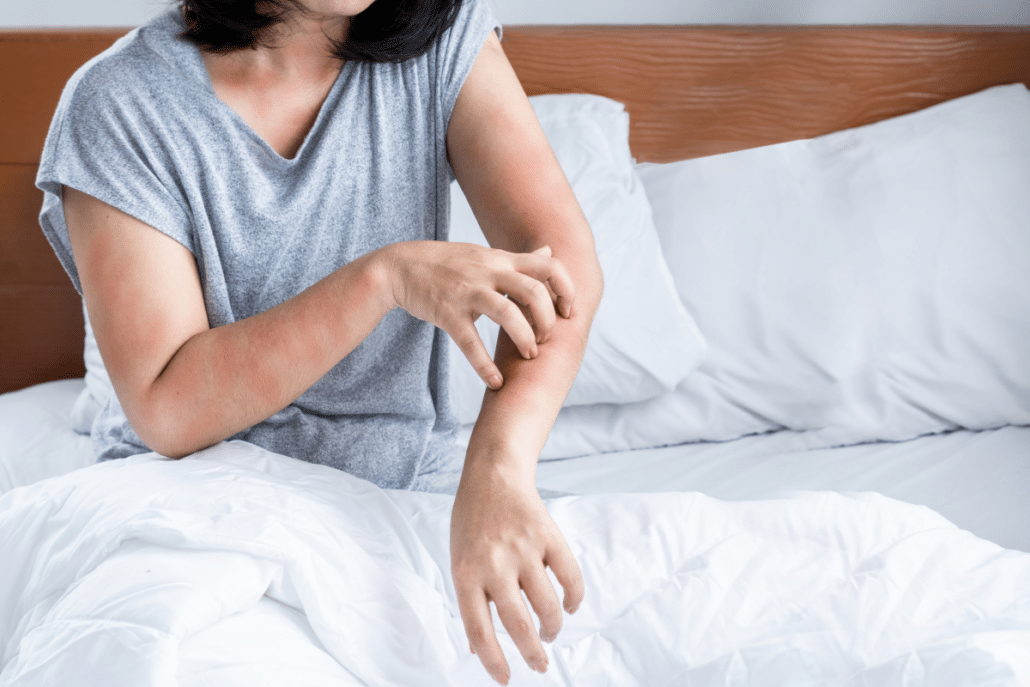
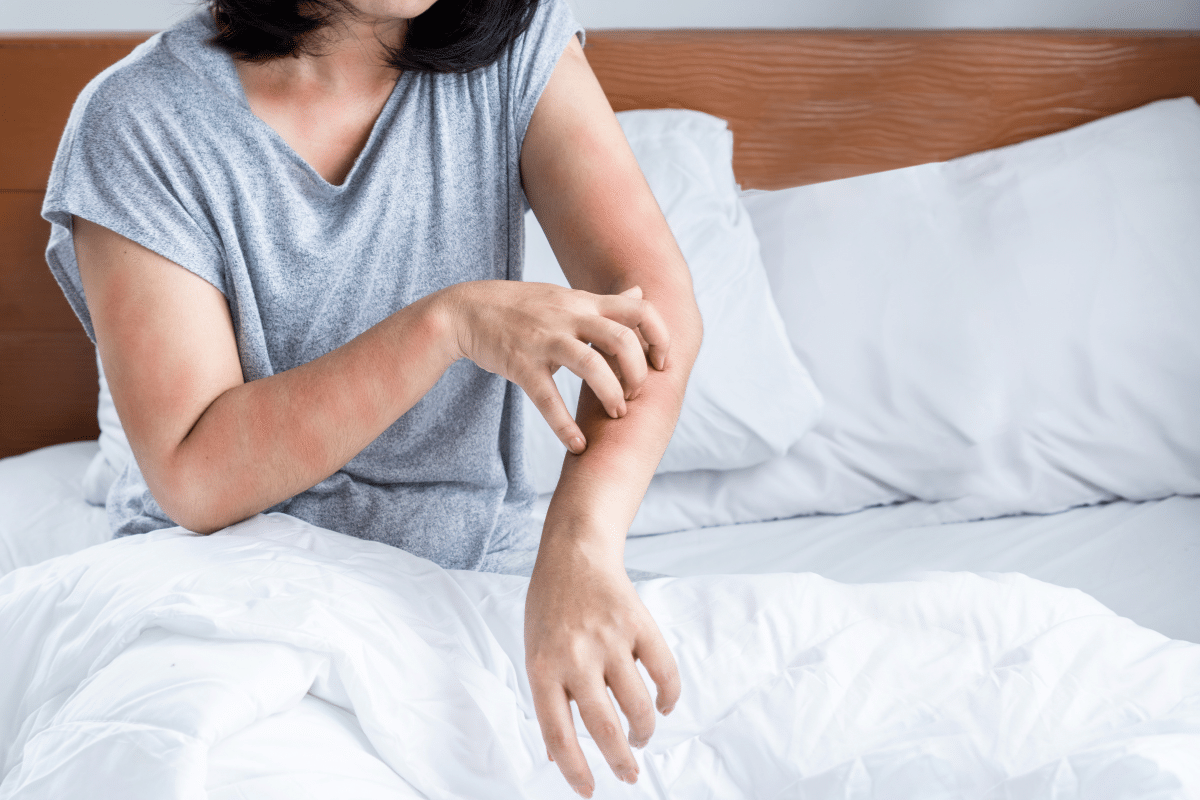
If you’re waking up stuffy, itchy, or feeling like you’ve got a “permanent mild cold,” your mattress might be the real culprit. Dust mites are invisible, stubborn, and completely unimpressed by your good intentions. The upside? You don’t need expensive sprays or a hazmat suit. With a few smart habits, most of them low-cost and low-effort, you can dramatically reduce dust mites, protect your sleep, and breathe easier. Let’s make your home less hospitable to freeloaders and more comfortable for you.
Key Points
- Dust mites are a leading trigger for allergies and asthma, especially in beds, couches, and carpets.
- Heat (130°F+), HEPA filtration, and humidity under 50% are your three biggest weapons.
- Rubbing alcohol, vinegar, and freezing can help in specific situations, but they’re not complete solutions.
- Mattress encasements and consistent routines matter more than miracle sprays.
Let’s talk about roommates. Not the kind who borrow your shampoo, but the ones you can’t see… microscopic pests living in your bed and snacking on your dead skin.
Dust mites.
These invisible freeloaders settle into pillows, mattresses, carpets, and upholstered furniture… basically anywhere soft, warm, and slightly humid. If your home feels comfortable to you, it probably feels five-star to them.
Here’s the part most people don’t realize: dust mites don’t bite, sting, or burrow. You won’t feel them crawling around. What causes trouble is what they leave behind.
Their waste and body fragments contain proteins that can trigger allergies, asthma, eczema, and that stubborn morning congestion you keep blaming on “seasonal stuff.” If you wake up clearer by afternoon, that’s a clue your bed, not the outdoors, might be the issue.
This isn’t about keeping a “perfect” house. Even very clean homes can have dust mites. They feed on dead skin cells, and we all shed them daily. That means the goal isn’t total elimination. It’s smart control.
Time to evict the squatters.
What Are Dust Mites (And Why They’re So Hard to Ignore)?

Dust mites are microscopic arachnids, yes, spider cousins, and they’re very fond of dead skin. A single mite can produce up to 20 waste particles per day, and those particles contain proteins that irritate airways and skin.
That irritation is what causes the trouble. Not the mites themselves. What they leave behind.
About 4 out of 5 U.S. homes have measurable dust mite allergens in at least one bed. So if you’re dealing with symptoms, this isn’t a “my house must be dirty” issue. It’s a normal-house reality.
They thrive in warm, humid environments and feed on skin cells from humans and pets. That makes your mattress, pillows, couch cushions, carpets, and even stuffed animals prime real estate.
And here’s something many people miss: dust mite allergens don’t stay floating in the air like pollen. They settle deep into soft surfaces. That’s why most exposure happens while you sleep, with your face pressed into a pillow for eight hours.
If you wake up congested but feel better as the day goes on, your bedroom is worth investigating.
Ongoing exposure can trigger or worsen asthma, allergic rhinitis, and eczema. Nearly 20 million Americans are sensitive to dust mites, and most react to a single protein found in mite waste.
You can’t see them. You can’t completely eliminate them. But you can reduce their numbers, and their impact, dramatically.
Did You Know?
In a single lifetime, you shed half of your bodyweight in skin. The average human sheds about 50 to 100 pounds of skin over 70 to 80 years. — Science Focus
How to Kill Dust Mites Inside Your Home
This is your practical, no-nonsense action plan. No gimmicks. Just methods that work.
1. Wash Bedding in Hot Water (Yes, Temperature Matters)

Wash sheets, pillowcases, blankets, and mattress covers weekly in water at 130°F or hotter. That temperature kills dust mites.
If your water heater is set lower for safety or energy savings, you can temporarily raise it on laundry day. Just remember to turn it back down.
Then run everything through a high-heat dryer cycle.
Heat + agitation + detergent is what does the full job:
- Hot water kills the mites
- Soap and motion flush out the allergens
- The dryer adds one more layer of assurance
Skipping the dryer step means you’re only doing half the work.
What About Items You Can’t Wash?
Think throw pillows, decorative shams, stuffed animals, or anything labeled “hand wash only.” Here’s the workaround:
- Seal the item in a freezer bag
- Freeze for 24–48 hours
- Then vacuum it or shake it outdoors
- Freezing kills the mites.
But it does not remove the allergens (the waste particles that trigger sneezing, congestion, and itchy eyes). That’s why the vacuuming or outdoor shake matters. Otherwise, you’ve stopped the source but left the irritant behind.
Pro Tip: Skip the fragrance. Heavily scented detergents and fabric softeners can irritate sensitive skin and airways, the exact opposite of what you’re trying to fix. If you want softness, add ½ cup of white vinegar to the rinse cycle instead. It naturally softens fabric without leaving residue.
2. Vacuum Like It Matters (Because It Does)

Dust mites love soft surfaces, especially carpets, area rugs, and upholstered furniture. Vacuum at least twice a week using a machine with a HEPA filter (High-Efficiency Particulate Air).
Standard vacuums often just stir the pot, sending allergens airborne like a confetti cannon. A HEPA-filtered vacuum traps the particles that matter: dust mite waste, pet dander, pollen, and fine dust.
This isn’t about crumbs. You’re targeting microscopic allergens. So, go slow. Slower than you think you need to. Give the vacuum time to actually pull debris out of fibers instead of just grooming the carpet.
Mattresses and box springs should be vacuumed monthly (more often if you have pets). And don’t ignore the overlooked zones:
- Baseboards
- Drapes
- Air vents
- Upholstered headboards
- Under the bed
If you haven’t looked under there since 2019, consider this your sign. Those areas quietly collect dust that gets stirred up every time you walk by, sit down, or turn on the heat.
Pro Tip: If a HEPA vacuum is out of your budget, check your local library or tool lending program. Some even loan out small appliances. Or look for HEPA filter upgrades for your existing vacuum model.

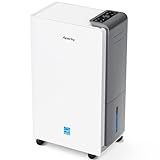
3. Lower Your Indoor Humidity Below 50%

Dust mites don’t drink water. They absorb moisture straight from the air. No humidity = no survival.
Keep indoor humidity under 50%. Under 45% is even better.
How to Monitor It
Use a hygrometer to track your indoor levels. They’re inexpensive, small, and worth having. Check humidity in:
- Bedrooms
- Basements
- Bathrooms
- Anywhere that feels damp or musty
If you’re only measuring in one room, you’re only seeing part of the picture.
How to Lower It
Run:
- A dehumidifier
- Air conditioning
- Bathroom exhaust fans during showers
- Kitchen exhaust fans while cooking
On dry days, crack windows to let moisture escape. On humid days, keep them closed. Letting swamp air inside defeats the purpose.
When the air is dry, dust mites dehydrate. Not slowly. Not eventually. They simply can’t survive.
Lowering humidity doesn’t just slow reproduction. It makes your home inhospitable to them.
And there’s a bonus: keeping humidity under control also discourages mold growth and that persistent “basement smell” no one asked for.

4. Replace Pillows (Sorry, But Yes)

Pillows are basically sponges for skin flakes, sweat, and dust mites. Even a solid washing routine can’t undo years of buildup.
Plan to replace pillows every 1–2 years, especially if they’re limp or lumpy, permanently yellowed, or triggering morning congestion.
If you’re waking up stuffy but feel better as the day goes on, your pillow may be part of the problem.
In Between Replacements
You can extend the life of your pillows with regular maintenance.
For synthetic (polyfill) pillows:
- Wash every 3–6 months
- Use hot water (130°F or higher)
- Dry thoroughly on high heat
Moisture left inside the pillow is an open invitation for mold and mites. Make sure it’s fully dry before it goes back on the bed.
For foam pillows (memory foam or latex):
- Do not machine wash
- Vacuum the surface regularly
- Air them out in direct sunlight when possible
- Use allergen-proof covers
The cover matters. It creates a barrier between you and what’s living inside the pillow.
Over time, pillows accumulate dust, skin cells, and mite debris deep inside the fill. You can’t see it, but your immune system can. At a certain point, replacement is more effective than cleaning.

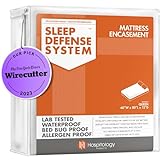
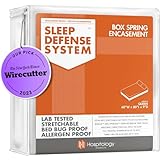
5. Use a Bed Bug Mattress Cover (Yes, It Helps Dust Mites Too)

A zippered mattress encasement labeled for bed bugs also blocks dust mites. Look for:
- A fully zippered encasement (not a fitted topper)
- Pore size under 10 microns
- Reinforced seams
- A secure, tight-closing zipper
These covers trap existing mites inside, prevent new mites from settling in, and seal off the interior of the mattress. Over time, anything trapped inside dies off.
You’ll still wash sheets weekly. But the mattress itself becomes sealed and protected.
For best results, encase the mattress, box spring, and pillows. The bed is the primary habitat. If you’re going to contain the problem, contain it completely.
This is one of the highest-impact, lowest-effort upgrades you can make.
6. Ditch (or Wash) the Decorative Extras

Throw pillows. Fleece blankets. Bed skirts. Heavy curtains. They look cozy. To dust mites, they’re prime real estate.
If you’re serious about reducing allergens, you have two options:
- Wash them weekly in hot water (130°F or higher)
- Replace them with lighter, washable alternatives
Cotton, linen, and tightly woven synthetics hold up better to frequent hot washing. If it can’t handle heat, it’s going to be harder to keep truly clean.
If something can’t be washed, vacuumed, or sealed, it may be time to let it go. Even the heirloom afghan would understand if breathing easier is the goal.
Soft decorative fabrics trap dust, skin cells, and moisture. That combination creates an ideal environment for mites. Less fabric clutter = fewer places for allergens to collect. Fewer collection points = less circulating irritant in your air.
Make your environment easier to maintain, and the results tend to follow.
7. Adopt a No-Shoes Policy Indoors

Shoes track in more than dirt. They carry pollen, mold spores, bacteria, fine dust, and debris. All of it adds to your indoor allergen load. And some of it feeds what’s already living in your carpets and rugs.
Kick off your shoes at the door. Ask guests to do the same.
If you want this habit to last, set it up properly:
- Place a shoe rack or basket near the entrance
- Keep a small bench or chair for easy removal
- Offer clean socks or washable slippers for guests
The easier you make it, the less awkward it feels. Bonus benefit: less grime tracked through the house means less vacuuming later.
Dust mites thrive on organic debris. The less you bring in from outside, the fewer resources they have.


8. Steam Clean Rugs and Furniture (No Chemicals Needed)

Dust mites love soft surfaces: carpets, area rugs, couches, and even mattresses. A steam cleaner hits them where they live.
- Focus on bedrooms, living rooms, and high-traffic areas
- Clean every few months or more often if pets or allergies are part of your household
If you don’t own one, don’t sweat it. Many home improvement stores rent them by the day, and some libraries or tool lending libraries even loan them for free.
Steam reaches around 200°F, which kills dust mites on contact. It also loosens embedded debris, making it easier to vacuum or wipe away afterward.
Pro Tip: For stubborn fabrics or delicate pieces, test a small area first.

9. Declutter to Cut Dust Zones (Less Is More)

Take a clear-eyed look around your home. Bookshelves stacked high with knickknacks, baskets overflowing with blankets, or those laundry piles lurking in corners… all of it collects dust like a magnet. Simplify where you can, especially in bedrooms and living areas.
- Prioritize surfaces you touch or use daily
- Store or rotate decorative items that can’t be washed easily
- Keep frequently used spaces open and easy to clean
Dust mites need dust to survive. Fewer surfaces and less clutter means fewer hiding spots and fewer mites.
Your Dust Mite Reset Plan

You don’t need to wrap your mattress in plastic or move into a sterile lab to take control. The real win comes from changing the conditions that let dust mites thrive and that’s all about heat, cleaning, and smart routines.
Your Weekend Dust Mite Reset
- Friday evening: Take a quick walkthrough of your bedrooms and living spaces. Note bedding, throw pillows, stuffed animals, rugs, and upholstered furniture. Check for high-dust zones or anything that collects moisture. Make a list of items that need washing, vacuuming, or freezing.
- Saturday morning: Start with bedding. Wash sheets, pillowcases, blankets, and mattress covers in hot water (130°F or hotter). Dry on high heat. While that’s running, vacuum carpets, rugs, and upholstered furniture using a HEPA-filter vacuum. Move items away from walls and check under furniture for dust build-up.
- Saturday afternoon: Tackle non-washable items. Seal throw pillows, stuffed animals, and delicate decor in freezer bags for 24–48 hours, then shake them outdoors or vacuum carefully. Dust and wipe surfaces with a lightly damp microfiber cloth or a rubbing alcohol solution on hard, non-porous surfaces.
- Sunday: Check humidity levels. Aim for 40–50% if possible. Run a dehumidifier or adjust HVAC settings. Declutter surfaces where dust likes to hide, and rotate items that can be washed regularly. Replace long-term cardboard storage with sealed bins if needed.
Simple Maintenance Habits
- Wash bedding weekly.
- Vacuum rugs, furniture, and corners regularly.
- Keep humidity under control.
- Freeze or clean non-washables periodically.
- Reduce dust-collecting clutter.
Dust mites don’t thrive in clean, dry, and decluttered spaces. When you focus on the hotspots, keep humidity in check, and maintain a consistent routine, you’re not just reducing sneezes, you’re protecting your home, your bedding, and your sleep.
So, take a focused weekend. Set up your cleaning routine. And the next time you slide under the covers, the only thing greeting you should be softness, comfort, and dust-mite-free peace.
FAQ: Dust Mites and Cleaning
Q: Can essential oils kill dust mites?
A few drops of eucalyptus, clove, or rosemary essential oils can help freshen fabrics and may mildly deter mites, but they won’t replace the heavy lifting of hot water, high-heat drying, or mattress encasements. Consider them as a bonus layer of protection rather than a standalone solution.
Can rubbing alcohol kill dust mites?
Yes, but only on contact and on small, surface-level areas. It evaporates quickly and doesn’t reach deep into mattresses or upholstery, so it won’t remove allergens trapped in fabrics. Target small spots or hard surfaces. Test first on fabric to avoid discoloration. Microfiber couches, tabletops, and other non-porous surfaces work best. Rubbing alcohol is a tool in your toolbox, not the full solution.
Does vinegar kill dust mites?
Not reliably. White vinegar is great for breaking down grime and acting as a natural rinse aid in laundry, but it won’t eliminate mites. Use it for ongoing maintenance. Hot water and heat remain your most effective defenses.
What about freezing non-washable items?
Freezing works for items labeled “hand wash only” like throw pillows, stuffed animals, or delicate decor. Seal them in a freezer bag and freeze for 24–48 hours. This kills the mites, but allergens remain, so follow up with a shake outdoors or a careful vacuum. Bonus tip: warn your family first if you’re freezing a beloved teddy bear. They might not get your method at first!
Can I steam clean everything?
Not all surfaces can handle steam. Use a steam cleaner for carpets, area rugs, upholstery, and tile, but avoid laminate or engineered hardwood. They can warp or delaminate. For hard floors, a spray of rubbing alcohol or a damp microfiber mop can kill mites safely. Cordless steam mops work on tiles and bathroom vinyl, but check the product temperature. Most reach 200°F, enough for mites on non-wood surfaces.
Question: What’s your go-to trick for keeping bedding allergen-free? Share in the comments below.
EverydayCheapskate™ is reader-supported. We participate in the Amazon Services LLC Associates Program and other affiliate advertising programs, designed to provide a means for us to earn from qualifying purchases, at no cost to you.

More from Everyday Cheapskate
 https://www.everydaycheapskate.com/wp-content/uploads/20261024-A-cup-of-coffee-notebook-and-pen-on-a-table.png
800
1200
Mary Hunt
https://www.everydaycheapskate.com/wp-content/uploads/EC-Logo-by-Mary-Hunt-Tagline-Trimmed.png
Mary Hunt2026-10-24 13:13:592026-10-24 13:13:59What Is Frugal Living? It’s Probably Not What You Think
https://www.everydaycheapskate.com/wp-content/uploads/20261024-A-cup-of-coffee-notebook-and-pen-on-a-table.png
800
1200
Mary Hunt
https://www.everydaycheapskate.com/wp-content/uploads/EC-Logo-by-Mary-Hunt-Tagline-Trimmed.png
Mary Hunt2026-10-24 13:13:592026-10-24 13:13:59What Is Frugal Living? It’s Probably Not What You Think https://www.everydaycheapskate.com/wp-content/uploads/20261023-Paper-calendar-and-digital-calendar-on-a-smartphone-side-by-side.png
800
1200
Mary Hunt
https://www.everydaycheapskate.com/wp-content/uploads/EC-Logo-by-Mary-Hunt-Tagline-Trimmed.png
Mary Hunt2026-10-23 11:55:302026-10-23 11:55:30Paper or Digital Calendar? Turns Out, You May Need Both
https://www.everydaycheapskate.com/wp-content/uploads/20261023-Paper-calendar-and-digital-calendar-on-a-smartphone-side-by-side.png
800
1200
Mary Hunt
https://www.everydaycheapskate.com/wp-content/uploads/EC-Logo-by-Mary-Hunt-Tagline-Trimmed.png
Mary Hunt2026-10-23 11:55:302026-10-23 11:55:30Paper or Digital Calendar? Turns Out, You May Need Both https://www.everydaycheapskate.com/wp-content/uploads/20261017-Woman-opening-refrigerator-stocked-with-fresh-food-and-condiments.png
800
1200
Mary Hunt
https://www.everydaycheapskate.com/wp-content/uploads/EC-Logo-by-Mary-Hunt-Tagline-Trimmed.png
Mary Hunt2026-10-17 12:16:242026-10-17 12:16:24What Temperature Should a Refrigerator and Freezer Be?
https://www.everydaycheapskate.com/wp-content/uploads/20261017-Woman-opening-refrigerator-stocked-with-fresh-food-and-condiments.png
800
1200
Mary Hunt
https://www.everydaycheapskate.com/wp-content/uploads/EC-Logo-by-Mary-Hunt-Tagline-Trimmed.png
Mary Hunt2026-10-17 12:16:242026-10-17 12:16:24What Temperature Should a Refrigerator and Freezer Be? https://www.everydaycheapskate.com/wp-content/uploads/20261012-Woman-using-smartphone-while-checking-monthly-cellular-data-usage-on-laptop.png
800
1200
Mary Hunt
https://www.everydaycheapskate.com/wp-content/uploads/EC-Logo-by-Mary-Hunt-Tagline-Trimmed.png
Mary Hunt2026-10-12 10:51:112026-10-12 10:51:11Do You Really Need Unlimited Data? Check Before You Pay
https://www.everydaycheapskate.com/wp-content/uploads/20261012-Woman-using-smartphone-while-checking-monthly-cellular-data-usage-on-laptop.png
800
1200
Mary Hunt
https://www.everydaycheapskate.com/wp-content/uploads/EC-Logo-by-Mary-Hunt-Tagline-Trimmed.png
Mary Hunt2026-10-12 10:51:112026-10-12 10:51:11Do You Really Need Unlimited Data? Check Before You Pay https://www.everydaycheapskate.com/wp-content/uploads/20261011-Woman-Adjusting-Smart-Home-Device-on-the-Wall-how-to-lower-your-electric-bill.png
800
1200
Mary Hunt
https://www.everydaycheapskate.com/wp-content/uploads/EC-Logo-by-Mary-Hunt-Tagline-Trimmed.png
Mary Hunt2026-10-11 23:01:562026-10-11 23:01:56Stop Chasing Pennies on Your Electric Bill. Do This
https://www.everydaycheapskate.com/wp-content/uploads/20261011-Woman-Adjusting-Smart-Home-Device-on-the-Wall-how-to-lower-your-electric-bill.png
800
1200
Mary Hunt
https://www.everydaycheapskate.com/wp-content/uploads/EC-Logo-by-Mary-Hunt-Tagline-Trimmed.png
Mary Hunt2026-10-11 23:01:562026-10-11 23:01:56Stop Chasing Pennies on Your Electric Bill. Do This https://www.everydaycheapskate.com/wp-content/uploads/20261007-red-present-sitting-in-autumn-leaves-Amazon-Prime-Big-Deal-Days-gifts.png
800
1200
Mary Hunt
https://www.everydaycheapskate.com/wp-content/uploads/EC-Logo-by-Mary-Hunt-Tagline-Trimmed.png
Mary Hunt2026-10-06 23:09:432026-10-06 23:09:43Christmas Shopping in October? These Prime Day Gifts Make Sense
https://www.everydaycheapskate.com/wp-content/uploads/20261007-red-present-sitting-in-autumn-leaves-Amazon-Prime-Big-Deal-Days-gifts.png
800
1200
Mary Hunt
https://www.everydaycheapskate.com/wp-content/uploads/EC-Logo-by-Mary-Hunt-Tagline-Trimmed.png
Mary Hunt2026-10-06 23:09:432026-10-06 23:09:43Christmas Shopping in October? These Prime Day Gifts Make Sense https://www.everydaycheapskate.com/wp-content/uploads/20261006-prime-big-deal-days-have-landed.png
800
1200
Mary Hunt
https://www.everydaycheapskate.com/wp-content/uploads/EC-Logo-by-Mary-Hunt-Tagline-Trimmed.png
Mary Hunt2026-10-05 11:01:432026-10-07 09:02:53EC’s Top Picks from Amazon Prime Big Deal Days 2026
https://www.everydaycheapskate.com/wp-content/uploads/20261006-prime-big-deal-days-have-landed.png
800
1200
Mary Hunt
https://www.everydaycheapskate.com/wp-content/uploads/EC-Logo-by-Mary-Hunt-Tagline-Trimmed.png
Mary Hunt2026-10-05 11:01:432026-10-07 09:02:53EC’s Top Picks from Amazon Prime Big Deal Days 2026 https://www.everydaycheapskate.com/wp-content/uploads/20261004-reduce-healthcare-costs-with-three-habits-healthy-couple-walking-in-autumn-leaves.png
800
1200
Mary Hunt
https://www.everydaycheapskate.com/wp-content/uploads/EC-Logo-by-Mary-Hunt-Tagline-Trimmed.png
Mary Hunt2026-10-04 23:08:572026-10-04 23:09:47How to Reduce Healthcare Costs With 3 Free Daily Habits
https://www.everydaycheapskate.com/wp-content/uploads/20261004-reduce-healthcare-costs-with-three-habits-healthy-couple-walking-in-autumn-leaves.png
800
1200
Mary Hunt
https://www.everydaycheapskate.com/wp-content/uploads/EC-Logo-by-Mary-Hunt-Tagline-Trimmed.png
Mary Hunt2026-10-04 23:08:572026-10-04 23:09:47How to Reduce Healthcare Costs With 3 Free Daily Habits https://www.everydaycheapskate.com/wp-content/uploads/20241004-news-you-can-use-october-everyday-cheapskate-top-news-articles.png
800
1200
Mary Hunt
https://www.everydaycheapskate.com/wp-content/uploads/EC-Logo-by-Mary-Hunt-Tagline-Trimmed.png
Mary Hunt2026-10-04 01:04:052026-10-26 12:58:02News You Can Use • October 2026
https://www.everydaycheapskate.com/wp-content/uploads/20241004-news-you-can-use-october-everyday-cheapskate-top-news-articles.png
800
1200
Mary Hunt
https://www.everydaycheapskate.com/wp-content/uploads/EC-Logo-by-Mary-Hunt-Tagline-Trimmed.png
Mary Hunt2026-10-04 01:04:052026-10-26 12:58:02News You Can Use • October 2026Please keep your comments positive, encouraging, helpful, brief,
and on-topic in keeping with EC Commenting Guidelines
Last update on 2026-10-27 / Affiliate links / Images from Amazon Product Advertising API




Are the allergen mattress covers breathable? In other words, if I use of those, is it more possible that I wake up in a pile of sweat during the night?
yes, these types of mattress covers are designed to breath so you shouldn’t have a problem
What about a 4” foam mattress topper? Should it be in a zipper cover like you’d normally put on a mattress?
yes, if you can I would include it in the covered mattress.
good idea about putting non-washables in the freezer but i am 85 years old and i am afraid that if my family finds my stuffed teddy bear in the freezer they would haul me off to the home .
Hi Mary — RE: steam cleaning. What about steam mops for laminate and/or wood floors? Are they useful for eliminating mites which could be imbedded in the flooring? Can they also be used to steam clean bathtubs & bathroom vinyl flooring? Will cordless ones get hot enough? Product recommendations, if possible. And thanks.
NEVER steam clean laminate. That’s my rule. As for hardwood, I’m pretty solid on that too, especially engineered hardwood. Save the steam cleaning for stone, ceramic and porcelain tile, and carpet. Steam will destroy laminate as it gets between the boards and those layers are basically cardboard. Well, at least think of it that way. Engineered hardwood is thin layers glued together. Clean them with rubbing alcohol and you’ll kill those mites easy peasy. How to Clean and Care for Hardwood, Laminate, and Vinyl Floors
My microfiber couch can tolerate a fine spray of rubbing alcohol. I’m hoping that kills dust mites.
Even better, add a few drops of eucalyptus, clove or rosemary essential oils to the alcohol.