
How to Use a Garbage Disposal the Right Way: 18 Dos and Don’ts

I owe a personal thank-you to the late John W. Hammes, who invented the garbage disposal back in 1927. Genius move. It took me embarrassingly long to connect holidays, dinner parties, and emergency plumber calls. Turns out I was the problem, cramming potato peels and whole lemons down the drain like it was a magic trick. Here’s what thirty years of mistakes taught me.
I owe a personal thank-you to the late John W. Hammes, an architect from Racine, Wisconsin, who invented the garbage disposal back in 1927. Genius move. Is there anything in a kitchen more quietly heroic than that little motor under the sink? For me, it’s right up there with my dishwasher.
It took me embarrassingly long to connect the dots between holidays, dinner parties, and emergency calls to the plumber for a hopelessly clogged drain. Why was it always a holiday? Always a house full of company? Always after hours, and always eye-wateringly expensive?
I’ll tell you exactly why. Because that’s when I’d do something dumb, like peel ten pounds of potatoes and cram every last peel down the disposal, fully expecting it to vanish into thin air. Same story with artichokes. Once I dropped a whole lemon in there, convinced it would freshen the thing up before guests arrived. It did not.
Here’s what thirty-plus years of kitchen mishaps taught me: a garbage disposal is not a garbage can. It’s an appliance, and like every appliance, it has rules. Follow them and yours will run for years without a fuss. Ignore them and you’ll be on a first-name basis with your plumber.
What a garbage disposal is actually for
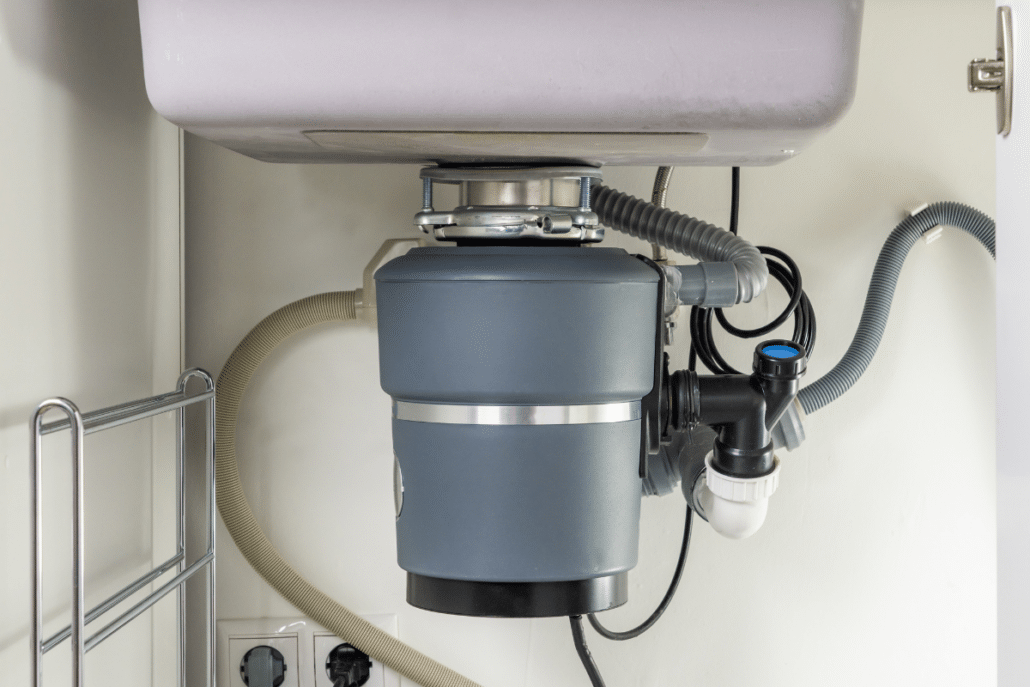
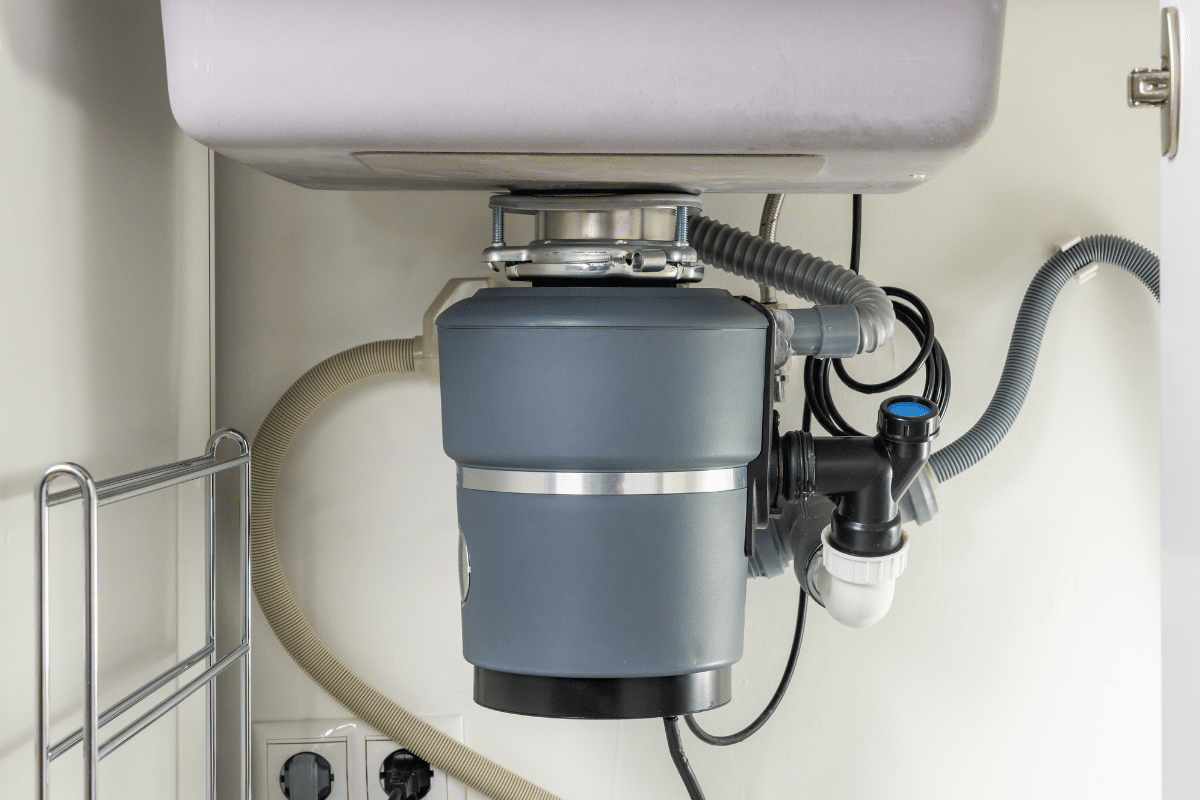
A disposal is built for the small stuff. The bits and scraps you’d scrape off a plate before it goes in the dishwasher, not the contents of your produce drawer. Think of it as a rinse-and-grind helper, not an alternative to your trash can or compost bin.
One question I hear constantly: can you use a garbage disposal if you’re on a septic system? Generally, yes, but you have to be more careful than a city-sewer household. Septic systems rely on bacteria to break waste down, and a disposal sends food waste into that tank faster than it would naturally decompose. Run it sparingly, grind in small amounts, and skip anything greasy or starchy. If you’re on septic and you’re not sure your tank can keep up, ask your septic service before you lean on the disposal daily.
Another one: can you run the disposal while the dishwasher is running? Not only can you, in a lot of kitchens you’re supposed to. Many dishwashers drain straight through the garbage disposal, and if there’s leftover food waste sitting in there when the dishwasher tries to drain, that water backs up. Clear the disposal before you run the dishwasher and you’ll avoid a soggy surprise.
Do these things
1. Run it regularly.
A disposal that sits idle is a disposal inviting rust and corrosion. Regular use keeps the parts moving and stops small bits of gunk from settling in and hardening.
2. Run cold water, and run it strong.
Always start a good, cold flow before you flip the switch. Cold water keeps any grease or oil solid enough to get chopped up before it ever reaches the trap. Warm it up and that same grease turns to liquid, coats your pipes, and sets you up for a clog.
3. Grind small bones and pits.
Little chicken or fish bones (never beef or pork, they’re too big) and tiny fruit pits can actually go down the disposal. That sounds backward, I know. But those hard little bits scour the inside of the grinding chamber as they go, which helps keep it clean.
4. Feed it in small batches.
Cramming a big load in at once is hard on the motor. Add a little at a time with the water running instead of dumping in everything from tonight’s prep in one go. The grinding process works best with room to actually grind.
Don’t do these things
5. Don’t pour down grease, oil, or fat.
Grease builds up slowly, and once it does, it doesn’t just stop the disposal from doing its job. It coats your pipes and creates the kind of drain clog you really don’t want to meet at 9 p.m. on a Sunday.
Pro Tip
Some manufacturer warranties are voided if the unit fails because of what got ground up inside it. Read the fine print before you assume a repair is covered.
6. Don’t use hot water while grinding.
Hot water liquefies grease instead of solidifying it, and liquid grease travels straight down your pipes and settles in for the long haul. Cold water, every time.
7. Don’t grind anything fibrous.
Eggshells, corn husks, celery, onion skins, artichokes, all of it can tangle around the blades and jam the motor. Citrus peels get recommended online as a natural disposal freshener, and I get why. But the fibrous rind is exactly the kind of thing that causes jams. Trust me on this one.
8. Don’t try to grind peanut butter.
If peanut butter can survive your dishwasher on the heavy cycle, it’s not going anywhere in your disposal either. It’s too sticky and oily for the water and blades to actually clear out. It might look gone. It isn’t.
9. Don’t shut off the water too soon.
Turn off the disposal first, then let cold water keep running for a solid 15 seconds to flush out whatever’s left. Only then turn off the tap.
10. Don’t put potato peels down there.
The starch turns into a thick, glue-like paste that can jam the blades. I learned this one the hard way, more than once. Peels belong in the compost or the trash, not the sink.
11. Don’t dump large amounts down all at once.
Whatever you’re getting rid of, feed it in gradually with the water running so it can actually flow through your drain pipes. Stuffing and cramming are two things no disposal, and no plumbing system, appreciates.
12. Don’t put in anything that expands.
Pasta, rice, anything that swells when it cooks will keep swelling in your pipes or inside the disposal itself. That’s a direct route to jams and clogs.
13. Don’t put coffee grounds down the disposal.
A small amount won’t wreck the unit, and grounds can even help with odors in tiny quantities. But here’s the problem: coffee grounds clump together the same way they do when water hits them in your coffee maker. Once they clump, they stick to blades and pipe walls, and every additional pour makes the clog worse. Toss your grounds in the trash or the compost bin instead.
14. Don’t use bleach or drain cleaners.
Both can eat away at blades and pipes over time. There are gentler, better ways to keep a drain running clean, and I’ll get to two of my favorites in a minute.
15. Don’t grind anything that isn’t food.
That means never, not glass, plastic, metal, paper towels, produce stickers, string, or cigarette butts. Your disposal handles biodegradable food waste. That’s the whole job description.
16. Don’t ever use your hand to retrieve something.
If a spoon or a bottle cap falls in, turn off and unplug the disposal first, then fish it out with tongs. Never your fingers. This is not the rule to get casual about.
When it won’t cooperate
If your disposal suddenly won’t turn on, don’t panic and don’t call the plumber yet. Most units have a small red reset button on the underside, and a jam or an overload will trip it. Unplug the unit, clear whatever’s stuck using tongs (never your hand), then press reset and try again.
Still jammed? Most disposals come with a small hex wrench, sometimes called an Allen wrench or a disposal wrench, that fits into a socket on the bottom of the unit. A few turns back and forth usually frees up whatever’s binding the blades. If you’ve misplaced yours, a broom handle braced against one of the blades from the top, turned gently, works in a pinch.
Keep it clean
17. Use borax for odors.
Pour 3 to 4 tablespoons of borax, the same Twenty-Mule-Team box you’ll find in the laundry aisle, down the drain. Let it sit for an hour. Without running the disposal, flush it with hot water. Borax is a natural cleaner and sanitizer that goes after the odor-causing mold and mildew that like to build up inside a disposal.
18. Freeze vinegar into ice cubes.
Once or twice a month, drop a few vinegar ice cubes into the disposal and run it with cold water flowing. The ice knocks loose grease buildup and sharpens the blades a little as it grinds, while the vinegar handles odor-causing bacteria. It’s the closest thing to a free tune-up your disposal will ever get.
The rule to remember
When you’re standing over the sink wondering whether something’s safe to grind, ask yourself one question: would I be comfortable eating this if it came straight out of my drain? If the answer’s no, it goes in the trash, not down the disposal. Simple as that.
Treat this little appliance right and it’ll quietly handle decades of dinner scraps without a single emergency call to the plumber. Ask me how I know.
Question: What’s the one thing you’ve accidentally learned NOT to put down your garbage disposal? Share in the comments below.
EverydayCheapskate™ is reader-supported. We participate in the Amazon Services LLC Associates Program and other affiliate advertising programs, designed to provide a means for us to earn from qualifying purchases, at no cost to you.

More from Everyday Cheapskate
 https://www.everydaycheapskate.com/wp-content/uploads/20261012-Woman-using-smartphone-while-checking-monthly-cellular-data-usage-on-laptop.png
800
1200
Mary Hunt
https://www.everydaycheapskate.com/wp-content/uploads/EC-Logo-by-Mary-Hunt-Tagline-Trimmed.png
Mary Hunt2026-10-12 10:51:112026-10-12 10:51:11Do You Really Need Unlimited Data? Check Before You Pay
https://www.everydaycheapskate.com/wp-content/uploads/20261012-Woman-using-smartphone-while-checking-monthly-cellular-data-usage-on-laptop.png
800
1200
Mary Hunt
https://www.everydaycheapskate.com/wp-content/uploads/EC-Logo-by-Mary-Hunt-Tagline-Trimmed.png
Mary Hunt2026-10-12 10:51:112026-10-12 10:51:11Do You Really Need Unlimited Data? Check Before You Pay https://www.everydaycheapskate.com/wp-content/uploads/20261011-Woman-Adjusting-Smart-Home-Device-on-the-Wall-how-to-lower-your-electric-bill.png
800
1200
Mary Hunt
https://www.everydaycheapskate.com/wp-content/uploads/EC-Logo-by-Mary-Hunt-Tagline-Trimmed.png
Mary Hunt2026-10-11 23:01:562026-10-11 23:01:56Stop Chasing Pennies on Your Electric Bill. Do This
https://www.everydaycheapskate.com/wp-content/uploads/20261011-Woman-Adjusting-Smart-Home-Device-on-the-Wall-how-to-lower-your-electric-bill.png
800
1200
Mary Hunt
https://www.everydaycheapskate.com/wp-content/uploads/EC-Logo-by-Mary-Hunt-Tagline-Trimmed.png
Mary Hunt2026-10-11 23:01:562026-10-11 23:01:56Stop Chasing Pennies on Your Electric Bill. Do This https://www.everydaycheapskate.com/wp-content/uploads/20261007-red-present-sitting-in-autumn-leaves-Amazon-Prime-Big-Deal-Days-gifts.png
800
1200
Mary Hunt
https://www.everydaycheapskate.com/wp-content/uploads/EC-Logo-by-Mary-Hunt-Tagline-Trimmed.png
Mary Hunt2026-10-06 23:09:432026-10-06 23:09:43Christmas Shopping in October? These Prime Day Gifts Make Sense
https://www.everydaycheapskate.com/wp-content/uploads/20261007-red-present-sitting-in-autumn-leaves-Amazon-Prime-Big-Deal-Days-gifts.png
800
1200
Mary Hunt
https://www.everydaycheapskate.com/wp-content/uploads/EC-Logo-by-Mary-Hunt-Tagline-Trimmed.png
Mary Hunt2026-10-06 23:09:432026-10-06 23:09:43Christmas Shopping in October? These Prime Day Gifts Make Sense https://www.everydaycheapskate.com/wp-content/uploads/20261006-prime-big-deal-days-have-landed.png
800
1200
Mary Hunt
https://www.everydaycheapskate.com/wp-content/uploads/EC-Logo-by-Mary-Hunt-Tagline-Trimmed.png
Mary Hunt2026-10-05 11:01:432026-10-07 09:02:53EC’s Top Picks from Amazon Prime Big Deal Days 2026
https://www.everydaycheapskate.com/wp-content/uploads/20261006-prime-big-deal-days-have-landed.png
800
1200
Mary Hunt
https://www.everydaycheapskate.com/wp-content/uploads/EC-Logo-by-Mary-Hunt-Tagline-Trimmed.png
Mary Hunt2026-10-05 11:01:432026-10-07 09:02:53EC’s Top Picks from Amazon Prime Big Deal Days 2026 https://www.everydaycheapskate.com/wp-content/uploads/20261004-reduce-healthcare-costs-with-three-habits-healthy-couple-walking-in-autumn-leaves.png
800
1200
Mary Hunt
https://www.everydaycheapskate.com/wp-content/uploads/EC-Logo-by-Mary-Hunt-Tagline-Trimmed.png
Mary Hunt2026-10-04 23:08:572026-10-04 23:09:47How to Reduce Healthcare Costs With 3 Free Daily Habits
https://www.everydaycheapskate.com/wp-content/uploads/20261004-reduce-healthcare-costs-with-three-habits-healthy-couple-walking-in-autumn-leaves.png
800
1200
Mary Hunt
https://www.everydaycheapskate.com/wp-content/uploads/EC-Logo-by-Mary-Hunt-Tagline-Trimmed.png
Mary Hunt2026-10-04 23:08:572026-10-04 23:09:47How to Reduce Healthcare Costs With 3 Free Daily Habits https://www.everydaycheapskate.com/wp-content/uploads/20241004-news-you-can-use-october-everyday-cheapskate-top-news-articles.png
800
1200
Mary Hunt
https://www.everydaycheapskate.com/wp-content/uploads/EC-Logo-by-Mary-Hunt-Tagline-Trimmed.png
Mary Hunt2026-10-04 01:04:052026-10-19 09:46:10News You Can Use • October 2026
https://www.everydaycheapskate.com/wp-content/uploads/20241004-news-you-can-use-october-everyday-cheapskate-top-news-articles.png
800
1200
Mary Hunt
https://www.everydaycheapskate.com/wp-content/uploads/EC-Logo-by-Mary-Hunt-Tagline-Trimmed.png
Mary Hunt2026-10-04 01:04:052026-10-19 09:46:10News You Can Use • October 2026 https://www.everydaycheapskate.com/wp-content/uploads/20261003-woman-hugging-elderly-mother-sandwich-generation-caring-for-aging-parents.png
800
1200
Mary Hunt
https://www.everydaycheapskate.com/wp-content/uploads/EC-Logo-by-Mary-Hunt-Tagline-Trimmed.png
Mary Hunt2026-10-03 10:47:222026-10-03 10:47:25Sandwiched Between Aging Parents and Adult Children
https://www.everydaycheapskate.com/wp-content/uploads/20261003-woman-hugging-elderly-mother-sandwich-generation-caring-for-aging-parents.png
800
1200
Mary Hunt
https://www.everydaycheapskate.com/wp-content/uploads/EC-Logo-by-Mary-Hunt-Tagline-Trimmed.png
Mary Hunt2026-10-03 10:47:222026-10-03 10:47:25Sandwiched Between Aging Parents and Adult Children https://www.everydaycheapskate.com/wp-content/uploads/20260927-impossible-lasagna-pie-recipe-with-wooden-serving-spoon-in-white-casserole-dish.png
800
1200
Mary Hunt
https://www.everydaycheapskate.com/wp-content/uploads/EC-Logo-by-Mary-Hunt-Tagline-Trimmed.png
Mary Hunt2026-09-28 09:38:592026-09-28 22:48:34Impossible Lasagna Pie: All the Flavor, None of the Noodles
https://www.everydaycheapskate.com/wp-content/uploads/20260927-impossible-lasagna-pie-recipe-with-wooden-serving-spoon-in-white-casserole-dish.png
800
1200
Mary Hunt
https://www.everydaycheapskate.com/wp-content/uploads/EC-Logo-by-Mary-Hunt-Tagline-Trimmed.png
Mary Hunt2026-09-28 09:38:592026-09-28 22:48:34Impossible Lasagna Pie: All the Flavor, None of the Noodles https://www.everydaycheapskate.com/wp-content/uploads/20260925-best-inexpensive-coffee-grinders-burr-manual-and-electric.png
800
1200
Mary Hunt
https://www.everydaycheapskate.com/wp-content/uploads/EC-Logo-by-Mary-Hunt-Tagline-Trimmed.png
Mary Hunt2026-09-25 11:06:342026-10-10 15:49:09The Best Coffee Grinder Upgrade That’s Actually Worth It
https://www.everydaycheapskate.com/wp-content/uploads/20260925-best-inexpensive-coffee-grinders-burr-manual-and-electric.png
800
1200
Mary Hunt
https://www.everydaycheapskate.com/wp-content/uploads/EC-Logo-by-Mary-Hunt-Tagline-Trimmed.png
Mary Hunt2026-09-25 11:06:342026-10-10 15:49:09The Best Coffee Grinder Upgrade That’s Actually Worth It

Great list — as a handyman, the jam scenario is the most common disposal call I get. One addition to your “when it won’t cooperate” section: the little red reset button on the underside of the unit trips more often than people realize. Clearing the jam with the hex key and then pressing that reset button saves a lot of service calls. And the cold-water-while-grinding point is huge — hot water turns grease into a coating that hardens further down the drain line.
I already do most of the things you advise except that I do put orange peels down the drain for cleaning and deodorizing. Also use ice cubes, but never thought about vinegar ice cubes. I learned the hard way not to put potato peelings in the disposal. What a mess. And the worst thing is that I did it a second time! Thankfully my husband could fix it but you can bet there was not a third time. Good tip about the Borax.
Mary,
I recently had a plumber come by to snake my kitchen drain since it was backed up. He recommended using half a cup of Dawn and hot water through the disposal, every night, after dinner dishes were done. I’ve been doing just that and I’m hoping it helps.
Thanks for your smart tips!
I dont know if I’d recommend every night but that can be a great way to get rid of risidual grease in the disposal. Also, make sure that you only use hot water with an empty disposal. Always use cold water for grinding waste.
Some of these I am already practicing, but I must say this is one helpful blog.
the best preventative measure is to not put any food in the disposal at all. Just use the trash. You’re just asking for a drain clog down the road if you’re grinding up food all the time.