

How to Remove Rust Stains From a Bathtub (For Good)

Rust stains are one of those problems that don’t respond to effort. You can scrub until your arm aches and the tub still looks… tired. When hard water is the culprit, those orange stains need a specific kind of help. The trick is knowing what actually works and what just wastes time. Start simple, escalate only if needed, and stop before you damage the surface.

Here’s a reader question that gets right to the point.
Dear Mary: Our water is very hard and as a result has created rust-colored stains in the bathtub. I’ve tried to scrub it away with Comet, but that did nothing. How can I remove these terrible stains?
–MaryAnne
Dear MaryAnne: Rust stains in a bathtub aren’t about cleanliness. They’re about chemistry. Hard water leaves behind iron, and iron doesn’t respond to determination, scrubbing powder, or good intentions. Once it oxidizes, it bonds to the surface and that’s why Comet didn’t make a dent.
Why Rust Stains Show Up in Bathtubs
Most bathtub rust stains start in the water, not the tub. If your water contains dissolved iron, common with well water and older plumbing. it oxidizes when it meets air and moisture. That reaction leaves behind the familiar orange-brown stain.
Old galvanized pipes or a deteriorating water heater can add even more iron to the mix. Metal items left in the tub, like shaving cream cans or razors, can also transfer rust rings. And here’s a detail many people miss: bleach can make iron stains darker and harder to remove by accelerating oxidation.
Over the years, readers have confirmed the same thing again and again. Rust stains respond best when you start mild, move up only as needed, and use products designed to dissolve iron, not grind it into the surface. The order matters, and so does knowing when to stop before you damage the tub.
Start With What You Have: Baking Soda and Vinegar
If the stain isn’t severe, start here. Baking soda is mildly abrasive, and vinegar helps loosen iron deposits. Together, they’re often enough for surface-level rust.
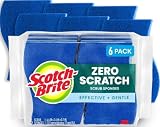
In a small bowl, mix baking soda and white vinegar into a thick paste. Apply it directly to the stain and let it sit for a few hours. Before rinsing, scrub with a stiff, non-scratch pad, such as a blue Scotch-Brite. Rinse well.
If the stain is still visible, don’t keep scrubbing. Move on to the next option.


When Elbow Grease Needs Backup: Magic Erasers
Some readers have had success removing rust stains with a damp Mr. Clean Magic Eraser. Used lightly, it can help lift surface staining without adding chemicals.
That said, Magic Erasers are mildly abrasive. Use a gentle hand and test a small, out-of-the-way area first, especially on fiberglass or acrylic tubs. If it improves the stain, great. If not, stop there and move on rather than pressing harder.

Why Bar Keepers Friend Works on Rust
Bar Keepers Friend (available at most supermarkets or online) is a reliable cleaner for rust stains on cookware, bakeware, stainless steel, and bathroom surfaces. It works because of two ingredients, oxalic acid and citric acid, which break down iron deposits rather than grinding them into the surface.
That makes it a good next step when mild methods come up short. Used as directed, it’s effective without being harsh. And if you don’t have Bar Keepers Friend on hand, there are still other options worth trying.


Yes, Toilet Bowl Cleaner Can Work in a Tub
If the stain is still there, check under the sink for Lysol Professional Toilet Bowl Cleaner. It’s not a product most people think to use in a bathtub, but it’s formulated to dissolve mineral and iron buildup, the same problem causing the stain.
Apply enough cleaner to cover the stained area and let it sit for about an hour. Scrub, then rinse thoroughly. Used as directed, it works well on fiberglass, acrylic, and porcelain.
If you already have this cleaner, it’s worth trying. If you don’t, don’t run out and buy it. There’s one more option that’s often more economical and specifically made for rust.

When It’s Time for the Big Gun: Iron Out
If you’re going to buy a product specifically to deal with rust, go straight to Iron Out. It’s less expensive than some alternatives, works reliably on iron stains, and, unlike many rust removers, doesn’t rely on harsh abrasives.
Iron Out is designed to dissolve iron deposits, which is why it’s effective on tubs, sinks, and even fabrics. That makes it a practical choice when other methods haven’t made a dent.
Spray Iron Out directly on the stain and let it sit for a few seconds. Wipe with a damp sponge or cloth, then rinse immediately and thoroughly. Repeat if needed.

A Few Safety Notes Before You Start Scrubbing
Before you dive in, a quick pause for safety: some of the products mentioned (Magic Erasers, toilet bowl cleaners, and commercial rust removers) are stronger than your usual bathroom cleaner.
Gloves are a must, and a ventilated space will keep you from getting overwhelmed by fumes. If you’re using something acidic like Bar Keepers Friend or Iron Out, avoid letting it sit on skin. A stiff scrubber is better than a wire brush, which can scratch surfaces you’re trying to save.
Keep a damp rag nearby to wipe up any accidental drips, and rinse thoroughly after every application.
How to Keep Rust Stains From Coming Back
Getting rid of rust is one thing; keeping it from coming back is another. Real-life bathroom warriors have found a few practical ways to stay ahead of rust:
- Mind the drain. Many recurring stains come from the metal drain assembly itself. If it’s corroding underneath, even a spotless tub will redevelop stains. A solid brass drain or a stainless replacement can stop the cycle before it starts.
- Dry is your friend. Rust loves lingering moisture. After every bath or shower, a quick wipe or squeegee keeps water from pooling around the drain or corners.
- Skip the metal clutter. Shaving cans, razors, or metal toys left in the tub can rust and stain. Keep metal items out or off wet surfaces.
- Address the water source. If your water has a high iron content, stains will return no matter what you scrub. A water softener can remove minerals before they reach your tub, cutting down on rust buildup long-term.
- Spot treat when needed. For small, stubborn spots, a targeted touch-up with Iron Out or Bar Keepers Friend keeps rust from spreading.
Rust may feel like a relentless opponent, but a few smart habits make it manageable and stop it from dominating your cleaning routine.
Question: What’s the one household stain you’ve scrubbed way too long before finding what actually works?
EverydayCheapskate™ is reader-supported. We participate in the Amazon Services LLC Associates Program and other affiliate advertising programs, designed to provide a means for us to earn from qualifying purchases, at no cost to you.

More from Everyday Cheapskate
 https://www.everydaycheapskate.com/wp-content/uploads/20261006-prime-big-deal-days-have-landed.png
800
1200
Mary Hunt
https://www.everydaycheapskate.com/wp-content/uploads/EC-Logo-by-Mary-Hunt-Tagline-Trimmed.png
Mary Hunt2026-10-05 11:01:432026-10-07 09:02:53EC’s Top Picks from Amazon Prime Big Deal Days 2026
https://www.everydaycheapskate.com/wp-content/uploads/20261006-prime-big-deal-days-have-landed.png
800
1200
Mary Hunt
https://www.everydaycheapskate.com/wp-content/uploads/EC-Logo-by-Mary-Hunt-Tagline-Trimmed.png
Mary Hunt2026-10-05 11:01:432026-10-07 09:02:53EC’s Top Picks from Amazon Prime Big Deal Days 2026 https://www.everydaycheapskate.com/wp-content/uploads/20261004-reduce-healthcare-costs-with-three-habits-healthy-couple-walking-in-autumn-leaves.png
800
1200
Mary Hunt
https://www.everydaycheapskate.com/wp-content/uploads/EC-Logo-by-Mary-Hunt-Tagline-Trimmed.png
Mary Hunt2026-10-04 23:08:572026-10-04 23:09:47How to Reduce Healthcare Costs With 3 Free Daily Habits
https://www.everydaycheapskate.com/wp-content/uploads/20261004-reduce-healthcare-costs-with-three-habits-healthy-couple-walking-in-autumn-leaves.png
800
1200
Mary Hunt
https://www.everydaycheapskate.com/wp-content/uploads/EC-Logo-by-Mary-Hunt-Tagline-Trimmed.png
Mary Hunt2026-10-04 23:08:572026-10-04 23:09:47How to Reduce Healthcare Costs With 3 Free Daily Habits https://www.everydaycheapskate.com/wp-content/uploads/20241004-news-you-can-use-october-everyday-cheapskate-top-news-articles.png
800
1200
Mary Hunt
https://www.everydaycheapskate.com/wp-content/uploads/EC-Logo-by-Mary-Hunt-Tagline-Trimmed.png
Mary Hunt2026-10-04 01:04:052026-10-11 14:34:17News You Can Use • October 2026
https://www.everydaycheapskate.com/wp-content/uploads/20241004-news-you-can-use-october-everyday-cheapskate-top-news-articles.png
800
1200
Mary Hunt
https://www.everydaycheapskate.com/wp-content/uploads/EC-Logo-by-Mary-Hunt-Tagline-Trimmed.png
Mary Hunt2026-10-04 01:04:052026-10-11 14:34:17News You Can Use • October 2026 https://www.everydaycheapskate.com/wp-content/uploads/20261003-woman-hugging-elderly-mother-sandwich-generation-caring-for-aging-parents.png
800
1200
Mary Hunt
https://www.everydaycheapskate.com/wp-content/uploads/EC-Logo-by-Mary-Hunt-Tagline-Trimmed.png
Mary Hunt2026-10-03 10:47:222026-10-03 10:47:25Sandwiched Between Aging Parents and Adult Children
https://www.everydaycheapskate.com/wp-content/uploads/20261003-woman-hugging-elderly-mother-sandwich-generation-caring-for-aging-parents.png
800
1200
Mary Hunt
https://www.everydaycheapskate.com/wp-content/uploads/EC-Logo-by-Mary-Hunt-Tagline-Trimmed.png
Mary Hunt2026-10-03 10:47:222026-10-03 10:47:25Sandwiched Between Aging Parents and Adult Children https://www.everydaycheapskate.com/wp-content/uploads/20260927-impossible-lasagna-pie-recipe-with-wooden-serving-spoon-in-white-casserole-dish.png
800
1200
Mary Hunt
https://www.everydaycheapskate.com/wp-content/uploads/EC-Logo-by-Mary-Hunt-Tagline-Trimmed.png
Mary Hunt2026-09-28 09:38:592026-09-28 22:48:34Impossible Lasagna Pie: All the Flavor, None of the Noodles
https://www.everydaycheapskate.com/wp-content/uploads/20260927-impossible-lasagna-pie-recipe-with-wooden-serving-spoon-in-white-casserole-dish.png
800
1200
Mary Hunt
https://www.everydaycheapskate.com/wp-content/uploads/EC-Logo-by-Mary-Hunt-Tagline-Trimmed.png
Mary Hunt2026-09-28 09:38:592026-09-28 22:48:34Impossible Lasagna Pie: All the Flavor, None of the Noodles https://www.everydaycheapskate.com/wp-content/uploads/20260925-best-inexpensive-coffee-grinders-burr-manual-and-electric.png
800
1200
Mary Hunt
https://www.everydaycheapskate.com/wp-content/uploads/EC-Logo-by-Mary-Hunt-Tagline-Trimmed.png
Mary Hunt2026-09-25 11:06:342026-10-10 15:49:09The Best Coffee Grinder Upgrade That’s Actually Worth It
https://www.everydaycheapskate.com/wp-content/uploads/20260925-best-inexpensive-coffee-grinders-burr-manual-and-electric.png
800
1200
Mary Hunt
https://www.everydaycheapskate.com/wp-content/uploads/EC-Logo-by-Mary-Hunt-Tagline-Trimmed.png
Mary Hunt2026-09-25 11:06:342026-10-10 15:49:09The Best Coffee Grinder Upgrade That’s Actually Worth It https://www.everydaycheapskate.com/wp-content/uploads/20260918-man-and-woman-signing-an-extended-warranty-in-a-car-dealership.png
800
1200
Mary Hunt
https://www.everydaycheapskate.com/wp-content/uploads/EC-Logo-by-Mary-Hunt-Tagline-Trimmed.png
Mary Hunt2026-09-18 15:23:432026-09-18 15:25:43Is an Extended Warranty Ever Worth It? The Truth for 2026
https://www.everydaycheapskate.com/wp-content/uploads/20260918-man-and-woman-signing-an-extended-warranty-in-a-car-dealership.png
800
1200
Mary Hunt
https://www.everydaycheapskate.com/wp-content/uploads/EC-Logo-by-Mary-Hunt-Tagline-Trimmed.png
Mary Hunt2026-09-18 15:23:432026-09-18 15:25:43Is an Extended Warranty Ever Worth It? The Truth for 2026 https://www.everydaycheapskate.com/wp-content/uploads/20260917-fall-cleaning-checklist.png
800
1200
Mary Hunt
https://www.everydaycheapskate.com/wp-content/uploads/EC-Logo-by-Mary-Hunt-Tagline-Trimmed.png
Mary Hunt2026-09-17 17:11:012026-09-28 22:48:45Fall Cleaning Checklist: 15 Overlooked Spots to Clean
https://www.everydaycheapskate.com/wp-content/uploads/20260917-fall-cleaning-checklist.png
800
1200
Mary Hunt
https://www.everydaycheapskate.com/wp-content/uploads/EC-Logo-by-Mary-Hunt-Tagline-Trimmed.png
Mary Hunt2026-09-17 17:11:012026-09-28 22:48:45Fall Cleaning Checklist: 15 Overlooked Spots to Clean https://www.everydaycheapskate.com/wp-content/uploads/20260913-how-to-winterize-your-home-snowy-driveway-suburban-home.png
800
1200
Mary Hunt
https://www.everydaycheapskate.com/wp-content/uploads/EC-Logo-by-Mary-Hunt-Tagline-Trimmed.png
Mary Hunt2026-09-13 15:32:142026-09-28 22:48:55The Complete Guide to Winterizing Your Home This Fall
https://www.everydaycheapskate.com/wp-content/uploads/20260913-how-to-winterize-your-home-snowy-driveway-suburban-home.png
800
1200
Mary Hunt
https://www.everydaycheapskate.com/wp-content/uploads/EC-Logo-by-Mary-Hunt-Tagline-Trimmed.png
Mary Hunt2026-09-13 15:32:142026-09-28 22:48:55The Complete Guide to Winterizing Your Home This FallPlease keep your comments positive, encouraging, helpful, brief,
and on-topic in keeping with EC Commenting Guidelines
Last update on 2026-10-11 / Affiliate links / Images from Amazon Product Advertising API


I found that the only thing that works for me is the toilet bowl cleaner described above. I squirt some on the stain(s), leave it alone for awhile, come back and wipe (and rinse) it away.
My textured acrylic tub had an area that just could not be cleaned. After testing a spot I used no fume oven cleaner with perfect results!
Hi Mary,
I live in an old apt.
My upstairs tub/ shower drains slowly.
Is there something I can do that won’t hurt the old pipes to clear it?
Yes! Check out this article I wrote that gives 6 things to try. https://www.everydaycheapskate.com/how-to-unclog-drain/
Thank you Mary.
I will give it a try!