

Authentic Pesto Genovese Recipe in Under 30 Minutes


If you’ve ever ended up with bitter, dull-green pesto and wondered what went wrong, I’ve got the fix. This pesto genovese recipe skips the arm workout (sorry, mortar and pestle fans!) and leans into a food processor, ice, and a few key tricks to keep the basil bright and the flavor unbeatable. It’s fast, fresh, and just the way pesto should be.

Pesto Genovese hails from the sun-drenched Ligurian coast of Italy, specifically Genoa, where the word pestâ means “to pound” or “to crush.” That’s exactly how the original version was made: with a marble mortar and a wooden pestle. It’s a culinary tradition that goes back centuries, even to the Roman Empire, when a similar garlic-and-herb mash called moretum graced the table.
Fast-forward to the mid-1800s, the first modern recipes for pesto alla Genovese started showing up in cookbooks, combining fragrant basil with pine nuts, cheeses, and olive oil—ingredients still used today. The method has evolved, but the love for this bold, simple sauce hasn’t changed a bit.
Making pesto at home means you’re skipping the jarred stuff that’s often dull and pasteurized to death, and instead creating a sauce that’s bright, punchy, and completely fresh. And thanks to a few tricks, you can get that same vivid green color and fresh taste without pounding anything by hand. Once you try it, there’s no going back.
Traditional Ingredients for Authentic Pesto Genovese
The beauty of pesto lies in its simplicity. Use the good stuff, and you’ll taste the difference in every bite. Here’s a closer look at the classic lineup:
- Fresh Basil Leaves: The star of the show. Genovese basil is ideal—small, tender leaves with a slightly sweet, peppery flavor. Aim for the freshest bunch you can get your hands on.
- Extra Virgin Olive Oil: A good-quality Ligurian or Italian EVOO will give you that smooth, grassy finish. If you’re watching your budget, reach for an affordable cold-pressed olive oil you enjoy tasting on its own. Just steer clear of blends or “light” versions. They won’t deliver that signature flavor.
- Parmigiano Reggiano: Nutty, salty, and rich, this cheese adds depth and creaminess. You can sub with Grana Padano in a pinch.
- Pecorino Cheese: Sharp and salty with a little bite, Pecorino balances the mellow Parm. Pecorino Romano is the most common, but Pecorino Sardo is more traditional. No Pecorino? Just double the Parm.
- Garlic: Two cloves, peeled and ready to party. If you’re garlic-sensitive, try roasting it first or reducing to a single clove. Raw garlic is bold, but it’s also what makes pesto pesto.
- Pine Nuts: Rich, buttery, and slightly sweet. Toasting them is optional but can deepen the flavor. If pine nuts aren’t in the budget (or your pantry), try walnuts, almonds, or sunflower seeds. It changes the flavor, sure, but still delicious.
- Coarse Salt (Sea Salt or Kosher Salt): Salt does more than season. It helps break down the basil during blending and enhances every other flavor. Start small and adjust after blending, especially if your cheeses are already salty.
- Ice: Wait—ice? Yes! This trick chills the basil to prevent bruising, which helps the pesto stay bright green instead of turning that sad grayish-brown.
The Secret to Bright Green, Non-Bitter Pesto
If you’ve ever made pesto and ended up with a murky green paste that tastes more like regret than deliciousness, I’ve been there. The culprit? Heat. Basil is delicate. Too much friction or warmth during blending and it bruises, turns dark, and gets bitter. Not exactly what we’re going for.
Here’s the fix: pop your food processor bowl and blades into the fridge or freezer for about 15 minutes before you start. Then give your basil a quick plunge in an ice bath. This keeps everything cool while you blend, helping preserve that gorgeous green color and fresh flavor.
And one more thing: don’t overdo it with the blending. Short bursts are your friend. You want a creamy texture, not a hot purée. Work fast, work cool, and your pesto will be as bright and beautiful as a Ligurian summer.
Step-by-Step Instructions
This recipe moves quickly once you start blending, so have everything prepped and ready to go.
1. Chill your tools.
Place the bowl and blades of your food processor in the fridge or freezer for at least 15 minutes. Cold tools = cool basil = bright green sauce.
2. Prep your basil.
Give those fresh basil leaves a gentle rinse in cold water, then dunk them in a bowl of ice water for 3–4 minutes. When time’s up, remove the basil and dry it well. Damp basil = watery pesto, and we don’t want that.
3. Time to blend (but not too much).
Add your dry basil, peeled garlic, pine nuts, and grated Parmigiano Reggiano to the chilled food processor bowl. Give it a few quick pulses. No food processor? A blender will work. Just use the “purée” setting and don’t overload it.
4. Add Pecorino and salt.
Now toss in the salt and chopped Pecorino and give it another blend. Go for about a minute total here. Still pulsing, still keeping things cool.
5. Stream in the olive oil.
Add your olive oil in stages, blending at medium speed in short bursts. Blend a few seconds, stop, check it, repeat. This should take about 5 minutes total, but don’t rush. The goal is a smooth, creamy sauce with a bit of texture. The moment it starts to look like pesto, you’re there.
6. Taste and adjust.
Give your pesto a taste. Want it saltier? Add a pinch. Too thick? A spoonful of warm pasta water will help loosen it later.
How to Store and Freeze Homemade Pesto

If you’re not using it right away, spoon your pesto into an airtight container and smooth the top. Then, and this is key, pour a thin layer of olive oil over the surface. That little oil blanket helps keep air out and preserves that green color. Pop the container in the fridge, and your pesto will stay fresh for 2 to 3 days.
Want to stretch your pesto supply even further? Freeze it! Small jars or ice cube trays work great. Just fill, level the top, add that same olive oil seal, and freeze. Once frozen, pop the cubes into a freezer-safe bag. Pesto keeps well in the freezer for up to a year at 0ºF or colder. And when you thaw it? You’ve got about 10 days in the fridge. Freeze pesto in tablespoon-size portions so you can thaw just what you need.
And be sure to label your containers. Pesto looks suspiciously like frozen chimichurri or spinach dip after a month in the freezer.
Pesto pairs beautifully with pasta, but don’t stop there. Use it as a sandwich spread, spooned over grilled veggies, or even swirled into soups.

Pesto Genovese
Ingredients
- 60-65 small basil leaves about 50g or 2 oz.
- ½ cup extra virgin olive oil
- 6 tablespoons grated Parmigiano Reggiano about 70g or 2.5 oz.
- 2 tablespoons Pecorino cheese cut into small pieces (30g or 1 oz.)
- 2 cloves garlic peeled
- 1 tablespoon pine nuts 15g or about 0.5 oz.
- ⅛ teaspoon coarse salt or to taste (sea salt or kosher salt)
- Ice for chilling basil
Instructions
- lace the bowl and blades of your food processor in the fridge or freezer for 15 minutes.
- Rinse basil leaves in cold water. Submerge in a bowl of ice water for 3–4 minutes. Drain and dry very well with a clean towel—no one likes watery pesto.
- Remove the chilled bowl and blades from the freezer. Add basil, garlic, pine nuts, and grated Parmigiano to the food processor. Pulse just until roughly chopped.
- Toss in the Pecorino pieces and salt, then blend again for about 1 minute.
- Slowly add olive oil while blending in short bursts. Alternate blending and stopping for about 5 minutes until a creamy, bright green sauce forms. Don’t let the mixture heat up!
- Serve over warm pasta (add a spoonful of pasta water to thin if needed), as a sandwich spread, or with toasted bread.
Notes
Nutrition
Question: What’s your favorite way to enjoy pesto—on pasta, pizza, toast, or straight from the jar with a spoon? No judgment here! Share in the comments below.
EverydayCheapskate™ is reader-supported. We participate in the Amazon Services LLC Associates Program and other affiliate advertising programs, designed to provide a means for us to earn from qualifying purchases, at no cost to you.

More from Everyday Cheapskate
 https://www.everydaycheapskate.com/wp-content/uploads/20261006-prime-big-deal-days-have-landed.png
800
1200
Mary Hunt
https://www.everydaycheapskate.com/wp-content/uploads/EC-Logo-by-Mary-Hunt-Tagline-Trimmed.png
Mary Hunt2026-10-05 11:01:432026-10-07 09:02:53EC’s Top Picks from Amazon Prime Big Deal Days 2026
https://www.everydaycheapskate.com/wp-content/uploads/20261006-prime-big-deal-days-have-landed.png
800
1200
Mary Hunt
https://www.everydaycheapskate.com/wp-content/uploads/EC-Logo-by-Mary-Hunt-Tagline-Trimmed.png
Mary Hunt2026-10-05 11:01:432026-10-07 09:02:53EC’s Top Picks from Amazon Prime Big Deal Days 2026 https://www.everydaycheapskate.com/wp-content/uploads/20261004-reduce-healthcare-costs-with-three-habits-healthy-couple-walking-in-autumn-leaves.png
800
1200
Mary Hunt
https://www.everydaycheapskate.com/wp-content/uploads/EC-Logo-by-Mary-Hunt-Tagline-Trimmed.png
Mary Hunt2026-10-04 23:08:572026-10-04 23:09:47How to Reduce Healthcare Costs With 3 Free Daily Habits
https://www.everydaycheapskate.com/wp-content/uploads/20261004-reduce-healthcare-costs-with-three-habits-healthy-couple-walking-in-autumn-leaves.png
800
1200
Mary Hunt
https://www.everydaycheapskate.com/wp-content/uploads/EC-Logo-by-Mary-Hunt-Tagline-Trimmed.png
Mary Hunt2026-10-04 23:08:572026-10-04 23:09:47How to Reduce Healthcare Costs With 3 Free Daily Habits https://www.everydaycheapskate.com/wp-content/uploads/20241004-news-you-can-use-october-everyday-cheapskate-top-news-articles.png
800
1200
Mary Hunt
https://www.everydaycheapskate.com/wp-content/uploads/EC-Logo-by-Mary-Hunt-Tagline-Trimmed.png
Mary Hunt2026-10-04 01:04:052026-10-11 14:34:17News You Can Use • October 2026
https://www.everydaycheapskate.com/wp-content/uploads/20241004-news-you-can-use-october-everyday-cheapskate-top-news-articles.png
800
1200
Mary Hunt
https://www.everydaycheapskate.com/wp-content/uploads/EC-Logo-by-Mary-Hunt-Tagline-Trimmed.png
Mary Hunt2026-10-04 01:04:052026-10-11 14:34:17News You Can Use • October 2026 https://www.everydaycheapskate.com/wp-content/uploads/20261003-woman-hugging-elderly-mother-sandwich-generation-caring-for-aging-parents.png
800
1200
Mary Hunt
https://www.everydaycheapskate.com/wp-content/uploads/EC-Logo-by-Mary-Hunt-Tagline-Trimmed.png
Mary Hunt2026-10-03 10:47:222026-10-03 10:47:25Sandwiched Between Aging Parents and Adult Children
https://www.everydaycheapskate.com/wp-content/uploads/20261003-woman-hugging-elderly-mother-sandwich-generation-caring-for-aging-parents.png
800
1200
Mary Hunt
https://www.everydaycheapskate.com/wp-content/uploads/EC-Logo-by-Mary-Hunt-Tagline-Trimmed.png
Mary Hunt2026-10-03 10:47:222026-10-03 10:47:25Sandwiched Between Aging Parents and Adult Children https://www.everydaycheapskate.com/wp-content/uploads/20261002-cake-mix-chocolate-chip-cookies.png
800
1200
Mary Hunt
https://www.everydaycheapskate.com/wp-content/uploads/EC-Logo-by-Mary-Hunt-Tagline-Trimmed.png
Mary Hunt2026-10-02 19:44:302026-10-02 19:44:30Cake Mix Chocolate Chip Cookies That Taste Homemade
https://www.everydaycheapskate.com/wp-content/uploads/20261002-cake-mix-chocolate-chip-cookies.png
800
1200
Mary Hunt
https://www.everydaycheapskate.com/wp-content/uploads/EC-Logo-by-Mary-Hunt-Tagline-Trimmed.png
Mary Hunt2026-10-02 19:44:302026-10-02 19:44:30Cake Mix Chocolate Chip Cookies That Taste Homemade https://www.everydaycheapskate.com/wp-content/uploads/20260930-cheap-Halloween-party-snacks-for-kids-punch-bowl-mummy-dogs-ghost-bananas.png
800
1200
Mary Hunt
https://www.everydaycheapskate.com/wp-content/uploads/EC-Logo-by-Mary-Hunt-Tagline-Trimmed.png
Mary Hunt2026-10-01 11:08:582026-10-01 11:08:59These Cheap Halloween Snacks Are Almost Too Easy to Make
https://www.everydaycheapskate.com/wp-content/uploads/20260930-cheap-Halloween-party-snacks-for-kids-punch-bowl-mummy-dogs-ghost-bananas.png
800
1200
Mary Hunt
https://www.everydaycheapskate.com/wp-content/uploads/EC-Logo-by-Mary-Hunt-Tagline-Trimmed.png
Mary Hunt2026-10-01 11:08:582026-10-01 11:08:59These Cheap Halloween Snacks Are Almost Too Easy to Make https://www.everydaycheapskate.com/wp-content/uploads/20260927-impossible-lasagna-pie-recipe-with-wooden-serving-spoon-in-white-casserole-dish.png
800
1200
Mary Hunt
https://www.everydaycheapskate.com/wp-content/uploads/EC-Logo-by-Mary-Hunt-Tagline-Trimmed.png
Mary Hunt2026-09-28 09:38:592026-09-28 22:48:34Impossible Lasagna Pie: All the Flavor, None of the Noodles
https://www.everydaycheapskate.com/wp-content/uploads/20260927-impossible-lasagna-pie-recipe-with-wooden-serving-spoon-in-white-casserole-dish.png
800
1200
Mary Hunt
https://www.everydaycheapskate.com/wp-content/uploads/EC-Logo-by-Mary-Hunt-Tagline-Trimmed.png
Mary Hunt2026-09-28 09:38:592026-09-28 22:48:34Impossible Lasagna Pie: All the Flavor, None of the Noodles https://www.everydaycheapskate.com/wp-content/uploads/20260925-best-inexpensive-coffee-grinders-burr-manual-and-electric.png
800
1200
Mary Hunt
https://www.everydaycheapskate.com/wp-content/uploads/EC-Logo-by-Mary-Hunt-Tagline-Trimmed.png
Mary Hunt2026-09-25 11:06:342026-10-10 15:49:09The Best Coffee Grinder Upgrade That’s Actually Worth It
https://www.everydaycheapskate.com/wp-content/uploads/20260925-best-inexpensive-coffee-grinders-burr-manual-and-electric.png
800
1200
Mary Hunt
https://www.everydaycheapskate.com/wp-content/uploads/EC-Logo-by-Mary-Hunt-Tagline-Trimmed.png
Mary Hunt2026-09-25 11:06:342026-10-10 15:49:09The Best Coffee Grinder Upgrade That’s Actually Worth It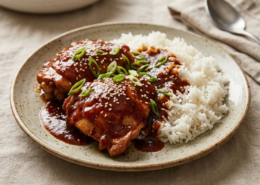 https://www.everydaycheapskate.com/wp-content/uploads/20260922-chinese-chicken-in-slow-cooker-with-white-rice-recipe-with-sesame-seeds-and-scallions.png
800
1200
Mary Hunt
https://www.everydaycheapskate.com/wp-content/uploads/EC-Logo-by-Mary-Hunt-Tagline-Trimmed.png
Mary Hunt2026-09-22 10:13:562026-09-28 22:48:39Slow Cooker Chinese Chicken That Beats Takeout
https://www.everydaycheapskate.com/wp-content/uploads/20260922-chinese-chicken-in-slow-cooker-with-white-rice-recipe-with-sesame-seeds-and-scallions.png
800
1200
Mary Hunt
https://www.everydaycheapskate.com/wp-content/uploads/EC-Logo-by-Mary-Hunt-Tagline-Trimmed.png
Mary Hunt2026-09-22 10:13:562026-09-28 22:48:39Slow Cooker Chinese Chicken That Beats Takeout

‘real’ pesto has always tasted a bit medicinal to us. one time, we made it with plain old parsley. we loved it! we’ve also subbed other nuts for the pine nuts since they’re so expensive – try walnuts or pecans. our version of pesto is one of our faves.
JD, I love that you’ve made pesto your own! Parsley’s a great swap when basil’s a bit too bold. And you’re spot on about those pine nuts … tiny and pricey! Walnuts or pecans are tasty alternatives that still bring that rich, nutty bite. Your version sounds delicious. Thanks for the tips!