

Protect Your Health and Wealth with Natural Cleaning Products
Ever wonder what’s lurking in those store-bought cleaners? We’ll spill the beans on why they could be a sneaky hazard to your health. Say goodbye to those pricey commercial cleaners that might be more trouble than they’re worth. Our homemade solutions are safer and super budget-friendly, providing natural cleaning products that prioritize your health and safety.
A Cautionary Tale: The Dangers of Mixing Cleaning Products
Two women, different locations, same accident. Unsatisfied with a standard toilet bowl cleaner’s performance, they both added household chlorine bleach to the mix, hoping for better results. Tragically, one woman lost her life instantly, while the other battled for her health in the hospital.
This story is a stark reminder of the dangers of mixing cleaning products. It’s a situation nobody should face, emphasizing the importance of knowing the hazards in our homes.
The Problem with Commercial Cleaners
The issue with commercial cleaners lies in their potential reaction with other common household substances. When chlorine bleach encounters acid or acid-producing agents, such as toilet bowl cleaner or vinegar, it triggers the release of chlorine gas—a highly dangerous outcome. This lethal gas poses severe health risks.
Similarly, mixing chlorine bleach with ammonia, lye, or virtually any substance other than plain soap and water can lead to the production of chlorine gas. This hazardous compound can have devastating consequences, underscoring the critical importance of handling cleaning products with caution.
Why Homemade Cleaning Products?
Now that I have your attention, let me reassure you: If you steer clear of chlorine bleach, crafting your own cleaning products poses no cause for concern. But why bother with homemade solutions, you might ask? Well, let’s start with the cost.
Consider that blue window cleaner perched on your countertop. You shelled out around 15 cents per ounce for a product that’s essentially 95% water!
In contrast, whipping up your own cleaners costs mere pennies and boasts a bonus: they’re free of harmful chemicals that could jeopardize your family’s health and harm the environment. Homemade natural cleaning products just make sense, don’t they? They’re economical, eco-friendly, and safer for your loved ones. It’s a win-win!
DIY Glass and Window Cleaners
Club soda straight up
For a quick and eco-friendly glass cleaner, reach for club soda. Simply pour this bubbly beverage (less than 3 cents an ounce) into a spray bottle for a highly effective, non-toxic cleaning product. How simple and cheap is that?
Vinegar and water
Mix equal parts white vinegar and water (1/2 cup each) in a spray bottle. This versatile solution tackles dirt and grime effortlessly, leaving your windows sparkling clean. For tougher stains, consider pre-washing with warm soapy water before applying the vinegar mixture.
Ammonia and rubbing alcohol
When faced with stubborn, heavy-duty cleaning tasks, turn to a potent combination of household ammonia and rubbing alcohol. Mix these ingredients in equal proportions in a labeled spray bottle. Exercise caution and keep this powerful solution out of reach of children. Its strength and effectiveness make it a formidable ally against even the toughest dirt and grime.
Make Your Own Copycat Soft Scrub
Say goodbye to store-bought Soft Scrub (over $1 an ounce!) and hello to a homemade version that’s just as effective. Follow these simple steps to whip up your own batch:
In a small bowl, combine 1 2/3 cups of baking soda with 1/2 cup of liquid soap (not detergent). Ensure precise measurements for optimal results. Dilute the mixture with 1/2 cup of water and incorporate 2 tablespoons of white vinegar. Stir vigorously with a fork until the mixture is smooth and free of lumps. Pour the prepared solution into a 16-ounce squeeze container with a squirt flip-top cap, similar to a ketchup bottle. Before each use, give it a good shake to ensure uniform consistency.
Keep the container tightly capped between uses to prevent drying out. For added convenience, remember to rinse the flip-top cap after each use to prevent clogging.
Effective Disinfectants You Can Make at Home
Soap
Sometimes, the simplest solutions are the most effective. Regular cleaning with plain soap and hot water is a powerhouse against bacteria, offering a simple yet effective alternative to natural cleaning products. By washing surfaces thoroughly, you can effectively eliminate many harmful germs without the need for harsh chemicals.
Borax
Borax is a versatile cleaner with excellent disinfectant and deodorizing properties, making it an essential ingredient for creating natural cleaning products. To create a potent disinfectant solution, mix 1/2 cup of borax (available online or in the supermarket laundry aisle) into one gallon of hot water. Ensure thorough mixing to maximize effectiveness.
Isopropyl (rubbing) alcohol
Isopropyl (rubbing) alcohol is a stellar disinfectant, available in both 70% and 91% concentrations. Simply sponge or spray it onto surfaces and allow it to dry completely to unleash its germ-fighting powers. For safety, use in a well-ventilated area and wear gloves to protect your hands.
Natural Toilet Bowl Cleaners
With these natural cleaning products, you can maintain a clean and fresh bathroom without exposing your family to harmful chemicals.
Baking soda and vinegar
Sprinkle baking soda into the toilet bowl, then drizzle with vinegar. Use a toilet brush to scour the mixture, effectively cleaning and deodorizing your toilet bowl in one simple step.
Borax and lemon juice
For stubborn stains or rings, turn to the power of borax and lemon juice. Create a paste by mixing enough borax and lemon juice, then apply it to the affected areas. Allow the paste to sit for two hours before scrubbing thoroughly for sparkling results.
For stubborn stains beyond chemical solutions

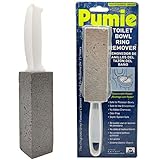
PUMIE Pumice Stone Toilet Bowl Ring Cleaner
When stubborn stains persist despite your best efforts, the Pumie Toilet Bowl Ring Remover comes to the rescue. This soft pumice stone gently eliminates tough stains without the need for harsh chemicals. With its convenient handle, it’s easy to use and provides a safe alternative for achieving a spotless toilet bowl.
Important Safety Precautions
By following these simple precautions, you can enjoy a clean and safe home environment for your family and pets, using non-toxic cleaning products.
Test Before Use
Before using any new cleaning product, it’s crucial to test it in an inconspicuous spot to assess its compatibility with the surface. This simple step helps prevent any unexpected reactions or damage.
Label Clearly
Even if you’re confident in your memory, it’s essential to label all cleaning products clearly. This ensures that everyone in the household is aware of what each product contains and how to use it safely. Remember, not everyone may have the same level of knowledge about cleaning solutions.
Keep Out of Reach
Always store cleaning products securely out of the reach of children and pets. Even seemingly harmless products can pose risks if ingested or mishandled. Choose storage locations that are inaccessible to curious hands and paws to minimize the chance of accidents.
Resources
You don’t need to go far to gather the ingredients and supplies for your homemade cleaning products. Many of them can be found right at your local supermarket. From baking soda and vinegar to borax and rubbing alcohol, these household staples are readily available and budget-friendly.
If you prefer the convenience of online shopping, you can also find everything you need on Amazon. We’ve compiled a list of recommended products to make your DIY cleaning journey even easier.






Question: What is your favorite cheap homemade cleaning product or solution? Share your favorite DIY cleaning recipe in the comments below and join the conversation.
EverydayCheapskate™ is reader-supported. We participate in the Amazon Services LLC Associates Program and other affiliate advertising programs, designed to provide a means for us to earn from qualifying purchases, at no cost to you.

More from Everyday Cheapskate
 https://www.everydaycheapskate.com/wp-content/uploads/20261025-Simple-anti-aging-skincare-routine-with-cleanser-vitamin-C-moisturizer-and-sunscreen.png
800
1200
Mary Hunt
https://www.everydaycheapskate.com/wp-content/uploads/EC-Logo-by-Mary-Hunt-Tagline-Trimmed.png
Mary Hunt2026-10-25 17:06:382026-10-25 21:22:53A Simple Anti-Aging Skincare Routine That Makes Sense
https://www.everydaycheapskate.com/wp-content/uploads/20261025-Simple-anti-aging-skincare-routine-with-cleanser-vitamin-C-moisturizer-and-sunscreen.png
800
1200
Mary Hunt
https://www.everydaycheapskate.com/wp-content/uploads/EC-Logo-by-Mary-Hunt-Tagline-Trimmed.png
Mary Hunt2026-10-25 17:06:382026-10-25 21:22:53A Simple Anti-Aging Skincare Routine That Makes Sense https://www.everydaycheapskate.com/wp-content/uploads/20261024-A-cup-of-coffee-notebook-and-pen-on-a-table.png
800
1200
Mary Hunt
https://www.everydaycheapskate.com/wp-content/uploads/EC-Logo-by-Mary-Hunt-Tagline-Trimmed.png
Mary Hunt2026-10-24 13:13:592026-10-24 13:13:59What Is Frugal Living? It’s Probably Not What You Think
https://www.everydaycheapskate.com/wp-content/uploads/20261024-A-cup-of-coffee-notebook-and-pen-on-a-table.png
800
1200
Mary Hunt
https://www.everydaycheapskate.com/wp-content/uploads/EC-Logo-by-Mary-Hunt-Tagline-Trimmed.png
Mary Hunt2026-10-24 13:13:592026-10-24 13:13:59What Is Frugal Living? It’s Probably Not What You Think https://www.everydaycheapskate.com/wp-content/uploads/20261023-Paper-calendar-and-digital-calendar-on-a-smartphone-side-by-side.png
800
1200
Mary Hunt
https://www.everydaycheapskate.com/wp-content/uploads/EC-Logo-by-Mary-Hunt-Tagline-Trimmed.png
Mary Hunt2026-10-23 11:55:302026-10-23 11:55:30Paper or Digital Calendar? Turns Out, You May Need Both
https://www.everydaycheapskate.com/wp-content/uploads/20261023-Paper-calendar-and-digital-calendar-on-a-smartphone-side-by-side.png
800
1200
Mary Hunt
https://www.everydaycheapskate.com/wp-content/uploads/EC-Logo-by-Mary-Hunt-Tagline-Trimmed.png
Mary Hunt2026-10-23 11:55:302026-10-23 11:55:30Paper or Digital Calendar? Turns Out, You May Need Both https://www.everydaycheapskate.com/wp-content/uploads/20261019-Skeleton-with-sunglasses-in-closet.png
800
1200
Mary Hunt
https://www.everydaycheapskate.com/wp-content/uploads/EC-Logo-by-Mary-Hunt-Tagline-Trimmed.png
Mary Hunt2026-10-19 11:42:432026-10-19 11:42:4310 Easy Last-Minute Halloween Costumes From Your Closet
https://www.everydaycheapskate.com/wp-content/uploads/20261019-Skeleton-with-sunglasses-in-closet.png
800
1200
Mary Hunt
https://www.everydaycheapskate.com/wp-content/uploads/EC-Logo-by-Mary-Hunt-Tagline-Trimmed.png
Mary Hunt2026-10-19 11:42:432026-10-19 11:42:4310 Easy Last-Minute Halloween Costumes From Your Closet https://www.everydaycheapskate.com/wp-content/uploads/20261017-Woman-opening-refrigerator-stocked-with-fresh-food-and-condiments.png
800
1200
Mary Hunt
https://www.everydaycheapskate.com/wp-content/uploads/EC-Logo-by-Mary-Hunt-Tagline-Trimmed.png
Mary Hunt2026-10-17 12:16:242026-10-17 12:16:24What Temperature Should a Refrigerator and Freezer Be?
https://www.everydaycheapskate.com/wp-content/uploads/20261017-Woman-opening-refrigerator-stocked-with-fresh-food-and-condiments.png
800
1200
Mary Hunt
https://www.everydaycheapskate.com/wp-content/uploads/EC-Logo-by-Mary-Hunt-Tagline-Trimmed.png
Mary Hunt2026-10-17 12:16:242026-10-17 12:16:24What Temperature Should a Refrigerator and Freezer Be? https://www.everydaycheapskate.com/wp-content/uploads/20261015-Sweet-pepper-and-onion-relish-in-a-white-bowl-with-crackers-and-fresh-red-bell-peppers.png
800
1200
Mary Hunt
https://www.everydaycheapskate.com/wp-content/uploads/EC-Logo-by-Mary-Hunt-Tagline-Trimmed.png
Mary Hunt2026-10-15 13:14:022026-10-15 13:14:02Sweet Pepper Onion Relish (Perfect Over Cream Cheese)
https://www.everydaycheapskate.com/wp-content/uploads/20261015-Sweet-pepper-and-onion-relish-in-a-white-bowl-with-crackers-and-fresh-red-bell-peppers.png
800
1200
Mary Hunt
https://www.everydaycheapskate.com/wp-content/uploads/EC-Logo-by-Mary-Hunt-Tagline-Trimmed.png
Mary Hunt2026-10-15 13:14:022026-10-15 13:14:02Sweet Pepper Onion Relish (Perfect Over Cream Cheese) https://www.everydaycheapskate.com/wp-content/uploads/20261012-Woman-using-smartphone-while-checking-monthly-cellular-data-usage-on-laptop.png
800
1200
Mary Hunt
https://www.everydaycheapskate.com/wp-content/uploads/EC-Logo-by-Mary-Hunt-Tagline-Trimmed.png
Mary Hunt2026-10-12 10:51:112026-10-12 10:51:11Do You Really Need Unlimited Data? Check Before You Pay
https://www.everydaycheapskate.com/wp-content/uploads/20261012-Woman-using-smartphone-while-checking-monthly-cellular-data-usage-on-laptop.png
800
1200
Mary Hunt
https://www.everydaycheapskate.com/wp-content/uploads/EC-Logo-by-Mary-Hunt-Tagline-Trimmed.png
Mary Hunt2026-10-12 10:51:112026-10-12 10:51:11Do You Really Need Unlimited Data? Check Before You Pay https://www.everydaycheapskate.com/wp-content/uploads/20261011-Woman-Adjusting-Smart-Home-Device-on-the-Wall-how-to-lower-your-electric-bill.png
800
1200
Mary Hunt
https://www.everydaycheapskate.com/wp-content/uploads/EC-Logo-by-Mary-Hunt-Tagline-Trimmed.png
Mary Hunt2026-10-11 23:01:562026-10-11 23:01:56Stop Chasing Pennies on Your Electric Bill. Do This
https://www.everydaycheapskate.com/wp-content/uploads/20261011-Woman-Adjusting-Smart-Home-Device-on-the-Wall-how-to-lower-your-electric-bill.png
800
1200
Mary Hunt
https://www.everydaycheapskate.com/wp-content/uploads/EC-Logo-by-Mary-Hunt-Tagline-Trimmed.png
Mary Hunt2026-10-11 23:01:562026-10-11 23:01:56Stop Chasing Pennies on Your Electric Bill. Do This https://www.everydaycheapskate.com/wp-content/uploads/20261007-red-present-sitting-in-autumn-leaves-Amazon-Prime-Big-Deal-Days-gifts.png
800
1200
Mary Hunt
https://www.everydaycheapskate.com/wp-content/uploads/EC-Logo-by-Mary-Hunt-Tagline-Trimmed.png
Mary Hunt2026-10-06 23:09:432026-10-06 23:09:43Christmas Shopping in October? These Prime Day Gifts Make Sense
https://www.everydaycheapskate.com/wp-content/uploads/20261007-red-present-sitting-in-autumn-leaves-Amazon-Prime-Big-Deal-Days-gifts.png
800
1200
Mary Hunt
https://www.everydaycheapskate.com/wp-content/uploads/EC-Logo-by-Mary-Hunt-Tagline-Trimmed.png
Mary Hunt2026-10-06 23:09:432026-10-06 23:09:43Christmas Shopping in October? These Prime Day Gifts Make SensePlease keep your comments positive, encouraging, helpful, brief,
and on-topic in keeping with EC Commenting Guidelines
Last update on 2026-10-27 / Affiliate links / Images from Amazon Product Advertising API


Dr. Bronner’s Castile soaps and their detergent, Sal Suds are all I use for cleaning. Lisa Bronner has a great book out called Soap and Soul which is packed full of GIY (Green It Yourself) recipes for every cleaning project. Pet, kid, and earth friendly.
I’ve never had any luck at completely dissolving Borax and I’ve tried the extremely hot water method (just before boiling). Any advice?
mary…can i mix alcohol with vinegar and boric acid without ending up in the emergency room or the morgue? i am looking for a very potent insecticide. thanx.
I use a spray bottle of water with a tiny bit of polmolive to clean all but mirrors and electronics. About two cups water to 1/4 teaspoon quality dish soap. I have asthma and can’t spray vinegar or rubbing alcohol so I mix five o’clock cheap vodka 70% to 30% water and clean windows and mirrors. I spray a cloth first and use on electronics. I clean my floor with a bit of dish soap in the mop water. I dust with a damp cloth no polish needed. I can scent a room with my diffuser. I don’t need scent in my cleaners. I do scrub my sink with baking soda but no vinegar. Borax is very bad for the lungs. It isn’t in my home. I use white vinegar in my towel load fabric softener compartment to help rinse residue but not for cleaning.
A paste of baking soda and lemon juice makes a terrific scrub for removing stains from”stainless” steel in flatware and steel sinks. Just be sure to rinse thoroughly in hot water! Thanks, Mary, for your column. I appreciate all of your advice.
Some cleaning products need to be kept away from the near-sighted elderly. Last week my step mother poured something green straight on her kitchen floor and stripped her vinyl plank flooring while attempting to clean it. What a mess!
I’ve been using bleach to clean toilet bowls for eons, and I’ve never had a problem. What’s so hard about remembering to flush before you pour?
Yes, that’s the point, Katy. Don’t mix bleach with anything but soap/detergent and or water.
Hi! This is very scary about bleach coming into contact with vinegar. Can you please tell us what you recommend regarding your recipe for homemade clothes softener? It’s 6 parts water, 3 parts vinegar, and 2 parts hair conditioner. I’ve been making this for about 2 years now, ever since reading about it on your website. I use bleach fairly frequently with my laundry, but haven’t had a reaction with it. Do you recommend not using bleach when we use your laundry softener? Thanks!
The point is to not mix the bleach in an open area allowing fumes to waft into the open air that you’re breathing. So bleach goes into its washing machine reservoir (or manually into the wash cycle on an older machine; the softener goes into its reservoir which is separate from the bleach reservoir (or add it manually to the last rinse on an older machine.
The only cleaning products I actually purchase are borax, washing soda, soap, Blue Dawn, and essential oils. Mixed with water, vinegar, alcohol, etc. I make everything we need. I save money and don’t have to drag heavy jugs around.
Using a microfiber cloth with micro silver imbedded during manufacturing process eliminates the need for man made chemicals. The cloth picks up the contaminants and the silver purifies the cloth. For tougher jobs, use products with citric acids or enzymes (made from products in nature). Enviro friendly products improve indoor environment and health.
These are all great, thanks! Some may not realize peroxide should be kept in a dark bottle; when it’s exposed to light, it loses its strength.
For my All-Purpose Cleaner I mix a spray bottle with 1/2 peroxide and 1/2 water. Works wonders on everything from the greasy stove top to treating & preventing diaper rash. (Don’t worry, doctor said it is safe for little tushes!)
After root canal, my endodontist said to rinse my mouth with a mix of half 3% peroxide and 1/2 water. She showed me the commercial bottle, $12/ 16 oz, so of course I make my own. Ann