
Cleaning Vinegar vs. White Vinegar: What Works, What Doesn’t

Ever stood in the cleaning aisle holding a $7 bottle that promises to make your sink sparkle, your windows shine, and your whole life somehow more organized? Put it back. Chances are the most useful cleaner in your house is already in the pantry, and it costs next to nothing. It won’t fix everything, though.
Plain white distilled vinegar is cheap, it’s everywhere, and it’s acidic enough to dissolve mineral deposits and cut through a fair amount of soap scum. That’s the good news.
But let’s get real. Vinegar isn’t magic, and it’s not safe for every surface. So here’s what it does well, where it lets you down, and how to use it without turning a simple chore into a chemistry experiment.
What is cleaning vinegar, and is it different from white vinegar?
Sort of. It comes down to strength.
The white distilled vinegar at your grocery store is about 5% acetic acid. The rest is water. Bottles labeled “cleaning vinegar” are usually around 6%, which is barely a bump. Some stronger products carry the same label, though, and those are a different story (more on that in a minute). Nobody regulates the words on the front, so read the percentage on the bottle.
Here’s my take. For most jobs in your house, regular white vinegar is the one I reach for first. It’s cheaper, it’s easier to find, and that extra 1% has never made a believer out of me. Some cleaning vinegars aren’t meant for food, so keep them on the cleaning shelf and out of the salad dressing.
What can you clean with vinegar?

Anywhere you’ve got hard water, mineral deposits, soap residue, or a lingering smell, vinegar is worth a try. Here’s where it earns its keep.
Hard water and mineral deposits
See that chalky white crust around your faucet? That’s minerals left behind by hard water, and vinegar dissolves it.
Soak a cloth or paper towel in white vinegar and wrap it around the spot. Give it some time, then wipe and rinse. For a removable showerhead or faucet aerator, soak the part in a bowl of vinegar, then rinse it well before it goes back on.
Soap scum
Soap scum and hard water residue team up on your shower door like a couple of bad roommates.
For a light film, spray on plain white vinegar, let it sit a few minutes, then scrub and rinse. For the serious stuff, I use a mix of Blue Dawn and white vinegar. It’s the spray I’ve relied on for more than 25 years, and it does the heavy lifting while it sits.
Glass and windows
Vinegar and water does a nice job on hard water spots and cloudy glass. Greasy fingerprints and sticky smudges? Not so much. And on its own, vinegar can leave streaks, which is enough to make you want to give up on windows altogether.
That’s why my homemade glass cleaner adds rubbing alcohol and a few drops of dish soap. Whatever you spray, wipe it off with a clean microfiber cloth. Ask me how I know.
Kettles and coffee makers
A crusty mineral coating inside an electric kettle is fixable, and vinegar and water is the classic fix. Same goes for a coffee maker that’s been quietly collecting buildup.
But check your owner’s manual first. Some manufacturers recommend vinegar, some recommend a descaling product, and a few say to skip vinegar entirely. If yours says
yes, follow their directions, then run several cycles of plain water. Nobody wants coffee with a hint of salad dressing. The same goes for a Keurig.
The microwave
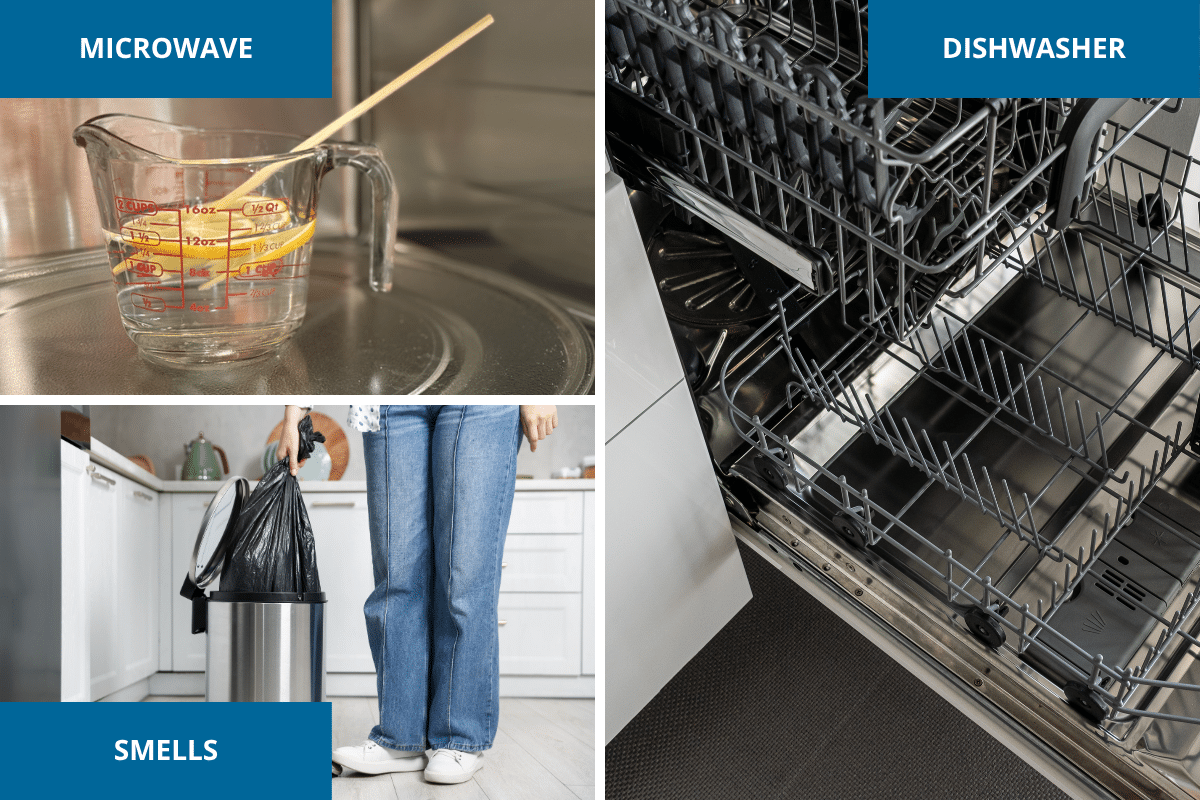
Vinegar steam is the easiest way I know to loosen cooked-on splatters. Mix a cup of water with a cup of white vinegar in a microwave-safe bowl, and heat it for 5 to 10 minutes until the microwave is full of steam.
One rule you can’t skip. Put a wooden spoon or chopstick in the bowl first. It keeps the liquid from superheating, which is when water gets hotter than boiling without bubbling and then erupts when you move it. Use oven mitts to take the bowl out, then wipe everything down while it’s still warm.
The dishwasher
If your glasses come out cloudy or the door smells a little off, there’s buildup hiding in there. Clean the filter first, then set a cup of white vinegar on the top rack and run the hottest, longest cycle on an empty machine.
Read your manual before you pour, though. Manufacturers disagree on whether the acid is good for rubber seals and other parts, and the same goes for your washing machine. If they say no, believe them. A $3 jug isn’t a bargain if it messes with a $700 appliance. For heavy limescale, citric acid works harder than vinegar.
Smells
A small bowl of vinegar in a smelly spot takes the edge off some odors. Set it out for a while, then dump it and air the room out. The vinegar smell fades, and you don’t need to cover it with essential oils.
What should you never clean with vinegar?
This is where a little knowledge saves real money. Vinegar’s acidity is exactly why it dissolves mineral deposits. It’s also why it can dull or damage some materials.
Skip it on granite, marble, limestone, travertine, and other natural stone. Yes, granite too. Vinegar breaks down the sealant that keeps it looking good, so use a cleaner made for stone instead.
Check the manual before using it inside any appliance. Also be careful with waxed or delicate finishes, cast iron, grout, and unfinished wood. When you’re not sure, try a small, hidden spot first.
Never mix vinegar with bleach
Put this one in permanent marker.
Vinegar is an acid. Bleach contains chlorine. Combine them and you can make chlorine gas, which is dangerous to breathe, and Poison Control specifically warns against it. Don’t mix vinegar with hydrogen peroxide in the same container either.
One product at a time, rinse well in between, and label your spray bottles. If you’re using vinegar, vinegar is enough.
Does vinegar disinfect?
Not the way you might think.
Vinegar cleans well and has some antimicrobial properties. But it isn’t an EPA-registered disinfectant, so it doesn’t replace one. If you’re dealing with an illness in the house or raw meat on the counter, use a product labeled as a disinfectant and follow the directions, including how long it needs to stay wet.
Cleaning and disinfecting are two different jobs. For everyday grime, vinegar handles the first one nicely.
What about 20% and 30% vinegar?
Here’s where I’d slow way down.
Very strong vinegar is sold for specialty and garden uses. It’s not a supercharged version of what’s in your pantry, and at that strength it can burn skin and hurt your eyes. If you buy it, follow the label, wear the protective gear it calls for, and keep it in its original container away from kids and pets.
For a house full of ordinary messes, you don’t need it. More powerful isn’t the same as more useful.
Does vinegar kill weeds?
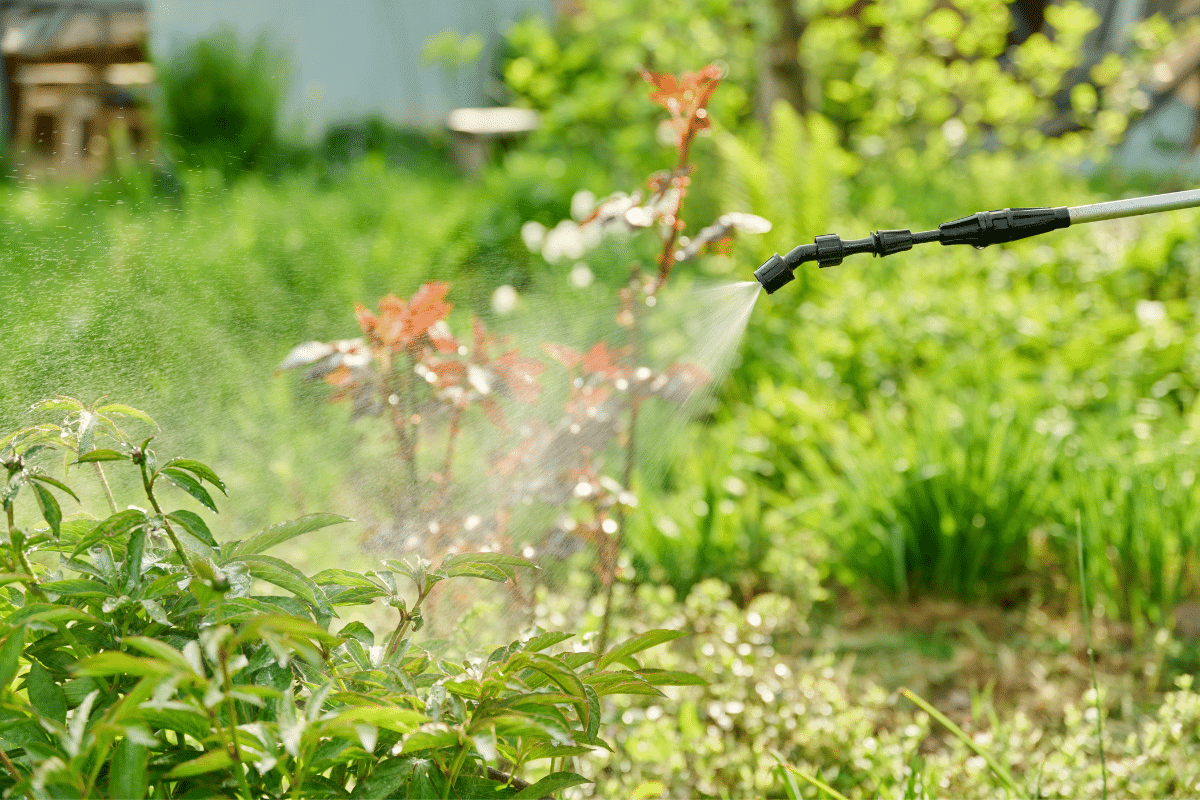
It does, sort of. Vinegar is a contact killer, which means it burns whatever leaves it touches. It doesn’t travel down to the roots, so tougher weeds can come right back. And it can’t tell a weed from the perennial you paid $18 for.
I’ve got a whole post on it, including the version for driveways and gravel paths where you never want anything growing again.
Does vinegar remove mold?
Vinegar can knock back mildew on a hard surface like a shower wall. Spray it on, wait, then scrub and rinse.
It’s not a mold-remediation plan, though. A big patch, a musty smell that keeps coming back, or mold on something porous like drywall needs more than a pantry cleaner. Roughly ten square feet or more is where the EPA suggests calling a professional. For heavier mildew in the shower, my soap scum post walks you through it, including how to rinse away bleach completely so the two never meet.
Where can you buy white vinegar and cleaning vinegar?
Regular white vinegar is about as easy to find as a grocery cart with a wobbly wheel. Look in the condiment or baking aisle. Costco and Sam’s Club sell big jugs, which makes sense if you clean with it often.
Cleaning vinegar shows up in the cleaning aisle, hardware stores, garden centers, and online. Compare the price per ounce, not the size of the bottle. That’s the number that tells you what you’re paying.


Frequently asked questions
Is cleaning vinegar the same as white vinegar?
Not exactly. White distilled vinegar is about 5% acetic acid. Cleaning vinegar is usually a little stronger, often around 6%, and some products are stronger still. Check the percentage on the label.
What is cleaning vinegar good for?
It works on mineral deposits, hard water buildup, soap residue, and everyday household grime. Always check that the surface or appliance can handle vinegar first.
Can cleaning vinegar be used for cooking?
Not necessarily. Some cleaning vinegars aren't meant for food. Use white distilled vinegar for cooking and keep the cleaning bottle in the cleaning cabinet.
How much water should I mix with cleaning vinegar?
Equal parts vinegar and water is a good starting point for general cleaning. For mineral deposits you can use it stronger, depending on the surface. Start mild and rinse well.
Can you use vinegar to clean a dishwasher?
Yes, for mineral buildup. Clean the filter, set a cup of white vinegar on the top rack, and run the hottest, longest cycle. Check your manual first, because some manufacturers advise against vinegar.
Can you use vinegar to clean a microwave?
Yes. Heat a cup of water and a cup of white vinegar in a microwave-safe bowl for 5 to 10 minutes, with a wooden spoon or chopstick in the bowl to prevent superheating. Use oven mitts, then wipe.
Can you use vinegar in laundry?
Some people add it to the rinse cycle, but follow your washing machine manufacturer's advice. Never mix vinegar with chlorine bleach.
Can vinegar remove mold?
Vinegar can help with light mildew on hard surfaces. For larger patches, recurring mold, or porous materials like drywall, follow proper mold cleanup guidance.
What should you never clean with vinegar?
Natural stone like granite, marble, and limestone. Check the manufacturer's instructions before using it on appliances, waxed or specialty finishes, cast iron, grout, or unfinished wood.
Does vinegar kill germs?
It has some antimicrobial properties, but it isn't an EPA-registered disinfectant. When you need to disinfect, use a product labeled for that and follow the directions.
Can you mix vinegar and bleach?
No. Mixing them can create chlorine gas, which is dangerous to breathe.
Will cleaning vinegar kill ants?
It can wipe out the scent trail they follow, which helps for a day or two. It won't get rid of a colony.
Can vinegar be used to wash fruits and vegetables?
The FDA recommends rinsing produce under running water and says vinegar isn't necessary.
Does vinegar kill weeds?
It burns the leaves it touches, but it doesn't travel to the roots, so tougher weeds can grow back. If you use a stronger product, follow the label.
Why does vinegar leave streaks on glass?
Vinegar alone often streaks, and it doesn't cut greasy fingerprints. Adding rubbing alcohol and a few drops of dish soap fixes both.
The bottom line
I like cleaning products that do more than one job, especially when they’re cheap and already in the house.
White vinegar isn’t a miracle, and it shouldn’t stand in for a real disinfectant when you need one. But for mineral deposits, soap scum, a grubby microwave, and a handful of other everyday jobs, that humble bottle can keep you from buying yet another specialty cleaner.
So before you spend money on a bottle that solves one very specific problem, look under the kitchen sink. Then check the pantry.
You might already have what you need.
Question: What’s the one job you swear vinegar handles better than anything else, and what’s the one you’d never trust it with? Tell me in the comments.
EverydayCheapskate™ is reader-supported. We participate in the Amazon Services LLC Associates Program and other affiliate advertising programs, designed to provide a means for us to earn from qualifying purchases, at no cost to you.

More from Everyday Cheapskate
 https://www.everydaycheapskate.com/wp-content/uploads/20261006-prime-big-deal-days-have-landed.png
800
1200
Mary Hunt
https://www.everydaycheapskate.com/wp-content/uploads/EC-Logo-by-Mary-Hunt-Tagline-Trimmed.png
Mary Hunt2026-10-05 11:01:432026-10-07 09:02:53EC’s Top Picks from Amazon Prime Big Deal Days 2026
https://www.everydaycheapskate.com/wp-content/uploads/20261006-prime-big-deal-days-have-landed.png
800
1200
Mary Hunt
https://www.everydaycheapskate.com/wp-content/uploads/EC-Logo-by-Mary-Hunt-Tagline-Trimmed.png
Mary Hunt2026-10-05 11:01:432026-10-07 09:02:53EC’s Top Picks from Amazon Prime Big Deal Days 2026 https://www.everydaycheapskate.com/wp-content/uploads/20261004-reduce-healthcare-costs-with-three-habits-healthy-couple-walking-in-autumn-leaves.png
800
1200
Mary Hunt
https://www.everydaycheapskate.com/wp-content/uploads/EC-Logo-by-Mary-Hunt-Tagline-Trimmed.png
Mary Hunt2026-10-04 23:08:572026-10-04 23:09:47How to Reduce Healthcare Costs With 3 Free Daily Habits
https://www.everydaycheapskate.com/wp-content/uploads/20261004-reduce-healthcare-costs-with-three-habits-healthy-couple-walking-in-autumn-leaves.png
800
1200
Mary Hunt
https://www.everydaycheapskate.com/wp-content/uploads/EC-Logo-by-Mary-Hunt-Tagline-Trimmed.png
Mary Hunt2026-10-04 23:08:572026-10-04 23:09:47How to Reduce Healthcare Costs With 3 Free Daily Habits https://www.everydaycheapskate.com/wp-content/uploads/20241004-news-you-can-use-october-everyday-cheapskate-top-news-articles.png
800
1200
Mary Hunt
https://www.everydaycheapskate.com/wp-content/uploads/EC-Logo-by-Mary-Hunt-Tagline-Trimmed.png
Mary Hunt2026-10-04 01:04:052026-10-11 14:34:17News You Can Use • October 2026
https://www.everydaycheapskate.com/wp-content/uploads/20241004-news-you-can-use-october-everyday-cheapskate-top-news-articles.png
800
1200
Mary Hunt
https://www.everydaycheapskate.com/wp-content/uploads/EC-Logo-by-Mary-Hunt-Tagline-Trimmed.png
Mary Hunt2026-10-04 01:04:052026-10-11 14:34:17News You Can Use • October 2026 https://www.everydaycheapskate.com/wp-content/uploads/20261003-woman-hugging-elderly-mother-sandwich-generation-caring-for-aging-parents.png
800
1200
Mary Hunt
https://www.everydaycheapskate.com/wp-content/uploads/EC-Logo-by-Mary-Hunt-Tagline-Trimmed.png
Mary Hunt2026-10-03 10:47:222026-10-03 10:47:25Sandwiched Between Aging Parents and Adult Children
https://www.everydaycheapskate.com/wp-content/uploads/20261003-woman-hugging-elderly-mother-sandwich-generation-caring-for-aging-parents.png
800
1200
Mary Hunt
https://www.everydaycheapskate.com/wp-content/uploads/EC-Logo-by-Mary-Hunt-Tagline-Trimmed.png
Mary Hunt2026-10-03 10:47:222026-10-03 10:47:25Sandwiched Between Aging Parents and Adult Children https://www.everydaycheapskate.com/wp-content/uploads/20260927-impossible-lasagna-pie-recipe-with-wooden-serving-spoon-in-white-casserole-dish.png
800
1200
Mary Hunt
https://www.everydaycheapskate.com/wp-content/uploads/EC-Logo-by-Mary-Hunt-Tagline-Trimmed.png
Mary Hunt2026-09-28 09:38:592026-09-28 22:48:34Impossible Lasagna Pie: All the Flavor, None of the Noodles
https://www.everydaycheapskate.com/wp-content/uploads/20260927-impossible-lasagna-pie-recipe-with-wooden-serving-spoon-in-white-casserole-dish.png
800
1200
Mary Hunt
https://www.everydaycheapskate.com/wp-content/uploads/EC-Logo-by-Mary-Hunt-Tagline-Trimmed.png
Mary Hunt2026-09-28 09:38:592026-09-28 22:48:34Impossible Lasagna Pie: All the Flavor, None of the Noodles https://www.everydaycheapskate.com/wp-content/uploads/20260925-best-inexpensive-coffee-grinders-burr-manual-and-electric.png
800
1200
Mary Hunt
https://www.everydaycheapskate.com/wp-content/uploads/EC-Logo-by-Mary-Hunt-Tagline-Trimmed.png
Mary Hunt2026-09-25 11:06:342026-10-10 15:49:09The Best Coffee Grinder Upgrade That’s Actually Worth It
https://www.everydaycheapskate.com/wp-content/uploads/20260925-best-inexpensive-coffee-grinders-burr-manual-and-electric.png
800
1200
Mary Hunt
https://www.everydaycheapskate.com/wp-content/uploads/EC-Logo-by-Mary-Hunt-Tagline-Trimmed.png
Mary Hunt2026-09-25 11:06:342026-10-10 15:49:09The Best Coffee Grinder Upgrade That’s Actually Worth It https://www.everydaycheapskate.com/wp-content/uploads/20260918-man-and-woman-signing-an-extended-warranty-in-a-car-dealership.png
800
1200
Mary Hunt
https://www.everydaycheapskate.com/wp-content/uploads/EC-Logo-by-Mary-Hunt-Tagline-Trimmed.png
Mary Hunt2026-09-18 15:23:432026-09-18 15:25:43Is an Extended Warranty Ever Worth It? The Truth for 2026
https://www.everydaycheapskate.com/wp-content/uploads/20260918-man-and-woman-signing-an-extended-warranty-in-a-car-dealership.png
800
1200
Mary Hunt
https://www.everydaycheapskate.com/wp-content/uploads/EC-Logo-by-Mary-Hunt-Tagline-Trimmed.png
Mary Hunt2026-09-18 15:23:432026-09-18 15:25:43Is an Extended Warranty Ever Worth It? The Truth for 2026 https://www.everydaycheapskate.com/wp-content/uploads/20260917-fall-cleaning-checklist.png
800
1200
Mary Hunt
https://www.everydaycheapskate.com/wp-content/uploads/EC-Logo-by-Mary-Hunt-Tagline-Trimmed.png
Mary Hunt2026-09-17 17:11:012026-09-28 22:48:45Fall Cleaning Checklist: 15 Overlooked Spots to Clean
https://www.everydaycheapskate.com/wp-content/uploads/20260917-fall-cleaning-checklist.png
800
1200
Mary Hunt
https://www.everydaycheapskate.com/wp-content/uploads/EC-Logo-by-Mary-Hunt-Tagline-Trimmed.png
Mary Hunt2026-09-17 17:11:012026-09-28 22:48:45Fall Cleaning Checklist: 15 Overlooked Spots to Clean https://www.everydaycheapskate.com/wp-content/uploads/20260913-how-to-winterize-your-home-snowy-driveway-suburban-home.png
800
1200
Mary Hunt
https://www.everydaycheapskate.com/wp-content/uploads/EC-Logo-by-Mary-Hunt-Tagline-Trimmed.png
Mary Hunt2026-09-13 15:32:142026-09-28 22:48:55The Complete Guide to Winterizing Your Home This Fall
https://www.everydaycheapskate.com/wp-content/uploads/20260913-how-to-winterize-your-home-snowy-driveway-suburban-home.png
800
1200
Mary Hunt
https://www.everydaycheapskate.com/wp-content/uploads/EC-Logo-by-Mary-Hunt-Tagline-Trimmed.png
Mary Hunt2026-09-13 15:32:142026-09-28 22:48:55The Complete Guide to Winterizing Your Home This FallPlease keep your comments positive, encouraging, helpful, brief,
and on-topic in keeping with EC Commenting Guidelines
Last update on 2026-10-11 / Affiliate links / Images from Amazon Product Advertising API


I have another non-cleaning use for vinegar. Use it straight on sunburns to take away the sting!
Hi Linda! Using diluted apple cider vinegar for sunburn care is a popular home remedy, but it’s crucial to dilute it properly to avoid further irritation. For doctor-approved alternatives, Mayo Clinic and the American Academy of Dermatology recommend cool tap water compresses or baths, along with moisturizers, aloe vera gel, or hydrocortisone cream for soothing relief.
If you happen to have Dollar Tree stores in your area they have large jugs of cleaning vinegar for $1.25 or $150. They’ve also had little bottles of essential oils so I’ve been all set to make my cleaning liquids or sprays,
I buy cleaning vinegar at Dollar Tree. On occasion I have found it at Walmart but it is almost always in stock at Dollar Tree.