

7 DIY Ways to Cut Your Heating Costs This Winter


With heating costs predicted to rise, it’s more important than ever to make your home as energy-efficient as possible. Luckily, there are simple DIY fixes to keep your home warm without overloading your budget. From installing programmable thermostats to sealing drafts, these practical tips will help reduce your heating costs, winterize your home, and make your colder months cozy without the high cost.

Winter Heating Costs in 2024: What to Expect and Smart Ways to Save
This winter season, the Energy Information Administration’s Winter Fuels Outlook has both good news and a few cautionary notes for homeowners. While energy prices have dipped slightly compared to last year, a colder season is forecasted, which will likely balance out the savings for many. In most areas, heating bills should remain steady, but for those in the Midwest, brace yourself for a potential 2% to 11% increase. After last winter’s mild temps, a return to normal conditions may come with steeper costs, depending on the fuel used. If you’re in that region, consider prepping a bit extra now to stay ahead of rising expenses.
While we can’t control the weather, there are practical steps to keep your home comfortable without breaking the bank. A few strategic, DIY-friendly projects—like sealing drafty windows and ensuring your insulation is intact—can keep that expensive warm air from escaping into the cold outdoors. With a few proactive moves, you can keep your home cozy and your heating bill in check, even in a brisker season!
Jump to DIY project:
- Install a Programmable or Smart Thermostat
- Weather Strip Doors & Windows
- Adjust Your Threshold
- Seal Electrical Outlets and Switch Plates
- Plug Holes, Gaps, and Cracks
- Use Plastic Film on Windows
- Close the Flue
Install a Programmable or Smart Thermostat for Easy Savings
I’ve recommended this before, and now I’m practically begging: invest in a programmable or smart thermostat! Adding a programmable or smart thermostat is a small but effective way to winterize your home, keeping it warm and efficient without high costs.
Budget-Friendly Programmable Thermostat
For around $30, you can get a basic programmable thermostat that you can easily install yourself. Just be sure to choose a model compatible with your heating system—check the box or consult a store expert if you’re unsure. Once it’s installed, set it to adjust up to four times daily to meet your comfort needs. A well-programmed thermostat can mean real savings without compromising warmth.

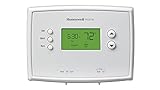
Honeywell Home Programmable Thermostat
My top pick for a budget programmable thermostat is the Honeywell Home Programmable Thermostat. It’s not the absolute cheapest, but it’s a reliable, compatible option for most heating systems, including gas, oil, electric, and low-voltage systems.
Smart Thermostat for Anytime Comfort


Replace Worn Weather Stripping to Reduce Drafts
One of the simplest ways to winterize your home and keep warm air inside is by checking and replacing weather stripping around doors and windows. Start with an outside door: open it and take a look at the foam rubber strip running along the top and sides. Then, do the same with a window. These strips should be intact and securely attached, sealing any air gaps once the door or window is shut. If you notice any tearing, shredding, or missing pieces, it’s time for a replacement.

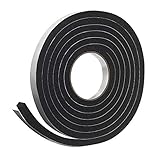
Frost King Self-Stick Foam Rubber Weather Stripping Tape
Weather stripping like the Frost King Self-Stick Foam Rubber Tape is affordable, easy to install, and widely available at home improvement stores or online. This sticky-backed adhesive tape comes in various widths, making it a quick DIY fix to seal any gaps around windows and doors before more costly, warmed air slips out through tiny leaks.
If you’re new to installing weather stripping, plenty of helpful video tutorials like How to Weather Strip Doors and How to Install Window Weather Stripping can walk you through the process step-by-step.
Adjust Door Thresholds to Lock in Warmth
A quick peek under your front door (or any exterior door) can reveal one of the biggest culprits of heat loss in winter: the gap beneath the door. If you see even a sliver of daylight, warm air is escaping and letting in the cold. The good news? Adjusting your door threshold is a straightforward fix. Most thresholds have four or five screws; by loosening them, you can adjust the height to snugly seal that gap.
In some cases, you may also need to replace the door’s “sweep” — the rubber or vinyl strip attached to the bottom edge of the door that adds an extra layer of insulation.
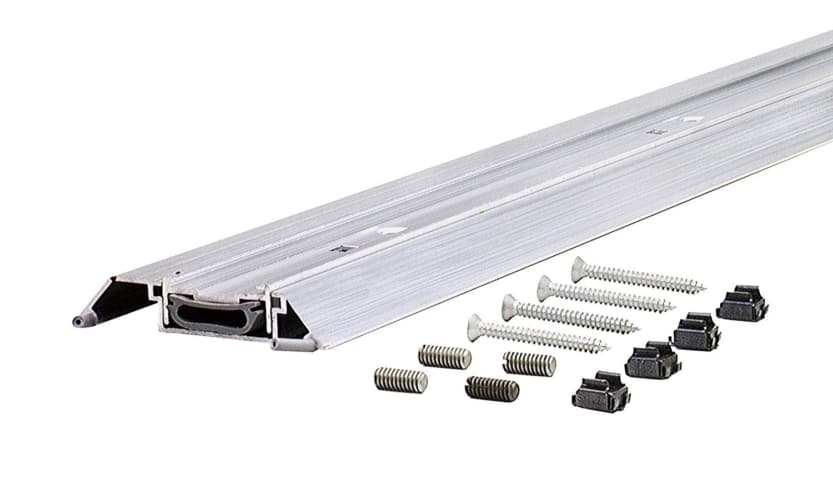
M-D Building Products Adjustable Door Threshold
If your current threshold has seen better days, consider replacing it with the M-D Building Products Adjustable Door Threshold. This durable, adjustable option offers a snug seal and helps reduce drafts from the moment it’s installed.
For those new to threshold adjustments, check out the helpful online tutorial How to Raise an Adjustable Entry Door Threshold to guide you through every step.

Seal Electrical Outlets and Switch Plates on Exterior Walls
Did you know that exterior wall outlets and switch plates can be major sources of heat loss? Take a look behind each outlet and switch plate on exterior walls—if they aren’t insulated, they could be letting warm air sneak out and cold air rush in. This is one of those small details that’s easy to overlook but can make a big difference in winterizing your home.
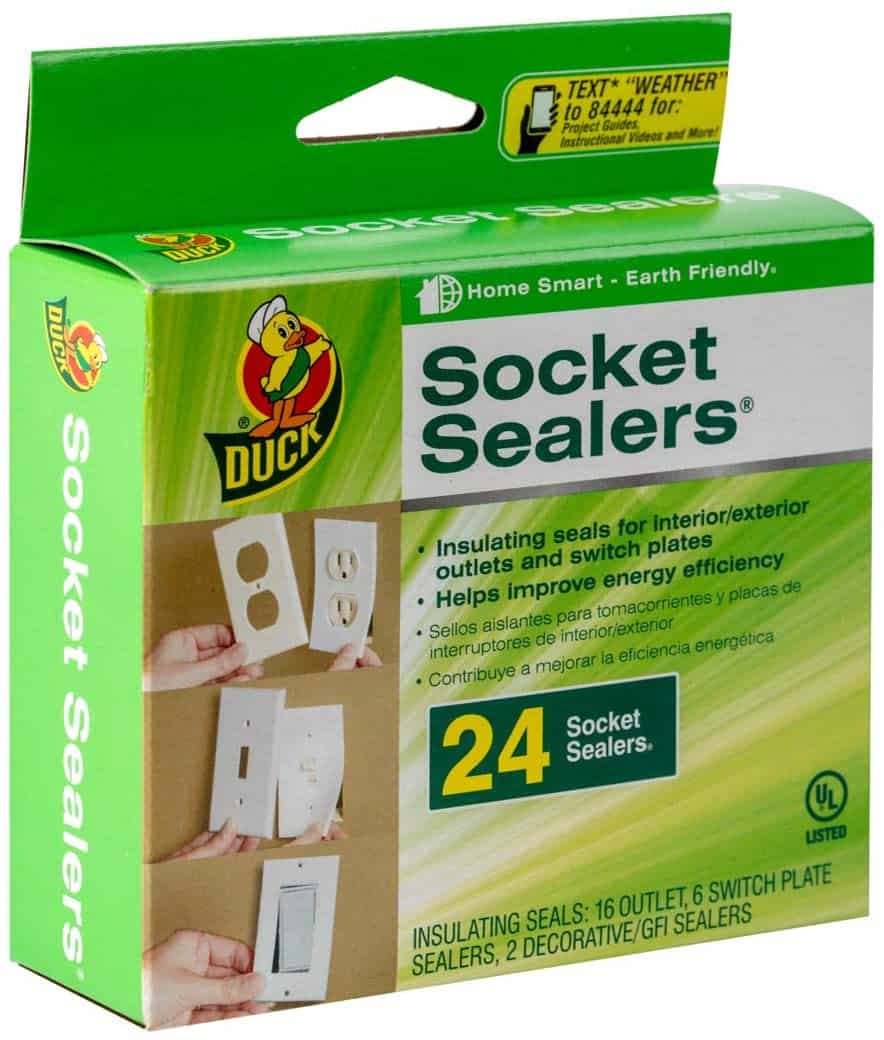
Duck Brand Socket Sealers
Rubber gaskets, like Duck Brand Socket Sealers, are designed to stop drafts from electrical outlets and switches on exterior walls. They’re easy to install—simply remove the outlet cover, add the gasket, and replace the cover. This inexpensive fix can help keep your home airtight, save on energy, and keep you warmer this season.
Look for these at your local hardware store or pick them up online to have your home winter-ready in no time.

Plug Holes, Gaps, and Cracks to Stop Heat Loss
While inspecting outlets on exterior walls, keep an eye out for other sneaky sources of heat loss. Check under all sinks in the kitchen and bathrooms, where pipes pass through walls. If these areas aren’t sealed properly, they’re allowing precious warm air to escape—and that’s money literally going down the drain. Luckily, sealing up these gaps is a simple DIY job with the right tools.
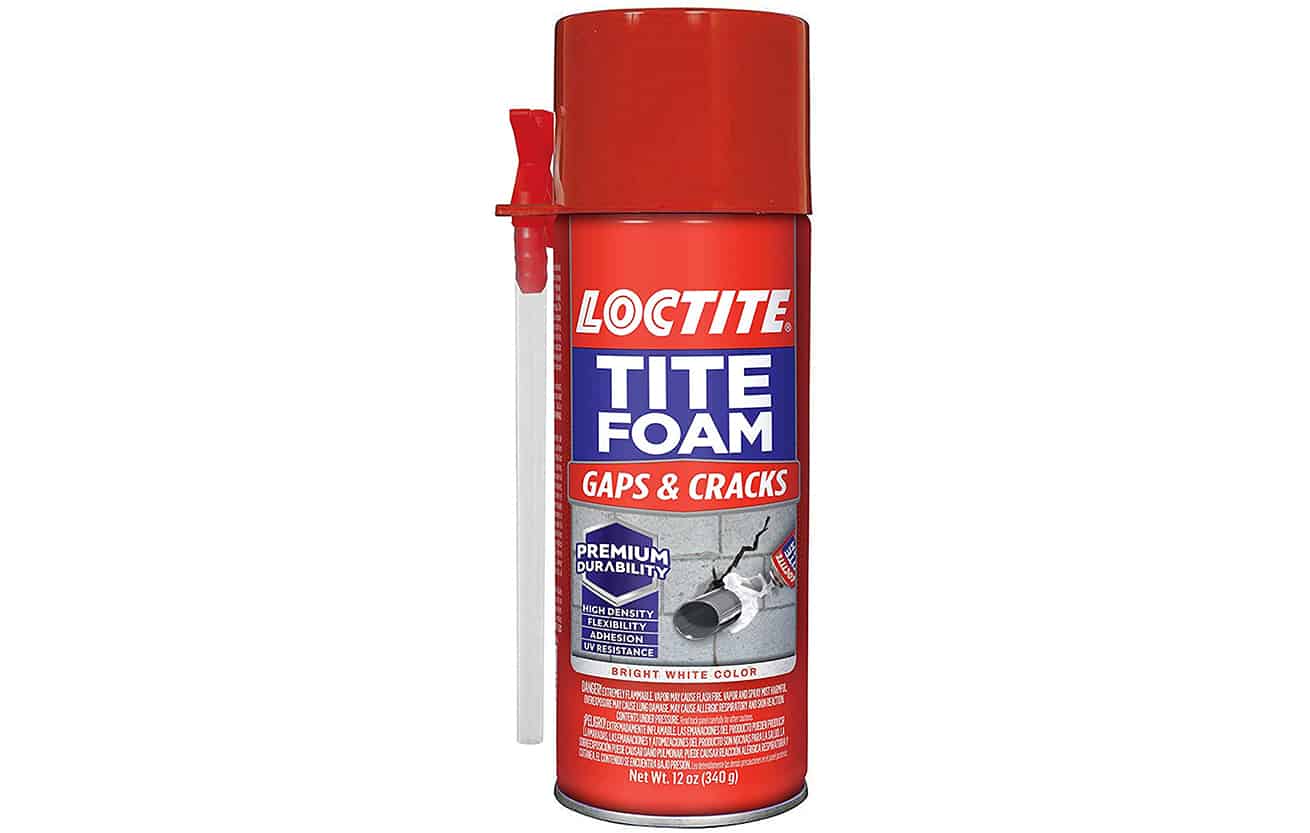
Loctite Tite Foam Gaps & Cracks Spray Foam Sealant
For these jobs, expanding foam sealant like Loctite Tite Foam is your best friend. Just spray it into the gaps, holes, or cracks, and it expands to create a tight seal. Be sure to pull back any decorative “escutcheon rings” (the round metal plates around pipes) to fill gaps properly, as these rings don’t keep drafts out.
Find spray foam sealant at your local home improvement store, or order it online, and get your home sealed and cozy for the winter months ahead.
Use Plastic Film on Windows to Block Heat Loss
Did you know that up to 25 percent of your home’s heat loss can be attributed to your windows? One of the simplest and most effective ways to combat this is by applying clear plastic film to your windows and patio doors. Not only is it budget-friendly, but it can significantly reduce heat loss, keeping your home warmer and your energy bills lower.
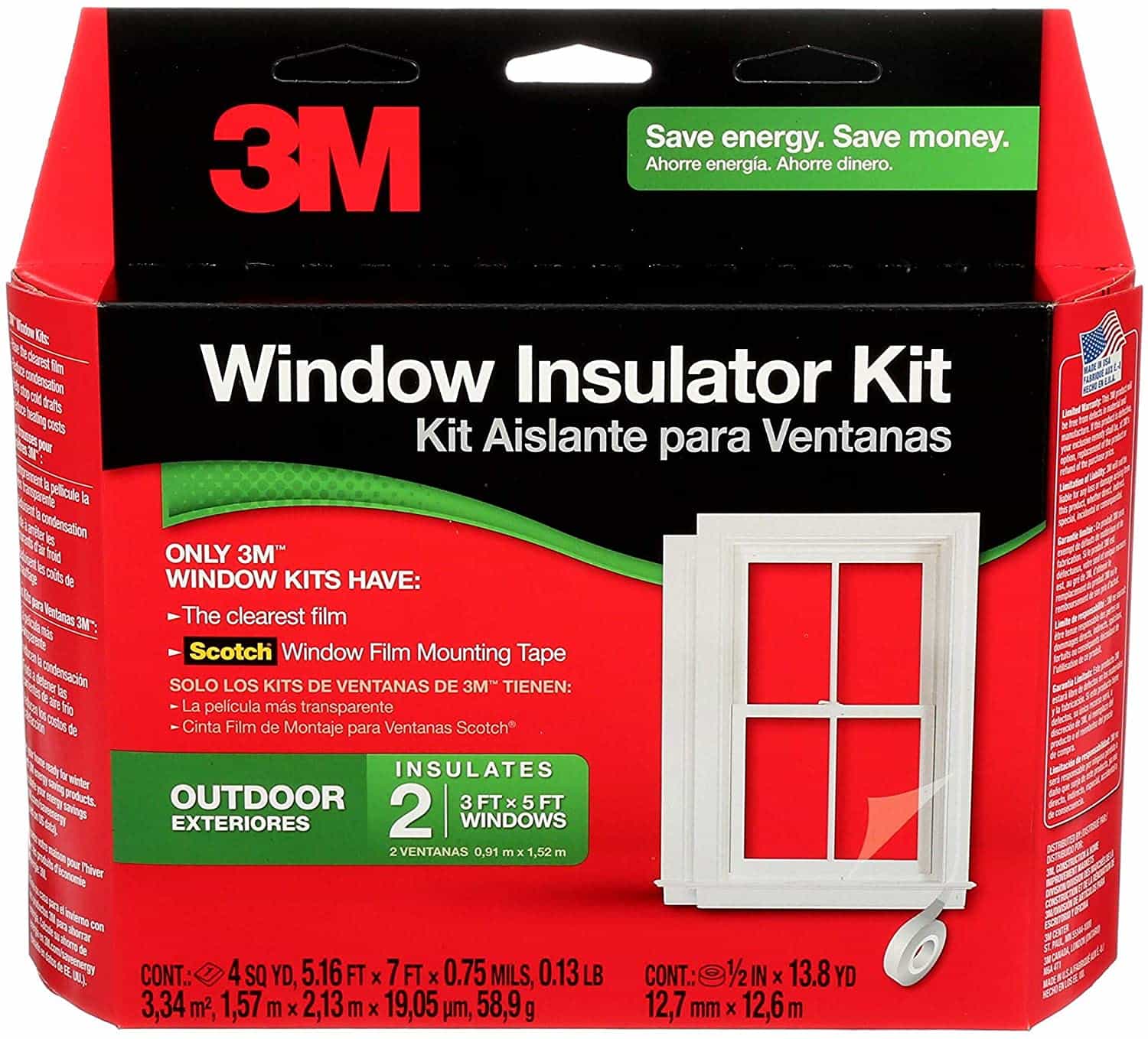
3M Outdoor Window Insulation Kit
I recommend the 3M Outdoor Window Insulation Kit, which features a heat-shrink transparent film that’s easy to install. The kit comes with everything you need and can be applied using a standard hairdryer to shrink the film tightly against the window, even over existing blinds. If you follow the instructions carefully—there’s a helpful video included—you’ll end up with a nearly invisible barrier that won’t hinder your blinds’ functionality.
This simple upgrade is incredibly effective at keeping the warmth in while protecting your home from chilly drafts.

Close Your Fireplace Flue When Not in Use
If you have a wood-burning fireplace, you may be surprised to learn that it can be a significant energy thief when not in use. The open chimney space allows warm air to escape your home, leaving you shivering and your energy bills climbing. To combat this, make it a habit to close the flue securely after each use.
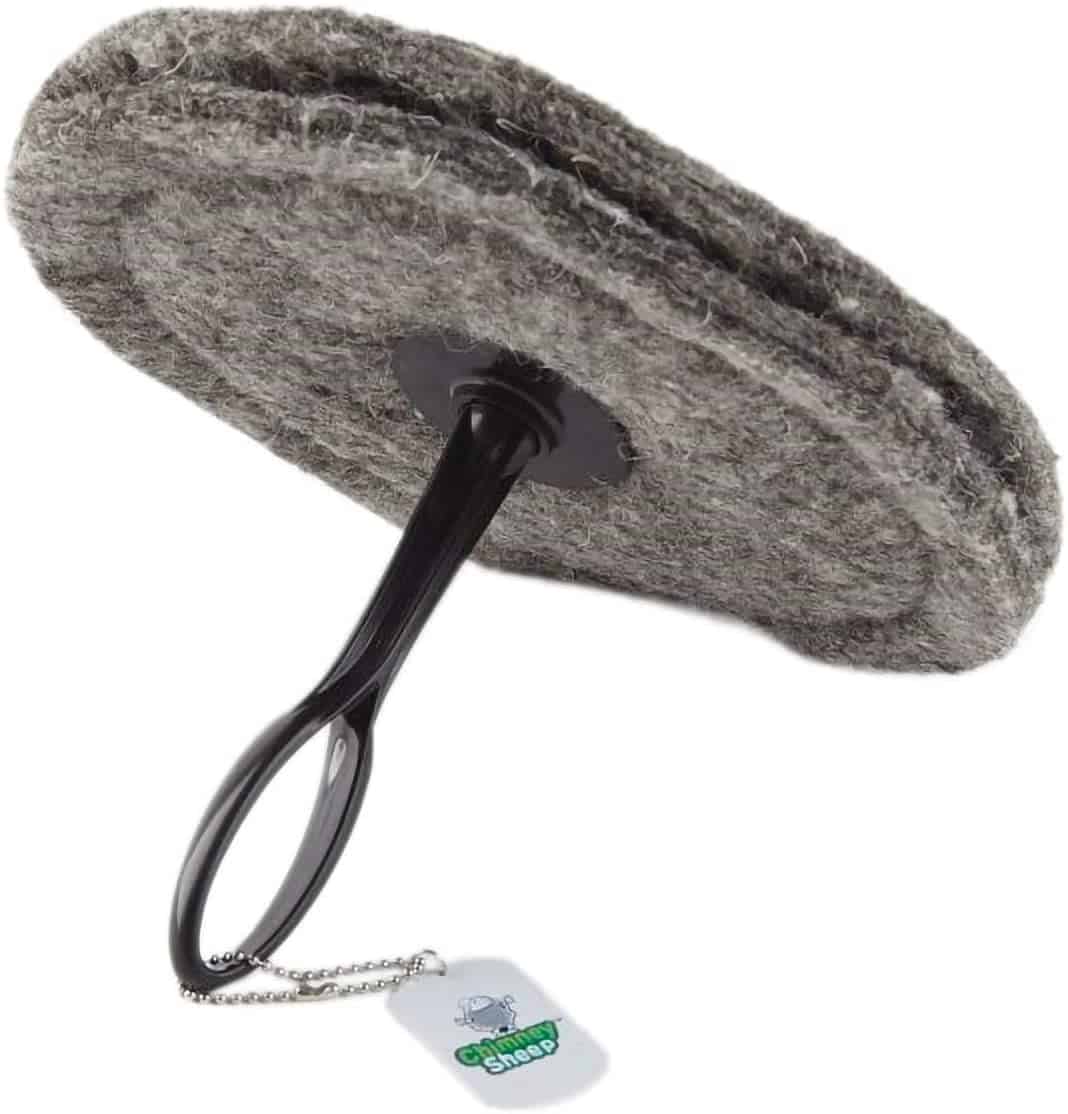
Flueblocker Round Chimney Flue
If you seldom use your fireplace, a chimney flue blocker is an excellent solution. These devices are available in various shapes and sizes, so take some time to find the right fit for your flue. Not only will a flue blocker help keep the warmth in, but it will also prevent drafts and keep out unwanted critters looking for a cozy place to nest.
Stay cozy and save on heating costs by ensuring that your fireplace is sealed when not in use!

Unable to Afford the Bills?
If you find yourself struggling to afford your heating expenses, there are resources available that can help.
The Low-Income Home Energy Assistance Program (LIHEAP) is a federally funded initiative designed to assist eligible low-income households in managing their home heating and cooling needs. This program, administered by the U.S. Department of Health and Human Services, aims to ensure that those in need can stay warm without breaking the bank.
LIHEAP provides several valuable services:
- Home Energy Assistance Program (HEAP): This component offers one-time financial assistance to help eligible households balance their utility bills, ensuring that you can keep your home comfortable.
- Energy Crisis Intervention Program (ECIP): If you are facing an urgent situation, such as a disconnect notice from your utility company or a life-threatening energy-related crisis (like issues with a heating appliance), this program provides immediate assistance to help you avoid service termination.
- LIHEAP Weatherization: This part of the program offers free energy efficiency upgrades to low-income households. Not only can this lower your monthly utility bills, but it also improves the overall health and safety of your living environment.
- Education on Energy Efficiency: LIHEAP also provides resources to educate families on basic energy efficiency practices and how to effectively maintain installed weatherization measures.
- Energy Budget Counseling: For those looking to manage their energy costs better, budget counseling can help you create a plan that suits your financial situation.
If you’re struggling with heating costs, don’t hesitate to explore these programs. They can provide crucial support to help you stay warm this winter without the added stress of financial strain. For more information, contact your local LIHEAP office or visit their website to check your eligibility and learn about the application process.
You’ve Still Got Time!
Sealing your home as tightly as possible has never been easier. It is the secret to cut heating costs while keeping warm. Do it now and you’ll get a big bonus come summer. It will cost less to keep the house cool, too.
Question: What’s the one DIY fix that’s helped you save on heating costs this winter? Let’s share our money-saving ideas.
EverydayCheapskate™ is reader-supported. We participate in the Amazon Services LLC Associates Program and other affiliate advertising programs, designed to provide a means for us to earn from qualifying purchases, at no cost to you.

More from Everyday Cheapskate
 https://www.everydaycheapskate.com/wp-content/uploads/20261006-prime-big-deal-days-have-landed.png
800
1200
Mary Hunt
https://www.everydaycheapskate.com/wp-content/uploads/EC-Logo-by-Mary-Hunt-Tagline-Trimmed.png
Mary Hunt2026-10-05 11:01:432026-10-07 09:02:53EC’s Top Picks from Amazon Prime Big Deal Days 2026
https://www.everydaycheapskate.com/wp-content/uploads/20261006-prime-big-deal-days-have-landed.png
800
1200
Mary Hunt
https://www.everydaycheapskate.com/wp-content/uploads/EC-Logo-by-Mary-Hunt-Tagline-Trimmed.png
Mary Hunt2026-10-05 11:01:432026-10-07 09:02:53EC’s Top Picks from Amazon Prime Big Deal Days 2026 https://www.everydaycheapskate.com/wp-content/uploads/20261004-reduce-healthcare-costs-with-three-habits-healthy-couple-walking-in-autumn-leaves.png
800
1200
Mary Hunt
https://www.everydaycheapskate.com/wp-content/uploads/EC-Logo-by-Mary-Hunt-Tagline-Trimmed.png
Mary Hunt2026-10-04 23:08:572026-10-04 23:09:47How to Reduce Healthcare Costs With 3 Free Daily Habits
https://www.everydaycheapskate.com/wp-content/uploads/20261004-reduce-healthcare-costs-with-three-habits-healthy-couple-walking-in-autumn-leaves.png
800
1200
Mary Hunt
https://www.everydaycheapskate.com/wp-content/uploads/EC-Logo-by-Mary-Hunt-Tagline-Trimmed.png
Mary Hunt2026-10-04 23:08:572026-10-04 23:09:47How to Reduce Healthcare Costs With 3 Free Daily Habits https://www.everydaycheapskate.com/wp-content/uploads/20261004-woman-dreaming-about-her-financial-and-life-goals.png
800
1200
Mary Hunt
https://www.everydaycheapskate.com/wp-content/uploads/EC-Logo-by-Mary-Hunt-Tagline-Trimmed.png
Mary Hunt2026-10-04 12:50:422026-10-04 12:50:42She Lived in a Basement for $100 a Month. Here’s Why.
https://www.everydaycheapskate.com/wp-content/uploads/20261004-woman-dreaming-about-her-financial-and-life-goals.png
800
1200
Mary Hunt
https://www.everydaycheapskate.com/wp-content/uploads/EC-Logo-by-Mary-Hunt-Tagline-Trimmed.png
Mary Hunt2026-10-04 12:50:422026-10-04 12:50:42She Lived in a Basement for $100 a Month. Here’s Why. https://www.everydaycheapskate.com/wp-content/uploads/20241004-news-you-can-use-october-everyday-cheapskate-top-news-articles.png
800
1200
Mary Hunt
https://www.everydaycheapskate.com/wp-content/uploads/EC-Logo-by-Mary-Hunt-Tagline-Trimmed.png
Mary Hunt2026-10-04 01:04:052026-10-11 14:34:17News You Can Use • October 2026
https://www.everydaycheapskate.com/wp-content/uploads/20241004-news-you-can-use-october-everyday-cheapskate-top-news-articles.png
800
1200
Mary Hunt
https://www.everydaycheapskate.com/wp-content/uploads/EC-Logo-by-Mary-Hunt-Tagline-Trimmed.png
Mary Hunt2026-10-04 01:04:052026-10-11 14:34:17News You Can Use • October 2026 https://www.everydaycheapskate.com/wp-content/uploads/20261003-woman-hugging-elderly-mother-sandwich-generation-caring-for-aging-parents.png
800
1200
Mary Hunt
https://www.everydaycheapskate.com/wp-content/uploads/EC-Logo-by-Mary-Hunt-Tagline-Trimmed.png
Mary Hunt2026-10-03 10:47:222026-10-03 10:47:25Sandwiched Between Aging Parents and Adult Children
https://www.everydaycheapskate.com/wp-content/uploads/20261003-woman-hugging-elderly-mother-sandwich-generation-caring-for-aging-parents.png
800
1200
Mary Hunt
https://www.everydaycheapskate.com/wp-content/uploads/EC-Logo-by-Mary-Hunt-Tagline-Trimmed.png
Mary Hunt2026-10-03 10:47:222026-10-03 10:47:25Sandwiched Between Aging Parents and Adult Children https://www.everydaycheapskate.com/wp-content/uploads/20260927-impossible-lasagna-pie-recipe-with-wooden-serving-spoon-in-white-casserole-dish.png
800
1200
Mary Hunt
https://www.everydaycheapskate.com/wp-content/uploads/EC-Logo-by-Mary-Hunt-Tagline-Trimmed.png
Mary Hunt2026-09-28 09:38:592026-09-28 22:48:34Impossible Lasagna Pie: All the Flavor, None of the Noodles
https://www.everydaycheapskate.com/wp-content/uploads/20260927-impossible-lasagna-pie-recipe-with-wooden-serving-spoon-in-white-casserole-dish.png
800
1200
Mary Hunt
https://www.everydaycheapskate.com/wp-content/uploads/EC-Logo-by-Mary-Hunt-Tagline-Trimmed.png
Mary Hunt2026-09-28 09:38:592026-09-28 22:48:34Impossible Lasagna Pie: All the Flavor, None of the Noodles https://www.everydaycheapskate.com/wp-content/uploads/20260925-best-inexpensive-coffee-grinders-burr-manual-and-electric.png
800
1200
Mary Hunt
https://www.everydaycheapskate.com/wp-content/uploads/EC-Logo-by-Mary-Hunt-Tagline-Trimmed.png
Mary Hunt2026-09-25 11:06:342026-10-10 15:49:09The Best Coffee Grinder Upgrade That’s Actually Worth It
https://www.everydaycheapskate.com/wp-content/uploads/20260925-best-inexpensive-coffee-grinders-burr-manual-and-electric.png
800
1200
Mary Hunt
https://www.everydaycheapskate.com/wp-content/uploads/EC-Logo-by-Mary-Hunt-Tagline-Trimmed.png
Mary Hunt2026-09-25 11:06:342026-10-10 15:49:09The Best Coffee Grinder Upgrade That’s Actually Worth It https://www.everydaycheapskate.com/wp-content/uploads/20260920-small-money-mistakes-woman-sitting-at-her-laptop-reviewing-bills.png
800
1200
Mary Hunt
https://www.everydaycheapskate.com/wp-content/uploads/EC-Logo-by-Mary-Hunt-Tagline-Trimmed.png
Mary Hunt2026-09-20 11:34:162026-09-28 22:48:40Small Money Mistakes: How to Fix Them Before They Grow
https://www.everydaycheapskate.com/wp-content/uploads/20260920-small-money-mistakes-woman-sitting-at-her-laptop-reviewing-bills.png
800
1200
Mary Hunt
https://www.everydaycheapskate.com/wp-content/uploads/EC-Logo-by-Mary-Hunt-Tagline-Trimmed.png
Mary Hunt2026-09-20 11:34:162026-09-28 22:48:40Small Money Mistakes: How to Fix Them Before They Grow https://www.everydaycheapskate.com/wp-content/uploads/20260918-man-and-woman-signing-an-extended-warranty-in-a-car-dealership.png
800
1200
Mary Hunt
https://www.everydaycheapskate.com/wp-content/uploads/EC-Logo-by-Mary-Hunt-Tagline-Trimmed.png
Mary Hunt2026-09-18 15:23:432026-09-18 15:25:43Is an Extended Warranty Ever Worth It? The Truth for 2026
https://www.everydaycheapskate.com/wp-content/uploads/20260918-man-and-woman-signing-an-extended-warranty-in-a-car-dealership.png
800
1200
Mary Hunt
https://www.everydaycheapskate.com/wp-content/uploads/EC-Logo-by-Mary-Hunt-Tagline-Trimmed.png
Mary Hunt2026-09-18 15:23:432026-09-18 15:25:43Is an Extended Warranty Ever Worth It? The Truth for 2026Please keep your comments positive, encouraging, helpful, brief,
and on-topic in keeping with EC Commenting Guidelines
Last update on 2026-10-11 / Affiliate links / Images from Amazon Product Advertising API


I have an older home with the usual leaks. When living in England I noticed my neighbors heated only the rooms they were in and basically just took the chill off the rest. We wore more clothes inside to keep warm. I learned from them and now have the plastic on all the windows, heavier curtains, and have put curtain rods over the exterior doors and have taken the fluffy blankets and cut slits in the top to run the rods through. The curtains are pulled back to enter and exit but it was amazing what a difference that made. I also have a heated throw to use in my chair for reading and watching TV. My electric company also has a program where they follow your bills for a year and then divide that amount by 12 and you pay that same amount year round. Much easier to manage than low bills in the summer and high ones in the winter.