

Homemade Car Interior Cleaner: A Step-by-Step Guide

I can clean out my car today, and by tomorrow there will be a lone In-N-Out french fry under the driver’s seat. I know exactly how it got there. I’m looking at you, Harold. Fortunately, keeping a car interior clean doesn’t require a standing appointment at the detail shop or a shelf full of specialty cleaners. I’ve been detailing my own for years with a vacuum, microfiber cloths and a few inexpensive homemade car interior cleaners. But I’ve learned that what you clean first matters almost as much as what you clean with.
Here’s how I do it, top to bottom, with the homemade cleaner I use on each surface and a few things you shouldn’t put on leather, touchscreens or tinted windows.
Contents
- What You’ll Need
- Dashboard, Console and Door Panels
- Cloth Seats and Upholstery
- Leather and Vinyl
- Carpets and Floor Mats
- Windows and Mirrors
- What a DIY Car Detail Costs
- Car Interior Cleaning Questions
What you’ll need
- Vacuum with a crevice tool and brush attachment (a shop vac works great)
- 6 to 8 microfiber cloths
- Soft detailing brush or clean, soft paintbrush for vents and seams
- 2 or 3 labeled spray bottles
- Stiff brush for carpets and floor mats
- Baking soda
- The homemade cleaners below
I’m pretty sure I’ve tested just about every kind of microfiber cloth out there. The very best are typically a 70/30 polyester-polyamide blend, but they can get pricey. For everyday cleaning, car windows included, a good-quality 80/20 cloth works just fine. Skip the fabric softener when you wash them. Your cloths will thank you.
The best order for detailing a car interior
Here’s the rule: top to bottom, dry before wet.
Dust falls. Crumbs scatter. And vacuuming after you’ve sprayed cleaner around is a good way to turn ordinary dirt into mud. So we’ll get the dry mess out first and work our way down.
Step 1: Empty everything out
Remove trash, papers, cups, car seats and all the mysterious things that have migrated under the seats. Pull out the floor mats and set them aside to clean separately.
Check the door pockets, center console and trunk while you’re at it.
Step 2: Dust and vacuum from the top down
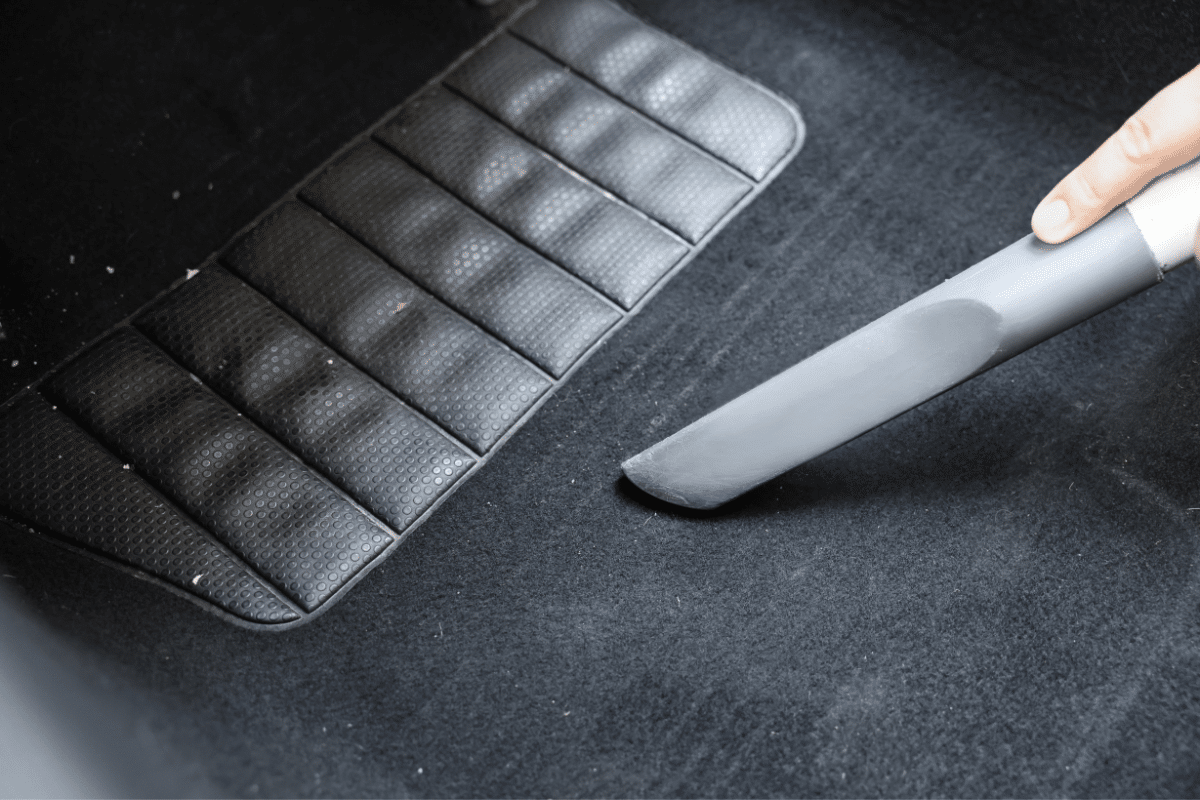
Use a soft detailing brush or clean paintbrush to loosen dust from vents, seams and buttons while you hold the vacuum nozzle nearby.
Then vacuum the seats, pushing the crevice tool deep into the seams. Move on to the carpet, under the seats and finally the trunk.
Slide the front seats all the way forward and then all the way back. That’s where you’ll find the french fries.
Or maybe that’s just my car.
Step 3: Clean the dashboard, console and door panels
For most hard interior surfaces, this is my basic homemade car interior cleaner:
Homemade Dashboard Cleaner
- 1 cup warm water
- 1 tablespoon white vinegar
- 1 teaspoon Blue Dawn dishwashing liquid
Combine in a labeled spray bottle and shake gently.
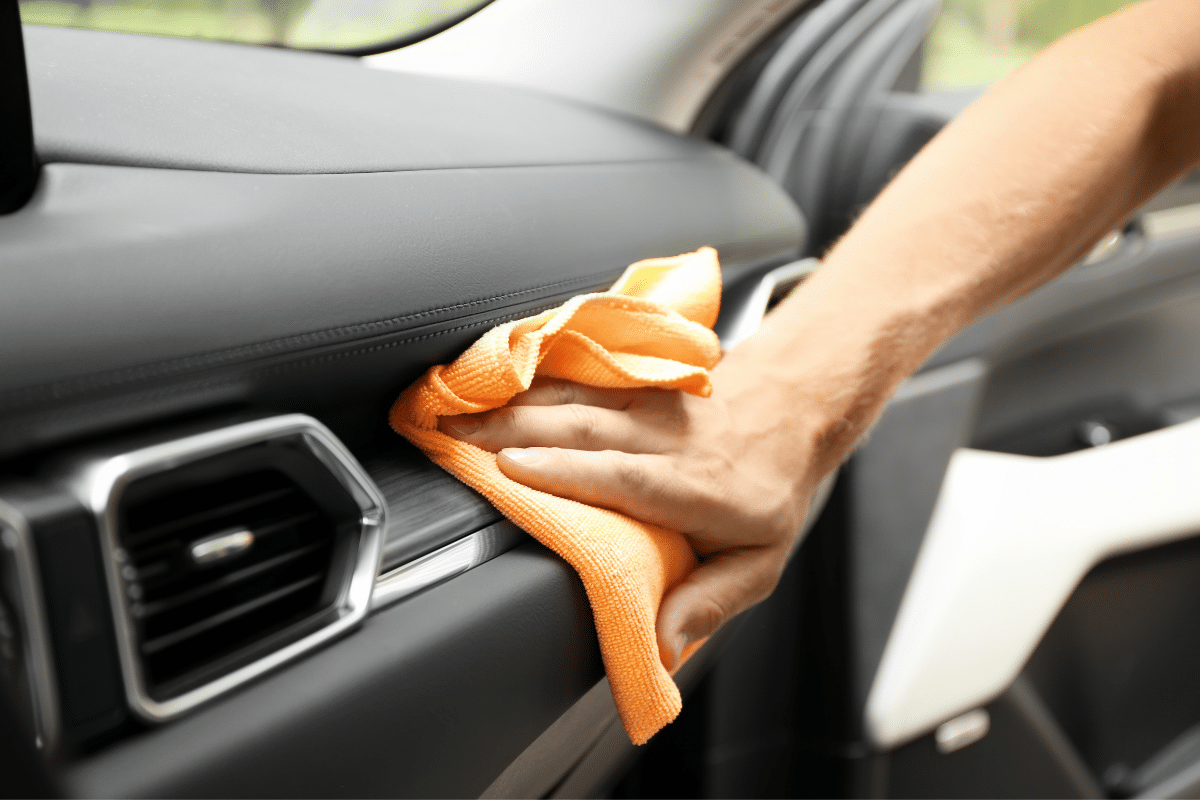
Spray the cloth, not the dashboard. You get better control, and the liquid stays out of vents, switches and electronics.
Wipe the surface, then follow with a clean, dry microfiber cloth. If you notice any soapy residue, wipe again with a clean damp cloth and dry.
Be careful with touchscreens
Don’t assume the dashboard cleaner belongs on your car’s touchscreen or instrument display.
Start with a clean, dry microfiber cloth. If that’s not enough, check your owner’s manual before using anything else. Automotive displays can have specialized coatings, and the recommended cleaning method varies by vehicle.
That’s one place where homemade ingenuity can get expensive in a hurry.
Step 4: Clean cloth seats and upholstery
For cloth seats, my longtime homemade upholstery cleaner is a whipped foam made with Fels-Naptha and borax.
Homemade Upholstery Cleaner
- 6 tablespoons grated Fels-Naptha laundry soap
- 2 tablespoons borax
- 2 cups boiling water
Stir the Fels-Naptha and borax into the boiling water until dissolved. Let the mixture cool for about 30 minutes, until it begins to gel. Then beat it with a whisk or egg beater until it turns into a thick foam.
Always test any upholstery cleaner on a hidden area first.
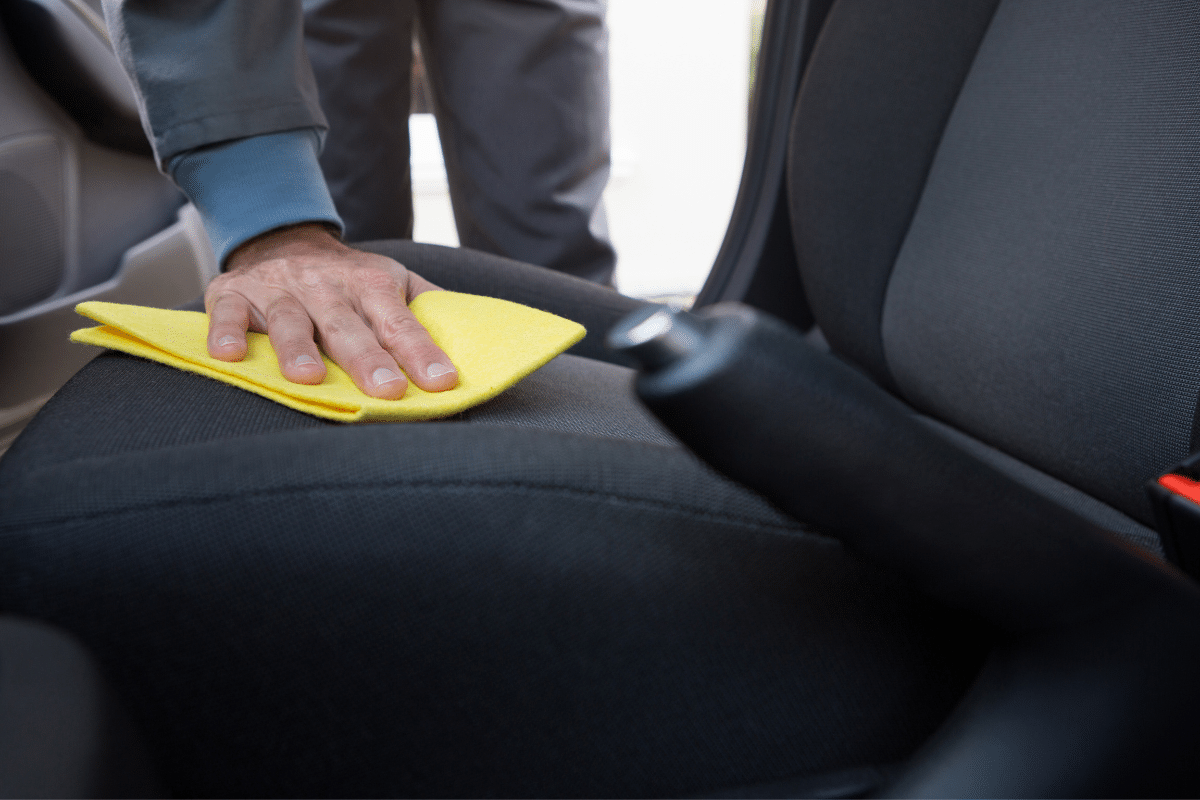
Use a damp cloth to apply the foam rather than soaking the fabric with liquid. Work gently, then wipe with a clean damp cloth and blot with a dry one. Leave the doors or windows open until the upholstery has dried completely.
Go easy on the headliner. Use as little moisture as you can. The fabric is glued to the material underneath, and saturating it can damage the adhesive and lead to sagging.
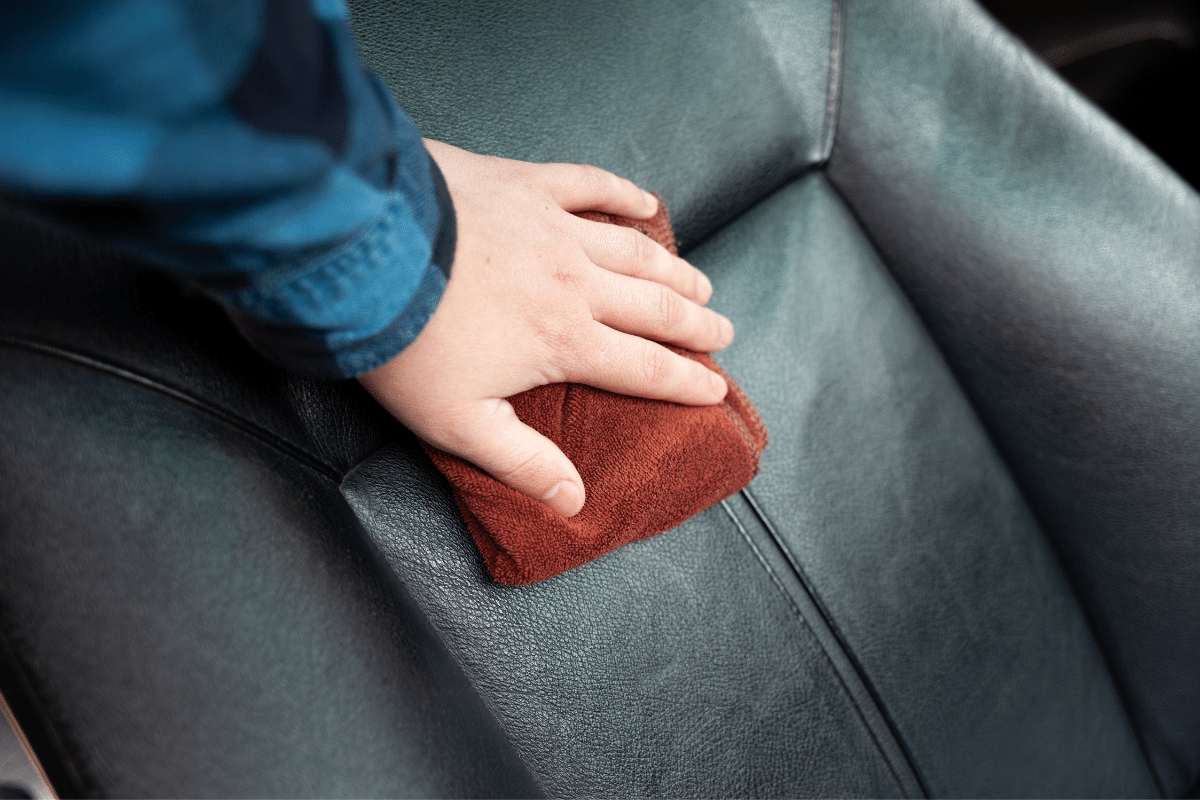
Step 5: Clean leather and vinyl
This is one place where I’ve changed my advice.
I no longer recommend the old vinegar-and-olive-oil leather cleaner from an earlier version of this article. Kitchen oil isn’t something I want sitting on my car seats, and leather care recommendations vary by the type and finish.
For routine dust and light soil, start with a clean microfiber cloth and follow the care instructions for your vehicle’s leather.
For cleaning and conditioning, my longtime favorite was KevianClean, which unfortunately is no longer available. I’ve since switched to Weiman Leather Cleaner & Conditioner Spray. It’s easy to use, it smells pleasant, and it doesn’t leave my seats greasy or coated with residue. It’s made for smooth, finished leather, including car interiors, and cleans and conditions in one step. Weiman says to test it in an inconspicuous spot first and not to use it on suede, nubuck or unfinished leather.
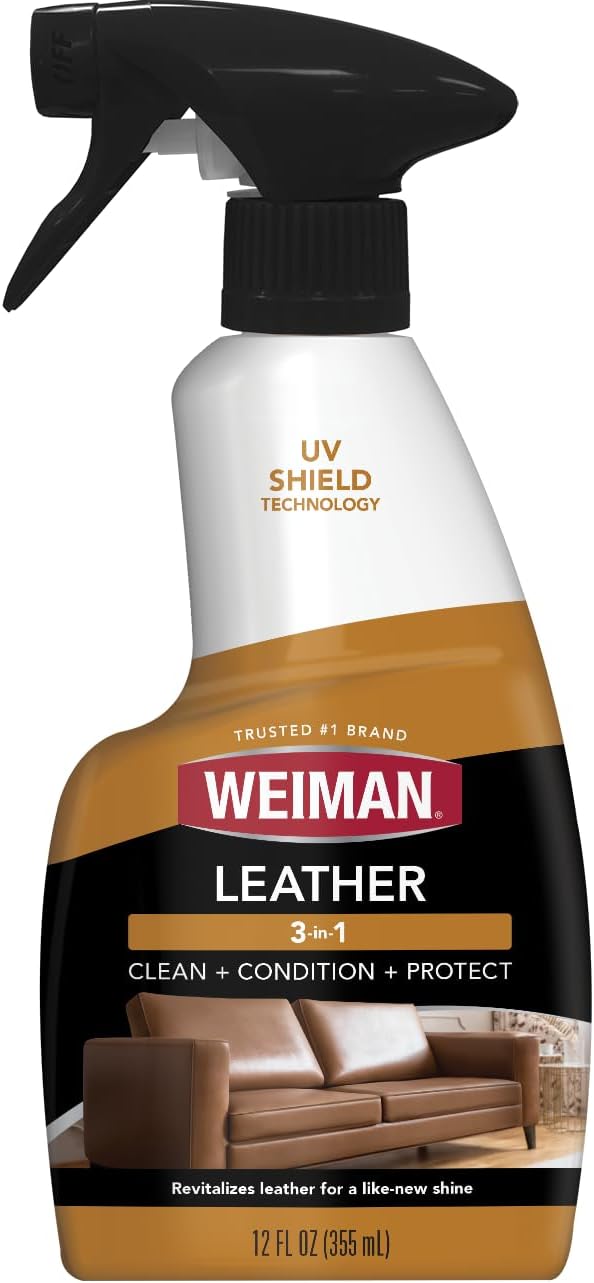
Weiman Leather Cleaner & Conditioner Spray
Follow the product directions and, most importantly, your vehicle manufacturer’s instructions.
For vinyl seats and trim, skip the leather conditioner. Use the mild dashboard cleaner above on a cloth, not sprayed directly on the surface.
Step 6: Clean carpets and floor mats
Vacuum first. Then deal with what’s left.
For odors, sprinkle baking soda over dry carpet, let it sit for at least 15 minutes and vacuum thoroughly.
For dirt and stains, here’s my homemade carpet cleaner:
Homemade Car Carpet Cleaner
- 3 tablespoons grated Fels-Naptha
- 2 tablespoons borax
- 2 cups boiling water
- 10 to 15 drops lavender essential oil, optional
Stir the grated soap and borax into the boiling water until dissolved. Add the essential oil if you’re using it.
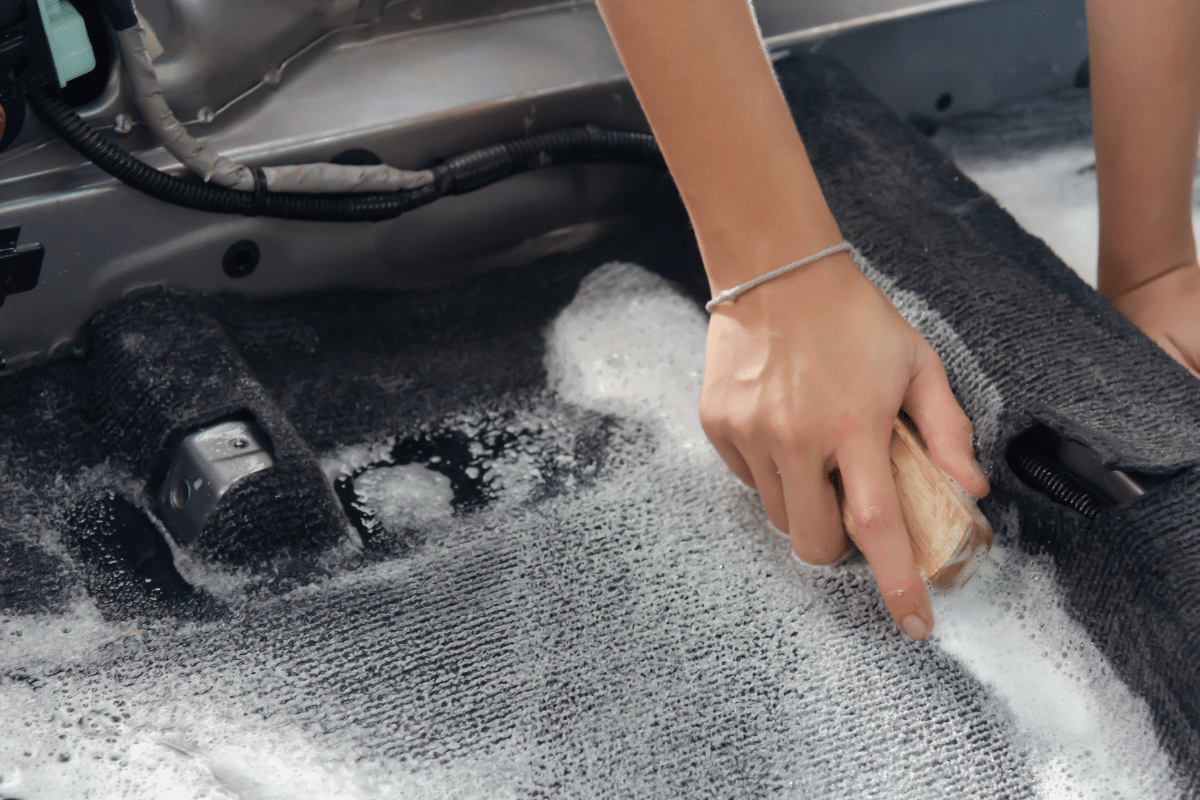
Dip a stiff brush lightly into the cleaner and scrub dirty areas. Blot with a clean damp cloth rather than soaking the carpet. Test first in an inconspicuous area.
Take removable floor mats outside and scrub them separately. Rinse as appropriate for the mat material and let them dry completely before putting them back into the car.
Winter salt stains? Here’s how to remove salt stains from car carpet.
Step 7: Clean windows and mirrors last
Save the glass for last. Otherwise you’ll clean it beautifully and then splatter it while cleaning something else. Ask me how I know.
Homemade Car Window Cleaner
- 2 cups isopropyl alcohol, 70% or 91%
- 2 cups water
- 2 tablespoons white vinegar
- 4 drops Blue Dawn
Combine everything in a labeled spray bottle.
For the inside of the windshield, I spray the cloth rather than the glass. That keeps overspray off the dashboard.
Wipe with one microfiber cloth and buff with a second clean, dry one. Lower each side window a few inches so you can clean that grimy top edge, too.
What about tinted windows? Don’t assume a cleaner that works beautifully on household glass belongs on aftermarket tint. This recipe has no ammonia, but tint products and manufacturer instructions vary. Check the care instructions from your tint manufacturer or installer first.

And yes, black-and-white newspaper still works for cleaning glass. But these days I reach for microfiber. Less mess, no ink on my hands and no hunting for an actual newspaper.
Keep your car clean between details
The easiest full detail is the one you don’t have to do very often.
I keep the basics handy so a spill or sticky mess doesn’t get three months to become part of the car. That’s exactly why I like my homemade car interior cleaning wipes. Keep a container in the car along with a microfiber cloth and a small trash can.
- RELATED: Homemade Car Interior Cleaning Wipes
Then give the car five minutes when you stop for gas or you’re waiting around anyway. Toss the trash, wipe the obvious messes and shake out the mats.
Five minutes now beats excavating the vehicle later.
What does a DIY car detail cost?
By my math, a full interior detail on an average car runs roughly $2 to $3 in cleaning products. Treat that as an estimate, not a receipt.
That includes the homemade cleaners, baking soda and a little Weiman cleaner and conditioner for leather seats. It doesn’t count things you reuse, like microfiber cloths, brushes or the vacuum you already own.
Your cost will vary. A three-row SUV with leather seats takes more product than a little sedan with cloth seats. And if Dawn, vinegar, borax and baking soda already live in your cleaning cupboard, there’s no big shopping trip.
Two or three bucks to get my car clean enough that I don’t mind crawling around looking for Harold’s french fries? I’ll take it.
Homemade car interior cleaner questions
What's the best homemade car interior cleaner?
There isn’t one I’d use everywhere. Dashboards, consoles and compatible hard interior surfaces get warm water with a little Blue Dawn and white vinegar. Cloth upholstery gets the Fels-Naptha-and-borax foam. Leather seats get a product made for finished leather, and glass gets the alcohol-based cleaner. Matching the cleaner to the surface is much safer than grabbing one “all-purpose” bottle.
How often should I detail my car's interior?
When it needs it. A quick vacuum, trash cleanout and wipe-down every few weeks stretches the time between full details. Cars hauling kids, pets, food or a certain husband with a fondness for In-N-Out may need attention more often.
How do I get a bad smell out of my car?
Find the source first instead of covering it with fragrance. Check under seats, between cushions, inside door pockets and under floor mats for food, spills or damp material. Once the source is gone, vacuum the upholstery and carpet thoroughly. Baking soda sprinkled on dry carpet, left to sit and then vacuumed up, helps too. If a musty smell sticks around, look for moisture.
Can I use household glass cleaner on car windows?
Check the label and your vehicle or tint manufacturer’s instructions first. Ammonia-containing glass cleaners may not be right for some aftermarket window films, and specialty coatings can have their own care requirements. When in doubt, don't experiment on an expensive window treatment.
One last thing
A clean car isn’t going to stay clean forever. Mine certainly doesn’t. But once you know the order and have a few homemade cleaners ready, detailing it yourself is a manageable afternoon job.
Now if someone could explain why that french fry always lands under his seat, we’d really be getting somewhere.
Question: What’s the strangest thing you’ve ever found while cleaning out your car? Tell me in the comments.
EverydayCheapskate™ is reader-supported. We participate in the Amazon Services LLC Associates Program and other affiliate advertising programs, designed to provide a means for us to earn from qualifying purchases, at no cost to you.

More from Everyday Cheapskate
 https://www.everydaycheapskate.com/wp-content/uploads/20261019-Skeleton-with-sunglasses-in-closet.png
800
1200
Mary Hunt
https://www.everydaycheapskate.com/wp-content/uploads/EC-Logo-by-Mary-Hunt-Tagline-Trimmed.png
Mary Hunt2026-10-19 11:42:432026-10-19 11:42:4310 Easy Last-Minute Halloween Costumes From Your Closet
 https://www.everydaycheapskate.com/wp-content/uploads/20261015-Sweet-pepper-and-onion-relish-in-a-white-bowl-with-crackers-and-fresh-red-bell-peppers.png
800
1200
Mary Hunt
https://www.everydaycheapskate.com/wp-content/uploads/EC-Logo-by-Mary-Hunt-Tagline-Trimmed.png
Mary Hunt2026-10-15 13:14:022026-10-15 13:14:02Sweet Pepper Onion Relish (Perfect Over Cream Cheese)
 https://www.everydaycheapskate.com/wp-content/uploads/20260917-fall-cleaning-checklist.png
800
1200
Mary Hunt
https://www.everydaycheapskate.com/wp-content/uploads/EC-Logo-by-Mary-Hunt-Tagline-Trimmed.png
Mary Hunt2026-09-17 17:11:012026-09-28 22:48:45Fall Cleaning Checklist: 15 Overlooked Spots to Clean
 https://www.everydaycheapskate.com/wp-content/uploads/20260902-pumpkin-spice-latte-recipe-homemade-diy.png
800
1200
Mary Hunt
https://www.everydaycheapskate.com/wp-content/uploads/EC-Logo-by-Mary-Hunt-Tagline-Trimmed.png
Mary Hunt2026-09-02 16:16:022026-09-02 16:18:35Homemade Pumpkin Spice Latte Recipe (Cheaper, Better, Faster)
 https://www.everydaycheapskate.com/wp-content/uploads/20260831-Portrait-of-a-Pitbull-on-a-yellow-background-homemade-dog-treat-recipes.png
800
1200
Mary Hunt
https://www.everydaycheapskate.com/wp-content/uploads/EC-Logo-by-Mary-Hunt-Tagline-Trimmed.png
Mary Hunt2026-08-31 13:06:072026-09-28 22:49:173 Homemade Dog Treats Recipes Your Dog Will Love Most
 https://www.everydaycheapskate.com/wp-content/uploads/20260826-DIY-cat-litter-deodorizer-kitten-looking-up-at-camera-from-box.png
800
1200
Mary Hunt
https://www.everydaycheapskate.com/wp-content/uploads/EC-Logo-by-Mary-Hunt-Tagline-Trimmed.png
Mary Hunt2026-08-25 21:17:362026-09-28 22:49:26The One-Ingredient Litter Box Trick That Costs Pennies
 https://www.everydaycheapskate.com/wp-content/uploads/20260822-central-AC-maintenance-air-condenser-outdoors.png
800
1200
Mary Hunt
https://www.everydaycheapskate.com/wp-content/uploads/EC-Logo-by-Mary-Hunt-Tagline-Trimmed.png
Mary Hunt2026-08-22 14:19:562026-09-28 22:49:43How to Extend the Life of Your Central AC (5 Late-Summer Tune-Up Tips)
 https://www.everydaycheapskate.com/wp-content/uploads/20260809-how-to-get-the-smell-out-of-towels-stack-of-towels-sitting-with-candle-in-bright-natural-light.png
800
1200
Mary Hunt
https://www.everydaycheapskate.com/wp-content/uploads/EC-Logo-by-Mary-Hunt-Tagline-Trimmed.png
Mary Hunt2026-08-08 16:48:552026-08-08 16:50:57How to Get Smell Out of Towels: The 2-Wash Fix That Works
 https://www.everydaycheapskate.com/wp-content/uploads/20260729-the-problem-with-fabric-softener-sitting-on-a-washer.png
800
1200
Mary Hunt
https://www.everydaycheapskate.com/wp-content/uploads/EC-Logo-by-Mary-Hunt-Tagline-Trimmed.png
Mary Hunt2026-07-29 13:45:412026-07-29 13:47:50Fabric Softener Is Wrecking Your Laundry. Here’s What Actually Works.


Thank you so much for these recipes! I used the dashboard cleaner recipe to help ready my car for sale. I have allergies and chemical sensitivities and can’t handle the commercial stuff! I didn’t have a spray bottle so I just dribbled a little on a cloth and wiped down.
Another super great tip: Use men’s shaving cream to clean upholstery. Spray it on, rub it in and wait 30 minutes or so. Scrub and wipe with a damp cloth. I saw the tip on TikTok. My son’s seats and middle cover were stained from foods. And it stunk from dog smell the previous owner had. And it cleaned the stains and got rid of the funk. OxyClean for cars, don’t bother! A much cheaper alternative.
As someone who loves taking care of their car, this article has become my go-to guide for interior detailing. The homemade cleaners are easy to make and deliver outstanding results. Highly recommend.
I just wanted to take a moment to thank you for the amazing content you’ve been producing on your blog. I came across your recent post on How to Detail Car Interior and Passionate Auto Detail, and it was incredibly informative and well-written. Your post offered some fantastic ideas that I will be incorporating into my business.
Thank you! Happy to hear it is helpful.
I always wonder about cleaning my leather seats. Since they are heated and cooled, they have little holes that catch ‘stuff’ in them. I’m afraid they will catch the cleaner and render them ineffective.
Don’t spray directly on the leather. Spray the cleaning cloth and then use that to apply to the seats.
Dear Mary,
Thank you for all your tips. I do have a question about the Fels Napa, thought. I am allergic to it. I tried using it in one of your other recipes, Laundry, I think and could not stop sneezing. My husband would grate it for me, but when I used it, all I could do was sneeze. Is there another soap I could use. Thank you, Anita
Could you just have someone else grate it for you? You can substitute with Zote Laundry Bar Soap, but it is a bit pricey.