

27 Things You Should Never Put in the Fridge (and Why It Matters!)


Is your fridge packed to the brim? Before you start eyeing a bigger model, take a closer look—because you might be storing things in the refrigerator that don’t belong there in the first place. Some foods lose flavor, texture, or even nutritional value when chilled, while others become completely inedible. The good news? Knowing what not to refrigerate can free up space, keep your groceries fresher for longer, and help you cut down on waste.

While certain foods must be refrigerated, others actually do better at room temperature. And then there are those tricky in-between items that can survive in either spot. Do you know which ones really shouldn’t be in the refrigerator? You might be surprised!
Fruits That Hate the Fridge
1. Tomatoes

Want your tomatoes to taste like cardboard? Stick them in the fridge. The cold stops the ripening process, messes with their texture, and dulls their flavor—leaving you with mealy, tasteless fruit (yes, tomatoes are fruit!). Ever notice how grocery stores keep them out of the refrigerated section? There’s a reason for that.
Instead, store fresh tomatoes on the countertop at room temperature, stem-side up to prevent bruising. If you grow your own, leave a small piece of the vine attached when harvesting. This little trick helps them stay fresh longer and can even boost their flavor. Want to slow ripening? Keep them in a cool, shady spot, but skip the fridge!
2. Unripe Bananas

Bananas are one of the few fruits that keep ripening after they’re picked—but only if you let them. Pop them in the fridge too soon, and you’ll put that ripening process on ice (literally). Instead, keep unripe bananas on the countertop, away from direct sunlight, and let nature do its thing.
Once they reach peak ripeness, you can refrigerate them to slow down further ripening. Just don’t panic when the peel turns black—that’s totally normal. The fruit inside stays perfectly sweet and ready for smoothies, oatmeal, or, let’s be honest, banana bread.
3. Citrus Fruit

Oranges, lemons, limes, and grapefruits thrive at room temperature. While it might seem logical to keep them chilled, the cold air in the fridge can actually dry them out, dull their bright flavors, and even cause the rinds to harden.
For the juiciest, most flavorful citrus, store them in a cool, dry place—like a fruit bowl on the counter. If you have an abundance and need to keep them fresh longer, refrigeration is an option, but let them come to room temperature before eating for the best taste.
4. Uncut Melon

Melons, like watermelon and cantaloupe, get sweeter and more flavorful when left to ripen at room temperature. But here’s something you might not know—the fridge can actually zap some of their nutritional value. Chilled temperatures can reduce the antioxidants found in melons, meaning you’re missing out on some of their natural health benefits.
Plus, let’s be honest—whole melons hog a ridiculous amount of fridge space. Instead, keep them on the countertop until you’re ready to slice in. Once cut, transfer the leftovers to an airtight container and refrigerate for up to three days to keep them fresh.
A quick note on honeydew: Unlike its melon cousins, honeydew won’t ripen further once it’s picked. Whether in the fridge or on the counter, it’s as ripe as it’ll ever be.
5. Green Avocados

A perfectly ripe avocado is a thing of beauty—but patience is key! If you toss an unripe avocado in the fridge, it’ll stubbornly refuse to ripen, staying rock-hard for what feels like forever. Instead, keep it on the counter and let nature do its thing.
Once your avocado is just right, you can extend its life by popping it in the fridge. The skin may darken, but the creamy goodness inside will stay fresh for a few extra days—just in time for that perfect batch of guacamole.
6. Nuts

Storing nuts in the fridge might seem like a good idea, but it can actually rob them of their rich, nutty flavor. Worse, they’re like little sponges, soaking up odors from everything around them—garlic-scented almonds, anyone? No thanks. Plus, the cold can make them soft instead of crisp and crunchy.
For short-term storage (a week or two), keep nuts in a covered container in the pantry or even in a bowl on the countertop for easy snacking. If you’ve stocked up and won’t go through them quickly, the best long-term storage is the freezer. Just use an airtight container or vacuum-sealed bag to lock in freshness and keep them from absorbing any weird freezer smells.
7. Strawberries

Refrigerating strawberries—or any berries, for that matter—can zap their natural sweetness and turn them into sad, mushy versions of their former selves. Instead, store fresh strawberries on the countertop, out of direct sunlight, and aim to use them within a day or two for the best flavor and texture.
One more thing: Keep them dry. Moisture is the enemy of fresh berries. Wait to wash them until you’re ready to eat, or they’ll spoil much faster. If you need to store them a bit longer, arrange them in a single layer on a paper towel in a breathable container, but even then, don’t expect them to last more than a couple of days. Fresh berries are meant to be enjoyed quickly.
8. Apples

For the best flavor and texture, keep fresh apples on the countertop. While refrigeration can help them stay crisp longer, there’s a catch—apples naturally release ethylene gas, which can cause nearby fruits and veggies to ripen (or spoil) faster than you’d like.
If you do need to store apples in the fridge, take a simple extra step: Place them in an airtight container or a sealed bag. This keeps them from affecting other produce while still maintaining their crunch. And if an apple starts to soften? Time for applesauce, pie, or a quick snack with peanut butter.
9. Cucumbers

Cucumbers might seem like fridge staples, but they’re actually pretty sensitive to the cold. Storing them below 50°F can lead to chilling injuries—think soft, mushy spots, watery texture, and faster decay. Not exactly the crisp, refreshing crunch you’re hoping for.
For the best results, keep whole, uncut cucumbers at room temperature. Stored this way, they can stay fresh for up to two weeks. If you’ve already sliced one, wrap it tightly and refrigerate, but plan to use it within a day or two for the best texture.
10. Peaches

Peaches—and their stone fruit cousins like nectarines, plums, and apricots—suffer the same sad fate as tomatoes when stored in the fridge. The cold can zap their sweetness, dull their flavor, and leave you with mealy, disappointing fruit.
For the juiciest, most flavorful peaches, store them at room temperature in a fruit bowl. Let them ripen naturally, and once they’re perfectly soft and fragrant, enjoy them within a few days. If you absolutely must refrigerate, do it only when they’re fully ripe to slow down spoilage—but expect a slight downgrade in texture.
Veggies That Should Stay at Room Temperature
11. Raw Potatoes

Tossing potatoes in the fridge might seem like a good idea, but cold temps actually mess with their natural starches, turning them into sugar too quickly. The result? Weirdly sweet, gritty-textured spuds that won’t cook up quite right.
For the best flavor and texture, store raw potatoes in a cool, dark, and well-ventilated spot—like a pantry or a breathable basket. Keep them away from onions, which can speed up spoilage. And whatever you do, don’t wash them until you’re ready to use them—moisture invites sprouting and rot.
12. Dry Onions

Whole, uncut onions and refrigerators do not mix. The fridge’s humidity turns them into a mushy, moldy mess in no time. Even worse, the cold converts their natural starches into sugars, which can make them taste oddly sweet—and if left long enough, they’ll liquefy into a slimy disaster. Yuck.
For best storage, keep onions in a cool, dry, well-ventilated space. The easiest option? Leave them in the mesh bag they came in. Want them to last even longer? Try this old-school trick: Drop an onion into the toe of a clean pair of pantyhose, tie a knot above it, add another onion, and repeat. Hang the whole thing in your pantry, and you’ll have fresh onions for a month or more!
13. Fresh Garlic

Garlic and refrigerators don’t get along. The moisture inside can cause unpeeled cloves to sprout or turn moldy faster than you’d think. Plus, unless you want your butter and berries to have a garlicky aftertaste (yikes!), it’s best to keep those pungent bulbs out of the fridge.
For the longest shelf life, store whole, unpeeled garlic bulbs in a cool, dry place with good air circulation—like a mesh bag or a ventilated basket. This way, they’ll stay fresh and flavorful for weeks, if not months.
Pantry Staples That Last Longer Without Refrigeration
14. Honey

Honey is one of those magical foods that never goes bad—thanks to its natural preservative power (sugar!). As long as it’s stored in a sealed container, it can last forever. The fridge, however, is not its friend. Cold temps can cause honey to crystallize and turn into a sticky rock-hard mess that will have you wondering if it’s still edible.
But don’t panic if you’ve already made the fridge mistake. Simply place the honey jar in a pot of warm water, and let it slowly return to its liquid state. It might take some time, but trust me, it’s worth the wait. Just be patient, and your honey will be as good as new.
15. Coffee Beans & Ground Coffee

Coffee is one of those simple joys in life that can be easily ruined by improper storage. When you refrigerate coffee beans or ground coffee, the moisture in the fridge can quickly rob them of their rich, robust flavor. Even worse, the fridge can make your coffee taste flat and stale. The freezer is only a better option if the beans are in a vacuum-sealed bag, and even then, it’s a bit of a gamble.
For the best flavor, store roasted coffee beans in a sealed container on your pantry shelf or countertop away from sunlight. To keep your coffee at its peak, try to use the beans within two weeks of roasting, and once ground, use them within a couple of hours. That’s the sweet spot for a fresh, aromatic cup that hits just right.
16. Oils

When it comes to oils, the fridge is not their friend. Vegetable oil, olive oil, and other common cooking oils will solidify in the cool temperatures of the refrigerator, making them harder to pour and less effective for cooking. Instead, store these oils in a cool, dark spot in your pantry to keep them in liquid form and preserve their flavor.
However, nut-based oils (like walnut or hazelnut oil) are an exception. These should be stored in the fridge to maintain freshness and prevent them from turning rancid too quickly.
17. Hot Sauce

Hot sauce is one condiment that thrives at room temperature. With its high vinegar content and bold, fiery flavors, hot sauce is naturally preserved and doesn’t need refrigeration to stay safe. In fact, the fridge can actually dull its heat and alter its signature tangy kick.
The peppers in hot sauce remain just as potent when stored in a cabinet or pantry—no need to take up valuable fridge space. So, unless the label specifically recommends refrigeration (which is rare), keep your hot sauce on the countertop and let the flavors shine through until it’s time to use it up.
18. Peanut Butter and Spreads

Peanut butter and spreads like Nutella are best kept out of the fridge. When refrigerated, they can turn into a thick, stubborn block that’s nearly impossible to spread.
Unless the jar specifically says otherwise (this is common with natural varieties that contain fewer preservatives), store your peanut butter and chocolate spreads in the pantry. This keeps them at their smooth, spreadable best for sandwiches, toast, or whatever you use them for. Just give it a good stir when you first open the jar, and you’re all set.
19. Bread

It might seem like a good idea to store bread in the fridge, especially with its moisture content. After all, it’s supposed to keep mold at bay, right? But here’s the catch: while it slows mold growth, refrigeration actually makes bread tough, chewy, and well, just not as tasty.
Instead of popping it in the fridge, store your bread at room temperature in a cool, dry place—just keep it tightly wrapped or in a breadbox to maintain freshness. And if you know you won’t use the whole loaf before it starts to go stale, toss it in the freezer. Bread freezes beautifully for up to a month. The same goes for cookies and pastries—just reheat for that fresh-baked flavor.
20. Coconut Oil

Coconut oil is a pantry staple with a shelf life of up to two years when stored at room temperature. So, there’s no need to keep it in the fridge—unless, of course, you enjoy scraping out rock-hard coconut oil with a chisel. When kept in a cool, dark place, it remains soft and scoopable, ready for cooking and skincare.
21. Ketchup

22. Soy Sauce

Thanks to its high salt content, soy sauce is one condiment that doesn’t need to be refrigerated, even after opening. The salt acts as a natural preservative, keeping it perfectly safe at room temperature. The same goes for other similar condiments like teriyaki sauce or Worcestershire sauce. But hey, when in doubt, just take a peek at the label—if it says otherwise, follow those instructions. Otherwise, keep it on the shelf and save that fridge space.
23. Spices

24. Jam and Jelly

Thanks to their high sugar content, most jams and jellies are perfectly happy living in the pantry for up to a month after opening. No need to squeeze them into the fridge, where they might lose some of their spreadable charm. But as always, double-check your specific brand’s label for any special instructions. In general, room temperature is the way to go for your favorite fruity spreads.
More Foods that Thrive Outside the Fridge
25. Fresh Basil

Fresh basil is so lovely and useful, but storing it in the fridge? Not the best move. When basil hits the cold, it absorbs the smells of other foods and turns black. Instead, keep your basil on the countertop with its stems submerged in water, like a little bouquet of flavor. This simple trick will keep your basil fresh and vibrant longer—no fridge required.
26. Chocolate

27. Batteries

Batteries are one of those things that many people mistakenly believe should be stored in the fridge or freezer to extend their life. The truth? Extreme cold (or heat) can actually shorten their performance. Storing batteries in the fridge doesn’t help and can even harm them.
Instead, keep them in a clean, dry, room-temperature spot. Major battery brands recommend this as the ideal storage condition. A properly stored battery, like your typical alkaline variety, will only lose about 3% of its charge per year. Single-use lithium batteries lose even less, making fridge storage unnecessary. Keep it simple—room temperature is all they need!
Question: What’s one thing you used to refrigerate, only to learn you were doing it all wrong? Join the conversation in the comments below.

More from Everyday Cheapskate
 https://www.everydaycheapskate.com/wp-content/uploads/20260913-how-to-winterize-your-home-snowy-driveway-suburban-home.png
800
1200
Mary Hunt
https://www.everydaycheapskate.com/wp-content/uploads/EC-Logo-by-Mary-Hunt-Tagline-Trimmed.png
Mary Hunt2026-09-13 15:32:142026-09-13 15:32:14The Complete Guide to Winterizing Your Home This Fall
https://www.everydaycheapskate.com/wp-content/uploads/20260913-how-to-winterize-your-home-snowy-driveway-suburban-home.png
800
1200
Mary Hunt
https://www.everydaycheapskate.com/wp-content/uploads/EC-Logo-by-Mary-Hunt-Tagline-Trimmed.png
Mary Hunt2026-09-13 15:32:142026-09-13 15:32:14The Complete Guide to Winterizing Your Home This Fall https://www.everydaycheapskate.com/wp-content/uploads/20260830-best-sound-machine-for-better-sleep-woman-hiding-under-comforter.png
800
1200
Mary Hunt
https://www.everydaycheapskate.com/wp-content/uploads/EC-Logo-by-Mary-Hunt-Tagline-Trimmed.png
Mary Hunt2026-09-10 09:51:452026-09-10 09:51:45Best Sound Machine for Better Sleep: 3 Honest Picks
https://www.everydaycheapskate.com/wp-content/uploads/20260830-best-sound-machine-for-better-sleep-woman-hiding-under-comforter.png
800
1200
Mary Hunt
https://www.everydaycheapskate.com/wp-content/uploads/EC-Logo-by-Mary-Hunt-Tagline-Trimmed.png
Mary Hunt2026-09-10 09:51:452026-09-10 09:51:45Best Sound Machine for Better Sleep: 3 Honest Picks https://www.everydaycheapskate.com/wp-content/uploads/20260910-cooking-mistakes-and-how-to-avoid-them-woman-at-stovetop-with-steam-coming-from-pot.png
800
1200
Mary Hunt
https://www.everydaycheapskate.com/wp-content/uploads/EC-Logo-by-Mary-Hunt-Tagline-Trimmed.png
Mary Hunt2026-09-09 12:12:532026-09-09 12:12:535 Cooking Mistakes That Are Quietly Wrecking Your Dinner
https://www.everydaycheapskate.com/wp-content/uploads/20260910-cooking-mistakes-and-how-to-avoid-them-woman-at-stovetop-with-steam-coming-from-pot.png
800
1200
Mary Hunt
https://www.everydaycheapskate.com/wp-content/uploads/EC-Logo-by-Mary-Hunt-Tagline-Trimmed.png
Mary Hunt2026-09-09 12:12:532026-09-09 12:12:535 Cooking Mistakes That Are Quietly Wrecking Your Dinner https://www.everydaycheapskate.com/wp-content/uploads/20260906-best-can-openers-manual-electric-luxury.png
800
1200
Mary Hunt
https://www.everydaycheapskate.com/wp-content/uploads/EC-Logo-by-Mary-Hunt-Tagline-Trimmed.png
Mary Hunt2026-09-06 18:07:432026-09-06 18:10:39The Best Can Openers That Actually Work (And Won’t Quit on You)
https://www.everydaycheapskate.com/wp-content/uploads/20260906-best-can-openers-manual-electric-luxury.png
800
1200
Mary Hunt
https://www.everydaycheapskate.com/wp-content/uploads/EC-Logo-by-Mary-Hunt-Tagline-Trimmed.png
Mary Hunt2026-09-06 18:07:432026-09-06 18:10:39The Best Can Openers That Actually Work (And Won’t Quit on You)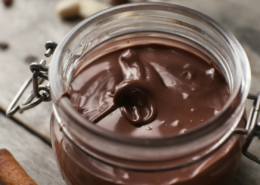 https://www.everydaycheapskate.com/wp-content/uploads/20260906-homemade-hot-fudge-chocolate-sauce-recipe.png
800
1200
Mary Hunt
https://www.everydaycheapskate.com/wp-content/uploads/EC-Logo-by-Mary-Hunt-Tagline-Trimmed.png
Mary Hunt2026-09-06 15:33:012026-09-06 15:33:01The Best Homemade Hot Fudge Sauce (So Easy, So Rich)
https://www.everydaycheapskate.com/wp-content/uploads/20260906-homemade-hot-fudge-chocolate-sauce-recipe.png
800
1200
Mary Hunt
https://www.everydaycheapskate.com/wp-content/uploads/EC-Logo-by-Mary-Hunt-Tagline-Trimmed.png
Mary Hunt2026-09-06 15:33:012026-09-06 15:33:01The Best Homemade Hot Fudge Sauce (So Easy, So Rich) https://www.everydaycheapskate.com/wp-content/uploads/20260904-easy-baby-back-ribs-recipe-from-oven-to-the-grill.png
800
1200
Mary Hunt
https://www.everydaycheapskate.com/wp-content/uploads/EC-Logo-by-Mary-Hunt-Tagline-Trimmed.png
Mary Hunt2026-09-04 17:27:252026-09-04 17:27:28The Secret to Ribs That Really Do Fall Off the Bone
https://www.everydaycheapskate.com/wp-content/uploads/20260904-easy-baby-back-ribs-recipe-from-oven-to-the-grill.png
800
1200
Mary Hunt
https://www.everydaycheapskate.com/wp-content/uploads/EC-Logo-by-Mary-Hunt-Tagline-Trimmed.png
Mary Hunt2026-09-04 17:27:252026-09-04 17:27:28The Secret to Ribs That Really Do Fall Off the Bone https://www.everydaycheapskate.com/wp-content/uploads/20260902-pumpkin-spice-latte-recipe-homemade-diy.png
800
1200
Mary Hunt
https://www.everydaycheapskate.com/wp-content/uploads/EC-Logo-by-Mary-Hunt-Tagline-Trimmed.png
Mary Hunt2026-09-02 16:16:022026-09-02 16:18:35Homemade Pumpkin Spice Latte Recipe (Cheaper, Better, Faster)
https://www.everydaycheapskate.com/wp-content/uploads/20260902-pumpkin-spice-latte-recipe-homemade-diy.png
800
1200
Mary Hunt
https://www.everydaycheapskate.com/wp-content/uploads/EC-Logo-by-Mary-Hunt-Tagline-Trimmed.png
Mary Hunt2026-09-02 16:16:022026-09-02 16:18:35Homemade Pumpkin Spice Latte Recipe (Cheaper, Better, Faster) https://www.everydaycheapskate.com/wp-content/uploads/20260831-Portrait-of-a-Pitbull-on-a-yellow-background-homemade-dog-treat-recipes.png
800
1200
Mary Hunt
https://www.everydaycheapskate.com/wp-content/uploads/EC-Logo-by-Mary-Hunt-Tagline-Trimmed.png
Mary Hunt2026-08-31 13:06:072026-08-31 13:06:073 Homemade Dog Treats Recipes Your Dog Will Love Most
https://www.everydaycheapskate.com/wp-content/uploads/20260831-Portrait-of-a-Pitbull-on-a-yellow-background-homemade-dog-treat-recipes.png
800
1200
Mary Hunt
https://www.everydaycheapskate.com/wp-content/uploads/EC-Logo-by-Mary-Hunt-Tagline-Trimmed.png
Mary Hunt2026-08-31 13:06:072026-08-31 13:06:073 Homemade Dog Treats Recipes Your Dog Will Love Most https://www.everydaycheapskate.com/wp-content/uploads/20260830-homemade-sloppy-joe-mix-recipe.png
800
1200
Mary Hunt
https://www.everydaycheapskate.com/wp-content/uploads/EC-Logo-by-Mary-Hunt-Tagline-Trimmed.png
Mary Hunt2026-08-30 13:34:482026-08-30 13:34:48Homemade Sloppy Joe Mix: Skip the Store-Bought Packets
https://www.everydaycheapskate.com/wp-content/uploads/20260830-homemade-sloppy-joe-mix-recipe.png
800
1200
Mary Hunt
https://www.everydaycheapskate.com/wp-content/uploads/EC-Logo-by-Mary-Hunt-Tagline-Trimmed.png
Mary Hunt2026-08-30 13:34:482026-08-30 13:34:48Homemade Sloppy Joe Mix: Skip the Store-Bought Packets

Based on my experience lemons and limes stored separately in a plastic bag last much, MUCH longer in the refrigerator than out on the countertop. I’ve had Lemons last for a couple months this way. They always ruin faster at my house out of the fridge. I Good way to put those extra produce bags to use.
I used to put bread, coffee (ground and whole beans), and batteries in the refrigerator, but I stopped doing that quite a while ago. I am good to go on the rest of it, except I do put ketchup and jelly in the refrigerator.
Speaking from my own experience, once opened, my jams, jellies, fruit preserves go in the fridge, for longer storage. I have tried leaving them on the pantry shelf once opened, only to have them start fermenting! Once opened, natural yeast that’s present in the air around us can get into the jar, and start feeding on all that sugar…so, into the fridge go my jams and jellies.
There seems to be a contradiction of how to store citrus fruit; between this post, which states NOT in the refrigerator, and the post titled How to Store Fresh Fruits and Vegetables at Home, which states all citrus should be refrigerated. (post date of June 18, 2021, in paragraph General Guidelines) My oranges are rotating days of in and out of the refrigerator.
LOL! John,
Your fruit are gathering no moss. My produce theory is based on my grocer’s standards. If it’s not refrigerated when I buy it, it doesn’t go into refrigeration in my kitchen. Thanks for the giggle…