

DIY Disinfecting Wipes: Easy, Effective, and Chemical-Free


Is it just me, or has everyone been battling a nasty cold or flu lately? It’s like a never-ending game of tag, but instead of “you’re it,” it’s “you’re sick.” While keeping high-touch surfaces clean is a great way to stop germs from spreading, store-bought disinfecting wipes can get pricey—and often come with harsh chemicals. Here’s the good news: making your own disinfecting wipes is easy, effective, and budget-friendly. Let me show you how!

Over the past few years, many of us have adopted better hygiene habits—frequent handwashing, disinfecting high-touch surfaces, and keeping sanitizer within reach. But let’s face it: as time has passed, some of those habits have faded. With measles making headlines and a nasty cold going around, it’s the perfect reminder that basic hygiene still matters.
Infections often start with our hands. You touch a surface, pick up a germ, and before you know it, you rub your nose, scratch an itch, or absentmindedly touch your mouth—boom, germs have made their way in.
The best defense? Good old-fashioned handwashing with soap and water. But let’s be honest—handwashing alone isn’t enough. High-touch surfaces in our homes, cars, and workplaces—credit cards, phones, remote controls, doorknobs—can be hotbeds for germs. Taking just a few seconds to wipe them down regularly can go a long way in keeping illness at bay.
Why Make Your Own Disinfecting Wipes?
If you’ve ever hesitated at the price of disinfecting wipes, you’re not alone. A Clorox Disinfecting Wipes (75-count) canister costs around $5.50—roughly $0.07 per wipe. If your household goes through a couple of canisters a month, that adds up to nearly $150 a year—just on wipes! Eco-friendly brands like Seventh Generation can cost even more at about $0.10 per wipe.
But it’s not just the price; many store-bought disinfecting wipes contain quaternary ammonium compounds (“quats”)—which are great at killing germs but can be harsh on skin and lungs, especially for kids, pets, or anyone with sensitivities. Add to that synthetic fragrances, preservatives, and the mysterious “proprietary blend,” and it’s easy to see why DIY wipes are a better option.
Good news: you don’t need to spend a fortune on wipes loaded with questionable chemicals. DIY disinfecting wipes are easy to make, cost just pennies, and work just as well—without the overpowering chemical smell. With ingredients like distilled water, rubbing alcohol, vinegar, and essential oils, you can make germ-fighting wipes for as little as $0.02 per wipe. And if you use washable cloths instead of disposable paper towels, you can save even more while cutting down on waste.
Best Materials for DIY Disinfecting Wipes
Choosing the right material for your DIY wipes depends on whether you want disposable or reusable options. Here’s a rundown of the best choices:
Paper Towels: The Easiest Option
If convenience is your top priority, paper towels are the way to go. Choose a strong, absorbent brand like Bounty—nothing worse than flimsy paper falling apart mid-cleanup. Cut or tear them into 7 x 11-inch sections for easy use. If you have the select-a-size variety, even better. Fold them individually before soaking for easy grab-and-go convenience.
Terry Cloth: Reusable But Bulky
A standard washcloth makes a great disinfecting wipe, but it’s a bit overkill for quick cleanups. Instead, cut old washcloths into halves or quarters. They’re sturdy, last through multiple washes, and hold up to heavy-duty cleaning. But remember, you’ll need a designated container or bag for storing used wipes.
100% Cotton Fabric: The Best Reusable Choice
For an eco-friendly, budget-friendly option, cotton fabric is a winner. Repurpose old dish towels, t-shirts, or flannel sheets by cutting them into wipe-sized squares. Cotton is highly absorbent, washes well in hot water, and won’t leave lint behind. Plus, if you hem the edges (or use pinking shears), your wipes will last even longer.
Choosing the Right Disinfectant for Your Wipes
The disinfectant you choose will determine how effective your DIY wipes are. Here’s a breakdown of the best options:
1. SNiPER: My Top Pick
SNiPER Hospital Disinfectant Cleaner and Odor Eliminator is my go-to choice for several reasons. It’s odor-free, fume-free, and alcohol-free, making it perfect for sensitive skin or allergies. Plus, it’s EPA-registered and proven to kill a wide range of bacteria and viruses, including recent threats. While it’s pricier than rubbing alcohol, a little goes a long way, and it can be diluted for long-term savings. Ted Price, from the late NokOut.com, explains it best:
“For most situations, a 50/50 mix of SNiPER and water is sufficient. Simply spray and walk away, allowing it to air dry. For high-touch surfaces or situations involving serious contaminants, full strength is best. When dealing with young children or elderly individuals with compromised health, erring on the side of full strength may be wise. For everyone else, a 50% dilution that remains wet for 5-10 minutes is usually sufficient.”
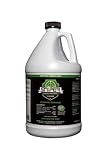
(Disclosure: This post includes an Amazon Creator Connections product. I may earn a small commission if you purchase through the link, at no additional cost to you.)
2. Rubbing Alcohol: A Readily Available Option
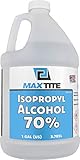
Rubbing alcohol is a great disinfectant, but not all alcohol works equally well. Pure alcohol (100%) evaporates too quickly, so look for 70% isopropyl alcohol, which is more effective at killing germs. Just keep in mind that it has a strong odor and can irritate the skin, especially if you have cuts or dry skin.
3. Hand Sanitizer: Not Always Effective
Not all hand sanitizers are effective at killing bacteria and viruses. Check the label to make sure your sanitizer contains at least 60% alcohol if you’re using it in your wipes. It’s not the best choice, though, as it takes a lot of sanitizer to fully saturate the wipes, making it less practical.
4. DIY Disinfectant Solution
If you’d rather make your own disinfectant, here’s a simple recipe that works great on non-porous surfaces:
What You’ll Need
- 1 cup distilled water
- ½ cup white vinegar
- ¼ cup rubbing alcohol (or more vinegar if omitting alcohol)
- 8-10 drops of optional essential oils (tea tree, lavender, citrus)
Start by combining the ingredients in a glass jar or container. Stir in a few drops of your favorite essential oils for a fresh scent.
Step-by-Step Instructions for Making Disinfecting Wipes
The right container is essential for keeping your wipes fresh and fully saturated. It should be airtight and portable—large, rigid containers tend to let wipes dry out too quickly.
I prefer small sandwich-size zip-top bags. They hold about 12 folded paper towels, fit easily in a pocket, purse, or car console, and let you squeeze out any excess air to keep the wipes moist. Recycled baby wipes containers also work well, as long as they have a tight-fitting lid. If you’re using a rigid container that isn’t fully airtight, make smaller batches to prevent drying out.
Next, fold and place your wipes in the container. Pour in just enough disinfectant to fully saturate them, then squeeze out any air and seal the container. Store it in a cool, dry place—and when you need a wipe, just grab one and start cleaning!

DIY Disinfecting Wipes
Materials
- 1 cup distilled water
- ½ cup white vinegar
- ¼ cup rubbing alcohol or more vinegar if omitting alcohol
- 8-10 drops essential oils optional: tea tree, lavender, citrus
Instructions
- Prepare the solution: Combine water, vinegar, and rubbing alcohol (or extra vinegar if skipping alcohol) in a glass jar or container.
- Add optional ingredients: If using essential oils, add them to the jar and stir well to combine.
- Soak the wipes: Cut rags or paper towels to your desired size and place them in the jar.
- Ensure they’re damp: Pour the solution over the wipes, making sure they are fully damp but not dripping.
- Store & use: Seal the jar tightly and store in a cool, dry place. Pull out a wipe as needed.
Notes
Question: If you could add any scent to your homemade disinfecting wipes, what would it be? Let me know in the comments section below.
EverydayCheapskate™ is reader-supported. We participate in the Amazon Services LLC Associates Program and other affiliate advertising programs, designed to provide a means for us to earn from qualifying purchases, at no cost to you.

More from Everyday Cheapskate
 https://www.everydaycheapskate.com/wp-content/uploads/20261006-prime-big-deal-days-have-landed.png
800
1200
Mary Hunt
https://www.everydaycheapskate.com/wp-content/uploads/EC-Logo-by-Mary-Hunt-Tagline-Trimmed.png
Mary Hunt2026-10-05 11:01:432026-10-07 09:02:53EC’s Top Picks from Amazon Prime Big Deal Days 2026
https://www.everydaycheapskate.com/wp-content/uploads/20261006-prime-big-deal-days-have-landed.png
800
1200
Mary Hunt
https://www.everydaycheapskate.com/wp-content/uploads/EC-Logo-by-Mary-Hunt-Tagline-Trimmed.png
Mary Hunt2026-10-05 11:01:432026-10-07 09:02:53EC’s Top Picks from Amazon Prime Big Deal Days 2026 https://www.everydaycheapskate.com/wp-content/uploads/20261004-reduce-healthcare-costs-with-three-habits-healthy-couple-walking-in-autumn-leaves.png
800
1200
Mary Hunt
https://www.everydaycheapskate.com/wp-content/uploads/EC-Logo-by-Mary-Hunt-Tagline-Trimmed.png
Mary Hunt2026-10-04 23:08:572026-10-04 23:09:47How to Reduce Healthcare Costs With 3 Free Daily Habits
https://www.everydaycheapskate.com/wp-content/uploads/20261004-reduce-healthcare-costs-with-three-habits-healthy-couple-walking-in-autumn-leaves.png
800
1200
Mary Hunt
https://www.everydaycheapskate.com/wp-content/uploads/EC-Logo-by-Mary-Hunt-Tagline-Trimmed.png
Mary Hunt2026-10-04 23:08:572026-10-04 23:09:47How to Reduce Healthcare Costs With 3 Free Daily Habits https://www.everydaycheapskate.com/wp-content/uploads/20241004-news-you-can-use-october-everyday-cheapskate-top-news-articles.png
800
1200
Mary Hunt
https://www.everydaycheapskate.com/wp-content/uploads/EC-Logo-by-Mary-Hunt-Tagline-Trimmed.png
Mary Hunt2026-10-04 01:04:052026-10-09 11:23:31News You Can Use • October 2026
https://www.everydaycheapskate.com/wp-content/uploads/20241004-news-you-can-use-october-everyday-cheapskate-top-news-articles.png
800
1200
Mary Hunt
https://www.everydaycheapskate.com/wp-content/uploads/EC-Logo-by-Mary-Hunt-Tagline-Trimmed.png
Mary Hunt2026-10-04 01:04:052026-10-09 11:23:31News You Can Use • October 2026 https://www.everydaycheapskate.com/wp-content/uploads/20261003-woman-hugging-elderly-mother-sandwich-generation-caring-for-aging-parents.png
800
1200
Mary Hunt
https://www.everydaycheapskate.com/wp-content/uploads/EC-Logo-by-Mary-Hunt-Tagline-Trimmed.png
Mary Hunt2026-10-03 10:47:222026-10-03 10:47:25Sandwiched Between Aging Parents and Adult Children
https://www.everydaycheapskate.com/wp-content/uploads/20261003-woman-hugging-elderly-mother-sandwich-generation-caring-for-aging-parents.png
800
1200
Mary Hunt
https://www.everydaycheapskate.com/wp-content/uploads/EC-Logo-by-Mary-Hunt-Tagline-Trimmed.png
Mary Hunt2026-10-03 10:47:222026-10-03 10:47:25Sandwiched Between Aging Parents and Adult Children https://www.everydaycheapskate.com/wp-content/uploads/20260927-impossible-lasagna-pie-recipe-with-wooden-serving-spoon-in-white-casserole-dish.png
800
1200
Mary Hunt
https://www.everydaycheapskate.com/wp-content/uploads/EC-Logo-by-Mary-Hunt-Tagline-Trimmed.png
Mary Hunt2026-09-28 09:38:592026-09-28 22:48:34Impossible Lasagna Pie: All the Flavor, None of the Noodles
https://www.everydaycheapskate.com/wp-content/uploads/20260927-impossible-lasagna-pie-recipe-with-wooden-serving-spoon-in-white-casserole-dish.png
800
1200
Mary Hunt
https://www.everydaycheapskate.com/wp-content/uploads/EC-Logo-by-Mary-Hunt-Tagline-Trimmed.png
Mary Hunt2026-09-28 09:38:592026-09-28 22:48:34Impossible Lasagna Pie: All the Flavor, None of the Noodles https://www.everydaycheapskate.com/wp-content/uploads/20260926-pov-from-an-aisle-seat-on-an-airplane.png
800
1200
Mary Hunt
https://www.everydaycheapskate.com/wp-content/uploads/EC-Logo-by-Mary-Hunt-Tagline-Trimmed.png
Mary Hunt2026-09-27 19:14:552026-09-27 19:16:27Confessions of a Woman Who Preflights Her Own Escape
https://www.everydaycheapskate.com/wp-content/uploads/20260926-pov-from-an-aisle-seat-on-an-airplane.png
800
1200
Mary Hunt
https://www.everydaycheapskate.com/wp-content/uploads/EC-Logo-by-Mary-Hunt-Tagline-Trimmed.png
Mary Hunt2026-09-27 19:14:552026-09-27 19:16:27Confessions of a Woman Who Preflights Her Own Escape https://www.everydaycheapskate.com/wp-content/uploads/20260925-best-inexpensive-coffee-grinders-burr-manual-and-electric.png
800
1200
Mary Hunt
https://www.everydaycheapskate.com/wp-content/uploads/EC-Logo-by-Mary-Hunt-Tagline-Trimmed.png
Mary Hunt2026-09-25 11:06:342026-10-10 15:49:09The Best Coffee Grinder Upgrade That’s Actually Worth It
https://www.everydaycheapskate.com/wp-content/uploads/20260925-best-inexpensive-coffee-grinders-burr-manual-and-electric.png
800
1200
Mary Hunt
https://www.everydaycheapskate.com/wp-content/uploads/EC-Logo-by-Mary-Hunt-Tagline-Trimmed.png
Mary Hunt2026-09-25 11:06:342026-10-10 15:49:09The Best Coffee Grinder Upgrade That’s Actually Worth It https://www.everydaycheapskate.com/wp-content/uploads/20260919-air-purifier-in-living-room-1.png
800
1200
Mary Hunt
https://www.everydaycheapskate.com/wp-content/uploads/EC-Logo-by-Mary-Hunt-Tagline-Trimmed.png
Mary Hunt2026-09-19 11:36:552026-09-28 22:48:42The Best Inexpensive Air Purifiers for Small Homes
https://www.everydaycheapskate.com/wp-content/uploads/20260919-air-purifier-in-living-room-1.png
800
1200
Mary Hunt
https://www.everydaycheapskate.com/wp-content/uploads/EC-Logo-by-Mary-Hunt-Tagline-Trimmed.png
Mary Hunt2026-09-19 11:36:552026-09-28 22:48:42The Best Inexpensive Air Purifiers for Small Homes https://www.everydaycheapskate.com/wp-content/uploads/20260918-man-and-woman-signing-an-extended-warranty-in-a-car-dealership.png
800
1200
Mary Hunt
https://www.everydaycheapskate.com/wp-content/uploads/EC-Logo-by-Mary-Hunt-Tagline-Trimmed.png
Mary Hunt2026-09-18 15:23:432026-09-18 15:25:43Is an Extended Warranty Ever Worth It? The Truth for 2026
https://www.everydaycheapskate.com/wp-content/uploads/20260918-man-and-woman-signing-an-extended-warranty-in-a-car-dealership.png
800
1200
Mary Hunt
https://www.everydaycheapskate.com/wp-content/uploads/EC-Logo-by-Mary-Hunt-Tagline-Trimmed.png
Mary Hunt2026-09-18 15:23:432026-09-18 15:25:43Is an Extended Warranty Ever Worth It? The Truth for 2026Please keep your comments positive, encouraging, helpful, brief,
and on-topic in keeping with EC Commenting Guidelines
Last update on 2026-10-10 / Affiliate links / Images from Amazon Product Advertising API


So, if using only vinegar, is the recipe 1 Cup water + 3/4 Cup vinegar? How well does that recipe disinfect surfaces? Thank you.
I’m not quite sure of your question, Marie, but if you prefer to work with vinegar (leaving out the rubbing alcohol which is key in this cleaning wipe recipe), the answer is a guarded yes. But understand that diluting 5% acidity vinegar (which is the plain white vinegar you find in your supermarket) with water weakens its germ-fighting abilities. The acetic acid in vinegar is what does the dirty work, breaking down bacteria and some viruses. Watering it down just makes it a less effective cleaner—kind of like trying to stretch a pot of soup by adding more water until it tastes like, well, water. If you want vinegar to create cleaning wipes that will disinfect, use it straight from the bottle. Save the dilution for salad dressing. Did I hear someone say what about 30% cleaning vinegar available in stores like Home Depot? Cleaning vinegar is 6x more potent, so it would be a good option if you want to go with a water dilution. Just keep that jug out of the reach of children and pets, and make sure you are not storing it in your kitchen pantry where it could inadvertently find its way into that salad dressing or pickling recipe! I would opt for a high shelf in the garage. Hope that helps.
I cannot afford SNiPER.
Is there another way to disinfected like Lysol?
I wouldn’t use Lysol as it would be very hard on your skin. I suggest you use rubbing alcohol. That is a great disinfectant. The only problem is that it evaporates very quickly! The container you select must be air-tight if you are making more wipes than you plan to use in the next hour or so. Because alcohol evaporates so quickly, you’ll be left with dry wipes if the container you select is not air-tight.
A glass container like a wide-mouth jar, an old commercial disinfectant wipes container, or a plastic container with a lid works well. It should be large enough to hold 40 folded paper towels and 3 cups of liquid.
Hope that helps!
I haven’t been able to get disinfectant wipes for 6 months. Paper towels disintegrate. I bought a box of WYPALL 60 towels from Amazon. They are strong enough not to tear when wet and being pulled. And large enough that I cut them in half. Love your all your DIY and advice!!
Mary: Is there a safe way to use SNiPER as an effective spray disinfectant similar to Lysol spray? Thank you.
Thanks, Mary. I just ordered some Sniper. Stay well!
For those of us who do not have Sniper, and are using rubbing alcohol, is it the same formula? 50/50? Or do we just pour it on the paper towels? I feel like this article turned into an advertisement for Sniper more than a recipe for disinfectant wipes
It looks like full strength for alcohol. It looks like you should only dilute the product if everyone in your home is at low risk. It also looks like you can dilute it in any amount between 50-99 percent of the product.
Hi Mary, I was fortunate to get one bottle of Sniper right before Ted sold out. I immediately took a snack sized zip back, folded “select-a-size” paper towels in fourths, put them in the bag and added Sniper. When I have ventured out of my house, I take a wipe out of the bag before I even open my car door. I grab the shopping cart with the wipe and proceed to wipe ever area I would ever touch. I grab door handles with the wipes and if at all unsure I even wipe down my purchases.
I’ve used NokOut for years thanks to your articles (and still amaze people that I have 4 cats because my house never smells.) I also work from home, so now adding Sniper to the mix assures me that my clients and I will have a clean environment. Thanks for this great article!
I have a Health Canada approved product with a Drug Identification Number that will disinfect to 99.9% accuracy utensils; glassware; mugs; tops of pop/energy drink cans; aluminum food cans; remotes; hard toys and any other hard surface in your home, car or office. However we have had issues in getting financing to have a new quantity done. Anyone who reads this story and wants to help us get this done please email me: sherri.walsh2018@gmail.com
Someone asked about using Nok Out in place of Sniper since it is out of stock. Can that be done? What is the difference between the two? What makes Sniper kill the viruses and apparently Nok Out does not?
I found these articles from Mary in 2014, so it sounds like the ingredients are the same:
[Links removed as outdated and no longer relevant.]
The articles from 2014 are no longer current. In 2015 due to a change in ownership of the company and the introduction of SNiPER, formulation of Nok-Out was changed. What I can tell you is that SNiPER Hospital Disinfectant has been Registered with and Certified by the EPA to kill COVID-19, SARS, MERSA and other specific viruses.
Can Nok-Out be used as a disinfectant until Sniper is back in stock?
I can’t say 100% yes. I can tell you that Nok-Out is a slightly weaker formulation of SNiPER, which has been approved by the EPA.
Thanks for this timely article. You’re a miracle worker!
I have used Nokout and/or Sniper for years. I am so glad that I ordered a gallon as soon as they sent an email saying it worked on COVID-19. I put it in my fogger and did the entire house over the weekend. This is a great product!
I’m so glad you let us know about Sniper a few months ago! After communicating with the owner of Nok-Out with some questions, I ordered a few of the small spritz bottles that were on a special sale. I shared some with my parents, and I’m grateful I have them. Thank you!
Is there any dilution for Snyper? Just pour onto folded paper towels in a Ziplock bag? I always have it on hand.
Great question. I inquired with Ted Price, owner and this is his response:
For most people, a 50/50 mix will be sufficient for most situations and needs. Spray – and walk away. Allow it to air dry. It may be a good idea to distinguish between people who are healthy and really don’t have much to worry about, and older people whose health is compromised. For the very young and the elderly, perhaps erring towards the ‘disinfected’ stage is warranted. For everybody else, most likely a 50% mix is sufficient. Where you are dealing with something really nasty, like canine parvo, mold, MERSA CDiff and so on—always go full strength.
Thanks, Mary. Your reply appeared after I posted mine…..
So just to make clear, for everyday use as a disinfectant i can put it in a spray bottle and mix with water at a 50/50 ratio? Spray and walk away? No need to wipe it down? Let it air dry on all surfaces? Thanks!
SNiPER, yes that is what I have learned from Ted Price.
That’s exactly what I would like to know too. Can SNiPER be diluted or must it be used full strength?
See above. I am adding Ted’s response to the post. Thanks!
Sniper has been out of stock online as well as at Amazon for the past week. Hoping they will restock as it’s such a great product!
Yes. I am in close touch with Ted Price regarding restocking. We’ll be the first to know! Stick close.
I spoke with Ted and he says 5 pallets of SNiPER ar on their way to him. Expecting delivery in a “few” days.