

How to Clean Your Washing Machine: Easy Steps for Top & Front Loaders


Think your washing machine is squeaky clean just because you run detergent through it? Think again! Over time, bacteria, residue, and even mold can build up, making your clothes smell less than fresh. Regularly cleaning your washer not only keeps your laundry fresh but also ensures the longevity of your machine. Whether you have a front-loader or top-loader, here’s a foolproof guide on how to clean your washing machine effectively!

If you assume the inside of your washer is the cleanest place in your home because you put detergent through it with every load of laundry, join the club. In reality, your washer can be a breeding ground for bacteria, residue, and even mold. It’s time to rethink what “clean” really means and give your machine the deep clean it deserves.
Why You Need to Clean Your Washing Machine
Ever notice dirty residue on your washer’s agitator? Or maybe your freshly washed clothes come out with mystery stains or towels that smell funky no matter how much detergent you use? That unpleasant odor when you open the machine? It’s all thanks to germs and buildup.
In fact, research by Dr. Charles Gerba, a microbiologist at the University of Arizona, found that a single load of underwear can introduce up to 100 million E. coli bacteria into your wash water—potentially contaminating every load afterward. Yikes!
While only 1-2% of the 60,000 germs in your washer are harmful, letting them accumulate can cause those nasty odors to cling to your clothes, towels, and even the washer itself. The solution? A good, regular cleaning routine!
The Importance of Regular Washer Maintenance
If you’re just relying on laundry detergent to handle the grime and bacteria, you’re missing a key step. Without the occasional use of bleach and super-hot water, harmful germs will continue to thrive. Worse yet, you could be transferring them onto your clean clothes—and even your hands—every time you do a load of laundry. Not to mention, that same bacteria lingers in your machine, which is why regular maintenance is crucial for both hygiene and the longevity of your washer.
How to Clean a Washing Machine
Here’s what you’ll need:
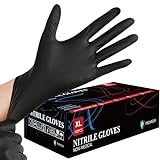
- Rubber or nitrile gloves
- Cleaning cloths
- Old towels (for wiping down and soaking up spills)
- A bucket or container for mixing cleaning solutions
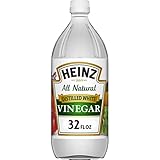
- Plain white vinegar
- Liquid chlorine bleach*
- Hot water (140°F is ideal for sanitizing)
Before you begin, it’s a good idea to turn up your water heater to at least 140°F a few hours in advance. This ensures your wash gets a deep, effective clean.
CAUTION
Experts recommend setting your water heater between 130°F and 140°F for safety. Any higher, and you risk scalding burns; any lower, and you might be inviting harmful bacteria into your water supply.
If the water temperature drops below 130°F, bacteria like Legionella—which causes Legionnaires’ disease, a type of pneumonia—can thrive in the tank. Legionella thrives in water between 77°F and 113°F, so it’s crucial to maintain that sweet spot for both cleanliness and health.


Check Your Owner’s Manual
Your washing machine’s manual likely includes specific cleaning instructions, and it’s worth checking. Many modern washers, like my 9-year-old GE front loader, even have a dedicated “Clean Basket” or similar setting. If yours has one, follow those directions first for the best results. If not—or if you’re looking for a more universal approach—use the general cleaning tips I’ll share next.
How to Clean a Front-Loading Washing Machine
Front-loaders can be notorious for harboring mildew, but a few easy steps will keep them fresh and clean. Follow this monthly routine for best results:
- Empty the drum: Make sure there are no clothes inside before starting. Select the “Tub Clean” or “Basket Clean” cycle, or if your machine doesn’t have this option, use the hottest and longest cycle available.
- Vinegar cycle: Add 2 cups of white vinegar directly to the drum (or the detergent dispenser if applicable). Vinegar helps break down residue and kill odors. Let the machine run through the full cycle.
- Bleach cycle: Run the machine a second time using 2 cups of liquid chlorine bleach to kill any lingering bacteria or mold. Again, run a full wash and rinse cycle.
- Rinse cycle: Run one more cycle with nothing added to ensure all residue is rinsed away.
- Clean the seal: Pull back the rubber door seal and wipe it down with a solution of 1/4 cup bleach to 1 quart of water. Mildew likes to hide here, so make sure to clean thoroughly. Dry the area with a cloth when finished.
CAUTION
Never mix bleach and vinegar. Combining these can create harmful toxic gas, so make sure each step is followed by a thorough rinse.
How to Clean a Top-Loading Washing Machine
Top-loaders also need monthly cleaning to keep them in tip-top shape. Here’s how:
- Vinegar soak: Set your machine to the hottest, largest, and longest cycle. Add 4 cups of white vinegar to the tub, then let the machine agitate for a minute. Pause the cycle and let the vinegar sit for one hour to work its magic.
- Bleach cycle: After the vinegar cycle completes, reset the machine on the same settings, this time adding 4 cups of liquid chlorine bleach. Let it agitate for a minute, then pause and let it sit for one hour before completing the cycle.
- Rinse cycle: Run a third cycle without any additives to thoroughly rinse the machine.
- Clean hidden areas: Using a mixture of 1/4 cup bleach and 1 quart of water, clean around the detergent reservoir, the area under the rim, and any other nooks and crannies where dirt can hide.
Note: If you don’t want to use chlorine bleach, PineSol is a great alternative that’s septic system safe. Just follow the same steps as you would for bleach.
Best Alternative to Chlorine Bleach for Washing Machine Cleaning

Pine-Sol Multi-Surface Cleaner
While chlorine bleach is excellent for sanitizing and killing bacteria in your washing machine, it’s not for everyone. If you’re looking for a gentler option that still packs a punch, PineSol is a fantastic alternative.
PineSol is not only effective at disinfecting your washer, but it’s also safe for septic systems, making it a more eco-friendly choice for many homes. To use PineSol in place of chlorine bleach, simply follow the same cleaning steps. Add it to your machine during the sanitizing cycles, just as you would with bleach, and you’ll enjoy similar germ-killing results without the harsh chemicals.
Keep in mind that, unlike some alternatives, PineSol ensures your washer is truly sanitized while leaving behind a fresh, clean scent.

Bonus Tips for Washer Longevity
- Read the manual: Many washing machines have a “Clean Basket” or “Tub Clean” setting. Check your manual for manufacturer-recommended cleaning cycles.
- Use hot water regularly: Running occasional loads on the hottest setting helps kill germs and remove buildup.
- Wipe down after every use: Leave the door open to allow the drum to dry between loads and prevent mildew growth.
Question: When was the last time you deep-cleaned your washing machine? Be honest… does your washer smell a little funky?
EverydayCheapskate™ is reader-supported. We participate in the Amazon Services LLC Associates Program and other affiliate advertising programs, designed to provide a means for us to earn from qualifying purchases, at no cost to you.

More from Everyday Cheapskate
 https://www.everydaycheapskate.com/wp-content/uploads/20260826-DIY-cat-litter-deodorizer-kitten-looking-up-at-camera-from-box.png
800
1200
Mary Hunt
https://www.everydaycheapskate.com/wp-content/uploads/EC-Logo-by-Mary-Hunt-Tagline-Trimmed.png
Mary Hunt2026-08-25 21:17:362026-08-25 21:17:36The One-Ingredient Litter Box Trick That Costs Pennies
https://www.everydaycheapskate.com/wp-content/uploads/20260826-DIY-cat-litter-deodorizer-kitten-looking-up-at-camera-from-box.png
800
1200
Mary Hunt
https://www.everydaycheapskate.com/wp-content/uploads/EC-Logo-by-Mary-Hunt-Tagline-Trimmed.png
Mary Hunt2026-08-25 21:17:362026-08-25 21:17:36The One-Ingredient Litter Box Trick That Costs Pennies https://www.everydaycheapskate.com/wp-content/uploads/20260824-house-rules-for-adult-children.png
800
1200
Mary Hunt
https://www.everydaycheapskate.com/wp-content/uploads/EC-Logo-by-Mary-Hunt-Tagline-Trimmed.png
Mary Hunt2026-08-24 12:21:382026-08-24 12:23:50House Rules for Adult Children Living at Home (Without Losing Your Mind or Your Garage)
https://www.everydaycheapskate.com/wp-content/uploads/20260824-house-rules-for-adult-children.png
800
1200
Mary Hunt
https://www.everydaycheapskate.com/wp-content/uploads/EC-Logo-by-Mary-Hunt-Tagline-Trimmed.png
Mary Hunt2026-08-24 12:21:382026-08-24 12:23:50House Rules for Adult Children Living at Home (Without Losing Your Mind or Your Garage) https://www.everydaycheapskate.com/wp-content/uploads/20260822-central-AC-maintenance-air-condenser-outdoors.png
800
1200
Mary Hunt
https://www.everydaycheapskate.com/wp-content/uploads/EC-Logo-by-Mary-Hunt-Tagline-Trimmed.png
Mary Hunt2026-08-22 14:19:562026-08-22 14:19:59How to Extend the Life of Your Central AC (5 Late-Summer Tune-Up Tips)
https://www.everydaycheapskate.com/wp-content/uploads/20260822-central-AC-maintenance-air-condenser-outdoors.png
800
1200
Mary Hunt
https://www.everydaycheapskate.com/wp-content/uploads/EC-Logo-by-Mary-Hunt-Tagline-Trimmed.png
Mary Hunt2026-08-22 14:19:562026-08-22 14:19:59How to Extend the Life of Your Central AC (5 Late-Summer Tune-Up Tips) https://www.everydaycheapskate.com/wp-content/uploads/20260819-dry-clean-only.png
800
1200
Mary Hunt
https://www.everydaycheapskate.com/wp-content/uploads/EC-Logo-by-Mary-Hunt-Tagline-Trimmed.png
Mary Hunt2026-08-19 23:38:122026-08-19 23:38:12The Truth About “Dry Clean Only” (And When I Actually Listen to It)
https://www.everydaycheapskate.com/wp-content/uploads/20260819-dry-clean-only.png
800
1200
Mary Hunt
https://www.everydaycheapskate.com/wp-content/uploads/EC-Logo-by-Mary-Hunt-Tagline-Trimmed.png
Mary Hunt2026-08-19 23:38:122026-08-19 23:38:12The Truth About “Dry Clean Only” (And When I Actually Listen to It) https://www.everydaycheapskate.com/wp-content/uploads/20260817-thrift-store-sign-with-blue-cloudy-sky-in-background.png
800
1200
Mary Hunt
https://www.everydaycheapskate.com/wp-content/uploads/EC-Logo-by-Mary-Hunt-Tagline-Trimmed.png
Mary Hunt2026-08-17 09:17:472026-08-17 09:17:47The Donation Box Mistakes Thrift Stores Wish We’d Skip
https://www.everydaycheapskate.com/wp-content/uploads/20260817-thrift-store-sign-with-blue-cloudy-sky-in-background.png
800
1200
Mary Hunt
https://www.everydaycheapskate.com/wp-content/uploads/EC-Logo-by-Mary-Hunt-Tagline-Trimmed.png
Mary Hunt2026-08-17 09:17:472026-08-17 09:17:47The Donation Box Mistakes Thrift Stores Wish We’d Skip https://www.everydaycheapskate.com/wp-content/uploads/20260815-how-to-water-your-lawn-without-wasting-money.png
800
1200
Mary Hunt
https://www.everydaycheapskate.com/wp-content/uploads/EC-Logo-by-Mary-Hunt-Tagline-Trimmed.png
Mary Hunt2026-08-15 12:45:022026-08-15 12:45:02How to Water Your Lawn Without Wasting Money This Summer
https://www.everydaycheapskate.com/wp-content/uploads/20260815-how-to-water-your-lawn-without-wasting-money.png
800
1200
Mary Hunt
https://www.everydaycheapskate.com/wp-content/uploads/EC-Logo-by-Mary-Hunt-Tagline-Trimmed.png
Mary Hunt2026-08-15 12:45:022026-08-15 12:45:02How to Water Your Lawn Without Wasting Money This Summer https://www.everydaycheapskate.com/wp-content/uploads/20260813-real-hourly-wage-for-a-second-income.png
800
1200
Mary Hunt
https://www.everydaycheapskate.com/wp-content/uploads/EC-Logo-by-Mary-Hunt-Tagline-Trimmed.png
Mary Hunt2026-08-13 21:16:562026-08-13 21:18:10What’s the Real Hourly Wage of Your Second Income Job?
https://www.everydaycheapskate.com/wp-content/uploads/20260813-real-hourly-wage-for-a-second-income.png
800
1200
Mary Hunt
https://www.everydaycheapskate.com/wp-content/uploads/EC-Logo-by-Mary-Hunt-Tagline-Trimmed.png
Mary Hunt2026-08-13 21:16:562026-08-13 21:18:10What’s the Real Hourly Wage of Your Second Income Job? https://www.everydaycheapskate.com/wp-content/uploads/20260809-how-to-get-the-smell-out-of-towels-stack-of-towels-sitting-with-candle-in-bright-natural-light.png
800
1200
Mary Hunt
https://www.everydaycheapskate.com/wp-content/uploads/EC-Logo-by-Mary-Hunt-Tagline-Trimmed.png
Mary Hunt2026-08-08 16:48:552026-08-08 16:50:57How to Get Smell Out of Towels: The 2-Wash Fix That Works
https://www.everydaycheapskate.com/wp-content/uploads/20260809-how-to-get-the-smell-out-of-towels-stack-of-towels-sitting-with-candle-in-bright-natural-light.png
800
1200
Mary Hunt
https://www.everydaycheapskate.com/wp-content/uploads/EC-Logo-by-Mary-Hunt-Tagline-Trimmed.png
Mary Hunt2026-08-08 16:48:552026-08-08 16:50:57How to Get Smell Out of Towels: The 2-Wash Fix That Works https://www.everydaycheapskate.com/wp-content/uploads/20260808-emergency-flashlight-multi-day-power-outage-prep.png
800
1200
Mary Hunt
https://www.everydaycheapskate.com/wp-content/uploads/EC-Logo-by-Mary-Hunt-Tagline-Trimmed.png
Mary Hunt2026-08-08 12:30:072026-08-08 12:30:08How to Prep Your Home for a Multi-Day Power Outage
https://www.everydaycheapskate.com/wp-content/uploads/20260808-emergency-flashlight-multi-day-power-outage-prep.png
800
1200
Mary Hunt
https://www.everydaycheapskate.com/wp-content/uploads/EC-Logo-by-Mary-Hunt-Tagline-Trimmed.png
Mary Hunt2026-08-08 12:30:072026-08-08 12:30:08How to Prep Your Home for a Multi-Day Power OutagePlease keep your comments positive, encouraging, helpful, brief,
and on-topic in keeping with EC Commenting Guidelines
Last update on 2026-09-09 / Affiliate links / Images from Amazon Product Advertising API


Most people use way too much detergent. Don’t go by the brand instructions. Measure in tablespoons not ounces. I also add Borax and use vinegar. Thanks Mary for all you do!!
How often is “regular cleaning “
A good rule of thumb is once a month or every 30 cycles, which ever comes first. But you should always check the manual for your particular model.
Hi, Mary! Love all of your tips and tricks! I am having a problem with this one, though, as our brand new top-loader washer won’t let the tub stay full of water when I pause the cycle or lift the lid. Invariably, it always drains out after a few minutes. Any suggestions for how to clean this kind of machine?
Follow the instructions above for a Front-Loading Washing Machine. This process does not require the machine to be paused, opened, or stopper. You run full and complete cycles—three of them!
Years ago I read somewhere to always leave your front loader open for at least one-half hour after the last load so it can dry. If I do this everytime, it never smells. You still have to clean it but no smelly machine in-between cleans!
Thanks so much for these instructions. My front loading washer really needs to be cleaned and I knew you had posted on this before. I was going to look up what you had said before and was blessed when you posted again today.
For years we had an “old school” top loader washing machine which finally broke down last year. Since nobody at our house really wanted to do laundry, I was assigned the task of getting us a new washing machine. I got us a LG-WM4000 washing machine. My family was horrified at my choice and basically assigned me the task do doing the laundry since they didn’t want to mess with a front loader. (I think it was really just an easy excuse to assign me the task of doing the laundry!) I now do the laundry for a family of 4, which includes myself and 3 females. My machine does not has one spec of mold that I can see and smells great. Here is my protocol for keeping it clean.
1. I very rarely use fabric softener, and NEVER at full strength, none at all if I can get away with it. Sometimes, a family member begs and pleads for her beloved Downey. Fine, I used to grudgingly give her one (and only one) capful of her petroleum based carcinogenic liquid wax. But for the last two months what they don’t know is that I’ve poured out that Downey and flushed it down the toilet. What’s actually now in the Downey bottle is now a plant based biodegradable natural fabric softener and even that I have diluted by about 25% with water.
2. If the load has clothes in it (its not a “Tub Clean” or just a spin cycle) I add a scoop of Borax in the tub along with the clothes.
Borax (sodium borate) is slightly stronger than baking soda. With a pH level above 9, borax creates an unfavorable, high-alkalinity environment that kills mold and inhibits it from regrowing. It’s weaker than ammonia, but it’s a natural product and doesn’t produce harmful fumes. The water which is left on the rubble seal now has Borox in it, probably not enough on its own to 100% prevent mold, but probably enough to help slow it down between tub cleans.
3. I always run the “Tub Clean” every 20 or so loads. (LG recommends 30 loads, but in my opinion that’s too many.) Whenever I run “Tub Clean” I use “Washing Machine Cleaner Descaler 24 Pack – Deep Cleaning Tablets For HE Front Loader & Top Load Washer” by “ACTIVE”. (Not an advertisement, use whatever cleaner you want. I use this brand because a YouTube washing machine repair guy recommends it.) You can get it on Amazon.
4. After the last cycle of the day (which is usually around 2:00), I wipe the gasket with a dry towel, make sure to spread the lips of the gasket and also dry the inner surface, all the way around. I also leave the door slightly open when done and also leave the dispenser tray open. Sometimes I even remove the dispenser tray from the machine, turn it upside down and let it dry until next time I wash.
5. Around 10:00 at night before I go to bed, I re-wipe the door boot seal and then run my finger through the lips of it to make sure it is dry. It takes roughly 24 hours for mold spores to grow. If the seal has mold on it, that means I had 24 hours to get it dry and I failed!
6. No bleach, sorry, unless I’m cleaning the drain pipe. To the best of my information, bleach will damage the rubber seals, and that damage MAY begin in as little as 10 minutes.
7. No vinegar, sorry. To the best of my information, vinegar will damage the rubber seals, although I have not been able to find out how long it takes to do so.
8. After every 50 loads, I drain the machine, using that small door on the bottom left and clean the filter. It seems like I am the only person other than washing machine repair men who do this. I have never met another person who does this, even though the manual says to do so every 30 days! The point is though, stagnant water is a good place for bacteria to grow and make the machine stink. I also take this time to remove the drain hose from the drain pipe and wipe the end of it with bleach. The end of that pipe is loaded with bacteria.
They now call me “The Washing Machine Nazi”, but they also admit the wash is noticeably cleaner than it was with the old top loader. They just complain the towels don’t have that fabric softener smell. I tell them to get some essential oil and spray on them.
Can Pinesol be used in the front loaders instead of bleach?? Thank you.
Yes.
How can you remove the Pinesol odor?
How can you remove the Pinesol odor once the washer is clean?
You could run a cycle or two using the hottest water available. It will soon dissipate.
I have a newer washer/dryer. The washer is HE and when you load it with clothes, it spins it partially in both directions to determine how much water to use. (I think) So with nothing in it, will it add water to the machine?
It should have a “Clean” setting that overrides the HE presets. Otherwise check the owner manual.
What about those of us who live in an apartment building with washers we all have to use? Some are top loaders and others are front loaders (which I prefer). I know someone cleans everything pretty thoroughly at least twice a week, but that probably isn’t enough? I don’t use bleach except a water/bleach spray on some white items.
Hi Mary! I live out in the burbs of TX on a septic system. My dishwasher produces a stinky odor in between washes. I clean out the filter often, but the stench remains. Sprinkling Baking soda helps for a short time. Any recommendations to stop the stink?!
Thanks!
Hi Mary! Thanks for all your helpful advice! This is not relevant to Washing machines, but did you know that the Nolo will and trust maker is currently 50% off with code Monday50? I just used it myself.
Yes! Here is the link: Quicken Willmaker & Trust 2023 And be sure to use Code: MONDAY50.
I love my front loader. It never chews up any clothes. Once a week I do a load with bleach, followed by a last rinse with vinegar. Is this enough to keep the machine clean?
What a fantastic newsletter to learn by!
Thank you!
Well, thank you for that, Amy! What a fantastic audience I have in my EC Family.
Mary is the best lady EVER! She helps us with any and everything!! I have been with her since 1998!! Love her!
❣️
My washer does not have agitator in the middle, just a steel tub. Can I do this without one?
Yes, absolutely!
Mary, although we keep our hot water set at about 120-130, when we had to purchase a new washer around 2012…actually one that you had recommended, when I did a load of laundry on the hottest setting, the water ejecting out was not even as hot as what I use to wash dishes by hand.
I called the customer service line and was told that government regulations to prevent scalding and be energy efficient, add cold water so that the temperature is at the approved 98 degrees,-even lower than normal body temperature! I asked the representative how they could sell a washer with a deep cleaning “steam frature” since all 5th graders learn you create steam at 212°. She could not answer. My new washer also does not allow the hot water to go above the safety preset temp.
I done know if putting the hot water in myself manually would screw up the load sensing thing on the washer or would that not be a factor for the cleaning process?
Many of us old people know you have to have hot water to kill germs!
I have been wondering , for quite some time now, why my washing mashing machine DOES NOT SMELL.
SOLUTION: For years, I have stopped using FABRIC SOFTENER. I use VINEGAR INSTEAD.
I’m NOT POSITIVE – but what else can it be.
Even my drawers don’t smell anymore. We were at the point of getting new bedroom CHEST OF DRAWERS furniture, until I started using VINEGAR instead of FABRIC SOFTENER. Halena
I wouldn’t be surprised! Vinegar is a wonderful natural thing … so many uses!
I have been using vinegar for the last rinse for years now! Thanks to Mary! It’s is very inexpensive to buy and I have not used fabric softener in years!! Again, thank you Mary!!
Thanks for sharing, Barbara. It’s my pleasure! xo
I have a front loading machine purchased by the previous owners of my house. I have used Affresh and didn’t care for it. I used the machine cleaning cycle and it took something like four hours!
Since that time, I run a hot water cycle with bleach, then a hot water cycle with white vinegar. I also use borax in most loads and I don’t have an issue with mold or mildew, or with my machine smelling foul. I also always leave the door open when finished with the wash. My next machine will be a top loader again.
I will never ever buy a front loader. We had them growing up in the 70s and the 80s and I hated them. My grandmother had them at her house too. I like the top loaders. They don’t leak, they don’t have to be cleaned as much, they take less time, and you can open them up if you forgot to put a sock in etc. My mothers used to take an hour to do a load and then the dryer wasn’t any better (and they were new) and it took an hour to dry clothes too and you had to empty the water out of it every few days.
Well, Patricia … this is rather irrelevant to knowing how to clean a washer, isn’t it? Modern front-loaders are a big change from the 70s and 80s.
I agree. My apologies. I still wouldn’t buy one. I used my mothers front loader in July and in October and November and I still wasn’t impressed with them. they are slow and take forever. They smell too where my front loaders never smell. LOL
I have a high efficiency washer that won’t fill up completely. Any suggestions? Thanks!
High Efficiency means it uses very little water. So not sure it’s supposed to “fill up completely!” Check your owner manual.
My 15 year old Maytag front loader was able to do this by setting it on hot, then adding the stain cycle, heavy wash, and extra rinse to add more minutes. Took all afternoon for all the steps, but WOW! This is so much cleaner than any “washing machine cleaner” I have tried running through it. Thank you!
I use Affresh washing machine cleaner tablets once a month. Is this an effective way to clean the front loader?
Affresh for front or top loading washing machines contains: Sodium Percarbonate, Sodium Carbonate, Glucono-Delta-Lactone, Polyethylene Glycol, Sodium Acetate, Fragrance. None of those ingredients are known to kill germs like E.coli.
I used Afresh in my top loader, and it did nothing. My washer still smelled as bad as it did before. I also used the vinegar and bleach method and it didn’t help either. But when I read this article, I realized that I hadn’t wiped the inner rim with bleach. So, I’ll start over and remember to wipe the rim this time.
We have a septic tank and can’t use bleach. Any suggestions?
My research says you can use bleach with a septic system. Here is just one expert directive on the subject from Septic Tank Pro: Can You Use Bleach in a Septic System? What’s the Harm? The Answer. There are others so I suggest you do your own independent research.
Mary, she’s right – For the first 40 years of my life I lived where we had a septic tank and we took good care of it – If you put very much bleach thru it – it will kill the bacteria that digest the solids (they have to be liquified to drain out into the septic drain field. (The only thing that should go to the septic tank is the drain from the stool – all other drainage from the house should bypass the septic tank) One of my aunts came to visit and she cleaned our toilet every day with bleach – by the time she went home the septic tank was backing up. My mom put in 2 or 3 batches of Septic Tank cleaner (it replaces the bacteria – but may take a week or two to get the septic tank working properly.
The only people I know who deal with septic tanks who say bleach won’t hurt them are the people who sell the septic tank cleaner (Rid-X is one brand) and the others are the “Honey Dippers” large trucks that clean out septic tank sludge (from septic tanks not maintained correctly)
Like many others, I have hard water where I live. I have always used CLR (Zep works fine, too) once a month to clean the washer for many, many years. Don’t remember where I learned that from, but it seems to work well. Also put some in the fabric softener dispenser at the same time. The directions are on the product label for washers, dishwashers and other items.
Great tip Jean. CLR is a fine product for removing calcium, lime, and rust deposits. But CLR does not kill bacteria and germs.
When we bought our front loading machine 18+ years ago I insisted it have the ability to heat water to 170-180 F (I’ve forgotten which). I had just read an article sponsored by Clorox that showed how much bacteria was left at least around the top of a top loading machine. I was also found that many front loading machine advised against using Bleach in their machines. ( I presumed this was because the machine holds about 1 quart of water after emptying.
It was a tough conversion as I grew up with always bleaching towels, sheets, and cotton underwear! And, yes towels faded but that wasn’t seen as a reason to avoid sanitizing towels! Now I can’t believe that nearly all bedding comes with labeling saying cold water or similar.
Won’t the bleach get rid of odors and mildew? Instead of having to first run a load w the vinegar?
Bleach is not effective against the hard water minerals, soap, and scum that build up in the hoses and gaskets of a washing machine. Vinegar is.
I’ve had a front loader for 16+ years. I started right away with a large scoop of baking soda and leaving the door open slightly. No smells or mold.
My front-load washer’s detergent dispenser will not hold 2 cups. Will the protocol work if I fill simply use as much as it will hold?
Thanks for your un-ending efforts to help us save money in so many ways!
Wondering the same bc neither will mine..
You don’t have to use all the bleach or vinegar in the dispenser. Add a half cup and put the rest directly into the tub itself is how I do it. I have a front loader.