

Stop Chasing Pennies on Your Electric Bill. Do This

I know the feeling. The electric bill shows up, or these days, an email saying your statement is ready. You let it sit a day or two. (Don’t pretend you haven’t.) Then you open it, lock eyeballs with the amount due and think, Seriously?

Before you start blaming every light left on in an empty room, know this: electricity itself has gotten more expensive. The average residential price in the U.S. was 4.9% higher in July 2026 than it was a year earlier, according to the U.S. Energy Information Administration
You may not have much control over the rate your utility charges. But you can lower your electric bill by changing how much electricity your household uses.
Here’s the catch. Not every energy-saving trick is worth the trouble. So no sitting in the dark, no cold showers, and my rule stays the same: don’t spend a lot of money trying to save a little money. We’re going after the biggest energy hogs first.
Heat with gas? Some of this will show up on your gas bill instead. Same idea, different envelope.
Start with the big stuff
Before you crawl behind the television looking for a plug, take a look at the thermostat.
Heating and cooling eat more electricity than almost anything else in your house. There’s no prize for saving pennies on a phone charger while the air conditioner cools an empty house.
Get heating and cooling under control
I’ve handed out the 78-in-summer, 68-in-winter rule before. Some of you groaned, and fair enough. Your house, your climate and your tolerance for sweating are your own business.
The better strategy is to avoid heating or cooling your house more than you have to, especially when you’re asleep or out. The U.S. Department of Energy says you can save as much as 10% a year on heating and cooling by turning your thermostat back 7° to 10°F for eight hours a day.
A programmable or smart thermostat can do that automatically, but don’t assume you need to buy one. If you already have a programmable thermostat, use it. If you’re perfectly capable of making the adjustments yourself, that’s free.
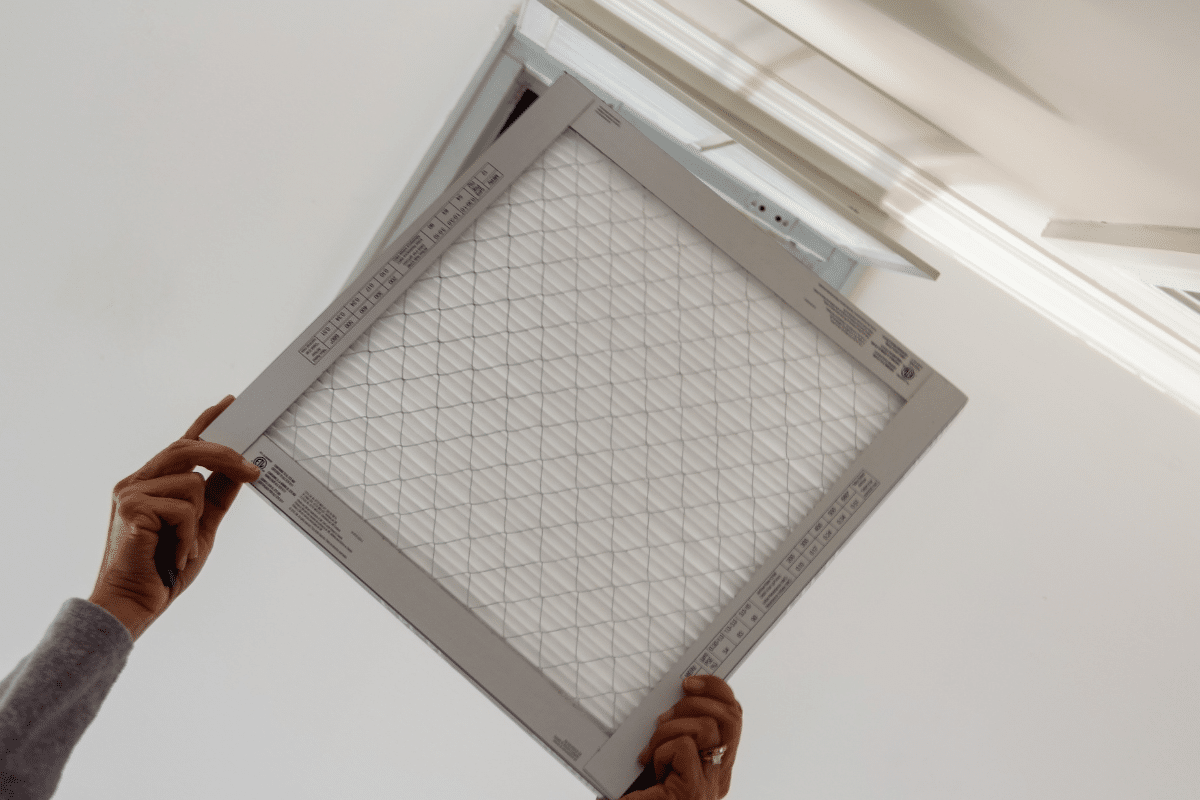
Then give your HVAC system a fighting chance. Check the filter regularly and replace it when it’s dirty. ENERGY STAR recommends checking monthly, especially during heavy-use seasons, and changing it at least every three months. Keep supply and return vents clear of furniture and rugs, and keep leaves and debris away from the outdoor unit.
And don’t forget fans. A ceiling or portable fan can’t change the temperature of a room, but it makes you feel cooler, which lets you set the thermostat a little higher in summer. Just remember: Fans cool people, not empty rooms. When you leave, turn the fan off.
Your ceiling fan also has a little switch that reverses its direction, and it matters in both seasons. I laid out exactly which way to set it in Ceiling Fan Direction: Optimize Your Fan for Summer and Winter Comfort.
Stop paying to heat water you don’t need
Where does all that hot water come from? Turn the faucet and it just appears. Wonderful invention. Not free.
If you have an electric water heater, check the temperature setting. The Department of Energy generally recommends 120°F. If yours is set higher, turn it down. Not sure how? Check the manual or ask a qualified professional.
Then head for the laundry room. ENERGY STAR says about 90% of the energy a washing machine uses goes toward heating the water. That makes washing most clothes in cold water one of those rare money-savers that asks almost nothing of you.
Stop conditioned air from escaping
Heating or cooling your house is expensive enough. Heating or cooling the great outdoors is just rude.
Before you start pricing replacement windows, hunt for the cheap leaks. Check around doors and windows for drafts, replace worn weatherstripping and caulk the gaps. It’s a couple of hours and a few dollars. That’s my kind of project.
If rooms are still drafty or difficult to keep comfortable after you’ve handled the obvious leaks, then it may be time to investigate insulation, ductwork or other problems.

Smaller savings that are actually worth your time
Once the big stuff is handled, a few smaller changes are worth picking up. The operative word here is worth. I’m all for saving electricity. I’m not interested in making it a full-time job.
Make laundry more efficient
When’s the last time you cleaned the lint filter? Do it after every load, and make sure the dryer vent isn’t clogged or restricted, too. That’s an efficiency issue and, more importantly, a safety issue.
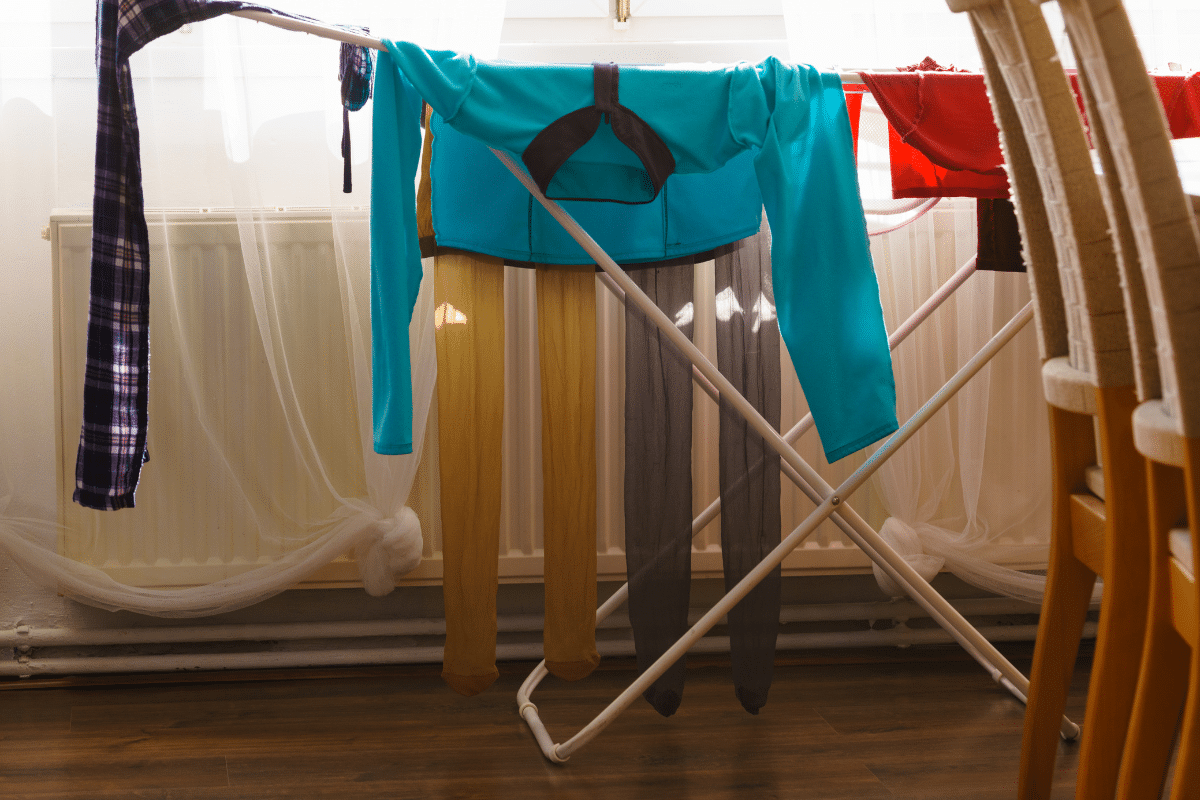
If your dryer has a moisture sensor, use it rather than continuing to tumble clothes that are already dry. Dry similar fabrics together when practical, and air-dry things when it’s convenient.
Let the dishwasher do its job
Here’s one place where our thrifty instincts can lead us astray.
You do not need to stand at the sink washing every plate by hand to prove your frugal credentials. An efficient dishwasher can use less water and energy than hand-washing the same load.
Wait for a full load. Scrape the plates instead of pre-rinsing under running water, and use the air-dry or no-heat setting if your machine has one. Then walk away and let the dishwasher earn its keep. Less work. I could get used to this.
Use your window coverings
Before buying special energy-saving curtains, look at what’s already hanging on your windows.
During hot weather, close blinds, shades or curtains where strong sunlight is heating the room. During colder weather, open them when the sun can warm things up and close them when it can’t.
If one particular window turns a room into an oven every afternoon, better shades or curtains may be worth considering. But use what you own before shopping for something you’re told you need.
Replace the incandescent bulbs that matter
LED bulbs use dramatically less electricity than old-fashioned incandescent bulbs and last much longer. But plenty of homes are already filled with LEDs. If that’s you, congratulations. Move along. There’s nothing to save here.
Still have incandescents? Start with the fixtures you use most and swap those as you can. The closet bulb you flip on twice a year can wait. And yes, turn the lights off when you leave a room. It’s free and takes approximately one finger.
Cut standby power without chasing plugs
“Unplug everything you’re not using.” Sounds like great advice until you picture yourself crawling behind the entertainment center twice a day. No, thank you.
Standby power is real, but it’s small potatoes plug by plug. Look instead for clusters of electronics that don’t need to stay powered all the time, like the entertainment center or the home office. Plug them into a switched power strip and shut them all down at once.
One switch. Done.
Know how your electric bill works
Before you start running the dishwasher at midnight because somebody said electricity is cheaper then, check your rate plan.
Some utilities charge different rates at different times of day. Others don’t. Moving laundry or dishwashing to off-peak hours only saves money if your plan rewards you for it.
And when a bill suddenly makes your eyes pop, compare kilowatt-hours used, not just dollars owed. If your usage stayed about the same but the bill jumped, your rate or other charges may have changed. If your usage jumped, now you know to start looking around the house for what changed.
One more thing: Budget billing can make monthly bills more predictable, but don’t confuse predictable with cheaper. It smooths out the payments. It doesn’t reduce the electricity you use.
Think before you spend
This is where saving electricity can get expensive. A smart thermostat, more insulation, replacement windows and new appliances can all lower your energy use. That doesn’t automatically make any of them a good deal.
Before spending serious money, ask two questions:
- What problem am I solving?
- How long will the savings take to pay for it?
Don’t spend $1,200 to solve a $40 problem.
Smart thermostat
A smart thermostat makes sense if it solves your problem of forgetting to adjust the temperature. If you already have a programmable one and use it faithfully, another gadget probably won’t save enough to matter.
Insulation
Insulation can be an excellent investment if your home actually needs it. But don’t diagnose the problem from one peek into the attic. What you need depends on your climate, what’s already up there and how your house was built. A home energy assessment can show you where you’re actually losing energy before you spend a dime.
Replacement windows
Same goes for replacement windows. A high bill alone shouldn’t sell you thousands of dollars’ worth. Fix the cheap leaks first. If the windows are damaged, failing or need replacing anyway, energy efficiency should certainly factor into what you buy.
New appliances
The same goes for appliances. If the refrigerator needs replacing anyway, compare the yellow EnergyGuide labels and consider ENERGY STAR-certified models. But don’t toss a perfectly good appliance solely because a new one uses less electricity without comparing the purchase price with the expected savings.
Sometimes the cheapest appliance is the one you already own.
If my bill shot up, here’s where I’d start
Feeling overwhelmed? Don’t try to do it all this weekend.
I’d start with the thermostat and HVAC filter. Check the water-heater temperature. Start washing most laundry in cold water. Look for obvious drafts around doors and windows.
Then pull up the bill and compare your kilowatt-hours with the same period last year. If usage is up, hunt for what changed. If usage is flat but the amount due isn’t, take a closer look at your rate and other charges.
Do the free and inexpensive things first. Give them time to show up in your usage. Then decide whether the bigger fixes deserve your money.
That’s a lot more likely to lower your electric bill than spending Saturday on the floor unplugging everything in sight.
Question: What’s one thing that has actually made a noticeable difference in your electric bill? Share your suggestions in the comments below.
EverydayCheapskate™ is reader-supported. We participate in the Amazon Services LLC Associates Program and other affiliate advertising programs, designed to provide a means for us to earn from qualifying purchases, at no cost to you.

More from Everyday Cheapskate
 https://www.everydaycheapskate.com/wp-content/uploads/20261011-Woman-Adjusting-Smart-Home-Device-on-the-Wall-how-to-lower-your-electric-bill.png
800
1200
Mary Hunt
https://www.everydaycheapskate.com/wp-content/uploads/EC-Logo-by-Mary-Hunt-Tagline-Trimmed.png
Mary Hunt2026-10-11 23:01:562026-10-11 23:01:56Stop Chasing Pennies on Your Electric Bill. Do This
https://www.everydaycheapskate.com/wp-content/uploads/20261011-Woman-Adjusting-Smart-Home-Device-on-the-Wall-how-to-lower-your-electric-bill.png
800
1200
Mary Hunt
https://www.everydaycheapskate.com/wp-content/uploads/EC-Logo-by-Mary-Hunt-Tagline-Trimmed.png
Mary Hunt2026-10-11 23:01:562026-10-11 23:01:56Stop Chasing Pennies on Your Electric Bill. Do This https://www.everydaycheapskate.com/wp-content/uploads/20261007-red-present-sitting-in-autumn-leaves-Amazon-Prime-Big-Deal-Days-gifts.png
800
1200
Mary Hunt
https://www.everydaycheapskate.com/wp-content/uploads/EC-Logo-by-Mary-Hunt-Tagline-Trimmed.png
Mary Hunt2026-10-06 23:09:432026-10-06 23:09:43Christmas Shopping in October? These Prime Day Gifts Make Sense
https://www.everydaycheapskate.com/wp-content/uploads/20261007-red-present-sitting-in-autumn-leaves-Amazon-Prime-Big-Deal-Days-gifts.png
800
1200
Mary Hunt
https://www.everydaycheapskate.com/wp-content/uploads/EC-Logo-by-Mary-Hunt-Tagline-Trimmed.png
Mary Hunt2026-10-06 23:09:432026-10-06 23:09:43Christmas Shopping in October? These Prime Day Gifts Make Sense https://www.everydaycheapskate.com/wp-content/uploads/20261006-prime-big-deal-days-have-landed.png
800
1200
Mary Hunt
https://www.everydaycheapskate.com/wp-content/uploads/EC-Logo-by-Mary-Hunt-Tagline-Trimmed.png
Mary Hunt2026-10-05 11:01:432026-10-07 09:02:53EC’s Top Picks from Amazon Prime Big Deal Days 2026
https://www.everydaycheapskate.com/wp-content/uploads/20261006-prime-big-deal-days-have-landed.png
800
1200
Mary Hunt
https://www.everydaycheapskate.com/wp-content/uploads/EC-Logo-by-Mary-Hunt-Tagline-Trimmed.png
Mary Hunt2026-10-05 11:01:432026-10-07 09:02:53EC’s Top Picks from Amazon Prime Big Deal Days 2026 https://www.everydaycheapskate.com/wp-content/uploads/20261004-reduce-healthcare-costs-with-three-habits-healthy-couple-walking-in-autumn-leaves.png
800
1200
Mary Hunt
https://www.everydaycheapskate.com/wp-content/uploads/EC-Logo-by-Mary-Hunt-Tagline-Trimmed.png
Mary Hunt2026-10-04 23:08:572026-10-04 23:09:47How to Reduce Healthcare Costs With 3 Free Daily Habits
https://www.everydaycheapskate.com/wp-content/uploads/20261004-reduce-healthcare-costs-with-three-habits-healthy-couple-walking-in-autumn-leaves.png
800
1200
Mary Hunt
https://www.everydaycheapskate.com/wp-content/uploads/EC-Logo-by-Mary-Hunt-Tagline-Trimmed.png
Mary Hunt2026-10-04 23:08:572026-10-04 23:09:47How to Reduce Healthcare Costs With 3 Free Daily Habits https://www.everydaycheapskate.com/wp-content/uploads/20261004-woman-dreaming-about-her-financial-and-life-goals.png
800
1200
Mary Hunt
https://www.everydaycheapskate.com/wp-content/uploads/EC-Logo-by-Mary-Hunt-Tagline-Trimmed.png
Mary Hunt2026-10-04 12:50:422026-10-04 12:50:42She Lived in a Basement for $100 a Month. Here’s Why.
https://www.everydaycheapskate.com/wp-content/uploads/20261004-woman-dreaming-about-her-financial-and-life-goals.png
800
1200
Mary Hunt
https://www.everydaycheapskate.com/wp-content/uploads/EC-Logo-by-Mary-Hunt-Tagline-Trimmed.png
Mary Hunt2026-10-04 12:50:422026-10-04 12:50:42She Lived in a Basement for $100 a Month. Here’s Why. https://www.everydaycheapskate.com/wp-content/uploads/20241004-news-you-can-use-october-everyday-cheapskate-top-news-articles.png
800
1200
Mary Hunt
https://www.everydaycheapskate.com/wp-content/uploads/EC-Logo-by-Mary-Hunt-Tagline-Trimmed.png
Mary Hunt2026-10-04 01:04:052026-10-11 14:34:17News You Can Use • October 2026
https://www.everydaycheapskate.com/wp-content/uploads/20241004-news-you-can-use-october-everyday-cheapskate-top-news-articles.png
800
1200
Mary Hunt
https://www.everydaycheapskate.com/wp-content/uploads/EC-Logo-by-Mary-Hunt-Tagline-Trimmed.png
Mary Hunt2026-10-04 01:04:052026-10-11 14:34:17News You Can Use • October 2026 https://www.everydaycheapskate.com/wp-content/uploads/20261003-woman-hugging-elderly-mother-sandwich-generation-caring-for-aging-parents.png
800
1200
Mary Hunt
https://www.everydaycheapskate.com/wp-content/uploads/EC-Logo-by-Mary-Hunt-Tagline-Trimmed.png
Mary Hunt2026-10-03 10:47:222026-10-03 10:47:25Sandwiched Between Aging Parents and Adult Children
https://www.everydaycheapskate.com/wp-content/uploads/20261003-woman-hugging-elderly-mother-sandwich-generation-caring-for-aging-parents.png
800
1200
Mary Hunt
https://www.everydaycheapskate.com/wp-content/uploads/EC-Logo-by-Mary-Hunt-Tagline-Trimmed.png
Mary Hunt2026-10-03 10:47:222026-10-03 10:47:25Sandwiched Between Aging Parents and Adult Children https://www.everydaycheapskate.com/wp-content/uploads/20260927-impossible-lasagna-pie-recipe-with-wooden-serving-spoon-in-white-casserole-dish.png
800
1200
Mary Hunt
https://www.everydaycheapskate.com/wp-content/uploads/EC-Logo-by-Mary-Hunt-Tagline-Trimmed.png
Mary Hunt2026-09-28 09:38:592026-09-28 22:48:34Impossible Lasagna Pie: All the Flavor, None of the Noodles
https://www.everydaycheapskate.com/wp-content/uploads/20260927-impossible-lasagna-pie-recipe-with-wooden-serving-spoon-in-white-casserole-dish.png
800
1200
Mary Hunt
https://www.everydaycheapskate.com/wp-content/uploads/EC-Logo-by-Mary-Hunt-Tagline-Trimmed.png
Mary Hunt2026-09-28 09:38:592026-09-28 22:48:34Impossible Lasagna Pie: All the Flavor, None of the Noodles https://www.everydaycheapskate.com/wp-content/uploads/20260925-best-inexpensive-coffee-grinders-burr-manual-and-electric.png
800
1200
Mary Hunt
https://www.everydaycheapskate.com/wp-content/uploads/EC-Logo-by-Mary-Hunt-Tagline-Trimmed.png
Mary Hunt2026-09-25 11:06:342026-10-10 15:49:09The Best Coffee Grinder Upgrade That’s Actually Worth It
https://www.everydaycheapskate.com/wp-content/uploads/20260925-best-inexpensive-coffee-grinders-burr-manual-and-electric.png
800
1200
Mary Hunt
https://www.everydaycheapskate.com/wp-content/uploads/EC-Logo-by-Mary-Hunt-Tagline-Trimmed.png
Mary Hunt2026-09-25 11:06:342026-10-10 15:49:09The Best Coffee Grinder Upgrade That’s Actually Worth It

I’ve learned through the years that all the things we do to keep electric rates down are a really good thing.
One thing the electric company doesn’t say on their website is that their rates go up and that’s the main cause of higher rates.
I had a tech out to my home to check all the things and he admitted I was doing the right stuff to keeps costs down but I can’t control the
rate hikes.
We moved into our house a year ago. At our first HVAC visit, we mentioned the bedroom was several degrees colder than the rest of the house. He said it would cost us $7,000 to change the ductwork for that room, or $15,000 to do the whole house. After some research on alternate solutions, I bought a $50 heated mattress pad at Target. Keeps the bed warm when needed, off when not needed. Thousands saved with a simple solution!
15 years ago I went on the electric company’s budget plan. I was in a desperate emotional state & fearful of a huge bill hitting me. In SW Fl summer is brutal and winter is a no-heat season. Being on the budget system gives me a relatively steady bill, within a dollar or two all 12 months. Now, I can work my budget with a good measure of comfort. (Pun intended.)
I have been using the thirty minute cycle on my dishwasher for years now period it doesn’t heat dry the dishes and it’s finished in thirty minutes and i’ve not been able to measure how it affects my hydro bill but i’m certain that it does. My dishes always commode clean and dry I guess from the heat of the water.