

Best Inexpensive Backpacks That Actually Last for Years


Every August it’s the same standoff. The kid wants the backpack with the cartoon character or the brand that’s cool this week. The parent wants something that’s still standing by Thanksgiving. I’ve bought a lot of backpacks in my life. I’ve also watched a few die in October, zipper gone, textbooks riding home in a grocery bag. So let me save you the trial and error.

A genuinely good backpack for an elementary or middle schooler costs $25 to $45 and will last three to five years of real kid abuse. Not “gentle use.” Abuse. The trick isn’t spending more. It’s knowing which five things actually matter, so you can walk right past an $80 status symbol and grab the $35 one that’ll still be standing when the next kid inherits it. High schoolers carry more and need bigger, tougher bags, so that range climbs a bit further up, and I’ll tell you exactly where it’s worth it.
Why The Cheap Ones Fail (And It’s Never Where You’d Guess)
A backpack is one of the only things a kid uses every single school day for nine months straight. It gets dropped, stuffed, sat on, rained on, dragged down hallways, and used as a pillow on the bus. That’s a rough life.
Cheap ones almost always fail in the same two spots: the seams or the zipper. And it always happens in February. Never in September, when you’re already braced for backpack shopping. Always in the dead of winter, when the last thing you want to do is go find another one.
Here’s the part that annoys me most: expensive doesn’t fix this. A $150 designer backpack from a big department store is frequently made with the same fabric and hardware as a $30 JanSport. You’re not paying for durability. You’re paying for the logo. And on the flip side, plenty of $20 backpacks are just fine for one year and dead by August.
The sweet spot, in my experience, sits right between $30 and $60. That’s where quality and price actually line up.
The Five Things That Matter (Everything Else is Just Fashion)
I’ve narrowed this down to five features. If a backpack has these, the color and the cartoon on the front are entirely up to your kid.
Fabric: 600 to 1000 Denier
Denier measures how thick and tough the fabric is. Higher number, tougher fabric. Most backpacks built to survive real school use are 600 or 900 denier polyester. Anything under 400 denier looks nice but won’t make it through a semester of being thrown on the ground. Anything over 1000 is overkill, and heavy. Look for “600D polyester” in the description. That one line eliminates most of the junk.
Zippers: YKK or SBS
Ask anyone who’s ever had a backpack fail and I’d bet the zipper was the culprit. It’s the single most common failure point on any bag. The fix is absurdly simple: buy backpacks with YKK or SBS zippers, which show up even on $25 bags if you know to look. Check the zipper pull itself. If those letters aren’t stamped on it, assume it’s generic, and assume it’s where this backpack is going to die.
Padded, Contoured Straps
Thin, flat straps dig into shoulders the second you load up a full binder and two textbooks. Straps should be at least an inch and a half wide, padded, and curved to actually sit on the shoulder instead of just draped over it. A sternum strap is nice but not a dealbreaker. For younger kids, make sure the bag doesn’t hang below the waist. A too-big backpack throws off how a kid stands and walks, and nobody needs that on top of everything else about being seven.
A Padded, Ventilated Back Panel
Textbooks are somehow still heavy in the era of tablets. A back panel with some padding and mesh channels for airflow keeps that sweaty-back problem from becoming a whole thing by October.
A Water Bottle Pocket That Actually Works
Every backpack claims one. Almost none of them fit a real 14 to 22 ounce kid water bottle without you fighting it every morning. Look for stretchy mesh, not a fixed little opening, and make sure it holds the bottle upright. A pocket that dumps water into the backpack is worse than no pocket at all.
My Picks By Age and Price
I test these categories the way I test everything for you: I look at what’s actually built well, not what’s marketed loudest. Here’s where I’d spend, and where I’d save.
Jump to:
Elementary School (Ages 5–10)
For the little ones, size matters more than anything else on this list. A backpack that hangs below a kindergartner’s lower back is a backpack that’s going to knock them over on the playground. Look for something in the 13 to 24 liter range, with dual mesh side pockets for water bottles and real foam padding on the straps and back panel.
Best Inexpensive: Bentgo Kids Backpack
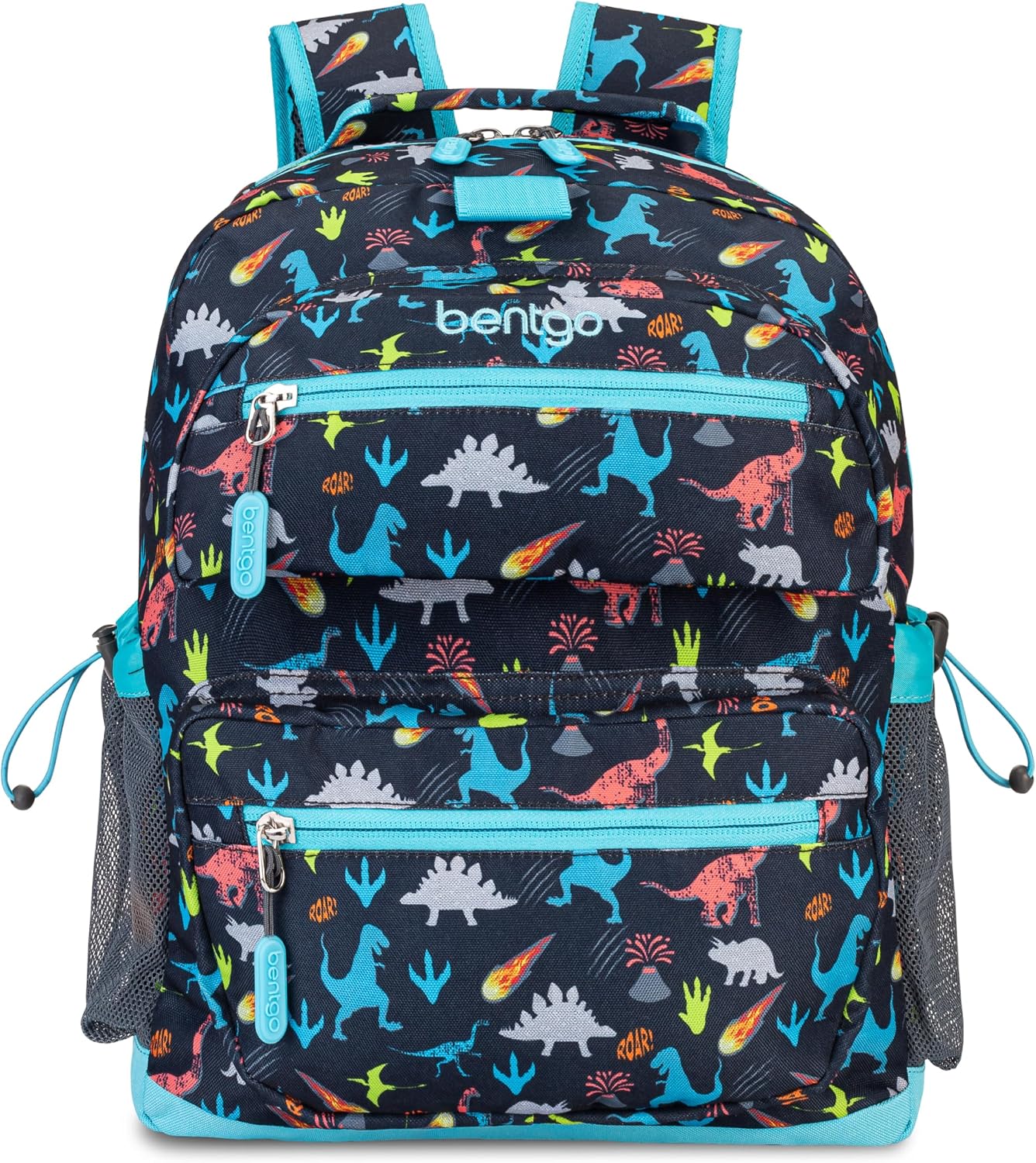
Bentgo Lightweight 14” Backpack
This is the one I’d hand a kindergarten teacher and tell her to recommend to every parent in the class. It’s sized right for little bodies, the straps and back panel are actually padded (not just labeled that way), and the water-resistant fabric wipes clean, which matters more than you’d think when snack time goes sideways. There’s a built-in loop for a lunch bag, which sounds small until you’re the parent who isn’t chasing a lunch bag down the hallway every afternoon. It matches Bentgo’s lunch gear too, if your kid is the type who wants everything to coordinate.

Best Upgrade: Lands’ End ClassMate
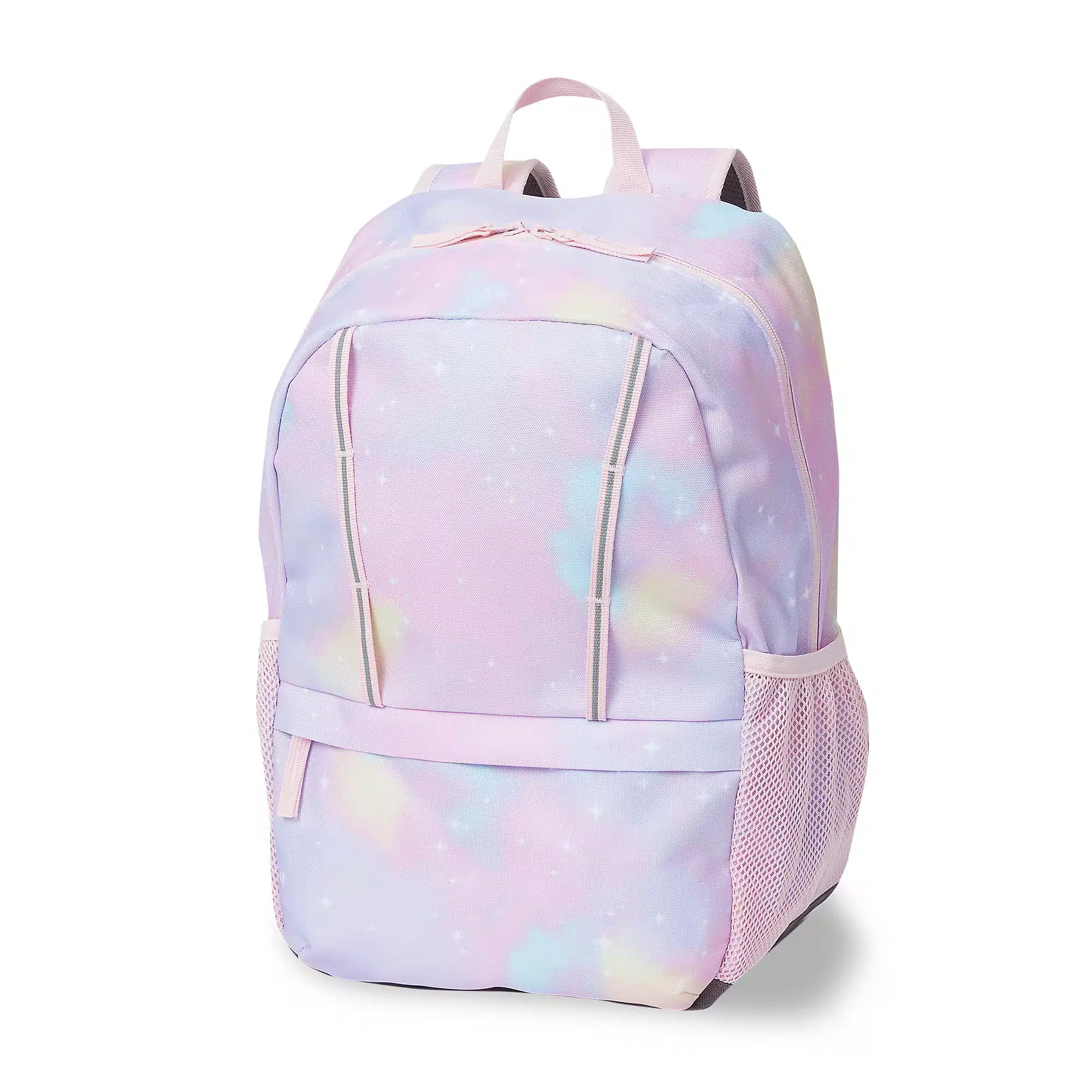
Kids ClassMate Medium Backpack
If you want to spend a little more, this is where I’d put the extra money. The fabric and back padding are noticeably heftier than the budget picks, there’s a padded laptop pocket for kids who need one, and the exterior lunch loop matches their insulated lunch box, which clips right on. You can add monogramming for a personal touch, and there’s an interior name tag, which is the kind of small detail that saves you a very bad Tuesday when a backpack goes missing at school.
Middle School (Ages 10–14)
This is the stage where backpacks take the most punishment. Bigger loads, more hallway traffic, and kids who are suddenly too cool to be careful with anything.
Best Inexpensive: JanSport SuperBreak Plus
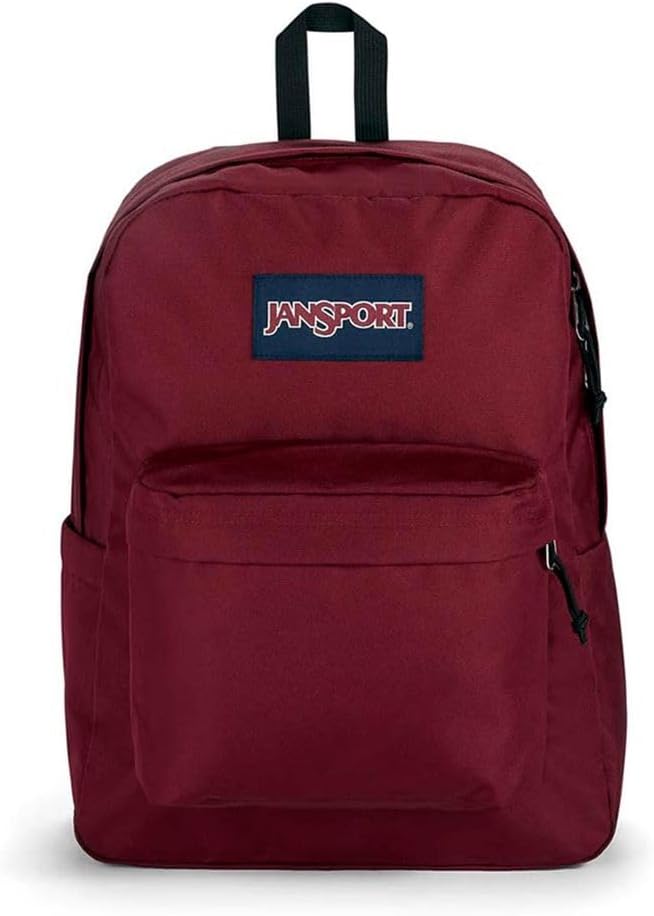
JanSport SuperBreak Plus Backpack
JanSport backpacks show up on “still going strong” lists for a reason, and this one’s built from 600 denier polyester with reinforced stitching, which is exactly what I told you to look for a minute ago. It fits a 15-inch laptop in a padded sleeve, has a front organizer pocket for the small stuff that always goes missing, and the back panel is fully padded for the days when the backpack weighs more than the kid carrying it. JanSport also backs every bag with a lifetime replace-or-fix promise, no questions asked. That alone tells you something about how confident they are in their own zippers.

Best Upgrade: JanSport Right Pack
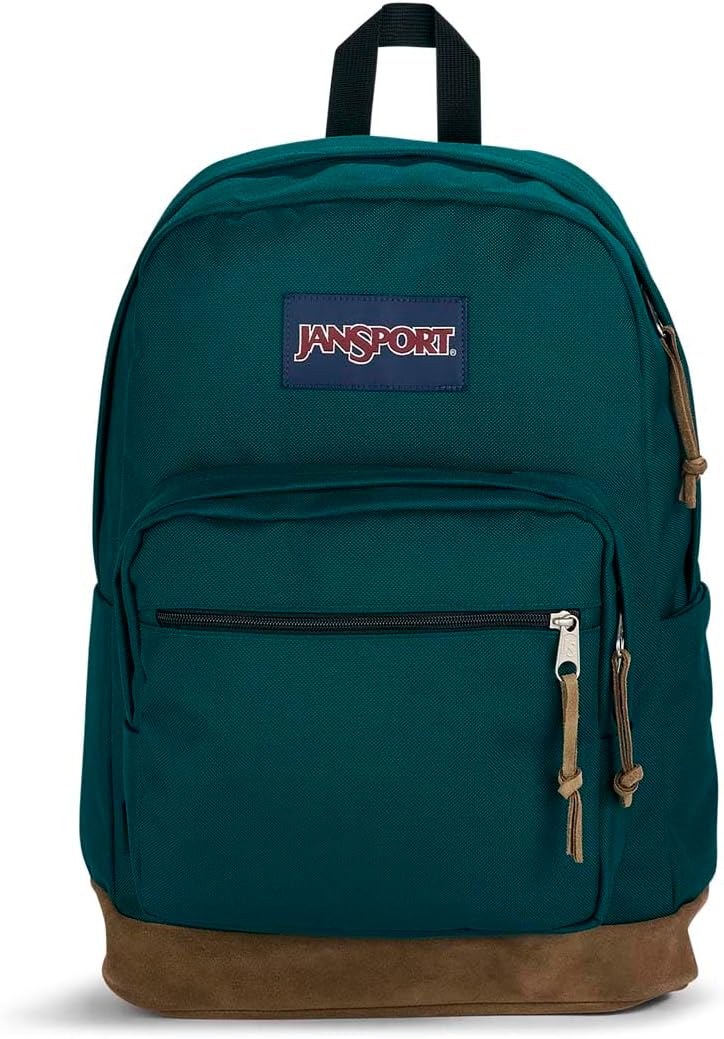
Same lifetime guarantee, sturdier materials. This one’s made from Cordura fabric with a suede leather bottom, which is a genuine step up in durability and, honestly, looks sharp enough that a fourteen-year-old won’t roll their eyes at it. Padded laptop sleeve, padded straps, side water bottle pocket. If your kid is hard on backpacks (and at this age, they all are), this is the one that’ll outlast the school year and probably the one after it.

High School (Ages 14+)
By high school, backpacks start doubling as a personal style statement, which is fine, as long as the bones underneath are still solid. Heads up: prices climb here. High schoolers are hauling laptops, sports gear, and four years of daily wear, so I’m not finding a genuinely inexpensive pick in this tier the way I could for the younger age groups. What I found instead is a best value and a best splurge.
Best Inexpensive: Herschel Supply Co. Classic, 30L
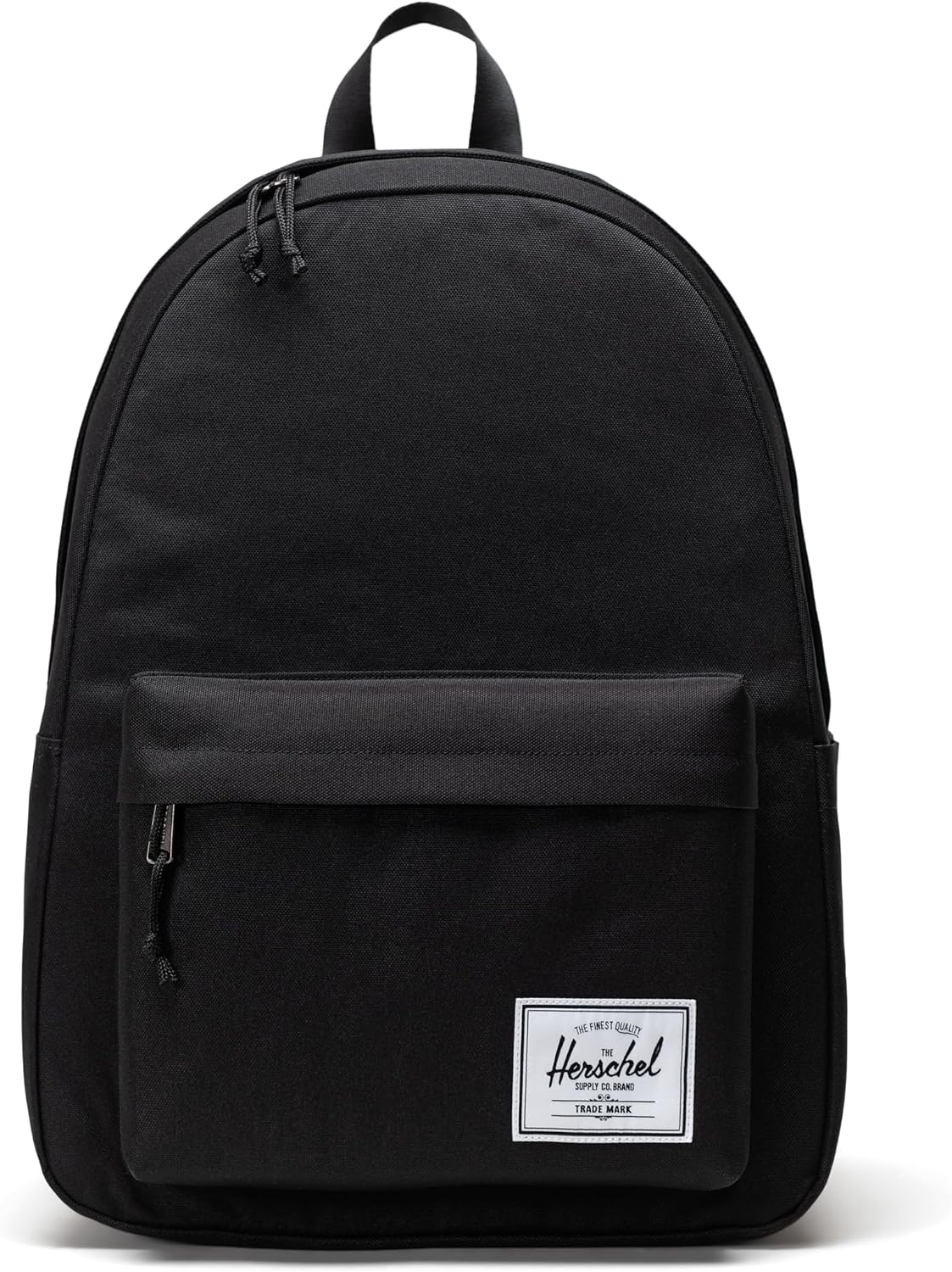
Herschel Supply Co. Classic Backpack, Black, XL 30L
Herschel’s Classic is made from 600D recycled polyester, has a floating laptop sleeve that fits 15 to 16-inch laptops, and uses sturdy zippers with cord pulls that don’t snag. It’s the backpack I’d point a teenager toward if they want something that looks like it wasn’t picked out by a parent, but is still built the way I’d want it built.

Best Upgrade: Fjällräven Skule 28 ($119)
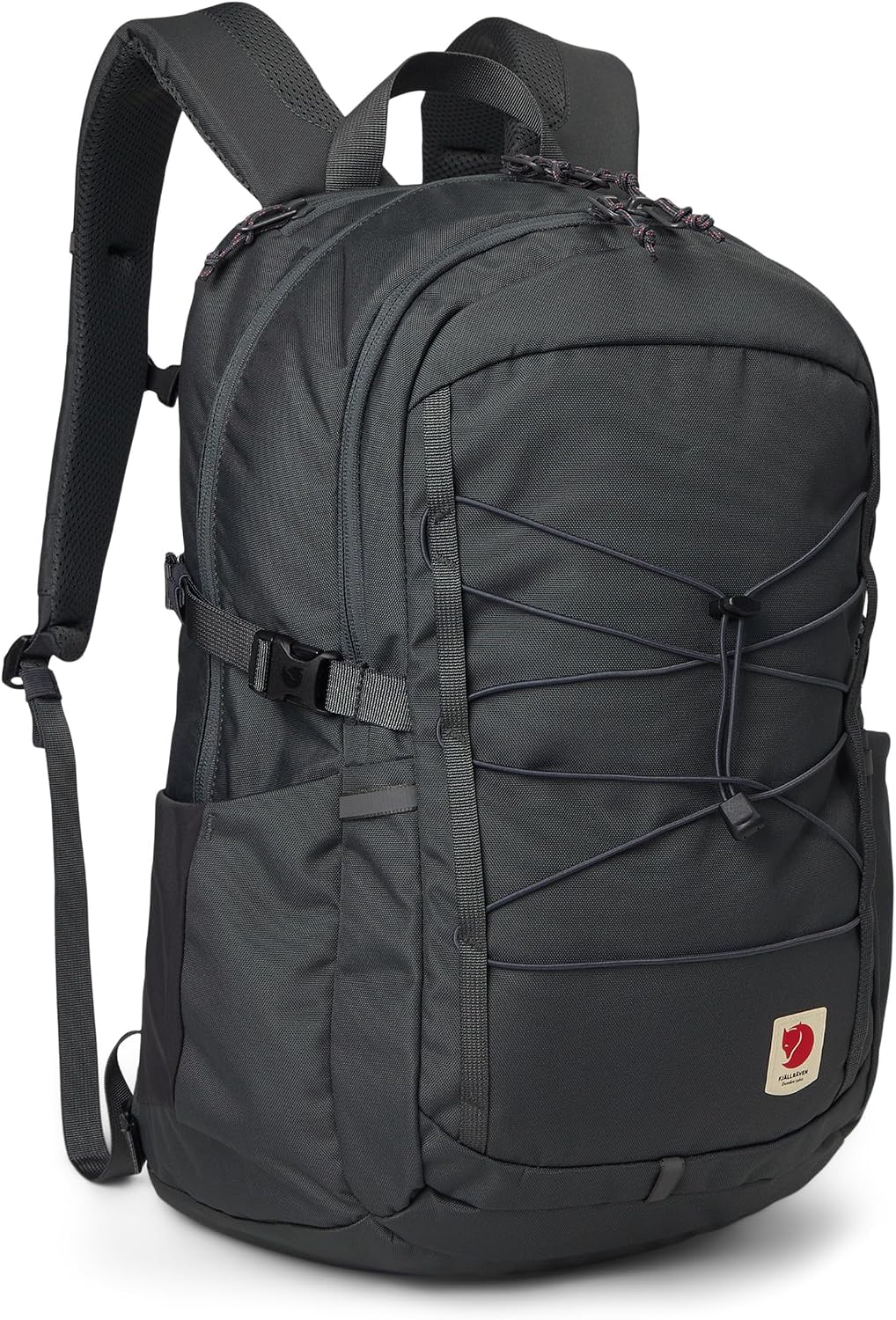
Fjällräven Skule 28 Backpack
This one’s for the kid carrying a genuinely heavy daily load, hiking on weekends, or just needs a backpack that’ll survive four years of college after high school. Hardwearing fabric, a padded 15-inch laptop sleeve, and a back panel with air mesh that actually breathes. It’s a real investment, well above what I’d tell you to spend for a younger kid, but it’s the kind of backpack that keeps its shape and its stitching long past when a cheaper one would’ve given up.

The Ones I’d Skip Entirely
- Anything under $15 from a big-box store. I know the price tag is tempting. I also know it’ll be dead by February, and you’ll have spent the same $15 twice.
- “Fashion” backpacks with tiny, flimsy straps. Designed to look cute sitting empty on a shelf. Not designed to carry a single textbook, let alone four.
- Wheeled backpacks, in most cases. Heavy, bulky, and the wheels are usually the first thing to break. Unless a doctor has specifically recommended one for your kid, skip it.
- Character-themed backpacks with plastic hardware. The character fades and peels, your kid outgrows the character faster than the backpack, and the plastic parts are usually the first thing to snap.
Habits That Make Any Backpack Last Longer
Buying the right backpack is half the battle. What you do with it the rest of the year is the other half.
- Empty it every Friday. A stuffed backpack puts constant stress on the zippers and seams. Give it a night to decompress and it’ll last longer.
- Wash it once a semester. Most backpacks can go through the washing machine inside a mesh laundry bag, cold water, air dry. It gets rid of the mystery smell and keeps the fabric from breaking down early.
- Zip every zipper before you put it away. An unzipped pocket flops around and eventually tears at the seam. Takes two seconds to prevent.
- Fix small seam issues before they become big ones. A sturdy needle, heavy-duty thread, fifteen minutes. That’s the difference between a repaired backpack and a dead one.
- Store it somewhere dry over the summer. A damp basement or a hot attic will break down fabric faster than a full school year will. Keep it inside the house.
The Math That Actually Matters
A $30 backpack that lasts three years costs you $10 a year. A $120 backpack that lasts two years costs you $60 a year. Even before you factor in that the cheaper one still looks decent at the end, it’s already won.
For elementary and middle schoolers, the $25 to $45 range is genuinely where the smart money lives. High schoolers cost more no matter which way you go, so there the win is picking the one that survives four years instead of two. Either way, buy the sturdy one once, and let the patches and keychains be where your kid gets to have fun with it. That part’s cheap. The backpack itself doesn’t have to be.
Question: What’s the longest a backpack has ever lasted in your house, and which brand was it? Tell me in the comments. I’m always collecting real-life durability winners.
EverydayCheapskate™ is reader-supported. We participate in the Amazon Services LLC Associates Program and other affiliate advertising programs, designed to provide a means for us to earn from qualifying purchases, at no cost to you.

More from Everyday Cheapskate
 https://www.everydaycheapskate.com/wp-content/uploads/20260919-air-purifier-in-living-room-1.png
800
1200
Mary Hunt
https://www.everydaycheapskate.com/wp-content/uploads/EC-Logo-by-Mary-Hunt-Tagline-Trimmed.png
Mary Hunt2026-09-19 11:36:552026-09-28 22:48:42The Best Inexpensive Air Purifiers for Small Homes
https://www.everydaycheapskate.com/wp-content/uploads/20260919-air-purifier-in-living-room-1.png
800
1200
Mary Hunt
https://www.everydaycheapskate.com/wp-content/uploads/EC-Logo-by-Mary-Hunt-Tagline-Trimmed.png
Mary Hunt2026-09-19 11:36:552026-09-28 22:48:42The Best Inexpensive Air Purifiers for Small Homes https://www.everydaycheapskate.com/wp-content/uploads/20260918-man-and-woman-signing-an-extended-warranty-in-a-car-dealership.png
800
1200
Mary Hunt
https://www.everydaycheapskate.com/wp-content/uploads/EC-Logo-by-Mary-Hunt-Tagline-Trimmed.png
Mary Hunt2026-09-18 15:23:432026-09-18 15:25:43Is an Extended Warranty Ever Worth It? The Truth for 2026
https://www.everydaycheapskate.com/wp-content/uploads/20260918-man-and-woman-signing-an-extended-warranty-in-a-car-dealership.png
800
1200
Mary Hunt
https://www.everydaycheapskate.com/wp-content/uploads/EC-Logo-by-Mary-Hunt-Tagline-Trimmed.png
Mary Hunt2026-09-18 15:23:432026-09-18 15:25:43Is an Extended Warranty Ever Worth It? The Truth for 2026 https://www.everydaycheapskate.com/wp-content/uploads/20260830-best-sound-machine-for-better-sleep-woman-hiding-under-comforter.png
800
1200
Mary Hunt
https://www.everydaycheapskate.com/wp-content/uploads/EC-Logo-by-Mary-Hunt-Tagline-Trimmed.png
Mary Hunt2026-09-10 09:51:452026-09-28 22:48:58Best Sound Machine for Better Sleep: 3 Honest Picks
https://www.everydaycheapskate.com/wp-content/uploads/20260830-best-sound-machine-for-better-sleep-woman-hiding-under-comforter.png
800
1200
Mary Hunt
https://www.everydaycheapskate.com/wp-content/uploads/EC-Logo-by-Mary-Hunt-Tagline-Trimmed.png
Mary Hunt2026-09-10 09:51:452026-09-28 22:48:58Best Sound Machine for Better Sleep: 3 Honest Picks https://www.everydaycheapskate.com/wp-content/uploads/20260906-best-can-openers-manual-electric-luxury.png
800
1200
Mary Hunt
https://www.everydaycheapskate.com/wp-content/uploads/EC-Logo-by-Mary-Hunt-Tagline-Trimmed.png
Mary Hunt2026-09-06 18:07:432026-09-06 18:10:39The Best Can Openers That Actually Work (And Won’t Quit on You)
https://www.everydaycheapskate.com/wp-content/uploads/20260906-best-can-openers-manual-electric-luxury.png
800
1200
Mary Hunt
https://www.everydaycheapskate.com/wp-content/uploads/EC-Logo-by-Mary-Hunt-Tagline-Trimmed.png
Mary Hunt2026-09-06 18:07:432026-09-06 18:10:39The Best Can Openers That Actually Work (And Won’t Quit on You) https://www.everydaycheapskate.com/wp-content/uploads/20260828-choice-overload-man-resting-head-on-table.png
800
1200
Mary Hunt
https://www.everydaycheapskate.com/wp-content/uploads/EC-Logo-by-Mary-Hunt-Tagline-Trimmed.png
Mary Hunt2026-08-28 10:57:162026-09-28 22:49:22How to Escape the Tyranny of Too Many Choices
https://www.everydaycheapskate.com/wp-content/uploads/20260828-choice-overload-man-resting-head-on-table.png
800
1200
Mary Hunt
https://www.everydaycheapskate.com/wp-content/uploads/EC-Logo-by-Mary-Hunt-Tagline-Trimmed.png
Mary Hunt2026-08-28 10:57:162026-09-28 22:49:22How to Escape the Tyranny of Too Many Choices https://www.everydaycheapskate.com/wp-content/uploads/20260827-how-to-fly-cheaper-airplane-in-the-bright-blue-sky-above-the-clouds.png
800
1200
Mary Hunt
https://www.everydaycheapskate.com/wp-content/uploads/EC-Logo-by-Mary-Hunt-Tagline-Trimmed.png
Mary Hunt2026-08-27 11:35:132026-09-28 22:49:24How to Fly Cheaper: 8 Booking Tricks Airlines Won’t Teach You
https://www.everydaycheapskate.com/wp-content/uploads/20260827-how-to-fly-cheaper-airplane-in-the-bright-blue-sky-above-the-clouds.png
800
1200
Mary Hunt
https://www.everydaycheapskate.com/wp-content/uploads/EC-Logo-by-Mary-Hunt-Tagline-Trimmed.png
Mary Hunt2026-08-27 11:35:132026-09-28 22:49:24How to Fly Cheaper: 8 Booking Tricks Airlines Won’t Teach You https://www.everydaycheapskate.com/wp-content/uploads/20260824-house-rules-for-adult-children.png
800
1200
Mary Hunt
https://www.everydaycheapskate.com/wp-content/uploads/EC-Logo-by-Mary-Hunt-Tagline-Trimmed.png
Mary Hunt2026-08-24 12:21:382026-08-24 12:23:50House Rules for Adult Children Living at Home (Without Losing Your Mind or Your Garage)
https://www.everydaycheapskate.com/wp-content/uploads/20260824-house-rules-for-adult-children.png
800
1200
Mary Hunt
https://www.everydaycheapskate.com/wp-content/uploads/EC-Logo-by-Mary-Hunt-Tagline-Trimmed.png
Mary Hunt2026-08-24 12:21:382026-08-24 12:23:50House Rules for Adult Children Living at Home (Without Losing Your Mind or Your Garage) https://www.everydaycheapskate.com/wp-content/uploads/20260817-thrift-store-sign-with-blue-cloudy-sky-in-background.png
800
1200
Mary Hunt
https://www.everydaycheapskate.com/wp-content/uploads/EC-Logo-by-Mary-Hunt-Tagline-Trimmed.png
Mary Hunt2026-08-17 09:17:472026-09-28 22:49:50The Donation Box Mistakes Thrift Stores Wish We’d Skip
https://www.everydaycheapskate.com/wp-content/uploads/20260817-thrift-store-sign-with-blue-cloudy-sky-in-background.png
800
1200
Mary Hunt
https://www.everydaycheapskate.com/wp-content/uploads/EC-Logo-by-Mary-Hunt-Tagline-Trimmed.png
Mary Hunt2026-08-17 09:17:472026-09-28 22:49:50The Donation Box Mistakes Thrift Stores Wish We’d Skip https://www.everydaycheapskate.com/wp-content/uploads/20260807-Sunday-school-prep-routine-get-the-family-ready-for-the-week.png
800
1200
Mary Hunt
https://www.everydaycheapskate.com/wp-content/uploads/EC-Logo-by-Mary-Hunt-Tagline-Trimmed.png
Mary Hunt2026-08-07 11:22:222026-09-28 22:50:15The 15-Minute Sunday Prep That Runs Your Whole School Week
https://www.everydaycheapskate.com/wp-content/uploads/20260807-Sunday-school-prep-routine-get-the-family-ready-for-the-week.png
800
1200
Mary Hunt
https://www.everydaycheapskate.com/wp-content/uploads/EC-Logo-by-Mary-Hunt-Tagline-Trimmed.png
Mary Hunt2026-08-07 11:22:222026-09-28 22:50:15The 15-Minute Sunday Prep That Runs Your Whole School WeekPlease keep your comments positive, encouraging, helpful, brief,
and on-topic in keeping with EC Commenting Guidelines
Last update on 2026-10-01 / Affiliate links / Images from Amazon Product Advertising API


I found out about Jansport just in time and bought one for each of our 4 girls. Boy did they last! All the way through high school AND college…and for the youngest ones, some of middle school as well.
(I did learn that guarantees to fix a backpack don’t really matter since you have to pay the shipping, and shipping an empty backpack costs a mint.)
Lands End got my kids from K-8. Got them on sale embroidered with their initials. Best school purchase ever.
As a senior in high school in the 70s I bought a Class-5 that I still use to this day I did have to do a zipper repair and sew up a interior seam but still going strong!
We still use our son’s dark green L.L. Bean backpack which I probably ordered for him back in the early l990’s. He used it until junior high school when he found he needed a larger size to hold all of his books and notebooks. We continued to use it for travel, trips to the library and hiking. When the lining began to disintegrate, perhaps not an unusual problem after decades of use, I discovered that I could simply peel it all off without damaging the outer layer. Everything else continues to work just fine. We would pass it on to our grandson as his initials are the same as his father’s but he’s into cartoon character themed backpacks which seem to need replacing annually. His loss, our gain.
When my kids were in school, a friend from church passed her son‘s used backpack on to me. I don’t remember how long her son had carried it prior to this. Twenty years later that Jansport is still being used!
JanSport backpacks are exactly what we bought for our rough and tough son and they can really take a beating. His first couple of cute backpacks died a quick death within a couple of months. After that we found the JanSport brand at REI and those are what we bought as long as he used backpacks. This was 25 years ago. I’m glad to hear that they are still as sturdy as they used to be!
my son has a swiss army backpack and it seems pretty durable. he’s had it for years.
Lands End has been our go-to for all of school. Well, except giving into the cute Paw Patrol for kindergarten where a lunch was the only thing carried. The backpack lasted 4th-6th grade, and is still going strong as a weekend bag, but the kid wanted a new pattern after 3 years, and headed to middle school. The new lands end survived 7th-9th, and is ready to go for 10th! They are expensive, but they last for years.
Bought my oldest an L. L. Bean backpack at their outlet store when he entered 8th grade. They offered a lifetime warranty back then. My son used this backpack for 7 yrs. (8th grade through 1 yr. of college), then I used it for another 14 years as my ‘carryon’ bag when flying regularly. It held my computer & purse and fit under the seat in front of me. ALL zippers still worked and the shoulder padding was still plush when I let it go, but the interior lining had literally begun to disintegrate. Otherwise I’d still have and use it!