
Homemade Eyeglass Lens Cleaner: 3 Simple Ingredients

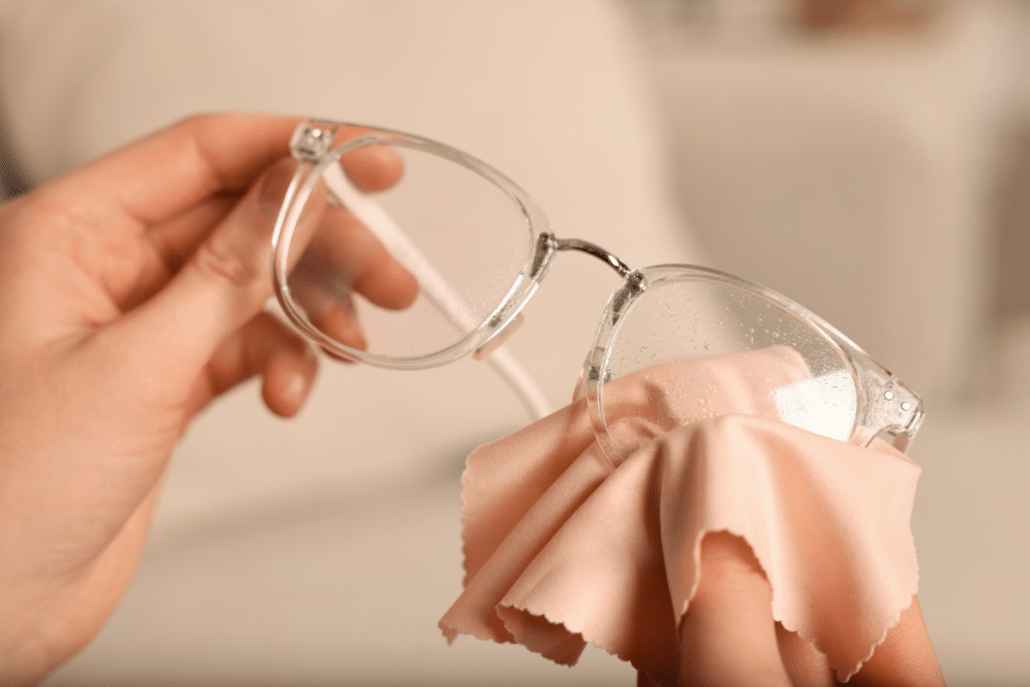
Smudges. They’re everywhere. Your phone screen. Your laptop. Your glasses. If you wear specs, you already know: the moment you put them on, someone or something is determined to make them filthy again. I used to buy those little spray bottles of lens cleaner at the optometrist’s office without even thinking. Cute packaging. Tiny bottle. Gone in two weeks. Then I did the math. You don’t want to know. Okay, you do… I’ll get to that. Here’s the thing: you can make a cleaner that works just as well, maybe better, for pennies. And you probably have everything you need right now.
Why bother making your own?
Fair question. You’re busy. Buying a bottle at the drugstore is easy.
But store-bought lens cleaners can run $8 to $12 for two or three ounces. The homemade version costs a fraction of a penny per ounce. Over a year, that adds up to a real number, especially if you’re cleaning multiple pairs of glasses, a phone, a tablet, and a laptop on the regular.
Plus, you control what’s in it. No mystery ingredients. No weird smell. Just clean.
What You’ll Need
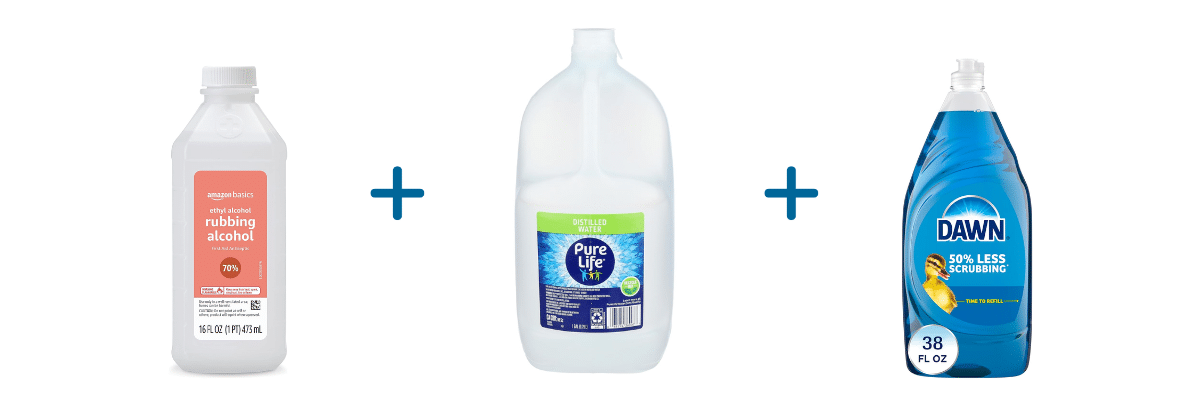
- 1/2 cup rubbing alcohol (70% isopropyl works great)
- 1/2 cup distilled water
- 1 drop Blue Dawn liquid dish soap
That’s it. Three things. You’ve got them all.
How to Make It
Pour the rubbing alcohol and water into a spray bottle first, then add just one drop of soap. One. I know it feels like nothing. Trust the drop.
Gently swirl to combine. No shaking… you don’t want a bubble party in there.
That’s the whole recipe. Ninety seconds, start to finish.
The Right Way to Use It (This Part Matters)
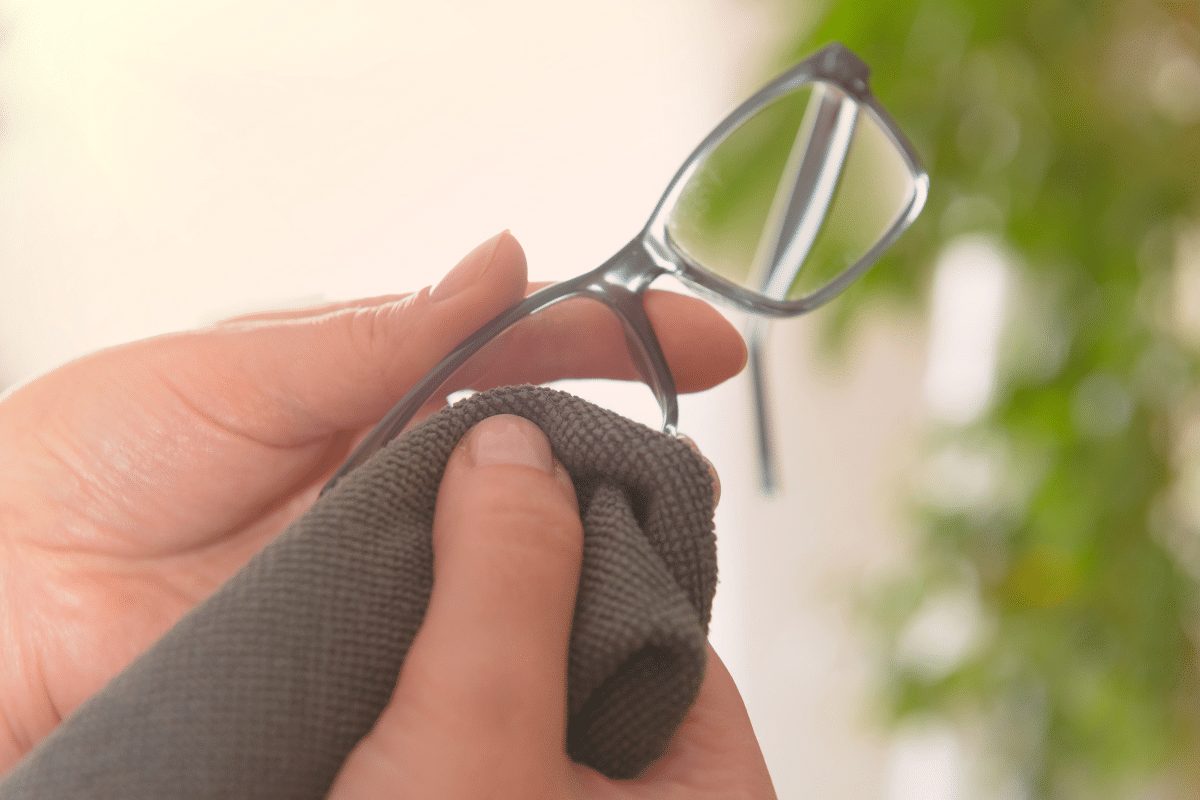
Here’s where most people go wrong: they spray directly onto the lens or screen. Don’t do that. Spray the cleaner onto a microfiber cloth first, then wipe. This keeps moisture away from edges and seams where it can sneak into electronics and cause trouble.
And please… step away from the paper towels. I know they seem harmless. They’re not. Paper towels are made from wood fibers, which are abrasive enough to leave tiny scratches on lens coatings over time. Same goes for your shirt, your sleeve, or a random tissue. Microfiber cloths are soft, lint-free, and designed for exactly this job. A two-pack runs about $3 and lasts for years.
Wait… Can You Use This on Everything?
Mostly yes. But here’s the honest answer: not quite everything. This cleaner works beautifully on:
- Standard eyeglass lenses
- Smartphone and tablet screens
- Laptop screens (non-oleophobic coated ones)
- Camera lenses and viewfinders
Use caution with:
- Anti-reflective or specialty-coated lenses. Some premium lens coatings are sensitive to alcohol. If you’re not sure about your lenses, check with your optometrist before using any alcohol-based cleaner including the store-bought kind.
- Certain laptop screens. Some manufacturers (looking at you, older MacBooks) advise against alcohol on screens. When in doubt, use plain distilled water on the cloth instead.
A little homework upfront protects a big investment.
The Microfiber Cloth: Your Secret Weapon
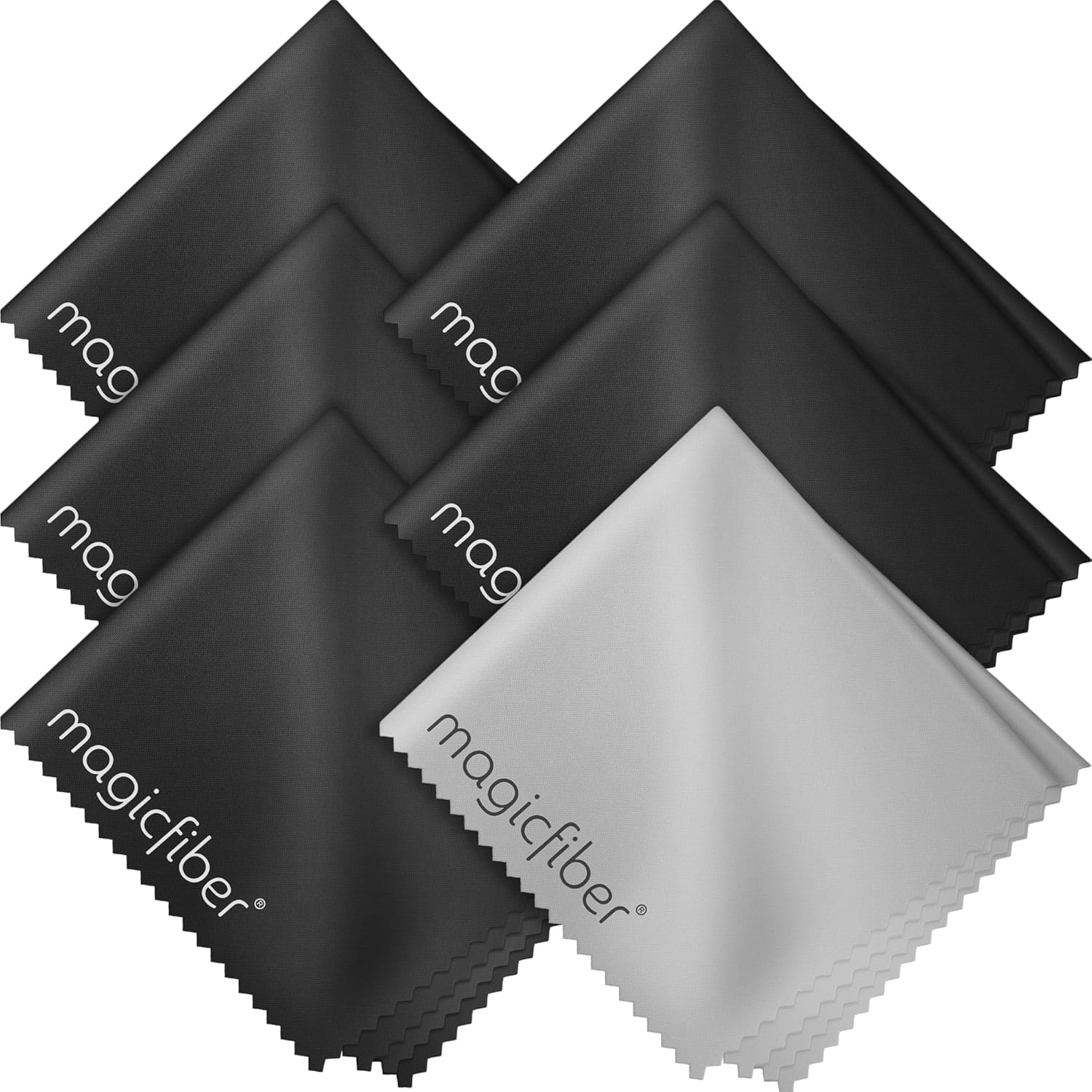
MagicFiber Microfiber Cleaning Cloth, 6 Pack
I want to talk about microfiber cloths for just a second, because they deserve more credit than they get.
Those tiny synthetic fibers (polyester and polyamide) act like magnets for dust, oils, and smudges. A regular cloth pushes grime around. Microfiber picks it up and holds on. That’s the difference between “wiped” and actually clean.
I’ve tried plenty over the years, and not all microfiber is created equal. Some push smudges around. Others leave lint behind, which defeats the whole point. The ones I keep reaching for are MagicFiber cloths. They are soft, scratch-free, and genuinely good at lifting fingerprints and oily residue without leaving streaks. A 6-pack means you can stash one everywhere you need it: desk, purse, car, nightstand.
Look for the good stuff: 70% polyester, 30% polyamide. And when it’s time to wash them, skip the fabric softener entirely. It clogs the fibers and kills their cleaning power. Air dry only.

(Disclosure: This post includes an Amazon Creator Connections product. I may earn a small commission if you purchase through the link, at no additional cost to you.)
Dealing with Streaks or Cloudy Residue
If you’re getting streaks, a few things might be going on:
- Too much soap. One drop really is the right amount. Even half a drop too much leaves residue. Start fresh and go lighter.
- Tap water minerals. Hard tap water can leave a film. Switch to distilled water. It’s cheap and makes a noticeable difference.
- Dirty cloth. A cloth that’s picked up skin oils or product residue will smear, not clean. Time for a wash.
And if your lenses look cloudy no matter what you do? That might be coating wear… worth a conversation with your eye doctor.
Make a Travel Version
This is one of my favorite things to do with a good recipe: put it everywhere.
Fill a small spray bottle for your purse or backpack. Tuck one in your car. Keep one at your desk. At these quantities, the cost is essentially nothing and you’ll never be stuck squinting through a smudged screen again.
I use small amber glass spray bottles. The amber protects the solution from light, and a set of four means you can stash one in every spot without ever thinking about it again.

(Disclosure: This post includes an Amazon Creator Connections product. I may earn a small commission if you purchase through the link, at no additional cost to you.)
A Word From the Experts (And My Response)
I’ll be honest with you. Some opticians and optometrists advise against alcohol-based cleaners altogether, warning that they can strip certain lens coatings over time. That’s a real concern, and I don’t want to wave it away.
Here’s my take: this recipe has worked beautifully for my everyday glasses for years. But your lenses aren’t my lenses. If you have premium anti-reflective coatings, photochromic lenses, or anything your optometrist specifically warned you about, check with them first. Plain distilled water on a microfiber cloth is always a safe fallback.
This cleaner shines on phone screens, tablets, laptops, and standard lenses. For anything fancy or expensive? A quick question to your eye doctor costs nothing and could save you a lot.
The Real Cost Comparison
Let me give you those numbers I promised. A name-brand lens cleaner spray often costs around $8 for 2 oz. That’s $4 per ounce.
This homemade version? Less than a penny per ounce. Even if you’re generous with the math, you’re saving 99% per spray.
Make one batch every couple of months, spread it across a few small bottles, and you’ve basically solved this problem forever for the price of a bottle of rubbing alcohol you already own.
Go Make a Batch
Seriously… this one takes less time to make than it takes to find your keys. Grab a spray bottle, measure out your ingredients, and you’re done.
Clean glasses. Clear screens. Happy eyes.
And a few bucks back in your pocket where they belong.
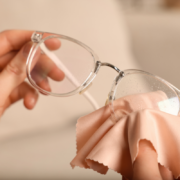
Homemade Eyeglass Lens & Screen Cleaner
Materials
- 1/2 cups rubbing alcohol 70% isopropyl
- 1/2 cups distilled water
- 1 drop Blue Dawn liquid dish soap
Instructions
- Pour rubbing alcohol and distilled water into a small spray bottle.
- Add 1 drop Blue Dawn liquid dish soap.
- Gently swirl to mix. No shaking.
- Spray onto a microfiber cloth first. Never directly onto a lens or screen. Wipe away fingerprints, smudges, and oily residue.
Notes
What’s the worst magnet for fingerprints in your house: your glasses, your phone, your tablet, or something else? Share in the comments below.
EverydayCheapskate™ is reader-supported. We participate in the Amazon Services LLC Associates Program and other affiliate advertising programs, designed to provide a means for us to earn from qualifying purchases, at no cost to you.

More from Everyday Cheapskate
 https://www.everydaycheapskate.com/wp-content/uploads/20260917-fall-cleaning-checklist.png
800
1200
Mary Hunt
https://www.everydaycheapskate.com/wp-content/uploads/EC-Logo-by-Mary-Hunt-Tagline-Trimmed.png
Mary Hunt2026-09-17 17:11:012026-09-28 22:48:45Fall Cleaning Checklist: 15 Overlooked Spots to Clean
https://www.everydaycheapskate.com/wp-content/uploads/20260917-fall-cleaning-checklist.png
800
1200
Mary Hunt
https://www.everydaycheapskate.com/wp-content/uploads/EC-Logo-by-Mary-Hunt-Tagline-Trimmed.png
Mary Hunt2026-09-17 17:11:012026-09-28 22:48:45Fall Cleaning Checklist: 15 Overlooked Spots to Clean https://www.everydaycheapskate.com/wp-content/uploads/20260830-best-sound-machine-for-better-sleep-woman-hiding-under-comforter.png
800
1200
Mary Hunt
https://www.everydaycheapskate.com/wp-content/uploads/EC-Logo-by-Mary-Hunt-Tagline-Trimmed.png
Mary Hunt2026-09-10 09:51:452026-09-28 22:48:58Best Sound Machine for Better Sleep: 3 Honest Picks
https://www.everydaycheapskate.com/wp-content/uploads/20260830-best-sound-machine-for-better-sleep-woman-hiding-under-comforter.png
800
1200
Mary Hunt
https://www.everydaycheapskate.com/wp-content/uploads/EC-Logo-by-Mary-Hunt-Tagline-Trimmed.png
Mary Hunt2026-09-10 09:51:452026-09-28 22:48:58Best Sound Machine for Better Sleep: 3 Honest Picks https://www.everydaycheapskate.com/wp-content/uploads/20260902-pumpkin-spice-latte-recipe-homemade-diy.png
800
1200
Mary Hunt
https://www.everydaycheapskate.com/wp-content/uploads/EC-Logo-by-Mary-Hunt-Tagline-Trimmed.png
Mary Hunt2026-09-02 16:16:022026-09-02 16:18:35Homemade Pumpkin Spice Latte Recipe (Cheaper, Better, Faster)
https://www.everydaycheapskate.com/wp-content/uploads/20260902-pumpkin-spice-latte-recipe-homemade-diy.png
800
1200
Mary Hunt
https://www.everydaycheapskate.com/wp-content/uploads/EC-Logo-by-Mary-Hunt-Tagline-Trimmed.png
Mary Hunt2026-09-02 16:16:022026-09-02 16:18:35Homemade Pumpkin Spice Latte Recipe (Cheaper, Better, Faster) https://www.everydaycheapskate.com/wp-content/uploads/20260831-Portrait-of-a-Pitbull-on-a-yellow-background-homemade-dog-treat-recipes.png
800
1200
Mary Hunt
https://www.everydaycheapskate.com/wp-content/uploads/EC-Logo-by-Mary-Hunt-Tagline-Trimmed.png
Mary Hunt2026-08-31 13:06:072026-09-28 22:49:173 Homemade Dog Treats Recipes Your Dog Will Love Most
https://www.everydaycheapskate.com/wp-content/uploads/20260831-Portrait-of-a-Pitbull-on-a-yellow-background-homemade-dog-treat-recipes.png
800
1200
Mary Hunt
https://www.everydaycheapskate.com/wp-content/uploads/EC-Logo-by-Mary-Hunt-Tagline-Trimmed.png
Mary Hunt2026-08-31 13:06:072026-09-28 22:49:173 Homemade Dog Treats Recipes Your Dog Will Love Most https://www.everydaycheapskate.com/wp-content/uploads/20260826-DIY-cat-litter-deodorizer-kitten-looking-up-at-camera-from-box.png
800
1200
Mary Hunt
https://www.everydaycheapskate.com/wp-content/uploads/EC-Logo-by-Mary-Hunt-Tagline-Trimmed.png
Mary Hunt2026-08-25 21:17:362026-09-28 22:49:26The One-Ingredient Litter Box Trick That Costs Pennies
https://www.everydaycheapskate.com/wp-content/uploads/20260826-DIY-cat-litter-deodorizer-kitten-looking-up-at-camera-from-box.png
800
1200
Mary Hunt
https://www.everydaycheapskate.com/wp-content/uploads/EC-Logo-by-Mary-Hunt-Tagline-Trimmed.png
Mary Hunt2026-08-25 21:17:362026-09-28 22:49:26The One-Ingredient Litter Box Trick That Costs Pennies https://www.everydaycheapskate.com/wp-content/uploads/20260822-central-AC-maintenance-air-condenser-outdoors.png
800
1200
Mary Hunt
https://www.everydaycheapskate.com/wp-content/uploads/EC-Logo-by-Mary-Hunt-Tagline-Trimmed.png
Mary Hunt2026-08-22 14:19:562026-09-28 22:49:43How to Extend the Life of Your Central AC (5 Late-Summer Tune-Up Tips)
https://www.everydaycheapskate.com/wp-content/uploads/20260822-central-AC-maintenance-air-condenser-outdoors.png
800
1200
Mary Hunt
https://www.everydaycheapskate.com/wp-content/uploads/EC-Logo-by-Mary-Hunt-Tagline-Trimmed.png
Mary Hunt2026-08-22 14:19:562026-09-28 22:49:43How to Extend the Life of Your Central AC (5 Late-Summer Tune-Up Tips) https://www.everydaycheapskate.com/wp-content/uploads/20260809-how-to-get-the-smell-out-of-towels-stack-of-towels-sitting-with-candle-in-bright-natural-light.png
800
1200
Mary Hunt
https://www.everydaycheapskate.com/wp-content/uploads/EC-Logo-by-Mary-Hunt-Tagline-Trimmed.png
Mary Hunt2026-08-08 16:48:552026-08-08 16:50:57How to Get Smell Out of Towels: The 2-Wash Fix That Works
https://www.everydaycheapskate.com/wp-content/uploads/20260809-how-to-get-the-smell-out-of-towels-stack-of-towels-sitting-with-candle-in-bright-natural-light.png
800
1200
Mary Hunt
https://www.everydaycheapskate.com/wp-content/uploads/EC-Logo-by-Mary-Hunt-Tagline-Trimmed.png
Mary Hunt2026-08-08 16:48:552026-08-08 16:50:57How to Get Smell Out of Towels: The 2-Wash Fix That Works https://www.everydaycheapskate.com/wp-content/uploads/20260729-the-problem-with-fabric-softener-sitting-on-a-washer.png
800
1200
Mary Hunt
https://www.everydaycheapskate.com/wp-content/uploads/EC-Logo-by-Mary-Hunt-Tagline-Trimmed.png
Mary Hunt2026-07-29 13:45:412026-07-29 13:47:50Fabric Softener Is Wrecking Your Laundry. Here’s What Actually Works.
https://www.everydaycheapskate.com/wp-content/uploads/20260729-the-problem-with-fabric-softener-sitting-on-a-washer.png
800
1200
Mary Hunt
https://www.everydaycheapskate.com/wp-content/uploads/EC-Logo-by-Mary-Hunt-Tagline-Trimmed.png
Mary Hunt2026-07-29 13:45:412026-07-29 13:47:50Fabric Softener Is Wrecking Your Laundry. Here’s What Actually Works. https://www.everydaycheapskate.com/wp-content/uploads/20260722-easy-home-repairs-slow-sink-drain-squeaky-hinges-sticky-drawer.png
800
1200
Mary Hunt
https://www.everydaycheapskate.com/wp-content/uploads/EC-Logo-by-Mary-Hunt-Tagline-Trimmed.png
Mary Hunt2026-07-22 13:04:022026-09-28 22:50:4910 Small Home Annoyances You Can Fix in Under 15 Minutes Each
https://www.everydaycheapskate.com/wp-content/uploads/20260722-easy-home-repairs-slow-sink-drain-squeaky-hinges-sticky-drawer.png
800
1200
Mary Hunt
https://www.everydaycheapskate.com/wp-content/uploads/EC-Logo-by-Mary-Hunt-Tagline-Trimmed.png
Mary Hunt2026-07-22 13:04:022026-09-28 22:50:4910 Small Home Annoyances You Can Fix in Under 15 Minutes EachPlease keep your comments positive, encouraging, helpful, brief,
and on-topic in keeping with EC Commenting Guidelines
Last update on 2026-10-02 / Affiliate links / Images from Amazon Product Advertising API


Leave a Reply
Want to join the discussion?Feel free to contribute!