
5 Grocery Items Seeing the Biggest Price Increases Now

Your cart didn’t get bigger. Your bill just did. You’re not imagining it. You’re not shopping more. You haven’t suddenly developed a taste for premium goods. Your grocery bill is just… more. Every single week. And if you’ve been standing in the coffee aisle doing sad mental math, I want you to know: same. Grocery prices have been climbing steadily, and a handful of staples have taken particularly dramatic leaps… some up 25%, some up 75%, a few nearly doubling from where they were just a few years ago. It’s a lot. So let’s name names. And then let’s find you some options. Here are the five items hitting wallets hardest right now, plus real, practical swaps that don’t require you to sacrifice every food joy you have.
Here’s the thing nobody’s saying out loud: this isn’t just “inflation.” In April, grocery prices jumped 0.7% in a single month, the biggest one-month spike in nearly four years. Overall, food at home is up 2.9% over the past year. And fresh vegetables? On an annualized basis, they’re more than 44% higher than they were just three months ago. That’s not a slow creep. That’s a sprint.
And it’s not hitting everyone the same way. Economists are calling it a “K-shaped” economy. Wealthier households are absorbing the increases and moving on, while everyone else is quietly cutting back. Less dining out. Fewer road trips. Smaller carts. If you’ve been feeling like you’re doing everything right and still coming up short at the register, you’re not bad at math. The math just got harder. So here’s what’s actually driving the biggest price jumps and what you can swap in without blowing up your whole routine.
Coffee
Up 25–55%

This one stings most because coffee isn’t a luxury. It’s infrastructure. And the reasons it’s so expensive right now are almost comically stacked against you: severe droughts in Brazil and Vietnam wiped out crops, hedge funds started treating coffee futures like a casino (at one point controlling a third of all coffee contracts… a $10.4 billion bet), and then tariffs piled on top of all of it. One small roaster in Kansas watched his green coffee costs jump from $2.41 a pound to $4.30 in just a few months. He called it “spiraling downwards every week.” Same, honestly.
The bad news: this isn’t resolving soon. The good news: home brewing is where the real savings are hiding.
The swap
If you’re buying beans, go bigger. A 2 to 5 pound bag from Costco or Sam’s Club costs significantly less per ounce than the cute little bags at the regular grocery store. Whole beans stay fresher longer, so you’re not throwing money away on stale grounds either. A French press or an AeroPress runs about $35 and pays for itself embarrassingly fast compared to a daily café habit. And darker roasts are your friend right now. They’re stronger, so you use fewer scoops per pot and the bag genuinely lasts longer. Small move. Real difference.
Ground Beef & Steak
Up 30%+
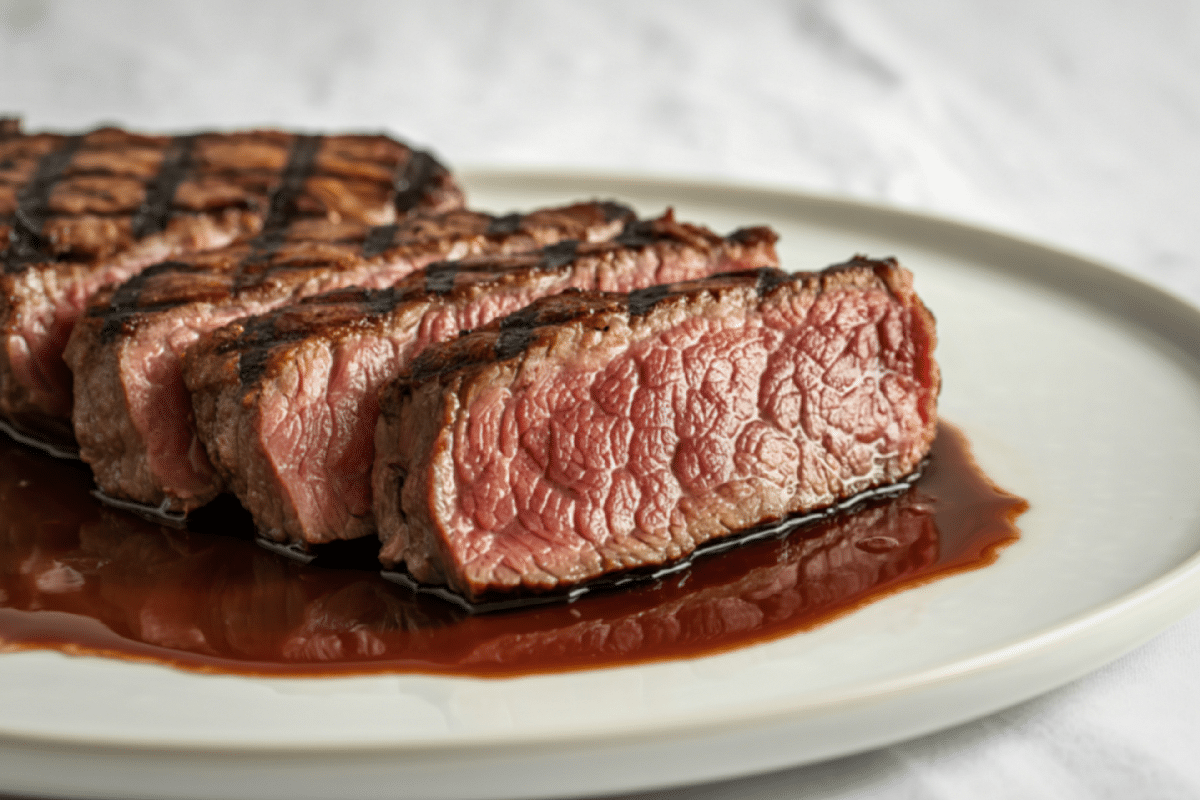
Here’s the thing about beef prices: they’re not just high right now. They’re structurally high, and economists say that’s not changing anytime soon. The U.S. cattle herd has fallen to its smallest size in 75 years. Years of drought across the West and Plains wiped out grasslands, forced ranchers to sell off breeding cows early, and made rebuilding nearly impossible. It takes two years just to bring cattle to market. So. Yeah.
The average price of beef climbed from $8.70 a pound in early 2025 to over $10 a year later. And with four companies controlling 85% of the nation’s beef processing, there isn’t exactly a lot of competitive pressure keeping things in check.
The swap
Ground turkey is the easiest one-to-one: leaner, 30–40% cheaper per pound, and in tacos, pasta sauce, or chili, genuinely indistinguishable once you’ve seasoned it. Lentils are the sleeper hit. They cook fast, cost almost nothing, and do real work in anything saucy or slow-cooked. If you want to stay closer to beef territory, bison is worth a look… similar flavor, often comparable price, and increasingly available at warehouse stores. And don’t overlook the stretch move: keep the beef, but use half the amount and bulk it out with black beans or lentils. Your recipe won’t notice. Your wallet will.
Cooking Oil
Up ~100% from pre-pandemic

This one snuck up on people and olive oil specifically is about to get worse before it gets better. Over 95% of the olive oil Americans use is imported, mostly from Spain, Italy, Tunisia, and Greece. Which means it now runs directly through a war zone. The Iran conflict has disrupted Strait of Hormuz shipping, sent crude oil to $112 a barrel, and layered energy surcharges on top of the 15% EU tariff that was already quietly inflating your grocery bill. One analyst projects a 25-ounce bottle that cost $9.99 last year could push past $14.99 by the holidays. That’s not a rounding error. That’s a different bottle.
The swap
First, a genuinely smart move right now: buy an extra bottle or two at current prices. Not panic-buying… just shopping ahead of the math. Store it somewhere cool and dark, away from the stove, and it’ll keep 12–18 months from harvest. When you do need to restock, stay flexible on brand and origin. A well-made private-label extra virgin from Portugal, Morocco, or Argentina often performs identically to the label you recognize, for several dollars less. And save your good stuff for finishing and dressings. Use a cheaper refined or blended oil for anything high-heat. That one habit alone stretches your expensive bottle considerably. For baking, unsweetened applesauce replaces oil entirely in most muffin and quick bread recipes. Nobody will notice. Truly.
Sodas & Packaged Drinks
Up 89% since 2020
A 12-pack of name-brand soda cost $5.18 in 2020. By 2025, it was $9.79. That’s an 89% increase, nearly double, while overall inflation ran about 25% over the same period. So soda didn’t just go up with everything else. It lapped everything else. The culprits are the usual suspects: higher production costs, aluminum and sugar tariffs, rising transportation costs. And yes, some good old-fashioned corporate margin-padding. Coca-Cola’s net revenue climbed in all but five quarters since 2020. Their CEO took home $28 million in 2024. The 12-pack is now $9.79. You do the math.
The swap
The simplest move: go store-brand. Generic sodas haven’t increased nearly as much as the name brands, and in a blind taste test, most people can’t actually tell the difference once it’s cold and in a glass. If you’re a sparkling water person, a SodaStream or any generic carbonator pays for itself fast. Add a splash of real citrus or juice and you’ve recreated most of what you were buying. Two-liters are still a significantly better value than 12-packs if you’re not ready to break up with your brand entirely. And brewed iced tea at home costs almost nothing per glass and genuinely doesn’t feel like deprivation. It’s just tea. Cold tea. It’s fine.
Sugar, Candy & Chocolate

Up 8%+
Okay, 8% is the smallest number on this list, but I included it because it’s the betrayal none of us were prepared for. Chocolate and candy were supposed to be the affordable comfort. The economy chocolate bar is no longer the bargain it once was. Global cocoa prices have been brutally high, and that cost has trickled down everywhere.
The swap
Store-brand chocolate is genuinely good and often uses the same base ingredients. Buying in bulk (even small bulk, like a bigger bar instead of multiple snack bars) drops the per-ounce cost fast. And baking your own treats (think: cookies or brownies from a cheap mix) costs less than you’d expect and usually tastes better than packaged stuff anyway.
The Bigger Picture
The frustrating truth is that grocery inflation has outpaced overall inflation across the board and the items hit hardest aren’t the splurges. They’re the basics. The things you buy every single week without thinking about it. That’s what makes it so demoralizing.
But here’s what I want you to hold onto: you don’t have to overhaul your entire kitchen. Pick one or two swaps from this list… the ones that actually sound fine to you and just start there. That’s it. Small shifts add up in ways that genuinely show up in your monthly total.
You’re not failing at budgeting. The prices are just doing a lot right now.
Give yourself some grace, swap where you can, and know that you’re not alone in standing in the grocery store doing math you never signed up for. We’re all out here. Recalculating.
Question: Which grocery price hike has hit your household the hardest and have you found a swap that actually works?
EverydayCheapskate™ is reader-supported. We participate in the Amazon Services LLC Associates Program and other affiliate advertising programs, designed to provide a means for us to earn from qualifying purchases, at no cost to you.

More from Everyday Cheapskate
 https://www.everydaycheapskate.com/wp-content/uploads/20260915-overspending-habits-man-opening-empty-wallet.png
800
1200
Mary Hunt
https://www.everydaycheapskate.com/wp-content/uploads/EC-Logo-by-Mary-Hunt-Tagline-Trimmed.png
Mary Hunt2026-09-15 20:24:412026-09-15 20:24:45How to Stop Overspending Habits for Good, Starting Today
https://www.everydaycheapskate.com/wp-content/uploads/20260915-overspending-habits-man-opening-empty-wallet.png
800
1200
Mary Hunt
https://www.everydaycheapskate.com/wp-content/uploads/EC-Logo-by-Mary-Hunt-Tagline-Trimmed.png
Mary Hunt2026-09-15 20:24:412026-09-15 20:24:45How to Stop Overspending Habits for Good, Starting Today https://www.everydaycheapskate.com/wp-content/uploads/20260914-101010-rule-gold-numbers-on-teal-background.png
800
1200
Mary Hunt
https://www.everydaycheapskate.com/wp-content/uploads/EC-Logo-by-Mary-Hunt-Tagline-Trimmed.png
Mary Hunt2026-09-14 11:31:532026-09-14 11:31:53The 10/10/10 Rule Every Overthinker Needs to Try Today
https://www.everydaycheapskate.com/wp-content/uploads/20260914-101010-rule-gold-numbers-on-teal-background.png
800
1200
Mary Hunt
https://www.everydaycheapskate.com/wp-content/uploads/EC-Logo-by-Mary-Hunt-Tagline-Trimmed.png
Mary Hunt2026-09-14 11:31:532026-09-14 11:31:53The 10/10/10 Rule Every Overthinker Needs to Try Today https://www.everydaycheapskate.com/wp-content/uploads/20260913-how-to-winterize-your-home-snowy-driveway-suburban-home.png
800
1200
Mary Hunt
https://www.everydaycheapskate.com/wp-content/uploads/EC-Logo-by-Mary-Hunt-Tagline-Trimmed.png
Mary Hunt2026-09-13 15:32:142026-09-13 15:32:14The Complete Guide to Winterizing Your Home This Fall
https://www.everydaycheapskate.com/wp-content/uploads/20260913-how-to-winterize-your-home-snowy-driveway-suburban-home.png
800
1200
Mary Hunt
https://www.everydaycheapskate.com/wp-content/uploads/EC-Logo-by-Mary-Hunt-Tagline-Trimmed.png
Mary Hunt2026-09-13 15:32:142026-09-13 15:32:14The Complete Guide to Winterizing Your Home This Fall https://www.everydaycheapskate.com/wp-content/uploads/20260830-best-sound-machine-for-better-sleep-woman-hiding-under-comforter.png
800
1200
Mary Hunt
https://www.everydaycheapskate.com/wp-content/uploads/EC-Logo-by-Mary-Hunt-Tagline-Trimmed.png
Mary Hunt2026-09-10 09:51:452026-09-10 09:51:45Best Sound Machine for Better Sleep: 3 Honest Picks
https://www.everydaycheapskate.com/wp-content/uploads/20260830-best-sound-machine-for-better-sleep-woman-hiding-under-comforter.png
800
1200
Mary Hunt
https://www.everydaycheapskate.com/wp-content/uploads/EC-Logo-by-Mary-Hunt-Tagline-Trimmed.png
Mary Hunt2026-09-10 09:51:452026-09-10 09:51:45Best Sound Machine for Better Sleep: 3 Honest Picks https://www.everydaycheapskate.com/wp-content/uploads/20260910-cooking-mistakes-and-how-to-avoid-them-woman-at-stovetop-with-steam-coming-from-pot.png
800
1200
Mary Hunt
https://www.everydaycheapskate.com/wp-content/uploads/EC-Logo-by-Mary-Hunt-Tagline-Trimmed.png
Mary Hunt2026-09-09 12:12:532026-09-09 12:12:535 Cooking Mistakes That Are Quietly Wrecking Your Dinner
https://www.everydaycheapskate.com/wp-content/uploads/20260910-cooking-mistakes-and-how-to-avoid-them-woman-at-stovetop-with-steam-coming-from-pot.png
800
1200
Mary Hunt
https://www.everydaycheapskate.com/wp-content/uploads/EC-Logo-by-Mary-Hunt-Tagline-Trimmed.png
Mary Hunt2026-09-09 12:12:532026-09-09 12:12:535 Cooking Mistakes That Are Quietly Wrecking Your Dinner https://www.everydaycheapskate.com/wp-content/uploads/20260909-annualize-your-spending.png
800
1200
Mary Hunt
https://www.everydaycheapskate.com/wp-content/uploads/EC-Logo-by-Mary-Hunt-Tagline-Trimmed.png
Mary Hunt2026-09-08 20:17:552026-09-08 20:17:57Annualize Your Spending: See What It Really Costs You
https://www.everydaycheapskate.com/wp-content/uploads/20260909-annualize-your-spending.png
800
1200
Mary Hunt
https://www.everydaycheapskate.com/wp-content/uploads/EC-Logo-by-Mary-Hunt-Tagline-Trimmed.png
Mary Hunt2026-09-08 20:17:552026-09-08 20:17:57Annualize Your Spending: See What It Really Costs You https://www.everydaycheapskate.com/wp-content/uploads/20260906-best-can-openers-manual-electric-luxury.png
800
1200
Mary Hunt
https://www.everydaycheapskate.com/wp-content/uploads/EC-Logo-by-Mary-Hunt-Tagline-Trimmed.png
Mary Hunt2026-09-06 18:07:432026-09-06 18:10:39The Best Can Openers That Actually Work (And Won’t Quit on You)
https://www.everydaycheapskate.com/wp-content/uploads/20260906-best-can-openers-manual-electric-luxury.png
800
1200
Mary Hunt
https://www.everydaycheapskate.com/wp-content/uploads/EC-Logo-by-Mary-Hunt-Tagline-Trimmed.png
Mary Hunt2026-09-06 18:07:432026-09-06 18:10:39The Best Can Openers That Actually Work (And Won’t Quit on You) https://www.everydaycheapskate.com/wp-content/uploads/20260906-homemade-hot-fudge-chocolate-sauce-recipe.png
800
1200
Mary Hunt
https://www.everydaycheapskate.com/wp-content/uploads/EC-Logo-by-Mary-Hunt-Tagline-Trimmed.png
Mary Hunt2026-09-06 15:33:012026-09-06 15:33:01The Best Homemade Hot Fudge Sauce (So Easy, So Rich)
https://www.everydaycheapskate.com/wp-content/uploads/20260906-homemade-hot-fudge-chocolate-sauce-recipe.png
800
1200
Mary Hunt
https://www.everydaycheapskate.com/wp-content/uploads/EC-Logo-by-Mary-Hunt-Tagline-Trimmed.png
Mary Hunt2026-09-06 15:33:012026-09-06 15:33:01The Best Homemade Hot Fudge Sauce (So Easy, So Rich) https://www.everydaycheapskate.com/wp-content/uploads/20260905-college-student-credit-card-debt-male.png
800
1200
Mary Hunt
https://www.everydaycheapskate.com/wp-content/uploads/EC-Logo-by-Mary-Hunt-Tagline-Trimmed.png
Mary Hunt2026-09-05 11:26:562026-09-05 11:36:10Should You Bail Your College Kid Out of Credit Card Debt?
https://www.everydaycheapskate.com/wp-content/uploads/20260905-college-student-credit-card-debt-male.png
800
1200
Mary Hunt
https://www.everydaycheapskate.com/wp-content/uploads/EC-Logo-by-Mary-Hunt-Tagline-Trimmed.png
Mary Hunt2026-09-05 11:26:562026-09-05 11:36:10Should You Bail Your College Kid Out of Credit Card Debt?

Coffee and beef have hit our household budget the hardest. We are eating beef a lot less often, and when we do, I buy it from the local meat market instead of the grocer. As for coffee, we only have a single serve coffee maker that uses K cups. Those things are very expensive! I plan to purchase an insert that will allow us to use ground coffee in that machine. The small grinder I have should work on whole roasted coffee beans.
Coffee has been the hardest hit for us. My husband is a home roaster, but green beans went up so much that it has been cheaper to buy already roasted coffee on sale. We’ve had to cut back on our coffee drinking, and even purchase a few bottles of instant to keep us going when brewing a percolator-full didn’t make sense. We rarely buy beef at the store unless it’s a markdown. Instead we order a quarter or half a beef from a farmer. I highly recommend that those who want to keep eating beef find themselves a cattle farmer! Coffee doesn’t grow anywhere near us, so I don’t feel we can do anything to help there, but the beef industry is absolutely something we U.S. shoppers can influence.
maxwell house colombian, 33.7 oz=$24.99. weis brand is about $10 cheaper. even my coffee snob oldest son is not complaining about the switch.
hershey’s special dark 16 pieces is, if i remember correctly [they haven’t had it in months] $2.69. there is no store brand at weis. i’ve had to upscale to ghiradelli or dove. i didn’t want to because of the cost, but my son insisted i get ‘something’ for myself, that i liked.
I ALWAYS HEARD THAT THE LIGHT COFFEE HAS THE MOST CAFFEIN AND NOT THE DARK COFFEE.
YOU SAID TIO BUY THE DARK COFFEE.
WHICH IS CORRECT?
Great question, Patricia! You’re actually correct on the caffeine part.
Light roast typically has slightly more caffeine per scoop because the beans are denser, so more beans fit into the scoop. But the difference is pretty small overall.
What I meant in the post is that darker roasts taste stronger and bolder, so a lot of people naturally use fewer scoops to get the flavor they want. That can make the bag last longer, which is where the savings comes in.
I have started mixing a large container of the regular coffee and one of the dark roast together. Some don’t like the taste of the dark so this makes it last longer. I then put it in the reusable Kuerig cups instead of buying them. This way there is no waste, because we just use what we need.
In response to the previous note–Some people don’t like the straight dark roast, so that is why I mix a can of the regular coffee in with it.