

The Old-School Toilet Cleaning Trick That Outshines Expensive Products


Cleaning a toilet will never be anyone’s favorite task, but it doesn’t have to involve harsh fumes, chemicals, or expensive bottles that promise more than they deliver. If you’ve ever stared down a stubborn toilet ring and wondered how something so small can be so irritating, you’re in the right place. This homemade toilet bowl cleaner uses two pantry staples, baking soda and vinegar, to tackle stains, odors, and buildup effectively. It’s simple, budget-friendly, and works whether you clean on a schedule or only when company is coming. No hype. Just results.

You’re not alone if cleaning the bathroom feels like the worst chore of the week.
In fact, 52% of Americans say they dread it, and yet 88% of us clean the toilet more than anything else in the house. That’s the classic love-hate relationship: we don’t enjoy it, but we also don’t skip it.
Because nothing says “responsible adult” like scrubbing a toilet on a Saturday morning when you’d rather be doing almost anything else.
That’s exactly why this DIY toilet bowl cleaner stays in my regular cleaning rotation.
It’s quick. It’s inexpensive. And it actually works.
With nothing more than baking soda and vinegar, the same duo you might already use in the kitchen, you can knock out stains, neutralize odors, and leave the bowl looking clean without turning the bathroom into a chemistry lab.
Why This DIY Cleaner Still Makes Sense in 2026
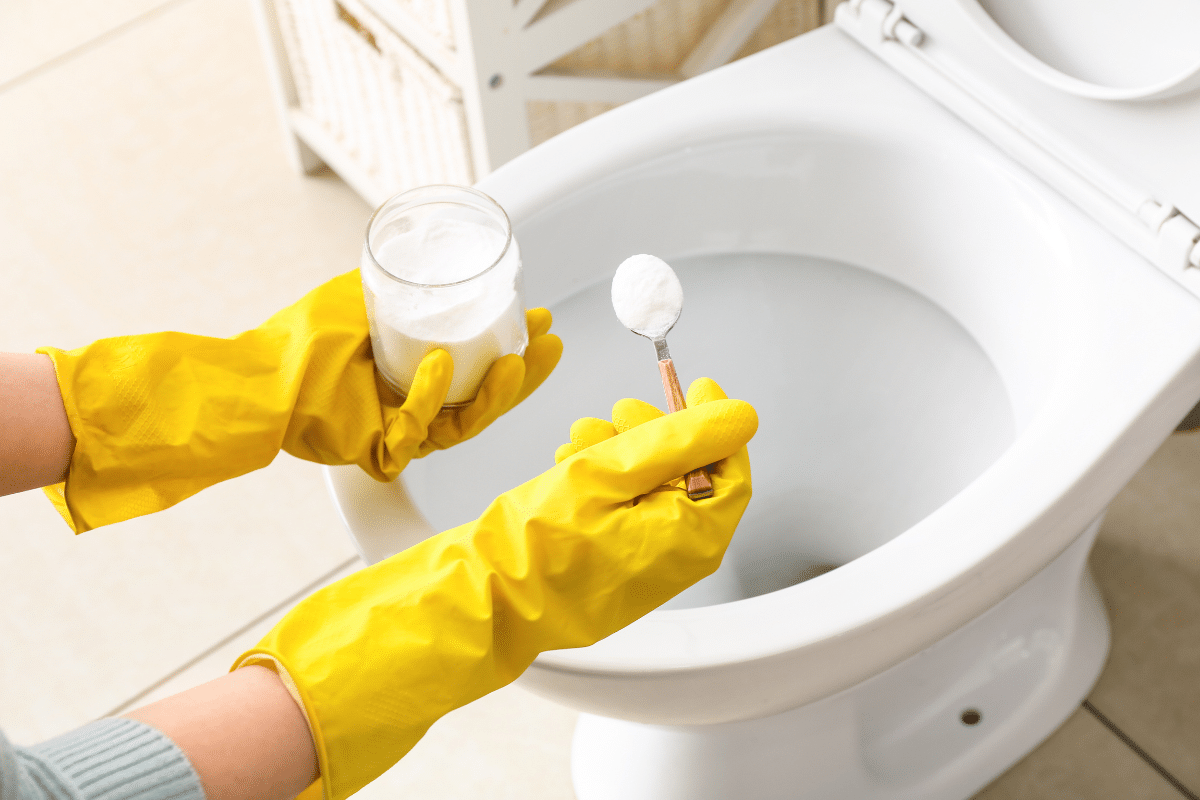
With so many “new and improved” cleaners lining store shelves, it’s fair to wonder why this old-school combo still holds up.
Simple answer: it solves the actual problem.
Vinegar breaks down mineral buildup and residue. Baking soda adds gentle scrubbing power and deodorizes at the same time. Together, they handle the most common toilet issues without unnecessary fillers or mystery ingredients.
They’re predictable. They’re affordable. And you’re in control of what you’re using.
No subscriptions. No locked cabinets. No second-guessing what you’re breathing in.
That kind of reliability matters, especially if you prefer solutions that work the first time and don’t require a backup plan.
What Causes Toilet Rings and Stains?
Before we jump into the recipe, it helps to know what you’re actually dealing with. Most toilet stains don’t come from neglect. They come from everyday use and the water running through your pipes.
A few usual suspects are responsible for most of the mess:
- Hard water: Minerals like calcium and iron slowly build up over time. The result is often a gray, brown, or rusty ring that seems to reappear no matter how often you clean.
- Mold or bacteria: That strange pink or orange film isn’t dirt. It’s usually Serratia marcescens, a bacteria that thrives in damp, low-ventilation bathrooms. It looks worse than it is, and yes, it’s beatable.
- Standing water: Toilets that aren’t used regularly give minerals and bacteria time to settle in and get comfortable. Guest bathrooms are common offenders here.
- Urine exposure: When it’s not flushed away promptly, urine can leave behind yellow stains that cling to the bowl and harden over time.
Here’s the important part: most of these stains build up gradually. That’s why regular maintenance helps, but it’s also why stains can feel stubborn once they’ve settled in.
If you’re already past the “quick wipe” stage, don’t worry. This cleaner is designed to break down buildup that’s been hanging around longer than you’d like to admit.
What You’ll Need (and Why It Works)

You only need two ingredients for this DIY toilet bowl cleaner and there’s a good chance they’re already sitting in your pantry:
- 1 cup baking soda
- 1 cup white vinegar
It might sound like a middle school volcano experiment, but this combo is doing very grown-up work inside your toilet bowl.
Baking soda (sodium bicarbonate) acts as a gentle abrasive. It loosens stains without scratching the porcelain and naturally neutralizes odors, which is a polite way of saying it handles the stink.
White vinegar is a mild acid. It breaks down hard water deposits, helps kill bacteria, and dissolves the crusty mineral buildup that loves to collect under the rim.
On their own, each ingredient pulls its weight.
Together, they’re better.
When baking soda and vinegar meet, they create a fizzy reaction. That bubbling action isn’t just for show. It helps lift grime from the surface so it’s easier to scrub away instead of grinding it in.

In plain English: the fizz does part of the work for you.
No harsh chemicals. No overpowering fumes. No damage to your toilet bowl.
How to Use This DIY Toilet Bowl Cleaner
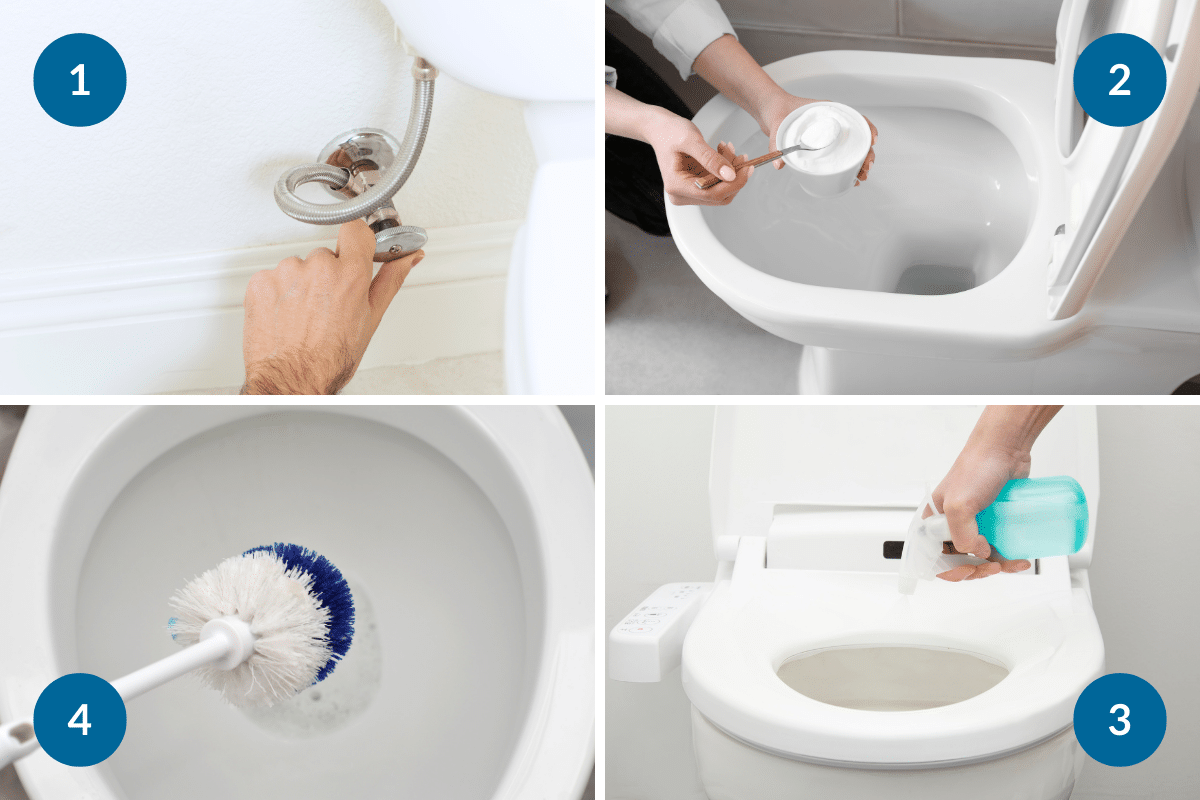
Now that you’ve got your two ingredients, here’s how to put them to work. This isn’t complicated but a little strategy makes it far more effective.
Step 1: Shut off the water supply.
Reach behind the toilet and turn the shut-off valve clockwise until it stops. Flush once to empty most of the water from the bowl.
This gives the cleaner a chance to stick where it’s needed instead of floating away.
Step 2: Add the baking soda
Sprinkle baking soda generously around the bowl, focusing on stained areas and especially under the rim. That’s where buildup likes to hide.
You don’t need to measure perfectly. Coverage matters more than precision here.
Step 3: Pour in the vinegar
Slowly add the vinegar, either by pouring it in or using a spray bottle for better control.
You’ll hear fizzing and bubbling almost immediately. That reaction is doing part of the work for you, loosening mineral deposits and lifting grime so it’s easier to scrub away.
Step 4: Scrub thoroughly
Grab your toilet brush and scrub the bowl, paying close attention to the rim, waterline, and any stubborn spots.
No need to rush. A steady, thorough scrub beats aggressive scrubbing every time.
Step 5: Turn the water back on and flush.
Restore the water supply, let the tank fill, and flush everything away.
If stains have been hanging around longer than you’d like to admit, repeat the process.
For extra-stubborn buildup: Let the mixture sit for up to 30 minutes before scrubbing. A scrubby sponge can help with tough rings, especially in hard-water areas.
Safety note: This cleaner is non-toxic and eco-friendly, but it should still be stored out of reach of children and pets. And never mix vinegar with bleach. Together they create dangerous fumes.
How Often Should You Clean a Toilet, Really?
There’s no prize for overcleaning. For most households, this works just fine:
- Once a week keeps stains and odors from settling in
- Every other week is enough if usage is light
- As needed works for guest bathrooms or rarely used spaces
The goal isn’t a spotless bowl at all times. It’s preventing buildup so you’re not stuck scrubbing harder later.
Final Flush (Thoughts)
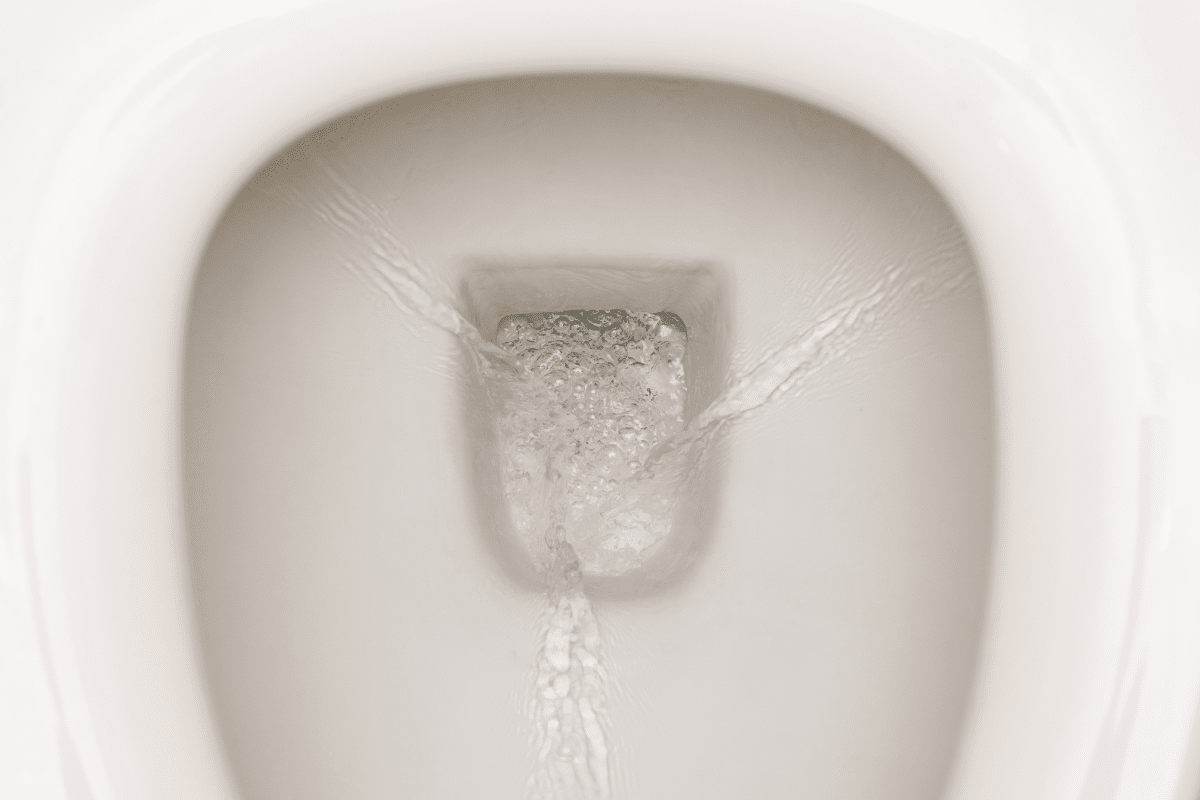
This isn’t an old wives’ tale. It’s simple chemistry doing what chemistry does best. When vinegar (an acid) meets baking soda (a base), you get that familiar fizz. That reaction helps loosen stains, neutralize odors, and break down mineral buildup that plain water can’t touch.
The real win, though, is what isn’t involved: harsh fumes, pricey specialty cleaners, or products that promise the moon and deliver disappointment. This method uses a couple of pantry staples, takes just a few minutes, and gets the job done without making the bathroom smell like a science lab gone rogue.
Will you suddenly love cleaning the toilet? Let’s not get carried away. But you’ll finish faster, scrub less, and walk away knowing you handled it the smart way and that’s a small, satisfying win any day of the week.
DIY Toilet Bowl Cleaner FAQs
Does baking soda and vinegar really clean a toilet?
Yes. Baking soda provides gentle scrubbing power and deodorizes, while vinegar breaks down mineral deposits and residue. Together, their fizzing reaction helps loosen stains, neutralize odors, and make buildup easier to remove without harsh chemicals.
Will baking soda and vinegar damage a toilet bowl?
No. Baking soda and white vinegar are safe for porcelain toilet bowls when used properly. They clean without scratching the surface or causing damage, unlike some abrasive or acidic commercial cleaners.
How long should baking soda and vinegar sit in the toilet?
For routine cleaning, letting the mixture sit for about 10 minutes is usually enough. For stubborn stains or mineral rings, allowing it to sit for up to 30 minutes before scrubbing can make removal much easier.
Can this DIY toilet bowl cleaner remove hard water stains?
Yes. Vinegar helps dissolve calcium and mineral buildup caused by hard water, while baking soda provides mild abrasion. Very old or heavy buildup may require repeating the process.
Is it safe to mix baking soda and vinegar with other cleaners?
No. Never mix vinegar with bleach or bleach-based cleaners. This combination creates dangerous fumes. Always use baking soda and vinegar on their own, and rinse the bowl thoroughly before switching products.
How often should I clean my toilet with baking soda and vinegar?
Most toilets do well with weekly cleaning. Light-use or guest bathrooms can be cleaned every other week or as needed. Regular maintenance prevents buildup and reduces the need for heavy scrubbing later.
Does this DIY cleaner disinfect a toilet?
This method cleans effectively and helps reduce bacteria and odors, but it is not a hospital-grade disinfectant. For everyday household cleaning and maintenance, it works well without harsh chemicals.
All-Natural Toilet Bowl Cleaner with Baking Soda & Vinegar
Materials
- 1 cup baking soda
- 1 cup white vinegar
Instructions
- Shut off the water supply to your toilet. Turn the knob behind the toilet clockwise and flush to empty the bowl.
- Sprinkle in the baking soda, coating the sides and under the rim generously.
- Add the vinegar—pour it directly or use a spray bottle for more control. Let it fizz and bubble.
- Let sit for 10–30 minutes, especially for tough stains or buildup.
- Scrub thoroughly with a toilet brush, focusing on stained areas and under the rim.
- Turn the water back on and flush to rinse everything away.
- Repeat if needed for extra-stubborn rings or mineral buildup.
Notes
Question: What’s your go-to trick for tackling toilet stains? Drop your tips in the comments.
EverydayCheapskate™ is reader-supported. We participate in the Amazon Services LLC Associates Program and other affiliate advertising programs, designed to provide a means for us to earn from qualifying purchases, at no cost to you.

More from Everyday Cheapskate
 https://www.everydaycheapskate.com/wp-content/uploads/20260705-how-to-keep-a-cooler-cold.png
800
1200
Mary Hunt
https://www.everydaycheapskate.com/wp-content/uploads/EC-Logo-by-Mary-Hunt-Tagline-Trimmed.png
Mary Hunt2026-07-05 13:19:502026-07-05 13:19:50How to Pack a Cooler That Stays Cold for 48 Hours
https://www.everydaycheapskate.com/wp-content/uploads/20260705-how-to-keep-a-cooler-cold.png
800
1200
Mary Hunt
https://www.everydaycheapskate.com/wp-content/uploads/EC-Logo-by-Mary-Hunt-Tagline-Trimmed.png
Mary Hunt2026-07-05 13:19:502026-07-05 13:19:50How to Pack a Cooler That Stays Cold for 48 Hours https://www.everydaycheapskate.com/wp-content/uploads/20260703-home-decor.png
800
1200
Mary Hunt
https://www.everydaycheapskate.com/wp-content/uploads/EC-Logo-by-Mary-Hunt-Tagline-Trimmed.png
Mary Hunt2026-07-03 20:46:552026-07-03 20:46:5510 Everyday Items You Never Think to Wash (But Should)
https://www.everydaycheapskate.com/wp-content/uploads/20260703-home-decor.png
800
1200
Mary Hunt
https://www.everydaycheapskate.com/wp-content/uploads/EC-Logo-by-Mary-Hunt-Tagline-Trimmed.png
Mary Hunt2026-07-03 20:46:552026-07-03 20:46:5510 Everyday Items You Never Think to Wash (But Should) https://www.everydaycheapskate.com/wp-content/uploads/20260630-a-lit-sparkler-with-an-american-flag-in-the-background-4th-of-july-hacks-tips-and-recipes.png
800
1200
Mary Hunt
https://www.everydaycheapskate.com/wp-content/uploads/EC-Logo-by-Mary-Hunt-Tagline-Trimmed.png
Mary Hunt2026-06-30 21:44:502026-06-30 21:44:5034 Fourth of July Recipes and DIY Hacks for a Stress-Free Holiday
https://www.everydaycheapskate.com/wp-content/uploads/20260630-a-lit-sparkler-with-an-american-flag-in-the-background-4th-of-july-hacks-tips-and-recipes.png
800
1200
Mary Hunt
https://www.everydaycheapskate.com/wp-content/uploads/EC-Logo-by-Mary-Hunt-Tagline-Trimmed.png
Mary Hunt2026-06-30 21:44:502026-06-30 21:44:5034 Fourth of July Recipes and DIY Hacks for a Stress-Free Holiday https://www.everydaycheapskate.com/wp-content/uploads/20260629-wooden-die-spell-july-with-patriotic-decor-in-background.png
800
1200
Mary Hunt
https://www.everydaycheapskate.com/wp-content/uploads/EC-Logo-by-Mary-Hunt-Tagline-Trimmed.png
Mary Hunt2026-06-29 21:07:092026-06-29 21:10:297 Best Things to Buy in July for Huge Summer Savings
https://www.everydaycheapskate.com/wp-content/uploads/20260629-wooden-die-spell-july-with-patriotic-decor-in-background.png
800
1200
Mary Hunt
https://www.everydaycheapskate.com/wp-content/uploads/EC-Logo-by-Mary-Hunt-Tagline-Trimmed.png
Mary Hunt2026-06-29 21:07:092026-06-29 21:10:297 Best Things to Buy in July for Huge Summer Savings https://www.everydaycheapskate.com/wp-content/uploads/20260628-Grilled-Peaches-with-Balsamic-and-Blue-Cheese-1.png
800
1200
Mary Hunt
https://www.everydaycheapskate.com/wp-content/uploads/EC-Logo-by-Mary-Hunt-Tagline-Trimmed.png
Mary Hunt2026-06-29 09:38:342026-06-29 09:38:34Summer Grilled Peaches with Balsamic and Blue Cheese
https://www.everydaycheapskate.com/wp-content/uploads/20260628-Grilled-Peaches-with-Balsamic-and-Blue-Cheese-1.png
800
1200
Mary Hunt
https://www.everydaycheapskate.com/wp-content/uploads/EC-Logo-by-Mary-Hunt-Tagline-Trimmed.png
Mary Hunt2026-06-29 09:38:342026-06-29 09:38:34Summer Grilled Peaches with Balsamic and Blue Cheese https://www.everydaycheapskate.com/wp-content/uploads/20260628-close-up-photo-a-woman-wearing-a-swimsuit-with-a-mild-sunburn.png
800
1200
Mary Hunt
https://www.everydaycheapskate.com/wp-content/uploads/EC-Logo-by-Mary-Hunt-Tagline-Trimmed.png
Mary Hunt2026-06-28 21:40:042026-06-28 21:40:04DIY After-Sun Spray That Cools and Soothes Skin
https://www.everydaycheapskate.com/wp-content/uploads/20260628-close-up-photo-a-woman-wearing-a-swimsuit-with-a-mild-sunburn.png
800
1200
Mary Hunt
https://www.everydaycheapskate.com/wp-content/uploads/EC-Logo-by-Mary-Hunt-Tagline-Trimmed.png
Mary Hunt2026-06-28 21:40:042026-06-28 21:40:04DIY After-Sun Spray That Cools and Soothes Skin https://www.everydaycheapskate.com/wp-content/uploads/20260626-homemade-stain-paste-sitting-on-wooden-countertop-in-laundry-room-with-washer-and-dryer.png
800
1200
Mary Hunt
https://www.everydaycheapskate.com/wp-content/uploads/EC-Logo-by-Mary-Hunt-Tagline-Trimmed.png
Mary Hunt2026-06-26 17:41:192026-06-26 17:41:19Homemade Laundry Stain Paste That Works for Pennies
https://www.everydaycheapskate.com/wp-content/uploads/20260626-homemade-stain-paste-sitting-on-wooden-countertop-in-laundry-room-with-washer-and-dryer.png
800
1200
Mary Hunt
https://www.everydaycheapskate.com/wp-content/uploads/EC-Logo-by-Mary-Hunt-Tagline-Trimmed.png
Mary Hunt2026-06-26 17:41:192026-06-26 17:41:19Homemade Laundry Stain Paste That Works for Pennies https://www.everydaycheapskate.com/wp-content/uploads/20260625-a-rustic-wooden-christmas-tree-in-the-sand-on-the-beach.png
800
1200
Mary Hunt
https://www.everydaycheapskate.com/wp-content/uploads/EC-Logo-by-Mary-Hunt-Tagline-Trimmed.png
Mary Hunt2026-06-26 11:34:132026-06-26 11:36:44Christmas in June? Try This Amazon Prime Day Gift Guide
https://www.everydaycheapskate.com/wp-content/uploads/20260625-a-rustic-wooden-christmas-tree-in-the-sand-on-the-beach.png
800
1200
Mary Hunt
https://www.everydaycheapskate.com/wp-content/uploads/EC-Logo-by-Mary-Hunt-Tagline-Trimmed.png
Mary Hunt2026-06-26 11:34:132026-06-26 11:36:44Christmas in June? Try This Amazon Prime Day Gift Guide https://www.everydaycheapskate.com/wp-content/uploads/20260624-why-does-my-ice-taste-weird-soda-tea-lemonade-juice.png
800
1200
Mary Hunt
https://www.everydaycheapskate.com/wp-content/uploads/EC-Logo-by-Mary-Hunt-Tagline-Trimmed.png
Mary Hunt2026-06-24 17:10:532026-06-24 17:10:53Why Does My Ice Taste Weird? Here’s the Answer
https://www.everydaycheapskate.com/wp-content/uploads/20260624-why-does-my-ice-taste-weird-soda-tea-lemonade-juice.png
800
1200
Mary Hunt
https://www.everydaycheapskate.com/wp-content/uploads/EC-Logo-by-Mary-Hunt-Tagline-Trimmed.png
Mary Hunt2026-06-24 17:10:532026-06-24 17:10:53Why Does My Ice Taste Weird? Here’s the Answer

That it is natural and inexpensive!
If it’s an old toilet, turning that old valve could cause that valve to leak. Another option is to quickly dump a gallon of water from a bucket into the toilet bowl. it will cause all the water in the bowl to flush away.
I do use this combination but I ruined my new toilet having bleach tablets in the cistern. It caused the rubber to soften which coloured the water grey and caused grey steaks in the bowl.Took ages to discover the cause. Nothing would remove the stains. Tried everything. Then read to use a pumice and that got rid of them. No more bleach tablets in the cistern!! A cup of vinegar instead and this soda and vinegar combination for the bowl.
Want a very simple good cleaner? Use zep acidic toilet bowl cleaner. Put in give few minutes use brush and poof grime be gone!
Zep Acidic Toilet Bowl Cleaner is hydrochloric acid, a harsh chemical. The cautions on the label should be followed carefully. And at $.19 an ounce, a lot more expensive than safe, non-chemical DIY vinegar and baking soda with similar if not exactly the same results!
Is this safe for those who have septic systems?
Yes, a DIY toilet bowl cleaner made from vinegar and baking soda is safe for septic tanks—and in fact, it’s a lot friendlier to your plumbing and septic system than many commercial cleaners.
Why it’s safe:
Vinegar is a mild acid (acetic acid) that breaks down mineral deposits and grime without disrupting the natural bacterial balance inside your septic tank.
Baking soda is a mild alkali that gently scrubs and deodorizes. It won’t kill the essential bacteria your septic system relies on.
Bonus: No harsh chemicals.
Bleach, ammonia, and many “flushable” disinfectants can wipe out the beneficial bacteria your septic tank needs to break down waste. But vinegar and baking soda? They get the job done without launching chemical warfare inside your pipes.
A plumber recommended that I periodically use this formula to dissolve toothpaste that accumulates in the drain. The vinegar and baking powder will break down the buildup. After the fizzing is gone, fill the sink with hot water and plunge it down.
I believe you mean baking SODA, not powder.