
DIY Natural Ant Killer Spray to Stop Ants Quickly


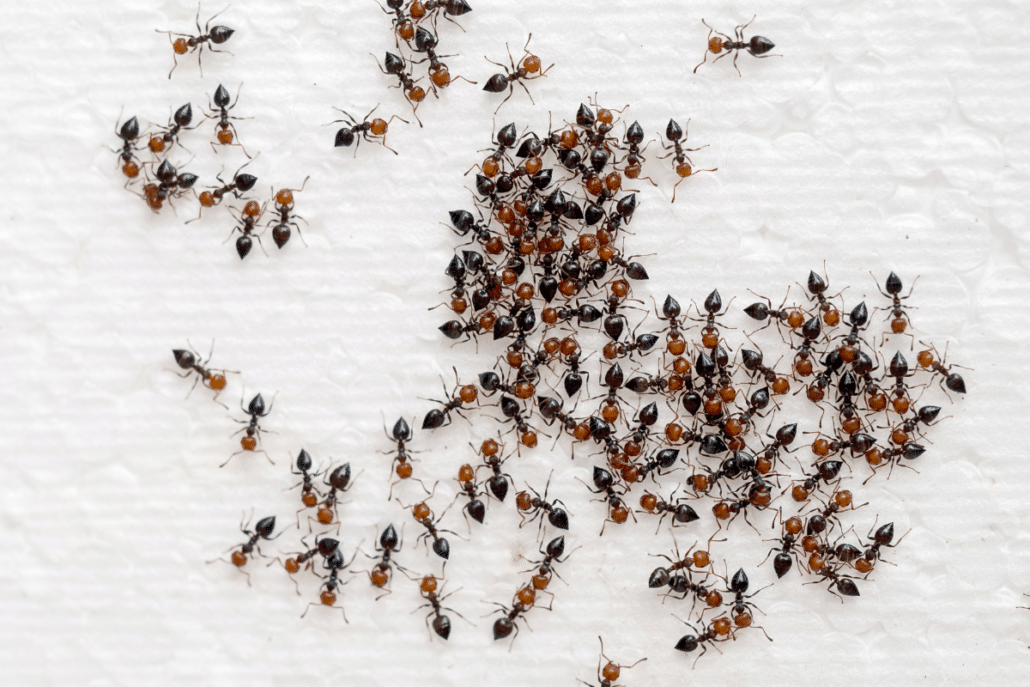
If ants have started showing up like uninvited houseguests lately, you’re not imagining things. Warmer weather sends them marching indoors in search of water and food and once they find it, they bring friends. The good news? You don’t need harsh chemicals or pricey exterminators to take back your space. With a few simple ingredients and a little know-how, you can stop ants in their tracks safely and affordably. I’ll show you exactly how to make a natural ant killer that works and how to keep those tiny intruders from coming back.
⚠️ Important Pet Safety Warning
This recipe includes tea tree oil, which can be toxic to pets, especially cats and dogs, when used in concentrated or improperly diluted forms. Even small amounts can cause serious health issues if ingested, absorbed through the skin, or licked off surfaces. If you have pets in your home, use extreme caution or consider omitting tea tree oil entirely. Never apply this spray directly where pets can lick or ingest it. Keep treated surfaces fully dry before allowing pets back into the area.
Signs of potential exposure in dogs can include: drooling, weakness, tremors, difficulty walking, or lethargy. If you suspect exposure, contact your veterinarian immediately. Do not attempt home treatment or induce vomiting.
When in doubt, it’s always safest to choose pet-safe alternatives approved by a veterinarian.
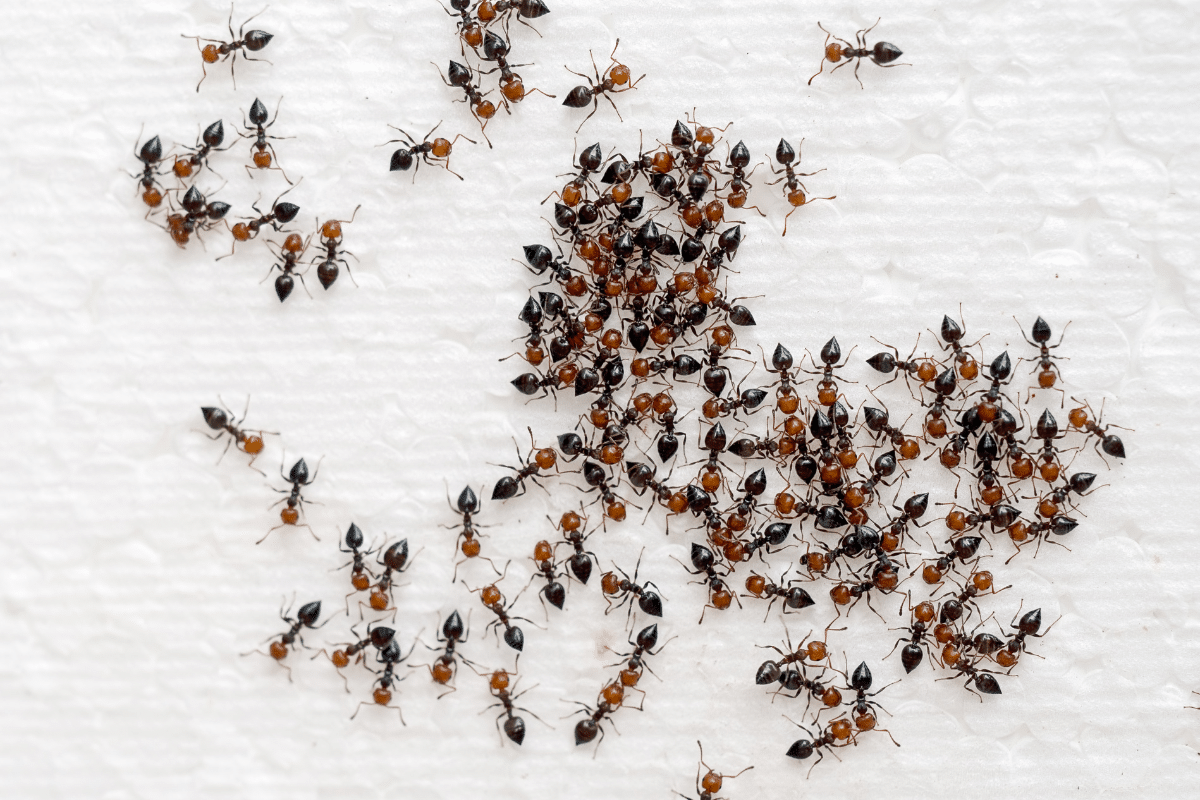
If you’ve ever had to deal with an ant invasion, you know what true exasperation feels like. Sure, the kids might find ants fascinating as they march in formation and work together like tiny soldiers, but it’s a lot less charming when they’re helping themselves to your kitchen.
Commercial ant sprays can work, but they often come with a hefty price tag and ingredients you may not want anywhere near your countertops, pets, or pantry.
And while some DIY options like borax or ammonia get tossed around, they can create their own set of concerns, especially in busy households where safety matters just as much as effectiveness.
The goal here is simple: get rid of ants quickly, safely, and without turning your home into a science experiment.
Why Use a Natural Ant Killer?
Looking for a solution that actually makes sense day-to-day? This one checks all the boxes.
- Safe to use around your home when used properly
- Budget-friendly (you likely have most of this already)
- Quick to mix and easy to use
- No lingering chemical smell
It’s the kind of fix you can make once and keep on hand… ready when you need it.
The Real Cost of Ignoring Ants
Ants aren’t just annoying. They can turn into a repeat problem if you don’t deal with them early. Some species contaminate food. Others are drawn to moisture (hello, kitchen and bathroom sinks). Certain types can even damage wood over time.
That’s why quick action matters. A small trail today can easily become a full-blown infestation tomorrow.
And while professional extermination works, it often comes with ongoing costs. A simple DIY solution gives you control without the commitment.
The Real Cost of Hiring an Ant Exterminator
Thinking about calling in a pro? Here’s what ant control typically costs in 2026:
- One-Time Service: Most homeowners pay around $200–$300 per visit, with the national average landing near $250. Smaller issues may cost less, while larger infestations can climb quickly.
- Ongoing Service Plans:
- Quarterly visits: About $400–$500 per year
- Monthly service: Roughly $900–$1,200 per year
- Annual Plans: Some companies offer bundled yearly coverage starting around $100–$200 annually, though these may be more limited or preventative in nature.
Costs go up based on the size of the infestation, type of ants (some require specialized treatment), treatment method used, and number of follow-up visits needed. Follow-up visits, sealing entry points, or eco-friendly treatments can add $40–$300+ to your total.
Essential Ingredients for a DIY Natural Ant Killer
Creating an effective spray starts with a few simple ingredients:
- Amber glass spray bottle: Light can weaken essential oils, so dark glass helps your spray last longer. Store it in a cupboard and make small batches for best results.
- Ground cayenne pepper: This adds more than heat to your food. It’s highly irritating to ants and helps drive them away.
- Tea tree oil (100% pure): Known for its strong scent and natural properties that ants can’t tolerate.
- Peppermint oil (high quality, undiluted): Ants hate the smell. Bonus: your house smells fresh instead of chemical-heavy.
- Tap water:No need for anything fancy here. Plain tap water will do the trick.


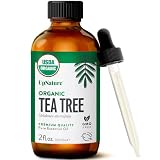
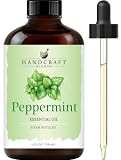
(Disclosure: This post includes an Amazon Creator Connections product. I may earn a small commission if you purchase through the link, at no additional cost to you.)
Step-by-Step: How to Make Your Ant Spray
Ready to tackle those pesky ants the natural way? Let’s mix up a batch of this simple, hardworking spray.
- Fill Your Bottle: Start by filling a 16-ounce amber glass spray bottle with tap water, leaving about an inch of space at the top. That dark glass isn’t just for looks. It helps protect the oils so your spray stays effective longer.
- Add the Ingredients: Add 1 teaspoon of ground cayenne pepper, along with 20 drops each of pure tea tree oil and peppermint oil.
- Top It Off: If needed, add a splash more water to bring it close to the top.
- Mix It Up: Secure the sprayer and give it a good shake. You’ll want to do this before each use, too, since the ingredients naturally settle.
- Label and Store: A quick label now saves confusion later. Store your bottle in a dark cupboard to keep everything fresh and potent.
A quick note from experience: stick with glass whenever you’re working with essential oils. Plastic can break down over time, and that’s one shortcut that ends up costing you in the long run.
How to Use It Indoors
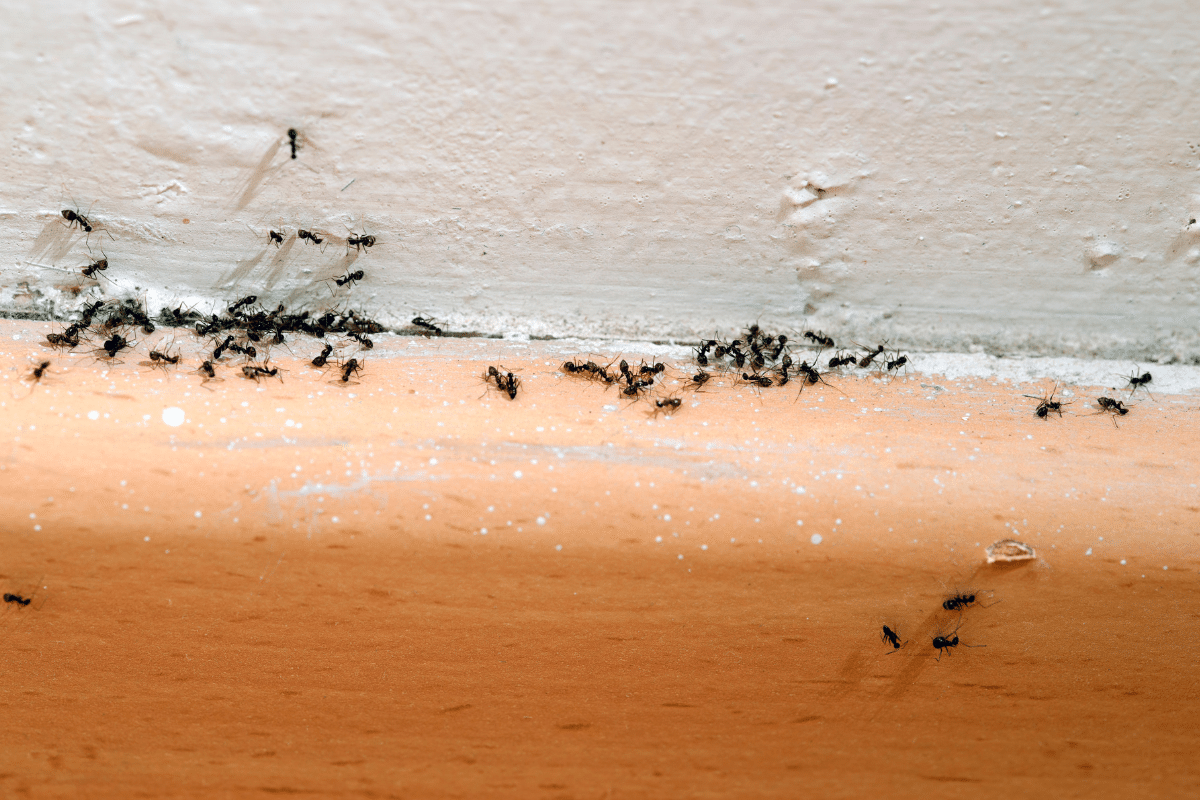
This is where this spray really proves its worth. It kills ants on contact. Yes, it’s that effective. If you notice it’s not working like it used to, that’s your cue to mix up a fresh batch. These ingredients don’t last forever, and that’s actually a good thing.
When you see ants, spray them directly, but don’t stop there. Follow the trail. Ants leave behind a scent path for others to follow, and if you don’t break that trail, they’ll keep coming back like it’s happy hour in your kitchen.
For best results, use it along:
- Baseboards
- Windowsills
- Under sinks
- Cracks and entry points
You can use this spray on most household surfaces (appliances, countertops, painted areas, even floors) without worrying about damage. Still, it’s always smart to test a small spot first, just to be safe.
Stick with it for a few days, and you’ll not only get rid of the ants you see, but stop the ones you don’t from showing up next.
How to Use It Outdoors
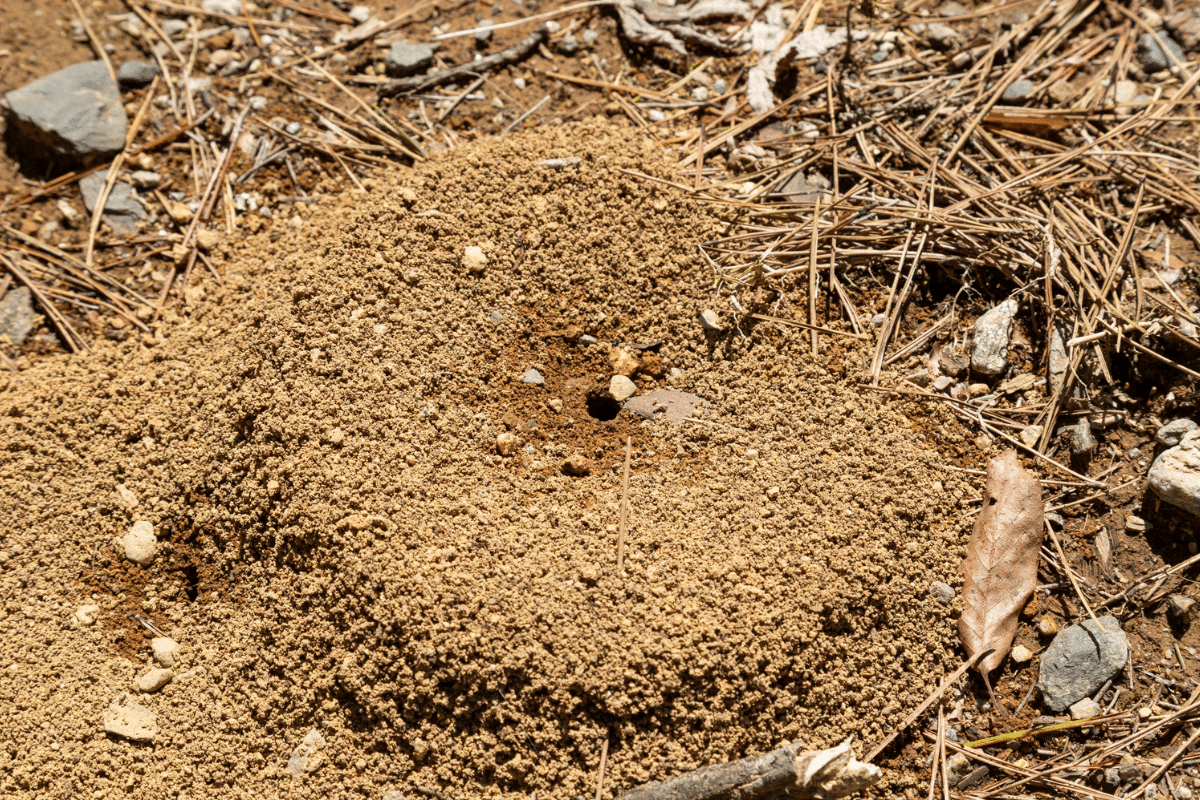
Ready to take this battle outside? Because if ants are showing up indoors, there’s almost always a party happening somewhere in your yard.
Target Ant Hotspots
Start by spraying along your home’s foundation, around doorways and windows, and anywhere you see ant activity. This helps cut off their main entry points and sends a very clear “not welcome here” message.
But if you really want results, you’ve got to go straight to the source: the nest.
Ant “Bomb” Method (For Stubborn Nests)
This is my go-to when ants refuse to take the hint.
Mix It Up:
- Bring a kettle of water to a boil.
- Add 2–3 teaspoons of cayenne pepper.
- Add 20 drops each of tea tree oil and peppermint oil.
Put It to Work:
- Use a stake or similar tool to create a deep hole in the nest (aim for about 18 inches if you can).
- Pull the stake out slowly to keep the hole open.
- Carefully pour the hot mixture directly into the nest.
Use caution here. It’s hot, but very effective. The boiling water takes care of ants on contact, while the pepper and oils help make the area one they won’t want to return to anytime soon.
If the grass takes a hit, don’t worry. It usually bounces back.
Stick with this approach, and you’ll not only deal with the ants you see, but shut down the source that keeps sending more your way.
Note: If you have cats, it’s worth doing a quick check to be sure these ingredients are a good fit for your household.
How to Keep Ants From Coming Back
Getting rid of ants is step one. Keeping them out is where the real win happens. Here’s what makes the biggest difference:
- Seal entry points: Check around windows, doors, and pipes. A little caulk goes a long way.
- Cut off the food supply: Wipe counters, store food in airtight containers, and don’t forget pet bowls.
- Fix moisture issues: Leaky faucets and damp areas are basically an open invitation.
- Create a “no-entry zone:” Use your spray along common entry areas as a barrier.
A few small habits here save you from repeating the same battle next week.
When It’s Time to Call for Backup
If you’re seeing ants again and again despite your efforts, it may be time to bring in a professional. Especially if you suspect carpenter ants, the infestation keeps returning, or you can’t locate the source. There’s no shame in getting help, but it’s nice to know you’ve got a solid first line of defense before going that route.
There’s something satisfying about solving a problem with what you already have at home and this is one of those fixes that just makes sense. A few minutes of effort now can save you a whole season of frustration.
DIY Natural Ant Killer Spray
Ingredients
- 16 ounces tap water
- 1 teaspoon ground cayenne pepper
- 20 drops tea tree essential oil 100% pure
- 20 drops peppermint essential oil high quality, undiluted
Instructions
- Add tap water to your 16-ounce amber glass spray bottle, leaving about 1 inch of space at the top.
- Add the cayenne pepper, tea tree oil, and peppermint oil.
- Add a splash more water if needed to bring it close to full.
- Secure the sprayer and shake thoroughly to combine.
- Label your bottle and store it in a dark cupboard. Shake before each use since ingredients will settle.
Notes
Question: What’s the strangest place you’ve ever found ants in your home? Share in the comments below.
EverydayCheapskate™ is reader-supported. We participate in the Amazon Services LLC Associates Program and other affiliate advertising programs, designed to provide a means for us to earn from qualifying purchases, at no cost to you.

More from Everyday Cheapskate
 https://www.everydaycheapskate.com/wp-content/uploads/20261006-prime-big-deal-days-have-landed.png
800
1200
Mary Hunt
https://www.everydaycheapskate.com/wp-content/uploads/EC-Logo-by-Mary-Hunt-Tagline-Trimmed.png
Mary Hunt2026-10-05 11:01:432026-10-07 09:02:53EC’s Top Picks from Amazon Prime Big Deal Days 2026
https://www.everydaycheapskate.com/wp-content/uploads/20261006-prime-big-deal-days-have-landed.png
800
1200
Mary Hunt
https://www.everydaycheapskate.com/wp-content/uploads/EC-Logo-by-Mary-Hunt-Tagline-Trimmed.png
Mary Hunt2026-10-05 11:01:432026-10-07 09:02:53EC’s Top Picks from Amazon Prime Big Deal Days 2026 https://www.everydaycheapskate.com/wp-content/uploads/20261004-reduce-healthcare-costs-with-three-habits-healthy-couple-walking-in-autumn-leaves.png
800
1200
Mary Hunt
https://www.everydaycheapskate.com/wp-content/uploads/EC-Logo-by-Mary-Hunt-Tagline-Trimmed.png
Mary Hunt2026-10-04 23:08:572026-10-04 23:09:47How to Reduce Healthcare Costs With 3 Free Daily Habits
https://www.everydaycheapskate.com/wp-content/uploads/20261004-reduce-healthcare-costs-with-three-habits-healthy-couple-walking-in-autumn-leaves.png
800
1200
Mary Hunt
https://www.everydaycheapskate.com/wp-content/uploads/EC-Logo-by-Mary-Hunt-Tagline-Trimmed.png
Mary Hunt2026-10-04 23:08:572026-10-04 23:09:47How to Reduce Healthcare Costs With 3 Free Daily Habits https://www.everydaycheapskate.com/wp-content/uploads/20241004-news-you-can-use-october-everyday-cheapskate-top-news-articles.png
800
1200
Mary Hunt
https://www.everydaycheapskate.com/wp-content/uploads/EC-Logo-by-Mary-Hunt-Tagline-Trimmed.png
Mary Hunt2026-10-04 01:04:052026-10-11 14:34:17News You Can Use • October 2026
https://www.everydaycheapskate.com/wp-content/uploads/20241004-news-you-can-use-october-everyday-cheapskate-top-news-articles.png
800
1200
Mary Hunt
https://www.everydaycheapskate.com/wp-content/uploads/EC-Logo-by-Mary-Hunt-Tagline-Trimmed.png
Mary Hunt2026-10-04 01:04:052026-10-11 14:34:17News You Can Use • October 2026 https://www.everydaycheapskate.com/wp-content/uploads/20261003-woman-hugging-elderly-mother-sandwich-generation-caring-for-aging-parents.png
800
1200
Mary Hunt
https://www.everydaycheapskate.com/wp-content/uploads/EC-Logo-by-Mary-Hunt-Tagline-Trimmed.png
Mary Hunt2026-10-03 10:47:222026-10-03 10:47:25Sandwiched Between Aging Parents and Adult Children
https://www.everydaycheapskate.com/wp-content/uploads/20261003-woman-hugging-elderly-mother-sandwich-generation-caring-for-aging-parents.png
800
1200
Mary Hunt
https://www.everydaycheapskate.com/wp-content/uploads/EC-Logo-by-Mary-Hunt-Tagline-Trimmed.png
Mary Hunt2026-10-03 10:47:222026-10-03 10:47:25Sandwiched Between Aging Parents and Adult Children https://www.everydaycheapskate.com/wp-content/uploads/20260927-impossible-lasagna-pie-recipe-with-wooden-serving-spoon-in-white-casserole-dish.png
800
1200
Mary Hunt
https://www.everydaycheapskate.com/wp-content/uploads/EC-Logo-by-Mary-Hunt-Tagline-Trimmed.png
Mary Hunt2026-09-28 09:38:592026-09-28 22:48:34Impossible Lasagna Pie: All the Flavor, None of the Noodles
https://www.everydaycheapskate.com/wp-content/uploads/20260927-impossible-lasagna-pie-recipe-with-wooden-serving-spoon-in-white-casserole-dish.png
800
1200
Mary Hunt
https://www.everydaycheapskate.com/wp-content/uploads/EC-Logo-by-Mary-Hunt-Tagline-Trimmed.png
Mary Hunt2026-09-28 09:38:592026-09-28 22:48:34Impossible Lasagna Pie: All the Flavor, None of the Noodles https://www.everydaycheapskate.com/wp-content/uploads/20260925-best-inexpensive-coffee-grinders-burr-manual-and-electric.png
800
1200
Mary Hunt
https://www.everydaycheapskate.com/wp-content/uploads/EC-Logo-by-Mary-Hunt-Tagline-Trimmed.png
Mary Hunt2026-09-25 11:06:342026-10-10 15:49:09The Best Coffee Grinder Upgrade That’s Actually Worth It
https://www.everydaycheapskate.com/wp-content/uploads/20260925-best-inexpensive-coffee-grinders-burr-manual-and-electric.png
800
1200
Mary Hunt
https://www.everydaycheapskate.com/wp-content/uploads/EC-Logo-by-Mary-Hunt-Tagline-Trimmed.png
Mary Hunt2026-09-25 11:06:342026-10-10 15:49:09The Best Coffee Grinder Upgrade That’s Actually Worth It https://www.everydaycheapskate.com/wp-content/uploads/20260918-man-and-woman-signing-an-extended-warranty-in-a-car-dealership.png
800
1200
Mary Hunt
https://www.everydaycheapskate.com/wp-content/uploads/EC-Logo-by-Mary-Hunt-Tagline-Trimmed.png
Mary Hunt2026-09-18 15:23:432026-09-18 15:25:43Is an Extended Warranty Ever Worth It? The Truth for 2026
https://www.everydaycheapskate.com/wp-content/uploads/20260918-man-and-woman-signing-an-extended-warranty-in-a-car-dealership.png
800
1200
Mary Hunt
https://www.everydaycheapskate.com/wp-content/uploads/EC-Logo-by-Mary-Hunt-Tagline-Trimmed.png
Mary Hunt2026-09-18 15:23:432026-09-18 15:25:43Is an Extended Warranty Ever Worth It? The Truth for 2026 https://www.everydaycheapskate.com/wp-content/uploads/20260917-fall-cleaning-checklist.png
800
1200
Mary Hunt
https://www.everydaycheapskate.com/wp-content/uploads/EC-Logo-by-Mary-Hunt-Tagline-Trimmed.png
Mary Hunt2026-09-17 17:11:012026-09-28 22:48:45Fall Cleaning Checklist: 15 Overlooked Spots to Clean
https://www.everydaycheapskate.com/wp-content/uploads/20260917-fall-cleaning-checklist.png
800
1200
Mary Hunt
https://www.everydaycheapskate.com/wp-content/uploads/EC-Logo-by-Mary-Hunt-Tagline-Trimmed.png
Mary Hunt2026-09-17 17:11:012026-09-28 22:48:45Fall Cleaning Checklist: 15 Overlooked Spots to Clean https://www.everydaycheapskate.com/wp-content/uploads/20260913-how-to-winterize-your-home-snowy-driveway-suburban-home.png
800
1200
Mary Hunt
https://www.everydaycheapskate.com/wp-content/uploads/EC-Logo-by-Mary-Hunt-Tagline-Trimmed.png
Mary Hunt2026-09-13 15:32:142026-09-28 22:48:55The Complete Guide to Winterizing Your Home This Fall
https://www.everydaycheapskate.com/wp-content/uploads/20260913-how-to-winterize-your-home-snowy-driveway-suburban-home.png
800
1200
Mary Hunt
https://www.everydaycheapskate.com/wp-content/uploads/EC-Logo-by-Mary-Hunt-Tagline-Trimmed.png
Mary Hunt2026-09-13 15:32:142026-09-28 22:48:55The Complete Guide to Winterizing Your Home This FallPlease keep your comments positive, encouraging, helpful, brief,
and on-topic in keeping with EC Commenting Guidelines
Last update on 2026-10-11 / Affiliate links / Images from Amazon Product Advertising API


Cats are highly sensitive to essential oils, and even a small amount in a diffuser can cause problems. Direct contact with some essential oils, even small amounts, can be toxic and even fatal. Please don’t use these in your home if you have cats. Verify with your vet. Maybe there could be a note added to the first part of this article.
Thank you. We’ve added a statement at the top of the article warning of use around pets.
i live in a mobile home. last year, for the first time, i had ants. i noticed one on the bathtub where the tub meets the stall wall. i went to kill it but it went under the molding. i unscrewed the molding and there were hundreds! didn’t have time to go looking for anything helpful, so i just took the shower head to aim and fire! no, WATER! drowned them all. now i know to keep dawn and water in a spray bottle on the ledge in the bathroom. the same dawn and water mix is on the back porch. it really does kill wasps. one got in the house yesterday and i grabbed the bottle and started spraying. it died in seconds.
Tea Tree oil is DEADLY for dogs. If you have a dog, you cannot use this formula anywhere that your dog may inadvertently lick a surface with the spray. Even the smallest amount could kill your dog or cause severe illness. Good ant formula – bad mix for dogs.
Thank you. We’ve added a statement at the top of the article warning of use around pets.
Carpenter ants are mostly “protein” loving, so I am told. I’ve bought the sprays for them but am searching for a method to get them to take the “bait” back to the queen(s) in their colonies and thus eradicate them entirely. YES, we have pets inside the house, so “mom” is very picky about what I use. Please, am looking forward to reading your ideas. THANK YOU
just a guess, but grated parmesean cheese is protein and easy for ants to carry. have you tried that?
Mary, thanks to you I use DE (Diatomaceous Earth) in my 3 season room. I bought the power duster from Amazon and I love it for getting into the cracks on my 3 season room where they like to come in. Now I have a safe way to deter the ants and keep pets safe. Thank you for this! Just don’t let it get wet. If it does, just reapply when the area is dry!! I love this stuff!!
I’d love to try out this recipe but can’t. Do you have any other suggestions for the bottle? Your choice is not currently sold (last review was over a year ago). Better yet, do you have an idea on how to make my own sprayer filter? Amber glass sprayer bottles without filter are easy to find.
I can’t find the amber bottles either . And my sprayer keeps getting clogged.
Any spray bottle will work with a heavy duty sprayer. Take a look at this post for more info
My vet just gave me a list of oils with toxicity to pets and tea tree oil is on the list… Is this still ok to use inside?
Of course you should consider this information through the filter of your personal situation as a pet owner.
Will this work on fire ants too?
Always be careful using tea tree oil around cats. They are highly sensitive to it and absorb it quickly causing toxicity.