

How to Save Loose Change Without the Coinstar Fee


Saving loose change is a fantastic way to build up extra cash, but when the logistics start to feel more like a hassle than a help, it’s tempting to give up. Many people turn to Coinstar machines for the convenience, but with fees that chip away at your savings, it might be time to consider some alternatives.

I am not one to spend coins. I prefer to save my pocket change. In fact, I go out of my way to make sure I get plenty of change so I have more to save! But I hate to carry loose change, and so does my husband.
We routinely dump the day’s accumulation into a container to save for a trip or to buy something special. One year we saved $1,100 in coins, but I have to admit the logistics can be a royal pain.
Why You Should Stop Paying Coinstar Fees
I don’t know what happened to me that day a while back. I guess I was suffering from a severe case of TMC (too many coins). In a fit of frustration, I dumped the jars into a big bag and drove to the supermarket. I knew it would cost me 11.9% but at the time, it seemed reasonable.
I walked into the supermarket with $431.57 in coins and walked out with only $380.22 after the Coinstar fee. Big Green clobbered me with a $51.35 fee!
When you break it down, the Coinstar fee is like paying an hourly rate for someone to count your coins. For example, it cost me about $26.70 an hour to count my quarters—$.89 per $10 roll. For pennies, it’s a bit better, but still costly, with a rate of $1.36 an hour. Nickels? $5.34 an hour. Dimes? $13.35 an hour. Yikes!
Most of us probably value our time at much more than $1.36 an hour, but if you take the time to roll your own coins, you can “earn” back that money.
The Fastest Way to Roll Coins at Home
I used to scoff at the idea of rolling coins myself, thinking it would take forever. But once I tried it, I was amazed at how quickly I got the hang of it. With just a little practice, I can roll a $10 worth of quarters in under two minutes. Here’s how:
Step 1: Get Your Setup Right
Forget about trying to roll coins on a table that’s too hard or too uneven. Instead, work on a soft, flat surface like a “made bed.” Sounds odd, right? But trust me, it works. An old sheet spread over your bed gives you a smooth, cushioned surface to work with, and it also helps keep your bed clean (because, let’s be honest, those coins are filthy).
Step 2: Gather Your Tools
Next, you’ll need some basic supplies: coin wrappers and a little patience. You can find coin wrappers at most office supply stores or even online in bulk. Make sure you’ve got your coins organized by type—pennies, nickels, dimes, and quarters—so you can grab them as needed.
Step 3: Roll and Wrap Your Coins
Now, the fun part: Rolling. With your coins neatly stacked, start by gently pressing them into the wrapper. You’ll want to make sure they’re lined up properly—no spilling or jamming here. As you get the hang of it, you’ll realize how much quicker it gets.
Step 4: Perfect Your Technique
With just a little practice, you’ll be able to roll a $10 roll of quarters in under two minutes. At first, I thought that was impossible (I mean, come on, right?). But once I got into a rhythm, I was able to knock out rolls much faster than I thought.
Step 5: Celebrate Your Success
And voilà! You’ve got your coins rolled up, neatly wrapped, and ready to deposit or exchange—all without handing over a hefty fee to Coinstar.
Use Coin Sorting Tools to Speed Up the Process

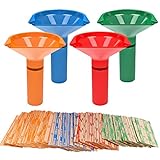
Budgetizer Coin Storage & Sorter Tubes
If you do end up rolling your own coins, investing in a good set of coin sorting tubes, like the Budgetizer Coin Storage & Sorter Tubes, can save you a ton of time. These color-coded tubes are designed for pennies, nickels, dimes, and quarters, and they make transferring your coins into wrappers a breeze.
You simply insert the coins into the tube, invert it, and just like that—your coins are counted and ready for wrapping. These tubes are an excellent, affordable investment if you regularly sort your coins—it’s a small price to pay to save you hours in the long run.
How to Find Free Coin Counting Machines Near You
Many local banks and credit unions offer free coin counting services, especially for their account holders. The best part? These services are often much cheaper—or even free!—compared to Coinstar’s hefty fee. And even if you’re not a member, it’s worth asking if they’ll still let you use the machine. Some will, especially if you’re open to opening a small account.
Call Ahead to Save Time
Before you make the trip to your bank or credit union, take a minute to call ahead. You don’t want to waste time driving to a branch that doesn’t offer coin counting or has specific requirements. Ask if they have a coin counting machine, whether there’s a fee (some places may charge a small fee for non-members, but it’s usually a fraction of Coinstar’s cost), and what their policies are on loose vs. rolled coins.
Are You Ready to Roll?
Some banks may ask that you roll your coins before they’ll count them, while others are happy to take them loose. If rolling is required, no worries—this is the perfect excuse to practice your coin-rolling technique.
The Big Takeaway
Coin rolling might seem tedious at first, but once you get the hang of it, it becomes second nature. Plus, by rolling your coins yourself, you’re saving money in the long run. The more you practice, the faster you’ll get, and the more money you’ll keep in your pocket instead of giving it away in fees.
And here’s the kicker: if you do decide to use a machine like Coinstar, roll your quarters and dimes ahead of time and take them to the bank to deposit—this way, you can avoid the high fees on those coins. Then, you can take just your nickels and pennies to Coinstar for counting. Or, even better, opt for an eGift card at Coinstar, which has no fees at all!
Question: Do you roll your own coins or just let the machine handle it? Tell us your best coin-saving hack.
EverydayCheapskate™ is reader-supported. We participate in the Amazon Services LLC Associates Program and other affiliate advertising programs, designed to provide a means for us to earn from qualifying purchases, at no cost to you.

More from Everyday Cheapskate
 https://www.everydaycheapskate.com/wp-content/uploads/20261004-woman-dreaming-about-her-financial-and-life-goals.png
800
1200
Mary Hunt
https://www.everydaycheapskate.com/wp-content/uploads/EC-Logo-by-Mary-Hunt-Tagline-Trimmed.png
Mary Hunt2026-10-04 12:50:422026-10-04 12:50:42She Lived in a Basement for $100 a Month. Here’s Why.
https://www.everydaycheapskate.com/wp-content/uploads/20261004-woman-dreaming-about-her-financial-and-life-goals.png
800
1200
Mary Hunt
https://www.everydaycheapskate.com/wp-content/uploads/EC-Logo-by-Mary-Hunt-Tagline-Trimmed.png
Mary Hunt2026-10-04 12:50:422026-10-04 12:50:42She Lived in a Basement for $100 a Month. Here’s Why. https://www.everydaycheapskate.com/wp-content/uploads/20260920-small-money-mistakes-woman-sitting-at-her-laptop-reviewing-bills.png
800
1200
Mary Hunt
https://www.everydaycheapskate.com/wp-content/uploads/EC-Logo-by-Mary-Hunt-Tagline-Trimmed.png
Mary Hunt2026-09-20 11:34:162026-09-28 22:48:40Small Money Mistakes: How to Fix Them Before They Grow
https://www.everydaycheapskate.com/wp-content/uploads/20260920-small-money-mistakes-woman-sitting-at-her-laptop-reviewing-bills.png
800
1200
Mary Hunt
https://www.everydaycheapskate.com/wp-content/uploads/EC-Logo-by-Mary-Hunt-Tagline-Trimmed.png
Mary Hunt2026-09-20 11:34:162026-09-28 22:48:40Small Money Mistakes: How to Fix Them Before They Grow https://www.everydaycheapskate.com/wp-content/uploads/20260918-man-and-woman-signing-an-extended-warranty-in-a-car-dealership.png
800
1200
Mary Hunt
https://www.everydaycheapskate.com/wp-content/uploads/EC-Logo-by-Mary-Hunt-Tagline-Trimmed.png
Mary Hunt2026-09-18 15:23:432026-09-18 15:25:43Is an Extended Warranty Ever Worth It? The Truth for 2026
https://www.everydaycheapskate.com/wp-content/uploads/20260918-man-and-woman-signing-an-extended-warranty-in-a-car-dealership.png
800
1200
Mary Hunt
https://www.everydaycheapskate.com/wp-content/uploads/EC-Logo-by-Mary-Hunt-Tagline-Trimmed.png
Mary Hunt2026-09-18 15:23:432026-09-18 15:25:43Is an Extended Warranty Ever Worth It? The Truth for 2026 https://www.everydaycheapskate.com/wp-content/uploads/20260915-overspending-habits-man-opening-empty-wallet.png
800
1200
Mary Hunt
https://www.everydaycheapskate.com/wp-content/uploads/EC-Logo-by-Mary-Hunt-Tagline-Trimmed.png
Mary Hunt2026-09-15 20:24:412026-09-28 22:48:50How to Stop Overspending Habits for Good, Starting Today
https://www.everydaycheapskate.com/wp-content/uploads/20260915-overspending-habits-man-opening-empty-wallet.png
800
1200
Mary Hunt
https://www.everydaycheapskate.com/wp-content/uploads/EC-Logo-by-Mary-Hunt-Tagline-Trimmed.png
Mary Hunt2026-09-15 20:24:412026-09-28 22:48:50How to Stop Overspending Habits for Good, Starting Today https://www.everydaycheapskate.com/wp-content/uploads/20260914-101010-rule-gold-numbers-on-teal-background.png
800
1200
Mary Hunt
https://www.everydaycheapskate.com/wp-content/uploads/EC-Logo-by-Mary-Hunt-Tagline-Trimmed.png
Mary Hunt2026-09-14 11:31:532026-09-28 22:48:53The 10/10/10 Rule Every Overthinker Needs to Try Today
https://www.everydaycheapskate.com/wp-content/uploads/20260914-101010-rule-gold-numbers-on-teal-background.png
800
1200
Mary Hunt
https://www.everydaycheapskate.com/wp-content/uploads/EC-Logo-by-Mary-Hunt-Tagline-Trimmed.png
Mary Hunt2026-09-14 11:31:532026-09-28 22:48:53The 10/10/10 Rule Every Overthinker Needs to Try Today https://www.everydaycheapskate.com/wp-content/uploads/20260909-annualize-your-spending.png
800
1200
Mary Hunt
https://www.everydaycheapskate.com/wp-content/uploads/EC-Logo-by-Mary-Hunt-Tagline-Trimmed.png
Mary Hunt2026-09-08 20:17:552026-09-28 22:49:02Annualize Your Spending: See What It Really Costs You
https://www.everydaycheapskate.com/wp-content/uploads/20260909-annualize-your-spending.png
800
1200
Mary Hunt
https://www.everydaycheapskate.com/wp-content/uploads/EC-Logo-by-Mary-Hunt-Tagline-Trimmed.png
Mary Hunt2026-09-08 20:17:552026-09-28 22:49:02Annualize Your Spending: See What It Really Costs You https://www.everydaycheapskate.com/wp-content/uploads/20260905-college-student-credit-card-debt-male.png
800
1200
Mary Hunt
https://www.everydaycheapskate.com/wp-content/uploads/EC-Logo-by-Mary-Hunt-Tagline-Trimmed.png
Mary Hunt2026-09-05 11:26:562026-09-05 11:36:10Should You Bail Your College Kid Out of Credit Card Debt?
https://www.everydaycheapskate.com/wp-content/uploads/20260905-college-student-credit-card-debt-male.png
800
1200
Mary Hunt
https://www.everydaycheapskate.com/wp-content/uploads/EC-Logo-by-Mary-Hunt-Tagline-Trimmed.png
Mary Hunt2026-09-05 11:26:562026-09-05 11:36:10Should You Bail Your College Kid Out of Credit Card Debt? https://www.everydaycheapskate.com/wp-content/uploads/20260828-choice-overload-man-resting-head-on-table.png
800
1200
Mary Hunt
https://www.everydaycheapskate.com/wp-content/uploads/EC-Logo-by-Mary-Hunt-Tagline-Trimmed.png
Mary Hunt2026-08-28 10:57:162026-09-28 22:49:22How to Escape the Tyranny of Too Many Choices
https://www.everydaycheapskate.com/wp-content/uploads/20260828-choice-overload-man-resting-head-on-table.png
800
1200
Mary Hunt
https://www.everydaycheapskate.com/wp-content/uploads/EC-Logo-by-Mary-Hunt-Tagline-Trimmed.png
Mary Hunt2026-08-28 10:57:162026-09-28 22:49:22How to Escape the Tyranny of Too Many Choices https://www.everydaycheapskate.com/wp-content/uploads/20260824-house-rules-for-adult-children.png
800
1200
Mary Hunt
https://www.everydaycheapskate.com/wp-content/uploads/EC-Logo-by-Mary-Hunt-Tagline-Trimmed.png
Mary Hunt2026-08-24 12:21:382026-08-24 12:23:50House Rules for Adult Children Living at Home (Without Losing Your Mind or Your Garage)
https://www.everydaycheapskate.com/wp-content/uploads/20260824-house-rules-for-adult-children.png
800
1200
Mary Hunt
https://www.everydaycheapskate.com/wp-content/uploads/EC-Logo-by-Mary-Hunt-Tagline-Trimmed.png
Mary Hunt2026-08-24 12:21:382026-08-24 12:23:50House Rules for Adult Children Living at Home (Without Losing Your Mind or Your Garage)Please keep your comments positive, encouraging, helpful, brief,
and on-topic in keeping with EC Commenting Guidelines
Last update on 2026-10-11 / Affiliate links / Images from Amazon Product Advertising API


i find rolling coins sort of relaxing – just a break from things. i certainly wouldn’t pay a machine to do such a simple task for me! reminds me I need to take my stash to the credit union to deposit!
i’ve been rolling coins for years
AND you can get FREE coin rolls at your bank!
I have been saving my coins for a few yrs. I use my quarters for laundry. (I live in a Apt)
But when I have enough rolled coins. I turn them into my bank and they give me the cash back. It helps!
Oh, dear. All that work! I finally figured out a way to beat this system. When I go to Walmart or my local Big Y I go to the self check out station. When my bill comes up, I take the coins from my purse and put them in the coin slot. Whatever I put in comes of the top of the bill. I can then pay the balance with cash or I can use a credit card for the balance. Easy-peasy. Hope someone sees this as a plus.
Great idea, Grace!
In Australia, a couple of our banks have coin counting machines. You tip your coins on to a tray and the machine starts to count. You can pay directly into your account or accept cash.
NEVER, NEVER roll quarters or dimes without checking to see if you have silver coins – its so easy. Hold the roll of coins in your hand and look at the edges – nearly all of them have a copper colored center like a sandwich. If you see one that does not have the copper center, it is a 1964 or earlier date and is made of 90% silver – a quarter is worth $6 and a dime is worth $2.40. Just hold those back and save them. How much silver have you thrown away??? (same thing with half dollars) A bag of 400 quarters ($100) is currently going for more than $2,000 from coin dealers.
Can you put up a link to his website? I cannot bring it up.
I’m afraid his website is no longer online 🙁
I find using a credit card for even small purchases equals No coin change, I get cash back for using the card.
We also save a lot of change. A few years ago, I bought a manual, hand-crank coin sorter for just under $30. It was well-worth the purchase. I had over $200 of coin rolled within an hour. My bank provides the coin wrappers at no charge and will also accept my rolled coin at no charge.
Many CoinStar machines will give you the option to get 100% of the money on an e-certificate to places like Amazon, IHOP, GameStop, etc. I do tons of shopping on Amazon, so this is a great option for me.
Here in Australia our banks have cash deposit machines which count the money. You are given a slip with the total and proceed to the teller. If you deposit the money onto your account there is no charge. However if you wish to take cash you are charged about AU$5.00 which is US$3.57.
I use my coins to pay down my husband’s car loan at our bank. At the end of each month, I count and roll the coins, and bring them to my bank and make a principle only payment on the loan. I did this with my car payment years ago, and I shaved off two years off the loan. Also by doing it monthly, you don’t end up with an unmanageable amount of coins to roll. 😉 Also, always ask at your bank for coin wrappers. They are FREE, as are check book registers and check book covers, at least they are at my bank.
Even easier, I have a tube bank. It has a tube for each coin type that has an overflow slot to denote it’s ready to roll. Then when the tube is full I roll and put aside. The coin rolls actually slip right over the coins in the tube. It’s just as easy to put the coins in the tubes as to dump in a jar and saves a lot of time on the sort and roll.
We are lucky that our one credit union has a coin counting machine that does it for free. I have it deposit straight into my savings account so we can watching it grow. We use it for our vacation fund. We are hoping to go to Paris in 2021, so that’s a big goal to save for!!
We save our change too. For half of each year, I wash my clothes in a coin laundry, so I remove all the quarters to a special coin purse just for laundry. When I do that, I “pay” myself for the quarters with bills. At the end of the year when I take the coins to our credit union to cash in, I have a nice stack of currency too. The saved money becomes our “play money” for special excursions that we make while at our winter home. By the way, our credit union doesn’t charge for counting if you deposit the money to an account.
A very good reason to roll your own coins is to take out the coins that are worth more than face value. For example, wheat pennies are worth more than a penny and a 1944 Lincoln penny is worth more than $400.00.
Who/What/Where pays more than a penny for a wheat penny?
A coin dealer
Unless something has changed recently you can select Amazon and some other vendors at certain Coinstar Kiosks and you are not charged the fee. Once I chose Amazon and something did not work so they gave me the full amount in cash. There are also charities, but they charge the fee on those. You have to be careful.
My bank dumps my coins in their machine, and counts them for no fee, even if I get cash back. The bank has about a dozen branches. I avoid the larger, national, world banks because they tend to charge fees for everything.
Instead of one container for all my coins, I have four mugs and I just toss them into the proper mug. That way I don’t have to sort them later. I do like Kar’ls method of making piles, I’ll have to try that next time. Thanks for all the great advice, Mary!!!
This counting, rolling, and wrapping coins all sounds way too time consuming and complicated to me! This is an example of how I save my “change” vs “coins”…say something costs $12.16, and I happen to have $.16 in my pocket or wallet. I simply pay the change part with the $.16 I have on hand and then put a whole $1 bill away! So instead of having a total of $1 in change ($.16 + $.84), I now have a one dollar bill to put aside as savings (same amount of money only in a different form). This is so much easier than dealing with all those coins! Then when the one dollar bills begin to accumulate, I simply swap them out for higher denomination bills which I have in my wallet (i.e. I will swap out five $1 bills for one $5 bill). This works like a charm. Try it. You won’t be disappointed 🙂
For about 20-25 dollars you can buy a decent coin counter. We bought one at WM many years ago and it’s paid for itself many times over. You can buy a bag of the tubes at the dollar store, WM or many office supply stores. They are very inexpensive. Dump your change in the hopper, turn it on and you’re done. When we get a decent amount of tubes, we take it to the bank, no issues. The one we purchased even keeps a running total on a display.
I bought a high-end coin counter for $200 on Amazon to use for our school fundraising activities. Worth every penny! It holds coin tubes and stops every time a roll is full. It has already saved me tons of time, which is at a real minimum as a teacher (especially when counting money that ISN’T my own).