

How to Deal With Picky Eaters Without Losing Your Cool

If mealtime at your house feels like a mini standoff—your child glaring at broccoli like it’s toxic waste—you’re not alone. Kids are naturally picky, and their preferences can flip overnight. The real question every parent faces is how to deal with picky eaters without turning dinner into a daily battle. Here’s the secret: you don’t need bribery, power struggles, or meltdowns to survive this phase. With a little patience and some clever tricks, you can keep mealtime calmer, healthier, and yes, maybe even fun.

If you’ve ever watched your child glare at a green bean like it was an alien life form, welcome to the club. Picky eating isn’t just common. It’s practically a childhood rite of passage. Some weeks, kids will happily eat broccoli. The next, broccoli might as well be poison. The key isn’t to nag, bribe, or force, but to get clever and creative.
Research backs this up. A long-term study following kids from age 2 to 11 found that anywhere from 13% to 22% were picky eaters at any given age. Most kids grew out of it within two years, but nearly half took longer, showing strong likes and dislikes or flat-out refusing to try new foods. Parents in the study often reported preparing separate meals, negotiating at the table, and feeling worn out by food battles, but here’s the kicker: picky eating didn’t impact kids’ growth or weight. In other words, mealtime drama doesn’t mean your child isn’t thriving.
What does that mean for you? Perspective matters. Most picky phases are temporary, but the way we respond can make all the difference. Turning dinner into a power struggle tends to backfire, while patience and persistence pay off. The goal isn’t perfection. It’s building positive habits over time, helping kids feel safe around food, and keeping your sanity intact in the process.
Here are time-tested strategies (with fresh insights from pediatric experts) to make mealtimes smoother and your kids’ plates a little more colorful.
Be Prepared: Healthy Snacks That Save the Day

Hunger strikes fast in kids, often followed by drama worthy of an Oscar. If you’re not ready, the nearest drive-thru suddenly feels like your only lifeline. A little planning goes a long way here. Keep a cooler in the car stocked with quick, grab-and-go options like yogurt cups, carrot sticks, pretzels, string cheese, and water.
Preventing those “hangry” meltdowns keeps you in the driver’s seat (literally). It also makes healthier choices the most convenient ones, which is half the battle on busy days.
Pro tip: Switch it up so kids don’t get bored. Homemade trail mix one day, apple slices with peanut butter the next. Small tweaks keep snacks exciting without doubling your effort.
Easy Dinner Plans Kids Will Actually Eat

Meal planning doesn’t have to be a military operation. Pick two or three anchor nights and use a simple formula:
- Carb: whole grain bread, pasta, or rice
- Protein: lean meat, beans, or cheese
- Fruit/veggie: fresh, frozen, or canned
Think tacos, spaghetti with meatballs, grilled cheese with tomato soup—same structure, different ingredients. Keep frozen veggies and canned beans on standby so dinner survives late meetings and forgotten defrosts.
Predictability calms kids and reduces your mental load.
Pro tip: Create a shared note with 10 “default dinners.” When brains are fried, pick one and move on.
Make Food Fun With Creative Presentations

My boys loved something we called “Bits and Pieces”—tiny leftover bites of anything in the fridge served with toothpicks. Cheese, fruit, meat, pasta, even a boiled egg made the cut. Try rainbow plates (red strawberries, orange carrots, yellow corn, green cukes, blueberries), or use cookie cutters for sandwiches and melon.
A little theater invites tasting, not battles. Rename and replate, and suddenly you’re a magician, not a short-order cook.
Pro Tip: Keep a “fun kit” (toothpicks, mini cutters, silicone cups) in one drawer so creativity is always within reach.
Dip It: Turning Snacks Into Activities

Dips turn eating into an activity: carrots in maple yogurt, broccoli in ranch, apples in peanut butter, chicken in honey yogurt, veggies in hummus or mild salsa. Offer two tiny ramekins so kids feel in control. If they only lick the dip at first, fine. Interest precedes acceptance. Keep portions small to avoid waste and keep it low-pressure.
Pro tip: Mix plain yogurt with a spoon of ranch seasoning or honey. Fast, cheap, and less sugar than bottled dressings.
Sneaky Ways to Add Nutrition

A little stealth nutrition is fine. Mix it in and keep offering the “real deal” so kids eventually accept the visible version too.
- Smoothies: Toss in cauliflower, avocado, or frozen butternut squash. They disappear into berry or chocolate smoothies without changing the flavor.
- Pancakes: Stir in ground flaxseed, hemp hearts, or mashed sweet potato.
- Pizza: Mix puréed carrots into marinara sauce for extra vitamins with zero complaints.
- Dip: Add puréed white beans or Greek yogurt into ranch or hummus for protein without the lecture.
- Tacos: Swap half the ground beef with lentils or finely chopped mushrooms. Seasoned well, nobody notices.
- Muffins: Shredded zucchini, grated apple, or mashed pear in muffins add fiber and natural sweetness.
- Frozen treats: Blend spinach or avocado into fruit popsicles.
Hidden boosts protect nutrition; repeated exposure builds acceptance. It’s a both/and strategy that reduces stress today and broadens tastes tomorrow.
Pro tip: Pulse veggies in a food processor on meal-prep day and freeze in ice-cube trays. Toss a cube into sauces when you need it.
Why Treats in Moderation Really Work

Outright bans make foods more alluring. Create clear rhythms: “Saturday Cereal,” “Movie Night Candy,” “Soda at parties, water/milk at home.”
Predictability removes the bargaining and keeps treats special rather than central. Kids learn balance without the guilt spiral.
Pro tip: Use a small “treat bowl” for portion cues. The container sets the limit. No debate needed.
Stop Nagging: Let Kids Decide

Here’s where the experts agree with every weary parent: nagging backfires. Narrating every bite (“Take one more,” “You liked this yesterday!”) turns dinner into a performance review.
The American Academy of Pediatrics warns that turning meals into power struggles only makes picky eating worse. Your job? Serve nutritious options. Their job? Decide whether to eat. In other words, you provide the structure; they learn to listen to their own hunger cues.
Pressure builds resistance, but calm consistency lowers stress. When the spotlight comes off, curiosity sneaks in.
Pro tip: Offer one “safe” food at every meal so kids feel secure. The rest of the plate becomes an invitation, not a battle.
Keep Offering: Repeated Exposure Works

Kids often need 8–15 (sometimes up to 20) exposures before accepting a new food. Parents usually quit after three or four attempts. Don’t. A sniff, a lick, or letting it sit on the plate all count. One “yuck” today doesn’t mean they’ll hate peas forever. Research shows that repeated offering works.
Familiarity reduces fear. Over time, what once looked scary feels safe.
Pro tip: Log exposures in your phone’s notes. When you hit exposure #9, you’ll remember progress even if your child doesn’t.
Model the Behavior You Want to See

If you make a face at Brussels sprouts, your kids will, too. Serve yourself a small portion, smile, and say one genuine thing you enjoy (“I like the crunchy edges”). No speeches. Just calm, visible enjoyment.
Kids copy what we do far more than what we say. Let them see you be brave with food.
Involve Kids in the Kitchen

Hands that help are hands that taste. Toddlers can wash produce; preschoolers can tear lettuce and sprinkle cheese; big kids can stir sauces, measure, and plate. Give one simple task per child so the kitchen doesn’t turn into a traffic jam.
Research backs this up: children actually eat more of the foods they help prepare, even the veggies. The American Academy of Pediatrics encourages involving kids in cooking, not just because it teaches life skills, but because it can nudge even hesitant eaters to take that first bite.
Ownership builds curiosity and a little kitchen confidence spills into the rest of life.
Pro tip: Start with snack prep. Even slicing bananas for yogurt bowls or arranging veggie sticks on a plate counts.
Know When It’s More Than Picky

Most selectivity is a phase. Check in with your pediatrician if your child regularly refuses entire food groups, eats fewer than 20 foods, gags or vomits with certain textures, has ongoing growth or energy concerns, or meals are consistently high-stress. These are all good cues to ask for support. You’re not “overreacting” for getting an expert on your team. Some kids need a little extra help from dietitians or feeding specialists.
Peace of mind matters. Most picky phases pass, but not all.
Pro tip: Jot down a one-week food list before the appointment. Patterns help clinicians give targeted, practical advice.
Keep Perspective: The Big Picture Matters
A skipped vegetable won’t determine your child’s future. Look at the pattern over the week: mostly balanced meals, active play, and a few joyful treats.
Mealtime is about connection. Many kids naturally widen their palates with time, calm exposure, and less commentary. Keep it calm, keep it light, and picky eating will eventually pass.
The goal isn’t a perfect eater; it’s a confident family at the table.
Question: What’s the funniest excuse your kid has ever given for not eating something? Share your stories in the comments!

More from Everyday Cheapskate
 https://www.everydaycheapskate.com/wp-content/uploads/20261006-prime-big-deal-days-have-landed.png
800
1200
Mary Hunt
https://www.everydaycheapskate.com/wp-content/uploads/EC-Logo-by-Mary-Hunt-Tagline-Trimmed.png
Mary Hunt2026-10-05 11:01:432026-10-07 09:02:53EC’s Top Picks from Amazon Prime Big Deal Days 2026
https://www.everydaycheapskate.com/wp-content/uploads/20261006-prime-big-deal-days-have-landed.png
800
1200
Mary Hunt
https://www.everydaycheapskate.com/wp-content/uploads/EC-Logo-by-Mary-Hunt-Tagline-Trimmed.png
Mary Hunt2026-10-05 11:01:432026-10-07 09:02:53EC’s Top Picks from Amazon Prime Big Deal Days 2026 https://www.everydaycheapskate.com/wp-content/uploads/20261004-reduce-healthcare-costs-with-three-habits-healthy-couple-walking-in-autumn-leaves.png
800
1200
Mary Hunt
https://www.everydaycheapskate.com/wp-content/uploads/EC-Logo-by-Mary-Hunt-Tagline-Trimmed.png
Mary Hunt2026-10-04 23:08:572026-10-04 23:09:47How to Reduce Healthcare Costs With 3 Free Daily Habits
https://www.everydaycheapskate.com/wp-content/uploads/20261004-reduce-healthcare-costs-with-three-habits-healthy-couple-walking-in-autumn-leaves.png
800
1200
Mary Hunt
https://www.everydaycheapskate.com/wp-content/uploads/EC-Logo-by-Mary-Hunt-Tagline-Trimmed.png
Mary Hunt2026-10-04 23:08:572026-10-04 23:09:47How to Reduce Healthcare Costs With 3 Free Daily Habits https://www.everydaycheapskate.com/wp-content/uploads/20241004-news-you-can-use-october-everyday-cheapskate-top-news-articles.png
800
1200
Mary Hunt
https://www.everydaycheapskate.com/wp-content/uploads/EC-Logo-by-Mary-Hunt-Tagline-Trimmed.png
Mary Hunt2026-10-04 01:04:052026-10-11 14:34:17News You Can Use • October 2026
https://www.everydaycheapskate.com/wp-content/uploads/20241004-news-you-can-use-october-everyday-cheapskate-top-news-articles.png
800
1200
Mary Hunt
https://www.everydaycheapskate.com/wp-content/uploads/EC-Logo-by-Mary-Hunt-Tagline-Trimmed.png
Mary Hunt2026-10-04 01:04:052026-10-11 14:34:17News You Can Use • October 2026 https://www.everydaycheapskate.com/wp-content/uploads/20261003-woman-hugging-elderly-mother-sandwich-generation-caring-for-aging-parents.png
800
1200
Mary Hunt
https://www.everydaycheapskate.com/wp-content/uploads/EC-Logo-by-Mary-Hunt-Tagline-Trimmed.png
Mary Hunt2026-10-03 10:47:222026-10-03 10:47:25Sandwiched Between Aging Parents and Adult Children
https://www.everydaycheapskate.com/wp-content/uploads/20261003-woman-hugging-elderly-mother-sandwich-generation-caring-for-aging-parents.png
800
1200
Mary Hunt
https://www.everydaycheapskate.com/wp-content/uploads/EC-Logo-by-Mary-Hunt-Tagline-Trimmed.png
Mary Hunt2026-10-03 10:47:222026-10-03 10:47:25Sandwiched Between Aging Parents and Adult Children https://www.everydaycheapskate.com/wp-content/uploads/20261002-cake-mix-chocolate-chip-cookies.png
800
1200
Mary Hunt
https://www.everydaycheapskate.com/wp-content/uploads/EC-Logo-by-Mary-Hunt-Tagline-Trimmed.png
Mary Hunt2026-10-02 19:44:302026-10-02 19:44:30Cake Mix Chocolate Chip Cookies That Taste Homemade
https://www.everydaycheapskate.com/wp-content/uploads/20261002-cake-mix-chocolate-chip-cookies.png
800
1200
Mary Hunt
https://www.everydaycheapskate.com/wp-content/uploads/EC-Logo-by-Mary-Hunt-Tagline-Trimmed.png
Mary Hunt2026-10-02 19:44:302026-10-02 19:44:30Cake Mix Chocolate Chip Cookies That Taste Homemade https://www.everydaycheapskate.com/wp-content/uploads/20260930-cheap-Halloween-party-snacks-for-kids-punch-bowl-mummy-dogs-ghost-bananas.png
800
1200
Mary Hunt
https://www.everydaycheapskate.com/wp-content/uploads/EC-Logo-by-Mary-Hunt-Tagline-Trimmed.png
Mary Hunt2026-10-01 11:08:582026-10-01 11:08:59These Cheap Halloween Snacks Are Almost Too Easy to Make
https://www.everydaycheapskate.com/wp-content/uploads/20260930-cheap-Halloween-party-snacks-for-kids-punch-bowl-mummy-dogs-ghost-bananas.png
800
1200
Mary Hunt
https://www.everydaycheapskate.com/wp-content/uploads/EC-Logo-by-Mary-Hunt-Tagline-Trimmed.png
Mary Hunt2026-10-01 11:08:582026-10-01 11:08:59These Cheap Halloween Snacks Are Almost Too Easy to Make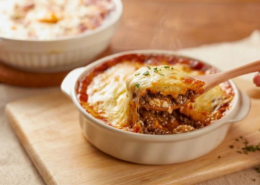 https://www.everydaycheapskate.com/wp-content/uploads/20260927-impossible-lasagna-pie-recipe-with-wooden-serving-spoon-in-white-casserole-dish.png
800
1200
Mary Hunt
https://www.everydaycheapskate.com/wp-content/uploads/EC-Logo-by-Mary-Hunt-Tagline-Trimmed.png
Mary Hunt2026-09-28 09:38:592026-09-28 22:48:34Impossible Lasagna Pie: All the Flavor, None of the Noodles
https://www.everydaycheapskate.com/wp-content/uploads/20260927-impossible-lasagna-pie-recipe-with-wooden-serving-spoon-in-white-casserole-dish.png
800
1200
Mary Hunt
https://www.everydaycheapskate.com/wp-content/uploads/EC-Logo-by-Mary-Hunt-Tagline-Trimmed.png
Mary Hunt2026-09-28 09:38:592026-09-28 22:48:34Impossible Lasagna Pie: All the Flavor, None of the Noodles https://www.everydaycheapskate.com/wp-content/uploads/20260925-best-inexpensive-coffee-grinders-burr-manual-and-electric.png
800
1200
Mary Hunt
https://www.everydaycheapskate.com/wp-content/uploads/EC-Logo-by-Mary-Hunt-Tagline-Trimmed.png
Mary Hunt2026-09-25 11:06:342026-10-10 15:49:09The Best Coffee Grinder Upgrade That’s Actually Worth It
https://www.everydaycheapskate.com/wp-content/uploads/20260925-best-inexpensive-coffee-grinders-burr-manual-and-electric.png
800
1200
Mary Hunt
https://www.everydaycheapskate.com/wp-content/uploads/EC-Logo-by-Mary-Hunt-Tagline-Trimmed.png
Mary Hunt2026-09-25 11:06:342026-10-10 15:49:09The Best Coffee Grinder Upgrade That’s Actually Worth It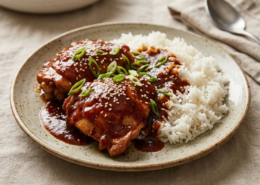 https://www.everydaycheapskate.com/wp-content/uploads/20260922-chinese-chicken-in-slow-cooker-with-white-rice-recipe-with-sesame-seeds-and-scallions.png
800
1200
Mary Hunt
https://www.everydaycheapskate.com/wp-content/uploads/EC-Logo-by-Mary-Hunt-Tagline-Trimmed.png
Mary Hunt2026-09-22 10:13:562026-09-28 22:48:39Slow Cooker Chinese Chicken That Beats Takeout
https://www.everydaycheapskate.com/wp-content/uploads/20260922-chinese-chicken-in-slow-cooker-with-white-rice-recipe-with-sesame-seeds-and-scallions.png
800
1200
Mary Hunt
https://www.everydaycheapskate.com/wp-content/uploads/EC-Logo-by-Mary-Hunt-Tagline-Trimmed.png
Mary Hunt2026-09-22 10:13:562026-09-28 22:48:39Slow Cooker Chinese Chicken That Beats Takeout

Our son was a “picky eater”. He would be at the table way after everyone else was finished eating. “One more bite”. How bad we felt when we found out that his food wasn’t going down because his tonsils were so enlarged all of the time that it took two swallows for it to go down! Oh, did I feel bad. He didn’t realize that was not normal and Mom and Dad didn’t know. A pediatric surgeon took out those bad boys and he was fine. So, my point is check out ALL possibilities of why kids won’t eat certain foods.
i don’t want what my brother is eating. said the older brother–age 4. me-but it’s mac and cheese. you love mac and cheese. son-not if HE’S eating it. me-well, then, you must not be hungry. you may be excused from the table. husband-you’re going to make him something else, aren’t you? me-no. i refuse to submit to emotional blackmail by a 4-year old. husband-but you HAVE to. me-dear, there’s the stove. be my guest. from that night on, my husband cooked three different dinners; up until little brother was old enough to use the microwave [at about ate 8] and began a life-long love of cooking. to this day, younger son is the family cook.