

Back to School Shopping Tips to Keep You on Budget

Back-to-school shopping used to mean a fresh notebook and a new pair of sneakers. These days, it looks more like a second mortgage. Before you panic over this year’s supply list, take a breath. You don’t need to buy everything in one trip, or even in one month. With the right strategy, a bit of planning, and some smart back to school shopping tips, you can outfit your kiddos without upending your finances (or your sanity).

Key Points
- Back-to-school shopping doesn’t need to happen all at once—spreading it out can save money and sanity.
- Setting a clear budget and involving your kids helps them learn smart spending habits early.
- Buying used, waiting for sales, and focusing on real needs over retail pressure leads to smarter choices and less debt.
The average family with K–12 students is expected to shell out around $858 this year on back-to-school shopping, and that’s with many cutting back. Toss in rising tariffs, supply chain curveballs, and a whole lot of retail pressure, and it’s no wonder parents are shopping earlier, spending more cautiously, and feeling the financial pinch.
In fact, 67% of families had already started shopping by early July, many driven by concerns that prices will climb before August. And while shopping early can be smart, it’s not a silver bullet, especially if it means panic-buying things your kids don’t even need yet. Nearly half of families admit they don’t know everything they need this early in the game, and 47% are waiting for better deals before finishing their lists.
And here’s the kicker: many parents are still going into debt just to afford what’s become the “standard” back-to-school gear. According to NerdWallet, 53% would consider debt for extracurriculars, and 46% would do the same just to help their kids fit in with trendy clothes or the latest gadgets. That’s a lot of emotional and financial pressure over a few first-day outfits and a backpack.
But here’s the thing: You don’t have to play by the retail rulebook. There’s nothing magical, or mandatory, about getting it all done by the first day of school. In fact, you may find that spreading out your purchases, getting creative, and sticking to your own spending plan gives you more control, more savings, and a lot less stress. Let’s talk about why pacing your shopping and breaking a few unspoken “rules” can be a smarter, saner way forward.
Why Buying Everything Now Doesn’t Make Sense
Retailers would love for you to believe that back-to-school shopping needs to happen all at once, preferably with your credit card in hand. They roll out the big sales, the flashy signs, and even a little pressure from the cashier to open a store card for an extra 15% off. But there’s no rule that says your kids need a year’s worth of clothes and supplies on day one.
Kids don’t need a full wardrobe right away. A new pair of shoes and a first-day outfit go a long way to boost confidence. The rest? Buy as needed. Spread it out over the school year to ease the financial hit. Growth spurts happen. Needs change. Styles evolve. Buying everything now guarantees you’ll be back at it again when the weather changes or someone outgrows their pants in a week.
Set a Realistic Back-to-School Budget
Time to get real. How much actual money (not credit) do you have for back-to-school shopping? Write it down and treat it like your north star. Share that amount with your kids and frame it with confidence: “This is what we choose to spend.” Not, “This is all we can afford.” It changes the tone and reinforces that budgeting is about choice, not scarcity.
Take inventory of what you already have. Check closets, drawers, and that basket of mystery socks. Know what still fits, what’s worn out, and what can be passed down. Then prioritize needs before wants. Divide the budget among your kids based on those needs, and once the essentials are covered, move on to the fun stuff if there’s room left.
Budget by Age Group: A Quick-Glance Mini Guide
Not all school supply lists are created equal. A kindergartener doesn’t need a graphing calculator, and your fifth grader can probably skip the earbuds (for now). Use this cheat sheet to help set realistic expectations and prioritize what matters most without the stress.
- Elementary School ($40–$75): Think basics: crayons, glue sticks, scissors, folders, and a backpack that won’t fall apart by October. Skip the tech unless specifically requested.
- Middle School ($75–$125): Add in earbuds, a basic calculator, a sturdy binder system, and maybe a locker shelf if you’re feeling fancy. Clothes and shoes start to matter more here. Budget accordingly.
- High School ($100–$175+): This is where the list gets longer and pricier. Scientific calculators, flash drives, extra notebooks, art or lab supplies, and possibly a tablet or laptop. Prioritize based on course load and what the school actually requires.
- College (Varies…widely): Books, tech, dorm gear, transportation… it’s a different beast. But for supplies alone, expect $200–$500 depending on the major. Pro tip: wait for syllabi before buying all the “suggested” materials.
Let Your Kids Learn by Spending
One of the best life lessons you can teach your kids? How to manage money. If your child is old enough, hand them their back-to-school budget in cash (or a prepaid card), and let them take the lead. Set clear guidelines and expectations, but then step back. Yes, they might blow it all on one pair of trendy jeans. That’s okay.
Let them learn the value of stretching a dollar, comparing prices, and making choices. When they see their sibling walk away with three full outfits while they have just one pair of shoes, that lesson will stick. And next time, they’ll likely think twice. It’s hands-on learning at its finest.
Buy Quality Where It Counts (And Only There)
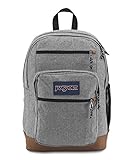
When it comes to kids and clothes, go for durability where it matters. For items they’ll use daily and won’t outgrow, like backpacks and lunchboxes, buy the best quality you can afford. A Jansport or Eastpak backpack might cost more upfront, but it could last from elementary school to college. Seriously.
But for clothes? Be strategic. Kids grow fast, spill often, and don’t care nearly as much about labels as advertisers want you to believe. Unless you find name-brand clothes at clearance or consignment prices, don’t bother. Instead, put your money into items that last and will get serious use.
Buy the Backpack Once
Jansport and Eastpak backpacks come with standout warranties that can turn a one-time purchase into a years-long investment.
Jansport offers a lifetime warranty on backpacks. If a zipper breaks or a seam fails, even years down the road, they’ll repair or replace it. Many readers report sending the same backpack back for repairs throughout grade school and beyond. One backpack. Multiple lifetimes.
Eastpak also backs its gear with a long-term global warranty. If a manufacturing defect crops up, they’ll fix it or send a replacement. You’ll just need to complete a simple repair form and provide a receipt or product tag.
Pro tip: Save your receipt and snap a photo of the product tag when you buy. It makes claims a breeze if you ever need one.

Shop Resale, Consignment, and Garage Sales
If you haven’t shopped consignment yet, prepare to be amazed. You can find brand-name, current-season clothes, many still with tags, for a fraction of the cost. Aim for 25–30% of original retail prices. Many parents intentionally buy high-end items just to resell them later, recouping part of their investment.
Garage sales are another goldmine. It takes a bit more patience and timing, but the savings can be unbeatable. Same goes for online resale groups, local swaps, and yes, even eBay. Know your sizes and brands, and keep a flexible attitude.
Save Big on School Supplies with This Strategy
This might surprise you, but office supply stores often beat big box retailers on school supplies during this season. Why? Because they use these items as loss leaders to get you in the door. A box of crayons for fifty cents? Yes, please. But don’t get distracted by the flashy laptop displays on the way out.
Stock up on basics like pencils, pens, notebooks, and glue sticks when they’re cheapest. Buy enough to last all year. You won’t see these prices again until next summer.
And if you work in an office, keep an eye out for clean, one-sided paper and binders being tossed. Many teachers welcome repurposed supplies. Just ask first.
Use Timing to Your Advantage
If you can hold off on buying clothes until October, you’ll catch the deepest discounts. Retailers slash prices once the back-to-school rush ends and fall inventory starts rolling in. That’s your moment to pounce.
January brings another wave of sales. Spread out purchases across these windows, and your kids will feel like they’re getting something new more often, because they are. And if you can predict a growth spurt (or three), buy ahead during these off-peak sales.
Take Advantage of Tax-Free Shopping Days
Before you start filling that cart, check if your state offers tax-free shopping days. These events often pop up in late July or early August and can stretch your dollars further especially on big-ticket items like backpacks, clothing, and even laptops. Not every state participates, but if yours does, it’s worth timing your purchases to match.
Stop Believing These Back-to-School Myths
Myth #1: You have to buy everything before school starts.
False. A first-day outfit, basic supplies, and maybe new shoes are all most kids need right away.
Myth #2: New equals better.
Also false. Gently used can be just as stylish, more sustainable, and a whole lot more affordable.
Myth #3: Every item on the school supply list must be brand new.
Not necessarily. Check with your child’s teacher. Many are fine with reused or alternative supplies, especially when budgets are tight.
Myth #4: Buying on credit is normal.
It may be common, but it’s not ideal. Debt adds pressure to your family budget and teaches your kids that it’s okay to spend money you don’t have. Stick with cash, a prepaid card, or your debit account and skip the post-shopping regret.
Question: What’s your secret weapon for saving money on back-to-school shopping? Let’s hear your tips, tricks, and maybe even your funny fails!

More from Everyday Cheapskate
 https://www.everydaycheapskate.com/wp-content/uploads/20261006-prime-big-deal-days-have-landed.png
800
1200
Mary Hunt
https://www.everydaycheapskate.com/wp-content/uploads/EC-Logo-by-Mary-Hunt-Tagline-Trimmed.png
Mary Hunt2026-10-05 11:01:432026-10-07 09:02:53EC’s Top Picks from Amazon Prime Big Deal Days 2026
https://www.everydaycheapskate.com/wp-content/uploads/20261006-prime-big-deal-days-have-landed.png
800
1200
Mary Hunt
https://www.everydaycheapskate.com/wp-content/uploads/EC-Logo-by-Mary-Hunt-Tagline-Trimmed.png
Mary Hunt2026-10-05 11:01:432026-10-07 09:02:53EC’s Top Picks from Amazon Prime Big Deal Days 2026 https://www.everydaycheapskate.com/wp-content/uploads/20261004-reduce-healthcare-costs-with-three-habits-healthy-couple-walking-in-autumn-leaves.png
800
1200
Mary Hunt
https://www.everydaycheapskate.com/wp-content/uploads/EC-Logo-by-Mary-Hunt-Tagline-Trimmed.png
Mary Hunt2026-10-04 23:08:572026-10-04 23:09:47How to Reduce Healthcare Costs With 3 Free Daily Habits
https://www.everydaycheapskate.com/wp-content/uploads/20261004-reduce-healthcare-costs-with-three-habits-healthy-couple-walking-in-autumn-leaves.png
800
1200
Mary Hunt
https://www.everydaycheapskate.com/wp-content/uploads/EC-Logo-by-Mary-Hunt-Tagline-Trimmed.png
Mary Hunt2026-10-04 23:08:572026-10-04 23:09:47How to Reduce Healthcare Costs With 3 Free Daily Habits https://www.everydaycheapskate.com/wp-content/uploads/20241004-news-you-can-use-october-everyday-cheapskate-top-news-articles.png
800
1200
Mary Hunt
https://www.everydaycheapskate.com/wp-content/uploads/EC-Logo-by-Mary-Hunt-Tagline-Trimmed.png
Mary Hunt2026-10-04 01:04:052026-10-11 14:34:17News You Can Use • October 2026
https://www.everydaycheapskate.com/wp-content/uploads/20241004-news-you-can-use-october-everyday-cheapskate-top-news-articles.png
800
1200
Mary Hunt
https://www.everydaycheapskate.com/wp-content/uploads/EC-Logo-by-Mary-Hunt-Tagline-Trimmed.png
Mary Hunt2026-10-04 01:04:052026-10-11 14:34:17News You Can Use • October 2026 https://www.everydaycheapskate.com/wp-content/uploads/20261003-woman-hugging-elderly-mother-sandwich-generation-caring-for-aging-parents.png
800
1200
Mary Hunt
https://www.everydaycheapskate.com/wp-content/uploads/EC-Logo-by-Mary-Hunt-Tagline-Trimmed.png
Mary Hunt2026-10-03 10:47:222026-10-03 10:47:25Sandwiched Between Aging Parents and Adult Children
https://www.everydaycheapskate.com/wp-content/uploads/20261003-woman-hugging-elderly-mother-sandwich-generation-caring-for-aging-parents.png
800
1200
Mary Hunt
https://www.everydaycheapskate.com/wp-content/uploads/EC-Logo-by-Mary-Hunt-Tagline-Trimmed.png
Mary Hunt2026-10-03 10:47:222026-10-03 10:47:25Sandwiched Between Aging Parents and Adult Children https://www.everydaycheapskate.com/wp-content/uploads/20260930-cheap-Halloween-party-snacks-for-kids-punch-bowl-mummy-dogs-ghost-bananas.png
800
1200
Mary Hunt
https://www.everydaycheapskate.com/wp-content/uploads/EC-Logo-by-Mary-Hunt-Tagline-Trimmed.png
Mary Hunt2026-10-01 11:08:582026-10-01 11:08:59These Cheap Halloween Snacks Are Almost Too Easy to Make
https://www.everydaycheapskate.com/wp-content/uploads/20260930-cheap-Halloween-party-snacks-for-kids-punch-bowl-mummy-dogs-ghost-bananas.png
800
1200
Mary Hunt
https://www.everydaycheapskate.com/wp-content/uploads/EC-Logo-by-Mary-Hunt-Tagline-Trimmed.png
Mary Hunt2026-10-01 11:08:582026-10-01 11:08:59These Cheap Halloween Snacks Are Almost Too Easy to Make https://www.everydaycheapskate.com/wp-content/uploads/20261001-prime-big-deal-days-are-coming.png
800
1200
Mary Hunt
https://www.everydaycheapskate.com/wp-content/uploads/EC-Logo-by-Mary-Hunt-Tagline-Trimmed.png
Mary Hunt2026-10-01 09:25:072026-10-01 11:45:25Prime Big Deal Days 2026: Your Cheapskate Game Plan
https://www.everydaycheapskate.com/wp-content/uploads/20261001-prime-big-deal-days-are-coming.png
800
1200
Mary Hunt
https://www.everydaycheapskate.com/wp-content/uploads/EC-Logo-by-Mary-Hunt-Tagline-Trimmed.png
Mary Hunt2026-10-01 09:25:072026-10-01 11:45:25Prime Big Deal Days 2026: Your Cheapskate Game Plan https://www.everydaycheapskate.com/wp-content/uploads/20260927-impossible-lasagna-pie-recipe-with-wooden-serving-spoon-in-white-casserole-dish.png
800
1200
Mary Hunt
https://www.everydaycheapskate.com/wp-content/uploads/EC-Logo-by-Mary-Hunt-Tagline-Trimmed.png
Mary Hunt2026-09-28 09:38:592026-09-28 22:48:34Impossible Lasagna Pie: All the Flavor, None of the Noodles
https://www.everydaycheapskate.com/wp-content/uploads/20260927-impossible-lasagna-pie-recipe-with-wooden-serving-spoon-in-white-casserole-dish.png
800
1200
Mary Hunt
https://www.everydaycheapskate.com/wp-content/uploads/EC-Logo-by-Mary-Hunt-Tagline-Trimmed.png
Mary Hunt2026-09-28 09:38:592026-09-28 22:48:34Impossible Lasagna Pie: All the Flavor, None of the Noodles https://www.everydaycheapskate.com/wp-content/uploads/20260925-best-inexpensive-coffee-grinders-burr-manual-and-electric.png
800
1200
Mary Hunt
https://www.everydaycheapskate.com/wp-content/uploads/EC-Logo-by-Mary-Hunt-Tagline-Trimmed.png
Mary Hunt2026-09-25 11:06:342026-10-10 15:49:09The Best Coffee Grinder Upgrade That’s Actually Worth It
https://www.everydaycheapskate.com/wp-content/uploads/20260925-best-inexpensive-coffee-grinders-burr-manual-and-electric.png
800
1200
Mary Hunt
https://www.everydaycheapskate.com/wp-content/uploads/EC-Logo-by-Mary-Hunt-Tagline-Trimmed.png
Mary Hunt2026-09-25 11:06:342026-10-10 15:49:09The Best Coffee Grinder Upgrade That’s Actually Worth It https://www.everydaycheapskate.com/wp-content/uploads/20260918-man-and-woman-signing-an-extended-warranty-in-a-car-dealership.png
800
1200
Mary Hunt
https://www.everydaycheapskate.com/wp-content/uploads/EC-Logo-by-Mary-Hunt-Tagline-Trimmed.png
Mary Hunt2026-09-18 15:23:432026-09-18 15:25:43Is an Extended Warranty Ever Worth It? The Truth for 2026
https://www.everydaycheapskate.com/wp-content/uploads/20260918-man-and-woman-signing-an-extended-warranty-in-a-car-dealership.png
800
1200
Mary Hunt
https://www.everydaycheapskate.com/wp-content/uploads/EC-Logo-by-Mary-Hunt-Tagline-Trimmed.png
Mary Hunt2026-09-18 15:23:432026-09-18 15:25:43Is an Extended Warranty Ever Worth It? The Truth for 2026Please keep your comments positive, encouraging, helpful, brief,
and on-topic in keeping with EC Commenting Guidelines
Last update on 2026-10-11 / Affiliate links / Images from Amazon Product Advertising API


My kids get the school supplies on the list. They re-use rulers, pencil bags, earbuds, etc. We choose a new outfit for the first day of school and picture day, but it has never worked out well to buy a bunch of new clothes in July or August. Living in the midwest, there isn’t a good selection of long pants and long sleeve shirts yet in July/August. My kids were always finding clothes they like better a few months into the school year, but I had already bought new “school clothes” in August that they didn’t want to wear now. We just wait on the clothes and focus on the school supplies at the start of the school year. Sometimes the later shopping gets me a few Christmas gift ideas, too.
I have never understood why so many feel an entire new wardrobe is needed for school. Did those clothes worn in August suddenly expire?
Our son used a Jansport backpack, handed down from an older cousin, for the entirety of his school years.