

How to Choose the Best Inexpensive Conditioner

Let’s talk conditioner. Not the overhyped “salon exclusive,” and not the afterthought you squeeze on out of habit. Conditioner is the part of your routine that actually stays on your hair long enough to make a difference. So this is where it pays to pay attention. Unlike shampoo, formulation makes a real difference. Before you grab whatever’s on sale, it helps to know what your hair actually needs.

“Conditioner” is a broad term. It covers a range of products designed to smooth the cuticle, reduce static and frizz, improve detangling, add softness and shine, and temporarily reinforce weak spots.
Unlike shampoo (which is mostly water and detergent), conditioners contain cationic conditioning agents, positively charged ingredients that cling to the negatively charged areas of damaged hair. That’s why conditioner works. It sticks where it’s needed.
Using the wrong type won’t ruin your hair. It just won’t give you the result you’re hoping for.
The Main Types of Conditioner (And Who They’re For)
Conditioner is not one thing. It’s a category. And using the right type for your hair makes more difference than upgrading to a more expensive bottle. Here’s how to think about it.
Moisturizing Conditioners
These rely on humectants (like glycerin) and emollients (oils and fatty alcohols) to soften hair and improve flexibility.
Best for:
- Dry or brittle hair
- Heat styling damage
- Hair that feels rough or straw-like
- Hair that tangles because it lacks slip
If your hair feels limp and thirsty, moisture is usually what it’s missing. But here’s where frustration sets in: if your hair is fine, too much moisture can make it flat or heavy. Not because the product is bad. Because it’s mismatched.
If your hair feels soft but won’t hold volume, you may be over-moisturizing.
If it feels rough, dull, or squeaky when dry, you probably need more.
Protein / Reconstructing Conditioners
These contain hydrolyzed proteins (often keratin, wheat, silk, or collagen). The proteins temporarily attach to weak spots in the hair shaft, helping reinforce areas that have been stressed.
Best for:
- Fine or thin hair
- Hair that snaps easily when brushed
- Chemically processed or bleached hair
- Hair that feels mushy or overly stretchy when wet
Here’s the important part: more is not better. Protein-heavy products used too often can make hair feel stiff, brittle, or overly rigid. For most people, once or twice a month is plenty.
Hair cannot be permanently repaired despite what labels promise. It can be temporarily reinforced. Understanding that keeps you from chasing miracle claims and overspending on “bond builders” you don’t actually need.
Acidifying Conditioners
Hair prefers a slightly acidic environment (around pH 4.5–5.5). When it’s exposed to alkaline processes such as coloring, perming, harsh cleansers, or even hard water, the cuticle lifts. That lifted cuticle is what makes hair feel rough, look dull, tangle easily, and frizz.
Acidifying conditioners lower the pH back toward hair’s natural range. As the pH drops, the cuticle tightens and lies flatter.
The result:
- Shinier hair (smooth surfaces reflect light better)
- A silkier feel
- Less frizz
- Better elasticity
- Easier detangling
They don’t weigh hair down. They don’t coat hair heavily. They restore balance.
If you color your hair, live with hard water, or use hot tools regularly, this category can make a noticeable difference without requiring a complicated routine.
Leave-In Conditioners and Detanglers
These are lighter formulas designed to remain in the hair.
Best for:
- Tangles
- Fine hair that knots easily
- Long hair prone to breakage
- Extra protection before heat styling
They reduce friction. And less friction means less mechanical breakage over time.
Here’s a simple guideline: Sprays are usually leave-in. Creams and balms are usually rinse-out unless clearly labeled otherwise.
Spray lightly. Start combing from the bottom and work up. Don’t yank through knots.
Does Conditioner Cause Build-Up?
Yes. It can. Unlike shampoo, conditioner is designed to cling to the hair. That’s what makes it work. But over time, especially if you’re heavy-handed or using thick masks frequently, that coating can accumulate.
Signs you may have build-up:
- Hair feels coated or waxy
- It looks dull even when clean
- Volume disappears quickly
- Products stop performing the way they used to
- Your roots feel flat even right after washing
Most people assume they need a better conditioner when this happens. Often, they just need less of it or a better rinse.
Before buying anything new, try this:
- Use a smaller amount (especially if your hair is fine)
- Apply from mid-length down, not at the roots
- Rinse longer than you think you need to
If that doesn’t fix it, clarify once a month with baking soda mixed into shampoo. Or use a stronger cleanser occasionally. You don’t need a specialty “reset” product. You just need balance.
Spend on Conditioner, Not on Shampoo
This is where your dollars matter more. Shampoo rinses away in 60 seconds. Conditioner coats and stays. That doesn’t mean you need the most expensive bottle on the shelf. It means you should match the formula to your hair type.
- Fine hair? Look for lightweight conditioning agents and avoid heavy oils.
- Thick, coarse, or curly hair? Richer creams may actually help.
And always calculate cost per ounce, especially in larger bottles when paired with sales and coupons.
DIY Deep Conditioner (Yes, Really)
Several readers, including a few hair professionals, swear by this old-school trick: Use full-fat mayonnaise as a deep conditioning mask.
Mayo contains oil, which helps soften dry hair It also contains egg proteins, which can temporarily reinforce weak spots The thick texture helps it cling to hair long enough to make a difference
How to try it:
- Apply a generous amount of regular (not low-fat) mayonnaise to damp hair.
- Cover with a shower cap.
- Leave on for 20–60 minutes. (Warmth helps — but sitting in direct sun isn’t required.)
- Rinse thoroughly and shampoo lightly if needed.
This won’t permanently “repair” damaged hair. But it can leave dry hair feeling softer for a few days. Cost? A couple of spoonfuls from the fridge.
Our Picks for Best Inexpensive Conditioner
In this series, “best inexpensive” doesn’t mean cheapest on the shelf. It means best performance for the price. These aren’t sponsored picks. They’re products I’ve tested at home and compared ingredient-to-ingredient. If one of these fits your hair type, it’s a smart buy. If it doesn’t, skip it. That’s the point.
- Best Moisturizing Conditioner: Dove Daily Moisture Conditioner
- Best Protein / Reconstructing Conditioner: ApHogee Intensive 2 Minute Keratin Reconstructor
- Best Acidifying Conditioner: Redken Acidic Bonding Concentrate Conditioner
- Best Leave-In Conditioner: Mane ‘n Tail Detangler


Best Moisturizing Conditioner (My Daily Pick)
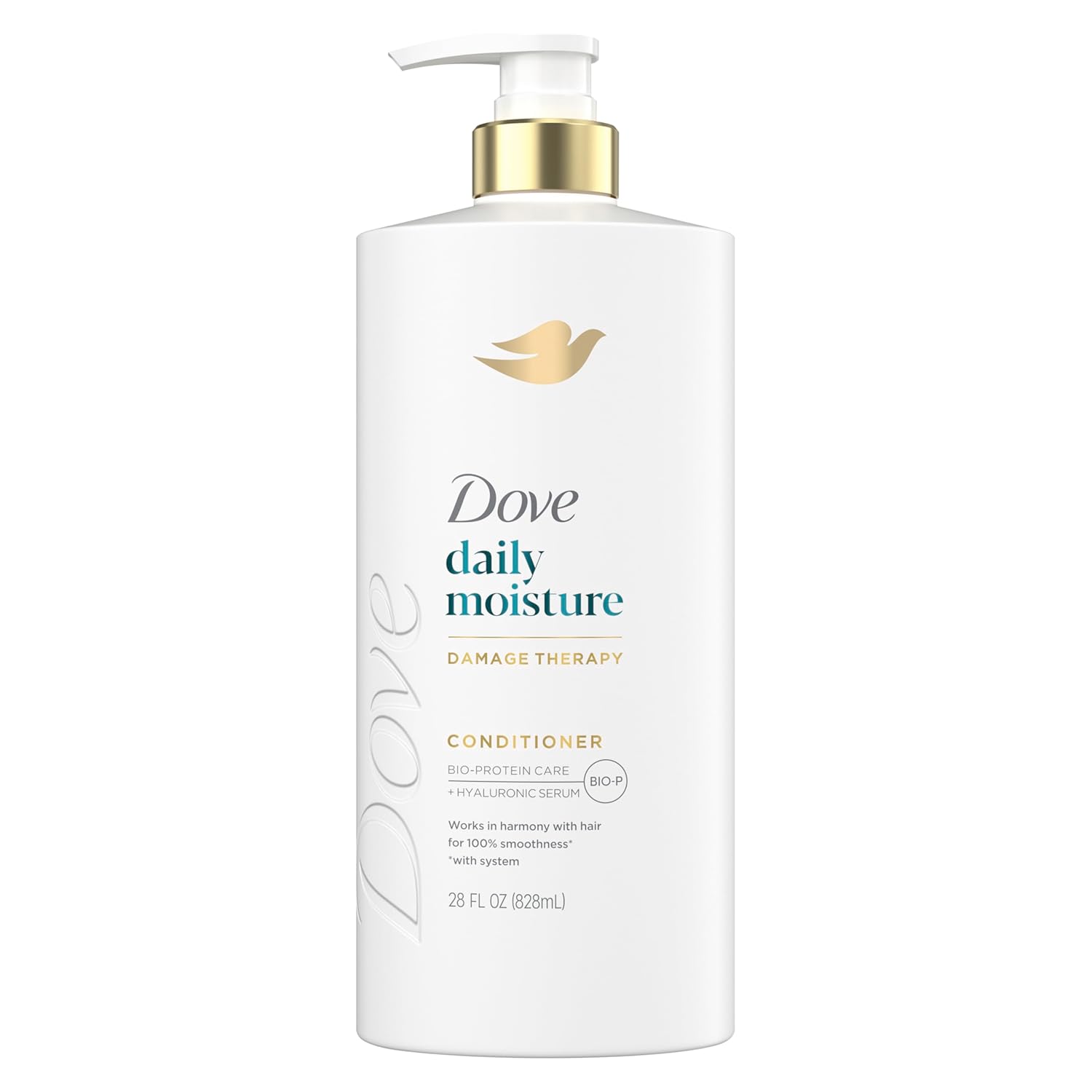
Dove Daily Moisture Conditioner
This is my everyday pick. Why it earns a spot:
- Contains effective conditioning agents (Behentrimonium Chloride, Stearamidopropyl Dimethylamine)
- Includes glycerin and a touch of silicone for smoothness
- Light coconut oil support
- Consistent performance at a true drugstore price
This conditioner softens without feeling heavy. The silicone blend gives slip and detangling power, which reduces breakage during combing. For dry but not severely damaged hair, it hits a sweet spot.
The “hyaluronic” language is mostly marketing sparkle. It’s present, but this formula works because of its conditioning base, not because it’s a miracle serum.
Best for:
- Normal to dry hair
- Daily use
- Families who want one solid bottle in the shower
Often on sale. Widely available. Reliable. That’s value.
Best Protein / Reconstructing Conditioner
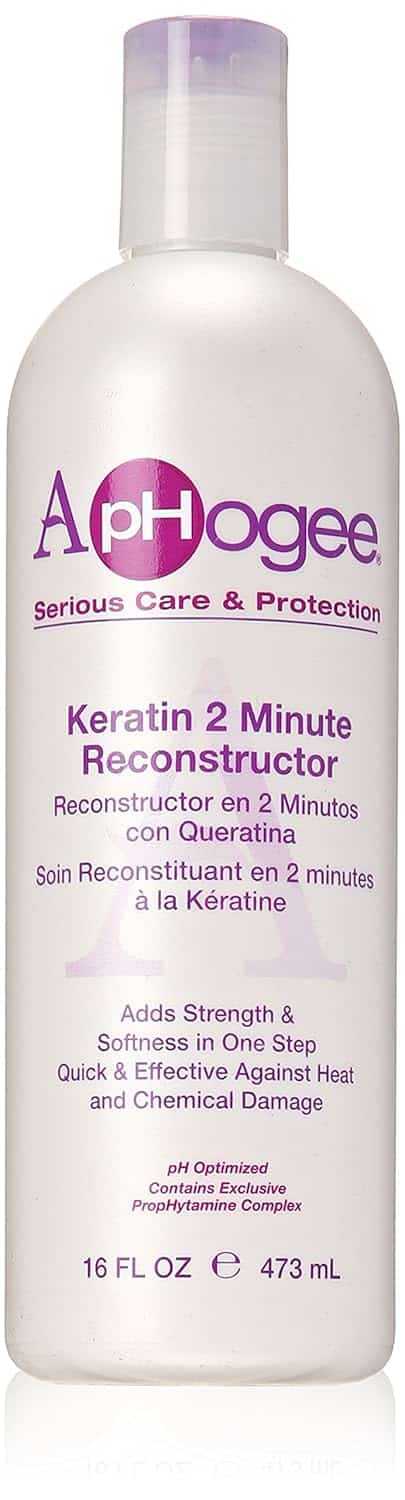
ApHogee Intensive 2 Minute Keratin Reconstructor
This one is treatment-level. Why it stands out:
- Hydrolyzed keratin high in the ingredient list
- Balanced pH (4.5–5.0)
- Strong conditioning base
This is not a daily conditioner. It’s a periodic strength boost. If your hair snaps easily, has been bleached or chemically processed, or feels mushy when wet, protein can temporarily reinforce weak spots. This formula does that effectively without a luxury price tag.
Use once or twice a month. Rinse thoroughly.
It’s concentrated, so you don’t need much. That stretches the bottle… another quiet form of savings.
Best Acidifying Conditioner
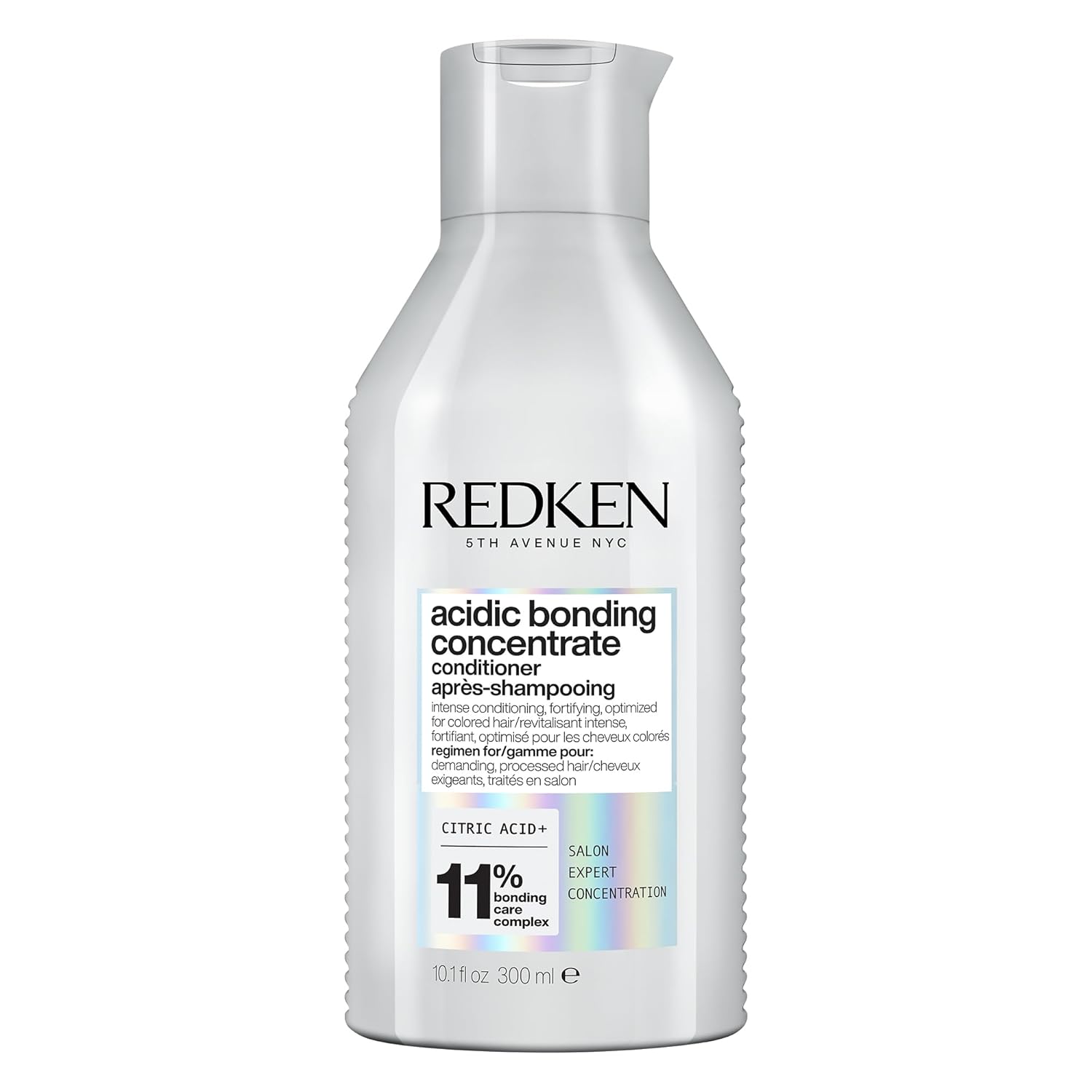
Redken Acidic Bonding Concentrate Conditioner
This is the “upgrade” option. It costs more than the others here, but here’s why it makes sense in certain cases:
- Lower pH formula designed to smooth the cuticle
- Strong conditioning system
- Particularly helpful for chemically processed hair
If you color, bleach, or heat-style heavily, an acid-focused conditioner can noticeably improve shine and manageability.
Now, let’s be grounded: It does not permanently rebuild broken bonds. It improves surface condition and smoothness, which reduces breakage long-term.
For fine, untreated hair? Probably unnecessary. For heavily processed hair? Worth considering. This is a strategic splurge… not a default purchase.
Best Leave-In Conditioner
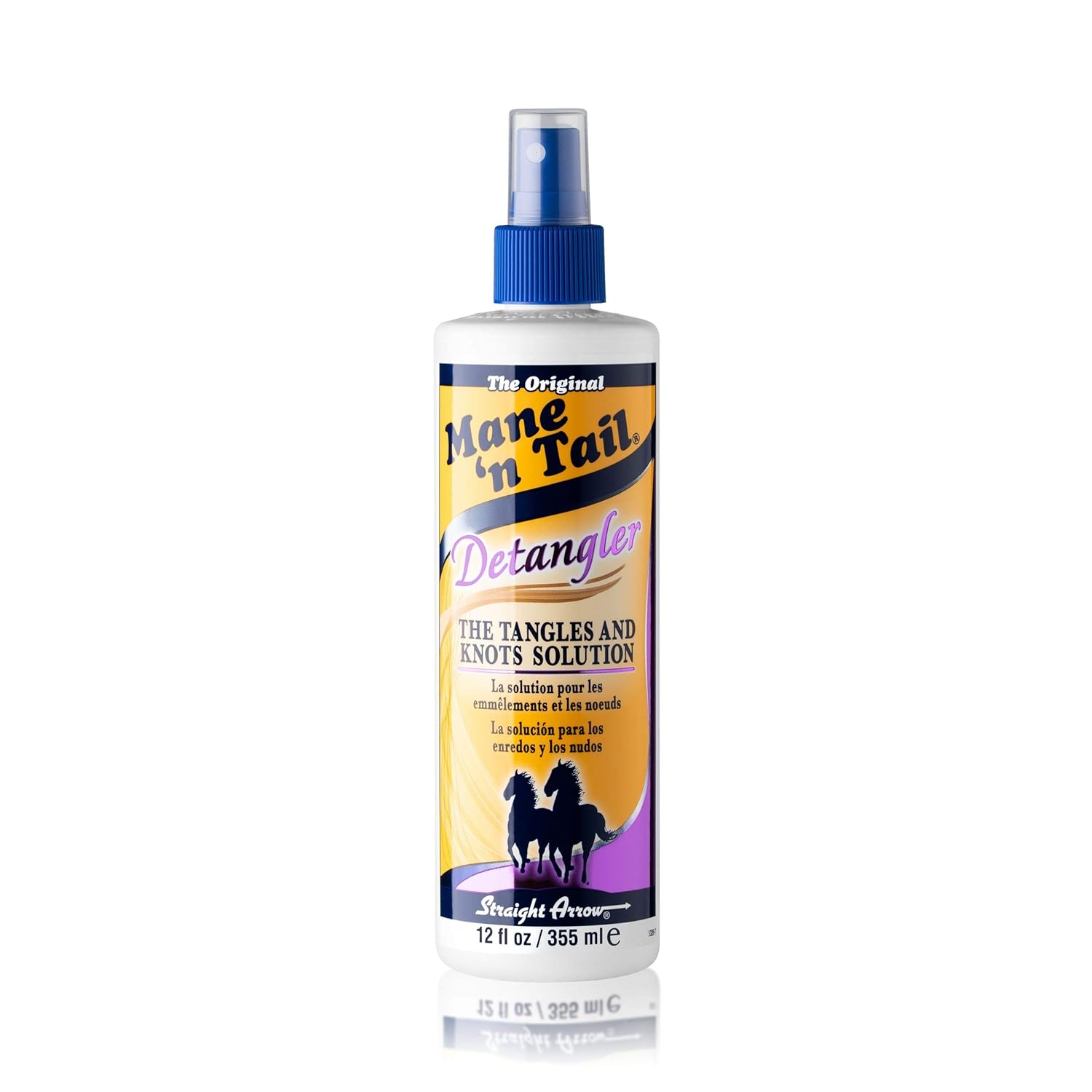
Mane ‘n Tail Detangler
Simple. Effective. Affordable. Why it works:
- Silicone-based for serious slip
- Lightweight spray format
- Very low cost per use
If your main battle is tangles, especially on fine or long hair, this makes combing easier and reduces mechanical breakage. It’s not a deep treatment. It’s a detangling helper.
Spray lightly. Start combing from the bottom up. That technique matters as much as the product. It’s excellent for kids, fine hair, and budget-conscious households
The Bottom Line
You don’t need a shelf full of specialty bottles. You don’t need a “system.” And you definitely don’t need to assume that higher price equals higher performance.
Buy for your hair type. Use a reasonable amount. Don’t overdo treatments. And always check cost per ounce before you fall for pretty packaging.
If a $6 bottle works beautifully for you, that’s not “settling.” That’s smart. And smart routines add up to real savings over time.
Question: Do you spend more on shampoo or conditioner and why? Share your tips and favorite products in the comments below.
EverydayCheapskate™ is reader-supported. We participate in the Amazon Services LLC Associates Program and other affiliate advertising programs, designed to provide a means for us to earn from qualifying purchases, at no cost to you.

More from Everyday Cheapskate
 https://www.everydaycheapskate.com/wp-content/uploads/20260828-choice-overload-man-resting-head-on-table.png
800
1200
Mary Hunt
https://www.everydaycheapskate.com/wp-content/uploads/EC-Logo-by-Mary-Hunt-Tagline-Trimmed.png
Mary Hunt2026-08-28 10:57:162026-08-28 10:57:16How to Escape the Tyranny of Too Many Choices
https://www.everydaycheapskate.com/wp-content/uploads/20260828-choice-overload-man-resting-head-on-table.png
800
1200
Mary Hunt
https://www.everydaycheapskate.com/wp-content/uploads/EC-Logo-by-Mary-Hunt-Tagline-Trimmed.png
Mary Hunt2026-08-28 10:57:162026-08-28 10:57:16How to Escape the Tyranny of Too Many Choices https://www.everydaycheapskate.com/wp-content/uploads/20260827-how-to-fly-cheaper-airplane-in-the-bright-blue-sky-above-the-clouds.png
800
1200
Mary Hunt
https://www.everydaycheapskate.com/wp-content/uploads/EC-Logo-by-Mary-Hunt-Tagline-Trimmed.png
Mary Hunt2026-08-27 11:35:132026-08-27 11:35:13How to Fly Cheaper: 8 Booking Tricks Airlines Won’t Teach You
https://www.everydaycheapskate.com/wp-content/uploads/20260827-how-to-fly-cheaper-airplane-in-the-bright-blue-sky-above-the-clouds.png
800
1200
Mary Hunt
https://www.everydaycheapskate.com/wp-content/uploads/EC-Logo-by-Mary-Hunt-Tagline-Trimmed.png
Mary Hunt2026-08-27 11:35:132026-08-27 11:35:13How to Fly Cheaper: 8 Booking Tricks Airlines Won’t Teach You https://www.everydaycheapskate.com/wp-content/uploads/20260826-DIY-cat-litter-deodorizer-kitten-looking-up-at-camera-from-box.png
800
1200
Mary Hunt
https://www.everydaycheapskate.com/wp-content/uploads/EC-Logo-by-Mary-Hunt-Tagline-Trimmed.png
Mary Hunt2026-08-25 21:17:362026-08-25 21:17:36The One-Ingredient Litter Box Trick That Costs Pennies
https://www.everydaycheapskate.com/wp-content/uploads/20260826-DIY-cat-litter-deodorizer-kitten-looking-up-at-camera-from-box.png
800
1200
Mary Hunt
https://www.everydaycheapskate.com/wp-content/uploads/EC-Logo-by-Mary-Hunt-Tagline-Trimmed.png
Mary Hunt2026-08-25 21:17:362026-08-25 21:17:36The One-Ingredient Litter Box Trick That Costs Pennies https://www.everydaycheapskate.com/wp-content/uploads/20260822-central-AC-maintenance-air-condenser-outdoors.png
800
1200
Mary Hunt
https://www.everydaycheapskate.com/wp-content/uploads/EC-Logo-by-Mary-Hunt-Tagline-Trimmed.png
Mary Hunt2026-08-22 14:19:562026-08-22 14:19:59How to Extend the Life of Your Central AC (5 Late-Summer Tune-Up Tips)
https://www.everydaycheapskate.com/wp-content/uploads/20260822-central-AC-maintenance-air-condenser-outdoors.png
800
1200
Mary Hunt
https://www.everydaycheapskate.com/wp-content/uploads/EC-Logo-by-Mary-Hunt-Tagline-Trimmed.png
Mary Hunt2026-08-22 14:19:562026-08-22 14:19:59How to Extend the Life of Your Central AC (5 Late-Summer Tune-Up Tips) https://www.everydaycheapskate.com/wp-content/uploads/20260817-thrift-store-sign-with-blue-cloudy-sky-in-background.png
800
1200
Mary Hunt
https://www.everydaycheapskate.com/wp-content/uploads/EC-Logo-by-Mary-Hunt-Tagline-Trimmed.png
Mary Hunt2026-08-17 09:17:472026-08-17 09:17:47The Donation Box Mistakes Thrift Stores Wish We’d Skip
https://www.everydaycheapskate.com/wp-content/uploads/20260817-thrift-store-sign-with-blue-cloudy-sky-in-background.png
800
1200
Mary Hunt
https://www.everydaycheapskate.com/wp-content/uploads/EC-Logo-by-Mary-Hunt-Tagline-Trimmed.png
Mary Hunt2026-08-17 09:17:472026-08-17 09:17:47The Donation Box Mistakes Thrift Stores Wish We’d Skip https://www.everydaycheapskate.com/wp-content/uploads/20260805-back-to-school-supplies-how-to-save-find-deals-discounts.png
800
1200
Mary Hunt
https://www.everydaycheapskate.com/wp-content/uploads/EC-Logo-by-Mary-Hunt-Tagline-Trimmed.png
Mary Hunt2026-08-05 12:02:592026-08-05 12:02:59How to Save Money on School Supplies (Beyond Just the List)
https://www.everydaycheapskate.com/wp-content/uploads/20260805-back-to-school-supplies-how-to-save-find-deals-discounts.png
800
1200
Mary Hunt
https://www.everydaycheapskate.com/wp-content/uploads/EC-Logo-by-Mary-Hunt-Tagline-Trimmed.png
Mary Hunt2026-08-05 12:02:592026-08-05 12:02:59How to Save Money on School Supplies (Beyond Just the List) https://www.everydaycheapskate.com/wp-content/uploads/20260801-best-inexpensive-backpack-girl-holding-bag-with-ripped-jeans.png
800
1200
Mary Hunt
https://www.everydaycheapskate.com/wp-content/uploads/EC-Logo-by-Mary-Hunt-Tagline-Trimmed.png
Mary Hunt2026-08-01 13:11:412026-08-01 13:11:41Best Inexpensive Backpacks That Actually Last for Years
https://www.everydaycheapskate.com/wp-content/uploads/20260801-best-inexpensive-backpack-girl-holding-bag-with-ripped-jeans.png
800
1200
Mary Hunt
https://www.everydaycheapskate.com/wp-content/uploads/EC-Logo-by-Mary-Hunt-Tagline-Trimmed.png
Mary Hunt2026-08-01 13:11:412026-08-01 13:11:41Best Inexpensive Backpacks That Actually Last for Years https://www.everydaycheapskate.com/wp-content/uploads/20260729-the-problem-with-fabric-softener-sitting-on-a-washer.png
800
1200
Mary Hunt
https://www.everydaycheapskate.com/wp-content/uploads/EC-Logo-by-Mary-Hunt-Tagline-Trimmed.png
Mary Hunt2026-07-29 13:45:412026-07-29 13:47:50Fabric Softener Is Wrecking Your Laundry. Here’s What Actually Works.
https://www.everydaycheapskate.com/wp-content/uploads/20260729-the-problem-with-fabric-softener-sitting-on-a-washer.png
800
1200
Mary Hunt
https://www.everydaycheapskate.com/wp-content/uploads/EC-Logo-by-Mary-Hunt-Tagline-Trimmed.png
Mary Hunt2026-07-29 13:45:412026-07-29 13:47:50Fabric Softener Is Wrecking Your Laundry. Here’s What Actually Works. https://www.everydaycheapskate.com/wp-content/uploads/20260727-how-to-negotiate-returns-for-purchases-woman-holding-long-receipt.png
800
1200
Mary Hunt
https://www.everydaycheapskate.com/wp-content/uploads/EC-Logo-by-Mary-Hunt-Tagline-Trimmed.png
Mary Hunt2026-07-27 18:23:222026-07-27 18:23:22How to Get a Refund on Almost Anything: 5 Consumer Rights You Should Know
https://www.everydaycheapskate.com/wp-content/uploads/20260727-how-to-negotiate-returns-for-purchases-woman-holding-long-receipt.png
800
1200
Mary Hunt
https://www.everydaycheapskate.com/wp-content/uploads/EC-Logo-by-Mary-Hunt-Tagline-Trimmed.png
Mary Hunt2026-07-27 18:23:222026-07-27 18:23:22How to Get a Refund on Almost Anything: 5 Consumer Rights You Should KnowPlease keep your comments positive, encouraging, helpful, brief,
and on-topic in keeping with EC Commenting Guidelines
Last update on 2026-09-01 / Affiliate links / Images from Amazon Product Advertising API


This article seems geared to those with colored hair. I have gray hair and most articles don’t even touch this aspect. I have found success with purple shampoo and conditioner and jojoba oil on the scalp for dryness and itchiness. For the mayonnaise treatment, put a stocking cap over the shower cap. This creates warmth.
So, what’s the best that you recommend for static?? No matter what I try, and yes, I must (partially) blow dry my hair, it just clings to my face. I live in NJ, and have built in humidifiers on my heating systems. I abhor winter for this one main reason.
Just look for an inexpensive “anti static” spray product for hair. Just a spray or two will stop the fly-aways!
I wash my hair on Tuesday and Friday. I use Suave conditioner every day and put a little bit of coconut oil in my hair. My hair feels soft!
I noticed that the recommendations addressed, thin, fine, dry or limp hair. Is there a solution for dry, coarse, frizzy hair?
Pantene has always been my favorite conditioner too!
I love it too, and bought a giant bottle at Costco for $10!
I have solved the shampoo/conditioner problem by not using them. I am fortunate to not have “problem hair” thus I just wet my hair to clean it. If I am in a dusty situation I will use just a bit of shampoo.
Mary, I just wish someone would address one’s SCALP in conditioning, not the hair. There’s GOT to be a conditioner for one’s dry, itchy SCALP. Help.
If you see tiny dry patches at the follicle, see a dermatologist. Mine prescribe Ketoconazole Shampoo 2% to be used 2x a week, left on for 2-3 min before rinsing. Sometimes just apple cider vinegar as a rinse poured through your hair and massaged will help. The smell goes away.
Avoid shampoos with detergents. You may be sensitive to sodium laureth sulfate.
made this 79 year old very happy. Love, Love, Love.
My scalp got so dry, I gave up entirely on shampoo and now “wash” with conditioner. I used to shampoo daily. Now I “lather up” no more than once a week with just conditioner. My hair has never been happier and my scalp stopped itching. It did take a few months to transition completely away from shampoo. Totally worth it. Bonus: I’m saving a fortune! Now that I buy conditioner only, and use it just 2-4 times a month, one bottle lasts several months. Everyone is different so it’s possible this won’t work for everyone. I’m so happy it works for me.
Love this! I do it also. Hugs!
I wash my hair every 2 weeks or so. I worked up to it gradually and my hair is not oily at all. I like your idea of washing with conditioner. Might have to give it a try.