
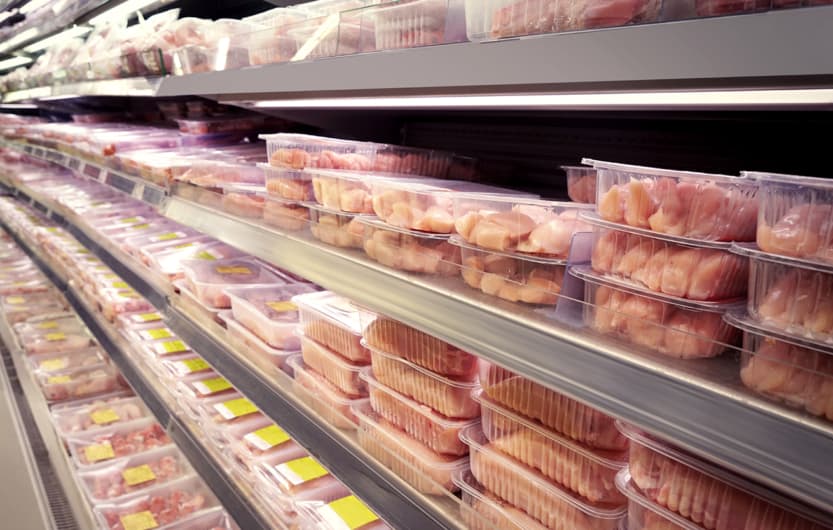
Supermarket Chicken Labeling—What Does it All Mean?
If you’ve ever stood in the supermarket wondering if paying more for chicken that is free-range, antibiotic-free, no hormones added, farm-raised, natural, and organic, makes you a better person, you are not alone.
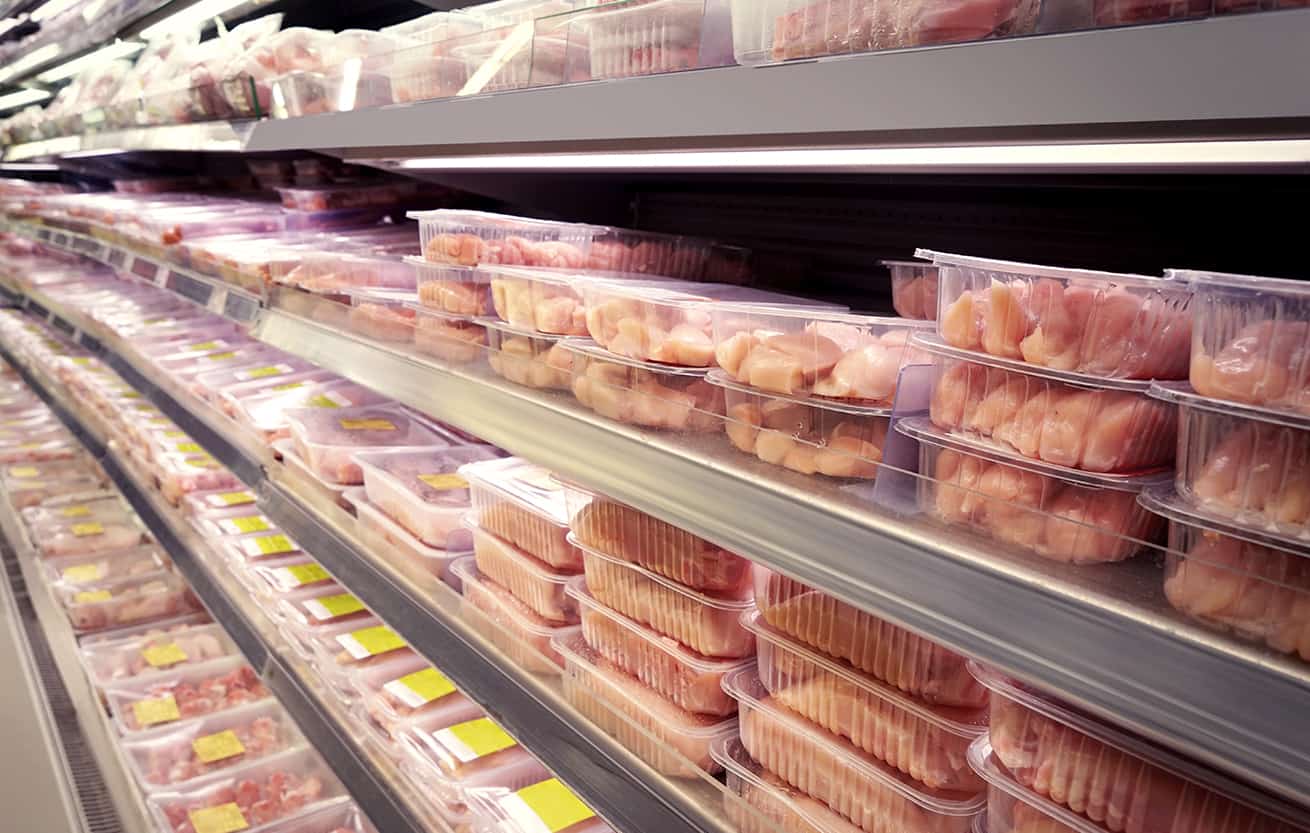
Recently, as I was doubting myself on my chicken choices I decided to get to the bottom of what all of this really means. It’s not at all what I thought.
The U.S. Department of Agriculture (USDA) is a cabinet-level agency that oversees the regulation of food-grade chicken and is responsible for the claims on packaging and labels. And despite all of the hype and fluff, there is only one label (“organic”) that guarantees specific standards and for which you might consider paying more.
Briefly here is what all of it means—or doesn’t mean—according to the USDA.
Truth in Chicken Labeling
Organic
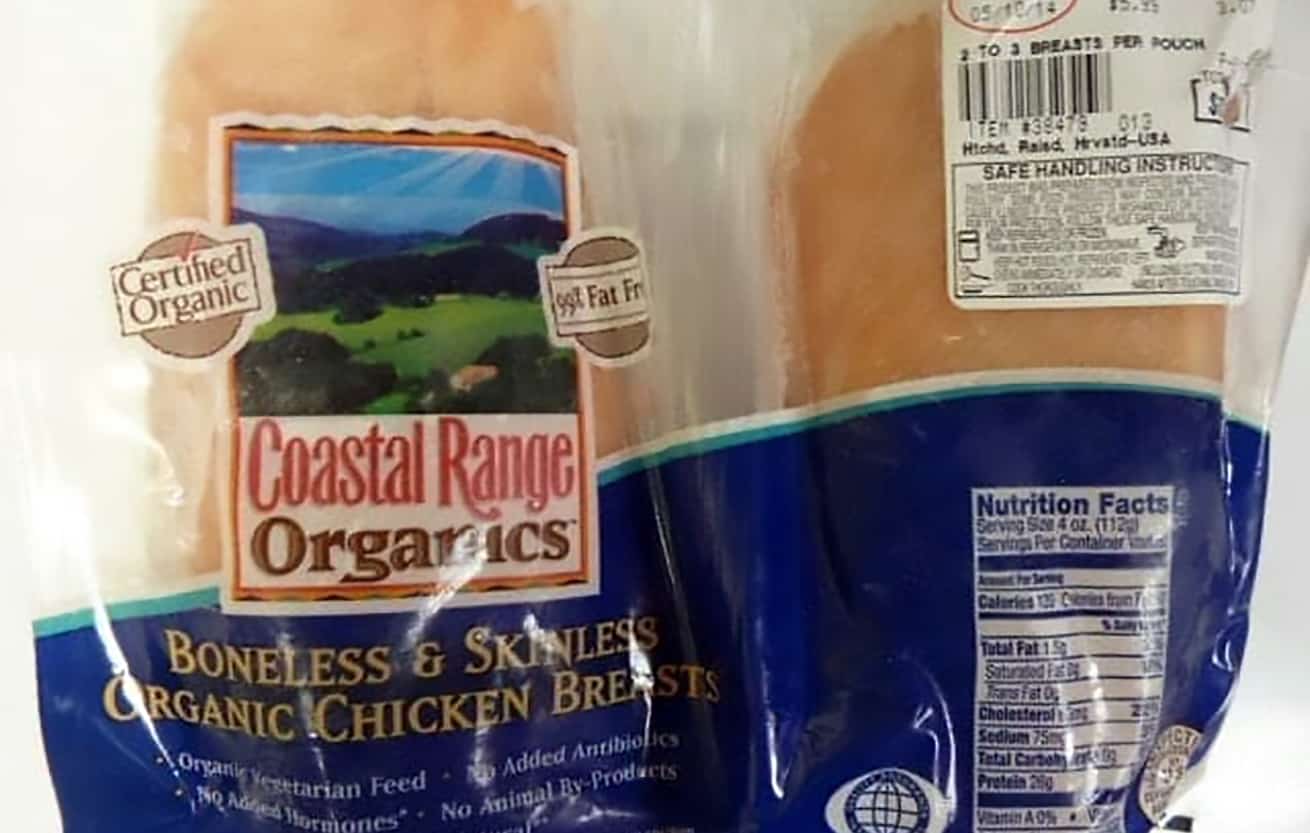
The USDA has a very specific rule to define “organic” production and prohibits the use of the term “organic” on the packaging of any food product not produced in accordance with its rule. Organic chicken means that 100% of the chicken’s feed was grown without chemical fertilizers, herbicides, and other genetically-modified organisms for at least three years. According to USDA, the organic label does not indicate that the product has safety, quality, or nutritional attributes that are any higher than conventionally raised chicken.
Certified
The term “certified” implies that the USDA’s Food Safety and Inspection Service and the Agriculture Marketing Service have officially evaluated a meat product for class, grade, or other quality characteristics (e.g., “Certified Organic Chicken”). When used under other circumstances, the term must be closely associated with the name of the organization responsible for the “certification” process, e.g., “XYZ Company’s Certified Chicken.”
Free-range or free-roaming
There is no specific definition for free-range. For sure it does not mean “running free to forage for grubs and grain on acres of rolling green pastureland.” The USDA generally allows this term if chickens have access to the outdoors for “at least part of the day,” which could mean a matter of a few minutes, whether that chicken chooses to go outdoors or not. A single open door at one end of a huge chicken warehouse meets this definition of free-range. Even so, fewer than 1% of chickens nationwide are raised as “free range.”
Cage-free
This means not housed in cages. It does not mean roaming happily in large open areas. Cage-free can mean crammed together in an indoor henhouse and given very little room to breathe or be their chicken selves.
Chemical-free
This term is not allowed to be used on a label.
Fresh poultry
“Fresh” means whole poultry and cut parts have never been below 26F (the temperature at which poultry freezes). This is consistent with consumer expectations of “fresh” poultry, i.e., not hard to the touch or frozen solid.
Frozen poultry
Temperature of raw, frozen poultry must be kept at 0F or below.
Natural
Under USDA regulations, a “natural” product has no artificial ingredients or chemical preservatives. Most ready-to-cook chicken can be labeled “natural,” if processors choose to do so. The label must include a statement explaining the meaning of the term natural (such as “no artificial ingredients; minimally processed,” and so forth
No hormones added
This label is meaningless because federal regulations prohibit the use of hormones in chicken. Period. Any cut or brand of chicken can be labeled “raised without hormones.” However, if the processor chooses to say that on the label, it must also clearly state “Federal regulations prohibit the use of hormones..”
Antibiotic-free or raised without antibiotics
This means that the flock was raised without the use of products classified as antibiotics for animal health maintenance, disease prevention, or treatment of disease. But why mention this on the label? All processed chickens in the US must be “antibiotic-free” in the sense that no antibiotic residues are allowed to be present in the meat.
Basted or self-basted
Bone-in poultry products that are injected or marinated with a solution containing butter or other edible fat, broth, stock, or water plus spices, flavor enhancers, and other approved substances must be labeled as basted or self-basted. The maximum added weight of approximately 3% solution before processing is included in the net weight on the label. The label must include a statement identifying the total quantity and common or usual name of all ingredients in the solution, e.g., “Injected with approximately 3% of a solution of (list of ingredients).”
Made in the USA
Nearly all chickens and chicken products sold in the US come from chickens hatched, raised, and processed in the US. The only exception is a small amount imported from Canada, which has food safety and quality standards equal to our own.
To clear up any confusion regarding chicken and China, the USDA has issued this statement:
The Food Safety and Inspection Service released the following statement following a press release from Senator Chuck Schumer’s office regarding equivalency for China’s poultry slaughter system.
“USDA has not found China’s poultry slaughter system to be equivalent and therefore poultry slaughtered in China is not allowed to be imported to the United States. The U.S. food supply is among the safest in the world, and the Food Safety Inspection Service is dedicated to maintaining that status.”
Updated 2-17-21

More from Everyday Cheapskate
 https://www.everydaycheapskate.com/wp-content/uploads/20260830-homemade-sloppy-joe-mix-recipe.png
800
1200
Mary Hunt
https://www.everydaycheapskate.com/wp-content/uploads/EC-Logo-by-Mary-Hunt-Tagline-Trimmed.png
Mary Hunt2026-08-30 13:34:482026-08-30 13:34:48Homemade Sloppy Joe Mix: Skip the Store-Bought Packets
https://www.everydaycheapskate.com/wp-content/uploads/20260830-homemade-sloppy-joe-mix-recipe.png
800
1200
Mary Hunt
https://www.everydaycheapskate.com/wp-content/uploads/EC-Logo-by-Mary-Hunt-Tagline-Trimmed.png
Mary Hunt2026-08-30 13:34:482026-08-30 13:34:48Homemade Sloppy Joe Mix: Skip the Store-Bought Packets https://www.everydaycheapskate.com/wp-content/uploads/20260814-Slow-Cooker-Peach-Cobbler.png
800
1200
Mary Hunt
https://www.everydaycheapskate.com/wp-content/uploads/EC-Logo-by-Mary-Hunt-Tagline-Trimmed.png
Mary Hunt2026-08-14 22:48:112026-08-14 22:48:11Easy Slow Cooker Peach Cobbler with Boxed Cake Mix
https://www.everydaycheapskate.com/wp-content/uploads/20260814-Slow-Cooker-Peach-Cobbler.png
800
1200
Mary Hunt
https://www.everydaycheapskate.com/wp-content/uploads/EC-Logo-by-Mary-Hunt-Tagline-Trimmed.png
Mary Hunt2026-08-14 22:48:112026-08-14 22:48:11Easy Slow Cooker Peach Cobbler with Boxed Cake Mix https://www.everydaycheapskate.com/wp-content/uploads/20260812-zucchini-overload-what-to-do-with-a-bunch-of-zucchini.png
800
1200
Mary Hunt
https://www.everydaycheapskate.com/wp-content/uploads/EC-Logo-by-Mary-Hunt-Tagline-Trimmed.png
Mary Hunt2026-08-12 17:48:312026-08-12 17:48:31Zucchini Overload? 10 Ways to Use Up Your Garden Surplus
https://www.everydaycheapskate.com/wp-content/uploads/20260812-zucchini-overload-what-to-do-with-a-bunch-of-zucchini.png
800
1200
Mary Hunt
https://www.everydaycheapskate.com/wp-content/uploads/EC-Logo-by-Mary-Hunt-Tagline-Trimmed.png
Mary Hunt2026-08-12 17:48:312026-08-12 17:48:31Zucchini Overload? 10 Ways to Use Up Your Garden Surplus https://www.everydaycheapskate.com/wp-content/uploads/20260811-homemade-applesauce-recipe-in-a-bowl-with-apples-on-countertop.png
800
1200
Mary Hunt
https://www.everydaycheapskate.com/wp-content/uploads/EC-Logo-by-Mary-Hunt-Tagline-Trimmed.png
Mary Hunt2026-08-11 10:17:332026-08-11 10:17:35The Easiest Way to Turn Fall Apples Into Applesauce
https://www.everydaycheapskate.com/wp-content/uploads/20260811-homemade-applesauce-recipe-in-a-bowl-with-apples-on-countertop.png
800
1200
Mary Hunt
https://www.everydaycheapskate.com/wp-content/uploads/EC-Logo-by-Mary-Hunt-Tagline-Trimmed.png
Mary Hunt2026-08-11 10:17:332026-08-11 10:17:35The Easiest Way to Turn Fall Apples Into Applesauce https://www.everydaycheapskate.com/wp-content/uploads/20260806-leftover-pizza.png
800
1200
Mary Hunt
https://www.everydaycheapskate.com/wp-content/uploads/EC-Logo-by-Mary-Hunt-Tagline-Trimmed.png
Mary Hunt2026-08-05 21:11:162026-08-05 21:13:4134 Leftover Recipes That Use Up Every Last Bit of Food
https://www.everydaycheapskate.com/wp-content/uploads/20260806-leftover-pizza.png
800
1200
Mary Hunt
https://www.everydaycheapskate.com/wp-content/uploads/EC-Logo-by-Mary-Hunt-Tagline-Trimmed.png
Mary Hunt2026-08-05 21:11:162026-08-05 21:13:4134 Leftover Recipes That Use Up Every Last Bit of Food https://www.everydaycheapskate.com/wp-content/uploads/20260802-sweet-onion-salad-dressing.png
800
1200
Mary Hunt
https://www.everydaycheapskate.com/wp-content/uploads/EC-Logo-by-Mary-Hunt-Tagline-Trimmed.png
Mary Hunt2026-08-01 20:14:362026-08-01 20:16:30Sweet Onion Salad Dressing (You’ll Never Buy Bottled Again)
https://www.everydaycheapskate.com/wp-content/uploads/20260802-sweet-onion-salad-dressing.png
800
1200
Mary Hunt
https://www.everydaycheapskate.com/wp-content/uploads/EC-Logo-by-Mary-Hunt-Tagline-Trimmed.png
Mary Hunt2026-08-01 20:14:362026-08-01 20:16:30Sweet Onion Salad Dressing (You’ll Never Buy Bottled Again) https://www.everydaycheapskate.com/wp-content/uploads/20260730-homemade-bbq-sauce-recipe-with-peppercorn-and-a-spoon.png
800
1200
Mary Hunt
https://www.everydaycheapskate.com/wp-content/uploads/EC-Logo-by-Mary-Hunt-Tagline-Trimmed.png
Mary Hunt2026-07-30 13:41:582026-07-30 13:41:58Homemade BBQ Sauce Recipe That Beats Any Store Bottle
https://www.everydaycheapskate.com/wp-content/uploads/20260730-homemade-bbq-sauce-recipe-with-peppercorn-and-a-spoon.png
800
1200
Mary Hunt
https://www.everydaycheapskate.com/wp-content/uploads/EC-Logo-by-Mary-Hunt-Tagline-Trimmed.png
Mary Hunt2026-07-30 13:41:582026-07-30 13:41:58Homemade BBQ Sauce Recipe That Beats Any Store Bottle https://www.everydaycheapskate.com/wp-content/uploads/20260727-creamy-corn-chowder-with-bacon-and-potatoes-with-sliced-bread.png
800
1200
Mary Hunt
https://www.everydaycheapskate.com/wp-content/uploads/EC-Logo-by-Mary-Hunt-Tagline-Trimmed.png
Mary Hunt2026-07-27 21:20:402026-07-27 21:20:40Sweet Corn Chowder for Those Last Warm Summer Nights
https://www.everydaycheapskate.com/wp-content/uploads/20260727-creamy-corn-chowder-with-bacon-and-potatoes-with-sliced-bread.png
800
1200
Mary Hunt
https://www.everydaycheapskate.com/wp-content/uploads/EC-Logo-by-Mary-Hunt-Tagline-Trimmed.png
Mary Hunt2026-07-27 21:20:402026-07-27 21:20:40Sweet Corn Chowder for Those Last Warm Summer Nights https://www.everydaycheapskate.com/wp-content/uploads/20260724-ratatouille-recipe-served-over-white-rice.png
800
1200
Mary Hunt
https://www.everydaycheapskate.com/wp-content/uploads/EC-Logo-by-Mary-Hunt-Tagline-Trimmed.png
Mary Hunt2026-07-25 12:24:422026-07-25 12:24:42End-of-Summer Ratatouille (Uses Everything From the Garden)
https://www.everydaycheapskate.com/wp-content/uploads/20260724-ratatouille-recipe-served-over-white-rice.png
800
1200
Mary Hunt
https://www.everydaycheapskate.com/wp-content/uploads/EC-Logo-by-Mary-Hunt-Tagline-Trimmed.png
Mary Hunt2026-07-25 12:24:422026-07-25 12:24:42End-of-Summer Ratatouille (Uses Everything From the Garden)

I prefer to cover my pan of rising dough and place it on the top of my refrigerator. It’s just warm enough and works well.
Incidentally, South Africa is resisting the importation of chickens from the USA that are deemed to have been raised and slaughtered in unhygienic conditions that then have bleach sprayed over them to reduce the risk of infections such as salmonella.
The funny thing is that “chemical fertilizers” that are disallowed in feed for organic chickens would include the plant equivalent of vitamins and minerals we use on a daily basis for our own optimum health. Every plant has a narrow band of necessary “natural” chemicals that are not available in the vast majority of farming land at the optimum level. If a farmer adds the nature identical chemicals to allow the plant the same nutrition as it would get in the healthiest soil it is not allowed for organic chickens as food. In other words malnutrition for the plants is allowed but supplements for the plants is not unless they are added from organic sources e.g. passed through the digestive system of an animal other than human.
“BASTED or SELF BASTED ” USDA rules allow up to 8 % added water, without labeling, occurring thru the cooling process of the eviscerated carcass. Above that I have seen chicken & turkey with labels adding from 8-19 % of a liquid– study your store labels. Increased yield for mfg., you pay for it, does make meat more moist & tender. Dry cooled chicken has no added moisture and costs more.
Please include information about air chilled chicken vs water chilled chicken.
I agree that we need to know where they were processed! China does not have our standards.
Know your farmer, know your grocer and know your restaurateur. If you can’t trust any of them, grow your own. As for products you buy at fast food restaurants…you get what you pay for!
I buy organic chicken too, both to avoid gmo corn and soy ( major igredients in chicken feed), and to avoid contributing to all the roundup and other toxins used to grow them. But we eat very little chicken. I would point out though that since antibiotic use in animal husbandry is completely out of control and a leading cause of drug-resistant bacterial resistance, it is worth it to buy chicken raised without. If their living conditions are wretched enough to require constant antibiotic use, I will pass on eating their meat.
Well, that’s what all the hype says, anyway.
Yes, I am willing to pay more for my organic chicken (and beef) because you are not just putting the chicken product in your body, you are also consuming all that the chicken ingested. If the chicken is eating GMO foods then so am I and I am not willing to do that.
“Made in the USA.
Nearly all chickens and chicken products sold in the US come from
chickens hatched, raised and processed in the US. The only exception is a
small amount imported from Canada, which has food safety and quality
standards equal to our own.”
This soon (if not already) will not be true when they start major chicken processing in China. Will you update this when that happens? What should we be looking for then? What about chicken used in restaurants?
Look at CSPI publications: cspinet.org
I would like to see a follow-up post regarding injecting chicken and other meats with “solution” and if it is worth it to look for meat that “has no solution added”
Our local co-op checks out the sources of the products that it sells, so I feel comfortable buying their locally-sourced eggs and chicken, even if they aren’t organic. They are at least ethical and the animals are treated humanely.
I’m not as concerned about organic or other labels on chicken, however–and this is a huge however–I am concerned with how chickens are processed, namely how plants use chemicals to ensure a safe food supply so they can ram more chickens through at a time. My advice is to find local farms and order your meat from there. Yes, it costs a bit more but knowing that the chicken in my freezer has not be sprayed with massive chemicals, washed and processed is worth it. Besides, there’s much less worry over any potential recalls.