

Paint on the Carpet? Try These Fixes Before You Panic

Paint on the carpet has a special way of stopping your heart for a second. Before you grab scissors or start rearranging furniture, take a breath. The good news? You can remove paint stains from carpet. Most, especially latex, will come up if you work patiently and follow the right order. The trick is starting gently and only moving to stronger methods if you need them. Here are five options, from safest to strongest, so you can stop as soon as the job is done.

This is usually the moment when someone sighs, stares at the stain, and declares, “Well, that’s it. New carpet.” Or starts mentally pricing area rugs. Or considers creative solutions like trimming the fibers, patching a piece from the closet, or (my personal favorite) spilling more paint so it all “matches.”
The internet isn’t much help either. One person swears nothing works. Another suggests scissors. A third insists it’s hopeless unless you act within 48 hours. The truth is, paint stains aren’t all-or-nothing. Most deserve a calm, step-by-step attempt before you give up or redecorate around them.
What Kind of Paint Are We Dealing With?
Before you grab supplies or start scrubbing, it helps to know what kind of paint you’re up against. Not all paint behaves the same once it hits carpet.
- Latex (water-based) paint is the most common and the most forgiving. It dries fast, but it doesn’t permanently bond to carpet fibers the way tougher paints do. That’s good news. With patience, latex stains are usually removable, even after they’ve dried.
- Acrylic paint is a bit more stubborn. It’s designed to be durable and water-resistant, which means it clings tighter to fibers. Still removable in many cases, just not with a quick splash of soapy water and wishful thinking.
- Oil-based paint is the heavyweight. Once it dries, it doesn’t want to let go. Removal is possible, but it takes stronger products and a careful hand. This is the one where you slow down, test first, and manage expectations.
- And then there’s spray or upholstery paint, which is sometimes used on purpose to change carpet color. When done correctly, it’s meant to coat fibers evenly without making them stiff or crunchy. Traditional paint doesn’t do that.
Identifying the paint type doesn’t fix the stain, but it tells you how realistic your chances are and which tools actually make sense. Start with the least aggressive option that fits the paint you’re dealing with and only move up if you need to. That’s how you fix the problem without creating a new one.
Step 1: Warm Water and Dish Soap (Start Here)
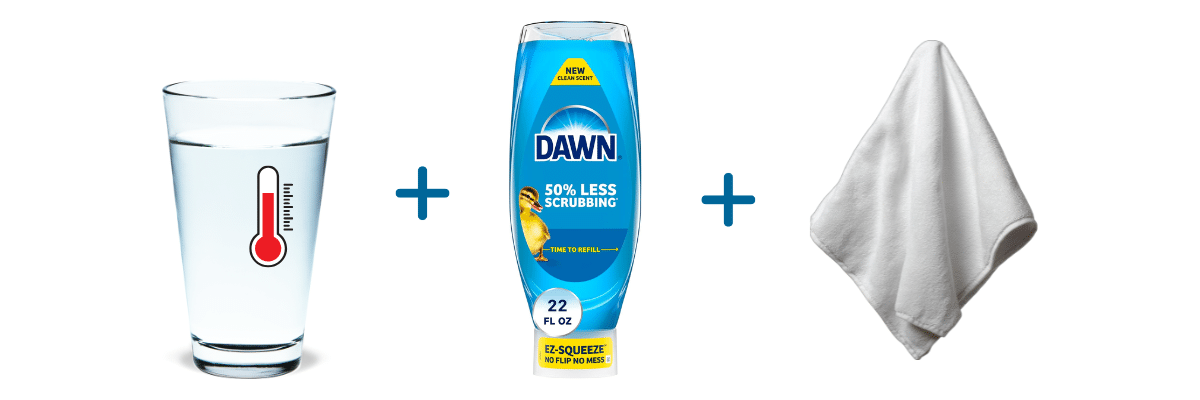
I know it sounds almost too simple, but don’t skip this step. Warm water and dish soap solve more paint problems than anything else on this list, especially if you’re dealing with latex paint. It’s gentle, inexpensive, and unlikely to make things worse.
Many people quit too soon, assume it’s hopeless, and jump straight to stronger products. If this method makes progress, even slow progress, that’s your sign to stick with it.
What You’ll Need
- Dish soap (a grease-cutting formula works best)
- Warm to hot water
- Clean white cloths or paper towels
- A soft or moderately stiff brush (optional for dried paint)
Instructions
- Blot first. If there’s any loose or softened paint, gently blot it up with a clean cloth. Do not scrub. Scrubbing pushes paint deeper into the fibers.
- Mix your solution. Combine about 1 tablespoon of dish soap with 1 cup of warm water.
- Work from the outside in. Dip your cloth into the soapy water and blot the stain starting at the edges, moving toward the center.
- Rinse and blot. Lightly blot with clean water to remove soap, then blot dry.
- For dried paint, slow it down. Use hotter soapy water and gentle brushing to soften and lift the paint, checking often so you don’t rough up the carpet.
This method rewards patience. When it works, and often it does, it’s the simplest, safest win you’ll get.
Step 2: Isopropyl Alcohol for Stubborn Latex Paint
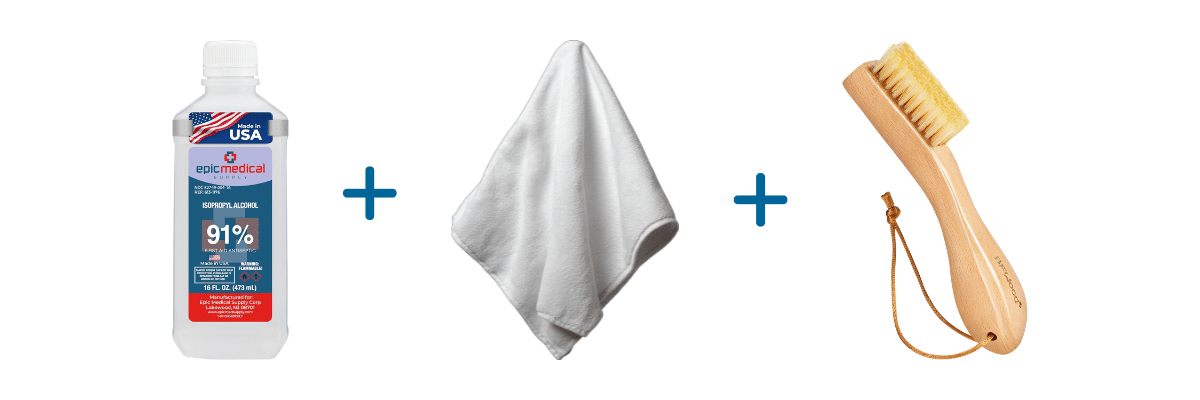
If soap and water made progress but didn’t quite finish the job, this is your next move. Isopropyl alcohol, especially the 91% kind, does a good job breaking down the binders in latex paint without immediately jumping to harsh chemicals.
Alcohol works best when you let it do the work instead of forcing the issue. Rushing or over-applying is how stains spread or carpet backing gets compromised.
What You’ll Need
- Isopropyl alcohol (91% works best; 70% can still help)
- Clean white cloths or cotton balls
- A spoon or dull knife for lifting paint
- A soft brush or old toothbrush (optional)
- Clean water and towels for rinsing
Instructions
- Lift what you can first. Use a spoon or dull knife to gently scrape up any paint sitting on top of the fibers. Work from the edges toward the center.
- Apply to the cloth, not the carpet. Dampen a white cloth or cotton ball with isopropyl alcohol. Don’t pour it directly onto the carpet.
- Blot, don’t flood. Gently dab the stain, starting at the outside and moving inward. You should see paint transferring to the cloth.
- For dried paint, use light pressure. A soft brush or toothbrush can help loosen stubborn spots, but keep it gentle.
- Rinse and blot dry. Once the paint lifts, blot the area with clean water, then dry thoroughly with towels.
Always test alcohol in an out-of-the-way spot first. Most carpets handle it just fine, but it’s better to know before you commit. If this step makes steady progress, stay with it. You’re still in “repair mode,” not “replace the carpet” territory… and that’s a good place to be.
Step 3: Commercial Latex Paint Removers Made for Carpet
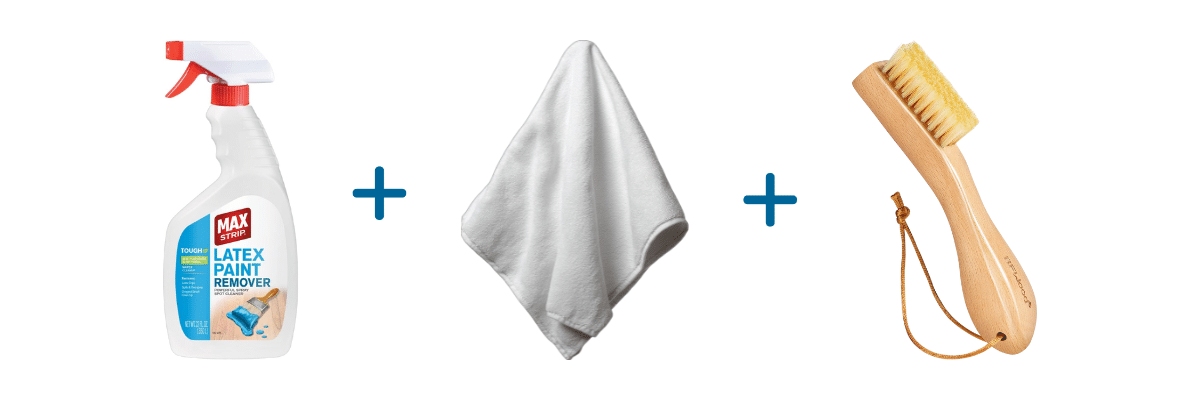
If soap, water, and alcohol got you partway there but the stain is still hanging on, this is the point where a purpose-built product makes sense. These removers are designed specifically to break down latex paint without destroying carpet fibers, which puts them a step above improvising with whatever happens to be under the sink.
This is also where reading the label actually matters. Different products work at different speeds, and more is not better. A short soak is usually all it takes to loosen the paint enough to lift it out. Flooding the carpet just creates a new problem.
What You’ll Need
- A commercial latex paint remover made for carpet
- Clean white cloths or paper towels
- A soft or stiff brush (optional, for thicker paint)
- Clean water for rinsing
Instructions
- Test first. Always try the product in an out-of-the-way spot to make sure the carpet color holds.
- Apply to the stain. Spray or apply the remover directly onto the paint, following the product directions.
- Let it work. Give it time to soften the paint… anywhere from a minute to 10 or more, depending on the formula.
- Blot and lift. Use a clean cloth to blot up the loosened paint. For thicker spots, light brushing can help.
- Repeat if needed. Older or heavier stains may take more than one round.
- Rinse and dry. Finish by blotting with clean water, then dry the area thoroughly.
These products aren’t magic, but they are effective when used patiently. If you’re seeing steady improvement, you’re on the right track. This step often bridges the gap between “almost gone” and “good enough that no one but you will ever notice.”
Step 4: Steam and Blotting to Loosen Dried Paint
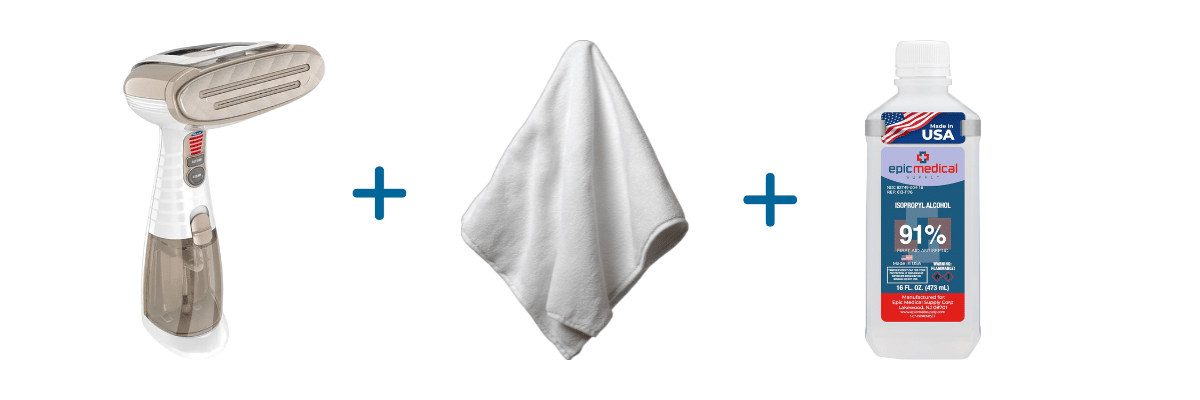
When latex paint has fully dried, brute force usually makes a mess. Heat, on the other hand, convinces paint to relax its grip so it can be lifted instead of shredded into the carpet.
Steam works especially well when earlier steps helped but didn’t quite finish the job.
What You’ll Need
- A handheld steamer or a clean cloth and very hot water
- Clean white cloths or paper towels
- Rubbing alcohol
- A dull putty knife or plastic scraper (nothing sharp)
Instructions
- Apply heat. Hold the steamer over the paint for 1–2 minutes, or press a hot, wet cloth directly onto the spot. The goal is to soften the paint, not soak the carpet.
- Gently lift. Once the paint feels rubbery, use a putty knife or scraper to carefully lift it from the fibers. Work slowly.
- Blot, don’t rub. Dab the area with a cloth lightly moistened with rubbing alcohol to pick up loosened paint.
- Repeat as needed. Stubborn spots may need another round of steam and blotting.
- Let it dry. Once the paint is gone, blot with clean water and allow the area to dry completely.
Latex paint doesn’t like heat. Steam reactivates it just enough to release from carpet fibers without grinding it deeper.
If you’ve come this far, you’re not guessing anymore. You’re finishing strong.
Step 5: Lacquer Thinner (Last Resort Only)
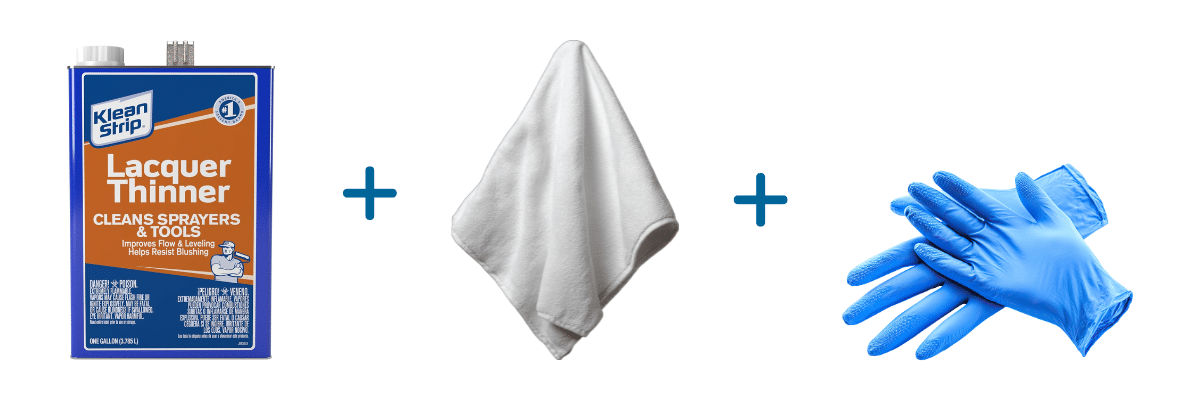
This is the nuclear option. Not because it doesn’t work. It does… but because it works by being stronger than just about everything else you’ve tried so far. Lacquer thinner can soften and dissolve dried latex paint, even old, stubborn spots that refuse to budge. That’s the good news.
The not-so-good news? It doesn’t know the difference between paint and carpet.
This step is for situations where the stain is already ruining your day, gentler methods have failed, and you’ve decided it’s worth a careful, controlled attempt rather than giving up entirely.
What You’ll Need
- Lacquer thinner (not paint thinner, not mineral spirits… this matters)
- Clean white cloths only
- Disposable gloves
- Good ventilation (open windows, fans on)
Instructions
- Test first. Always. Dab a tiny amount of lacquer thinner on an inconspicuous spot of carpet and blot. If you see color transfer or fiber damage, stop right there.
- Blot, don’t pour. Lightly dampen a white cloth with lacquer thinner. Never saturate the carpet itself.
- Work slowly. Blot the paint stain gently, allowing the thinner to soften the paint. You’re coaxing it out, not scrubbing it into submission.
- Lift as it loosens. As paint transfers to the cloth, switch to a clean area and continue blotting.
- Repeat if necessary. Older stains may take a few passes.
Carpet damage is possible. Lacquer thinner can weaken fibers, backing, and adhesives, especially on synthetic carpets. Color loss can happen. If your carpet dye lifts, you’ll trade a paint spot for a pale one.
Ventilation is mandatory. The fumes are strong and not something you want lingering indoors. Fire risk is real. Keep this far away from flames, heaters, pilot lights, and sparks. Protect yourself. Wear gloves and keep kids and pets well clear of the area.
And one more thing: when you’re done, don’t wad up that cloth and toss it aside. Let it air dry completely before laundering or disposing of it properly.
When to Call It and Call a Pro
Sometimes, no matter how many tricks you try, a paint stain just isn’t having it. If you’ve tried warm water and soap, rubbing alcohol, commercial removers, steam, and even the nuclear option… and the stain is still waving at you like it owns the carpet, it’s time to admit defeat and call in a professional.
A carpet cleaning pro has the right tools, products, and know-how to lift stubborn paint without turning your floor into a bigger disaster.
The key is knowing when to step back. You’ve done your part, tried every reasonable solution, and learned a few tricks along the way. At this point, letting someone with experience take over isn’t quitting. Sometimes the best DIY move is knowing when to let the pros handle the mess.
Question: Be honest… what’s the worst thing you’ve ever spilled on carpet… and did you save it or surrender? Share your stories in the comments below.
EverydayCheapskate™ is reader-supported. We participate in the Amazon Services LLC Associates Program and other affiliate advertising programs, designed to provide a means for us to earn from qualifying purchases, at no cost to you.

More from Everyday Cheapskate
 https://www.everydaycheapskate.com/wp-content/uploads/20260830-best-sound-machine-for-better-sleep-woman-hiding-under-comforter.png
800
1200
Mary Hunt
https://www.everydaycheapskate.com/wp-content/uploads/EC-Logo-by-Mary-Hunt-Tagline-Trimmed.png
Mary Hunt2026-09-10 09:51:452026-09-10 09:51:45Best Sound Machine for Better Sleep: 3 Honest Picks
https://www.everydaycheapskate.com/wp-content/uploads/20260830-best-sound-machine-for-better-sleep-woman-hiding-under-comforter.png
800
1200
Mary Hunt
https://www.everydaycheapskate.com/wp-content/uploads/EC-Logo-by-Mary-Hunt-Tagline-Trimmed.png
Mary Hunt2026-09-10 09:51:452026-09-10 09:51:45Best Sound Machine for Better Sleep: 3 Honest Picks https://www.everydaycheapskate.com/wp-content/uploads/20260906-best-can-openers-manual-electric-luxury.png
800
1200
Mary Hunt
https://www.everydaycheapskate.com/wp-content/uploads/EC-Logo-by-Mary-Hunt-Tagline-Trimmed.png
Mary Hunt2026-09-06 18:07:432026-09-06 18:10:39The Best Can Openers That Actually Work (And Won’t Quit on You)
https://www.everydaycheapskate.com/wp-content/uploads/20260906-best-can-openers-manual-electric-luxury.png
800
1200
Mary Hunt
https://www.everydaycheapskate.com/wp-content/uploads/EC-Logo-by-Mary-Hunt-Tagline-Trimmed.png
Mary Hunt2026-09-06 18:07:432026-09-06 18:10:39The Best Can Openers That Actually Work (And Won’t Quit on You) https://www.everydaycheapskate.com/wp-content/uploads/20260829-fall-yard-projects-to-tackle-before-the-first-frost-foilage-front-yard-home.png
800
1200
Mary Hunt
https://www.everydaycheapskate.com/wp-content/uploads/EC-Logo-by-Mary-Hunt-Tagline-Trimmed.png
Mary Hunt2026-08-29 17:25:422026-08-29 17:25:4210 Fall Yard Tasks to Complete Before First Frost Hits
https://www.everydaycheapskate.com/wp-content/uploads/20260829-fall-yard-projects-to-tackle-before-the-first-frost-foilage-front-yard-home.png
800
1200
Mary Hunt
https://www.everydaycheapskate.com/wp-content/uploads/EC-Logo-by-Mary-Hunt-Tagline-Trimmed.png
Mary Hunt2026-08-29 17:25:422026-08-29 17:25:4210 Fall Yard Tasks to Complete Before First Frost Hits https://www.everydaycheapskate.com/wp-content/uploads/20260826-DIY-cat-litter-deodorizer-kitten-looking-up-at-camera-from-box.png
800
1200
Mary Hunt
https://www.everydaycheapskate.com/wp-content/uploads/EC-Logo-by-Mary-Hunt-Tagline-Trimmed.png
Mary Hunt2026-08-25 21:17:362026-08-25 21:17:36The One-Ingredient Litter Box Trick That Costs Pennies
https://www.everydaycheapskate.com/wp-content/uploads/20260826-DIY-cat-litter-deodorizer-kitten-looking-up-at-camera-from-box.png
800
1200
Mary Hunt
https://www.everydaycheapskate.com/wp-content/uploads/EC-Logo-by-Mary-Hunt-Tagline-Trimmed.png
Mary Hunt2026-08-25 21:17:362026-08-25 21:17:36The One-Ingredient Litter Box Trick That Costs Pennies https://www.everydaycheapskate.com/wp-content/uploads/20260824-house-rules-for-adult-children.png
800
1200
Mary Hunt
https://www.everydaycheapskate.com/wp-content/uploads/EC-Logo-by-Mary-Hunt-Tagline-Trimmed.png
Mary Hunt2026-08-24 12:21:382026-08-24 12:23:50House Rules for Adult Children Living at Home (Without Losing Your Mind or Your Garage)
https://www.everydaycheapskate.com/wp-content/uploads/20260824-house-rules-for-adult-children.png
800
1200
Mary Hunt
https://www.everydaycheapskate.com/wp-content/uploads/EC-Logo-by-Mary-Hunt-Tagline-Trimmed.png
Mary Hunt2026-08-24 12:21:382026-08-24 12:23:50House Rules for Adult Children Living at Home (Without Losing Your Mind or Your Garage) https://www.everydaycheapskate.com/wp-content/uploads/20260822-central-AC-maintenance-air-condenser-outdoors.png
800
1200
Mary Hunt
https://www.everydaycheapskate.com/wp-content/uploads/EC-Logo-by-Mary-Hunt-Tagline-Trimmed.png
Mary Hunt2026-08-22 14:19:562026-08-22 14:19:59How to Extend the Life of Your Central AC (5 Late-Summer Tune-Up Tips)
https://www.everydaycheapskate.com/wp-content/uploads/20260822-central-AC-maintenance-air-condenser-outdoors.png
800
1200
Mary Hunt
https://www.everydaycheapskate.com/wp-content/uploads/EC-Logo-by-Mary-Hunt-Tagline-Trimmed.png
Mary Hunt2026-08-22 14:19:562026-08-22 14:19:59How to Extend the Life of Your Central AC (5 Late-Summer Tune-Up Tips) https://www.everydaycheapskate.com/wp-content/uploads/20260820-how-to-keep-ants-away-after-youve-killed-the-ant-hill.png
800
1200
Mary Hunt
https://www.everydaycheapskate.com/wp-content/uploads/EC-Logo-by-Mary-Hunt-Tagline-Trimmed.png
Mary Hunt2026-08-20 14:17:552026-08-20 14:17:57How to Keep Ants Away After You Treat the Ant Hill
https://www.everydaycheapskate.com/wp-content/uploads/20260820-how-to-keep-ants-away-after-youve-killed-the-ant-hill.png
800
1200
Mary Hunt
https://www.everydaycheapskate.com/wp-content/uploads/EC-Logo-by-Mary-Hunt-Tagline-Trimmed.png
Mary Hunt2026-08-20 14:17:552026-08-20 14:17:57How to Keep Ants Away After You Treat the Ant Hill https://www.everydaycheapskate.com/wp-content/uploads/20260817-thrift-store-sign-with-blue-cloudy-sky-in-background.png
800
1200
Mary Hunt
https://www.everydaycheapskate.com/wp-content/uploads/EC-Logo-by-Mary-Hunt-Tagline-Trimmed.png
Mary Hunt2026-08-17 09:17:472026-08-17 09:17:47The Donation Box Mistakes Thrift Stores Wish We’d Skip
https://www.everydaycheapskate.com/wp-content/uploads/20260817-thrift-store-sign-with-blue-cloudy-sky-in-background.png
800
1200
Mary Hunt
https://www.everydaycheapskate.com/wp-content/uploads/EC-Logo-by-Mary-Hunt-Tagline-Trimmed.png
Mary Hunt2026-08-17 09:17:472026-08-17 09:17:47The Donation Box Mistakes Thrift Stores Wish We’d Skip https://www.everydaycheapskate.com/wp-content/uploads/20260815-how-to-water-your-lawn-without-wasting-money.png
800
1200
Mary Hunt
https://www.everydaycheapskate.com/wp-content/uploads/EC-Logo-by-Mary-Hunt-Tagline-Trimmed.png
Mary Hunt2026-08-15 12:45:022026-08-15 12:45:02How to Water Your Lawn Without Wasting Money This Summer
https://www.everydaycheapskate.com/wp-content/uploads/20260815-how-to-water-your-lawn-without-wasting-money.png
800
1200
Mary Hunt
https://www.everydaycheapskate.com/wp-content/uploads/EC-Logo-by-Mary-Hunt-Tagline-Trimmed.png
Mary Hunt2026-08-15 12:45:022026-08-15 12:45:02How to Water Your Lawn Without Wasting Money This Summer

candle wax. hot iron and brown paper bag [cut open and flattened] and much patience it all came out.
I have some very nice heavy canvas bags but are printed with names of stores or businesses (swag). I’d like to use them but want to remove the printing. Any suggestions. Hardware stores have no ideas except for acetone–it’s o.k. but maybe there are better products. Thanks.
Screen printed text and images are going to be difficult or nearly impossible to remove as the inks are designed to permanently adhere to fabrics and to withstand washing and use. Acetone is probably going to be your best option. One thing you might try before acetone is a heat gun followed up by a salt scrub with a course sponge. Just be careful as this manual removal technique is just as likely to damage the fabric as remove the print. Good luck!